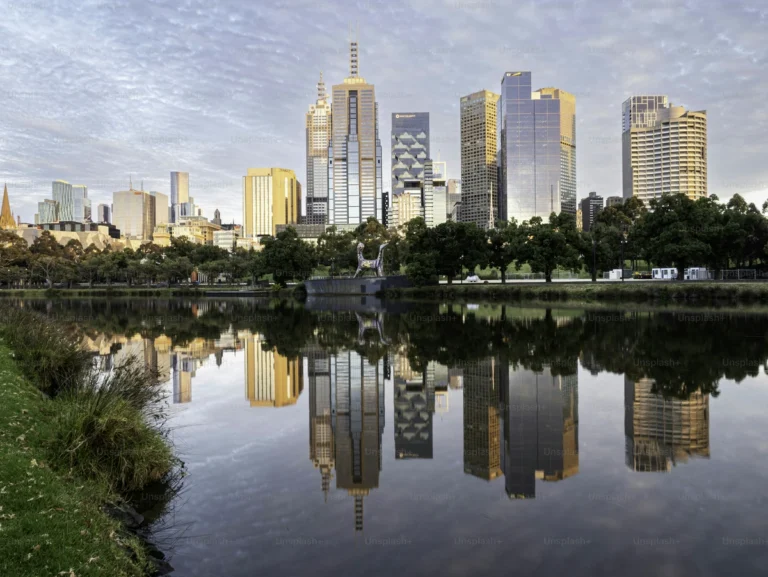
Stepping into the chronicles of modern Melbourne, it seems every avenue and every pulse of the metropolis leads back to a single origin: the tranquil flow of the Yarra River. In the deepest, most primordial memory—long before European merchant vessels parted the waves to chart a colonial map—this river basin was the living space and cultural root of the Wurundjeri people, a clan of the mighty Kulin nation. To them, the river was far more than a source of water; it was a sacred living entity named Birrarung. In the Indigenous Woi wurrung language, the name Birrarung carries a resonance both lyrical and melancholic, translated as “Land of shadows and river of mists.” That name paints an image of untamed nature at the dawn of time, where delicate morning mist drifted across the water’s surface, enfolding wetlands and ancient eucalyptus canopies that sheltered a nomadic way of life lived in harmony with nature.
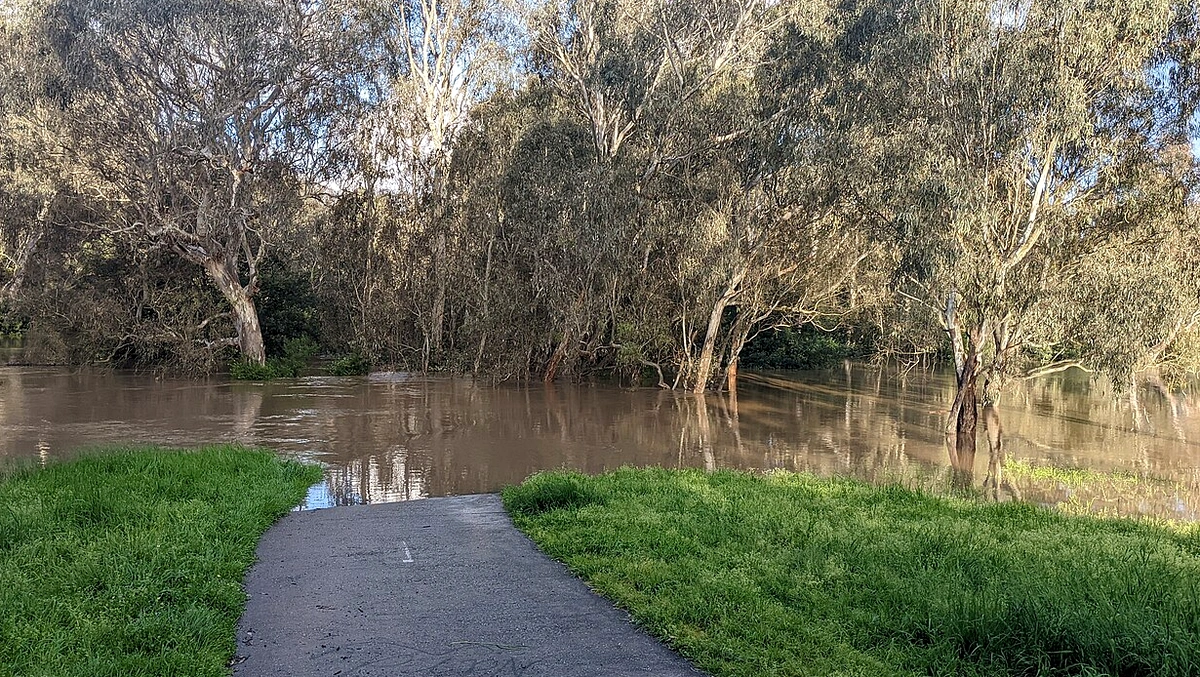
Ten thousand years of quietude along Birrarung began experiencing major upheaval in the 19th century as European expeditions reached southeastern Australia. In 1803, initial exploratory efforts led by David Collins left tentative footprints on this land, opening a turbulent new chapter. However, the historic turning point that sealed the destiny of an entire city occurred in 1835. Right along this bend of the river, explorer and businessman John Batman stepped ashore and made a strategic decision, selecting the site for a “village” and declaring it the birthplace of the city of Melbourne. Accompanying this milestone is an intriguing linguistic anecdote born of Western colonial misunderstanding: when John Batman asked the local Aboriginal people the name of the river, he received the reply “Yarro Yarro”—which was in fact a descriptive phrase meaning “ever-flowing.” Europeans mistook it for the river’s proper name, giving birth to the name Yarra and gradually overshadowing the epic Indigenous name Birrarung, creating a cultural intersection that was both poignant and historically fateful.
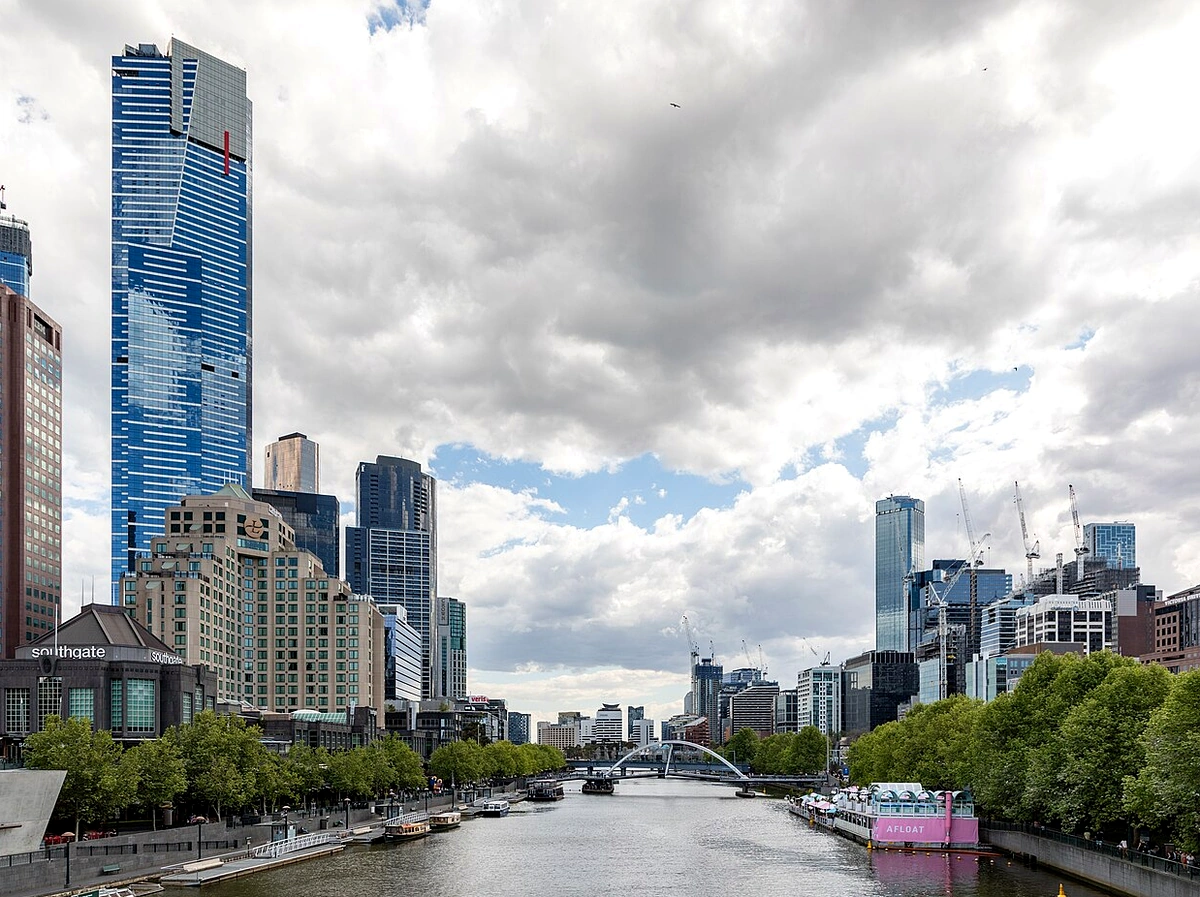
Shifting tides continued surging with the rapid expansion of the 19th century as Australia entered its historic gold rush boom. At that time, the Yarra served not only as a witness but also as a vital commercial artery, carrying bustling cargo ships and vessels fueling the fortunes sought by tens of thousands of immigrants from across the globe. This sudden surge in economic activity placed immense pressure on the river’s natural ecosystem. To accommodate deep-draft ocean-going ships, authorities undertook bold, unprecedented engineering interventions, including complex dredging projects and even cutting through and straightening the Yarra’s natural bends. These topographical surgeries permanently altered the river’s original silhouette, transforming a wild, meandering waterway into a dynamic industrialized maritime corridor.
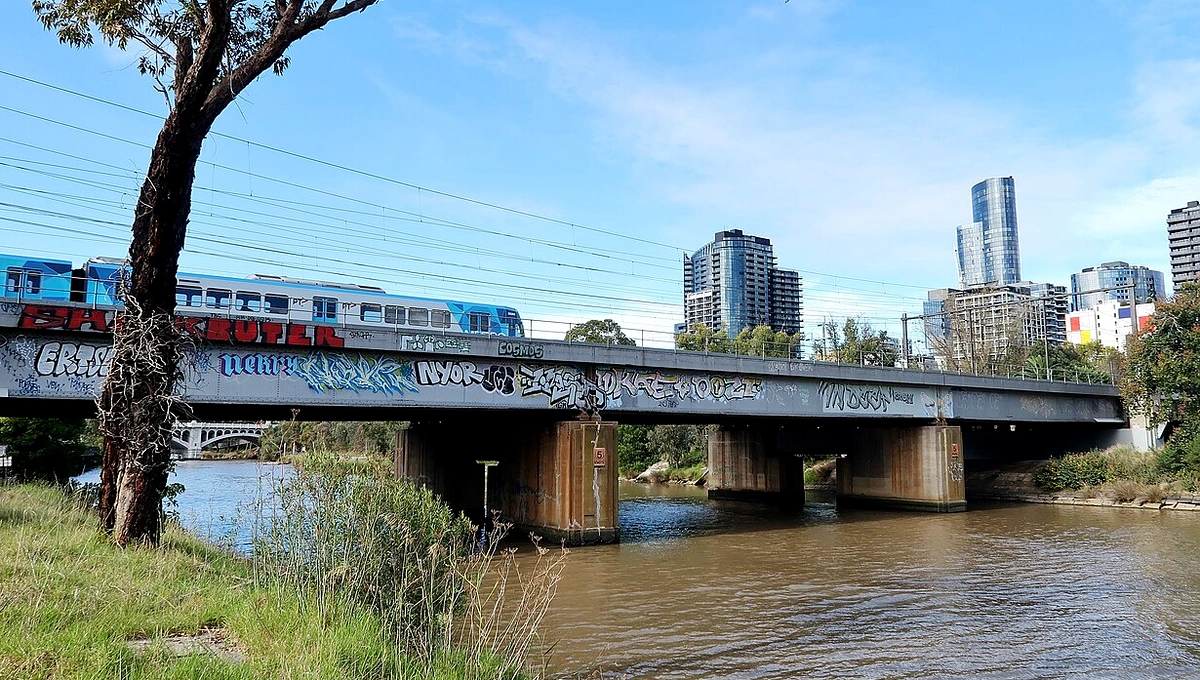
Looking back across time, the Yarra is more than a geographical feature—it is a living chronicle recounting shifts in power, cultural encounters, and nature’s resilience in the face of human engineering. From a mist-shrouded Birrarung alive in Wurundjeri flute songs and lore, through John Batman’s serendipitous “Yarro Yarro,” to today’s Yarra curving past Melbourne’s gleaming skyscrapers, the river flows tirelessly on. It carries centuries of cultural sediment, quietly witnessing the rise of one of the Southern Hemisphere’s premier metropolises while preserving within every ripple nameless echoes of a pristine, majestic beginning.
Rising on the deep-green southern slopes of the Yarra Ranges within the mighty Great Dividing Range, the waterway known natively as Birrarung winds roughly 245 kilometers from east to west before embracing Melbourne’s central business district and emptying into Hobsons Bay at the northern reach of Port Phillip. Viewed through modern geography paired with Eastern spatial philosophy, the stretch flowing through inner Melbourne is not merely a hydrological artery, but a rare masterpiece of natural urban framing. Here, the river bends gracefully in a signature S-curve, forming a core scenic axis that has shaped Victoria’s capital from its earliest days to the present.
From an urban planning and geomantic perspective, Melbourne’s spatial layout is tied to the landmark 1837 decision by surveyor Robert Hoddle to lay out the famous Hoddle Grid. This orthogonal street grid was aligned parallel to the micro-topography just north of the river, creating a harmonious dialogue between human geometry and nature’s organic curves. The Central Business District occupies a distinctive site sloping gently from higher ground in the north down toward the south, where the Yarra curves gracefully from east to south—forming the classic geomantic configuration known by traditional masters as the “jade belt embrace,” symbolizing the gathering of wealth, vital energy, and enduring urban prosperity.
The interplay between natural terrain and urban design extends beyond classical geomancy into cutting-edge contemporary ecological engineering. To manage hydrological fluctuations and protect urban spaces amid rapid growth, city authorities and engineers paired sturdy stone river embankments with culturally resonant riverfront parklands such as Birrarung Marr. Across these precincts, constructed wetland biofiltration systems have been artfully woven into the landscape, serving as green lungs and natural filters that purify runoff before it enters the bay—testament to a sustainable planning vision that respects native ecosystems and honors the sacred identity of a thousand-year-old river.
The Yarra River (Chinese: 雅拉河) is not only a natural wonder, but also the backbone of an urban realm where human architectural achievement has been carved across centuries. Stretching across Melbourne’s prosperous riverfront precincts, the waterside cityscape serves as a living architectural museum where brooding Gothic Revival, opulent Edwardian Baroque, and daring contemporary deconstructivism converge in a seamless spatial symphony. Seen through the eyes of a cultural researcher, the urban fabric anchored along the Yarra reflects visionary planning that turned a historic waterway into a spine linking Victoria’s past with its modern future.
Exemplifying 19th-century stonework and classical engineering is Princes Bridge, constructed and completed in 1888. This landmark showcases the height of refined ashlar masonry, where individual stone blocks were dressed and fitted together with exacting precision. Princes Bridge serves not only as a vital thoroughfare linking the bustling CBD with the arts and cultural precinct of Southbank across the river, but also as an open-air sculptural monument celebrating colonial-era engineering heritage. Its sturdy arches spanning the waters of 雅拉河 exude quiet grandeur, having stood witness to decades of change and the transformation of Australia’s southern metropolis.
Moving just north of the riverfront, Melbourne’s unmistakable architectural icon rises proudly at Flinders Street Station. The building is an exquisite fusion of French Renaissance and Edwardian Baroque styles, expressed through a warm red-brick facade accented with light Sydney sandstone painstakingly shipped by sea in its day. Its most arresting visual signature is the sweeping green copper dome—weathered over time to a distinctive verdigris patina—alongside the historic clock tower overlooking the city’s busiest intersection. Beneath this classical exterior lies an astonishing spatial feat: Platform 1 stretches 708 meters long, long holding the record as the world’s longest railway platform and reflecting Melbourne’s immense transit scale and first-tier metropolitan stature in the early 20th century.
Closer still to the water’s edge, where the Yarra curves around the city center, the urban language shifts dramatically at Federation Square, completed in 2002. Designed by architects from Lab Architecture Studio and Bates Smart, the complex stands as a triumph of deconstructivist architecture, breaking traditional geometric conventions to create a revolutionary civic space. Its facades and plazas employ an intricate pinwheel geometric grid assembled from thousands of panels of natural sandstone, industrial zinc, and glazed glass that mirror the shifting sky throughout the day. The deliberate contrast between Federation Square’s angular, asymmetrical volumes and the Yarra’s soft, organic flow stages a provocative yet harmonious dialogue between the built environment and nature.
The sheer thoughtfulness of the Yarra’s riverside spatial design also shines through its green corridors, sunken riverside promenades, and water-facing public plazas. Every square meter along the banks was calibrated to maximize sightlines, flood public spaces with natural daylight, and create breathing room where visitors can engage intimately with architectural history without feeling overwhelmed by concrete and steel. From the timeless ashlar stonework of Princes Bridge and French Renaissance elegance of Flinders Street Station to the bold geometric facets of Federation Square, these landmarks together forge an unmistakable identity for the Yarra River, turning it into an enduring masterpiece of urban design.
When night falls, the Yarra River (雅拉河) in Melbourne never drifts into quiet slumber; instead, it drapes itself in a dazzling cloak of light, sound, and vibrant urban energy. The Yarra corridor proudly stands at the heart of Australia’s nighttime economy and pioneering public art scene, where boundaries between nature and contemporary architecture blur to make way for unforgettable sensory experiences. Along both banks—especially bustling Southbank—evening life shifts effortlessly from refined, leisurely arts appreciation to lively nocturnal entertainment.
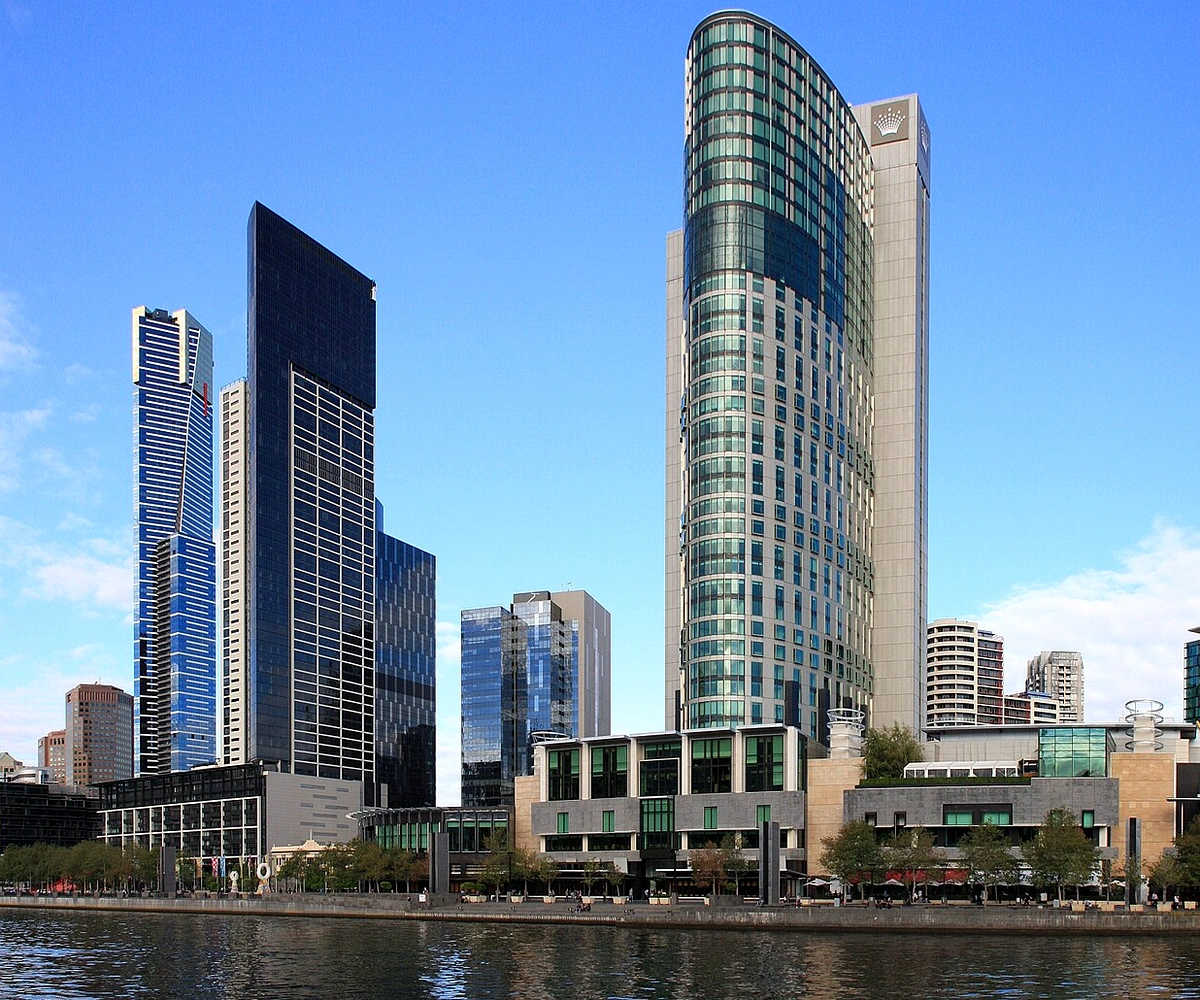
The single most iconic spectacle in the Yarra’s nocturnal panorama is the dramatic Gas Brigades fire show directly outside Crown Casino at Southbank. Far more than a conventional fireworks display, this engineering marvel-meets-art installation features towering, discreetly integrated gas columns that erupt skyward with massive fireballs reaching dozens of meters high. These roaring flames dance in synchronization with sweeping electronic orchestral music and color-shifting LED lights along the water, composing a symphony of fire and water that leaves tens of thousands of onlookers spellbound. Heat and radiance reflecting off the dark surface of the Yarra generate a visceral visual impact that captures Melbourne’s bold, contemporary spirit.
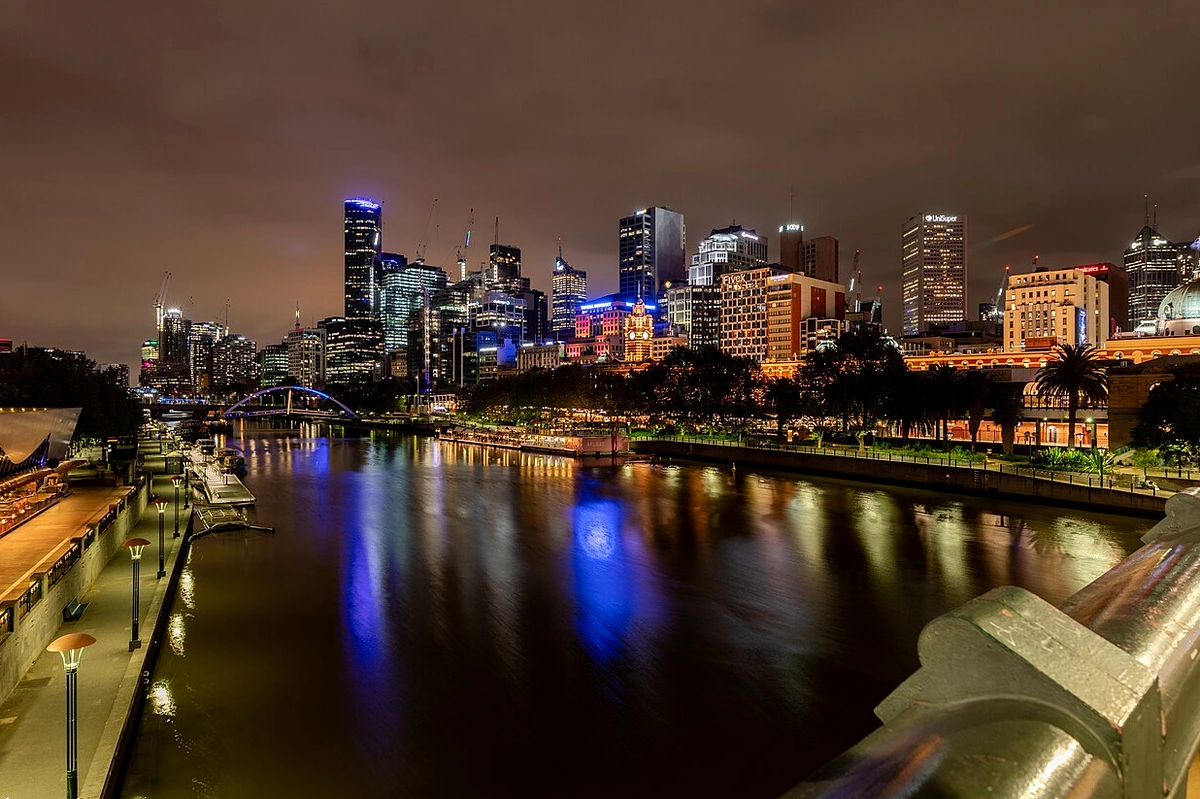
Beyond Crown Casino’s towering flames, artistic illumination along the Yarra corridor is thoughtfully curated by the city through comprehensive architectural floodlighting. Iconic pedestrian spans such as Seafarers Bridge and Evan Walker Bridge, alongside restored riverside heritage buildings, are outfitted with state-of-the-art lighting systems. Light does far more than pierce the dark—it acts as luminous sculpture, accentuating intricate details on converted historic warehouses and sleek glass towers alike. Bathed in warm gold, ethereal blue, and shimmering violet, the Yarra becomes a jeweled ribbon of silk guiding evening strollers through a strikingly different Melbourne after sunset.
Alongside architectural lighting, evenings along the Yarra buzz with flavor and cultural color during seasonal riverside Night Markets. In peak summer months, the waterfront fills with aromas from multicultural cuisines, ranging from bold local street fare to refined European and Asian specialties. Blending into the atmosphere are acoustic guitar melodies and the resonant, earthy drone of the didgeridoo—the traditional instrument of Indigenous Australians—played by talented street buskers. These primordial tones echoing through the modern city create a singular cultural convergence that reminds every traveler of Victoria’s deep ancestral roots.
Rounding out the nocturnal arts experience along the Yarra are outdoor contemporary installations, including water-screen projections and interactive digital light shows. Locals and international visitors alike settle into riverside cafes or stroll along Southbank’s timber boardwalks, breathing in crisp, sweet river air while listening to the quiet current that embraces the city. Together, these elements craft an impeccable after-dark cultural and leisure landscape, establishing the Yarra River as an enduring symbol of Melbourne’s art of living.
Exploring the basin of 雅拉河 (the Yarra River) in Victoria would be incomplete without savoring the culinary traditions and gastronomic heritage nurtured here over nearly two centuries. This silt-rich waterway serves not only as an urban scenic and transport spine, but also as the cradle of some of Australia’s most celebrated agriculture, culinary artistry, and winemaking. Stretching from its highland valley headwaters down to its lower reaches embracing modern Melbourne, the Yarra charts a rich flavor map where Indigenous traditions harmonize with European immigrant culinary mastery.
Heading upstream, the Yarra Valley unveils a distinctive terroir celebrated for cool-climate viticulture that officially began in 1838. The ideal interplay of temperate weather, nutrient-rich volcanic red clay soils, and cool ocean breezes creates premier growing conditions for world-renowned grape varieties. The region is famed for its nuanced Pinot Noir and mineral-driven Chardonnay. Traditional vintners here continue aging wines in French oak barrels, pairing time-honored family vineyard stewardship with modern oenology to craft luminous vintages infused with the essence of Victoria’s landscape.
Sweeping past rolling vineyard hills downstream, the Yarra carries history into the heart of Melbourne, where urban dining culture flourishes through century-old institutions. Foremost among them is the afternoon tea heritage of the historic Hopetoun Tea Rooms, founded in 1892. Across more than a century of service, this beloved institution has preserved the refined elegance of Edwardian high tea. Guests visit not only to sample fine loose-leaf teas curated from around the world, but also to step back in time amidst ornate timber interiors, warm buttery scones, and handcrafted pastries decorated to 19th-century British royal standards.
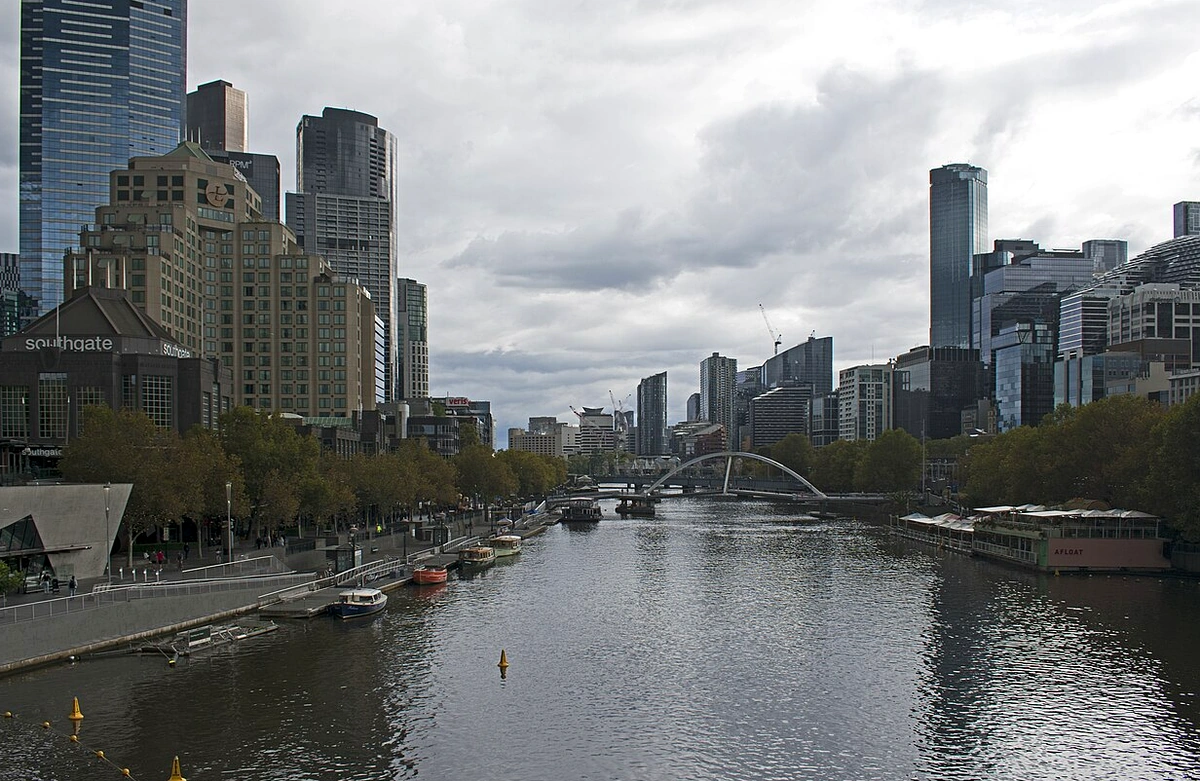
Continuing the contemporary rhythm, Southbank Waterfront Gastronomy offers a vibrant contrast with its dynamic riverside fine-dining scene. Acclaimed restaurants lining both banks of the Yarra turn the waterfront into a haven for discerning food lovers. Menus pay wholehearted tribute to the bountiful harvests of Australia’s southern waters—with prized delicacies such as freshly shucked oysters from Tasmania’s pristine bays and sweet blue swimmer crab from Port Phillip Bay taking center stage. The marriage of ultra-fresh seafood, artistic plating, and sweeping views over the lantern-lit Yarra at dusk creates quintessential Melbourne dining memories that linger long after a visitor departs.
To round out your journey along the Yarra River (雅拉河)—Australia’s cultural and scenic lifeline—equipping yourself with practical, on-the-ground advice is the key to a seamless visit. Unlike enclosed artificial entertainment complexes, the Yarra riverfront opens onto an integrated urban landscape where nature and contemporary architecture meet, allowing the unhurried pace of tranquil waters to coexist with the lively pulse of one of the world’s most livable cities. According to official Victorian tourism guidelines, major public waterfront spaces such as Southbank Promenade and Birrarung Marr remain open 24/7 with completely free admission—giving travelers total freedom to stroll at sunset across historic bridges or join year-round community festivities without time or ticket constraints.
However, for iconic attractions situated along or beside the Yarra corridor, advance planning is essential to avoid long queues, particularly during peak festivals such as Moomba or Lunar New Year. World-famous landmarks like SEA LIFE Melbourne Aquarium (immersing visitors in the marine wonders of the Southern Ocean) and Melbourne Skydeck (offering breathtaking panoramic views of the winding Yarra from dizzying heights) strongly warrant booking timed tickets online days or weeks ahead. Online reservations not only save valuable waiting time at ticket counters, but frequently unlock promotional rates and help streamline your daily itinerary.
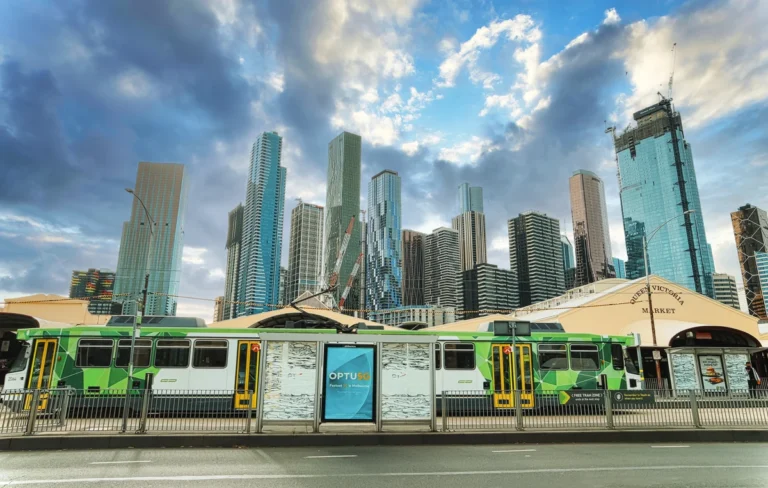
When it comes to getting around Melbourne, public transit heading toward the Yarra is remarkably convenient and traveler-friendly. Visitors can take full advantage of the city’s complimentary downtown streetcar network, widely known as the Free Tram Zone. Trams run continuously past key stops bordering Southbank and Federation Square, making trips from central hotels to the riverfront fast, effortless, and cost-free. For those eager to explore further downstream toward Port Phillip Bay, tapping a Myki card on suburban trains or boarding a scenic Yarra River Cruise offers a relaxed, poetic perspective right from the water.
Equally vital to comfort throughout your trip is understanding Melbourne’s famously changeable climate. The city has long been renowned for erratic weather shifts locals affectionately call “four seasons in one day.” A bright, sun-drenched morning can swiftly give way to brisk southerly winds by afternoon. Consequently, dressing in layers—often referred to as the “onion method”—is the golden rule recommended by travel experts: start with a lightweight base shirt, add a sweater or cardigan mid-layer, and always keep a windproof, water-resistant outer jacket on hand. This flexibility lets you adjust effortlessly to sudden temperature drops along the river.
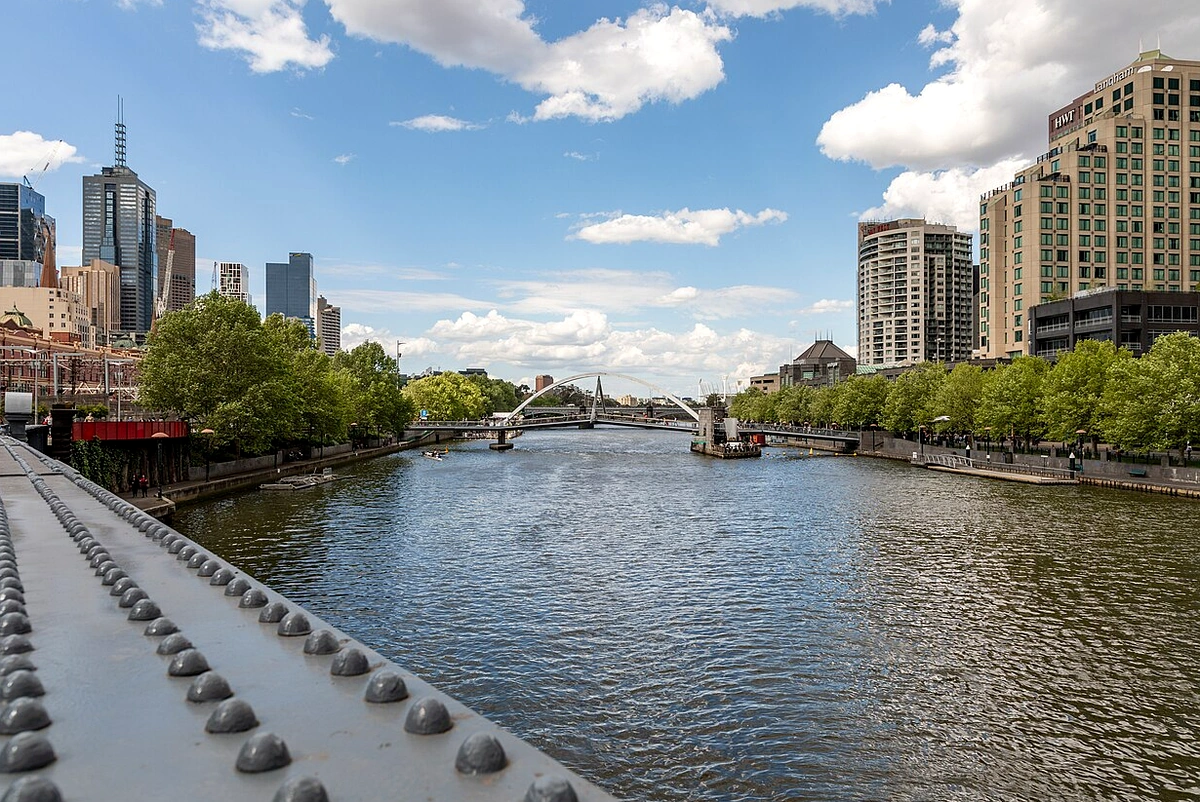
Additionally, dining etiquette and dress codes at upscale riverside restaurants along the Yarra deserve attention. Southbank Promenade and the Crown Entertainment Complex bring together numerous world-class restaurants serving refined Asian and European fare, from fresh Port Phillip seafood to distinguished vintages from the Yarra Valley. When planning a romantic dinner at these high-end venues, keep dress codes in mind: most fine-dining establishments require smart-casual attire for men, strictly prohibiting shorts, singlets, or flip-flops inside formal dining rooms. Preparing thoughtfully in mindset, wardrobe, and local insight unlocks the richest possible experience—turning a stroll beside the historic Yarra into an unforgettable travel memory. To make your journey exploring Australia’s architectural and natural icons effortless from start to finish without worrying about logistics, explore our detailed itinerary for the 7-Day 6-Night Melbourne – Canberra – Sydney tour guided by experienced specialists.