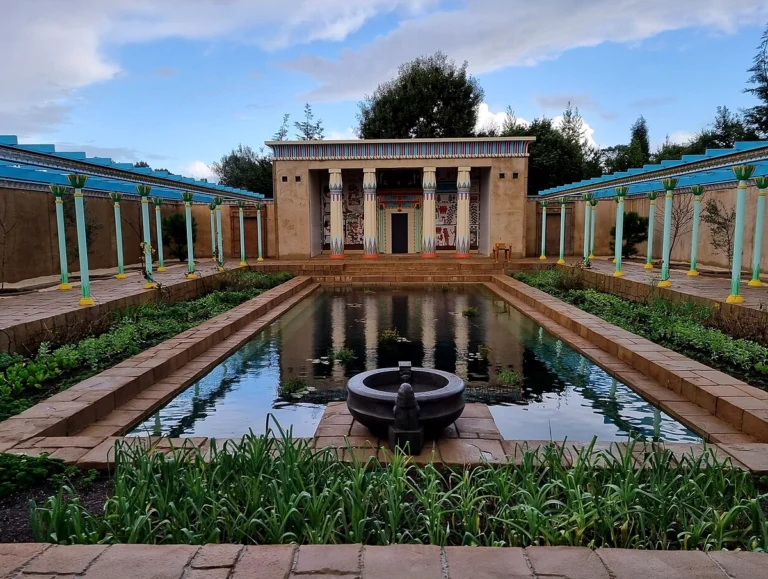
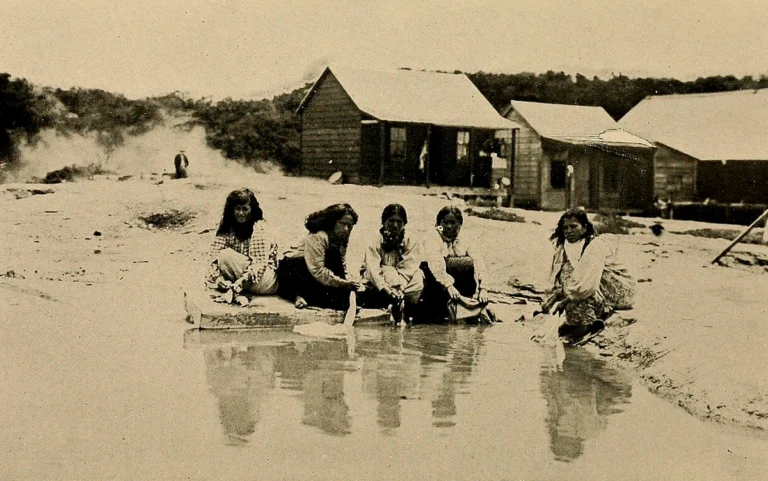
Tracing the maritime chronicles and historical annals of the southernmost tip of the African continent, exploring Hermanus moves nostalgic souls with a landscape of memory shaped by ocean winds and human perseverance. Reaching back into the currents of time to 1835, when the Cape of Good Hope and its surrounding territories were undergoing complex geopolitical shifts during the Cape Colony era, Hermanus entered the human map with a remarkably humble beginning. That was the year Hermanus Pieters—a Dutch shepherd and fisherman searching for lush summer grazing pastures for his livestock—bravely crossed the rugged Overberg Mountains. Traversing rocky valleys and dense mists into uncharted territory, he arrived at the fertile shores of Walker Bay, where fresh spring water flowed from underground aquifers and the ocean teemed with fish. Long before bearing any European imprint, this land had been named by the indigenous Khoisan people in their native tongue with a vivid expression meaning “Land of the Winds,” where brisk Antarctic gales swept across sandstone cliffs, sculpting a wild and solitary ecosystem.
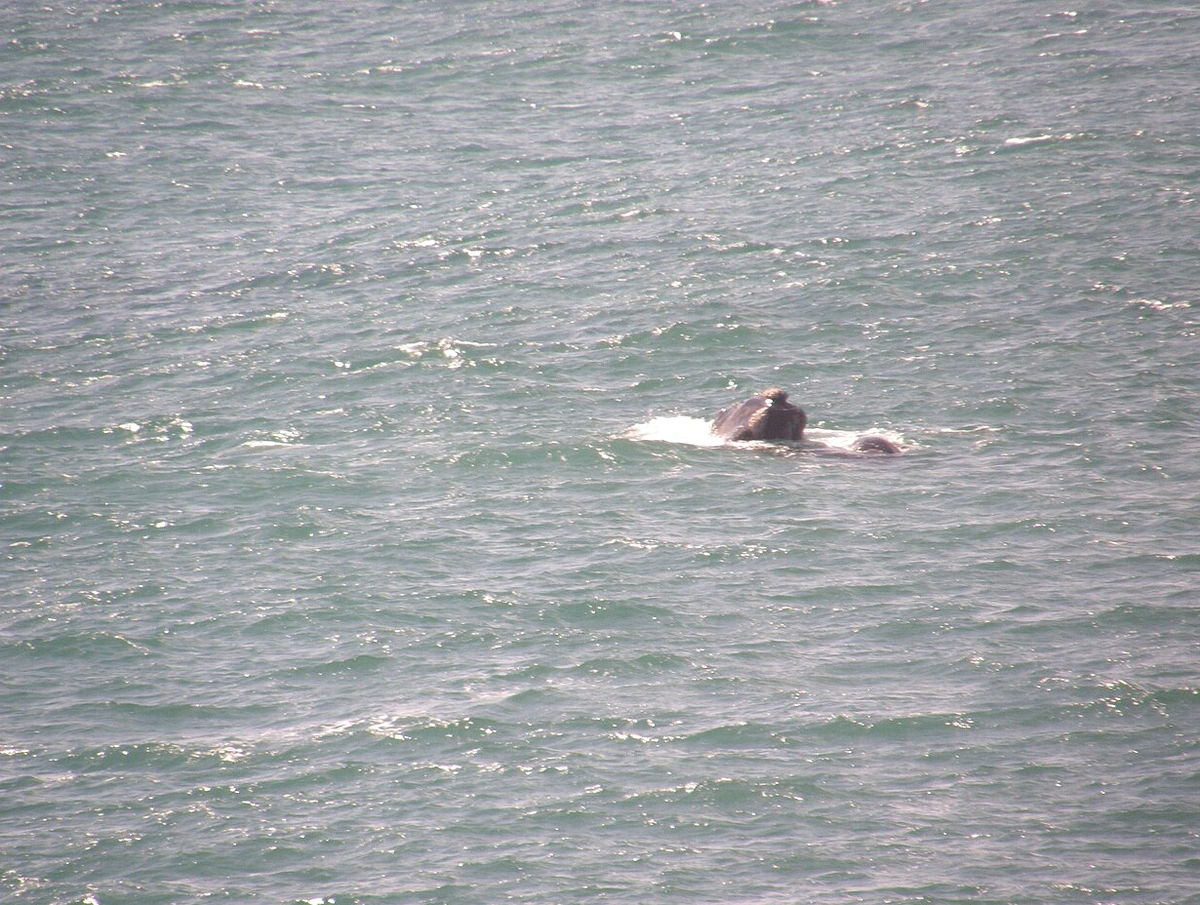
During its earliest colonial decades, this settlement was known as Hermanus Pieters Fontein, in tribute to the pioneer who discovered its first freshwater spring. Its transformation from an informal grazing outpost into an organized settlement unfolded slowly yet steadily through the changing tides of history. By 1855, propelled by a growing community of fishermen and merchants migrating from inland toward the sea, the settlement was officially recognized and granted status as a coastal fishing village. The sea not only bestowed abundant marine harvests, but also forged a way of life attuned to the pulse of the tides, where small wooden boats braved the white-capped swells of the Atlantic. It was not until 1902, when post-Boer War administrative reforms took place under British imperial governance, that the lengthy, nostalgic original name was streamlined into the crisp, modern title of Hermanus—a name now legendary in global ecotourism.
At the dawn of the 20th century, the trajectory of Hermanus nearly veered toward full-scale industrialization had it not been for the visionary intervention of Sir William Hoy, then General Manager of the Cape Government Railways. Amid an industrial boom sweeping across South Africa—with railway lines extending to every corner of colonial extraction—Sir William Hoy resolutely used his political influence to block the railway from reaching Hermanus. He had fallen so deeply in love with the town’s absolute tranquility, crisp salt-laced air, and pristine coastal cliffs that he requested his ashes be scattered upon Hoy’s Koppie in the town after his passing. That decision to defy the industrial currents of the era became a priceless gift bestowed by history upon future generations, sparing Hermanus from factory smoke and premature urban sprawl while preserving a rare, unspoiled natural ecosystem.
Following that pivotal conservation milestone, the town’s civic administration and municipal governance were swiftly established. In 1904, just two years after its renaming, a local municipal board was officially founded, creating a solid legal framework for urban planning harmonized with marine conservation. From a little-known fishing village tucked behind the natural rampart of the Overberg Mountains, Hermanus steadily rose in prominence through the mid-to-late 20th century to take the international stage as the whale-watching capital of the world. South Africa’s historic transformations—from political transitions to the era of global integration—only deepened the quiet dignity of a town that knew how to safeguard its past. Here, every street name, sheer cliff face, and breaking wave whispers the story of the Dutch shepherd of yesteryear, the railway official who cherished stillness, and a community that has protected an ocean treasure across the chapters of human history.
Commanding the northern shore of Walker Bay at the southern edge of Africa, Hermanus stands as a geographical marvel blessed by nature with a magnificent spatial structure. Viewed through the classical lens of traditional Eastern geomancy, this landscape embodies the supreme configuration known as “backed by mountains, facing water, sheltering wind and gathering vital energy.” To the north, the town rests majestically against the rugged sandstone peaks of the Klein River Mountains—a formidable natural barrier that shields against icy continental winds from the interior as well as scorching heat from inland arid regions. As a result, the town enjoys a temperate, wind-sheltered, and remarkably stable microclimate across all four seasons, providing an ideal ecological foundation for both human settlement and marine life.
In striking contrast to the towering mountain backdrop to the north, the front of Hermanus opens onto an expansive southern vista facing the vast Atlantic Ocean, where waves roll endlessly against the shore. The coastline here boasts a dramatic, indented topography weaving together sheer ancient sandstone sea cliffs and naturally sheltered coves such as the Old Harbour. This intricate geological formation not only creates breathtaking visual panoramas, but also plays a decisive role in shaping ocean currents and the hydrological dynamics of the entire bay.
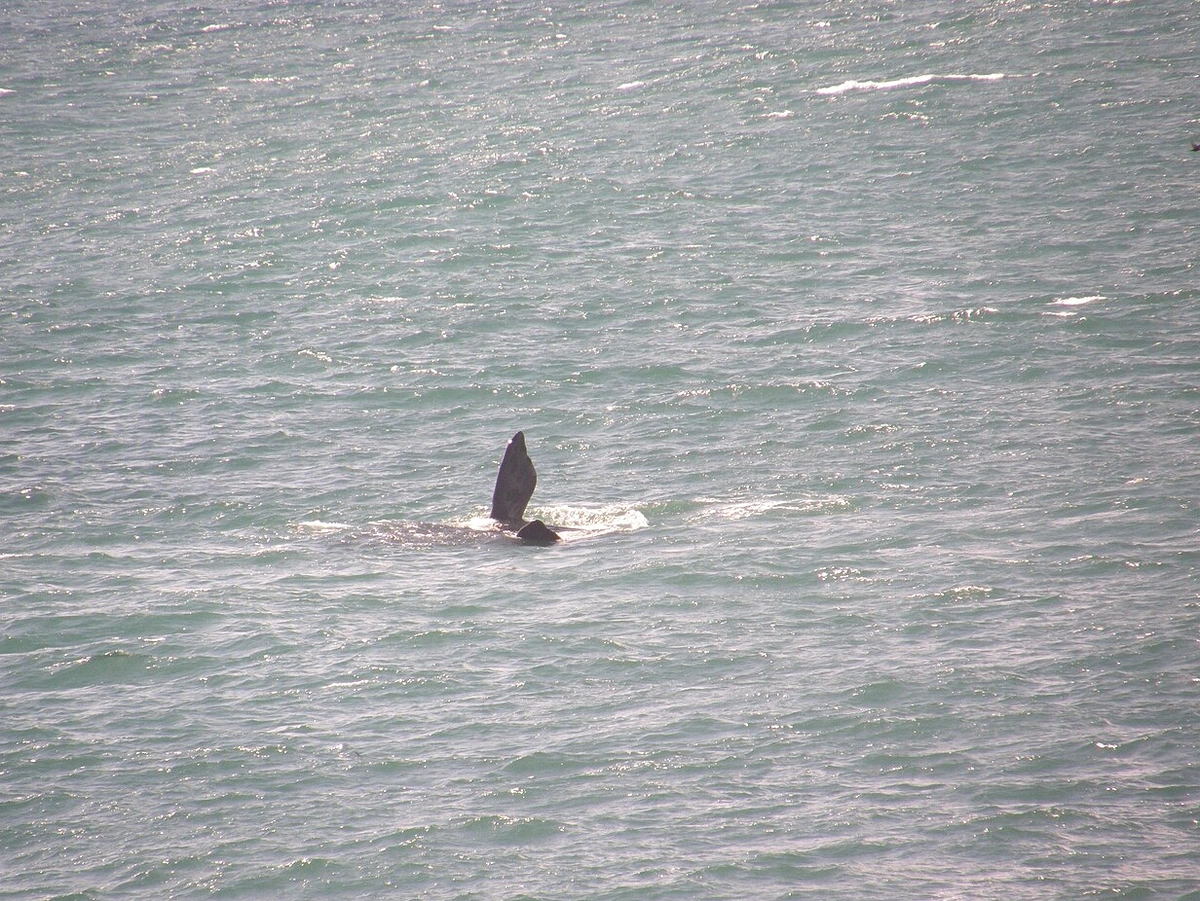
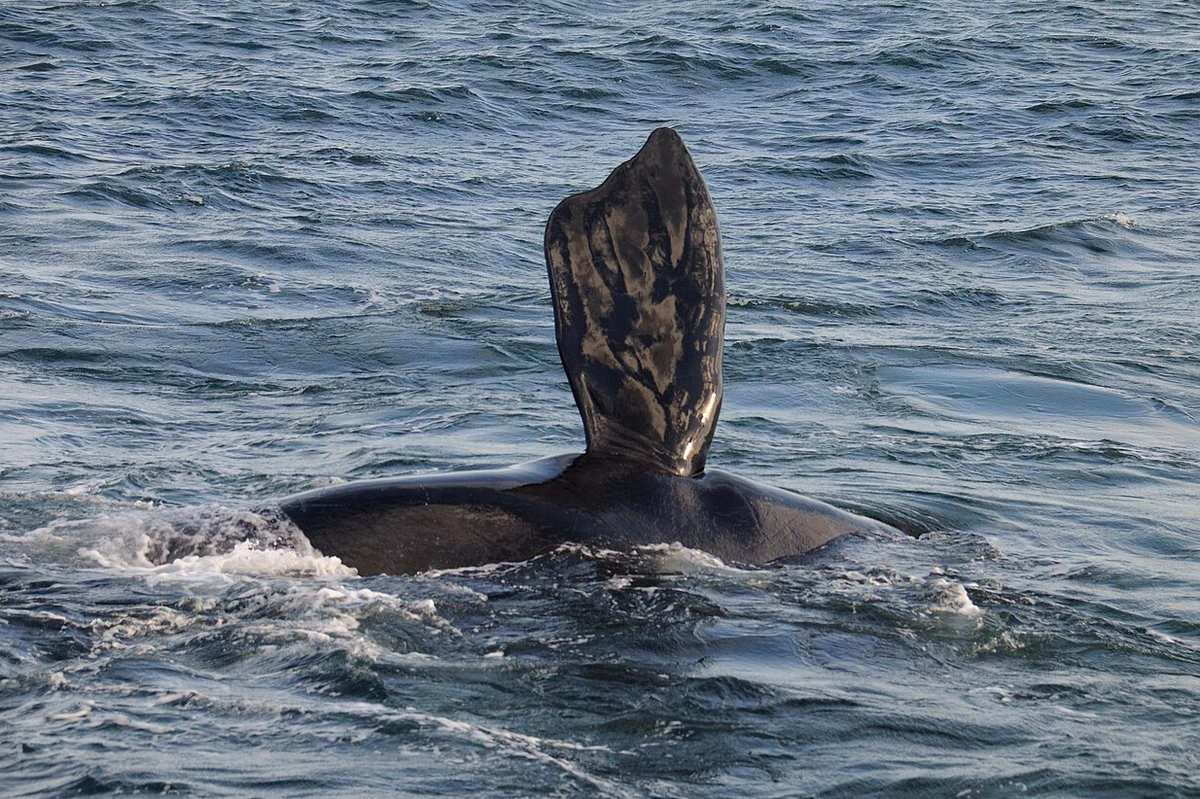
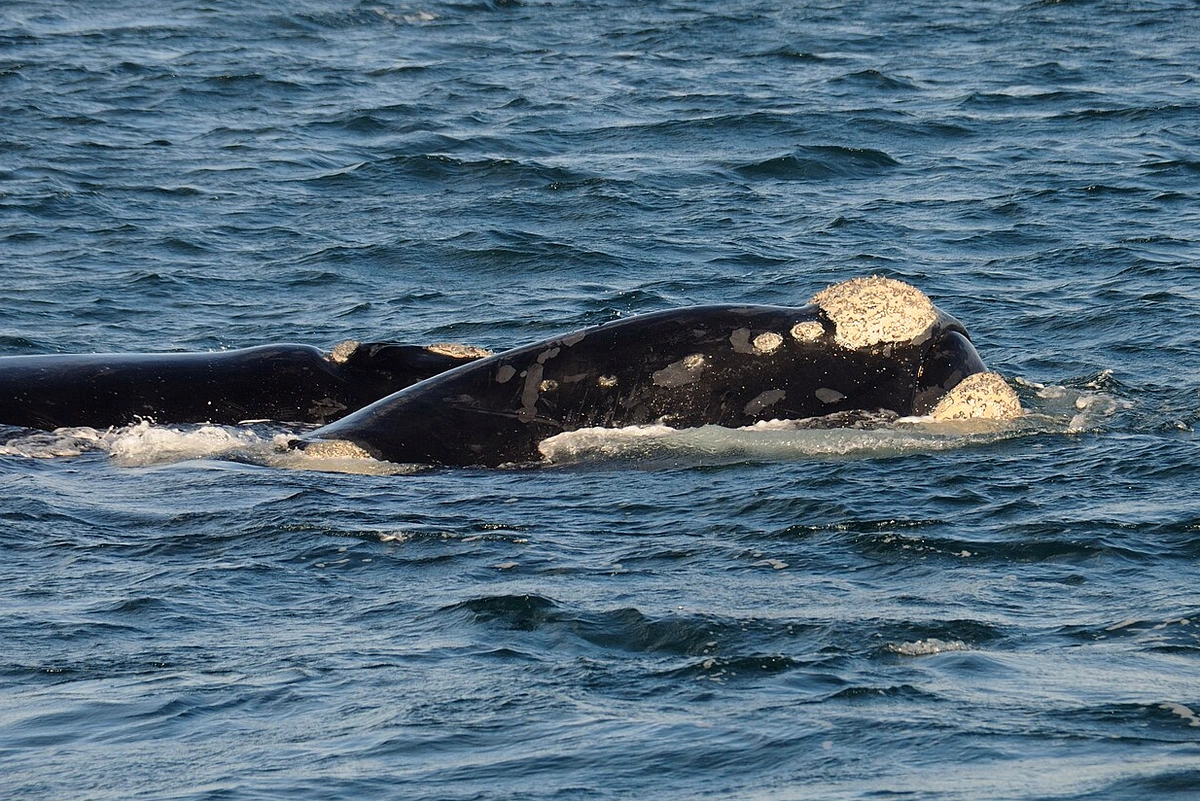
Examining the underwater geomorphology and oceanographic mechanics in detail, marine scientists have identified the extraordinary characteristics that turn this bay into the planet’s premier natural nursery for the southern right whale, scientifically classified as Eubalaena australis. The key lies in Walker Bay’s ideal nearshore water depth combined with warm currents flowing along the continental shelf. Together, these features create calm, shallow, nutrient-rich waters—an exceptionally safe and warm sanctuary where mother whales journey thousands of nautical miles from icy Antarctic waters each year between June and December to calve, nurse, and play in the surf alongside their newborn calves.
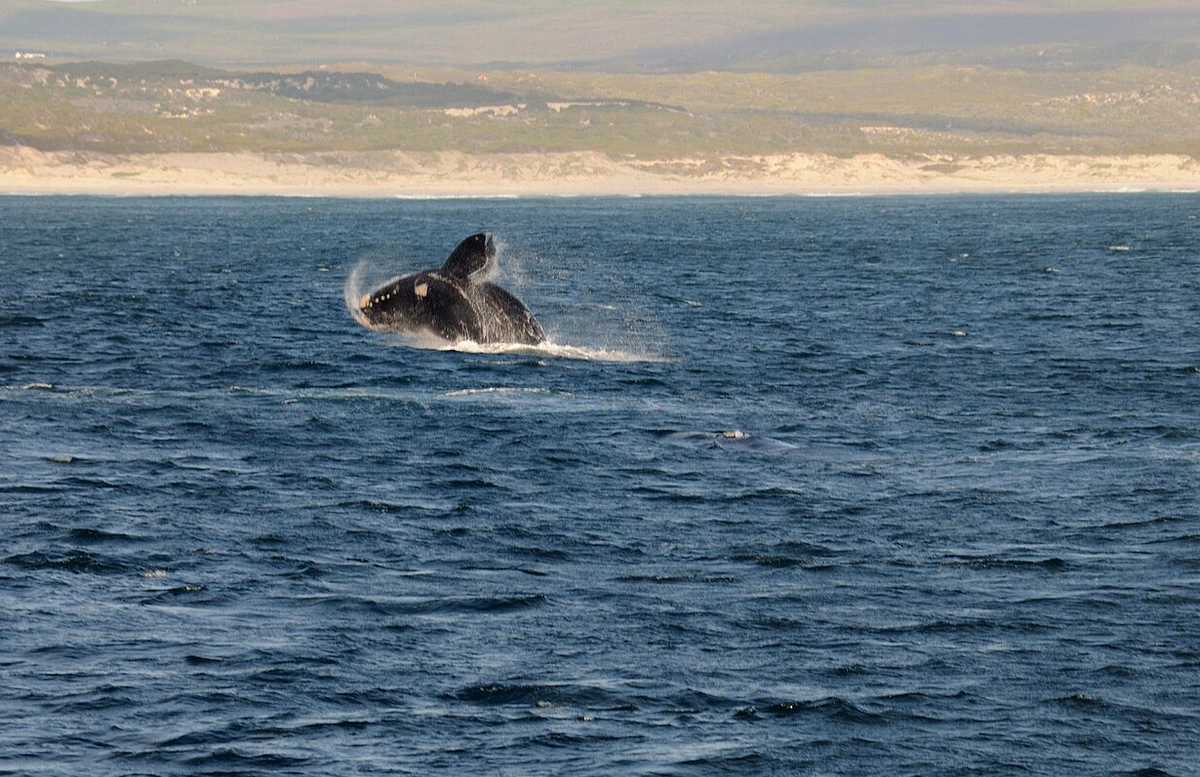
It is precisely this rare union of steep coastal cliffs plunging right to the water’s edge and the biological behavior of southern right whales that has given rise to an unmatched ecotourism phenomenon: watching whales right from shore. Without needing to board large vessels into rough offshore seas and risk seasickness, visitors to Hermanus can simply stand leisurely atop the seaside cliffs, stroll along scenic clifftop trails, or even sip coffee at open-air cafes while watching these ocean giants surface, spout, and slap their tails just meters from the rocks. Land-based whale watching here has reached perfection thanks to the natural elevation of the cliffs, earning Hermanus its crown as the world’s finest whale-watching capital—where the boundary between untamed marine wilderness and human daily life dissolves into a majestic symphony of nature.
Stretching along the windswept coastline of Walker Bay, the spatial layout and architectural language of Hermanus unfold like a living museum of human ecological adaptation to the rugged Southern Ocean. Rather than chasing ostentatious trends or modern flashiness, the town’s urban character reflects centuries of refined vernacular craftsmanship shaped by the meeting of traditional Cape Dutch heritage and colonial Victorian style. Viewed from above, the layout of old Hermanus hugs the natural curves of the sandstone cliffs, creating seamless harmony between human structures and untamed terrain. Early planners and artisans never flattened or overpowered the landscape; instead, they worked respectfully with the contours of the land, utilizing rocky coves, reefs, and prevailing sea breezes to orient pathways, cottages, and iconic whale-watching lookouts.
In terms of construction technique and building materials, the historic structures of Hermanus showcase the pragmatic mastery of past-century craftsmen. The exterior walls of original cottages were built entirely from locally quarried sandstone and slate, averaging more than fifty centimeters in thickness. These massive stone walls serve as protective armor, insulating interiors against the roar of crashing surf while withstanding relentless salt-laden ocean gales. Over this sturdy masonry lies a traditional limewash finish made from pure slaked lime, forming a breathable, naturally antimicrobial coating that reflects the intense sunlight characteristic of the Cape Peninsula. Through decades of sun, rain, and sea spray, crisp white limewash blends with weathered slate gray to create a signature visual palette—humble yet proud against the dramatic South African landscape.
Stepping inside to examine the interior woodwork and joinery, visitors are struck by the meticulous material selection and craftsmanship of local artisans. Structural frames, beams, and carved details inside heritage buildings were fashioned from prized indigenous hardwoods such as South African yellowwood and ironwood. Before installation, every timber beam underwent natural seasoning and treatment to resist decay from coastal humidity. During the town’s early era, roofs were typically thatched with thick local reeds providing superb thermal insulation. By the late 19th century, however, stringent fire safety regulations enacted to protect residents from wind-whipped blazes led to most thatched roofs being replaced with corrugated galvanized iron—inadvertently establishing a distinctive vintage coastal-industrial aesthetic across the harbor district.
The clearest testament to semi-subterranean craftsmanship and functional scale in Hermanus architecture is the Old Harbour Museum precinct, once a bustling hub of commerce and fishing. Rather than standing fully exposed above ground, key structures here were built semi-recessed, cleverly carved directly into the natural coastal cliff face. This bold architectural solution enabled the buildings to harness solid bedrock as a natural seawall against ocean tempests while keeping interior storage spaces naturally temperature-regulated—cool in summer and warm in winter. Every corner, stone joint, and window frame overlooking the water reflects a long-term planning ethos in which humanity does not conquer nature by brute force, but coexists in deep reverence for the rhythm of the sea.
When night falls over Walker Bay, Hermanus does not sink into featureless darkness; instead, it enters a serene, enchanting, and poetic chapter. Unlike bustling conventional seaside resorts, nightlife in this whale-watching town is guided by a rigorous and compassionate ecological philosophy: Dark Sky Preservation. Strolling along the clifftop trails after dusk, visitors notice that municipal streetlights and pathway fixtures emit a distinctive warm glow. These specialized amber LED lamps maintain a low color temperature below 2700K. This thoughtful choice not only minimizes glare for human eyes, but above all serves as a vital biological boundary protecting the massive marine creatures swimming just offshore, ensuring artificial light never disrupts their natural navigation systems. At the same time, this low-impact lighting unlocks a priceless celestial wonder overhead: the Southern Hemisphere night sky ablaze with millions of stars, sparkling like an untouched Milky Way free from modern urban light pollution.
Nighttime architecture and evening ambiance in Hermanus thus radiate a quiet, nostalgic elegance. Beneath soft amber illumination, stone steps descending toward the shore feature discreetly recessed lighting that gently outlines the sweeping contours of natural cliffs and centuries-old stone walls. In this tranquil setting, the rhythmic murmur of waves lapping against the cliff base blends with ocean breezes to create pure natural music. Visitors often settle quietly into intimate seaside cafes or onto stone benches along the Cliff Path, savoring a glass of full-bodied South African wine from the Walker Bay terroir while gazing out over the mist-veiled ocean and imagining the epic migration of the whales below.
Yet the pinnacle of spatial artistry and illumination in Hermanus arrives every September, when the Hermanus Whale Festival opens and transforms the town into a colossal open-air stage. A centerpiece of the celebration features live outdoor performances paired with interactive projection mapping cast directly onto historic stone walls. Dynamic light installations vividly portray the life cycle of marine wildlife while recounting the timeless epic of sacred coexistence between humans and whales across generations. Interwoven with these luminous visuals are soulful melodies and traditional dances rooted in the spiritual heritage of the Khoisan—the oldest indigenous inhabitants of southernmost Africa. Rhythmic steps, expressive movements, and ancestral chants invoking blessings echo through the night beneath amber lights and a star-strewn sky, forging a seamless union between past and present, human culture and untamed wilderness.
Where the unbridled breath of the ocean meets the refined art of South African living, Hermanus unveils an irresistible culinary landscape whose local flavors mirror centuries of history, terroir, and cultural exchange. Perched along the chilly yet extraordinarily bountiful Atlantic coast, Hermanus captivates travelers not only with ocean vistas and southern marine giants, but also with a distinguished gastronomic culture born from the marriage of world-class cold-water seafood and the celebrated winemaking heritage of the Western Cape.
The height of culinary experience here is embodied by landmarks steeped in time, most notably Bientang’s Cave Restaurant. Tucked inside a natural sea cave opening directly onto the ocean, this cavern once sheltered the indigenous Khoisan people thousands of years ago. Seated beneath ancient rock arches, listening to waves wash against million-year-old stone while enjoying a sumptuous feast as sleek whales spout silver plumes of mist just offshore delivers an experience unmatched anywhere else on Earth. Within this legendary space, past and present intertwine, elevating every meal into an intimate communion between humanity and wild nature.
Menus in Hermanus read like a culinary symphony composed from the finest treasures of the sea. A classic prelude to the meal is charcoal-grilled West Coast rock lobster. Harvested fresh from icy deep waters and prepared by skilled local chefs, the lobster is seasoned simply with coarse sea salt, minced garlic, and fine olive oil to preserve its pure natural sweetness and firm, succulent texture. Following this opening act is South African abalone, locally known as Perlemoen. Rare and prized, abalone here is delicately slow-steamed or finished in a white-wine butter sauce so its tender flesh absorbs rich, aromatic notes while retaining its signature crisp bite.
Alongside pure ocean flavors, Hermanus cuisine bears the unmistakable imprint of migration and cultural fusion through traditional Cape Malay curries. The fragrant interplay of warm Southeast Asian spices with abundant seafood from Africa’s southern tip creates layered, complex flavors that awaken every sense. Each dish represents far more than a blend of ingredients—it tells the story of diverse communities who settled, nurtured, and passed down their culinary traditions across generations.
No culinary portrait of Hermanus would ever be complete without fine wines crafted in the neighboring Hemel-en-Aarde Valley of Upper Walker Bay. Blessed with a distinctive coastal terroir where cool ocean breezes sweep up sloping vineyards, this valley has become a hallowed sanctuary for Pinot Noir and Chardonnay. When the sweet richness of grilled rock lobster or buttery abalone meets a glass of luminous Chardonnay brimming with tropical fruit notes—or when the aromatic spice of Cape Malay curry is balanced by an elegant, silky-tannin Pinot Noir—diners experience the true essence of local gastronomy: honoring nature, preserving heritage, and savoring every present moment.
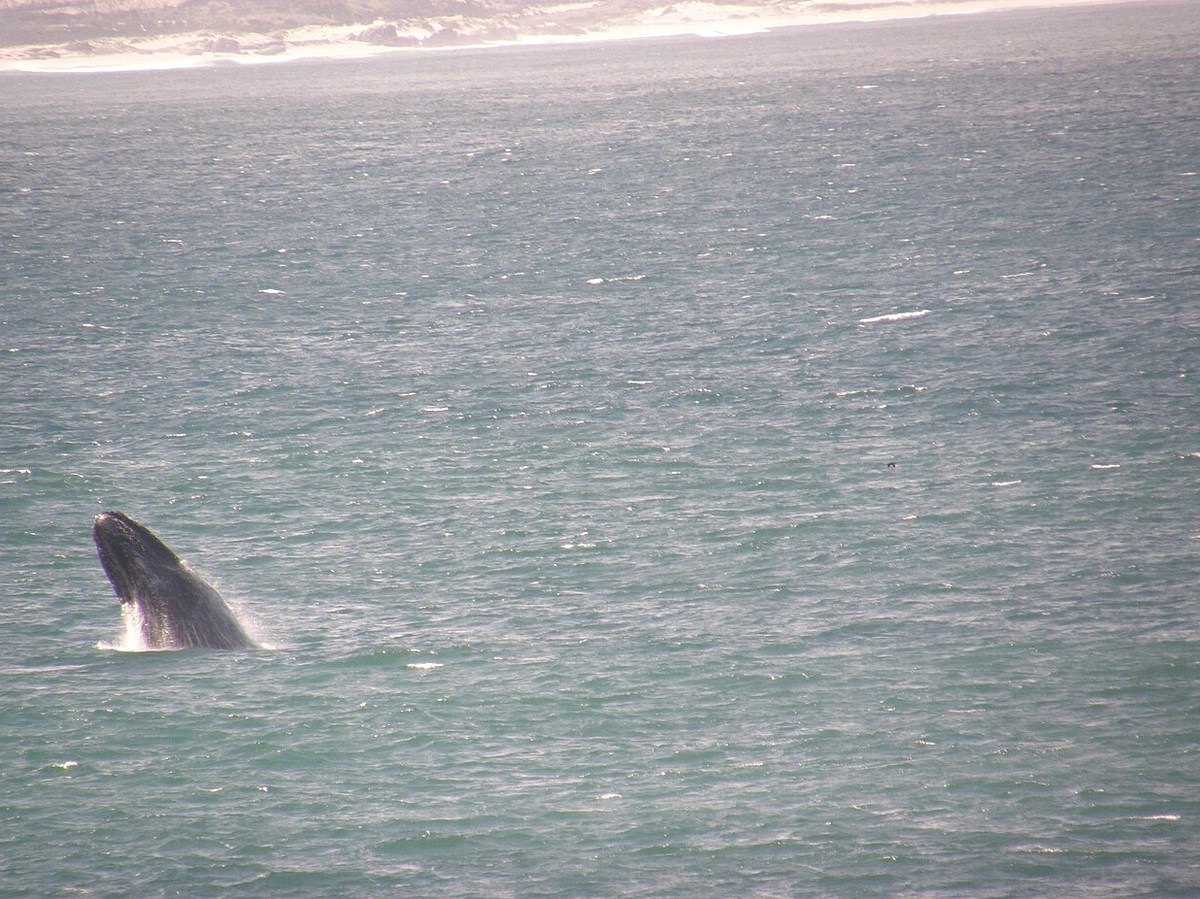
To make the most of your visit to the whale-watching town of Hermanus in South Africa, a practical, detailed field guide will keep you prepared for every situation. First and foremost, timing your trip accurately is crucial for the best wildlife sightings. The whale-watching and photography season runs from June through December each year, reaching its spectacular peak in September and October when hundreds of southern right whales and humpback whales enter the sheltered bay to mate and calve. Keep in mind, however, that these months span winter into spring in the Southern Hemisphere, bringing brisk weather accompanied by invigorating sea breezes. Daytime temperatures typically range between 15°C and 20°C, but after sunset temperatures can dip below 8°C, making thoughtful wardrobe preparation essential.
Regarding transportation, the most convenient and scenic route departs from Cape Town. Travelers can rent a self-drive car and follow the major N2 highway before turning onto the scenic R43 coastal route—a drive taking roughly one-and-a-half to two hours through dramatic Western Cape landscapes. Once in Hermanus, the best way to reach prime viewing vantage points is on foot along the famous Cliff Path. Stretching roughly four to five kilometers from the New Harbour to Gearing’s Point, this rugged yet romantic coastal trail hugs the shoreline and commands sweeping panoramas across the deep blue bay, where whale flukes frequently rise amid white-crested waves.
One unforgettable piece of living intangible heritage that no visitor strolling the cliffs should miss is the resonant call of a horn crafted from dried kelp, known as the Kelp Horn. Its deep, earthy, sea-scented blast is sounded by the town’s traditional Whale Crier. Acting as an age-old acoustic signal, the horn alerts onlookers to the exact locations where whales have been spotted close to shore, ensuring visitors never miss a magical sighting. Pause to listen and learn the proud story behind this unique living tradition carried on by the town’s dedicated guardians of coastal heritage.
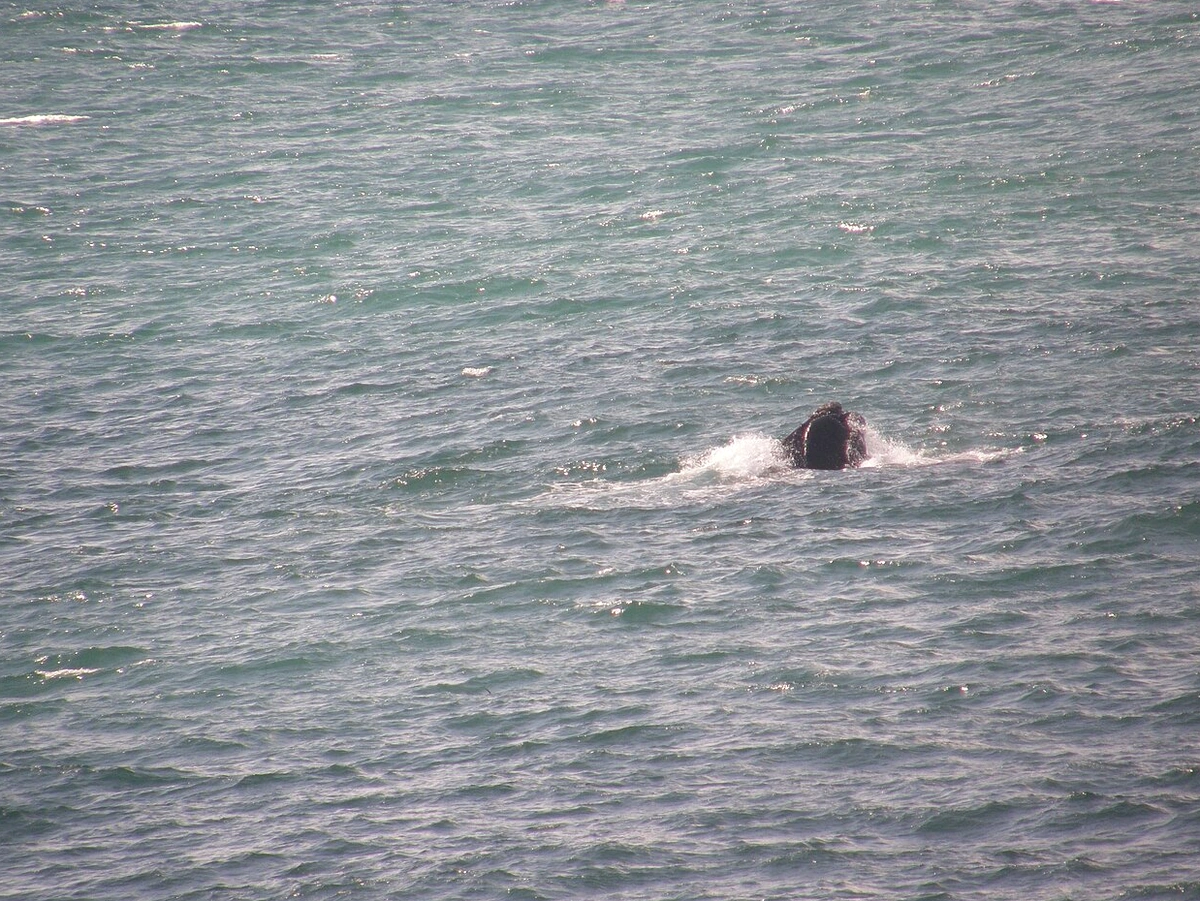
To stay comfortable in South Africa’s changeable coastal weather, dressing in functional layers is essential. Pack a quality windproof jacket, a warm fleece mid-layer, and sturdy walking or hiking shoes with non-slip soles for secure footing along rocky viewpoints. In addition, a pair of 8×42 or 10×42 binoculars is indispensable for spotting distant spouts, spy-hopping whales, and dramatic breaches offshore. Careful preparation—from choosing the right season, transport, and layered attire to appreciating local cultural traditions—will turn your journey to Hermanus into an unforgettable, refined wildlife adventure. If you are looking for seamless travel planning that combines Hermanus with South Africa’s other iconic highlights, explore the detailed itinerary in our South Africa tour and get ready to set sail toward new horizons.