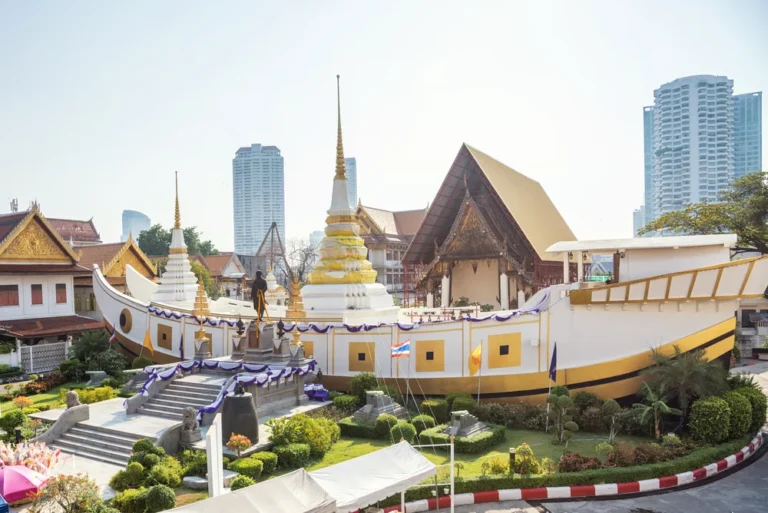
The religious architectural complex of Wat Pho, officially designated in royal documents as Wat Phra Chetuphon Wimon Mangkhalaram Rajwaramahawihan, is located in the Phra Nakhon district of Bangkok and stands as an enduring historical witness to the rise and evolution of the Chakri dynasty. Geographically situated right on the eastern bank of the Chao Phraya River in immediate proximity to the Grand Palace, it forms a core axis of sacred and sovereign power for the Siamese feudal state dating back to the late 18th century. The history of this site actually originated during the Ayutthaya period, when an ancient Buddhist temple named Wat Photaram was erected here. Although historical records of this early phase remain modest due to the devastation of the Burmese–Siamese wars, remnants of the old foundations still demonstrate the strategic importance of this area as a spiritual hub for riverside communities centuries before Bangkok was officially chosen as the new capital.
The turning point that shaped the modern appearance of Wat Pho took place in 1788 during the reign of King Rama I, the founder of the Chakri Dynasty. Upon deciding to relocate the capital from Thonburi to the eastern bank of the Chao Phraya River, the monarch ordered a comprehensive restoration and expansion of the ancient Wat Photaram to transform it into one of the kingdom’s primary royal Buddhist centers. This construction project was not merely intended to glorify religion; it also carried profound political significance, affirming the legitimacy and prosperity of the new dynasty upon the foundation of traditional Theravada Buddhist culture. Tens of thousands of laborers, artisans, and monks were mobilized to rebuild the entire compound, creating a cohesive architectural ensemble featuring ordination halls, monastic galleries, and revered stupas adhering strictly to the early Rattanakosin royal Siamese aesthetic standards.
The historical trajectory of Wat Pho recorded further large-scale renovations under King Rama III in the 19th century. While Rama I laid the architectural groundwork, it was Rama III who transformed the temple into an encyclopedia in stone, preserving the highest intellectual achievements of Siamese civilization at the time. The king oversaw the restoration of the entire temple over sixteen years and three months, turning Wat Pho into Thailand’s first public university. Thousands of stone inscriptions and wall murals illustrating traditional medicine, history, literature, and Buddhist philosophy were compiled, edited, and displayed throughout the grounds. This undertaking reflected the royal court’s strategic vision to preserve and disseminate both universal and indigenous knowledge within a communal religious space.
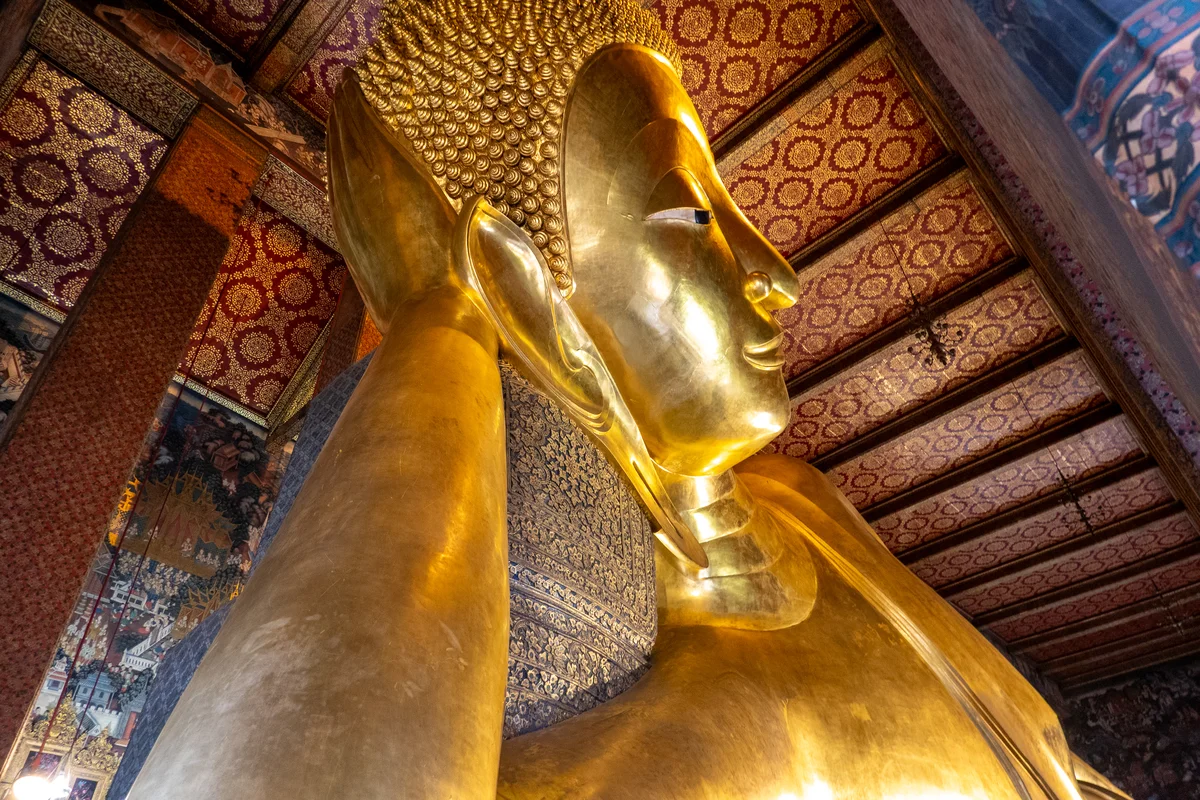
The historical and artistic centerpiece of the complex is the statue of the Buddha entering Nirvana, a masterpiece of religious sculpture representing the pinnacle of early Bangkok casting and sculpting techniques. Commissioned by King Rama III in 1832, the statue measures forty-six meters in length and fifteen meters in height, constructed with a brick-and-plaster core entirely covered in gold-leafed lacquer. The soles of the statue’s feet are intricately inlaid with mother-of-pearl, depicting the one hundred and eight auspicious characteristics of the Buddha according to Theravada Buddhist cosmology, blending Indian and Chinese cultural motifs. The existence of this monument not only testifies to the engineering achievements of 19th-century artisans but also cements Wat Pho’s status as a supreme symbol of religious devotion for both the Thai royal family and its people.
Beyond its architectural and sculptural significance, Wat Pho holds an unrivaled position in the history of traditional Thai medicine. Under the royal patronage of King Rama III, the temple became the central repository and teaching institution for traditional Thai massage, synthesizing Indian, Chinese, and indigenous medical traditions. Stone tablets illustrating energy meridians, acupressure points, and therapeutic postures were installed in the pavilions, establishing the nation’s first official public medical academy. To this day, Wat Pho’s renown in this field is upheld by the royal massage school operating directly within the temple grounds, attracting students and traditional medicine researchers from around the world to study knowledge preserved across centuries.
From a sociocultural perspective, Wat Pho serves as a treasury safeguarding both the tangible and intangible cultural heritage of the Kingdom of Thailand across historical eras. The rich array of stupas within the compound—including four grand chedis representing the first four monarchs of the Chakri dynasty alongside hundreds of smaller reliquary stupas—creates a spatial layout imbued with Buddhist philosophy regarding samsara and the cosmology of Mount Meru. The wood carvings, mural paintings, and ancient Buddha images brought from various provinces to be enshrined here under Rama I and Rama III all reflect a policy of cultural centralization aimed at strengthening national unity following periods of war and fragmentation.
In modern life, Wat Pho’s symbolic stature transcends the boundaries of an ordinary religious institution to serve as a national icon of cultural diplomacy. The temple regularly welcomes delegations of heads of state and world leaders during official visits to Bangkok, acting as the representative face of traditional Thai architecture and art. UNESCO’s inscription of the Wat Pho stone inscriptions into the Memory of the World Register in 2008 officially recognized the temple’s global value, affirming the vital importance of the historical records preserved here to humanity’s intellectual heritage.
Having endured and evolved for over two centuries alongside the Chakri dynasty, Wat Pho retains its full stature as a central religious, educational, and cultural institution of Bangkok. Layered histories spanning from the Ayutthaya era to the modern age have transformed the site into a living entity where the royal past and spiritual present harmonize seamlessly. The rigorous preservation of traditional values—from architecture and visual arts to traditional medical systems—has enabled Wat Pho to firmly maintain its role as Thailand’s foremost historical and cultural landmark, contributing significantly to the global heritage of Buddhism.
The Buddhist architectural complex of Wat Pho, officially titled Wat Phra Chetuphon Wimon Mangkhalaram Rajwaramahawihan, is situated in Bangkok’s Phra Nakhon district, occupying a vast expanse of approximately eighty thousand square meters right along the eastern bank of the Chao Phraya River. This strategic location places the temple at the historical heart of Rattanakosin Island, the site chosen by the Chakri dynasty to establish its new royal capital after the fall of Ayutthaya in 1767. Topographically, this area was originally low-lying marshland in the Chao Phraya delta, requiring early Rama-era royal engineers and architects to carry out land reclamation, elevation, and drainage reinforcement before laying the first foundation stones. The presence of the river served as a vital waterway artery while dictating the orientation and overall spatial structure of the entire monastic complex toward the west and southwest, where the flowing water acted as a natural boundary both protecting and connecting the temple to the outside world.
The master site plan of Wat Pho vividly reflects Theravada Buddhist cosmological thought, in which space is organized along distinct hierarchical axes to recreate Nirvana and the realm of the Buddhas on earth. The complex is clearly divided into two main sectors by an enclosing wall and internal pathways: the sacred sanctuary zone to the south and the monastic living quarters and auxiliary structures to the north. The sanctuary zone, known as Phutthawat, houses the most vital religious monuments, including the Viharn of the Reclining Buddha, the main ordination halls, the great reliquary chedis, and hundreds of smaller surrounding stupas. Meanwhile, the Sangkhawat zone to the north accommodates the monks’ residences, lecture halls, and repositories of traditional knowledge. This division is far from arbitrary; it strictly adheres to traditional monastic urban planning principles of Rattanakosin court architecture, where royal authority and religious sanctity intertwine and reinforce one another through architectural massing.
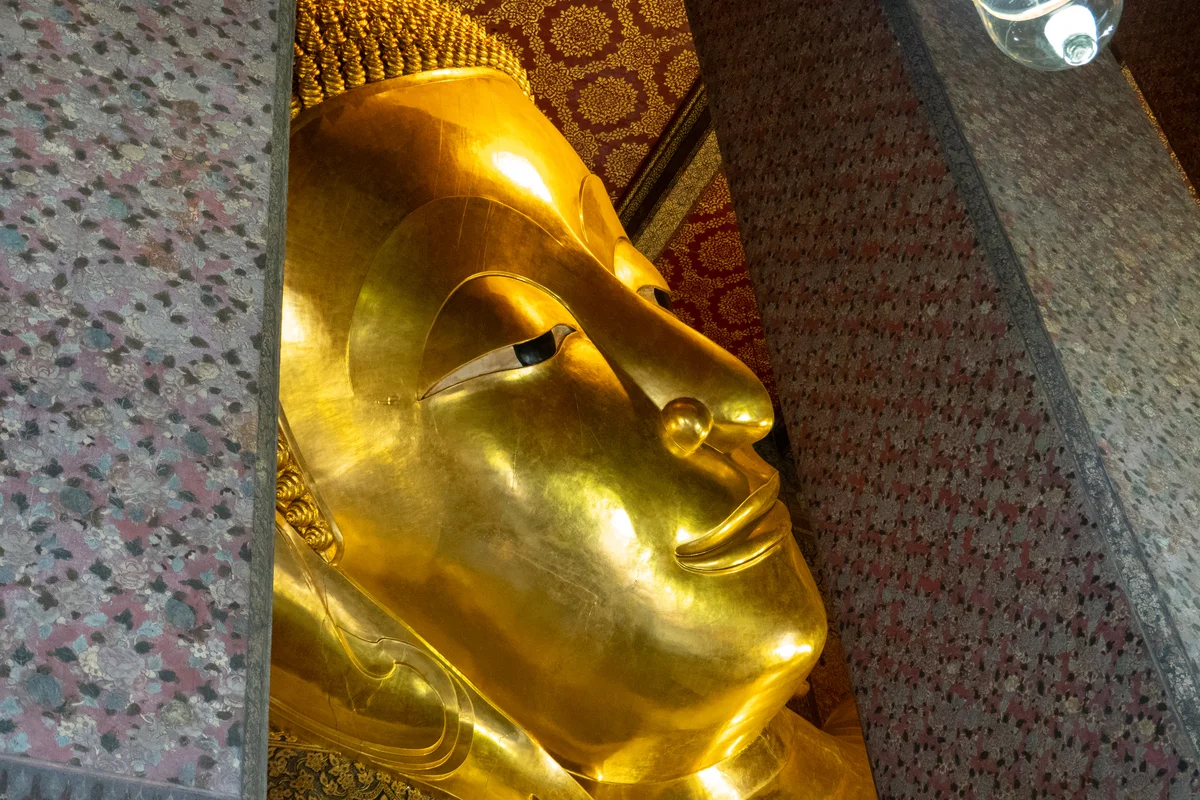
The spatial core of Wat Pho is the Phra Buddhaiyas sanctuary hall, which enshrines the colossal Reclining Buddha measuring forty-six meters in length and fifteen meters in height. The hall is designed with elongated geometric proportions along an east-west axis to encompass the full length of the statue, creating a visually overwhelming interior experience upon entry. Structural engineering solutions for the hall include thick load-bearing walls paired with a traditional tiered roof clad in glazed tiles characteristic of early Phra Nakhon architecture. The interior layout is carefully calibrated to guide pilgrim foot traffic in a single direction from the feet toward the head of the statue, in accordance with Theravada Buddhist veneration rituals. Natural light is tightly controlled through narrow windows along the two long walls, casting deliberate shafts of illumination across the gilded details of the statue and the intricate mother-of-pearl inlay on the soles of the feet.
Surrounding the central sanctuary and main halls is the cloister gallery, known as Phra Rabiang, which acts as an essential spatial buffer separating the sacred precincts from the exterior landscape. This gallery serves not only as a covered walkway shielding monks and pilgrims from the harsh tropical monsoon climate, but also as an exhibition space housing hundreds of bronze Buddha images collected from ruined temples across the Thai kingdom by royal decree of King Rama I. Arranging these Buddha statues along the cloisters establishes an unbroken architectural rhythm, turning the perimeter walls into continuous galleries of historically significant religious sculpture. The expansive courtyards between the major structures are paved with granite and traditional fired bricks, thoughtfully interspersed with small lawns and underground drainage systems to prevent flooding during Bangkok’s heavy rainy season.
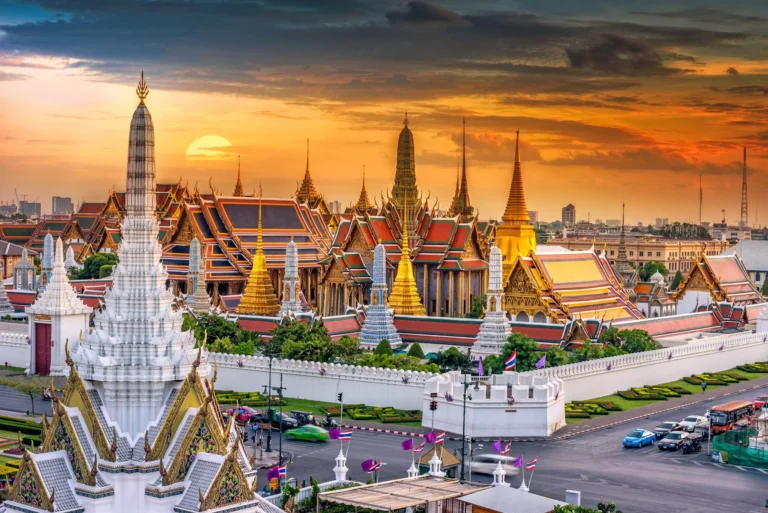
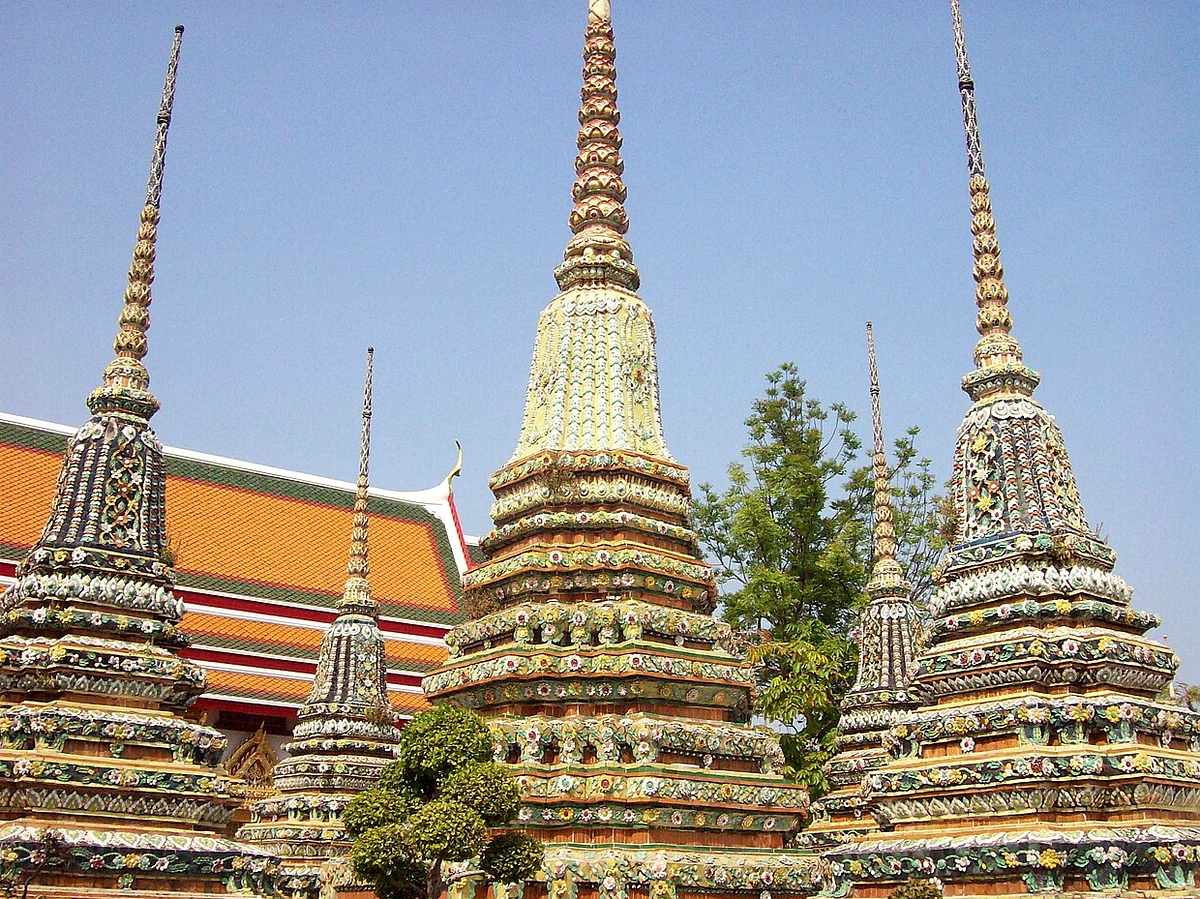
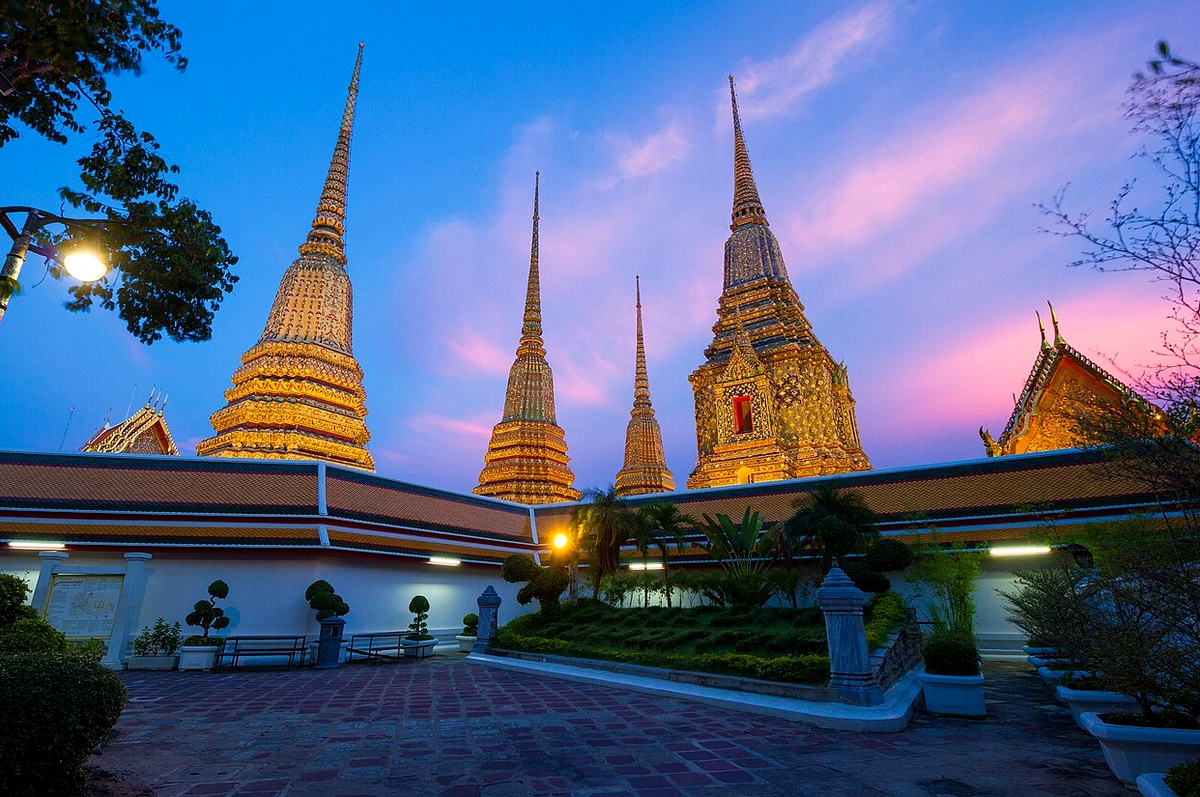
The surrounding landscape of Wat Pho is further distinguished by its system of four monumental royal chedis, known as Phra Maha Chedi, symbolizing the first four monarchs of the Chakri dynasty from King Rama I to King Rama IV. Strategically positioned within the compound, these stupas stand out for their towering height and resplendent polychrome ceramic tile exteriors, reflecting an artistic fusion of Ayutthaya architectural heritage and early Bangkok court decorative arts. Surrounding these four grand stupas are dozens of smaller chedis known as Chedi Rai, arranged in strict geometric rows along the main walkways to form a landscape imbued with deep religious symbolism. Each stupa functions not merely as a memorial monument but also as a vertical focal point within the broader spatial composition, balancing the proportions between low-pitched roofed halls and expansive open courtyards.
Natural landscaping elements and rockeries are also deftly integrated into Wat Pho’s spatial design to achieve ecological and aesthetic balance within a dense urban architectural complex. Miniature rock mountains, called Khao Mo, are constructed from natural stone paired with gnarled bonsai-style trees, recreating sacred peaks from Buddhist and Hindu mythology such as Mount Meru. Scattered in quiet corners of the grounds, these miniature gardens create pockets of visual calm and tranquil spaces conducive to meditation and rest for both monks and visitors. The compound’s greenery includes mature shade-giving trees such as Bodhi trees, mango trees, and tropical flowering plants, which not only moderate the microclimate but also soften the rigid geometric lines of the temple structures.
The arrangement of entrances and gateways—including the Phra Mondop and Chinese-style ceramic-inlaid archways—demonstrates an open-minded approach to Wat Pho’s overall planning. The main gates open onto major thoroughfares bordering the Grand Palace precinct, serving as spatial transition thresholds from the bustling urban exterior into the serene spiritual realm within. The architecture of these gateways was deeply influenced by 19th-century maritime trade between Siam and Qing-dynasty China, wherein ship ballast materials such as glazed tiles, stone statues, and ornamental planters were creatively repurposed as architectural decorations. Consequently, Wat Pho’s overall spatial and architectural layout stands not only as a testament to early Rattanakosin engineering and visual artistry, but also as a complex cultural ecosystem preserving traditional Thai medical knowledge, art, and Buddhist philosophy across centuries.
The architectural ensemble of Wat Pho, bearing the royal title Wat Phra Chetuphon Wimon Mangkhalaram Rajwaramahawihan, represents one of the highest achievements of Siamese craftsmanship and architectural thought during the early Rattanakosin period. Built upon the foundations of the ancient Ayutthaya-era Wat Phodharam and expanded through major restorations from the reigns of King Rama I to King Rama III, the complex embodies a seamless synthesis of traditional Southeast Asian building techniques and external aesthetic influences from China and the West. Rather than serving purely devotional purposes, the entire architectural space was conceived as an open encyclopedia of knowledge, sculptural art, and Theravada Buddhist philosophy, clearly reflecting the royal court’s strategic vision to preserve and cultivate national cultural heritage in the aftermath of war.
Examining its building materials and structural techniques, Wat Pho showcases extraordinary mastery in traditional brick-making and mortar craftsmanship combined with imported ceramics. The load-bearing walls of the main ordination hall and surrounding cloisters were constructed from handmade fired bricks bound by a highly durable mortar of slaked lime, sugarcane molasses, and tree resin, ensuring resilience across centuries against the rigors of a tropical monsoon climate. Notably, the tiered roofs and chedi stupas feature polychrome ceramic mosaic work utilizing broken pieces of fine Chinese porcelain plates and bowls once carried as ship ballast along maritime trade routes. This technique not only provides an effective waterproof outer shell for the structures, but also strongly refracts sunlight, transforming every architectural surface into a shimmering mosaic and exemplifying resourceful material reuse alongside royal aesthetic refinement.
The artistic centerpiece of the entire sculptural complex is the Reclining Buddha statue, Phra Phuttha Saiyat, housed within a sanctuary hall of remarkably strict geometric proportions. Measuring forty-six meters long and fifteen meters high, the statue was constructed over an initial core of brick and plaster, sculpted in clay, coated in thick lacquer, and finally covered completely in ultra-thin sheets of pure gold leaf. Shaping the body required a profound command of sacred anatomy, wherein the flowing contours of the figure are stylized to convey the absolute serenity of the Enlightened One entering Nirvana. The head rests upon rectangular pillows intricately decorated with mother-of-pearl inlay, creating a striking visual contrast between the brilliant metallic luster of gold and the deep iridescence of nacreous auspicious motifs.
The highest symbolic focal point of this sculptural masterpiece lies on the soles of the Buddha’s feet, measuring five meters in length and one and a half meters in width, divided into a grid of one hundred and eight intricately inlaid mother-of-pearl panels. Royal artisans employed hand-carved relief and nacre inlay techniques to depict the one hundred and eight auspicious signs and marks of the Buddha according to Theravada Buddhist cosmology. Within these panels, one discovers a remarkable convergence of ancient Indian religious symbols alongside natural motifs and yin-yang philosophical elements drawn from Chinese culture. This synthesis turns the soles of the Buddha’s feet into a microcosmic map of the universe—where humanity and deities, heaven and earth converge through a Buddhist philosophical lens—while affirming the central status of the Siamese monarch as a Chakravartin king upholding the Dharma.
Surrounding the Sanctuary of the Reclining Buddha and throughout the expansive courtyards stand hundreds of bronze Buddha images gathered from ancient ruins across the kingdom during the reign of King Rama I. These statues are enthroned upon elaborately carved stone pedestals beneath long covered verandas supported by square load-bearing pillars in the late Ayutthaya architectural style. Bronze casting here reached full maturity with precise alloy ratios that preserved smooth surfaces and high resistance to oxidation. Each statue displays distinct facial expressions and mudra hand gestures, creating a continuous visual dialogue between the worshiper and centuries of Buddhist sculptural evolution in the Chao Phraya River basin.
Wat Pho’s architectural landscape is further defined by its array of ninety-one large and small chedis, highlighted by the four monumental royal stupas honoring the first four kings of the Chakri dynasty. Designed in the traditional bell-shaped form elevated upon high tiered bases, these chedis are entirely clad in finely patterned imported glazed tiles and ceramics. Arranging the stupas along symmetrical spatial axes expresses the cosmological concept of Mount Meru, the center of the universe in ancient Buddhist and Hindu thought. This configuration not only generates a solemn, tranquil architectural rhythm, but also reinforces the supreme sanctity of Bangkok’s royal center during the founding era of the dynasty.
In addition to its architectural and sculptural merit, Wat Pho preserves deep layers of cultural heritage through stone inscriptions engraved directly onto walls and pillars throughout the compound during the reign of King Rama III. These constitute Thailand’s first encyclopedic texts, comprehensively documenting traditional medicine, massage techniques, pharmacology, literature, history, and social ethics. Medical inscriptions paired with stone statues depicting ascetics performing traditional yoga postures are scattered among rockeries across the temple courtyards, creating a living space for practical knowledge. This scholarly stone carving style bears strong Chinese aesthetic influences, crafted from gray granite finished to a smooth matte texture that realistically captures human posture and expression in the discipline of body and mind.
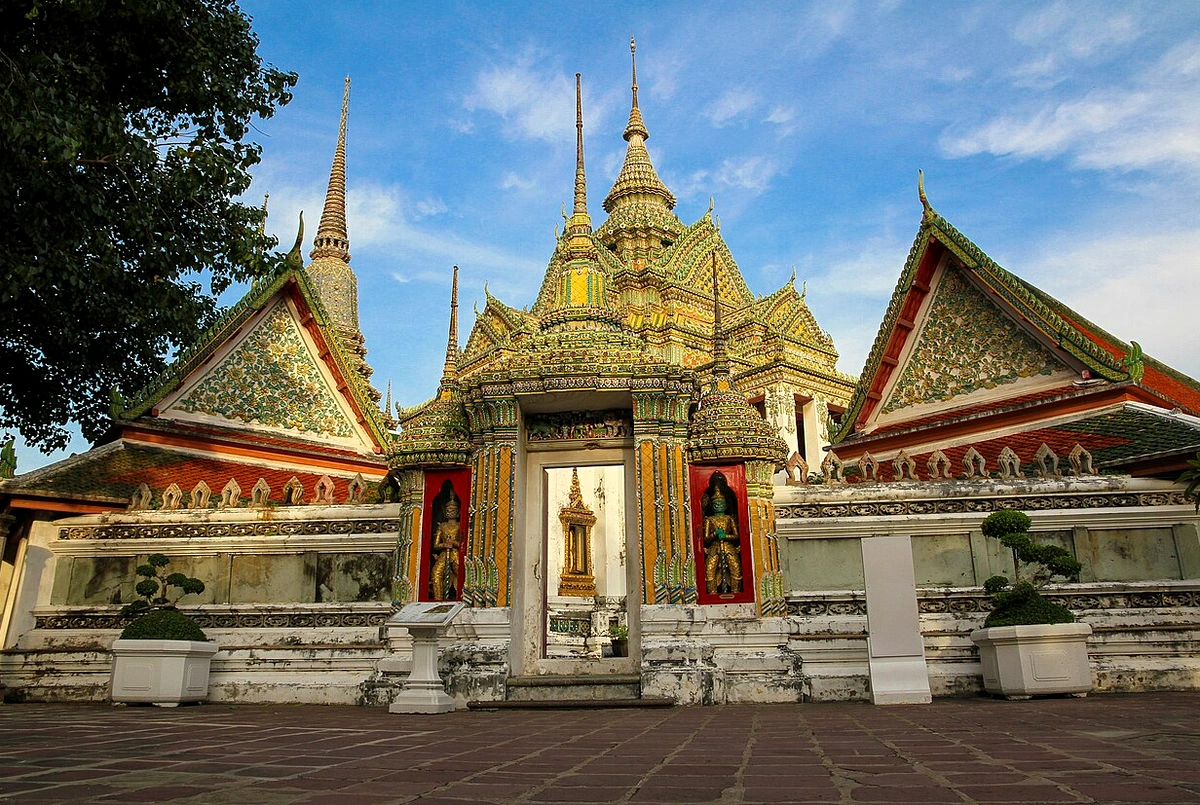
From an overarching aesthetic standpoint, Wat Pho stands as a quintessential example of early Rattanakosin art, a period in which court artisans strove to revive the golden-age splendor of Ayutthaya culture following the ravages of war. Combining precious materials such as gold leaf, mother-of-pearl, polychrome ceramics, and gemstones yielded a richly ornamental visual language that nonetheless preserved the dignity and canonical rigor of royal sacred architecture. Every carving on teakwood door frames, every glazed tile inlaid onto stupa spires, and every sculpted contour on the statues adheres strictly to religious artistic canons while still leaving room for individual creativity among folk artisans. Through this synthesis, Wat Pho endures as a living cultural heritage site where profound Buddhist philosophy converges seamlessly with the pinnacle of traditional Thai architecture and visual arts.
The Buddhist architectural complex of Wat Pho, officially bearing the title Wat Phra Chetuphon Wimon Mangkhalaram Rajwaramahawihan, is located in Bangkok’s Phra Nakhon district, occupying a strategic geographical position right along the eastern bank of the Chao Phraya River just south of the Grand Palace. Erected upon the site of an ancient temple from the Phra Si Sanphet era of the Ayutthaya Kingdom and subsequently undergoing major restorations under King Rama I and successive Rattanakosin monarchs, it was designed as a multifaceted space deeply symbolic of royal sovereignty and a synthesis of Theravada and Mahayana Buddhist traditions. Wat Pho’s overall layout is clearly divided into two main sectors by Chetuphon Road running east to west: the northern sector houses most of the sacred monuments, revered stupas, and main sanctuary halls, while the southern sector serves as the monastic residential compound where monks live, study, and carry out daily Buddhist duties.
An on-site exploration of Wat Pho typically begins at the main entrance along Sanam Chai Road, where visitors immediately encounter Phra Ubosot, the main ordination hall. Serving as the spiritual heart of the entire complex, it was built during the reign of King Rama I and completed under King Rama III. Phra Ubosot is encircled by a low-roofed colonnaded gallery featuring intricately carved pillars and entrance doors gilded using the traditional Thai Lai Rod Nam lacquer technique. Inside the hall sits a bronze statue of Shakyamuni Buddha brought from the ancient capital of Phitsanulok, enthroned upon a multi-tiered pedestal lavishly adorned with wood carvings and meticulous mother-of-pearl inlay. Surrounding the base of Phra Ubosot are one hundred and eight small stupas containing royal ashes alongside stone slabs inscribed with Buddhist scriptures, forming a sacred boundary separating the mundane world from the pure realm of Nirvana.
Moving northwest from Phra Ubosot, visitors enter Viharn Phra Non, the grand sanctuary housing the world-famous Reclining Buddha. This hall was added during the expansion phase under King Rama III specifically to accommodate the colossal sculpture, which measures forty-six meters in length and fifteen meters in height from the floor to the top of its aureole. The Reclining Buddha was built over a brick-and-plaster core, entirely covered in gold leaf, and exquisitely inlaid with mother-of-pearl on the eyes and the soles of the feet. The highest technical and aesthetic highlight of this section is the pair of five-meter-long soles divided into one hundred and eight mother-of-pearl panels illustrating the auspicious characteristics of Shakyamuni Buddha according to Theravada cosmology. The interior space of Viharn Phra Non is relatively narrow compared to the statue’s immense dimensions, creating a powerful visual effect that leaves worshipers awestruck by both its monumental scale and the absolute serenity of the Enlightened One entering Mahaparinirvana.
Leaving the Sanctuary of the Reclining Buddha, the route leads visitors to Phra Maha Chedi Si Ratchakarn, the ensemble of four grand stupas symbolizing the first four kings of the Chakri dynasty. Similar in scale yet completely distinct in color and decorative motifs, these four stupas showcase the individual architectural signatures of each monarch. The first stupa, built by King Rama I, is clad in pure white tiles symbolizing the purity of the Dharma. The second, initiated by King Rama II, is finished in deep green, while the third, constructed by King Rama III, gleams in bright yellow glazed tiles beneath the sunlight. The final stupa, erected later by King Rama IV, features a distinctive gray hue adorned with intricate ceramic motifs reflecting court visual arts. Together, these four stupas serve not merely as reliquaries, but as an architectural chronicle illustrating the continuity of royal authority and devotion to Buddhism across generations of Thai monarchs.
Continuing southward along the temple cloisters, visitors arrive at the display area featuring stone sculptures and statues of Rusi Bodhisatta, the ancient hermit-physicians. Wat Pho has long been historically recognized as Thailand’s first public university, safeguarding thousands of stone inscriptions on traditional medicine, acupressure massage, pharmacology, and astrology, which were inscribed by UNESCO into the Memory of the World Register. In courtyard corners and galleries surrounding the smaller viharn halls, small bronze or stone statues demonstrating ascetic yoga postures stand alongside medical explanations engraved directly into the walls. This section offers a completely different intellectual dimension, transforming the visit from simple architectural appreciation into an exploration of the intangible cultural heritage of traditional Siamese medicine.
Concluding the on-site journey through Wat Pho involves exploring the outer precincts and traditional Chinese-style landscaped gardens, populated by stone statues of warriors, civil mandarins, guardian lions, and miniature rockeries simulating natural scenery. These granite sculptures were brought from China during the reign of King Rama III as ballast aboard merchant ships carrying rice and forest products, and were subsequently arranged deliberately in accordance with royal feng shui principles. Following a closed circuit from east to west—passing through the main ordination halls, the royal chedi precinct, and concluding in the ancient southern rock gardens—provides visitors with a comprehensive, authentic, and profound understanding of the cultural, historical, and architectural landscape of one of the oldest and most important Buddhist centers in the Land of Smiles.
The architectural complex of Wat Pho, the Temple of the Reclining Buddha in Bangkok, exists not as an isolated religious monument, but as the central nucleus shaping the entire economic, service, and cultural fabric of historic Phra Nakhon. Over more than two centuries of development parallel to the Chakri dynasty, the neighborhood surrounding the temple has evolved into a complex urban ecosystem where traditional Theravada Buddhist values intersect deeply with local commercial life and modern hospitality services. The presence of the temple—with its colossal Reclining Buddha and renowned traditional medical academy—has turned the surrounding area into a living laboratory of Southeast Asian urban anthropology, where boundaries between the sacred monastic realm and the secular residential community blend naturally across generations.
In terms of specialized services, the defining pillar of the ecosystem around Wat Pho is traditional Thai medicine and therapeutic acupressure massage. The Traditional Medical and Massage School situated right within the temple grounds—chartered by King Rama III in the 19th century as a stone encyclopedia of medicine—has nurtured a wellness service ecosystem radiating throughout neighboring streets such as Maha Rat and Sanam Chai. Traditional massage establishments here operate under strict professional oversight by Thailand’s Ministry of Public Health, ensuring deep therapeutic work along energy meridians known as Sen lines, setting them entirely apart from ordinary relaxation parlors. Visitors and researchers engaging with these services not only experience physical restoration, but also connect directly with UNESCO-recognized intangible heritage, delivered by practitioners rigorously trained from ancient medical manuscripts preserved in the royal library.
Alongside medical services, the culinary landscape surrounding Wat Pho reflects a microcosm of royal court flavors blended with Rattanakosin street food culture. Heritage colonial-style shophouses lining Maha Rat Road and the alleys leading toward the Chao Phraya River house multi-generational family businesses that have preserved their recipes for decades. Local cuisine here bears the unmistakable imprint of historic palace cooking, balancing natural sweetness from simmered bone broths, bright tartness from wild tamarind, and sharp heat from native chilies—exemplified by herb-rich boat noodles and traditional variations of Pad Thai prepared with fresh river prawns and heirloom tamarind reduction. Street stalls and modest eateries here forego rigid restaurant formalities while safeguarding artisanal spice-blending secrets, from roasting peanuts to pounding aromatic roots like galangal, lemongrass, and turmeric to build the signature flavor base of central Thai gastronomy.
Community interaction around Wat Pho is shaped by the unhurried rhythm of local residents, largely comprising small merchants, artisans, and longtime Buddhist devotees closely tied to the temple. Small-scale commercial activities—such as selling floral offerings, Buddhist scriptures, auspicious amulets, and small Buddha statues cast in brass or plaster—thrive in intimate markets bordering the temple walls. Traditional craftspeople here continue handmade production of ceremonial items, maintaining a self-contained supply chain serving the spiritual needs of urban residents and pilgrims from afar. The interplay between multi-generational locals and migrants from Thailand’s northern provinces or central rural regions has fostered a diverse social tapestry that nonetheless upholds cultural etiquette rooted in Theravada Buddhist values.
The urban architecture encircling Wat Pho offers clear evidence of Bangkok’s spatial transition from the feudal era to modern urbanization. Low-rise 19th-century Sino-Colonial shophouses remain strictly preserved under heritage protection regulations around the Royal Palace precinct. Their ground floors typically function as shops selling dried medicinal herbs, antiques, or handicrafts, while upper stories serve as multi-generational family homes. This tight integration of commercial and residential space fosters a highly sustainable social environment, where neighborly bonds are anchored in mutual support and shared religious observances at Wat Pho or neighboring temples such as Wat Mahathat and Wat Phra Chetuphon.
Tourism support and cultural education services in the area are likewise organized with growing professionalism while retaining traditional authenticity. Cultural study centers, short Thai cooking classes sourcing fresh ingredients directly from the nearby Tha Tien market, and craft workshops showcasing traditional puppetry or wood carving all encourage visitors to linger longer in the district. Rather than limiting themselves to surface-level sightseeing, travelers exploring this ecosystem can join short meditation retreats led by resident monks or delve into the traditional crafting of clay and precious-metal protective amulets grounded in Theravada Buddhist tradition.
While the interplay between tourism commerce and everyday local life occasionally creates spatial pressures in the urban core, community adaptability has enabled the neighborhood to preserve its inherent equilibrium. Local neighborhood councils collaborate closely with temple administrators and the Bangkok Metropolitan Administration to maintain environmental cleanliness, regulate noise, and safeguard historic architecture against over-commercialization. As a result, the Wat Pho precinct retains the solemn atmosphere fitting a premier Buddhist landmark while still offering comprehensive modern amenities tailored to discerning international travelers seeking in-depth cultural immersion.
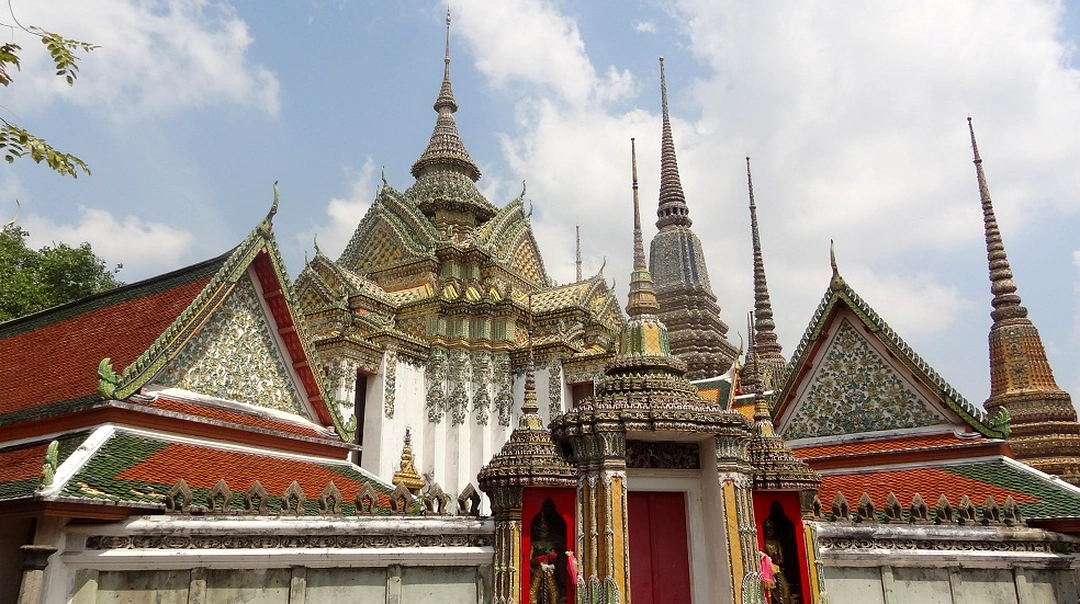
Overall, the ecosystem of services, amenities, and local cultural spaces surrounding Wat Pho is a living entity reflecting the remarkable adaptability of Thai culture amid changing eras. Every street corner, eatery, therapy clinic, and small shop carries layers of historical sediment, contributing to a complete narrative of how Bangkok’s urban cultural identity took shape. Exploring and experiencing this environment not only yields nuanced insights into the socioeconomic life of people along the Chao Phraya River basin, but also underscores the central role of sacred architectural heritage in sustaining enduring traditional values in the modern world.
The sacred architectural complex of Wat Pho, formally designated in royal Thai as Wat Phra Chetuphon Wimon Mangkhalaram Rajwaramahawihan, stands in the Phra Nakhon district right along the eastern bank of the Chao Phraya River in Bangkok. Visiting this monument requires thoughtful preparation given the tropical monsoon climate of the Chao Phraya basin as well as strict cultural protocols governing Thai Theravada Buddhism. To make the most of a research visit or sightseeing excursion, travelers should carefully consider both the optimal hours of the day and seasonal weather patterns to avoid discomfort from Bangkok’s characteristic high heat and humidity.
In terms of daily timing, the most ideal window to arrive at Wat Pho is between 8:00 AM and 9:00 AM. This early hour allows visitors and researchers to observe morning monastic routines while avoiding intense solar radiation, which peaks between 11:00 AM and 3:00 PM. Early morning is also when the interior of the main ordination hall Phra Ubosot and the cloisters surrounding the Sanctuary of the Reclining Buddha retain the serene quiet essential for contemplation and note-taking, before large tour crowds arrive in dense numbers. Conversely, visiting in the late afternoon from 4:00 PM onward rewards visitors with warm sunset light reflecting off the ceramic-clad chedi spires, though time is somewhat limited as the complex typically closes at 6:00 PM.
Annually, Thailand experiences three distinct seasons: the cool dry season from November to February, the hot season from March to May, and the rainy season from June to October. The cool dry season is optimal for extended walking tours, as temperatures remain moderate and rainfall is minimal, making it comfortable to move continuously across open courtyards paved with heat-retaining fired bricks and stone slabs. By contrast, during the hot season, actual temperatures in central Bangkok frequently exceed 40°C, requiring visitors to carry personal sun protection such as wide-brimmed hats, UV-blocking sunglasses, and electrolyte drinks to prevent heat exhaustion. While the rainy season brings cooler air following sudden afternoon downpours, heavy showers can hinder exterior architectural observation unless one carries a sturdy umbrella.
Transport connections to Wat Pho are remarkably convenient thanks to its riverside location and Bangkok’s modern public transit network. The MRT Blue Line—specifically Sanam Chai Station—offers the fastest and most direct route for travelers departing from central commercial districts or surrounding neighborhoods. From the Sanam Chai Station exit, it takes only about a five-minute walk along Maha Rat Road to reach the southern entrance gate of the temple complex. For those traveling from riverside hotels or the Saphan Taksin area, taking the public Chao Phraya Express Boat to Tha Tien Pier provides a culturally authentic journey while bypassing the heavy road congestion common around the Grand Palace and Wat Pho during peak hours.
Alongside timing and transportation, dress code regulations upon entering Wat Pho are strictly enforced rules that every visitor must observe out of respect for the sacred precincts of royal Theravada Buddhism. Men are required to wear long trousers covering the knees and shirts with sleeves; cropped pants, athletic shorts, and sleeveless tank tops are strictly prohibited. Women must wear skirts extending below the ankles or modest full-length trousers, while tops must completely cover the chest and shoulders without sheer or overly tight fabrics. Visitors arriving at the entrance checkpoint in non-compliant attire will be required to purchase traditional sarongs or wrap skirts sold just outside the compound to cover up before being permitted to buy admission tickets.
Proper etiquette inside the religious buildings also calls for an understanding of traditional Thai cultural customs. Removing shoes before stepping inside sanctuary halls—such as the Sanctuary of the Reclining Buddha and the main ordination hall Phra Ubosot—is mandatory for everyone without exception. Visitors are advised to bring a personal cloth bag to carry their shoes with them rather than leaving them on public racks, preventing mix-ups or loss during peak visiting hours. Additionally, maintaining quiet decorum, speaking in low tones, and refraining from using bulky tripods inside the narrow confines of the Reclining Buddha hall are essential courtesies throughout any visit.
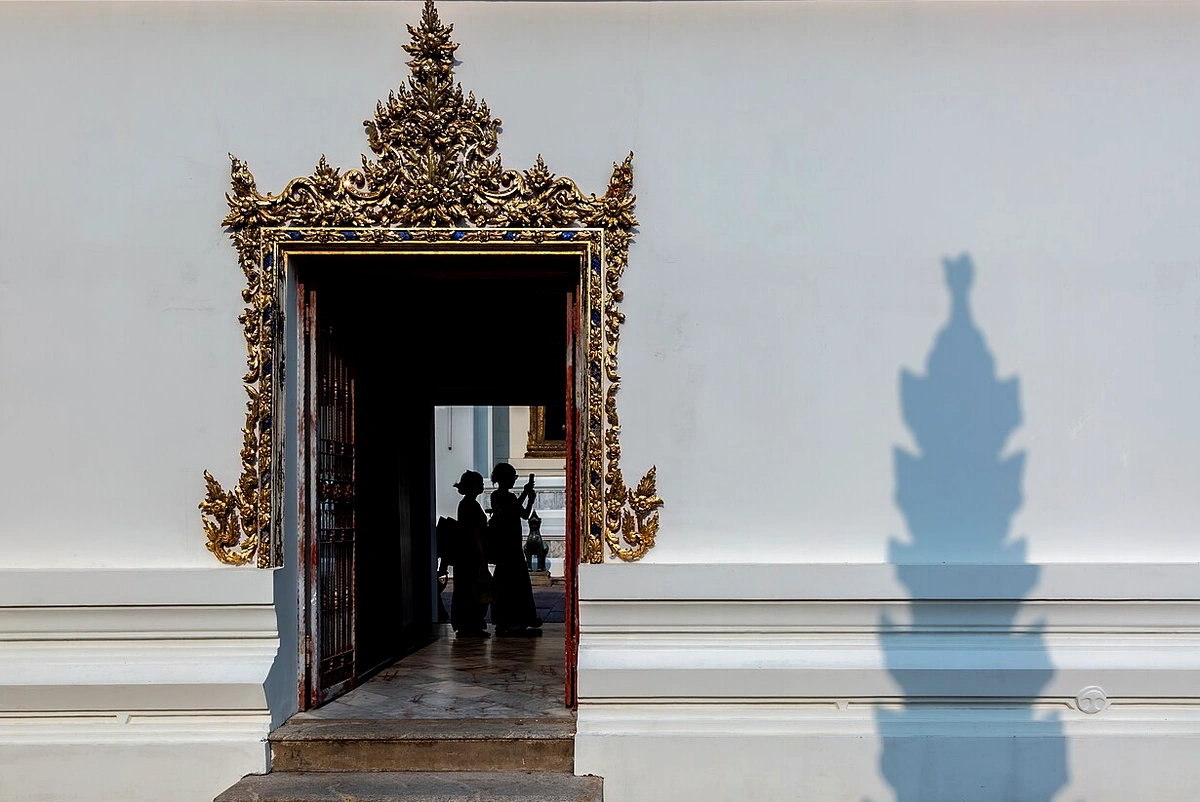
Rules regarding photography and artifact preservation should also be kept firmly in mind before exploring every corner of the temple. Photography is permitted across most courtyards and exterior galleries; however, inside certain sacred interiors housing ancient Buddha images or relics, clearly posted no-photography signs must be strictly obeyed. Touching the surfaces of Buddha statues, ancient wall murals, or glazed ceramic decorations on the stupas is strictly forbidden in order to protect these treasures from wear caused by skin oils and perspiration. Following these practical guidelines not only ensures a smooth and respectful personal visit, but also helps preserve the integrity of one of the Kingdom of Thailand’s greatest cultural landmarks for future generations.
To experience this journey to the fullest alongside a local guide, travelers can explore our 5D4N Bangkok – Pattaya tour featuring a thoughtfully curated itinerary.