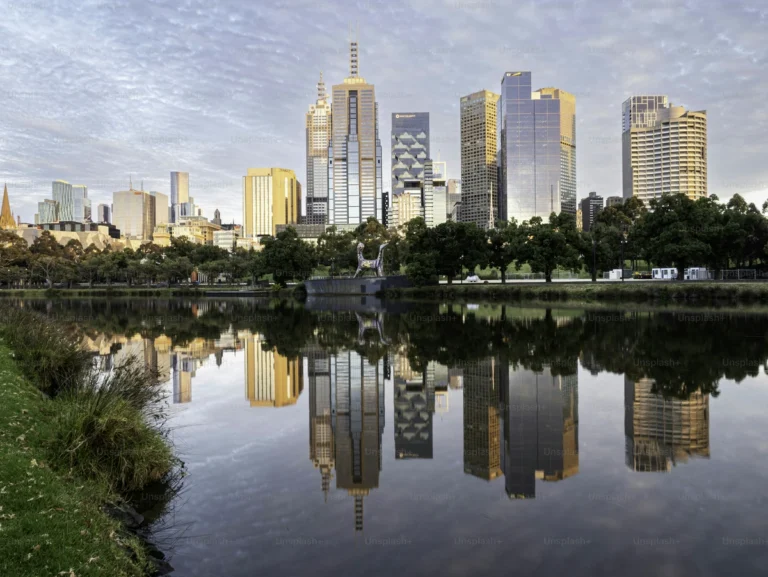
Situated in a strategic location right on the northwestern edge of the Central Business District (CBD) in Melbourne, Victoria, Australia, the Queen Victoria Market (affectionately known by locals as Vic Market or Queen Vic) is much more than a mere commercial hub or a stopover on a traveler’s itinerary. From the perspective of urban anthropology and architectural history, it is a vibrant cultural institution—a living heritage that has witnessed and accompanied Melbourne’s entire metamorphosis from a remote colonial outpost along the Yarra River into a thriving global metropolis of international standing. Spanning a total area of over seven hectares (approximately seventeen acres), it holds the record as the largest open-air market in the Southern Hemisphere, as well as being the rarest surviving intact historical witness of the Victorian-era market system within Melbourne’s inner metropolis. The proud existence of the Queen Victoria Market in the heart of a modern city filled with glass-and-steel skyscrapers serves as a living reminder of commercial roots, cohesive community spirit, and the most visceral, beating pulse reflecting the multicultural and open-minded identity of the land Down Under.
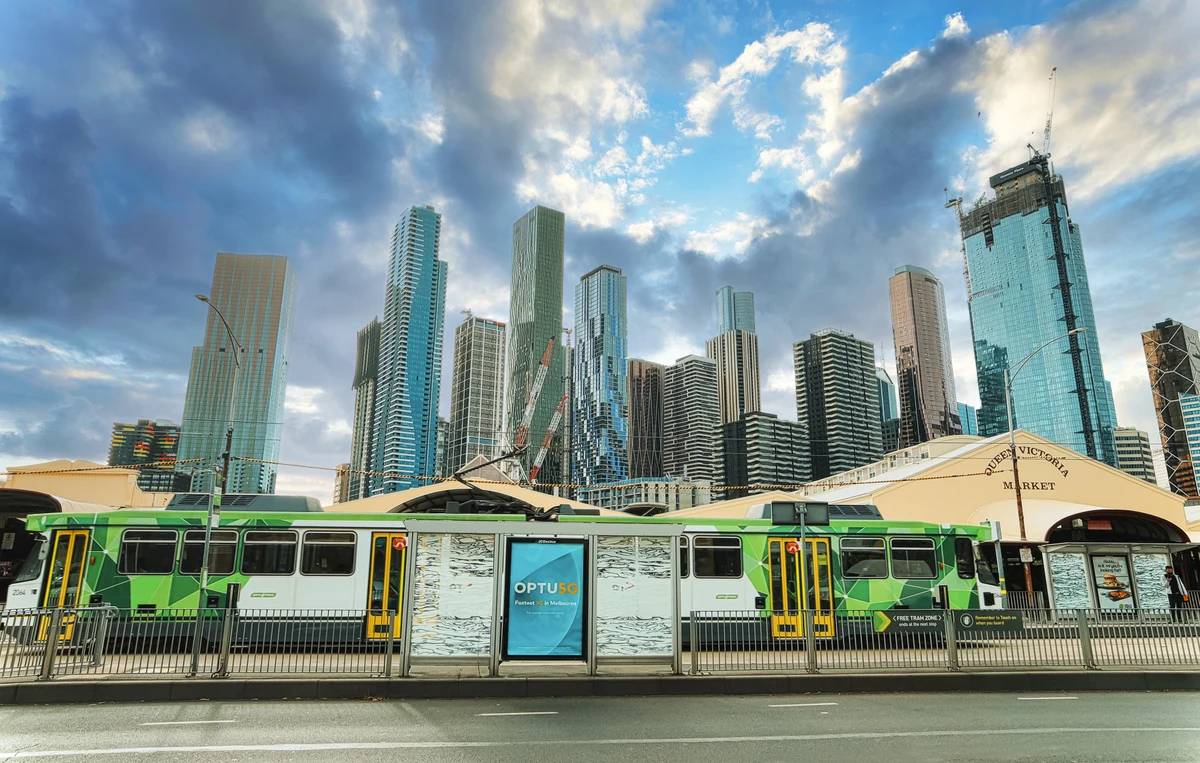
Looking back at the historical span of its formation and development, the geographical coordinates of the Queen Victoria Market harbor complex and turbulent layers of urban memory. Before the first bustling stalls sprouted up, this vast plot of land served an entirely different function during the early decades of colonial exploration. In the 1830s and 1840s, when Melbourne was merely a nascent settlement with a few crude canvas tents, this area was zoned and utilized as the city’s first cemetery (known as the Old Melbourne Cemetery), providing a final resting place for thousands of early settlers, pioneering figures, foreign sailors, and unfortunate indigenous people. By the 1860s, as a massive wave of immigration poured in under the powerful allure of the Victorian Gold Rush, Melbourne’s population exploded dramatically, creating an urgent demand to expand public space and establish large-scale food and daily necessity supply centers to serve a rapidly expanding urban life. It was precisely within this historical context brimming with shifts that the city council decided to gradually relocate the cemetery, re-plan the space, and construct the market in phases starting from the 1860s, before officially inaugurating the entire complex in 1878.
The construction and architecture of the Queen Victoria Market in the late 19th century serve as an exceptional testament to the engineering prowess and urban planning mindset of the Victorian era. Unlike modern enclosed shopping centers, the market’s architecture is a harmonious blend of traditional red-brick market sheds, artistic cast-iron pillar and beam systems bearing 19th-century British industrial architectural style, and expansive open canvas awnings, creating an airy yet archaic and majestic atmosphere. The shed rows are scientifically divided into distinct specialized commercial zones, ranging from fresh produce, meat, fish, and poultry stalls to areas displaying handicrafts, clothing, antiques, and souvenir items. The use of durable building materials such as cast iron, wrought iron, and the signature bluestone of the Victoria region not only enables the structure to withstand centuries of harsh aerodynamic conditions but also creates a uniquely singular visual appearance, turning it into a colossal open architectural museum where every column corner and molding bears the breath of an imperial golden age.
Through the ebb and flow of urban modernization, while a series of other traditional markets in the CBD were successively demolished to make way for office towers and new-style commercial centers, the Queen Victoria Market valiantly weathered all relocation pressures thanks to strong community protection and strict heritage conservation laws. The ferocious vitality of this market has been nationally recognized with its official inscription on the Victorian Heritage Register and the National Heritage List. Alongside the Prahran Market and South Melbourne Market, the Queen Victoria Market is one of the last three Victorian-era markets still operating continuously to this day in Melbourne. This endurance does not signify the static preservation of an authentic museum, but rather the maintenance of an extraordinarily dynamic economic and cultural entity, where traditional commercial life still blends seamlessly with the contemporary breath of a global city.
The symbolic standing of the Queen Victoria Market on the international tourism map and in the consciousness of local residents is convincingly demonstrated by impressive visitor figures, welcoming approximately ten million visitors each year. It is not merely a shopping destination, but has become a multi-dimensional cultural exchange space—an irreplaceable rendezvous for both locals and travelers from all corners when setting foot in Melbourne. Stepping into the space of the Queen Victoria Market, visitors are immediately swept into a remarkably vivid and rich sensory blend. There are the lively sounds of traditional hawking cries, the cheerful laughter of crowds moving to and fro, the clicking clatter of wicker baskets and knives cutting against chopping boards, blending together with the mouth-watering aromas wafting from street food stalls, the rich fragrance of imported spices, the bold aroma of Melbourne-style roasted coffee, and the fresh scent…
Shaped as one of the greatest community and commercial spaces in the Southern Hemisphere, the Queen Victoria Market is not purely a shopping center or an iconic tourist stop of Melbourne city, but equally an epitaph of iron, stone, and wood recording in full detail the process of urban geological transformation and the fluctuating development of the state of Victoria. In terms of spatial scale and planning stature, the complex possesses a colossal area spreading across more than seven hectares, equivalent to over seventeen acres of prime real estate right on the edge of Melbourne’s Central Business District (CBD). The existence of such an expansive open architectural complex in the heart of one of the world’s most modern metropolises is a living testament to the forward-thinking planning mindset of 19th-century colonial administrators, who steadfastly preserved this public space against the storms of urbanization and land commercialization for over a century and a half.
The process of crafting this unique architectural complex did not occur in a single moment, but is the result of a complex historical accretion process beginning in the 1860s before officially opening and operating in 1878. Few know that before becoming the most bustling market in the Southern Hemisphere, this land experienced multiple functional layers, the darkest and most haunting of which was its use as Melbourne’s first cemetery (the Old Melbourne Cemetery) from the city’s early founding years in the 1830s. Thousands of graves, including both renowned pioneering figures and nameless lives of the primitive era, were buried here before the cemetery officially closed in 1917 and a large portion of the area was re-planned to expand the existing market. The transition from a quiet, mournful memorial space to a bustling, vibrant community space is a bizarre slice of Melbourne’s socio-geological progression, where past and present overlap, creating an invaluable cultural depth that few markets worldwide possess.
Enduring over a century and a half of vicissitudes, the Queen Victoria Market currently stands proudly as the last major market surviving right within Melbourne’s CBD. When placed into the panoramic picture of the metropolis, this complex together with the Prahran Market and South Melbourne Market forms a triad of markets bearing the distinct imprint of the city’s final Queen Victoria era that are still persevering in operation down to the present day. This rarity elevates the market from an ordinary trading location to a national living heritage. Its value has been officially recognized through listing on both the Victorian Heritage Register and the National Heritage List, affirming the supreme status of a structure that not only serves daily economic life but also shoulders the mission of preserving collective memory and the architectural soul of an entire nation.
From the perspective of construction engineering and architectural artistry, the Queen Victoria Market is an open-air museum of 19th-century building techniques, testifying to the transitional period between traditional manual craftsmanship and the era of mechanized industrialization. The architectural complex is a harmonious fusion of cast-iron arched pavilions bearing the distinct hallmark of Victorian-era architectural style, rustic yet extremely sturdy timber stall structures, and scientifically calculated expansive high vaulted roofs designed to create maximum ventilation for an open space. The singularity in 19th-century construction techniques lies not only in weather-resistant cast-iron and steel components capable of withstanding the harsh environmental conditions of the land Down Under, but also in a pioneering overall master planning layout mindset.
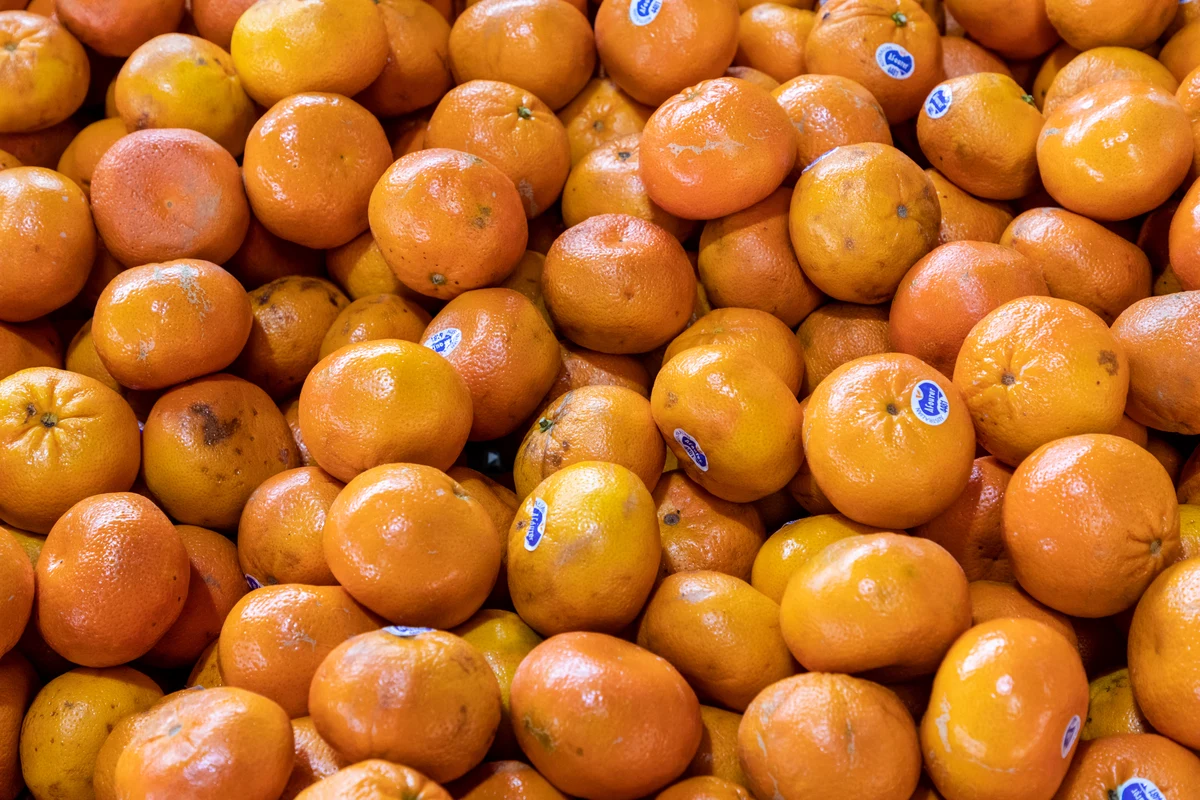
The layout of the market is scientifically partitioned while retaining necessary fluidity, clearly separating yet closely linking specialized functional zones. The agricultural produce and fresh vegetable zones are arranged in well-ventilated shed halls where natural sunlight floods through glass panels and ventilation slits on the vaulted roof, accentuating the vibrant colors of local agricultural produce. Meanwhile, fresh food zones such as seafood and meat are designed with easy-to-drain concrete floors, advanced cooling systems of the period, and marble or stainless steel counters added during subsequent renovation phases to ensure strict hygiene standards. Marching alongside these are handicraft, clothing, souvenir, and antique stall zones nestled beneath ancient wooden corridors, where solid timber pillars carved by hand still retain the grain patterns and imprints of the earliest generation of carpenters.
Experiencing the space at the Queen Victoria Market is a comprehensive sensory voyage where history, culture, and contemporary life intertwine through every sound, flavor, and ray of light. Stepping past archaic iron arched doorways, visitors are immediately drawn into the vibrant sonic atmosphere characteristic of a Southern Hemisphere traditional market. Piercing hawking cries ring out from veteran small-business owners, the cheerful chatter of thousands of domestic and international visitors, the rhythmic clashing of knives and cutting boards at meat stalls, and melodic music emitted by street performers standing nestled beneath tree branches or vaulted column corners all blend to form a living urban soundscape.
Lighting within the market plays a crucial artistic role in shaping the emotional experience. In the early morning hours, when the gentle golden sunlight of Victoria state pierces through frosted glass layers and the cast-iron frames of the high vaulted roof, the interior space plunges into a hazy, nostalgic light reminiscent of 19th-century Melbourne. As noon approaches, powerful direct sunlight streams in to illuminate every corner of the stalls, highlighting the freshness of heavy grape clusters, glistening buttery cheeses, and the brilliance of hundreds of brightly colored fresh flowers. The culinary flavors here also act as a lens reflecting modern Melbourne’s multiculturalism, where traditional dishes of indigenous people and British colonists blend with distinct Mediterranean, Asian, and Latin American flavors brought by immigration waves across decades.
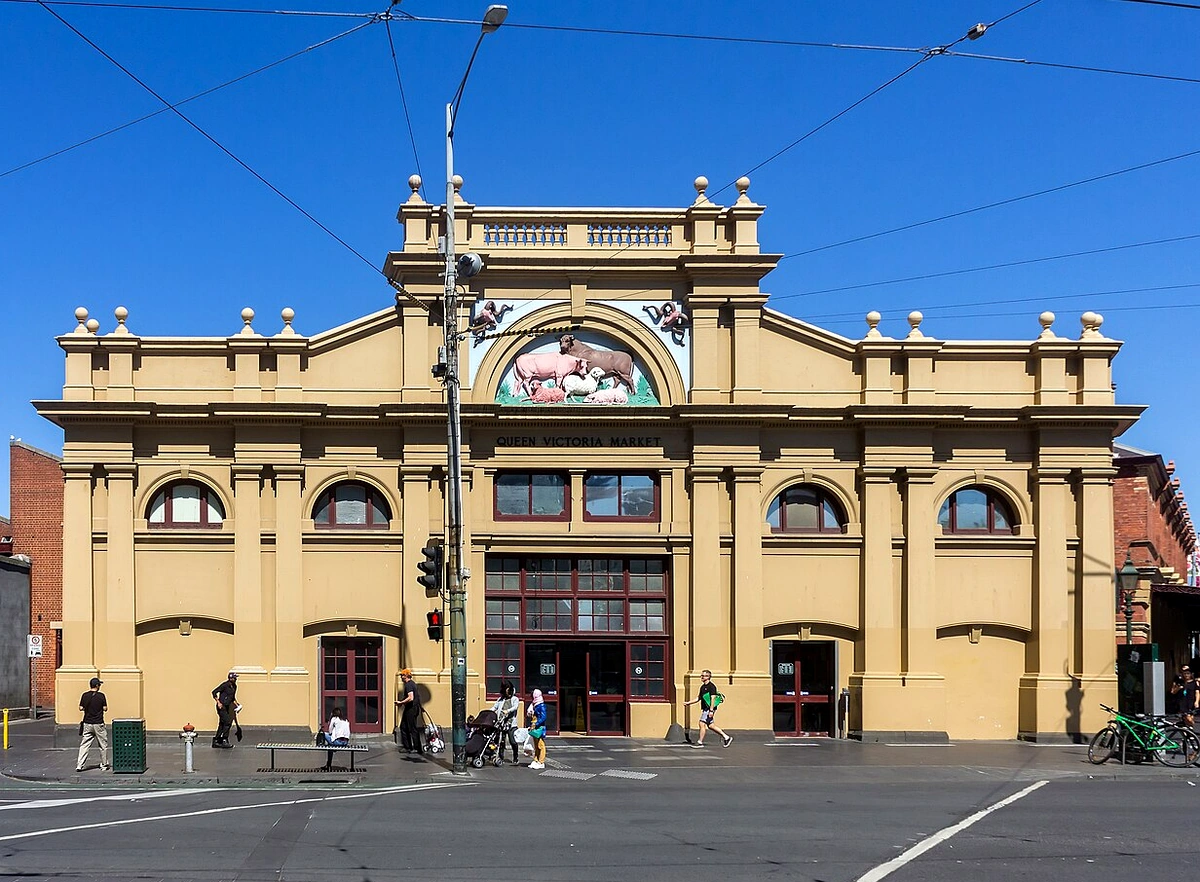
Annually, the Queen Victoria Market attracts approximately ten million visitors, becoming one of the greatest tourist magnets not only of Victoria state but of all Australia. This fierce attraction stems not from the flashiness of modern commercial centers, but precisely from the authenticity, rustic nature, and deeply indigenous community atmosphere preserved here. Preserving a complex spanning over seven hectares right in the expensive commercial core of a super-metropolis is a challenging planning problem requiring the concerted efforts of government, heritage conservators, and local residents. Through historical ups and downs, from a desolate burial ground to a bustling trading center, the Queen Victoria Market stands firm as a bridge connecting a glorious past with a dynamic present, affirming the enduring value of an architectural and urban planning masterpiece carrying the soul of its era.
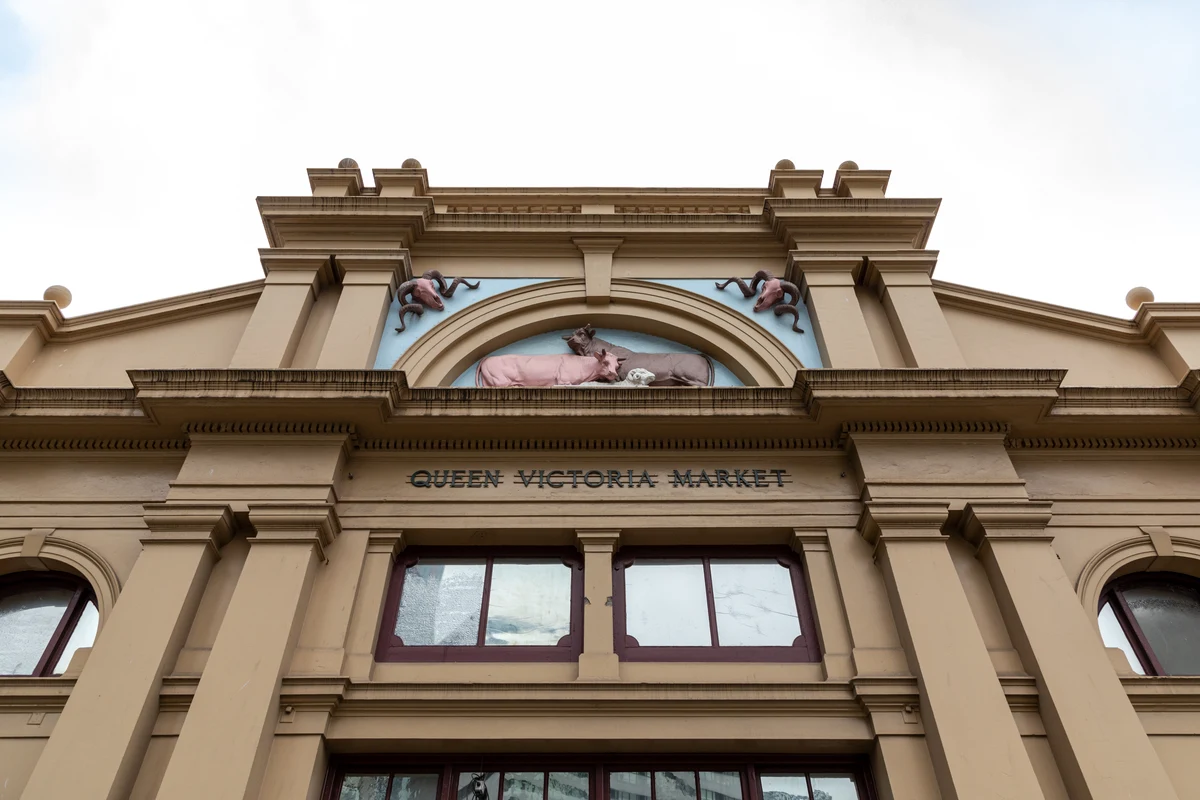
The archaic Victorian architectural facade of the largest open-air heritage market in the Southern Hemisphere
Stepping into the interior and exterior spaces of the Queen Victoria Market, visitors feel as though they are wandering into a living architectural museum where 19th-century cast-iron casting, wood carving, and manual bricklaying techniques are impeccably preserved through historical imprints. The meticulously curved iron trusses, load-bearing cast-iron pillars adorned with classical floral motifs, and shed rows featuring colonial-style red tile roofs all harbor silent tales of a golden age in commercial architecture. Shaped and constructed across multiple phases starting from the 1860s before officially opening in 1878, this market is not merely a commercial center but a resilient historical witness. Spanning an area of over seven hectares, equivalent to seventeen acres, it stands tall as the largest open-air market in the Southern Hemisphere, as well as the last surviving market in Melbourne’s central business district from the Victorian era, standing shoulder to shoulder with the Prahran Market and South Melbourne Market in the mission of preserving the city’s traditional commercial heritage.
Inspecting every structural detail of the market, one cannot help but marvel at the stature and urban planning mindset of early Victorian colonial engineers. The architectural language here is a flawless fusion of Italian Renaissance classical style and British industrial architecture of the revolutionary era. Renowned 19th-century foundries supplied numerous load-bearing columns, support beams, and decorative wrought-iron patterns that bend softly yet remain exceptionally sturdy, enduringly withstanding centuries of weather fluctuations in the land Down Under. The facades of outdoor stalls featuring corrugated iron vaulted roofing combined with rare Huon and kauri pine framing create a whole that is rustic and intimate while possessing astonishing technical depth. The shed rows are arranged in a scientific checkerboard grid, thoroughly optimizing natural lighting and air circulation, reflecting pioneering thinking regarding public space planning from the early decades when Melbourne transformed from a nascent settlement into one of the southern continent’s most formidable financial and commercial hubs.
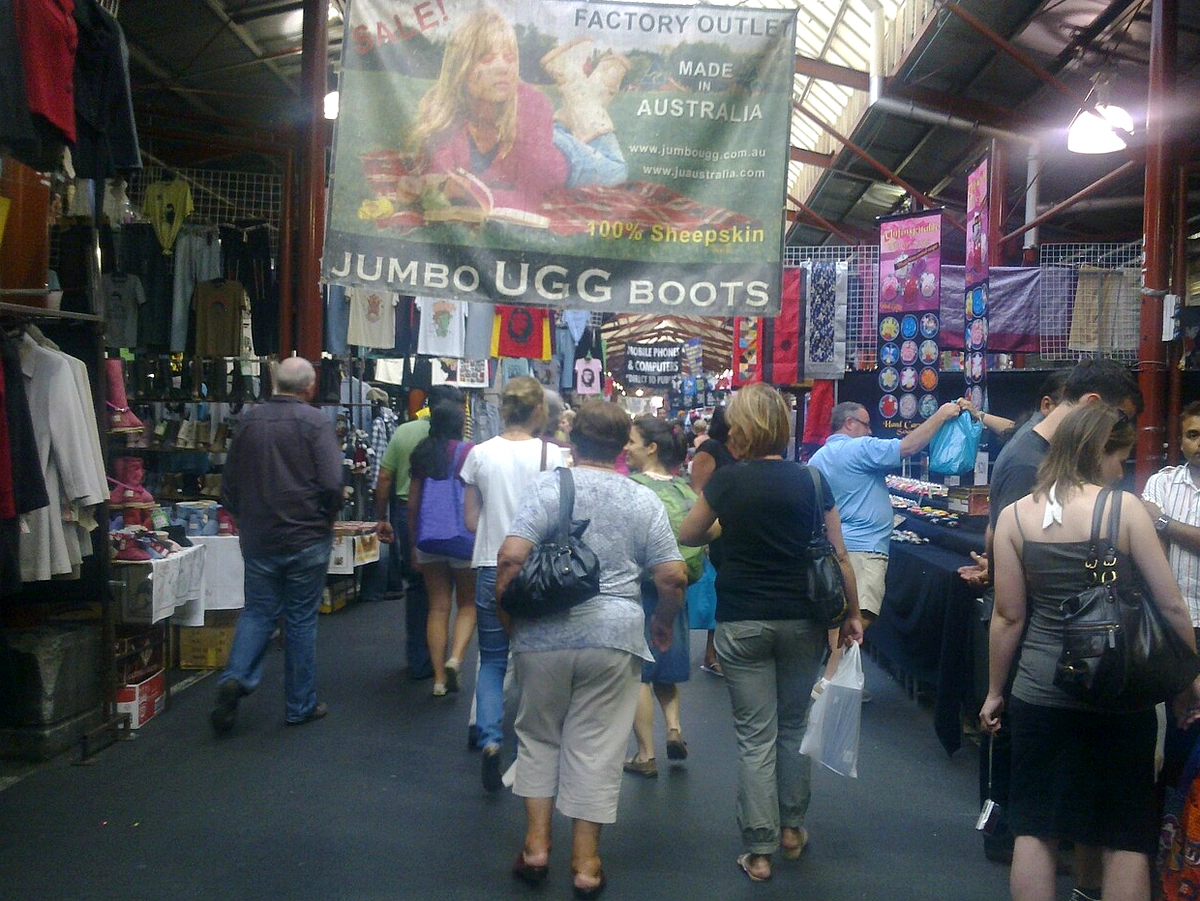
Although not strictly a religious structure, the spiritual and cultural depth of the market is nurtured by the complex historical strata and multicultural community that built it across generations. Few know that before becoming a top-tier bustling shopping haven, a large portion of the market area served as Melbourne’s first cemetery, resting place for tens of thousands of early pioneer residents, including the renowned explorer John Batman—founder of the city. This spatial overlap creates a profound philosophical layer of meaning, turning the market into a magical intersection between the desolate memories of the netherworld and the blossoming, surging pulse of contemporary souls. Beneath the concrete foundation and bustling hawking stalls, the soul of the past still glimmers, reminding today’s generations of their roots and the endless continuation of urban history’s flow.
Every tiny corner of the market, from the traditional Meat Market row with its ancient boxwood framing and solid marble butchery slabs to the antique, handicraft, and contemporary art zones, reflects absolute respect for heritage and Melbourne’s superb multicultural fusion capability. Strolling through the Dairy Produce Hall, visitors are captivated by intricate wall mural decorations, curved Art Nouveau glass display cases, and wooden signs carved with handwritten lettering dating back centuries. The echoing sounds beneath the high vaulted roofs represent the characteristic blend of urban life: the footsteps of surging crowds, the crisp clashing of knives and cutting boards at fresh seafood stalls, chatter in dozens of languages, blending with the rich aroma of artisanal roasted coffee, the mouth-watering scent of brick-oven-baked bread, and fragrant spices from international food stalls.
The architectural artifacts present here are not merely lifeless building materials; through meticulous restoration by heritage experts, they have transformed into miniature wonders of urban life, preserving the collective memory of millions of Victorian citizens across successive generations. Having undergone major overhauls while maximally retaining authenticity, the market is proudly listed on the Victorian Heritage Register and the National Heritage List, attracting roughly ten million tourists and locals annually. It does not purely hold the role of an essential shopping destination, but equally serves as a living cultural space where summer night food festivals, community art exhibitions, and street performance activities take place vibrantly, connecting a glorious past with the dynamic present of one of the world’s most livable metropolises.
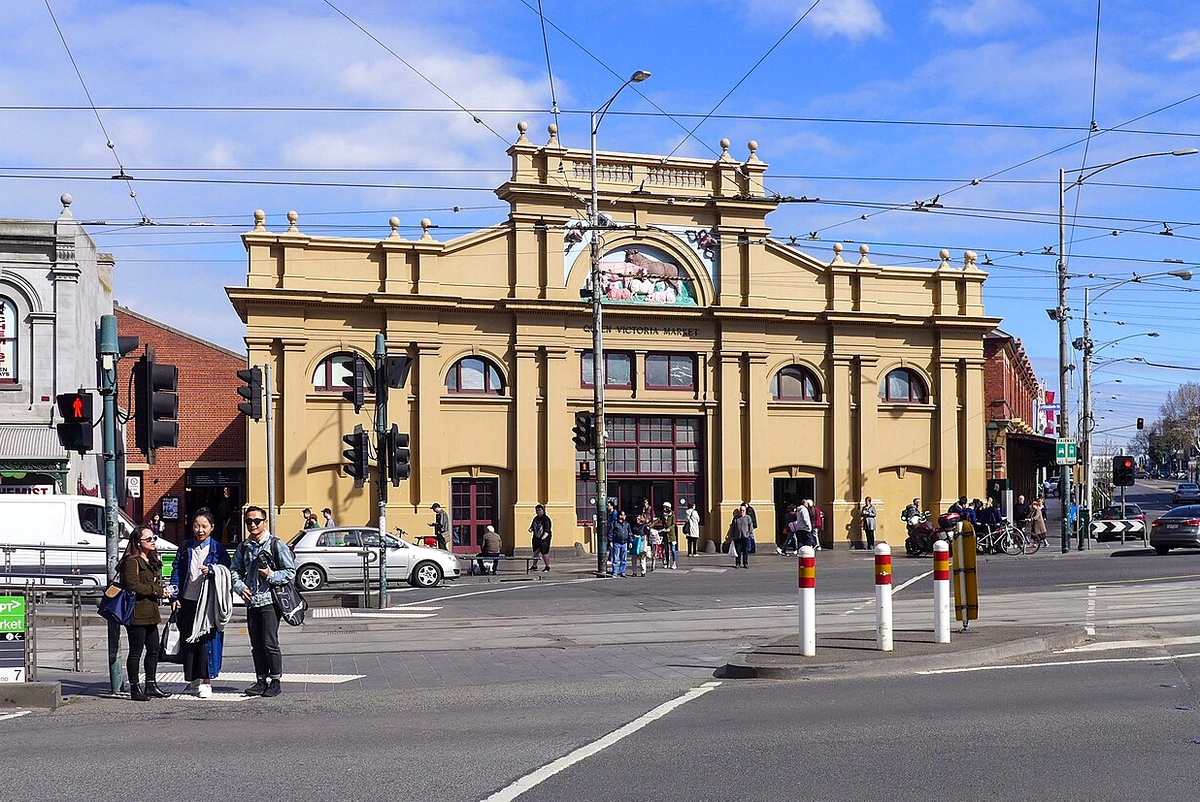
Shaped through the flow of time from the 1860s and officially inaugurated in 1878, the Queen Victoria Market (affectionately called Vic Market or Queen Vic by locals) is not merely a commercial center or tourist destination, but truly a living museum of urban culture for Victoria state and the entire Australian continent. Spanning an area of over seven hectares (equivalent to seventeen acres) right in Melbourne’s central business district (CBD), this grand architectural heritage maintains its status as the largest open-air market in the Southern Hemisphere, as well as the final Victorian-era market still operating intact within the central urban zone, standing shoulder to shoulder with the Prahran Market and South Melbourne Market. As a work honored and listed on the Victorian Heritage Register and the National Heritage List, it annually attracts around ten million domestic and international visitors, becoming one of the most vital community gathering and tourism coordinates in the land Down Under.
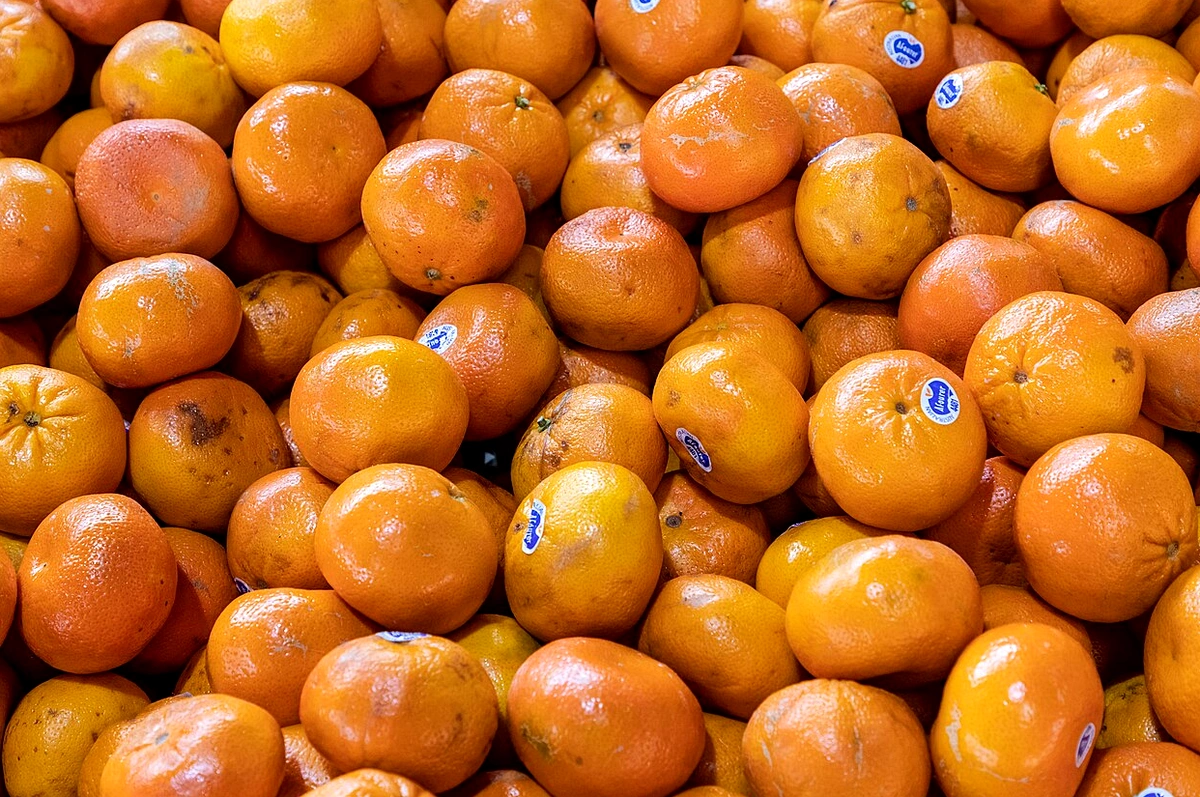
Life at the Queen Victoria Market begins before dawn breaks, when the first rays of sunlight stretch across cast-iron skeletal frames and ancient pine wooden vaults dating back to the 19th century. The visitor’s sensory experience here is an uplifting journey of sight, sound, smell, taste, and touch, merging into a multi-colored blend that awakens every most primitive human subconscious. Entering the market space, the sense of sight is drawn to a bustling yet orderly sea of people, where aproned merchants busily arrange stalls of fresh succulent fruits into elaborate artistic tiers. From lush green grapes of the Yarra Valley and plump juicy peaches to the brilliant red and green hues of pristine organic vegetables transported directly from rural Victorian farms since early dawn, all create a picture of rich and vibrant nature.
The perceptual journey continues by guiding visitors through a rich and stimulating olfactory layer. The space overflows with the robust, rich aroma of artisanal arabica and robusta coffee beans roasted right on site, blending with the complex, buttery scent of hundreds of aged cheeses imported from around the world as well as produced by local traditional family dairies. Venturing deeper into the fresh seafood zone, the briny aroma of the ocean from lobsters, salmon, and freshly caught live oysters brings an authentic raw freshness. Right beside this is the rich, sweet fragrance radiating from traditional bakery ovens, where croissants, meat pies, and artisanal pastries emerge steaming hot amidst Melbourne’s characteristic chilly weather.
Listening to the sounds of the Queen Victoria Market means listening to the throbbing pulse of Melbourne’s urban history across nearly a century and a half of formation and development. The visitor’s auditory sense is filled with the resonant, proud hawking cries of veteran merchants with decades of attachment to the market—many of whom represent the second or third generation managing family stalls. The cheerful chatter in every language of the multicultural crowd, the rhythmic friction of fully loaded produce carts, and the clashing sounds of small change settling payments create an immensely vivid everyday soundscape. Interwoven among this, beneath the shade of ancient vaults or along cobblestone walkways, talented street performers lose themselves in acoustic guitar notes or melodic violin tunes, transforming a commercial shopping space into an open and harmonious community art stage.
As twilight falls and daylight gradually yields to nightfall, the Queen Victoria Market undergoes a spectacular transformation, especially during special event seasons such as the Summer or Winter Night Market. The market space at this time dons a shimmering, magical cloak beneath thousands of lanterns and warm yellow bulbs blanketing the walkways. Contemporary art light projections shine directly onto ancient Victorian-era brick walls, creating a magical interplay between rugged past and radiant present. Lively musical melodies from local indie bands, traditional dances of immigrant communities, and unique street art performances turn the market into a bustling nighttime cultural hub where boundaries between locals and international visitors completely dissolve in a celebratory atmosphere.
The indigenous lifestyle rhythm at the Queen Victoria Market bears no resemblance to the hurried, rushed pace of neighboring modern financial centers; instead, it carries a leisurely, unhurried, and harmonious vibe. Melbourne residents come to the market not simply to shop for family meals but to maintain an ancient social ritual: pausing at a small cafe, chatting animatedly with vendors about the weather, discussing the weekend football match, or enjoying a craft beer with a plate of tapas while waiting for performances to begin. Melbourne city’s balanced philosophy of life, cherishing traditional values while remaining extraordinarily open, tolerant, and multicultural, is reflected most authentically and vividly through every corner of this historic market.
The seamless combination of material values from renowned produce, heritage architectural depth from the 1860s, sensory sublimation before flavors and sounds, and a warm community lifestyle has turned the Queen Victoria Market into an immortal entity in global travelers’ consciousness. Every moment of experience here, from touching century-old timber beams, inhaling roasted coffee aromas to immersing in artistic night light festivals, settles into deep, unforgettably poignant travel memories that fully define the cultural identity and soul of Australia’s second-largest city.
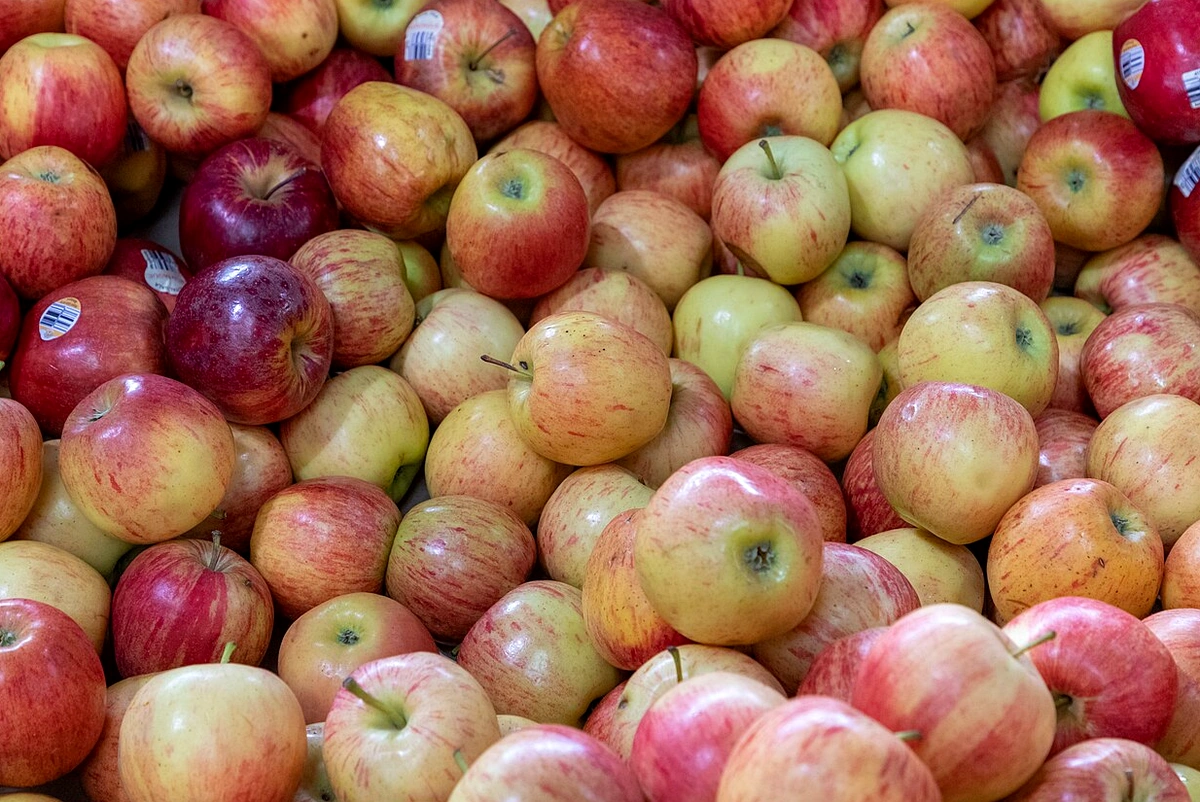
The bustling fresh food trading space carrying the essence of Melbourne’s indigenous cuisine
Historic cast-iron shed rows preserving trade culture from the 19th century in their entirety
The brilliant night market featuring hundreds of international food stalls and vibrant street music
Visitors immersing in simple everyday life and savoring standard-flavor roasted coffee from the land Down Under
To experience this journey seamlessly with a local guide, you can refer to the Melbourne – Canberra – Sydney 7D6N Tour with its pre-arranged itinerary.