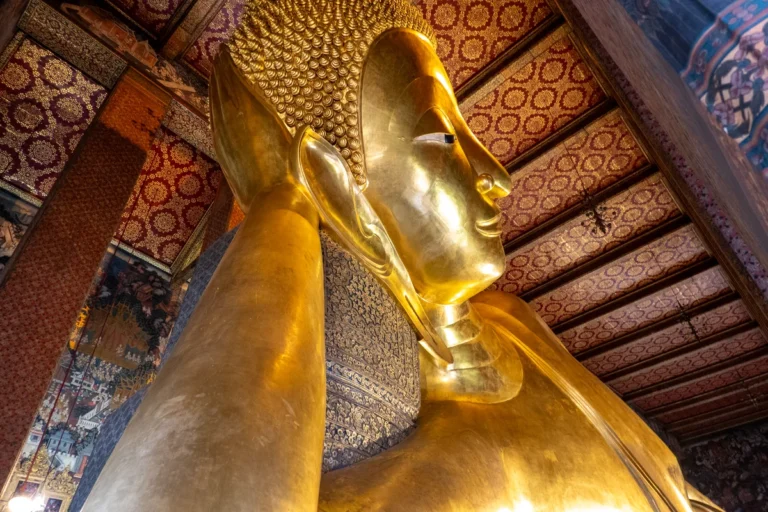
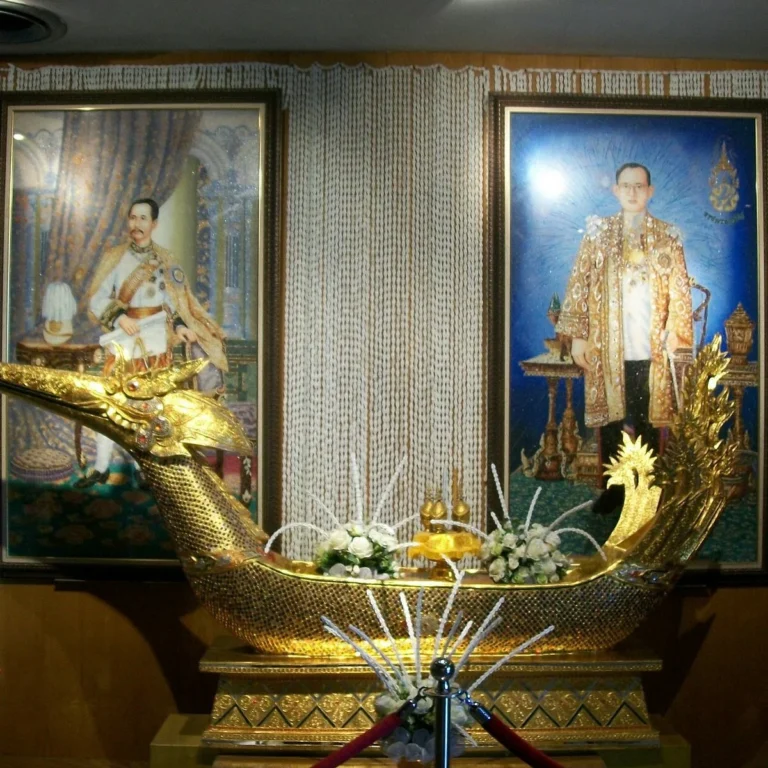
In the chronicles of modern tropical medicine and global biomedical institutions, Thailand’s Royal Snake Farm—best known by its classic name, the Queen Saovabha Memorial Institute—stands as an enduring monument to knowledge, where traditional healing arts intersect with cutting-edge experimental science. Viewed through the lens of cultural studies and medical history, this institution is far more than a standalone research center for dangerous reptiles; it is also powerful testimony to the strategic vision of the Siamese royal family in modernizing the nation and safeguarding public health against natural biological hazards. Established in the early twentieth century during a period when the kingdom was transforming rapidly amid Western colonial influences and a drive for intellectual self-reliance, the institute marked a historic turning point in which Western experimental science was seamlessly integrated with local resources to serve the survival and advancement of the Thai people.

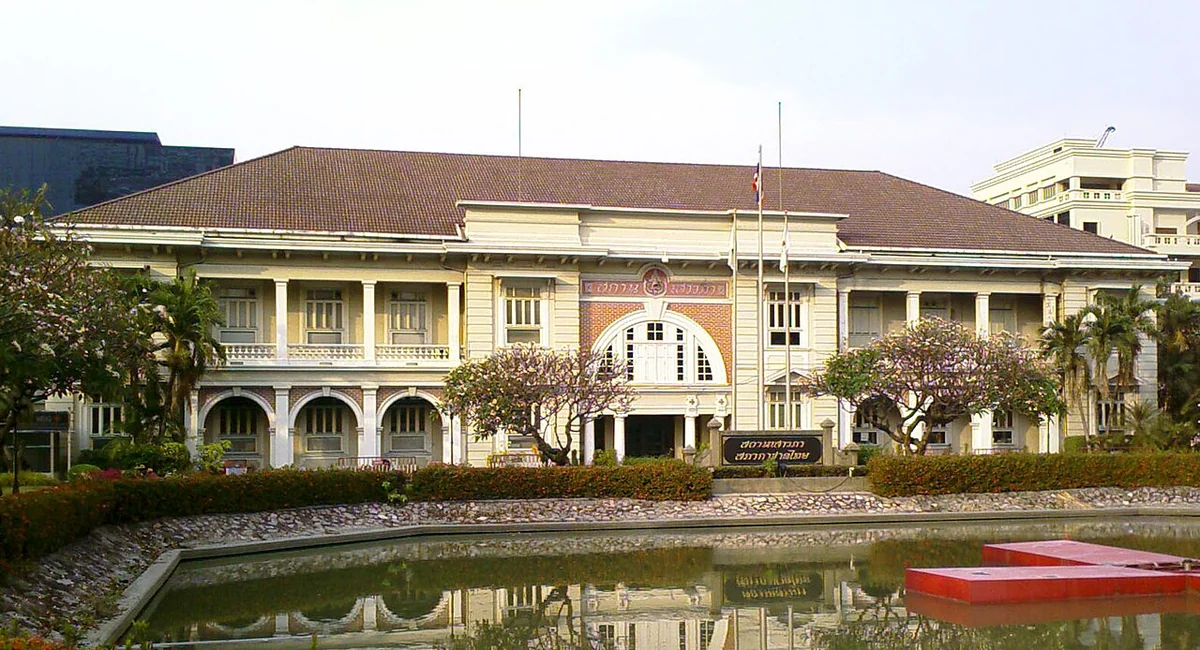
Impressive scenery at the Queen Saovabha Memorial Institute (Snake Farm), Thailand.
In terms of geographical coordinates and spatial morphology, the Queen Saovabha Memorial Institute occupies a prime, strategic location right in the heart of Bangkok, specifically at the intersection of Rama IV Road and Henri Dunant Road in Pathum Wan District. This position places the institute roughly one to two meters above sea level within the lower alluvial plain of the Chao Phraya River, heavily shaped by a tropical monsoon climate with relatively high temperatures and humidity year-round. Historically, the terrain formed part of a low-lying wetland that once provided an ideal natural habitat for numerous native snake species before rapid urbanization transformed Bangkok into a sprawling metropolis. The institute’s presence right amid a bustling financial and medical hub creates a green sanctuary steeped in nostalgia and science, where landscape architecture is carefully designed to recreate suitable microclimates for housing and conserving thousands of venomous snakes while maintaining strict, safe separation from dense surrounding urban neighborhoods.
The institute’s founding history is closely tied to the golden reign of King Rama VI and the scholarly contributions of international physicians, highlighted by its establishment in 1912 under royal patronage to meet urgent demand for snakebite antivenom. In the early decades of the twentieth century, bites from cobras and vipers caused fatalities among farmers and laborers across rural Thailand at an alarming rate, posing a formidable challenge for the nation’s fledgling public health system. Under the leadership of Queen Saovabha Phongsri, who served as supreme patron of humanitarian medical initiatives, the institute was planned and built on the model of the Pasteur Institute in Paris, becoming the second serological research facility in the world established outside Europe. Key historical milestones record close collaboration between Thai scholars and international medical specialists, steadily laying the groundwork for humane husbandry and scientific venom extraction to successfully formulate life-saving polyvalent and monovalent antivenoms.
Across the turbulent currents of modern history, the Queen Saovabha Memorial Institute has confronted and overcome major upheavals, from world wars and global economic downturns to epidemiological challenges throughout the twentieth century. During World War II, when supplies of chemicals and medical equipment from Europe were completely cut off, scientists at the institute demonstrated extraordinary self-reliance, sustaining antivenom production using ingenious manual methods and domestic raw materials to save tens of thousands of soldiers and civilians. Thailand’s domestic political shifts across different eras likewise never shook the institute’s independent scientific standing; on the contrary, successive monarchs continued to grant special support, consistently investing in facility upgrades, expanding molecular biology laboratories, and building international-standard public education exhibits.
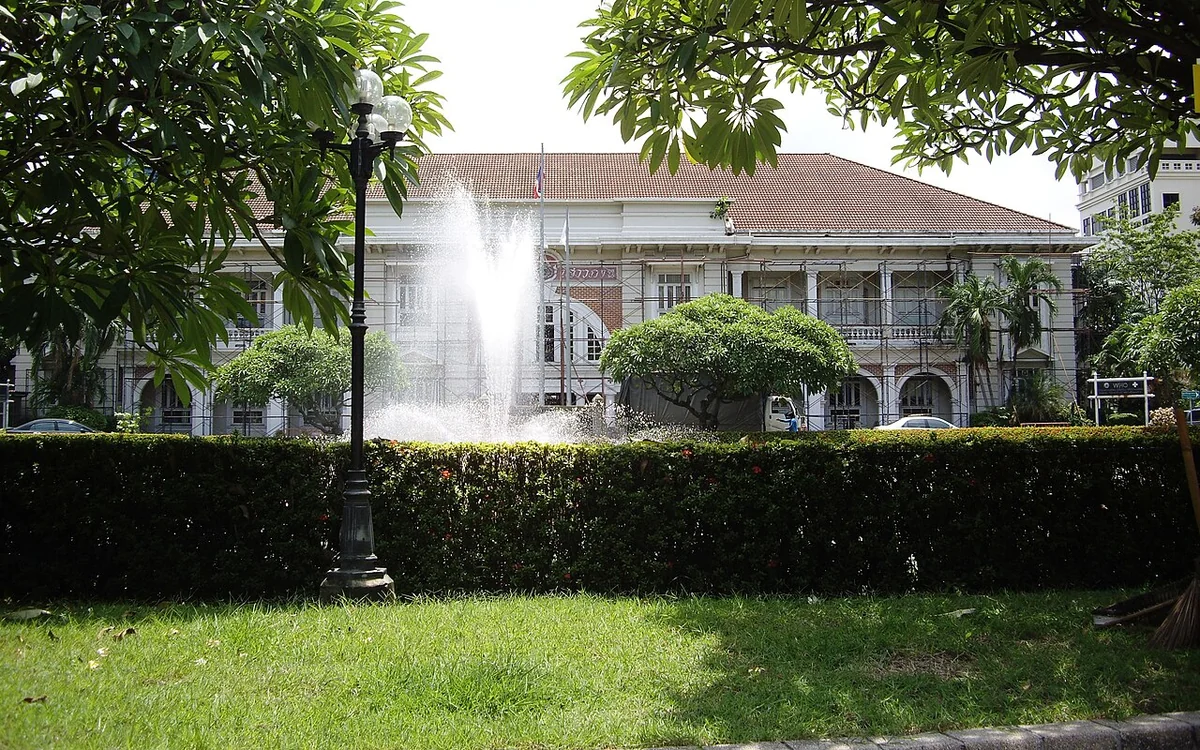
Architectural highlights and visitor spaces at the Queen Saovabha Memorial Institute (Snake Farm), Thailand.
As a national symbol, Thailand’s Royal Snake Farm is regarded as a living emblem of royal compassion combined with peak scientific intellect, testifying to the Thai monarchy’s commitment to the well-being of its people. Its main building—blending classical European architecture harmoniously with traditional Thai decorative motifs—forms an invaluable urban architectural heritage preserving the aesthetic and historical character of early-modern Bangkok. Moreover, the sight of skilled specialists patiently extracting snake venom before scholars and the public has become an iconic cultural image reflecting courage, respect for nature, and a determination to unlock the mysteries of life. The facility serves not merely as a biological repository safeguarding rare venom specimens, but also as a living museum of the evolutionary history of venomous reptiles across Southeast Asia.
The global influence of the Queen Saovabha Memorial Institute reaches far beyond the borders of the Kingdom of Thailand, standing as one of the world’s leading venom research collaborating centers under the auspices of the World Health Organization. Research on toxicology, venom biochemistry, and next-generation antivenom production originating here has become classic reference material for the international medical community, helping standardize snakebite treatment protocols worldwide. Scientific delegations, physicians, and researchers from every continent regularly visit for training, academic exchange, and technology transfer, affirming the high scientific capability of a tropical nation in addressing specialized medical challenges. Serving as an enduring bridge between past and future, and between royal tradition and experimental science, this institution continues its sacred mission—protecting human life and bringing renown to medical science in a new era.
Located in Bangkok, the capital of the Kingdom of Thailand, the Royal Snake Farm—officially known as the Queen Saovabha Memorial Institute under the Thai Red Cross Society—is a scientific and medical landmark of exceptional historical stature. Constructed in the early decades of the twentieth century during the reign of King Vajiravudh (Rama VI), this complex is not only one of Southeast Asia’s foremost biomedical centers for antivenom and reptile-venom research, but also a prime example of transitional architecture bridging Siamese tradition and early-modern European classicism. In urban spatial terms, the institute sits right at the major junction of Rama IV Road and Henri Dunant Road, occupying spacious, lushly landscaped grounds set apart from the bustle of a megacity while maintaining convenient access for academic exchange and international visitors.
The architectural style of the Queen Saovabha Memorial Institute clearly reflects the blended aesthetic sensibility of Thai nobility and intellectuals in the early twentieth century, as European engineers and architects collaborated closely with Thailand’s finest traditional artisans. The main building bears the unmistakable stamp of European Neoclassical architecture—featuring stately Doric and Ionic columns and tall arched windows creating crisp symmetry across the facade—paired with sloped traditional Thai tiled roofs adapted for a tropical monsoon climate. This synthesis produces an architectural language carrying both the dignified rigor of Western science and refined harmony with East Asian cultural identity. Facade ornamentation is intricately hand-carved, showcasing scrolling vine motifs and bas-reliefs depicting the mythical Naga serpent—a sacred symbol in Buddhist and Hindu traditions tied to myths of life’s origins and medicine.
The building materials selected for the complex demonstrate durability and careful engineering designed to withstand high humidity and the soft alluvial soils typical of the Chao Phraya River delta. Load-bearing walls are constructed of large hand-fired bricks bound with traditional lime mortar enriched with plant-based additives, finished externally in thick stucco painted a classic creamy yellow that has acquired a serene, nostalgic patina over time. Structural frames of historic buildings inside the compound combine aged teakwood beams of exceptional mechanical strength with steel reinforcement members imported from Europe during later restorations and expansions. Floors are laid in classic imported patterned ceramic tiles or hand-polished solid teak planks, while vaulted roofs and trusses are pitched steeply to optimize rainwater runoff during heavy monsoon storms while creating an insulating air buffer for the rooms below.
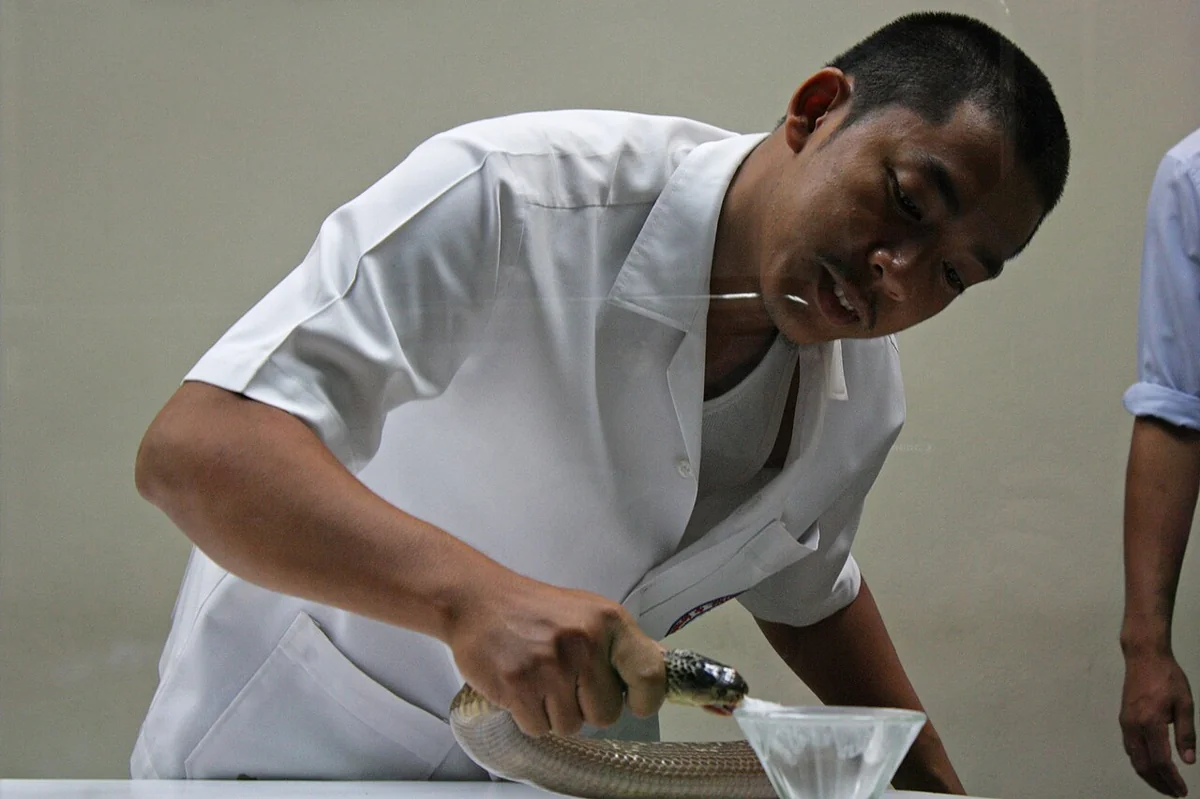
An engaging discovery corner drawing large numbers of visitors at the Queen Saovabha Memorial Institute (Snake Farm), Thailand.
Construction techniques and interior spatial layouts at the institute adhere strictly to rigorous biosafety standards for housing, studying, and extracting venom from thousands of venomous snakes from across the kingdom. The facility’s zoning plan is organized into independent functional areas linked closely via covered walkways and ecological gardens replicating natural reptile habitats. Key areas include modern molecular biology laboratories and an indoor snake facility outfitted with high-strength tempered glass enclosures, automated convective ventilation, and precise temperature control to safeguard the health of cobras, vipers, kraits, and giant pythons. Alongside this, the outdoor snake farm is laid out in a curved arrangement with rockeries, small ponds, and dense tropical vegetation vividly recreating a rainforest ecosystem, enabling specialists to care for the animals and conduct scheduled venom extractions safely.
In physical scale, the Queen Saovabha Memorial Institute spans a substantial plot right in the heart of the capital, comprising multiple functional buildings ranging from two to three stories tall in keeping with surrounding historic height guidelines to preserve the original urban streetscape. The main exhibition hall and auditorium feature generous ceiling heights that create an airy, dignified atmosphere for in-depth scientific lectures and interactive public educational demonstrations on snake biology. Visitor capacity is designed to welcome hundreds of thousands of guests each year, including scientists, medical students, international researchers, and general travelers from around the world. Visitor circulation paths are thoughtfully arranged with elevated walkways, slip-resistant stone paths, and secure glass barriers—allowing guests to observe scientific work and venomous snake handling demonstrations up close without disturbing the sensitive ecosystems inside the institute.
Across more than a century of existence and growth, the architectural features and construction systems of the Queen Saovabha Memorial Institute (Snake Farm) in Thailand have been continually maintained, reinforced, and upgraded with modern technology to support contemporary medical research while preserving tangible cultural heritage value. Thick insulating walls, moss-toned tiled roofs, intricate woodcarvings, and a thoughtful spatial layout turn the site into a living architectural museum where classic building craft meets pioneering experimental science. Rather than serving solely as a center producing antivenom that saves tens of thousands of snakebite patients each year in Thailand and around the world, it also stands as a royal-linked planning and architectural landmark reflecting the kingdom’s long-standing strategic vision and respect for natural science.
Set in the heart of Bangkok—a city rich in history and cultural crossroads—the Queen Saovabha Memorial Institute (Snake Farm) is more than a specialized biomedical center for serology and herpetology; it is also a distinctive cultural and spiritual space holding layers of Eastern aesthetic philosophy. Founded under royal patronage in the early decades of the twentieth century, it carries a dual mission: serving modern medicine by researching and producing antivenom to save lives from deadly venom, while preserving ancient cultural symbolism tied to snakes—creatures holding sacred, dual meanings in East Asian imagination. Stepping through the institute’s main gate, visitors and researchers immediately sense a quiet atmosphere where modern urban bustle seems held back by royal architectural heritage and the solemnity of a national scientific institution.
Examining the spatial layout of the Snake Farm reveals an impressive blend of traditional Thai architectural style and Western scientific planning. The grounds divide into clear functional zones yet link smoothly through covered walkways, manicured tropical gardens, and quiet shrines tucked beneath the shade of century-old trees. The central exhibition area and reptile houses feature sweeping Rattanakosin-style tiled roofs with *Chor Fa* (phoenix-finial) gables reaching skyward like a prayer for divine protection. Carvings across teak window frames and load-bearing columns showcase skilled Thai court craftsmanship, weaving motifs such as blooming lotuses, swirling clouds, and stylized forms of the mythical Naga serpent into corners of the buildings.
Close-up view of distinctive design details at the Queen Saovabha Memorial Institute (Snake Farm) in Thailand.
Wood and stone carving at the institute reaches high artistic craft, reflecting Theravada Buddhist worldviews intertwined with ancient local beliefs in nature spirits. On fine timber screens and stone reliefs around the shrine area, snakes do not appear as symbols of fear or sin as in some Western traditions, but as emblems of wisdom, protection, and supernatural power. Carvers have shaped scales, keen yet compassionate eyes, and crested manes of multi-headed Nagas with care. According to popular Theravada Buddhist legend in Thailand, when the Buddha meditated beneath the Bodhi tree during a storm, the great serpent king Muchalinda coiled into seven tiers and spread a seven-headed hood to shelter him from rain, wind, and worldly disturbances. That spirit of protection is vividly echoed in decorative pieces across the grounds, making the site a living showcase of Buddhist symbolism and Siamese folk culture.
Stepping deeper into archival rooms and thematic displays feels like entering a chronicle linking traditional remedies with modern kingdom medicine. Collections of antique medical instruments, palm-leaf manuscripts recording nineteenth-century folk treatments for insect and venomous snake bites, and formalin-preserved specimens are arranged with care. Each item carries stories of royal physicians who braved dense tropical forests to gather rare herbs and study the habits of potent venomous snakes such as king cobras, kraits, and Malayan pit vipers. Historical medical artifacts standing beside modern centrifuges and sterile laboratories create a continuous timeline of human effort to understand nature and protect life.
The spiritual and cultural depth of the Snake Farm shows most clearly at small shrines tucked peacefully in corners of the grounds, where locals and staff regularly offer incense, jasmine, and bright marigold garlands. In Thai tradition, honoring snakes goes beyond fear of venom to acknowledge a place in a wider spiritual ecosystem where life and death meet in delicate cosmic order. Long-standing stories tell how protective serpent spirits helped the institute endure difficult periods, from wartime trials to large-scale public health challenges. Annual ceremonies blend Brahmanic elements with early Buddhist customs, praying for peace, good harvests, and success in lifesaving scientific research.
From a structural design perspective, the institute’s grounds also offer a thoughtful example of balancing built space with wild nature. Reptile enclosures use strong safety glass while recreating natural habitats with rocks, plants, and trickling water so the animals live as close to natural conditions as practical. This supports both scientific observation and public education while reflecting an Eastern outlook that favors understanding and peaceful coexistence over conquest. Daylight entering through skylights and wide windows illuminates brass Buddha images and carved details, casting a quiet, reverent glow suited to a center of learning.
Furthermore, the Queen Saovabha Memorial Institute holds rich intangible heritage through royal stories connected to Queen Saovabha Phongsri, who laid the foundation for the institution. Tradition holds that the compassionate queen felt deep sorrow over villagers losing their lives to venomous snakebites while working across rice paddies. Establishing the institute was not only a public-health measure, but an act of compassion bridging royal authority and everyday need. Every corner of the institute—from the queen’s portrait/bust in the main hall to tree-shaded paths—reflects that spirit of service, making it a meaningful stop for visitors seeking calm reflection and insight into Thai royal heritage.
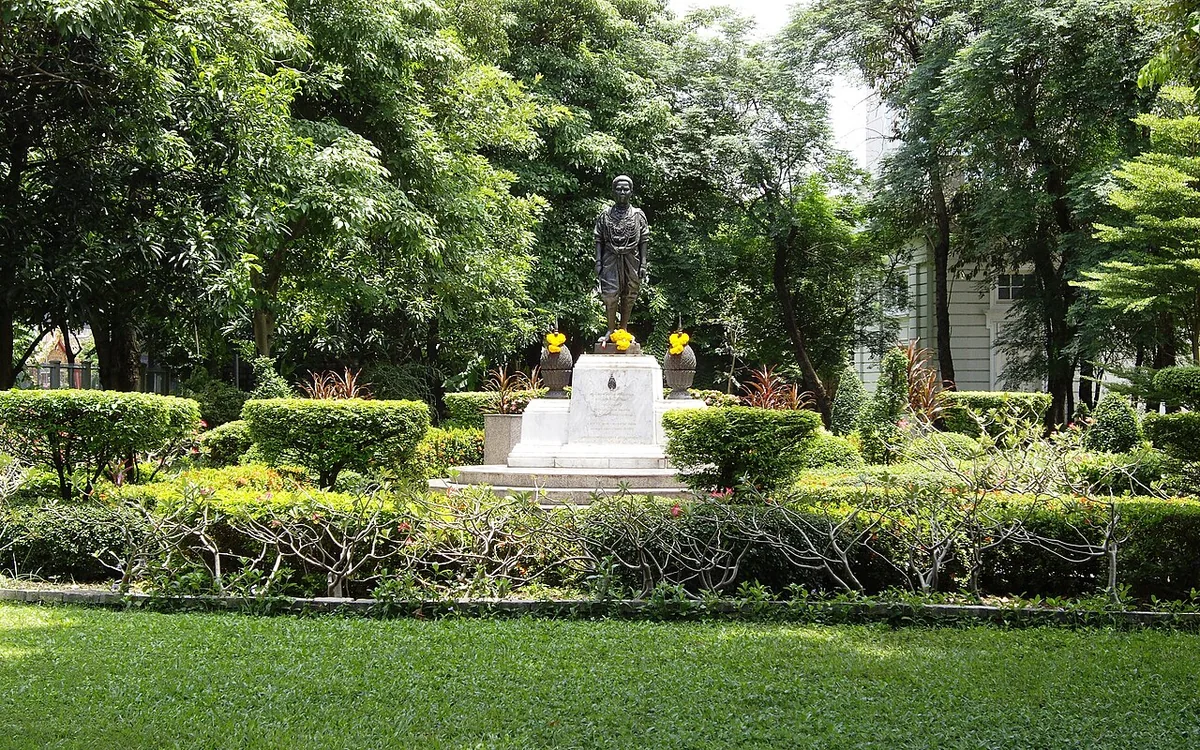
Lively rhythm and visitor spaces at the Queen Saovabha Memorial Institute (Snake Farm) in Thailand.
In summary, exploring the Queen Saovabha Memorial Institute through culture, architecture, and tradition offers a multi-layered view of an enduring landmark. Far more than a place handling venom and producing antivenom, it is a space where court wood and stone craft, medical history, and traditional beliefs meet. Even as modern technology and urban growth reshape the city outside, this royal medical institution stands as a historical witness where experimental science and cultural heritage coexist in the heart of Thailand.
As first morning light filters through dense tropical foliage in central Bangkok, the Queen Saovabha Memorial Institute wakes to an unusually quiet calm contrasting sharply with the busy city beyond. This early hour gives the grounds a solemn character shaped by decades of royal medical service. Morning dew clings to ornamental banana leaves and green lawns around the compound, mingling with the scent of damp earth and mild tropical blossoms. In the cool early air, researchers and caretakers start their day with quiet discipline, checking temperatures and humidity in specialized enclosures housing hundreds of reptiles. Soft sounds of supply deliveries and meal preparation for venomous snakes mark the start of a distinctive daily routine where science and creatures of Asian lore share one roof.
As the sun climbs overhead, the mood at the Snake Farm shifts toward lively international tourism and curiosity. Footsteps of travelers from around the world gather in reception areas, bringing excitement and keen observation. Right inside, the scent of seasoned wood blends with climate-controlled indoor displays. Midday sunlight slanting through large glass panels reflects off enclosures where snakes with keen eyes and glossy scales rest coiled. Visitors hear subtle sounds—scales brushing dry leaves, soft exhales, or the rattle warning of certain species—turning each step into a closer look at nature where knowledge helps bridge fear and wonder.
The brightest highlight of daytime life at the Snake Farm is its interactive educational demonstrations and live scientific presentations held in dedicated theaters. Under professional stage lighting, experienced handlers step forward with calm, commanding poise, demonstrating reptile-handling techniques that require extraordinary courage and mastery passed down across generations. Gasps of amazement and thunderous applause from hundreds of spectators create an electrifying, captivating atmosphere. Every fluid movement of the handlers as they face some of the planet’s most venomous serpents—such as the king cobra or Russell’s viper—resembles the choreography of a classical dance, seamlessly uniting physical agility with disciplined psychological control. Audiences are not merely treated to thrilling close-range demonstrations; they also gain substantial insight into snake biology, how neurotoxic and hemotoxic venoms act on the body, and the vital process of researching and producing life-saving antivenom.
Alongside these captivating demonstrations, sensory and tactile experiences across the thematic exhibition halls and royal herbal medicine displays leave a lasting impression on visitors. Guests can inspect intricately crafted molecular models of snake venom or learn about the integration of traditional medicine with modern science through specialized remedies researched and formulated directly in the institute’s laboratories. The exhibition space opens up a rich cultural dimension in which the serpent appears not solely as a symbol of destruction in Indo-Gangetic traditions, but is also revered as a guardian deity of medicine—embodying renewal, healing, and wisdom. This intersection of indigenous Thai beliefs and modern scientific methodology creates a distinctive cultural language woven into every corner of the institute, leaving every visitor with a deep reverence for nature and human dedication.
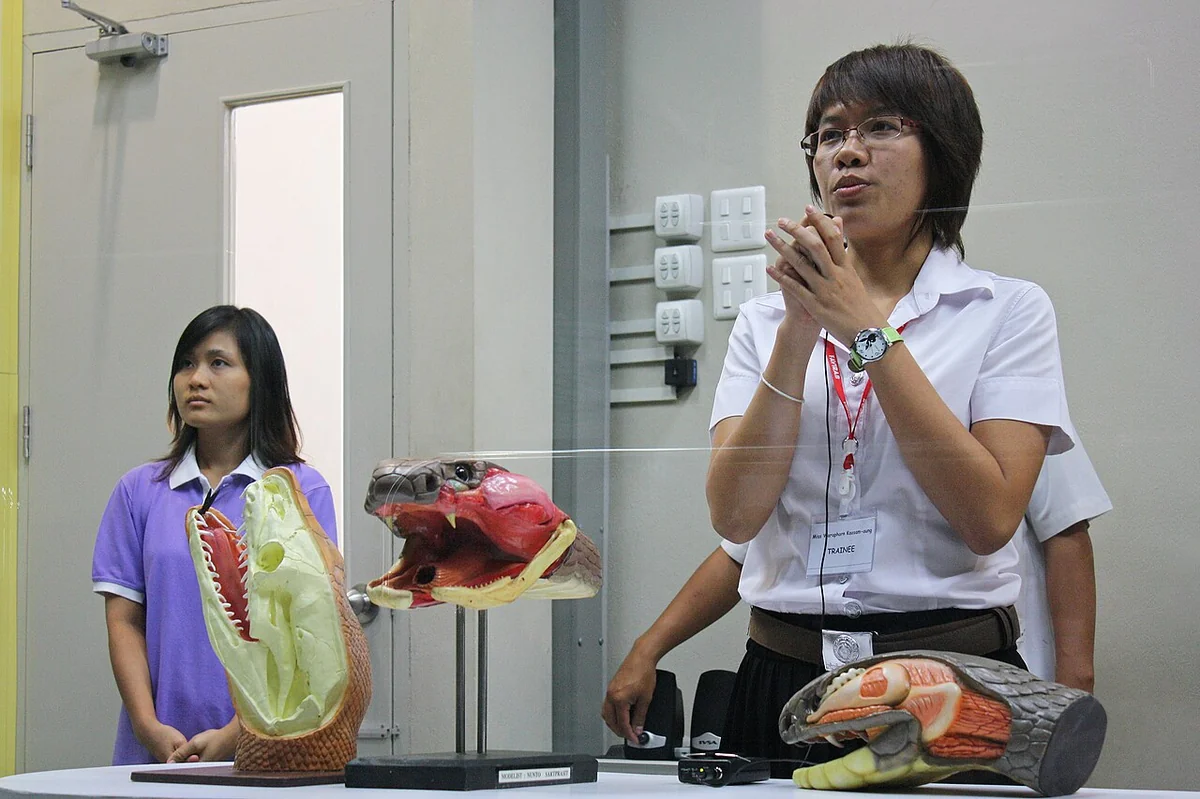
Engaging hands-on experiences for visitors at the Queen Saovabha Memorial Institute (Snake Farm), Thailand.
As sunset begins to fall, bathing the expansive architectural complex in a vibrant orange-red glow, the rhythm of life at the Queen Saovabha Memorial Institute returns to its characteristic calm and quietude. The day’s final rays filter through ancient tree canopies, casting long shadows across moss-draped walls and royal bas-reliefs bearing the distinct imprint of Theravada Buddhist architecture. This is the finest hour to seek out scenic vantage points overlooking the tranquil grounds, listening as evening insects begin their nocturnal chorus. Warm golden lights along the main walkways switch on, illuminating green lawns and clean stone paths to create a shimmering, atmospheric, yet dignified setting. The transition from a bustling daytime research hub into a serene evening sanctuary invites deep reflection on the wonder of life and the bond between humanity and the natural world during a proud journey of cultural and scientific discovery.
Situated at the vibrant cultural crossroads of Bangkok, the neighborhood surrounding the Queen Saovabha Memorial Institute is celebrated not only for its nationally significant biomedical heritage, but also as a living museum of traditional culinary artistry. As golden tropical sunlight stretches across the capital’s tree-lined avenues, the area comes alive with an interplay of aromas and spices where royal court gastronomy meets everyday street flavors, weaving an irresistible, multi-layered cultural tapestry. Stepping into the culinary world around this renowned research center, travelers and cultural enthusiasts alike do far more than satisfy physical hunger; they embark on an insightful journey into the history and yin-yang philosophy of ancient Siamese cuisine, where every ingredient tells its own story of local terroir and tropical nature.
The signature cuisine of this district is strongly shaped by the Central Thai culinary school, once the seat of power of the Rattanakosin Kingdom. Dishes here are prized for an exacting balance of sour, spicy, salty, sweet, and bitter notes, with sweetness typically drawn from natural palm sugar or fresh coconut cream rather than industrially refined sugars. Traditional preparation in local households and decades-old family eateries demands painstaking attention to detail—pounding spices by hand in granite mortars, from coriander root, garlic, and red bird’s-eye chilies to fresh galangal and tender lemongrass. This process releases essential aromatic oils to the fullest while creating a natural emulsifying base for celebrated curries such as green curry (kaeng khiao wan) and Massaman curry (kaeng matsaman). Local culinary artisans strictly uphold proportions passed down across generations, ensuring every diner experiences an explosion of flavor alongside the subtle, refined elegance of royal cuisine hidden in every morsel of meat and drop of broth.
Venturing further into the narrow lanes surrounding the Royal Snake Farm, one easily encounters street food carts and family-run eateries that have operated for half a century, safeguarding bespoke recipes that no commercial cookbook can replicate. Epitomizing street-food mastery here are high-heat stir-fries cooked in seasoned cast-iron woks—a technique locals describe as capturing the breath of the flame and the unmistakable aroma of traditional hearth smoke. Dishes like classic pad thai or royal pineapple fried rice are executed with supreme skill: thin, springy rice noodles coated in rich sweet-and-sour tamarind sauce, tossed with fresh river prawns, fluffy egg, and crushed roasted peanuts for a deeply satisfying texture. Alongside them, iconic hot-and-sour soups infused with galangal, lemongrass, kaffir lime leaves, and straw mushrooms—anchored by the clean sweetness of slow-simmered bone stock—stand as hallmarks of the Land of Smiles’ culinary art, captivating generations of scholars and international travelers alike.
No exploration of local flavors would be complete without the culture of herbal teas and traditional infusions tied closely to Thai spiritual life and traditional medicine. Around this biomedical institute, chrysanthemum tea, butterfly pea flower tea, and herbal root decoctions are served as an essential accompaniment to meals or enjoyed to cleanse and restore the body after hours of focused study. Local tea-drinking customs embody meditative mindfulness and respect for nature: handmade clay teapots hold steady warmth while hot water is poured slowly clockwise to awaken the full fragrance of dried blossoms. Pairing these cooling infusions with traditional sweets crafted from glutinous rice flour, smooth mung bean paste, and rich coconut cream creates an ideal harmony of yin and yang, reflecting the locals’ philosophy of balance between humanity and the cosmos.
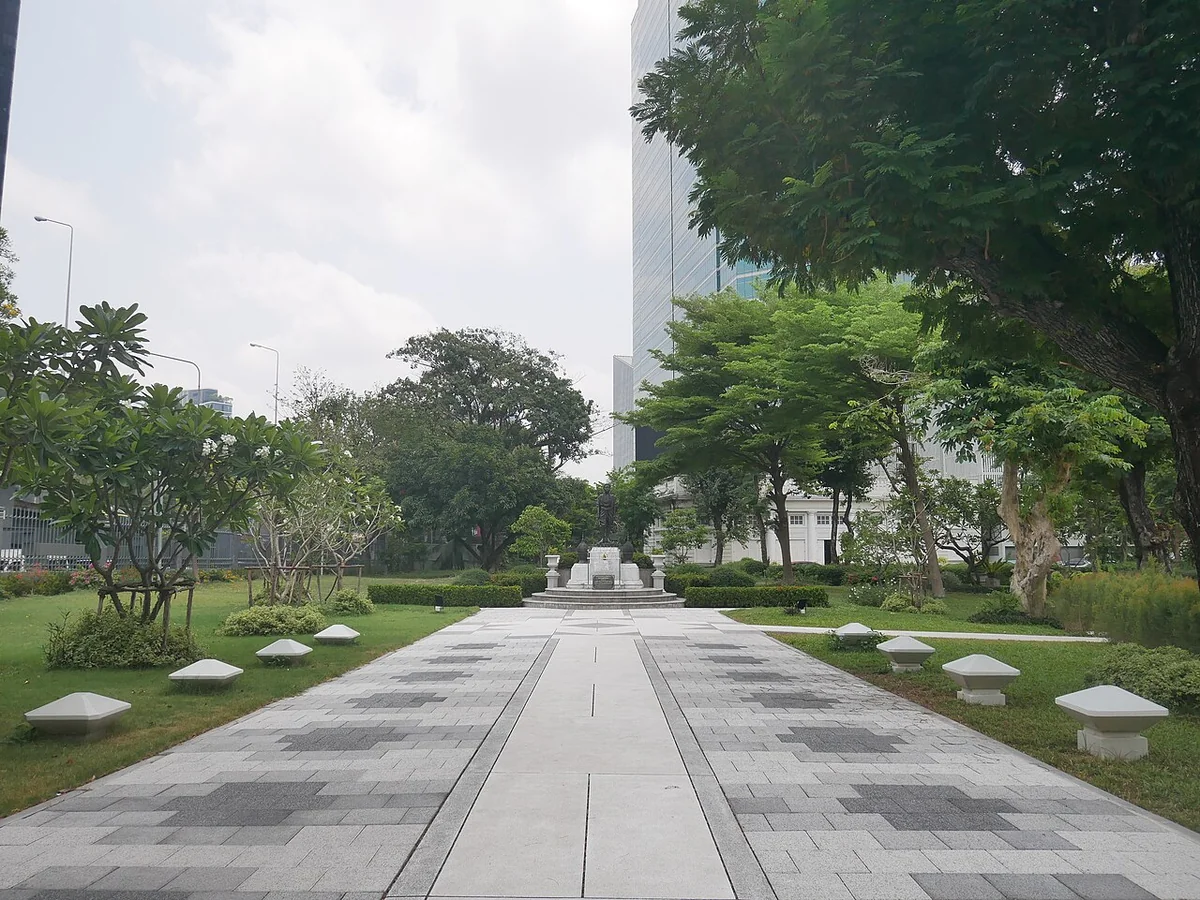
Sweeping view overlooking the modern grounds of the Queen Saovabha Memorial Institute (Snake Farm), Thailand.
Strolling through the lively yet historic food streets encircling the Queen Saovabha Memorial Institute, visitors are struck by the abundance of fresh ingredients displayed under warm golden lights after dusk. From tropical fruit stalls piled high with ripe Nam Dok Mai mangoes and creamy Monthong durian to grills turning out fragrant scallion-oil seafood, everything adheres to the principle of cooking in tune with nature and the seasons. Long-established local families preserve heirloom marinade secrets blending top-grade first-press fish sauce with wild honey and native herbs, producing a golden, crisp exterior while locking in juicy tenderness inside. The deeply communal nature of Thai dining also shines through in how meals are laid out—gathering around shared dishes that celebrate family unity and gratitude for nature’s bounty.
The presence of long-standing traditional markets right within the vicinity of the Royal Snake Farm further illuminates the historical depth of Bangkok’s culinary culture. Here, discerning home cooks still seek out wild herbs gathered along riverbanks, tender young lemongrass stalks, and the juiciest key limes to prepare the day’s family meal. The art of fruit and vegetable carving—sculpting produce into intricate lotus blossoms and birds, a skill once reserved exclusively for royal palace kitchens—is still preserved and taught in these neighborhood corners, turning everyday dishes into visual works of art. The convergence of traditional medicine in venom research and the refinement of wellness-oriented gastronomy gives this district a singular identity, where health and the joy of dining walk hand in hand harmoniously across time.
Concluding a journey through the culinary treasures surrounding Thailand’s Royal Snake Farm, every diner carries away not only the lingering warmth of bold spices, the clean sweetness of coconut cream, and the gentle aroma of herbal teas, but also a deeper appreciation for a culture that honors its past while safeguarding authentic traditions. Family dining customs, closely guarded generational recipes, and rich culinary spaces stand as vivid proof of tradition’s enduring vitality in the heart of a modern metropolis. It is an invaluable intangible heritage where flavor does more than nourish the body—it touches deeper layers of human consciousness, leaving unforgettable memories for anyone fortunate enough to experience and reflect upon it.
The Royal Snake Farm of Thailand, internationally known as the Queen Saovabha Memorial Institute, sits right in the heart of bustling Bangkok as one of Southeast Asia’s oldest and most respected biomedical institutions dedicated to snake antivenom research, production, and venomous reptile conservation. Planning a visit to explore and learn at this scholarly landmark calls for thoughtful preparation regarding timing, seasonal weather, optimal transit options, and a clear understanding of cultural etiquette and practical rules. To enjoy a seamless journey, understanding the seasonal climate rhythms of the Land of Smiles throughout the year forms the foundation for a rewarding visit.
Climatically, Bangkok is strongly governed by a tropical monsoon system divided into three distinct seasons: the cool dry season, the hot season, and the humid rainy season. The cool dry season, stretching from November through February, is widely regarded as the golden and most comfortable time of year to visit the Queen Saovabha Memorial Institute. During these months, temperatures remain pleasant, skies stay clear, and rainfall is at its lowest—creating ideal conditions for getting around outdoors, joining educational sessions, and viewing the open-air reptile enclosures. By contrast, the hot season runs from March through May, when daytime temperatures frequently climb past 40°C alongside high humidity, which can quickly drain energy under direct sun and calls for bringing an umbrella, sunglasses, and plenty of electrolyte-rich drinking water. The rainy season, lasting from June through October, brings sudden tropical downpours that are typically brief and help cool summer heat, though they can cause localized street flooding on low-lying avenues across Bangkok and slow down road transit.
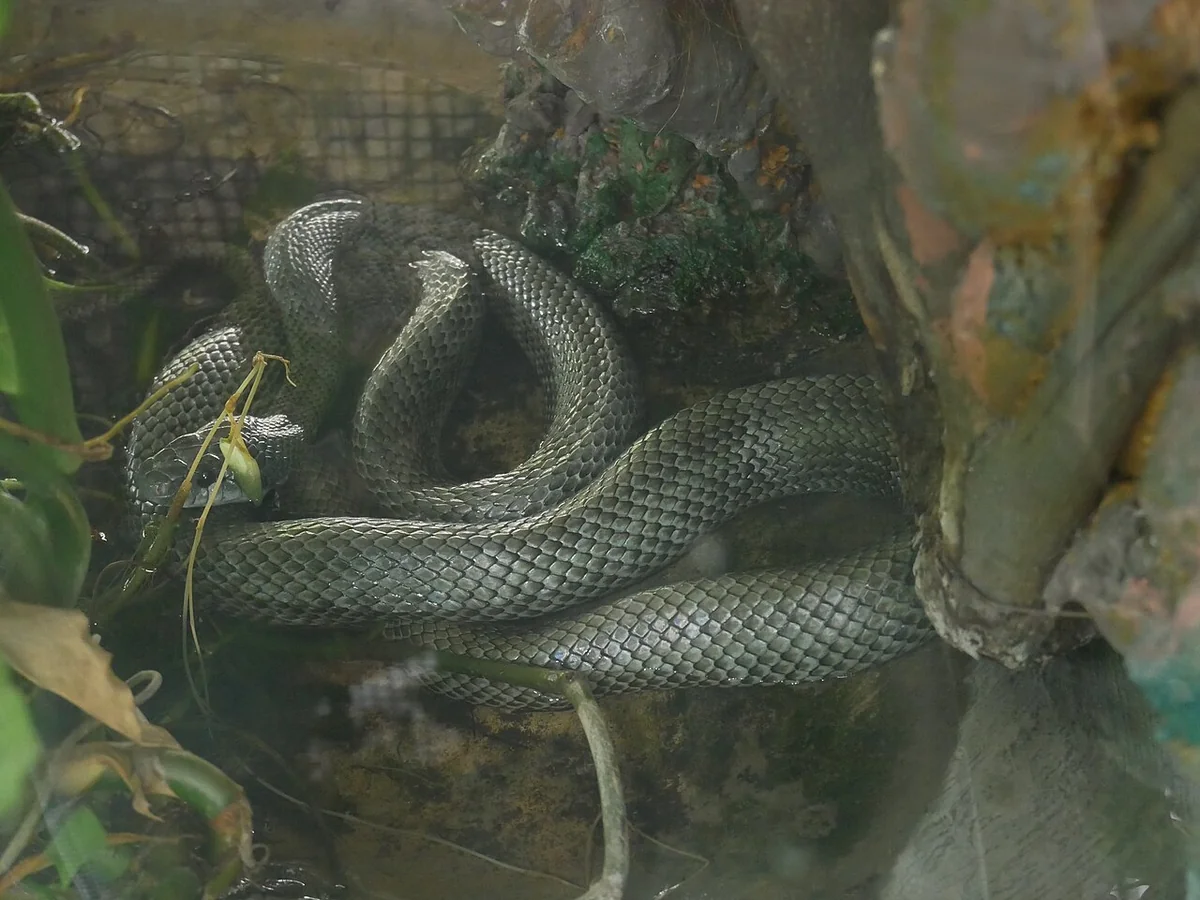
On-site view of the destination and visitor welcome facilities at the Queen Saovabha Memorial Institute in Thailand (Snake Farm).
Time of day is also a helpful factor when planning a visit to this research and public-education center. Morning hours—roughly from 9:00 AM to 11:00 AM—are often pleasant with milder temperatures, lighter crowds, and scheduled educational talks and demonstrations. Afternoon hours from 2:00 PM to 4:00 PM can also work well if your morning is busy, though departure may coincide with heavier city traffic. Checking daily schedules for venom-milking demonstrations and talks and arriving about 15 minutes early helps you get a comfortable viewing spot to watch trained staff handle snakes safely.
Bangkok’s transit network offers several straightforward ways to reach the Queen Saovabha Memorial Institute. For speed and predictable timing away from street congestion, the MRT subway and BTS Skytrain are convenient choices: take the MRT to Silom Station or Sam Yan Station for a short shaded walk to the entrance, or ride the BTS to Sala Daeng Station or Ratchadamri Station and walk through the surrounding district. City buses along Rama IV Road or Henri Dunant Road also serve the area for travelers comfortable navigating local routes.
For added convenience and comfort—especially when traveling with luggage, older family members, or children—taxis and ride-hailing apps are practical alternatives. When taking a metered taxi in Bangkok, confirm the meter is turned on rather than agreeing to an inflated flat fare, and allow extra buffer time during morning and late-afternoon rush hours along major avenues. Combining rail transit with a short walk often balances cost, timing, and ease.
Admission fees at the Queen Saovabha Memorial Institute remain modest for an educational and public-health facility. Standard adult entry for international visitors typically falls around THB 200 to THB 300, with discounted rates generally available for children or students with valid ID, usually covering museum exhibits, live snake displays in simulated habitats, and educational venom-milking demonstrations. Carrying Thai baht cash is handy at ticket counters or nearby shop kiosks where cards may occasionally face limits.
Respectful attire and safe conduct are important when visiting a medical and public-health facility under royal patronage. Dress modestly and neatly—covering shoulders and wearing long pants or skirts past the knee—as overly revealing clothing is considered disrespectful around royal and formal institutions. During exhibits and live snake demonstrations, do not use camera flash, which can startle snakes and create safety risks; never tap or bang on enclosure glass, stay behind barriers, and follow all staff instructions and safety signs.
A few practical habits can make a visit smoother and more rewarding. Setting aside two to three hours gives enough time to browse preserved specimens, read bilingual English–Thai displays, and watch a scheduled demonstration. Bring a light jacket or shawl, since indoor exhibit rooms are kept cool for preservation and can feel chilly after warm outdoor air. Finally, if you browse the on-site shop for snake-derived balms, skincare items, or health guides, check ingredient details and choose reputable products suited to your needs after exploring how traditional and modern medicine meet in Thailand.