In the heart of the Eastern Economic Corridor (EEC) of Chonburi Province, where modern high-rises and industrial rhythms are transforming rapidly, the Thai Thani Arts and Culture Village emerges as a nostalgic, tranquil note—a “living museum” preserving the soul of the Thai nation. The name “Thai Thani,” through Sino-Thai etymology, carries the sacred meaning of “City of the Thais,” serving not merely as a tourist destination but as a large-scale heritage conservation project where the flow of time is reconstructed through the crystallized intellect of national artisans. This is a place where the vicissitudes of history do not lie on dry pages of books, but manifest through every carved line, every traditional stilt house, and royal rituals that have gradually faded amidst modern life.
The journey back in time at Thai Thani begins with the Sukhothai period (1238–1438), dubbed the “Dawn of Happiness.” Here, visitors are led into the space of the earliest kingdoms, where Buddhism became the state religion and sculpture reached a high degree of refinement with Buddha statues exhibiting soft, ethereal styles. Artisans have painstakingly recreated the characteristic architectural structures of this era, from sandstone pillars to curved tile roofs, recalling the era of King Ram Khamhaeng the Great—who laid the foundations for the Thai alphabet and humanistic governance philosophies. The historical transition continues to bring viewers to the Ayutthaya period (1350–1767), a dynasty lasting over four centuries with turbulent, heroic ups and downs. This was a period when cultural exchange between East and West reached its peak, where gold-plated palaces and royal ceremonies were vividly recreated through traditional performance arts, reflecting the glory of an empire that was once Southeast Asia’s busiest commercial hub before facing fierce patriotic wars.
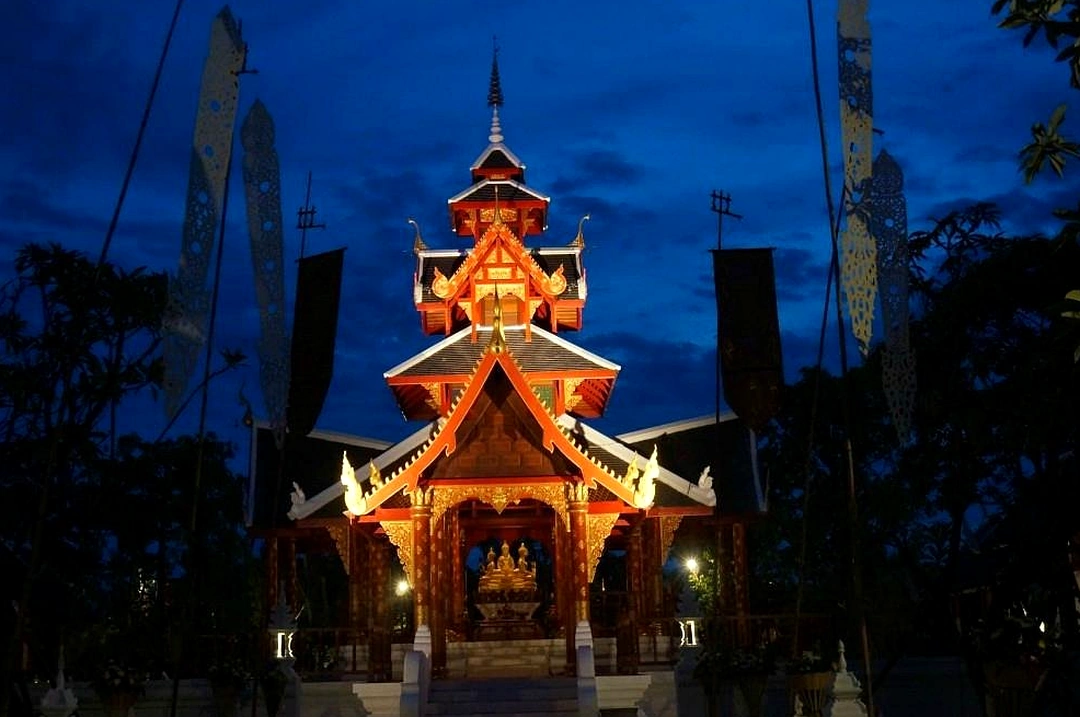
The historical current does not stop there but continues into the Rattanakosin period (1782–present), the era of the current Chakri dynasty. Thai Thani has skillfully integrated the cultural values of this period into living spaces, where family values, customs, and royal culinary arts are preserved intact. Here, heirloom dishes that once appeared only in royal banquets, such as Massaman curry with secret recipes or traditional sweets made from rice flour and coconut milk, are prepared by culinary artisans, creating a multi-sensory experience for anyone stepping foot here. Every small corner of the village is a piece of the historical puzzle, where the trials of the times are resolved through resilience and national pride.
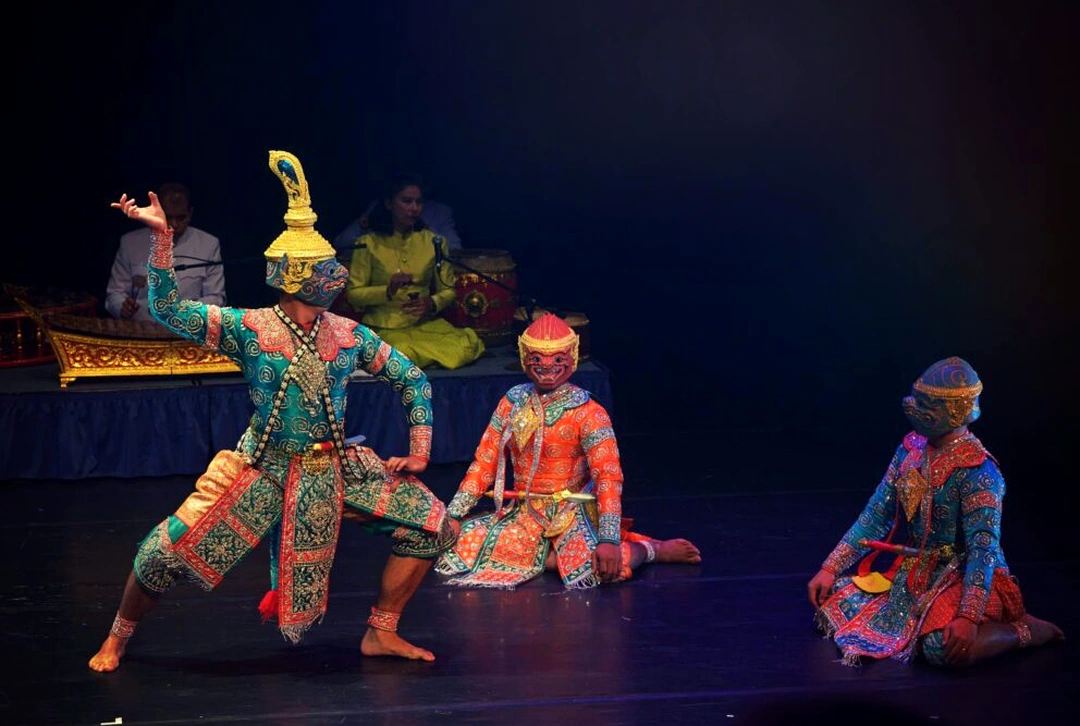
The birth of Thai Thani is not merely the effort of an individual or organization, but the persistent collaboration of national artisans—the holders of the “living treasures” of Thai culture. They have spent decades studying and restoring traditional handicraft techniques, from indigo fabric dyeing and bronze casting techniques to Khon dance, which is recognized by UNESCO as an intangible cultural heritage. Building Thai Thani as a “living museum” allows visitors not only to observe but also to directly participate in the creative process, thereby gaining a deeper understanding of the core values that have shaped Thai identity over centuries. Amidst the fluctuations of the era, Thai Thani stands firm as a cultural milestone, where past and present intersect, where historical values are cherished and passed down to future generations, affirming the position of a nation that always knows how to preserve its roots on the journey to reaching out to the wider world.
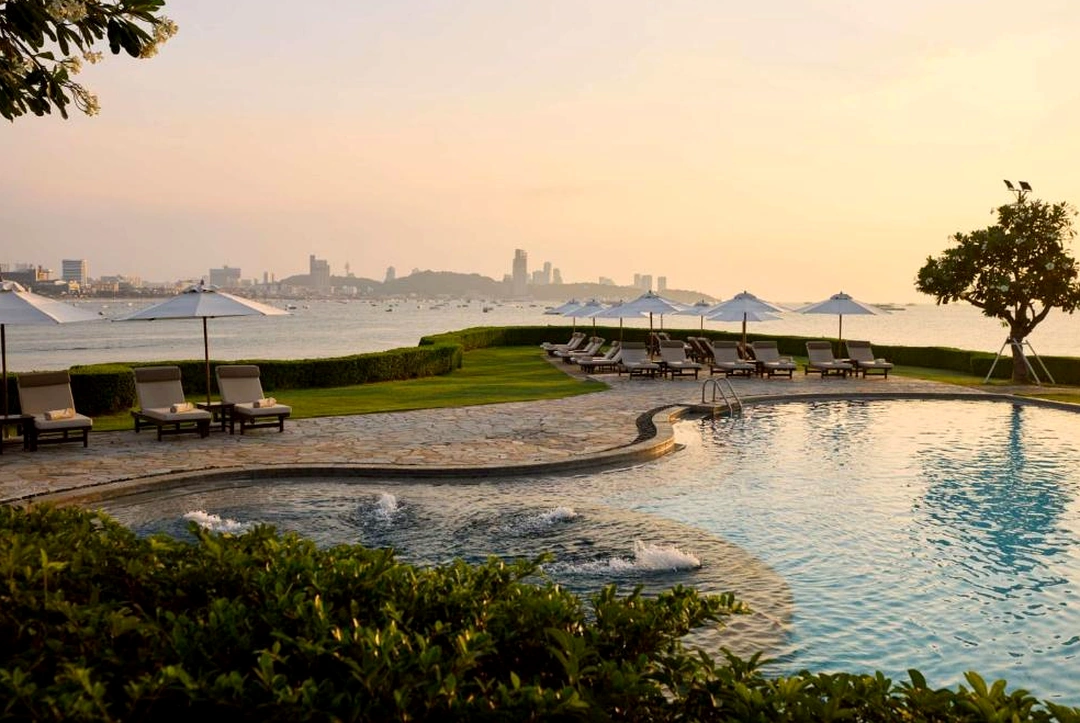
Sprawling across Bang Lamung District, the Thai Thani Arts and Culture Village is not merely a tourist destination, but an architectural work carefully calculated based on traditional Thai feng shui principles. Choosing a location at the foot of the hill, where the sturdiness of highland terrain intersects with the softness of lowland plains, creates an auspicious topographical configuration of “backing onto mountains and facing water.” In indigenous belief, this terrain not only shields against harsh winds but also converges vital energies, creating conditions for the growth and development of traditional cultural values. The combination of flat terrain and the natural slope of the foothill has allowed architects to plan spaces in an open layout, where each structure is positioned to capture natural sunlight optimally while maintaining the tranquility necessary for a cultural preservation space.
Terrain planning here is an artistic puzzle of balance between artificiality and nature. The philosophy of “water-based civilization”—the soul of Thai culture from the Sukhothai to Ayutthaya periods—is vividly recreated through a system of canals and artificial lakes surrounding the entire campus. These canals not only serve as boundaries dividing functional areas but also act as extremely efficient microclimate regulation systems. During the characteristic hot days of Pattaya, water evaporating from the regulating lakes helps reduce temperatures significantly, creating a cool, pleasant atmosphere reminiscent of the breath of ancient villages along the Chao Phraya River. This irrigation system is also designed in winding curves, simulating the natural flow of major rivers, creating soft movement for the landscape and helping visitors feel relaxed from their very first steps.
Regarding technical processes, constructing Thai Thani required strictness in selecting materials and traditional construction methods. To faithfully recreate the spaces of ancient dynasties, artisans used teak wood as the primary material, combined with traditional mortise and tenon joint techniques without using iron nails—a technique that reached its peak during the reign of King Rama V. Every pillar and roof tile was calculated to withstand the harshness of the tropical climate while retaining ancient beauty over time. Stilt house structures (Ruan Thai) were elevated above the ground, not only to avoid floods according to folk experience but also to create air convection spaces, keeping interiors airy. Meticulousness in carved details on wooden partitions, from stylized lotus motifs to Garuda imagery, reflects the refined aesthetic mindset of Thai people, where every small detail carries a message about harmony between humans and the universe.
The characteristic landscape of Thai Thani is further adorned by tropical gardens planned in ancient royal garden styles. Ancient trees were kept intact, combined with native flowers like jasmine, orchids, and frangipani, creating a vibrant yet sophisticated color palette. Walking paths paved with natural stones wind across small wooden bridges spanning canals, guiding visitors through sub-zones recreating living habits of different regions. Here, boundaries between reality and the past seem to blur, leaving only the tranquility of a peaceful countryside where the sound of babbling water blends with the gentle fragrance of plants, creating a perfect symphony for the soul. The combination of smart terrain planning, sustainable construction techniques, and meditative landscapes transforms this place into a living museum where every inch of land tells a story of Thai history and culture.
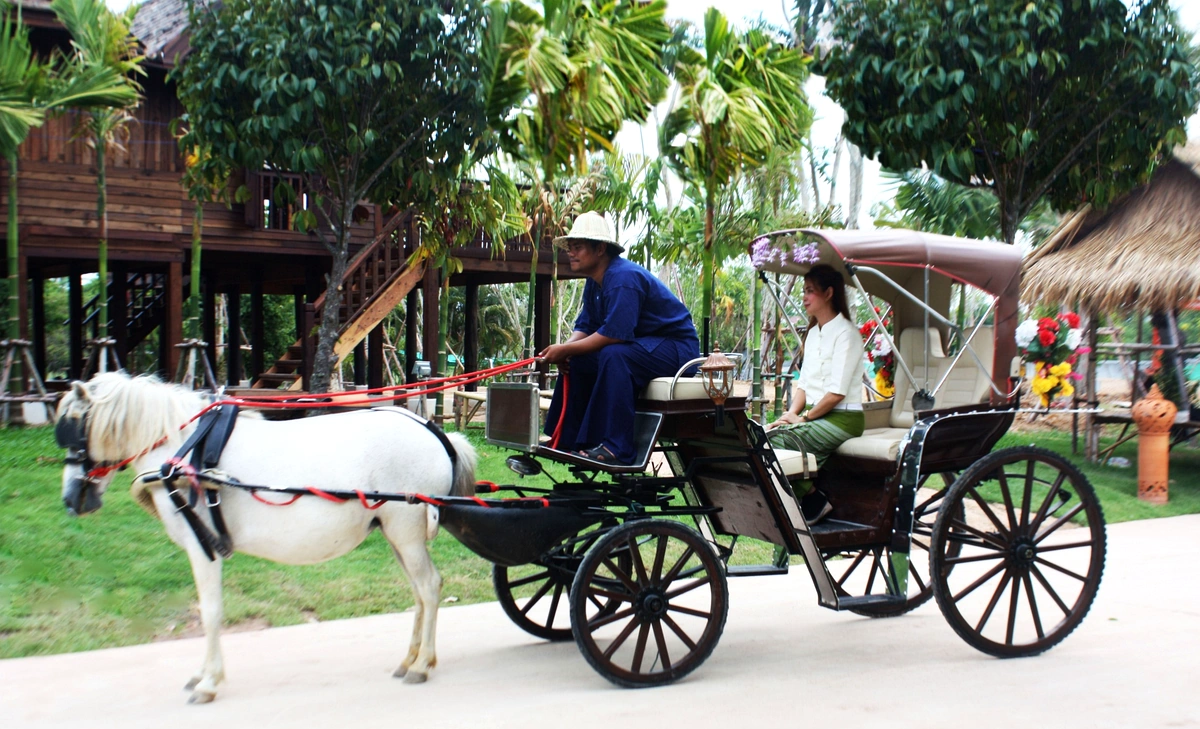
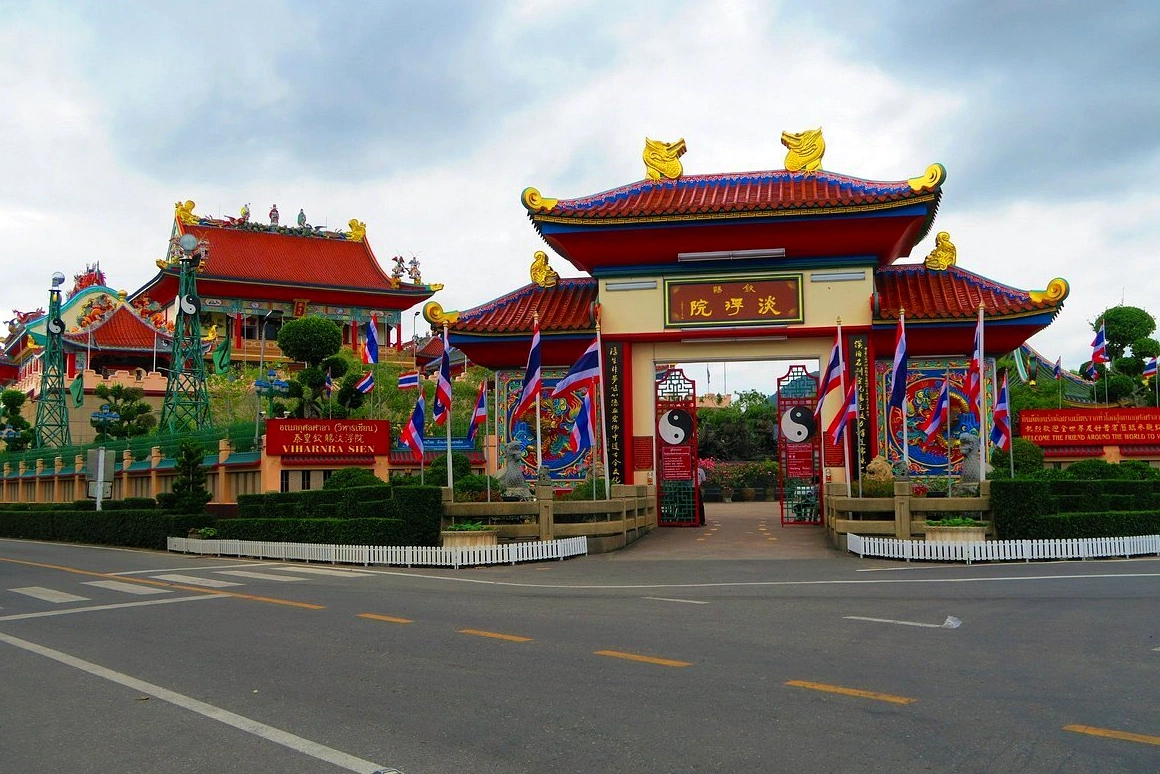
Stepping into the Thai Thani Arts and Culture Village, visitors are not merely strolling through an attraction, but effectively straying into a living architectural museum where every grain of wood and carved line tells a story about the endurance of Siamese culture. The space here is planned as a miniature map of Thai architectural history, where the intersection between regional styles is handled delicately, creating a whole that is both majestic and close to nature. Spatial structures in this cultural village do not follow the beaten path of modern works, but strictly adhere to traditional feng shui philosophies, with wooden houses arranged along a centripetal axis, simulating structures of ancient towns of the late Ayutthaya period, where each area clearly distinguishes between community living spaces and spiritual spaces.
The most impressive highlight in spatial structure is the seamless combination of three most characteristic architectural styles of the Land of Smiles. Traditional central wooden houses with “Fa-pa-kon” (ฝาปะกน) wall structures—a wooden plank joining technique over a sturdy framework—create a rustic beauty with thoughtful climate considerations, keeping interiors cool despite the harsh Pattaya sun. Interspersed among them are characteristic Gae-lae gable roofs of the northern Lanna region, with gables carved in stylized V-shapes symbolizing protection and prosperity. The presence of the late Ayutthaya style with soaring, graceful curved rooflines recalls the golden age of the Ayutthaya kingdom, when architectural art reached maturity with elaborate, exquisite decorative details.
To achieve absolute accuracy in aesthetics and techniques, the entire project was executed by the talented hands of artisans from the Fine Arts Department of Thailand. They applied traditional Mortise and Tenon joint techniques—a connection method requiring no iron nails. Using wooden joints is not merely a technical choice to ensure durability against time and humidity, but an absolute respect for ancestral heritage. Every joint is meticulously calculated, allowing wooden structures to expand and contract naturally according to weather, helping structures stand firm across decades. Carved motifs on pillars, crossbeams, and windows are not soulless decorations, but Buddhist stories and mythological figures like Garuda or Naga, depicted with astonishing detail, reflecting the peak aesthetic mindset of ancient royal artisans.
The actual scale of Thai Thani goes beyond wooden houses, encompassing a harmonious combination of architecture and landscape. Stone-paved paths winding around lotus ponds and ornamental gardens create a slow, tranquil rhythm. Spaces are designed so every viewpoint becomes an artistic frame, maximizing natural sunlight to highlight precious wood grain and subdued colors of traditional lacquerware. Investment in scale lies not in ostentatious acreage, but in the depth of the smallest details, from arranging stone steps to selecting precious woods naturally resistant to termites. Everything creates an architectural entity not just to look at, but to feel the breath of a bygone era where wood crafting art reached the pinnacle of refinement and sustainability.
When night falls, Thai Thani Pattaya transforms from a living museum into an enchanting live-action stage where the time flow of the ancient Kingdom of Siam is recreated through the lens of lighting art and royal culinary culture. The special highlight here is the Khantoke dinner—a hospitality ritual originally reserved for nobility and royalty during the Lanna period. Guests sit on traditional mats, enjoying heirloom dishes delicately served on round wooden trays called toke. Menus typically include spicy chicken curry, crispy pork rind, famous Nam Prik Num green chili dip, and fragrant sticky rice, all blending to create rich northern flavors reminiscent of lavish banquets during the reign of King Mengrai’s dynasty.
The culinary appreciation space is enveloped by Warm White lighting designed with extreme sophistication. Soft yellow light strips cast upon ancient teak wood pillars, highlighting intricate carvings and the subdued beauty of traditional architecture. Lighting here not only serves illumination purposes but acts as a true “artist,” creating dramatic alternating light and dark intervals, making every small corner of the cultural village mystical as if stepping out of ancient epic pages. The combination of gentle lighting and natural wood materials creates a nostalgic, tranquil atmosphere, helping travelers’ souls easily touch the cultural depth of the Land of Smiles.
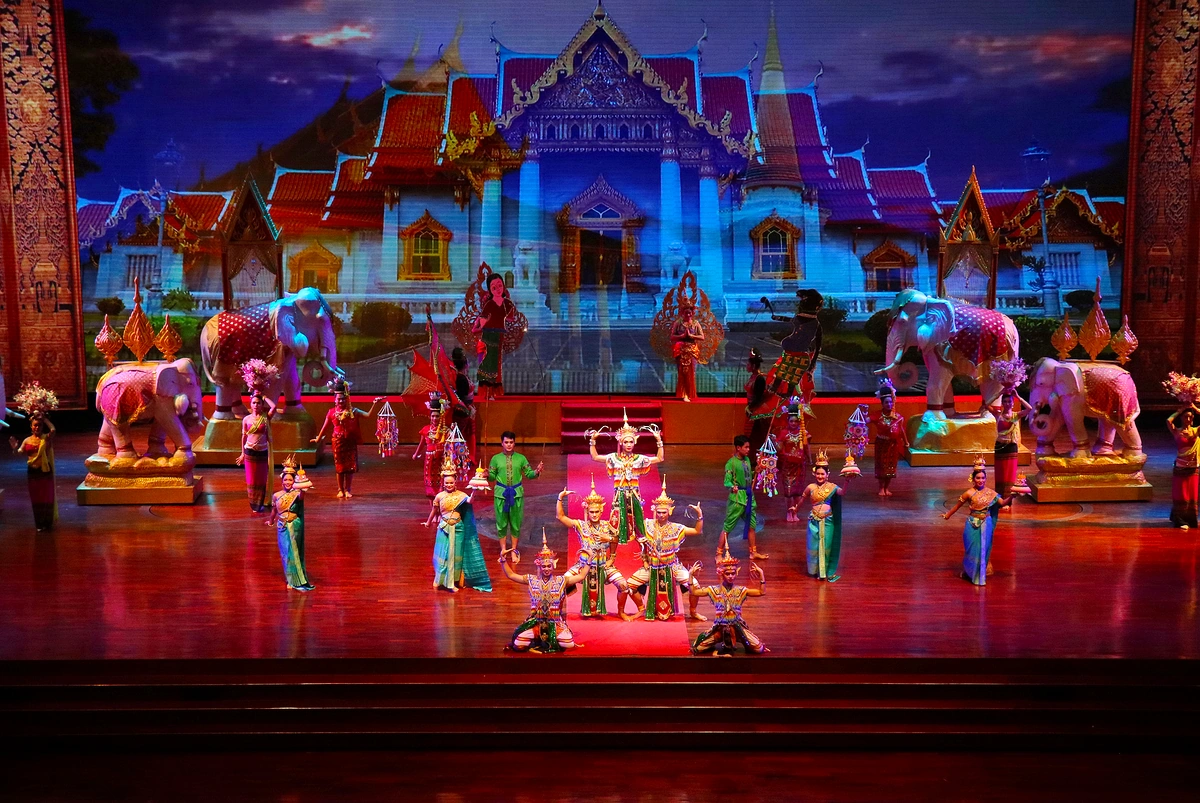
The tranquility of nighttime space is quickly stirred by top-tier art performances where local artists showcase masterly skills honed across generations. Opening the show is the Khon dance—the noblest classical theatrical art form of Thailand, once performed in royal palaces. Dancers in gorgeous costumes and intricate masks recount heroic episodes from the Ramakien epic through graceful yet powerful limb movements. This is followed by four-regional dances reflecting cultural diversity from the elegant North, bustling Central region, liberal Northeast, to the sea-imbued South. Each dance is not only a technical display but a monologue about life, beliefs, and Thai people’s reverence for deities and nature.
The climax of the night show is the traditional Krabi-Krabong martial arts performance. This is not merely self-defense but a precious military heritage tied to border defense wars fought by Thai kings in history. Swordplay, staff techniques, and close-combat skills performed by martial masters at astonishing speeds recreate the heroic aura of Siamese warriors on ancient battlefields. Rapid battle drums blending with shimmering lighting create an overwhelming live-action art space. At Thai Thani, boundaries between viewers and performers seem to blur, because every guest becomes part of the historical current, harmonizing with the breath of an unsleeping culture where traditional values are preserved and shine brilliantly in modern Pattaya.
Stepping into the culinary space at the Thai Thani Cultural Village, visitors are not merely enjoying dishes, but undertaking a journey back in time to touch the essence of Siamese royal cuisine. Here, culinary philosophy goes beyond satisfying palates, celebrating cultural values passed down through generations. Ingredients are strictly selected seasonally from fertile lands in Chonburi and neighboring provinces, ensuring freshness and purity true to the “farm-to-table” spirit cherished by predecessors.
The first highlight in the royal menu at Thai Thani is Kaeng Ranjuan, a famous beef soup originating from the reign of King Rama V. Legend has it that this dish was created by palace maids utilizing leftover beef from previous banquets, combining it with shrimp paste (kapi) and local herbs to create a delicate, rich yet non-greasy flavor. The refinement of Kaeng Ranjuan lies in balancing the gentle sourness of lime, spicy kick of chili, and characteristic aroma of basil leaves, creating an unforgettable palate harmonization. Each bowl of soup served is not merely food, but evidence of the ingenuity and frugal yet luxurious mindset of ancient nobility.
Additionally, Nam Prik Long Ruea—a special dipping sauce recorded in royal culinary documents—is an unmissable experience. The name “Long Ruea” means “boarding a boat,” recalling ancient royal river excursions. This dipping sauce is a complex combination of shrimp paste, garlic, chili, palm sugar, and particularly makhuea phuang (Thai pea eggplant), served with crispy fried pork and fresh raw vegetables. The blend of salty, sweet, sour, and spicy notes in Nam Prik Long Ruea is the soul of traditional Thai meals, where each component acts as a note in a perfect harmony.
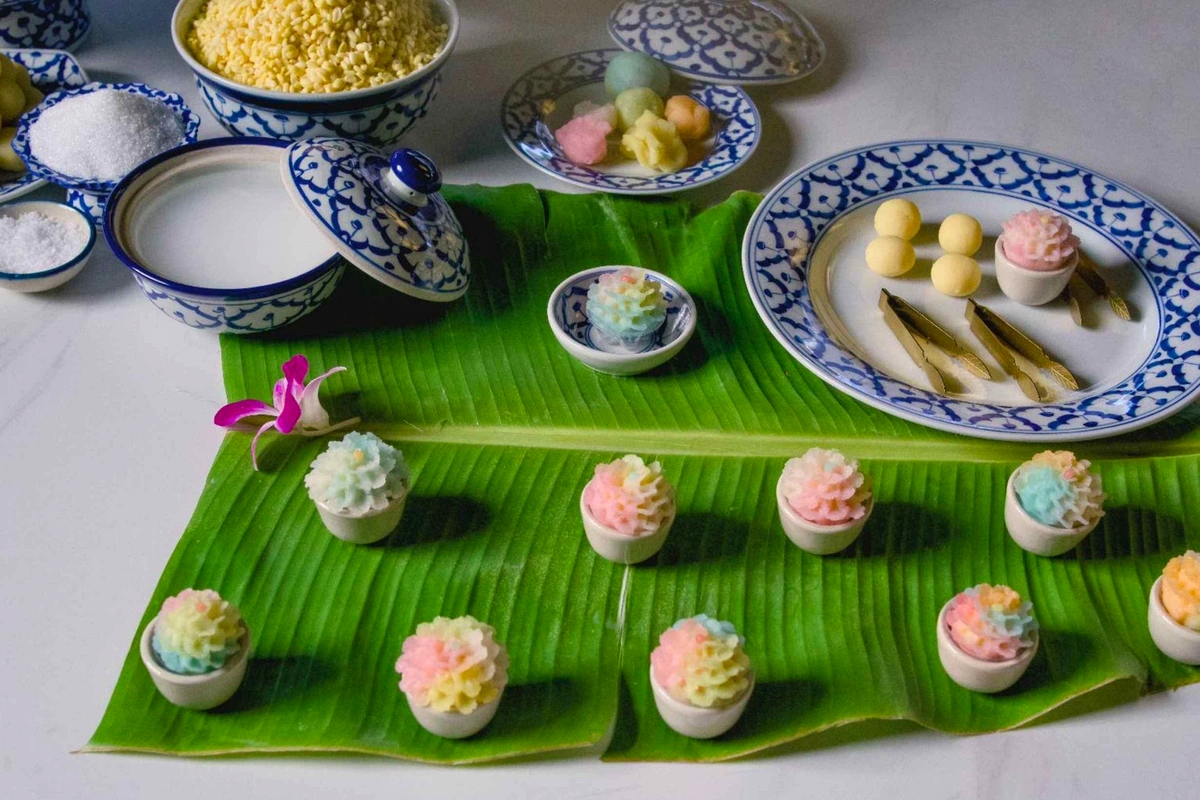
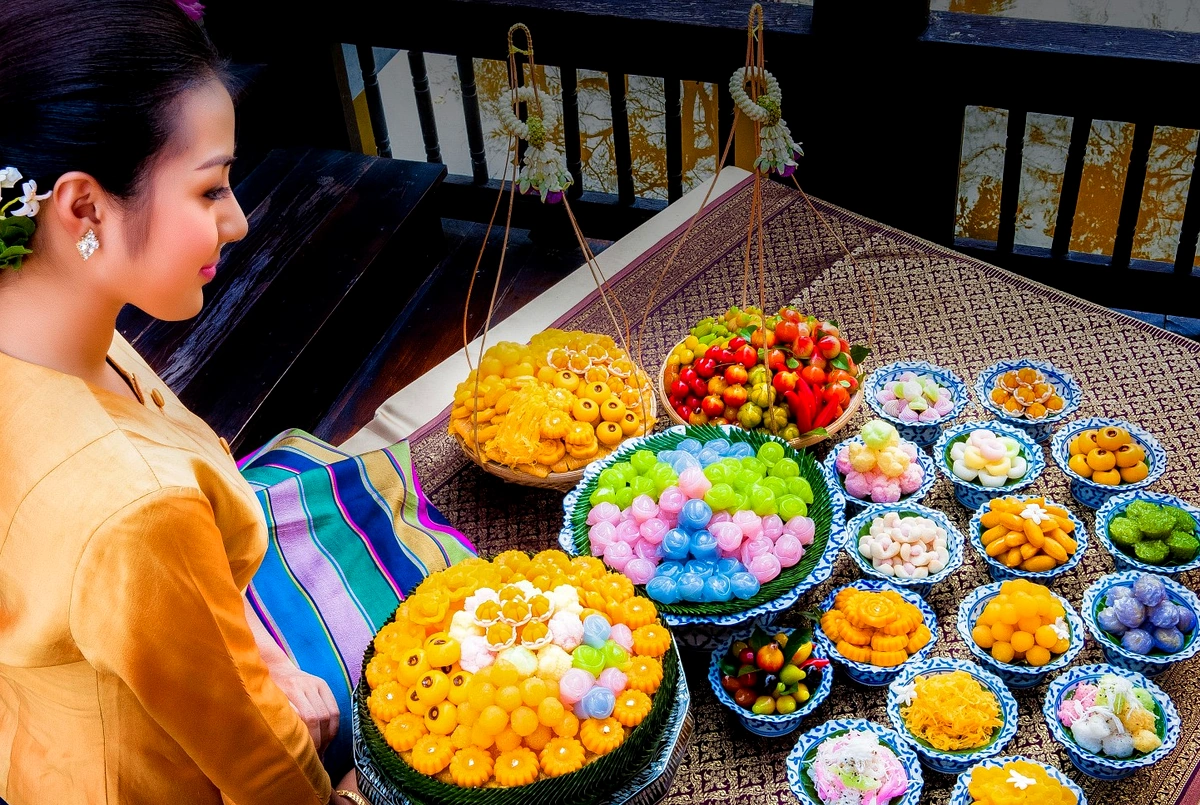
The culinary experience space at Thai Thani is further elevated by the presence of 9 traditional sweets, considered symbols of luck and prosperity in Thai culture. These sweets frequently appear during major festivals, weddings, or merit-making ceremonies. Each sweet carries a distinct shape and meaning, from the glowing golden color of egg yolks—symbolizing wealth—to the gentle aroma of pomelo blossom water or rich coconut milk. Enjoying these sweets amidst ancient architectural spaces, under curved roof lines and gentle ethnic instrument music, helps visitors fully experience the breath of a golden era.
Heirloom experiential culture here lies not only in cooking recipes, but in presentation and service styles. Culinary artisans at Thai Thani maintain the habit of using handmade ceramic tableware, decorating dishes with elaborately carved fresh flowers and banana leaves. This is how they convey messages of respect for nature and the hospitality of Chonburi residents. Sitting at banquet tables, visitors are not merely diners, but honored guests invited to participate in a long-standing cultural ritual. Every bite contains meticulousness, patience, and deep love embedded by chefs, turning every meal at Thai Thani into a living cultural memory where past and present intersect delicately.
To make the journey exploring the Thai Thani Cultural Village Pattaya complete and deeply experiential, mastering logistical information is the key helping visitors fully enjoy this heritage space. Strategically located on Highway 36, the arterial route connecting Pattaya and Rayong, the village is only about 20 to 30 minutes’ drive from the bustling coastal city center. This location is convenient for connecting attractions while creating a necessary pause, separating visitors from the noise of red-light districts or bustling shopping malls, bringing souls back to the original values of the ancient Kingdom of Siam.
The golden time to arrive at Thai Thani is late afternoon, when sunset begins casting long shadows over intricately carved wooden roofs. This is when the cultural space transitions from daytime tranquility to the mysticism of shimmering lanterns, preparing for top-tier art performances. Arriving slightly early gives visitors enough time to stroll through handicraft exhibition areas where artisans continue working with traditional lacquerware techniques from the Ayutthaya period or exquisite wood carvings bearing Rattanakosin dynasty imprints. Be sure to spend time enjoying food at the simulated floating market, where heirloom dishes like Khao Soi—the famous northern Thai curry noodle dish—or Khanom Krok—fragrant grilled coconut pancakes—are prepared following recipes passed down through generations.
Regarding attire, although Thai Thani is a tourist destination, it remains a space of high cultural symbolism. Visitors should prioritize polite, modest outfits, avoiding overly short or revealing clothes to show respect for traditional values and spiritual spaces existing within the village. A light shawl helps you flexibly cover up when needed while serving as the perfect accessory for classic-themed check-in photos. Furthermore, terrain at Thai Thani is designed with continuous wooden boardwalk systems and surrounding lakes, creating a unique architectural structure that also requires certain caution. If traveling with young children, keep an eye on them, especially around wooden bridges without railings or steps leading down to water surfaces, to ensure absolute safety throughout the tour.
Reference costs for a trip to Thai Thani typically include all-inclusive admission tickets, covering rights to enjoy folk art performances and visit thematic exhibition areas. Pricing is considered very reasonable relative to cultural values received. To optimize budgets and time, visitors should book tickets in advance via official channels or combine them in all-inclusive tour packages. Preparing small denomination cash is also useful when shopping for unique artisanal crafts from local artists or enjoying snacks at floating markets where minor transactions happen quickly and conveniently.
Finally, to avoid missing any precious moment in this land of living heritage, detailed planning is essential. If you are looking for a well-designed itinerary combining resort relaxation in Pattaya with cultural depth exploration at Thai Thani, check out the practical journey in the Bangkok – Pattaya 5D4N tour to fully enjoy the finest quintessence of the Land of Smiles.