Winding like a jade silk ribbon along Vietnam’s central coast, Nha Trang Bay (Khanh Hoa Province) commands a prime, unrivaled geographical position, blessed by nature with one of Southeast Asia’s most magnificent “mountain-backed, sea-facing” feng shui settings. Stretching from its northern reaches down to outlying island clusters that shield it from storms, the bay encompasses a vast expanse of water enclosed by a system of more than ten large and small islands—such as Hon Tre, Hon Mun, and Hon Chong–Hon Vo—forming a self-contained ecological belt that is at once unassuming and majestic. This landscape gathers the spiritual essence of Dai An Mountain and the Cai River (Kauthara-ganga), which has flowed for millennia toward the estuary, painting an extraordinary natural tableau where towering peaks meet boundless waves and heaven, earth, and humanity move in harmony across a richly colorful cultural chronicle.
The historical roots of this land trace back to the profound imprint of the brilliant Champa civilization, when it stood as the sacred capital of Kauthara—the most revered of the four ancient principalities. The bay’s original name is tied to sacred legends of a river flowing through reed forests; according to linguists, it derives from the ancient Cham term “Ea Nha” (“Ea” meaning water, and “Nha” meaning reeds or referring to the Cai River), which was later adopted, transliterated, and gracefully named Nha Trang by the Vietnamese. Across the ebb and flow of time, the milestone that officially brought this territory onto the administrative map of Dai Viet was recorded in the year of Quy Ty (1653), during the reign of Lord Nguyen Phuc Tan, following the expedition led by Commander Hung Loc Hau—establishing Thai Khang Prefecture and Dien Khanh Garrison and ushering in a new era of prosperity for the southern coastal region.
The topographical beauty and cultural depth of Nha Trang Bay grow even more enchanting through the enduring presence of historical figures and spiritual icons across the ages. Most prominent among them is Yang In Po Nagar—the Mother of the Land in Cham legend—who was later assimilated by the Dai Viet royal court and populace as Holy Mother Thien Y A Na, the guardian goddess of fishing communities and an embodiment of fertility, favorable weather, and national prosperity. Throughout the Nguyen dynasties, from Emperors Minh Mang and Thieu Tri to Tu Duc, numerous royal decrees of deification were bestowed upon the Holy Mother, closely uniting indigenous beliefs with the Vietnamese ethos of remembering one’s roots. Beyond this, Nha Trang Bay was also the destined home of a renowned modern-era figure: Dr. Alexandre Yersin, who devoted his compassionate heart and brilliant intellect to Xom Con for the rest of his life, laying the very first foundations for modern tropical medicine in Indochina.
From a heritage and geological perspective, Nha Trang Bay has been honored by international authorities and travel media as one of the most beautiful bays on the planet, boasting one of Vietnam’s richest coral reef ecosystems alongside the Po Nagar Cham Towers—a Special National Monument dating from the 8th to the 13th centuries. The Sanskrit and ancient Cham stone inscriptions preserved here, together with the moss-covered, timeworn temple towers, serve as priceless chronicles in stone, bearing witness to a once-bustling seaport and vibrant center of trade and culture. Today, Nha Trang Bay not only preserves the full value of a living heritage space, but also shines as a proud emblem of Vietnamese heritage tourism, where a storied past and dynamic present blend seamlessly amid thousand-year-old azure waters.
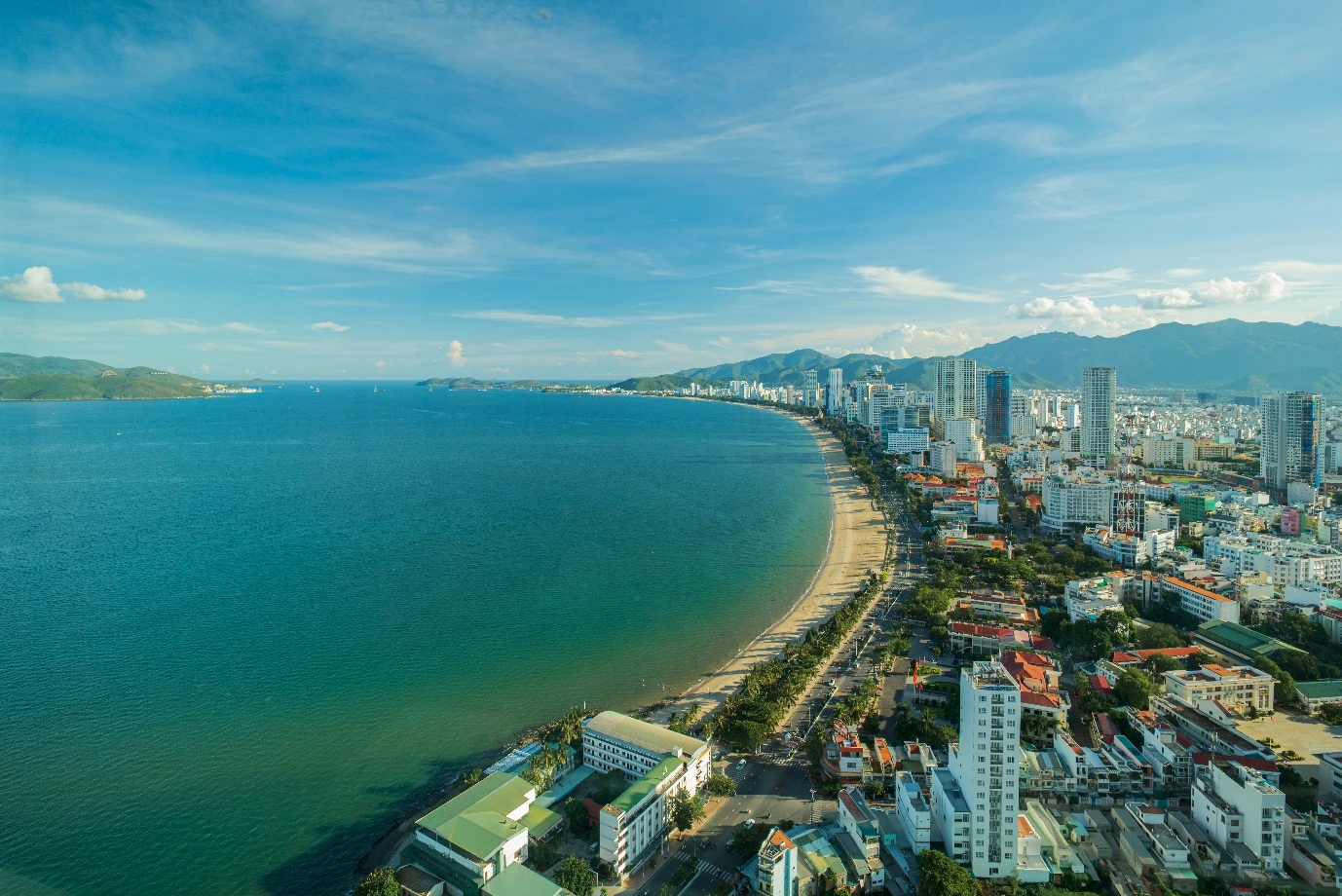
Nestled amid rolling mountain ranges that embrace a strip of fine white sand, Nha Trang Bay emerges as a breathtaking natural panorama bestowed upon Vietnam’s South Central Coast. The bay’s topography is remarkably distinctive, sheltered by dozens of large and small islands such as Hon Tre, Hon Mun, and Hon Chong–Hon Vo, creating calm waters year-round with crystal-clear turquoise depths visible straight to the seabed. The scenery here is a wondrous fusion of rugged, wave-lashed granite formations and the poetic grace of swaying coconut groves in the breeze. Viewed from above, the bay curves softly like a silk sash cradling the coastal city, where every vantage point opens onto an expansive, sunlit, and deeply lyrical horizon.
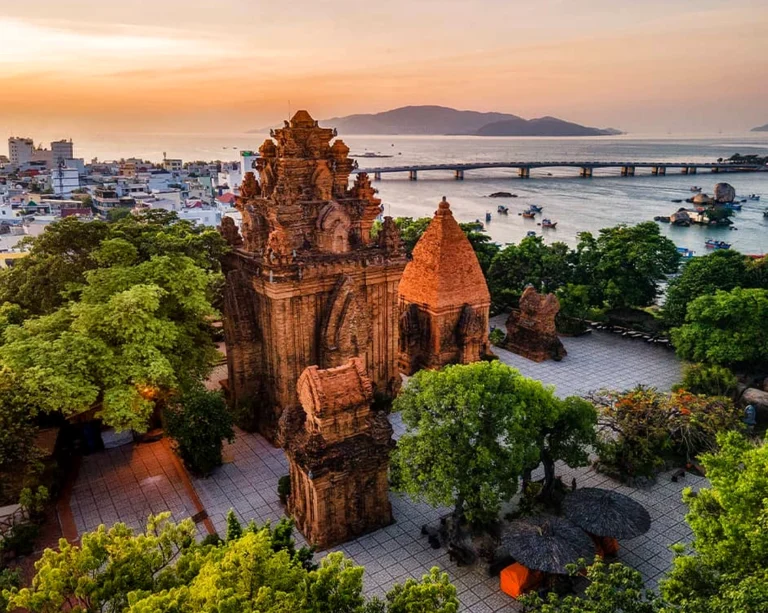
The crowning architectural and historical landmark along the bay’s shore is the Po Nagar Cham Towers complex, a masterpiece of architecture and sculptural artistry from the ancient Champa civilization. Having weathered the passage of centuries, the temple towers still stand tall and imposing in deep red baked brick, bonded together by an intricate construction technique that remains an enigma to modern science. Every carved detail across the archways and bas-reliefs—depicting the dancing god Shiva, the goddess Uma, and graceful Apsara dancers—is remarkably lifelike and fluid, showcasing an extraordinary mastery of stone carving and brick firing. The interplay between the subdued crimson of ancient brickwork, the deep blue of the sky, and the vast expanse of Nha Trang Bay stretching right below the towers creates a beauty that is at once majestic, sacred, and captivating.
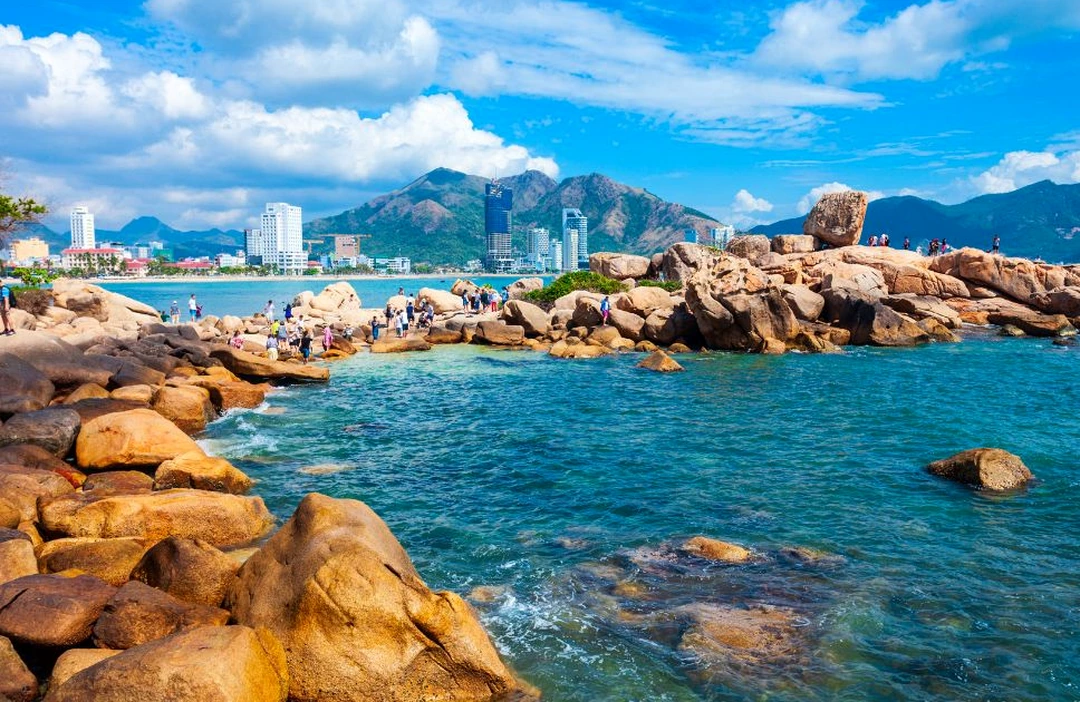
To capture the “million-dollar views” praised by photographers and travel journalists alike, visitors should not miss the iconic vantage point from the Po Nagar Towers looking down toward Xom Con Bridge and the vivid turquoise waters of the Cai River flowing into the bay. The ideal lighting occurs at sunrise (from 5:00 AM to 6:30 AM), when soft golden morning rays slant through the ancient tower arches, casting warm, ethereal tones that accentuate every moss-draped carving. A second prized photography spot is the Hon Chong promontory at sunset (from 5:00 PM to 6:15 PM). At this hour, the fading evening light washes a corner of the bay in crimson while gentle waves lap against stacked granite boulders, composing a dramatic, mystical natural scene that instills a rare sense of serenity in everyone who visits.
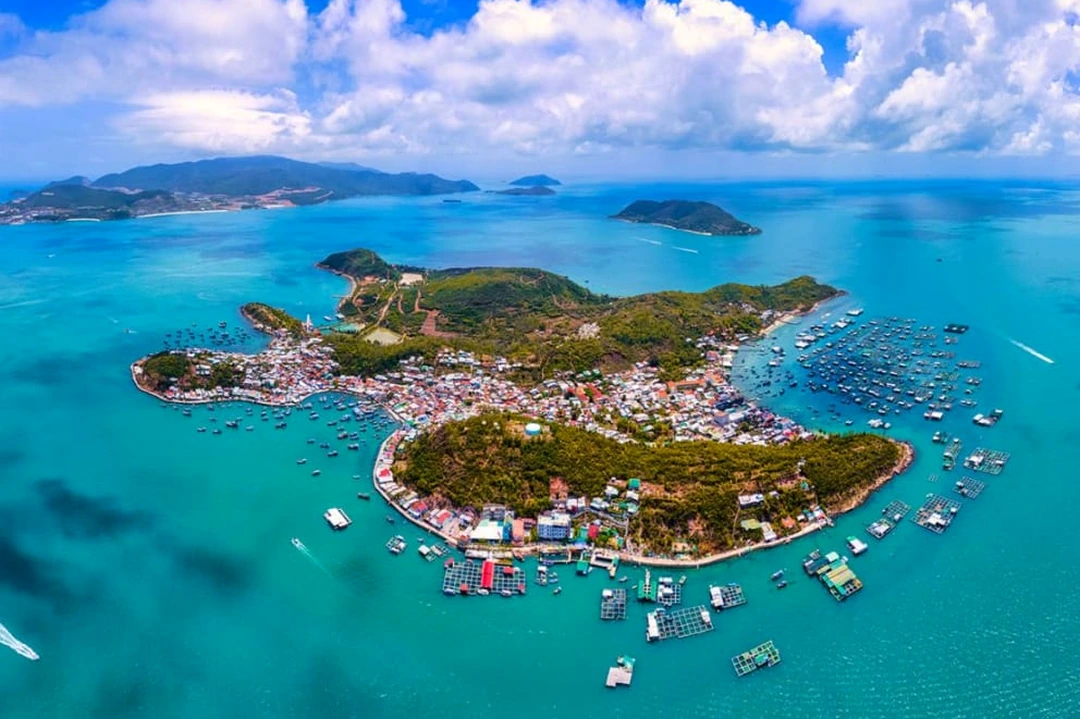
Upon arriving at Nha Trang Bay, travelers are immediately drawn into a wondrous harmony of nature, where ocean waves meet the vibrant rhythm of local coastal life. The journey of discovery begins aboard traditional wooden boats gliding smoothly across the bay’s emerald-green waters. From the heart of the bay, an endlessly vast and majestic panorama unfolds, revealing undulating islands rising like resting dragons, tranquil fishing villages tucked along the water’s edge, and brisk sea breezes carrying the signature briny scent of the “Land of Agarwood.”
Stepping ashore, visitors embark on a reverent spiritual pilgrimage at the ancient Po Nagar Cham Towers complex. Ascending the moss-covered stone steps at an unhurried pace, one cannot help but stand in awe before this timeless masterpiece of deep-red baked brick bearing the unmistakable imprint of Champa artistry. Amid air delicately scented with drifting incense smoke, standing before the sacred sanctuary of Holy Mother Thien Y A Na dissolves the hustle and bustle of everyday life. What lingers is quiet stillness, heartfelt reverence, and profound admiration for a brilliant civilization that once took deep root in this land.
Leaving the sacred grounds to take in the full sweep of Nha Trang Bay, travelers can challenge themselves with a climb up nearby viewpoints or gaze out from breezy ocean-facing balconies. From above, Nha Trang Bay unfolds like a magnificent natural canvas: a ribbon of powdery white sand curving around deep sapphire waters, tightly clustered rooftops bustling beneath golden sunshine, and tiny sails gliding across the distant horizon. Awe at nature’s grandeur soon transforms into a deep, stirring emotion within every traveler.
Rounding out the on-the-ground experience is an immersion in the renowned local culinary culture right along the bay. Your palate will be thoroughly awakened by a steaming bowl of Nha Trang fish noodle soup (bun ca), brimming with the fresh sweetness of the sea thanks to springy, savory fish cakes and a crystal-clear, richly flavorful broth. A plate of piping-hot mini rice pancakes (banh can), eaten fresh off the griddle with tangy shredded green mango and Central Vietnamese-style garlic-chili fish sauce, further highlights the area’s vibrant food heritage. Surrounded by the breezy coastal skies of Nha Trang, savoring these humble local delicacies reveals the genuine warmth and unpretentious soul of its seafaring people, leaving unforgettable flavors in every traveler’s memory.
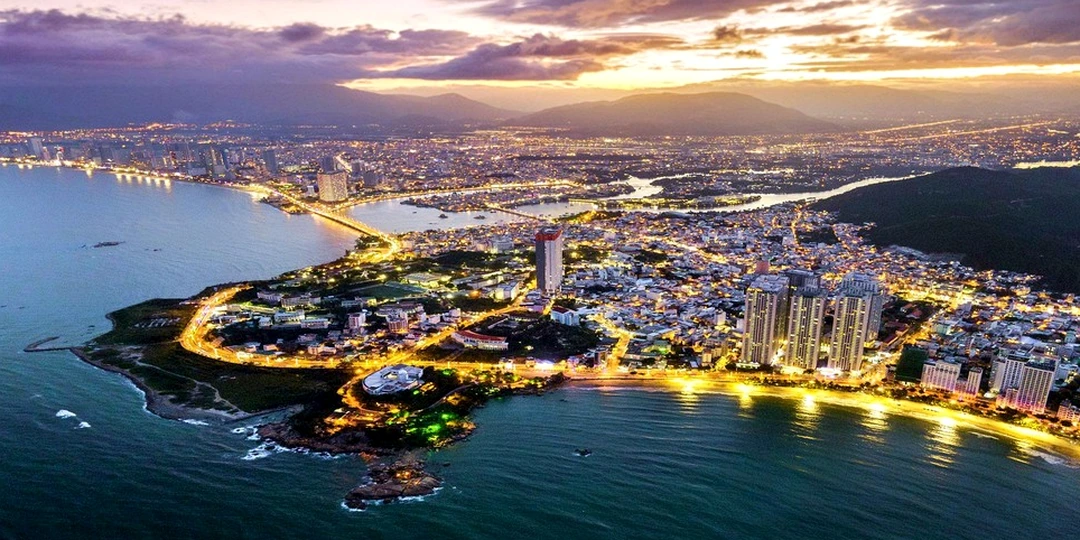
Continuing to affirm its status as a premier regional heritage and resort destination, Nha Trang Bay draws large numbers of domestic and international travelers alike. To ensure your journey exploring this stunning bay goes smoothly, having practical details on timing, costs, transportation, and local etiquette is essential. Below is the most accurate pocket guide for your trip.
The ideal time of year to visit Nha Trang Bay is from January to August. During these months, the weather across Central Vietnam in general—and Khanh Hoa in particular—is mild with minimal rainfall, bright golden sunshine, calm seas, and jade-clear waters, making conditions ideal for island hopping, snorkeling over coral reefs, and admiring historic landmarks along the bay.
When planning a visit to the Po Nagar Cham Towers—a thousand-year-old spiritual icon intertwined with the bay’s history—keep in mind that opening hours run from 6:00 AM to 6:00 PM daily, including public holidays and Tet. The latest listed admission fee is very reasonable at just 30,000 VND per adult per visit, while children and eligible local policy beneficiaries typically receive discounted or free entry in accordance with site management regulations.
Getting from Nha Trang city center to the bay and coastal landmarks is effortless thanks to well-connected transport infrastructure. You can travel by motorbike, taxi, or public bus Route 4 (if heading to the Po Nagar Towers). The most scenic and convenient route starts from April 2nd Square, follows the beachfront Tran Phu Boulevard, and crosses Xom Con Bridge over the Cai River directly to the historic complex and renowned bay viewpoints.
In particular, because this area carries deep historical, cultural, and spiritual significance tied to the worship of Holy Mother Thien Y A Na, visitors must strictly observe the dress code. Please dress modestly and respectfully, wearing clothing that covers your shoulders and knees, and avoid overly short or revealing outfits when entering the sacred inner sanctums of the towers. Additionally, when exploring rocky coastal terrain around the bay, wearing a pair of sneakers or shoes with good grip will keep your steps safe and comfortable throughout your journey.
To enjoy a seamless vacation and take in the full splendor of Nha Trang Bay without worrying about arranging transportation, booking tickets, or planning itineraries, travelers can choose from VDS Travel’s premium all-inclusive Nha Trang tour packages. Each itinerary is thoughtfully crafted to maximize photo opportunities at the most radiant times of day, accompanied by knowledgeable local guides and top-tier hotel and dining standards.