Standing proudly in the heart of Nha Trang Bay—recognized by the Most Beautiful Bays in the World Club (World Bays) as one of the planet’s finest coastal bays—Hon Tam emerges like a precious jade gem, uniting natural splendor with the cultural and historical imprint of Vietnam’s South Central Coast. Geographically located in Vinh Nguyen Ward, Nha Trang City, Khanh Hoa Province, the island occupies a strategic position roughly 7 kilometers southeast of the Nha Trang Tourist Pier. Spanning over 110 hectares, Hon Tam is far more than a scenic stopover; it is a distinct geological formation where low mountain ridges run the length of the island in a classic “mountain-backed, water-facing” configuration, shielding the bay from rough ocean swells and creating calm, crystal-clear waters year-round.
In the hearts of Khanh Hoa’s coastal residents, the name “Hon Tam” (Silkworm Island)—also known by its poetic Sino-Vietnamese title “Thuy Kim Son”—is more than a mere geographic label. Viewed from afar, the island’s gentle, lush-green contours curve gracefully across the open sea like a silkworm resting upon tranquil waters, symbolizing prosperity and renewal. Local folklore weaves romantic tales of celestial fairies who descended to earth to wander, becoming so enchanted by the bay’s beauty that they transformed into picturesque islands to watch over and protect fishermen from ocean storms. These legends add rich cultural depth, elevating Hon Tam from an untouched isle into a spiritual and tourism landmark steeped in heritage.
Historically, Hon Tam has undergone a remarkable transformation. Prior to the 2000s, it remained a quiet sanctuary of waves lapping against rocky outcrops beneath a canopy of primeval forest. At the turn of the millennium, however, the island was awakened by a vision of sustainable master planning. Tourism authorities and geological experts alike recognize Hon Tam as a pioneering eco-resort destination where sustainable architectural principles are thoroughly applied. Preserving its tropical forest ecosystem alongside thoughtfully crafted landmarks—such as the terraced mineral mud bath complex inspired by Vietnam’s wet-rice farming heritage—has created a seamless harmony between natural patrimony and human ingenuity.
Hon Tam’s true value extends beyond its scenery to the bond it fosters between people and nature. Over a kilometer of powdery white sand, vibrant coral reefs beneath the waves, and wooden piers stretching out into the sea have become “contemporary landmarks” praised by international travel media. Every corner of the island breathes the spirit of a tradition-rich region, where every rock and grove tells a story of harmony between land and sea, Khanh Hoa’s proud history, and Vietnam’s ambition to reach out to the global stage. Hon Tam is thus not just a coordinate on a map, but an unforgettable chapter in the travelogue of anyone seeking the authentic beauty of Vietnam’s islands.
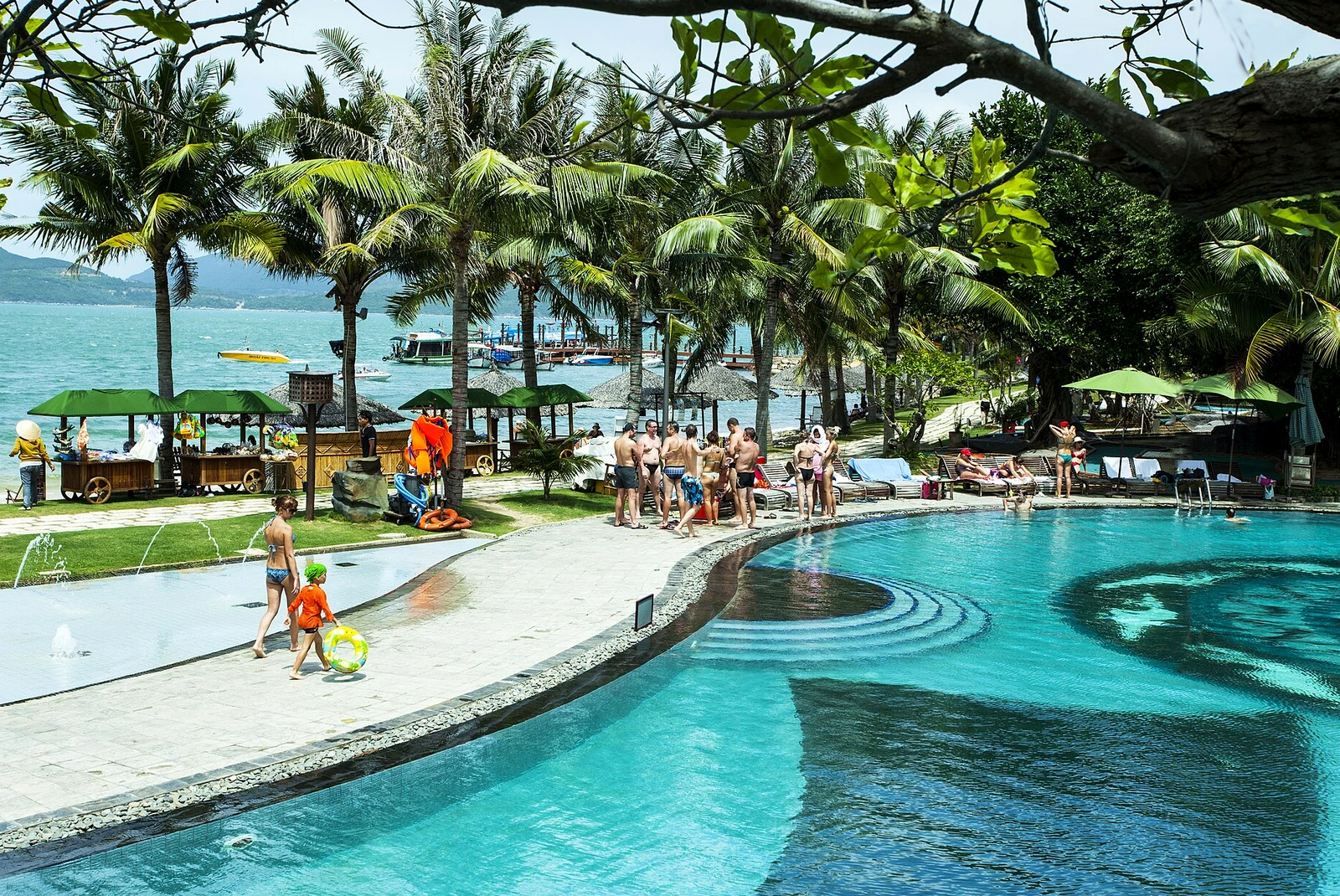
Hon Tam is not just an ordinary island, but a masterful blend of nature’s artistry and refined human design. The moment visitors step onto the pier, they are immersed in a cohesive “Eco-resort” architectural philosophy. Harsh concrete structures are replaced with organic materials—bamboo, rattan, timber, and coconut-leaf thatch characteristic of the South Central Coast. Resort facilities are tucked discreetly beneath ancient trees, creating open-air spaces where the boundary between indoors and nature nearly vanishes. Every bungalow and service pavilion is oriented to capture cooling sea breezes, offering effortless relaxation to every guest.
Its crowning architectural centerpiece is the island’s mineral mud bath complex, a stunning structure modeled after the terraced rice fields of Vietnam’s Northwest highlands. Rather than sitting on flat ground, the mud pools cascade down the hillside in tiers, opening out to sweeping, unobstructed views of turquoise Nha Trang Bay. The warm earthy browns of the mineral mud, the lush greens of tropical foliage, and the deep blues of the ocean form a captivating visual palette. Soaking in the warm mineral mud, guests enjoy not only physical rejuvenation but also front-row views of one of the world’s most celebrated bays.
To capture “million-dollar” shots, photographers and travel vloggers swear by a few prized vantage points. First is the wooden pier extending far out into the sea—a meeting point of land and ocean where weathered timber pilings create striking leading lines. The ideal time to shoot here is at sunset, when the sun dips behind distant mountain peaks and sets the sky and water ablaze in crimson and gold. The soft amber light produces poetic frames that never fail to impress.
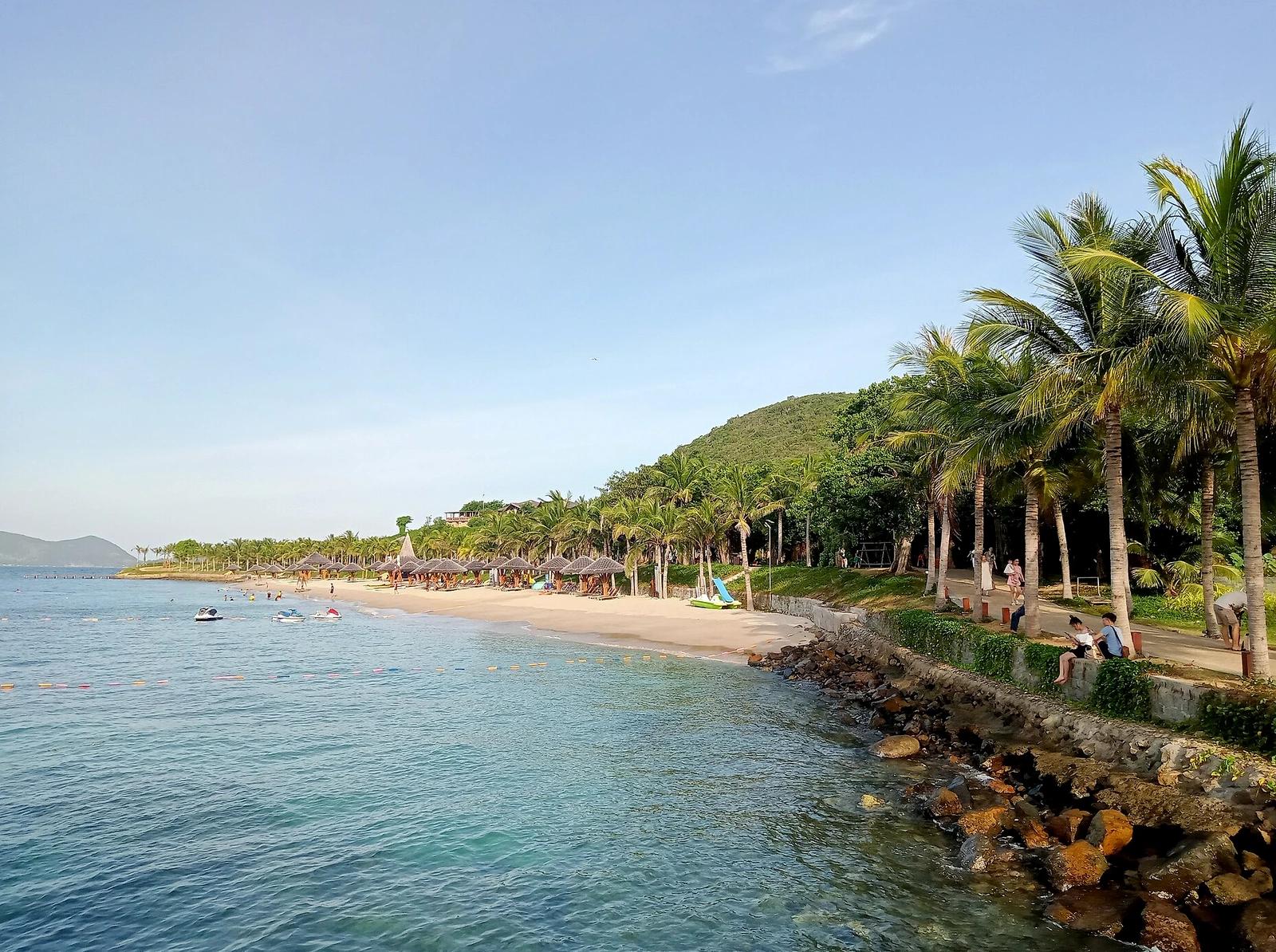
The second must-visit photo spot is the pristine white-sand beach stretching more than one kilometer. Unlike ordinary beaches, Hon Tam’s sand is exceptionally fine and bright white, contrasting vividly against crystal-clear water where you can see straight to the seabed. For a truly memorable shot, arrive at sunrise as the first rays of light filter through the leaves and shimmer across the mirror-calm sea, with traditional coracle boats moored along the shore and leaning coconut palms serving as effortless natural props.
Finally, do not miss elevated angles around the infinity pool. With its seamless overflow edge, the pool’s surface appears to merge directly into the horizon, creating a striking optical illusion. Whether bathed in crisp morning sunlight or the rich glow of late afternoon, this spot consistently delivers polished, resort-chic photographs. Hon Tam is truly an open-air gallery where every detail is curated to honor nature’s raw beauty, inviting travelers to explore and savor its serene grandeur.
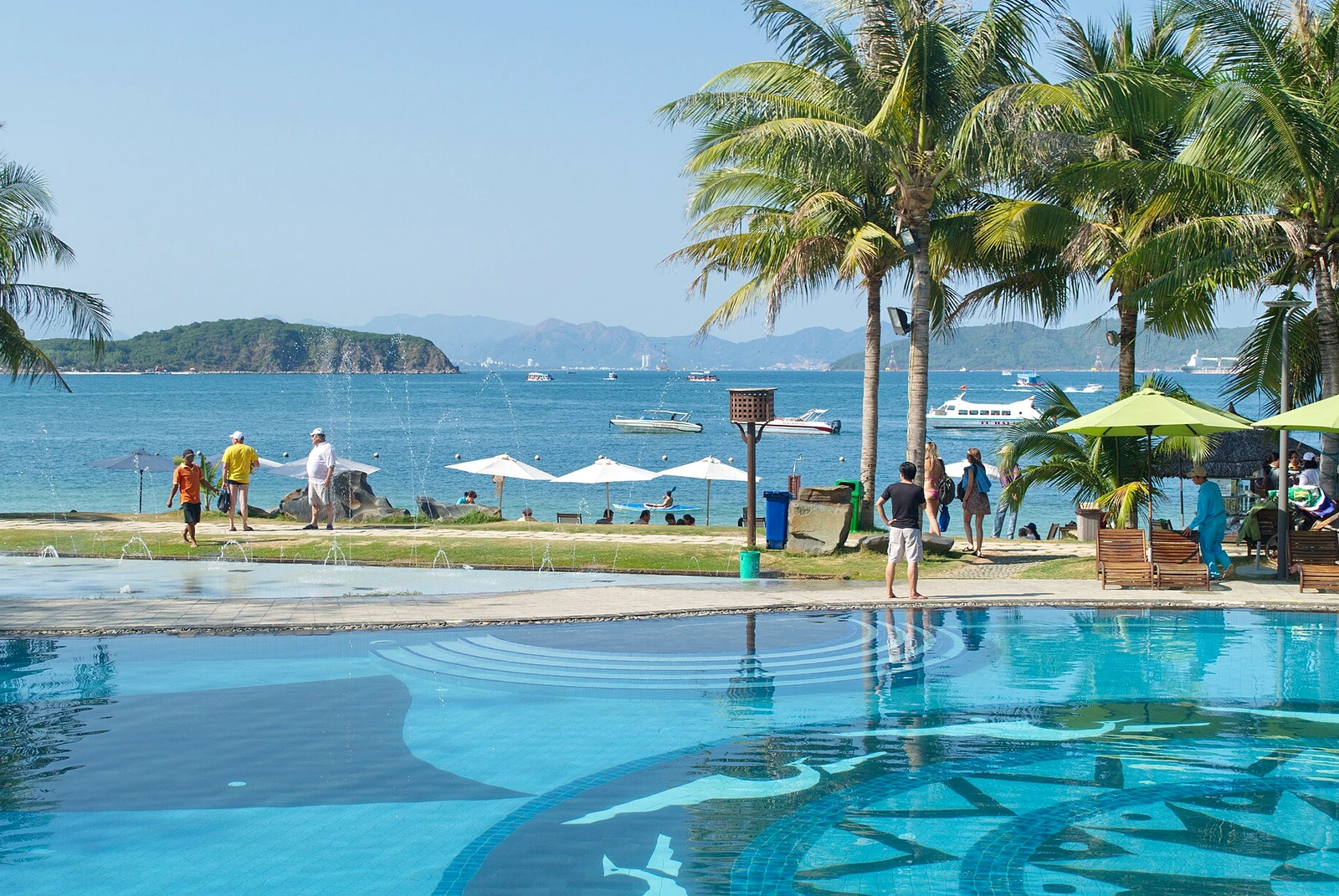
Stepping onto Hon Tam feels less like checking into a resort and more like entering a realm where the deep blue ocean meets vibrant local life. The very first sensation that captivates visitors is an immediate connection to unspoiled nature. Stepping off the speedboat, salty sea air mingled with the gentle fragrance of tropical greenery instantly awakens the senses. Stone-paved pathways wind beneath ancient canopies, leading travelers on a journey of discovery where every turn unveils a fresh perspective of Nha Trang Bay—one of the world’s most beautiful bays.
For active travelers, a gentle trek up the island’s hilltop is an unmissable experience. From this vantage point, Nha Trang Bay unfolds in a breathtaking panorama of rolling islands and tiny fishing boats drifting like leaves across emerald waters. Standing high above the sea, breathing in crisp air while listening to waves murmur against the cliffs below brings a rare sense of stillness—washing away the clamor of city life and leaving quiet clarity in its place.
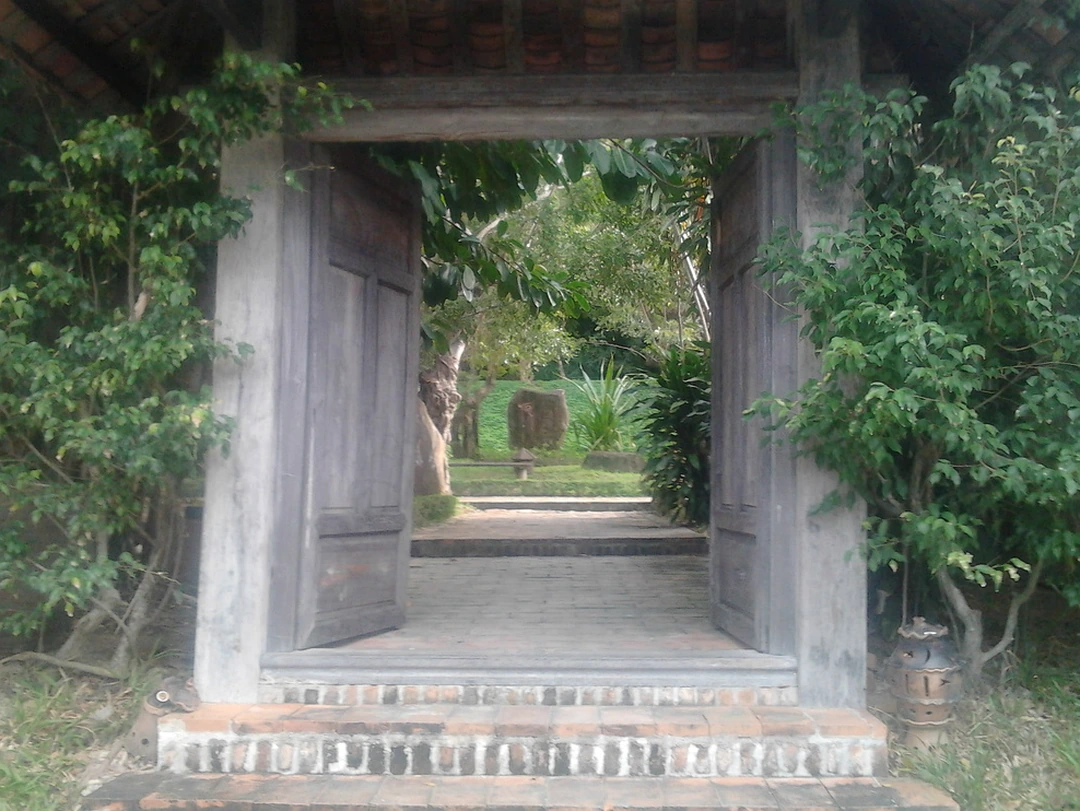
Beyond natural wonders, Hon Tam preserves living expressions of local heritage. Visitors can explore the traditional ancient house complex, which recreates historic Vietnamese living spaces with wooden frames, yin-yang clay-tiled roofs, and finely crafted artifacts. Here, you can watch artisans weave brocade, shape pottery, and craft rattan goods—time-honored traditions passed down for centuries. The contrast between the contemporary luxury of the mineral mud baths and the timeless charm of traditional craft villages gives Hon Tam remarkable cultural depth and emotional resonance.
As sunset paints the horizon crimson, culinary discovery takes center stage. Nothing rivals savoring Khanh Hoa’s renowned coastal specialties right at beachfront restaurants. You can indulge in freshly caught seafood such as chili-salt grilled lobster, ginger-steamed squid, or the region’s signature shredded fish noodle soup (bun ca dam) bursting with rich, savory flavor. Dining beneath warm lantern light to the rhythm of lapping waves, with the twinkling lights of Nha Trang shimmering across the water in the distance, feels like stepping into a romantic film.
What truly sets Hon Tam apart is not only its scenery, but the thoughtfulness woven into every detail of its hospitality. From unwinding in warm mineral mud surrounded by lush greenery to snorkeling in crystalline waters over colorful coral gardens, each experience is crafted to leave a lasting impression. Sitting quietly on the wooden pier at dusk as the final rays of daylight fade across the water, you feel a weight lift—as if every worry has been carried away by the tide. Hon Tam is more than a destination; it is a restorative pause where you can reconnect with yourself amid the pure, dignified beauty of Vietnam’s coast.
To make the most of your visit to this remarkable island landmark, it helps to plan ahead with up-to-date schedules and operating guidelines. Hon Tam operates as a self-contained eco-resort complex, so knowing its boat timetable is essential. For day-trippers, speedboats depart from the Nha Trang Tourist Pier starting at 8:00 AM, with the final return boat leaving the island around 4:30 PM or 5:00 PM depending on weather conditions. Because boats run on fixed schedules, arriving at the pier at least 15 minutes prior to departure is mandatory to avoid missing your reserved transfer.
Regarding admission, Hon Tam does not offer free entry; all visitors must purchase one of the resort’s published service packages. Standard day-pass tickets range from 600,000 VND to 900,000 VND per person, inclusive of round-trip speedboat transfers, a buffet lunch at the main restaurant, and access to shared facilities such as the infinity pool, private beach, and basic water sports. For travelers wishing to indulge in the signature terraced hot mineral mud bath experience, all-inclusive packages typically cost between 1,200,000 VND and 1,500,000 VND. To secure the best rates and avoid sell-outs during peak season, book at least 24 hours in advance through reputable travel agencies or the resort’s official website.
The easiest route from central Nha Trang is heading south along Tran Phu Street toward the Nha Trang Tourist Pier. Taxis and ride-hailing cars are readily available and cost roughly 70,000–100,000 VND. Upon arrival at the pier, check in at the Hon Tam ticket counter before boarding your speedboat at the dock—a brisk 15-to-20-minute ride across the waves brings you straight to the island.
As for attire, while Hon Tam is a modern beach destination, a few practical tips apply. Bring proper swimwear for the mud baths and infinity pool to ensure comfort and hygiene. When moving through public areas or restaurants, a lightweight cover-up or maxi dress adds sun protection while keeping your look polished and respectful. If you plan to explore rocky outcrops or coastal trails for photos, opt for grippy sandals rather than high heels to prevent slipping.
Finally, the golden window to visit Hon Tam runs from March through September. This marks Nha Trang’s dry season, bringing sunny skies, calm seas, and crystal-clear visibility ideal for snorkeling and kayaking. Try to avoid October through December, when rainy and stormy weather can bring rough swells and occasional speedboat cancellations that may disrupt your itinerary.
To enjoy a seamless getaway and experience the full splendor of Hon Tam without worrying about transfers, ticket bookings, or itinerary planning, travelers can opt for VDS Travel’s premium all-inclusive Nha Trang tour packages. Every itinerary is thoughtfully timed to capture the island’s best light for sightseeing and photography, accompanied by knowledgeable local guides and top-tier hotel and dining standards.