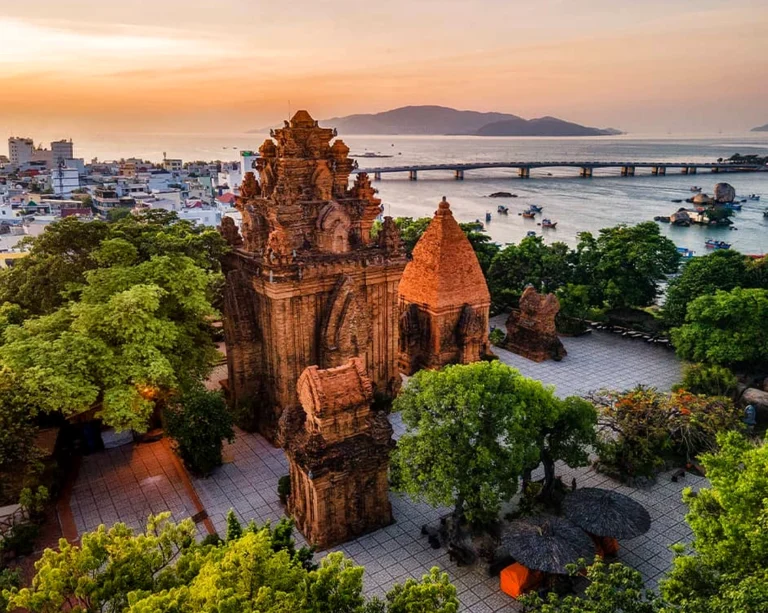
Perched atop Cu Lao Hill, a prominent mound casting its reflection upon the gentle Cai River estuary, Po Nagar Cham Towers is far more than a mere architectural relic—it is an enduring spiritual symbol of Khanh Hoa Province. Boasting a prime geographic location right along the vital 2/4 Street, just about 2 km north of downtown Nha Trang, this monument complex occupies a rare feng shui setting: “backed by mountains, facing the water.” From the hilltop, sweeping views encompass the entire river mouth flowing into the open sea, where alluvial currents meet the salty ocean breeze, creating a sacred landscape that the ancients believed to be the convergence of heaven and earth’s finest energies.
Historically, Po Nagar Cham Towers stands as a living testament to the golden age of the ancient Champa Kingdom, dating from the 8th to the 13th centuries. Researchers and the Department of Cultural Heritage recognize it as the largest and most intact Champa architectural complex remaining in Central Vietnam. The name “Ponagar” originates from the Cham language, meaning “Mother of the Country” (known as Holy Mother Thien Y A Na in Vietnamese belief). According to folk legend, she is a powerful goddess who taught the local people how to cultivate crops, weave cloth, and reclaim land, while watching over the lives of coastal residents. The blending of Champa beliefs and Vietnamese culture has woven an unbroken spiritual thread, turning this site into a steadfast spiritual anchor for generations of Nha Trang locals.
In terms of heritage value, the complex serves as an open-air architectural museum showcasing master-level construction techniques. Its dark red fired-brick blocks—bonded together by a mysterious adhesive that scientists have yet to fully decipher—have stood firm against the erosion of time and the upheavals of history. The overall layout comprises three distinct levels: from the entrance tower leading into the serene space of the Mandapa hall—once a preparation area for offerings featuring stately octagonal pillars—up to the main sanctuary towers. In particular, the 23-meter-tall Northeast Tower, likened to the mythical Mount Meru—the center of the universe in Hindu cosmology—is the architectural centerpiece, preserving intricate bas-relief carvings of deities and the daily life of the ancient Cham people.
Through the lens of journalists and cultural experts, Po Nagar Cham Towers is not merely a tourist attraction, but a “chronicle” written in brick and stone. Every brick and every altar statue tells a story of cultural exchange, deep reverence for the Mother of the Country, and the coastal people’s aspiration for peace and prosperity. Preserving this monument goes beyond maintaining its architectural beauty; it safeguards the very soul of a once-brilliant civilization. For visitors, setting foot at Po Nagar is a journey back to one’s roots, offering inner stillness amid an ancient sanctuary where the chime of wind bells blends with the lapping waves of the Cai River to compose an endless symphony of Vietnamese heritage.
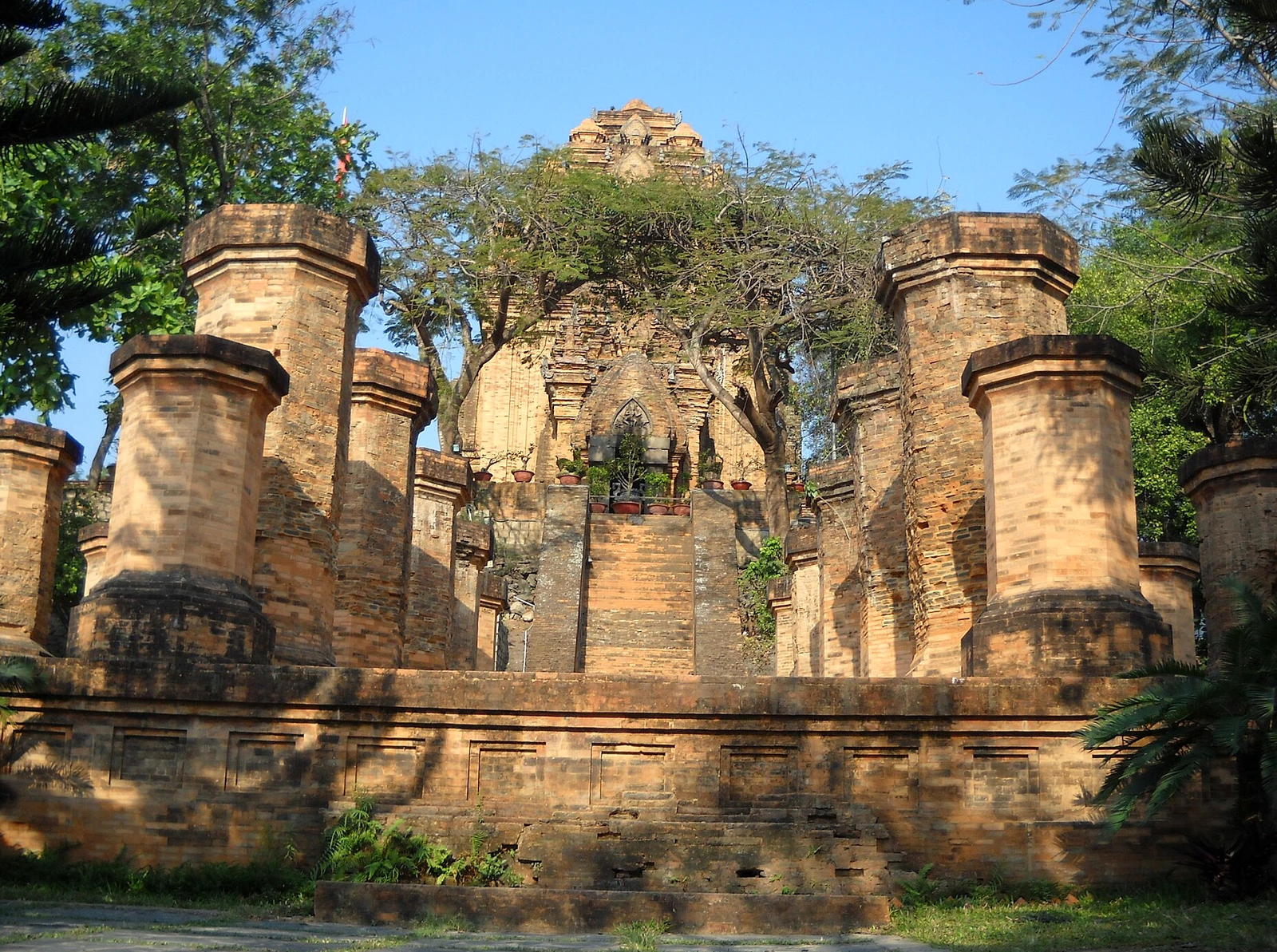
Viewed from afar toward the Cai River mouth, Po Nagar Cham Towers rises like a brilliant crown of red fired brick, presiding proudly over the summit of Cu Lao Hill. More than just a historical monument, it is an ancient Champa architectural masterpiece where spiritual devotion and building artistry reached full maturity. The entire complex was built using the distinctive fired bricks of the ancient Cham, joined together with a mysterious plant resin that scientists still cannot completely replicate. It is this mortarless construction technique that has enabled the towers to stand resilient for over a millennium, defying the passage of time and the fierce storms of Central Vietnam.
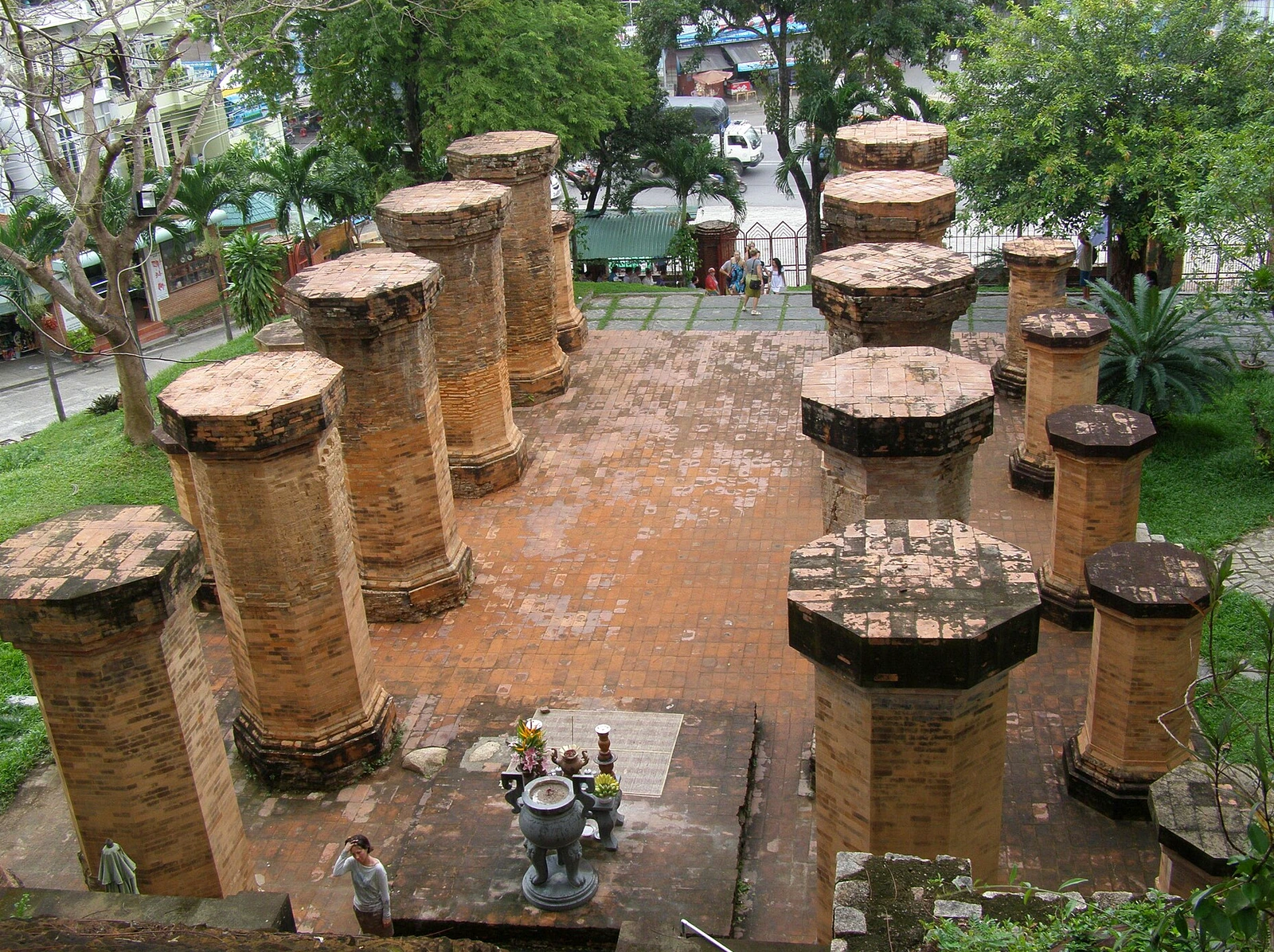
Stepping through the entrance gate, visitors are immediately captivated by the Mandapa—a vast vestibule lined with majestic rows of octagonal columns. These stone pillars hold not only architectural significance but also serve as proof of the refined aesthetic sensibility of the ancients. Sunlight filters through the gaps between the colonnades, weaving alternating bands of light and shadow across the ancient brick floor to create a tranquil, mysterious, and deeply cinematic atmosphere. Moving deeper inside, the main sanctuary towers with their pointed, tiered roofs—symbolizing sacred Mount Meru—soar straight into the azure sky. The intricate bas-reliefs carved directly into the brick walls, depicting deities, Apsara dancers, and mythical creatures, reveal the skilled hands and astonishing patience of past artisans.
To capture the “million-dollar views” at Po Nagar Cham Towers, professional photographers favor two golden hours: sunrise and sunset. At dawn, as the first rays of morning light paint the entire grounds in soft pink, the gentle glow accentuates the muted crimson tones of the weathered bricks, creating an ideal backdrop for nostalgic photographs. The best camera angle is from the foot of the hill looking upward, framing the full grandeur of the main tower against a shifting sky. The contrast between the warm terracotta bricks and the vivid blue sky gives your photos remarkable depth and artistic flair.
A second check-in spot beloved by young travelers and vloggers is the Mandapa colonnade. Here, you can take advantage of the depth of the pillar rows to create striking visual perspective. Stand right between two rows of columns so the lens captures perfect symmetry, producing a frame steeped in classic architectural character. If you visit around sunset, the warm golden light of late afternoon streams through the pillars, casting shimmering, ethereal sunbeams that turn the space into a captivating natural film set. A quick tip for photography enthusiasts: wear contrasting colors such as white, pale yellow, or traditional attire to make yourself stand out against the earthy, historic architecture.
Beyond its architecture, the natural scenery surrounding Po Nagar is another major draw. From this vantage point, you can take in panoramic views of the gentle Cai River winding below, with the bustling pace of Nha Trang City stretching out in the distance. The pairing of a thousand-year-old heritage site’s quiet stillness with the energy of a modern coastal city creates an intriguing visual contrast. Every quiet corner at Po Nagar Cham Towers holds its own story and distinct beauty, waiting for beauty-seekers to explore and preserve through evocative frames.
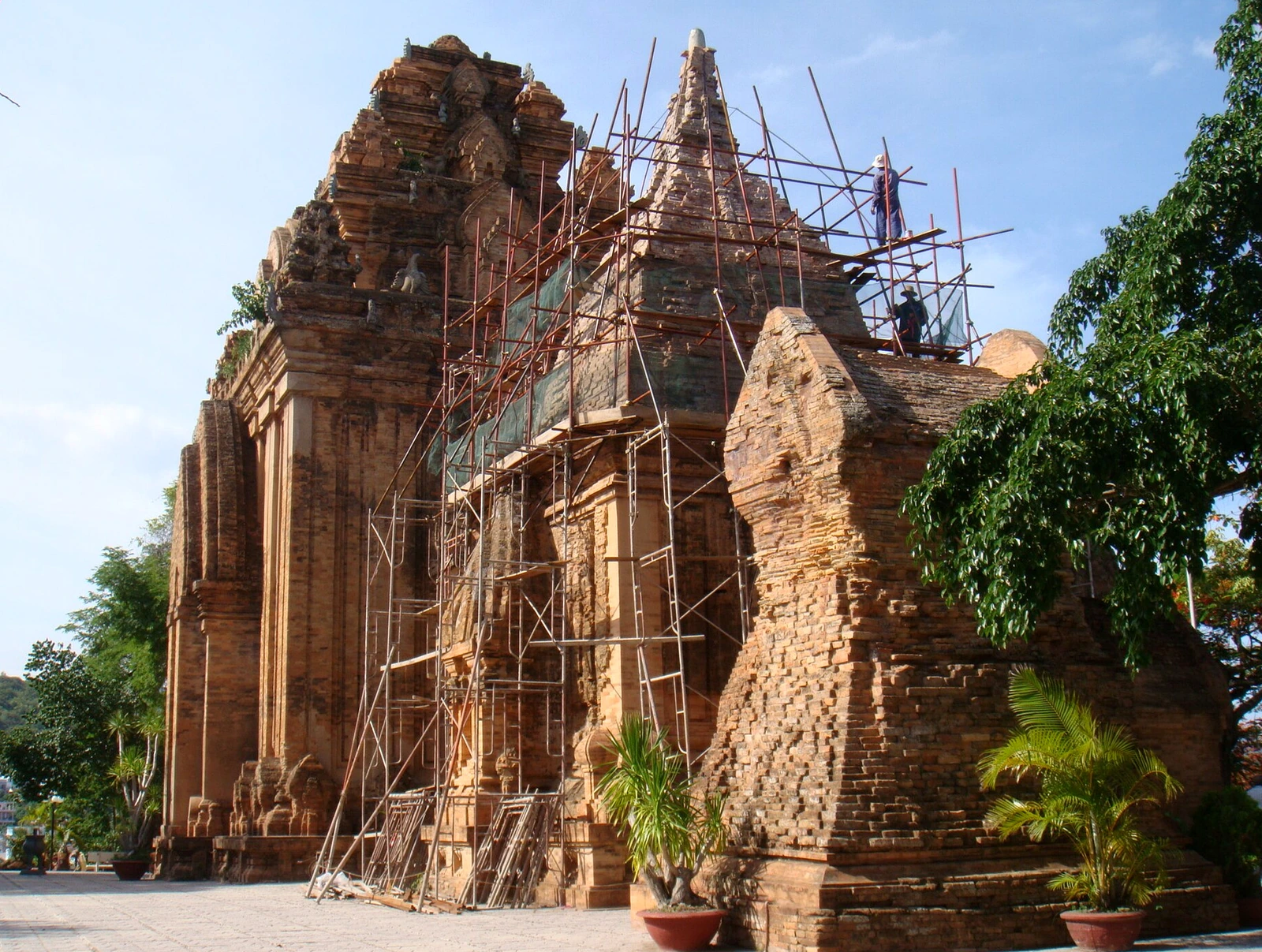
Arriving at Po Nagar Cham Towers, travelers do more than simply tour a historical landmark—they embark on a journey bridging past and present. The very first sensation that leaves everyone in awe is standing at the base of the dark red brick towers as they soar dramatically against Nha Trang’s clear blue sky. Skillfully fitted together without visible mortar, the bricks have retained their weathered beauty across centuries, inspiring admiration for the ancient Cham people’s master craftsmanship. The serene stillness of the grounds, mingled with the faint scent of incense drifting on the breeze, fosters a deeply mystical spiritual ambiance that calms and centers the mind the moment you step past the stone gateway.
For those drawn to quiet contemplation, paying respects at the shrine of Goddess Thien Y A Na is an unmissable experience. You will see local residents devoutly offering flowers and lighting incense to pray for peace and prosperity. Joining the flow of worshippers, listening to the resonant chime of temple bells, or watching graceful, fluid Cham dances performed on the outdoor stage feels like stepping back in time to the resplendent Champa Kingdom of old. This is not purely a cultural activity; it is also an opportunity to gain a deeper appreciation for Mother Goddess worship—a defining spiritual tradition of Khanh Hoa.
After soaking in the cultural atmosphere, take time to enjoy the panoramic vista from atop Cu Lao Hill. From here, your gaze stretches far across the landscape, taking in the gentle Cai River meandering out toward the open sea. If you want a fresh perspective, try taking a boat ride along the Cai River. Viewed from the water, Po Nagar rises majestically, reflecting upon the river’s surface to form an extraordinary, unforgettable natural tableau. This is a prized vantage point that few tourists notice, allowing you to experience the unhurried daily rhythm of riverside fishing villages in stark contrast to the lively bustle of downtown Nha Trang beyond.
A visit to Po Nagar would not be complete without sampling the renowned local specialties right nearby. Just steps away from the monument, you can easily find local eateries serving Nha Trang’s famous grilled pork rolls (nem nuong) or rich, unforgettable shredded fish noodle soup (bun ca dam). In particular, don’t miss visiting the nearby Thap Ba Hot Springs. After hours of walking and sightseeing, soaking in natural warm mineral water and letting the heat melt away every trace of fatigue is the perfect finale to a day of exploration. The blend of spiritual culture, sweeping natural scenery, and first-rate relaxation has made Po Nagar Cham Towers a must-visit destination on any Nha Trang itinerary, where every traveler can find a peaceful pause amid modern life.
To ensure your journey exploring Champa cultural heritage at Po Nagar Cham Towers goes smoothly and meaningfully, keep the following up-to-date details in mind. Po Nagar Cham Towers is not merely a sightseeing stop—it is a sacred place of worship, so thoughtful planning around your schedule and attire is essential.
Regarding hours and admission, the monument complex welcomes visitors daily from 06:00 to 18:00, including weekends and public holidays. Admission is currently listed at 30,000 VND per person per entry—a reasonable fee dedicated to maintaining and preserving this ancient architectural complex. Visitors should carry cash or be ready to pay via QR code scan at the ticket counter to save time. Please note that ticket prices may be adjusted in the future under Management Board policies, so check the latest information at the main gate before entering.
Getting there from downtown Nha Trang takes only 10 to 15 minutes for the 2 km trip. The most convenient options are a personal motorbike or a taxi/ride-hailing car. If riding a motorbike, head north along 2/4 Street; just across Xom Bong Bridge, you will immediately spot Cu Lao Hill rising prominently beside the Cai River. The site offers a spacious, secure parking area with very affordable parking fees. For larger groups, taking a taxi is the most comfortable choice to stay cool under the intense Central Vietnamese sun.
One especially important note is the dress code. Because this is a sacred site of worship for both the Cham and Vietnamese communities, visitors are required to dress modestly and respectfully. Avoid wearing short skirts, shorts, or sleeveless tops when entering the tower sanctuary area. If your outfit does not meet the guidelines, the Monument Management Board provides complimentary robes to borrow at the entrance gate. Please observe this rule to show respect for local culture and uphold the solemnity of the monument.
The best time to visit Po Nagar Cham Towers is from January to August each year. This coincides with Nha Trang’s dry season, bringing sunny weather and clear blue skies ideal for photography and admiring the intricate brick carvings. If possible, arrive early in the morning (around 07:00 – 08:00) to beat the harsh midday heat and enjoy the tranquil, serene atmosphere before large tour crowds arrive. Additionally, if your visit coincides with the Po Nagar Festival (held annually from the 20th to the 23rd day of the third lunar month), you can immerse yourself in vibrant traditional festivities featuring ceremonial rituals, shadow dances, and colorful flower offerings deeply rooted in Champa cultural identity.
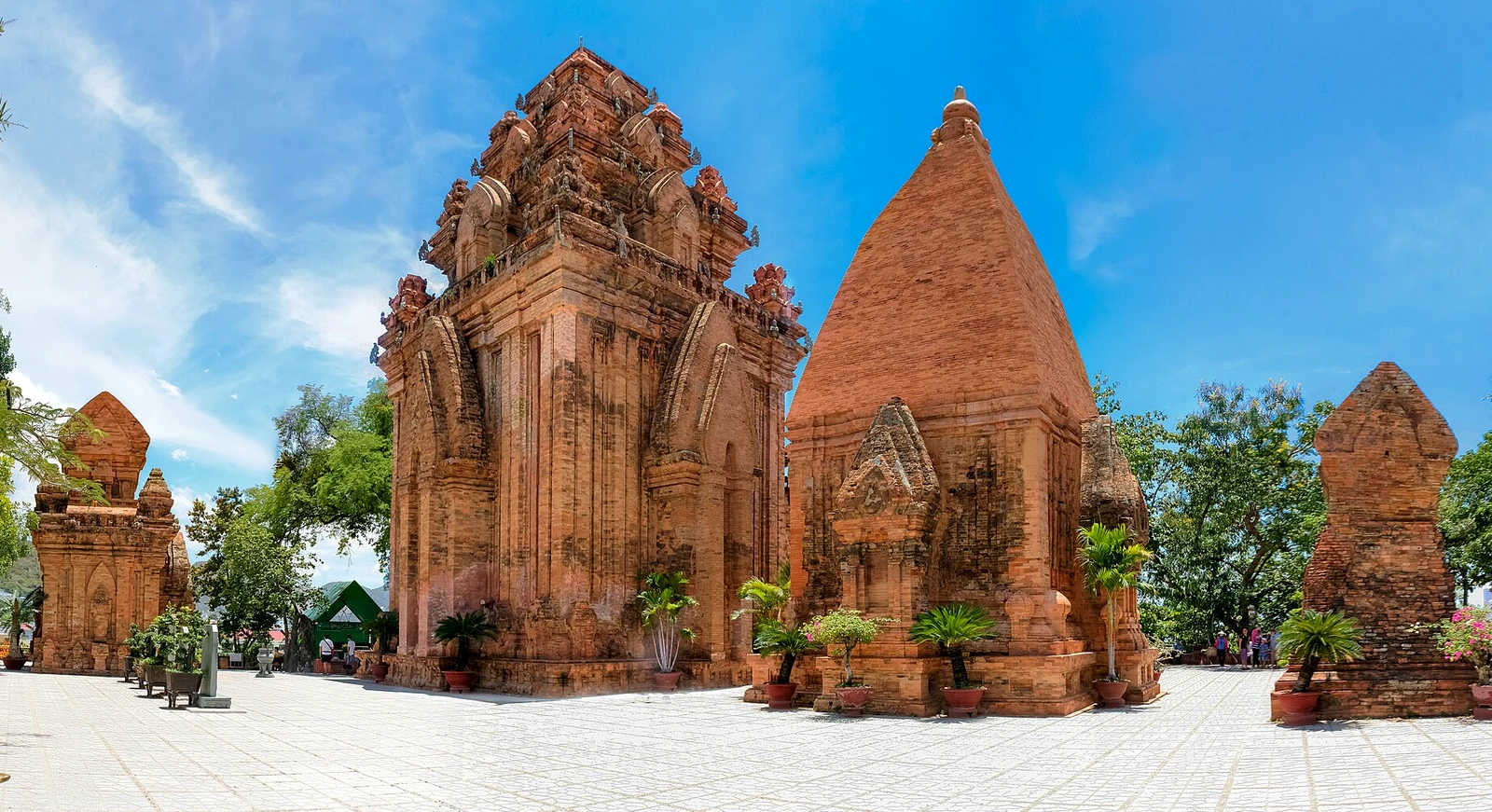
To enjoy a seamless holiday and take in the full splendor of Po Nagar Cham Towers without worrying about arranging transportation, booking tickets, or planning routes, travelers can choose VDS Travel’s premium all-inclusive Nha Trang tours. Every itinerary is thoughtfully timed so you can capture photos when the scenery is at its brightest, accompanied by knowledgeable local guides and top-tier hotel and dining standards.