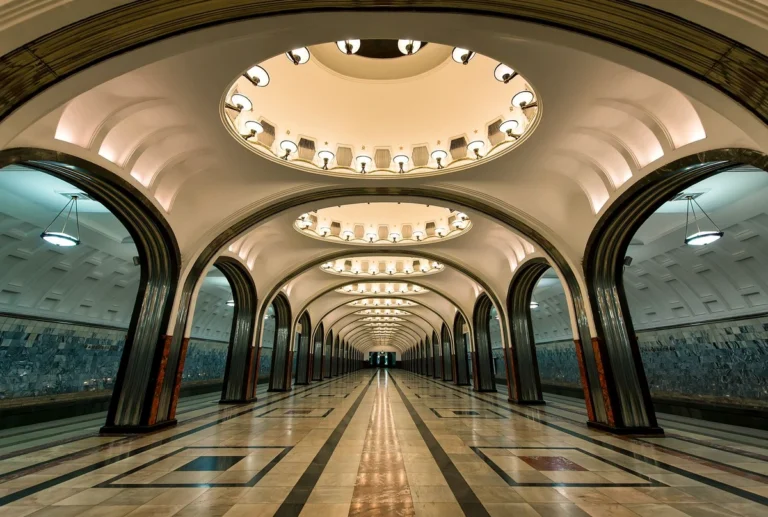
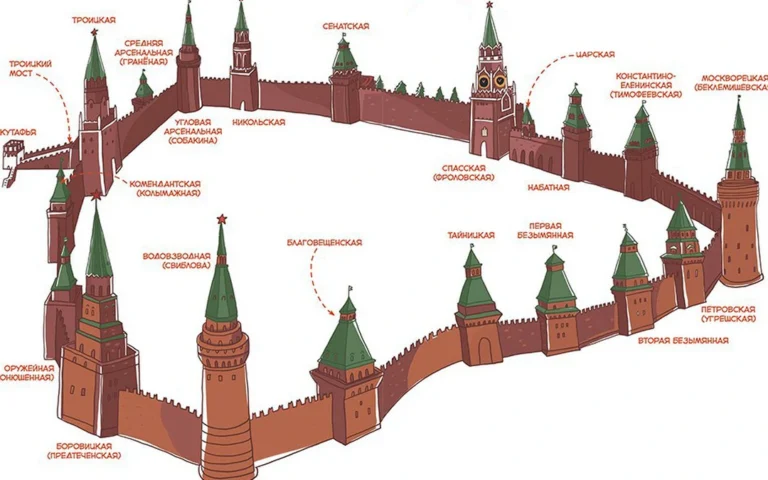
Nestled deep within the Arctic Circle at 68°58′ north latitude on the rugged Kola Peninsula, the Murmansk region has long been a demanding frontier of survival for the indigenous Sámi people and intrepid Pomor settlers who navigated the shores of the White Sea. The name “Murman” originates from an archaic phonetic variant of “Urmane” or “Norman,” the term Pomors used to describe Norsemen arriving from Scandinavia. Consequently, the rocky coastline facing the Barents Sea became known as the Murman Coast—a dramatic meeting point between expanses of eternal permafrost tundra and the warm North Atlantic Current, a geographic blessing that keeps the waters of Kola Bay ice-free even throughout the months-long grip of a fierce polar winter.
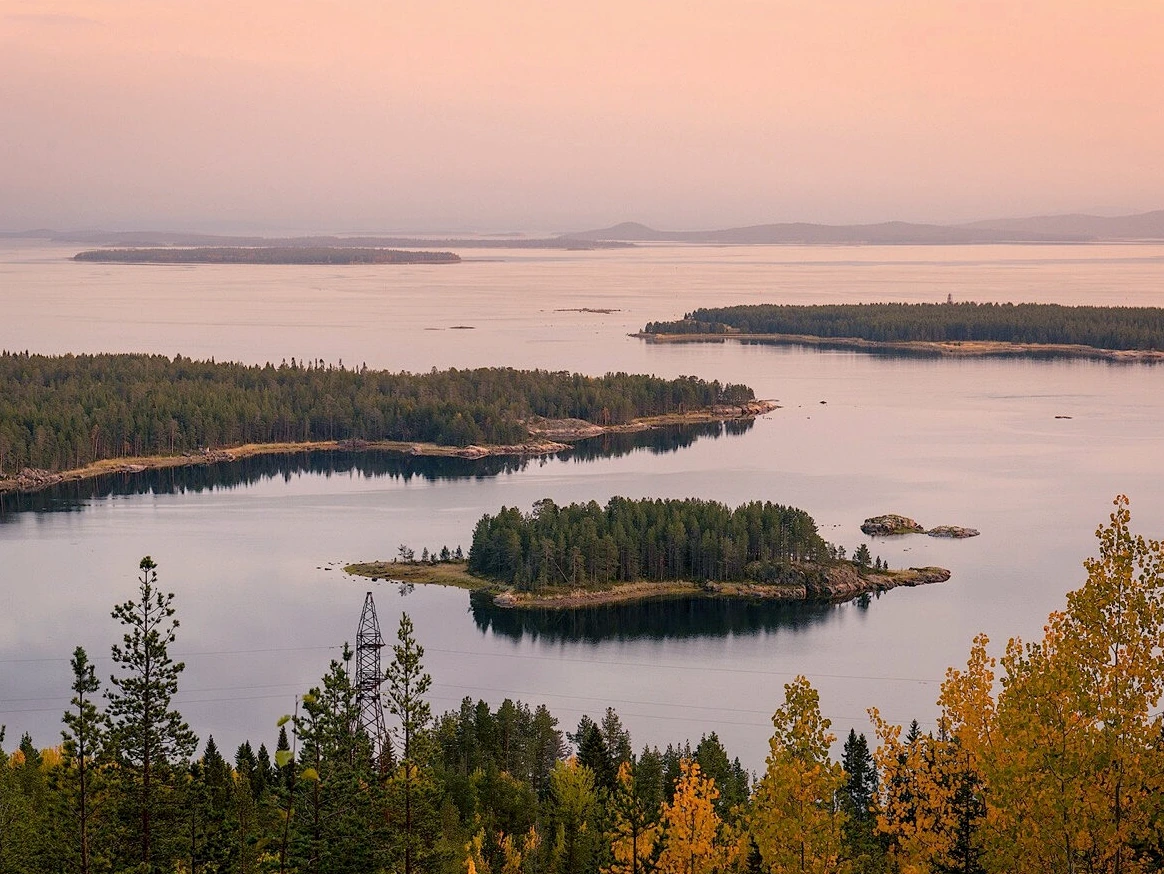
The vision of establishing a fortified strategic outpost in the Far North only materialized during the twilight of the storied Romanov dynasty. On October 4, 1916, under an imperial decree from Russia’s last Tsar, Nicholas II, the cornerstone-laying ceremony for St. Nicholas Church officially founded the city of Romanov-on-Murman—the final city established under the Russian autocracy. Its creation was driven by the existential imperatives of World War I: with vital sea lanes in the Baltic and Black Seas completely blockaded, the Russian Empire urgently needed a year-round ice-free deep-water port alongside the thousand-kilometer Murmansk Railway, built across treacherous bogs and snowfields to link the Russian heartland with its Entente allies.
The sweeping upheaval of the October Revolution of 1917 swiftly stripped away the royal title, transforming Romanov-on-Murman into the unpretentious yet proud Murmansk. The region’s gravest trial unfolded during the Great Patriotic War of World War II, when Murmansk served as a vital lifeline receiving Allied Arctic convoys carrying millions of tons of military hardware and emergency supplies. Determined to sever this polar supply corridor, Axis forces rained more than 185,000 bombs onto the city across hundreds of relentless air raids. The sheer scale of destruction made Murmansk second only to Stalingrad in wartime devastation, reducing nearly all its original wooden structures to ashes—yet failing to break the indomitable spirit of its defenders and civilians, earning Murmansk the immortal title of Hero City.
Alongside the dramatic wartime epic of urban Murmansk, the coastal settlement of Teriberka—tucked quietly along the Barents Sea—embodies a different chapter in the rise and fall of northern maritime civilization. Recorded in sixteenth-century chronicles as a seasonal encampment for Pomor whale and seal hunters, Teriberka flourished in the late nineteenth and early twentieth centuries into the busiest cod-fishing and processing hub on the Murman Coast, complete with shipyards, salting houses, and reindeer farms. Post-war shifts toward centralized industrialization left Teriberka forgotten for decades, turning it into a haunting graveyard of decaying vessels exposed to polar gales—until its raw Arctic scenery, dancing auroras, and melancholic beauty sparked a cultural awakening, transforming this remote village into an iconic symbol of the edge of the world.
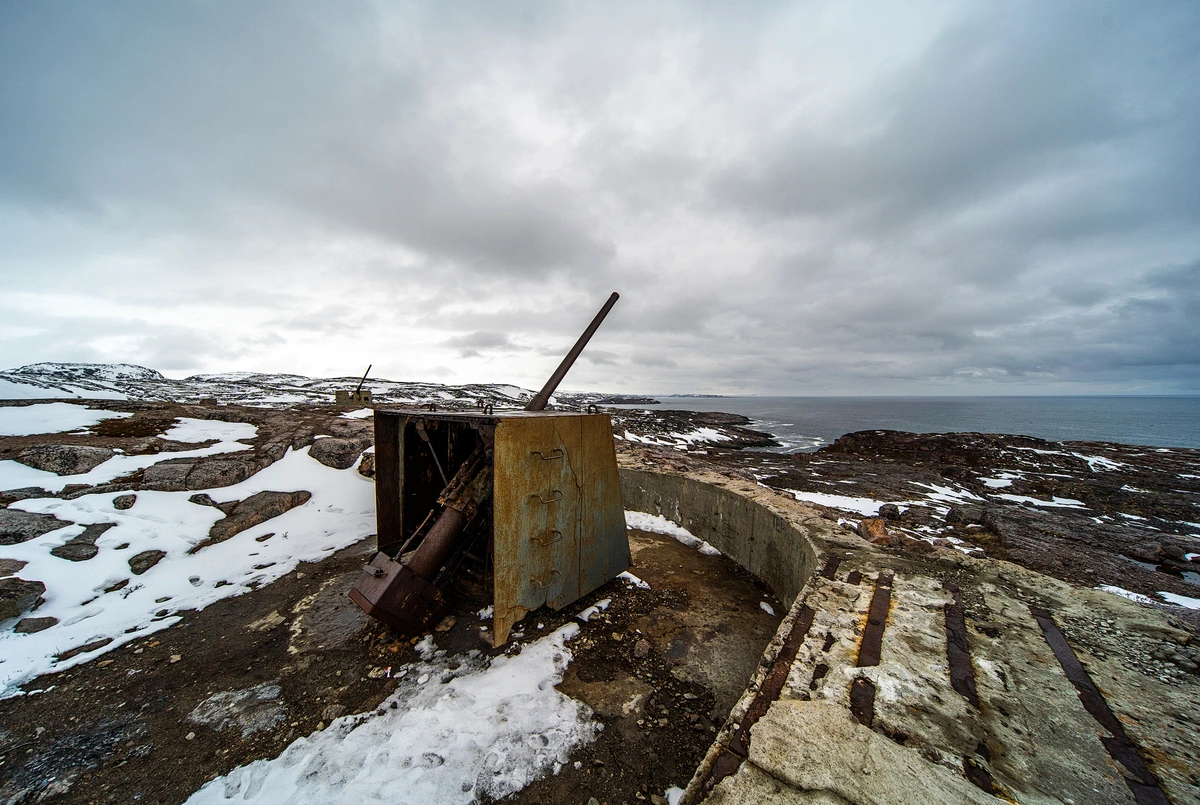
Stretching across the northwestern edge of the Kola Peninsula, the Murmansk region lies entirely north of latitude 66°33′ N, defining a distinctive sub-Arctic tundra geomorphology. Rather than jagged alpine peaks, the terrain is shaped by gently rounded hills worn smooth over millions of years of glaciation, known locally as sopkas. Interspersed among bare Precambrian granite outcrops are low-lying basins filled with countless glacial meltwater lakes and peat bogs. A thin layer of permafrost beneath shallow soil strictly limits the growth of tall trees, yielding instead to low-lying ground flora—most notably silver-grey reindeer lichen (yagel) blanketing the rocky slopes. This spongy carpet of yagel not only sustains the indigenous Sámi people’s Arctic reindeer herds through grueling winters, but also acts as a natural thermal insulator protecting the bedrock against erosion from howling blizzards.
Moving closer to the ocean’s edge, the historic fishing village of Teriberka emerges as a solitary outpost at the very edge of the Eurasian continent. Here, the vast tundra plain abruptly breaks off to give way to an elemental collision between sheer granite cliffs and the white-capped swells of the Barents Sea. Teriberka’s coastline bears the dramatic imprint of Quaternary tectonics, highlighted by a deep fjord cutting inland to form a rare wind-sheltered haven amid turbulent seas. Along the famous beach often likened to a “dragon’s nest,” relentless wave action and drifting sea ice have sculpted thousands of massive granite boulders into smooth, egg-shaped stones layered across mysterious black sand. Punctuating this rugged coastal panorama is the Teriberka Waterfall, fed by freshwater lakes high on the rocky plateau, plunging boldly over a sheer cliff directly into the icy ocean below.
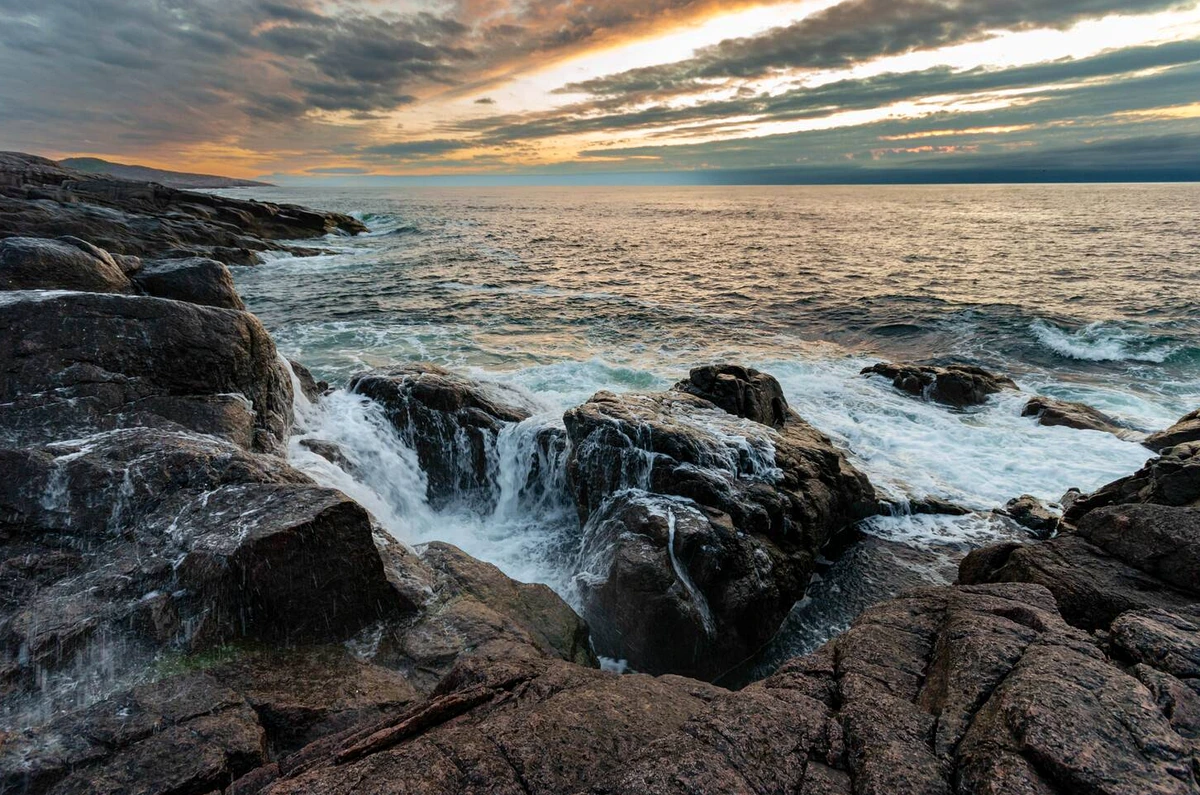
The warm North Atlantic Current acts as a natural climatic moderator along the entire Murmansk and Teriberka coast, preventing the bays from freezing solid even in the dead of winter. Combined with the unobstructed vantage points of the treeless sopka summits, this geography creates ideal conditions for stargazing and celestial observation. Life here revolves around two breathtaking extremes of light. The Polar Night, lasting from early December to mid-January, plunges the landscape into perpetual twilight where the sun never rises above the horizon, leaving only an ethereal deep-blue dusk glowing across the snow. Conversely, the Midnight Sun from May to July transforms the region into an endless symphony of twenty-four-hour daylight. The complete absence of urban light pollution beneath wide-open tundra skies turns winter polar nights into nature’s grandest amphitheater for the Aurora Borealis to unfurl ribbons of emerald green and deep violet.
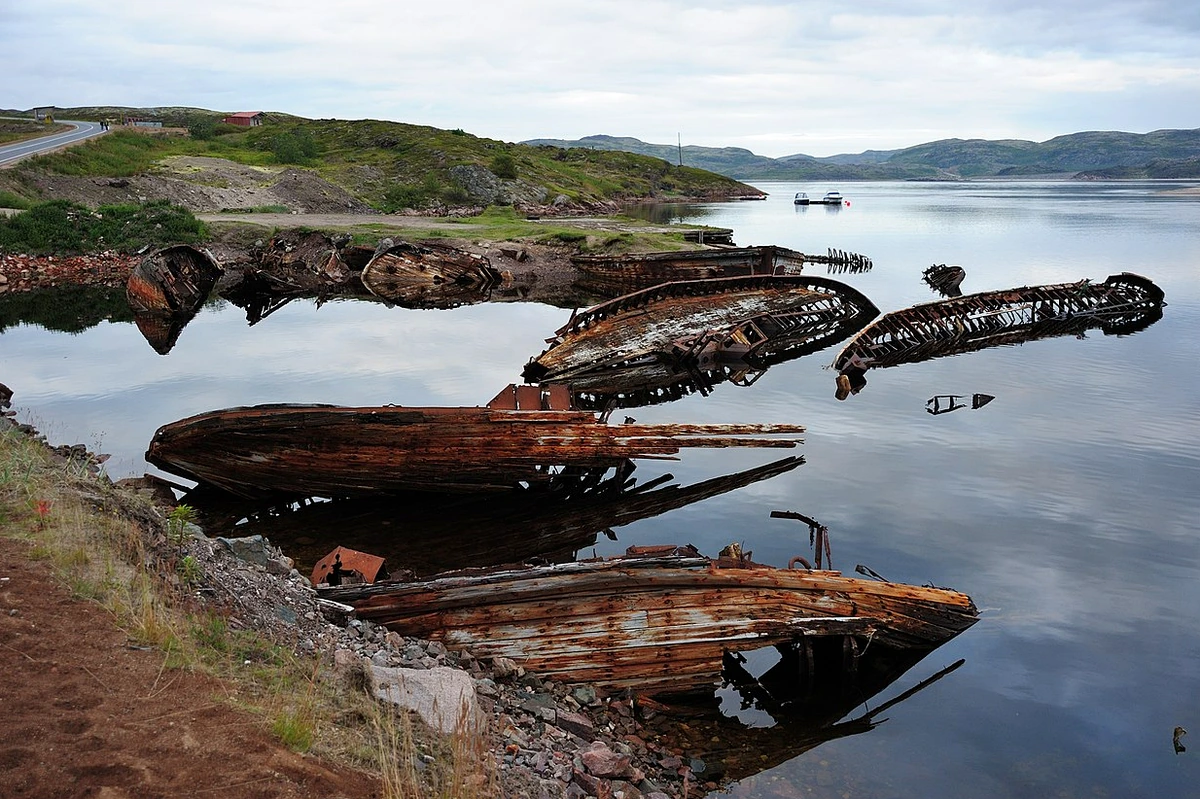
Guided by these unforgiving rules of terrain and climate, Teriberka’s historic settlement layout reflects the remarkable survival ingenuity of its Pomor inhabitants. The original village nestles tightly inside the sheltered Teriberka River estuary valley, using high rocky ridges as a natural windbreak against northerly gales sweeping off the open sea. Traditional wooden houses were built atop sturdy timber pilings to elevate them above damp snowdrifts and prevent indoor warmth from thawing the underlying permafrost—which would otherwise cause severe structural subsidence. Along the tidal flats where water rises and falls, the decaying Ship Graveyard—with weathered pine hulls soaking in the brine for generations beside moss-covered granite cliffs—weaves a haunting, one-of-a-kind cultural landscape at the edge of the globe.
Rising across gentle granite hills overlooking wind-swept Kola Bay, Murmansk defines its urban silhouette through a tiered, terraced layout unique at 68 degrees north latitude. The world’s largest ice-free Arctic port city carries the unmistakable imprint of Soviet urban planning, where pure functionalism blends powerfully with the grandeur of the Stalinist Empire style. Along central Lenin Avenue, monumental buildings feature strict symmetry, ornate plaster moldings, and neoclassical columns symbolizing human resilience and authority in the face of harsh nature. The urban grid curves gracefully with the natural contours of the hills, creating dramatic visual tiers gazing out over the dark waters of the bay while acting as a natural baffle that disperses freezing Arctic gusts blowing inland from the ocean.
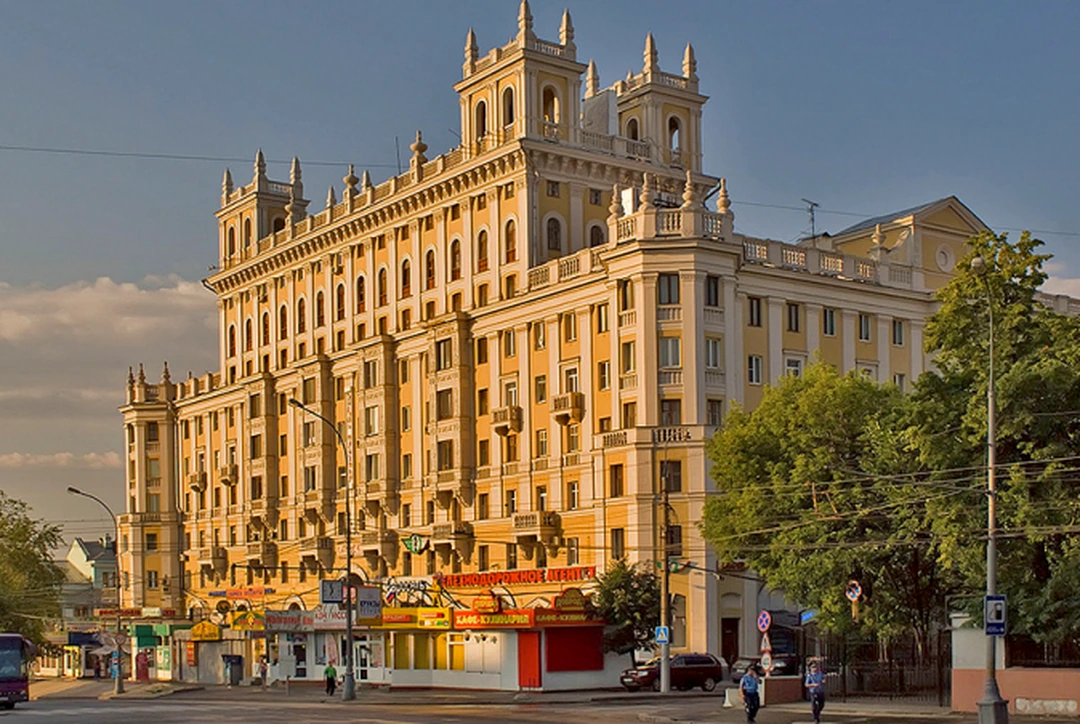
To endure for decades atop fragile permafrost and withstand howling blizzards, every building in Murmansk is a feat of structural engineering. Arctic engineers employed specialized reinforced-concrete piling technology, drilling dozens of meters through frozen ground to anchor foundations directly into solid bedrock while leaving ventilated air gaps beneath ground floors to prevent building heat from thawing the permafrost. Red-brick walls measuring eighty centimeters to over a meter thick, paired with triple-glazed reinforced windows, trap interior warmth while dampening structural vibrations from hurricane-force polar gales. Later post-war prefabricated apartment blocks introduced vibrant splashes of mustard yellow, sky blue, and terracotta red across the cityscape—a deliberate psychological design choice engineered to offset sunlight deprivation and uplift residents’ spirits throughout the forty-day Polar Night.
Leaving Murmansk’s monumental concrete behind and heading northeast toward the windswept Barents coast, the snow-blanketed village of Teriberka reveals an atmospheric, almost surreal heritage landscape. The coast’s most striking visual landmark is the Ship Graveyard, where the hulks of dozens of early twentieth-century fishing trawlers lie exposed across tidal mudflats at low tide. Their bare Arctic oak and pine ribs jut upward like the skeletons of prehistoric sea leviathans, bearing silent witness to the seafaring grit of early Pomor fishermen who braved ferocious polar seas. Layered wooden hulls, rusted rivets, and silvered, wind-scoured timber form an organic open-air sculpture park set against endless white snow.
Interspersed among these historic relics are traditional single-story Arctic timber cottages with steep snow-shedding roofs, salt-resistant grey pine siding, and chimneys sending plumes of warm smoke into the white wilderness. Teriberka’s remarkable revival in recent years has also ushered in a wave of contemporary eco-architecture, highlighted by geodesic igloo domes and panoramic glass cabins facing the sea. Crafted from ultra-light alloys and vacuum-insulated reflective glass, these aerodynamic domes slice effortlessly through coastal winds while dissolving the boundary between cozy interiors and the Aurora-lit night sky, turning this raw edge of the Arctic Ocean into a living installation uniting past, present, and cosmos.
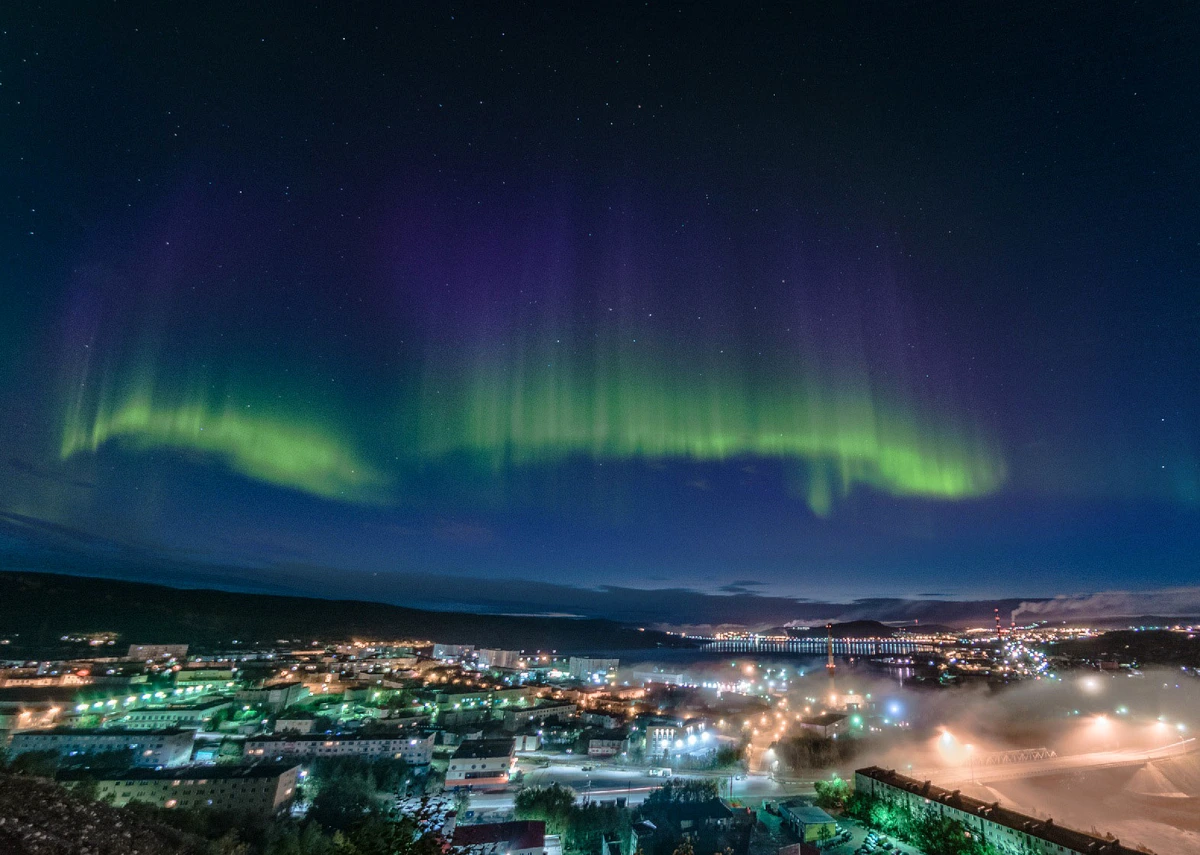
When polar night drapes its velvet black curtain across sixty-nine degrees north latitude, Murmansk does not drift into slumber; instead, it transforms into nature’s most spellbinding open-air theater. Unlike the neon-drenched nightlife of southern metropolises, nights in Russia’s Far North offer a serene interplay of light and shadow where human activity steps back to let the cosmos take center stage. The soul of nocturnal life across this sub-Arctic frontier is the quest for the Aurora Borealis—an iconic celestial phenomenon that every wanderer dreams of witnessing at least once in a lifetime.
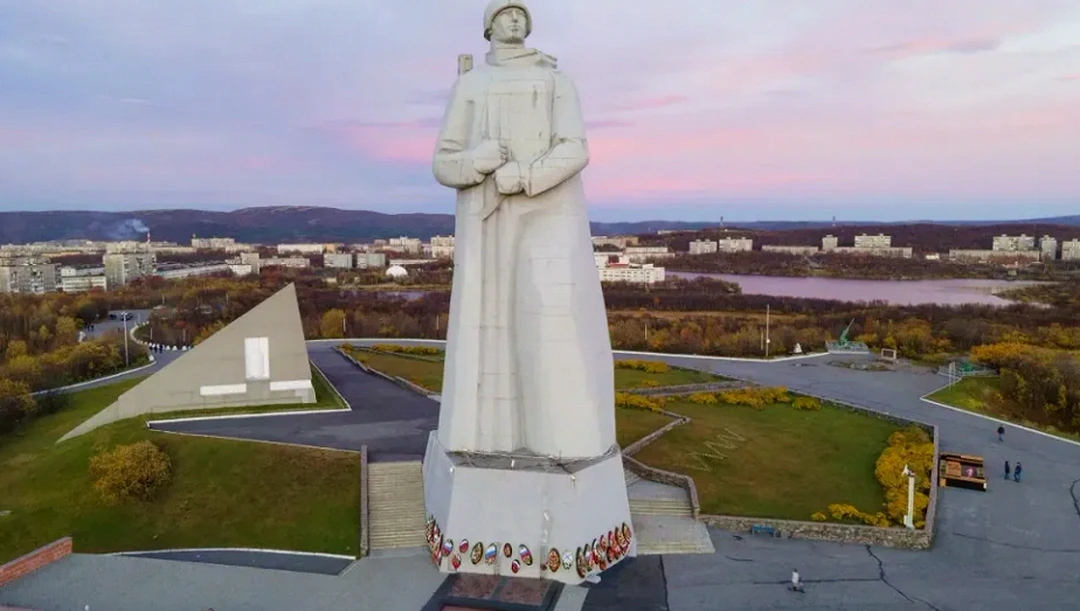
The visual journey within the city begins atop Zelyony Mys hill, rising more than 170 meters above sea level, crowned by the towering Alyosha Monument—officially the Monument to the Defenders of the Soviet Arctic during the Great Patriotic War. Erected in the 1970s with a 35.5-meter figure atop a seven-meter pedestal, Alyosha stands like a spiritual lighthouse amid swirling snow. At night, high-powered floodlights illuminate the stark grey concrete, silhouetting the rifle-bearing soldier against the deep Arctic sky. At the monument’s base, an eternal flame flickers over the Tomb of the Unknown Soldier, creating a powerful visual contrast between the warm amber glow of heroic history and the obsidian waters of Kola Bay stretching far below.
Venturing beyond city lights and monumental stone, the true wilderness spectacle begins when specialized off-road vehicles carve through deep snowdrifts, carrying travelers deep into the frozen tundra toward the Kola interior and the Teriberka coast. Hunting the Northern Lights is a delicate dance between modern forecasting science and patient endurance. Travelers and local aurora guides continuously monitor space weather stations, tracking solar wind density and the geomagnetic Kp index on a scale from one to nine. Only when the Kp index reaches three or four and cloud cover parts does the atmospheric curtain rise. At altitudes between eighty and several hundred kilometers, streams of charged solar particles collide violently with oxygen and nitrogen atoms in Earth’s magnetosphere, releasing pure, shimmering optical energy that feels nothing short of magic.
In bone-chilling temperatures plunging to minus twenty or thirty degrees Celsius, the Arctic night envelops you in breathtaking, absolute silence. No engine hum, no static of modern civilization—only the whistle of wind sweeping through snow-filled valleys and the soft plume of your own breath crystallizing in the frigid air. Suddenly, an emerald-green ribbon slices across the dark sky, delicate at first like silk fluttering in a breeze, before erupting into billowing waves that ripple and dance from horizon to zenith. At times, the green arcs are edged with royal purple and ruby pink, turning the heavens into a vast celestial kaleidoscope. For millennia, the indigenous Sámi people believed these luminous ribbons were sparks swept into the sky by the tail of a mythical Arctic fox bounding across snowy mountain peaks.
Once the wilderness light show draws to a close, the Arctic evening invites travelers back into the rustic warmth of traditional chum tents or stargazing glass domes. Beside a crackling birchwood stove, the polar night settles into a steaming mug of fragrant Ivan-chai (fireweed herbal tea) sweetened with raw taiga honey and snow-cured cloudberries. Surrounded by boundless ice and snow, the contrast between the vast chill of the cosmos and the intimate warmth of shelter creates an unforgettable sensory sanctuary—one where travelers stand in awe of nature’s grandeur while discovering deep inner stillness.
In a far-northern realm locked in snow and ice for much of the year, the culinary art of the Kola Peninsula transcends mere sustenance to become a philosophy of life—blending contemporary Arctic Cuisine with centuries-old foodways of the indigenous Pomor and Sámi peoples. When winter temperatures regularly plummet to minus thirty degrees Celsius, the human body craves rich, warming nourishment, and both the Barents Sea and the mossy tundra respond with some of the purest, most prized ingredients on Earth.
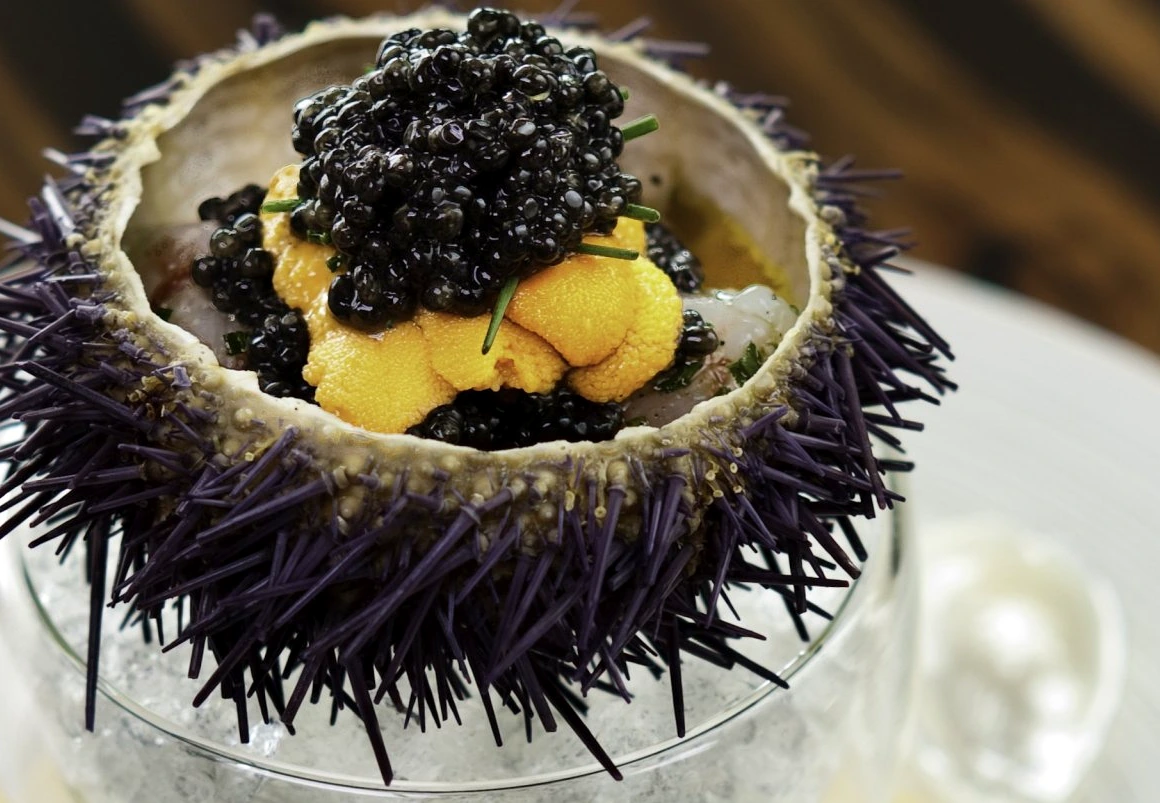
Crowning the culinary bounty of the Barents Sea is pristine cold-water seafood hauled straight off fishing boats docking in Teriberka. Black-spined sea urchins harvested from icy depths yield vibrant orange roe bursting with sweet, briny minerality and a buttery richness best savored raw right at the harbor with a squeeze of lemon or a fresh quail egg. Arctic scallops feature firm, snow-white adductor muscles offering a clean, delicate sweetness unmatched by tropical varieties. Equally legendary are Atlantic cod (Gadus morhua) and Greenland halibut, prized catches that powered thriving medieval trade between Russia and Scandinavia. Grilled over glowing embers until crisp outside yet flaky, steaming, and tender within, Arctic cod is traditionally served with dill butter sauce or rich, velvety smetana sour cream.
Balancing the clean sweetness of the ocean are the robust, earthy flavors of the wild tundra. Foremost among terrestrial delicacies is reindeer venison, the staple livelihood that sustained northern peoples across harsh ice ages. The boldest and most authentic culinary ritual is stroganina, born from nomadic Sámi traditions. Freshly harvested reindeer meat or liver is flash-frozen naturally in sub-zero gales until rock-hard, then shaved with a razor-sharp knife into paper-thin, curling ribbons. Diners pick up the frost-rimmed shavings and dip them lightly into coarsely ground salt and cracked black pepper, letting the warmth of the palate melt each slice and release a clean, deeply savory, subtly sweet wild flavor without a trace of gaminess. For those seeking hearty comfort, reindeer stew slow-simmered in a cast-iron pot with wild forest mushrooms, baby potatoes, and fragrant tundra herbs delivers deep warmth after hours spent aurora-hunting in the freezing night.
Providing the bright finishing note that brings Arctic cuisine into perfect harmony are wild berries that push boldly through melting summer snows. Most treasured of all is the cloudberry (revered in Russia as moroshka), the “amber gold of the marshes,” glowing warm orange and packed with far more vitamin C than citrus fruits. The tart, honeyed, subtly astringent notes of cloudberries and lingonberries are reduced into glossy sauces for game meats or simmered into preserves spooned over piping-hot blini pancakes. Concluding a northern feast with a steaming cup of herbal Ivan-chai steeped with dried berries and carrying a hint of birchwood smoke, travelers truly feel the generous hospitality and indomitable vitality of life at the top of the world.

Venturing into the icy frontier of Murmansk to witness the celestial dance of the Aurora Borealis requires careful preparation worthy of a true polar expedition. Air links connecting the outside world to Russia’s Arctic capital converge at Murmansk International Airport (MMK), located in the town of Murmashi about thirty kilometers south of the city center. Direct flights from major hubs such as Moscow (via Sheremetyevo or Domodedovo) or from St. Petersburg (via Pulkovo Airport) take roughly two and a half hours, whisking passengers swiftly north across the 66th parallel. For travelers drawn to the nostalgic romance of overland Russian rail journeys, the famed Arktika express train departs Moscow’s Leningradsky Station, traversing more than 1,500 kilometers of endless taiga forest and frozen marshland on an enchanting thirty-five-hour voyage.
From central Murmansk, the 130-kilometer overland journey to the coastal village of Teriberka on the edge of the Arctic Ocean presents an altogether different level of challenge. Regional Highway 47K-050 cuts straight across a barren tundra plateau where neither trees nor shrubs can withstand the fury of polar gales. Navigating meter-deep snowdrifts and treacherous black ice demands high-clearance four-wheel-drive (4WD) vehicles equipped with studded winter tires and auxiliary heaters. Sudden Arctic blizzards—known locally as purga or howling buran storms—can descend within thirty minutes, reducing visibility to zero whiteout conditions and prompting emergency authorities to close the road for days at a time. Building a flexible itinerary with at least a one- to two-day weather buffer in the Arctic is therefore the golden rule of every seasoned traveler.
Confronting temperatures routinely ranging from minus fifteen to minus thirty degrees Celsius combined with damp coastal winds, survival and comfort depend on mastering the classic three-layer polar dressing system. The base layer worn directly against the skin must be 100% Merino wool or high-performance synthetic thermal wear engineered to wick moisture away immediately so sweat never freezes on the body. The insulating mid-layer pairs a thick fleece pullover with a high-fill-power goose down jacket. The outer shell calls for an expedition-grade parka crafted from windproof, waterproof breathable membrane fabric, complete with a faux-fur-trimmed storm hood to shield the face from biting gales. Feet require thick wool socks inside extreme-cold-rated snow boots with insulated rubber soles, paired with dual-layer thermal gloves and disposable chemical hand warmers—essential both for preventing frostbite and keeping camera batteries warm, as lithium cells drain rapidly in sub-zero cold.
No Arctic pilgrimage is truly complete without experiencing the living heritage of the indigenous Sámi people in the Lovozero Valley. Inside a warm, hide-covered chum tent beside an open fire, visitors are welcomed with bowls of creamy salmon soup (lohikeitto) fragrant with fresh dill and pine-smoked reindeer meat before setting out across crisp snowfields on sleds pulled by energetic Siberian Huskies or Arctic reindeer. Costs for Arctic whale-watching excursions, specialized 4WD overland transfers, and guided aurora chases led by geomagnetic specialists vary depending on group size and weather conditions. To experience the unforgettable contrast between imperial urban splendor and untamed polar wilderness, travelers can seamlessly combine this Arctic adventure with our all-inclusive Russia Moscow – St. Petersburg tour packages for seamless logistics and complete peace of mind across every kilometer of the Land of the White Birch.