Hundreds of millions of years before human footprints were pressed into the sands at the southern tip of the African continent, the massive sandstone monolith of Table Mountain stood sentinel where the rolling swells of the Atlantic and Indian Oceans converge. According to in-depth geological studies, the foundation of this flat-topped wonder was formed roughly 450 to 500 million years ago during the Paleozoic Ordovician period, making it one of the oldest exposed landforms on Earth still standing today. In the primordial worldview of the indigenous Khoisan hunter-gatherers—the earliest inhabitants of southern Africa—this imposing rock massif was revered as Hoerikwaggo, a sacred name meaning “Mountain Rising from the Sea.” To the Khoi people, Hoerikwaggo was far more than a towering physical landmark; it was the dwelling place of spirits and a natural compass sheltering nomadic bands through cycles of drought and fierce storms battering the Cape.
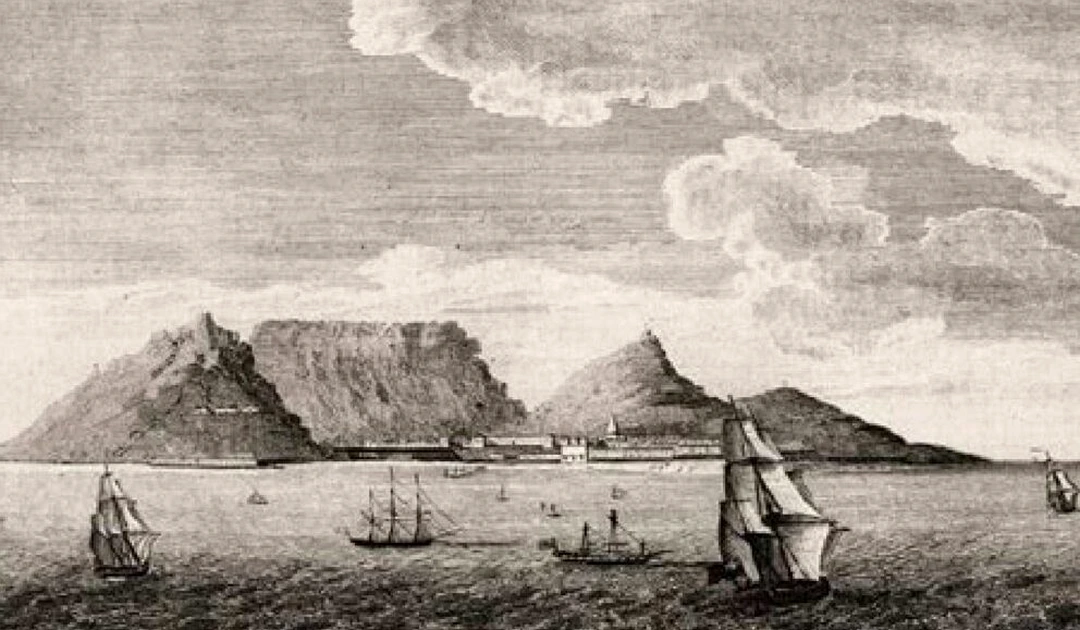
The wheels of history took a dramatic new turn at the dawn of the sixteenth century, when European ocean-going fleets embarked on grand voyages to find a maritime route to the fabled East. In the spring of 1503, Portuguese explorer and nobleman António de Saldanha led a flotilla that dropped anchor in the untamed bay below the mountain. As the first European to ascend the sheer rock face, Saldanha was struck by the uncanny stone plateau stretching wide and flat as if sculpted by the hands of giant deities. He named this majestic feature Taboa do Cabo—Portuguese for “Table of the Cape”—the origin of the world-famous name Table Mountain. Even so, the Portuguese regarded the site merely as a temporary navigational landmark and established no permanent settlements due to rugged terrain and clashes with local inhabitants.
It was not until the mid-seventeenth century that the fate of the land beneath Table Mountain underwent a profound structural transformation. On April 6, 1652, Captain Jan van Riebeeck—representing the famed Dutch East India Company (VOC)—brought three ships into Table Bay. Van Riebeeck’s mission was to build a fortified resupply station providing fresh water from mountain-fissure streams, along with fresh greens and meat, for merchant fleets on the long voyage between Amsterdam and Batavia. This event not only made the foot of Table Mountain the cradle of modern Cape Town, but also turned the area into the focal point of large-scale colonial expansion that permanently reshaped the demographic, cultural, and social fabric of southern Africa over subsequent centuries.
Entering the early twentieth century, as Cape Town flourished into a bustling port city rich in colonial architecture, the ambition to make ancient Hoerikwaggo easily and safely accessible to the public inspired gifted engineers of the era to turn vision into engineering reality. Construction of the Table Mountain Aerial Cableway officially began in 1926 under the close supervision of Norwegian engineer Trygve Stromsoe. After nearly three years of hauling tons of steel and cable up steep, treacherous cliffs, Cape Town’s mayor at the time, Sir A.J. MacCallum, formally inaugurated the first cableway on October 4, 1929, opening a new chapter for South Africa travel. Following decades of upgrades to meet growing global visitor numbers, the Rotair cableway system—featuring one of the world’s most advanced 360-degree rotating cabin mechanisms—entered service in 1997, marking a milestone in modern engineering that glides travelers effortlessly through drifting clouds to reach a summit hundreds of millions of years old.
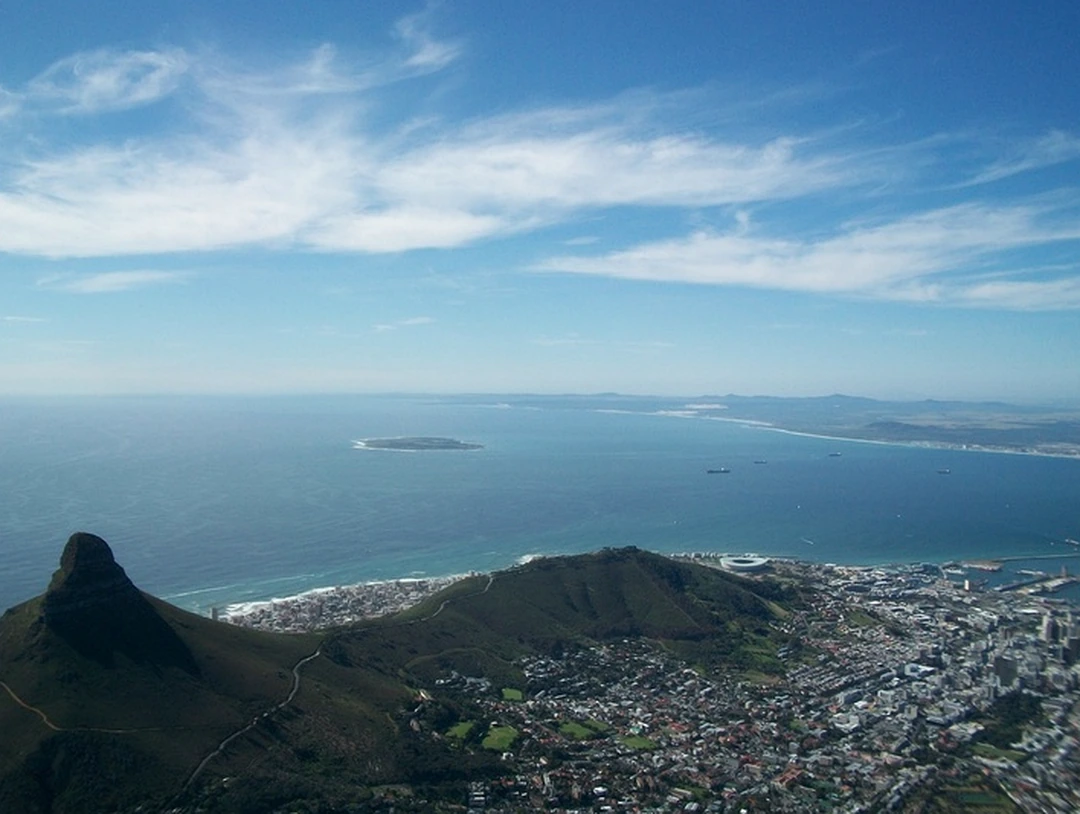
Anchoring the northernmost edge of the ancient Cape Fold Belt, Table Mountain stands like a colossal sandstone screen, commanding the southern tip of the African continent with unmistakable presence. From a geographic and natural-geomantic perspective, its setting forms a balanced composition: its front faces the deep blue waters of Table Bay, while its flanks are framed by two iconic geological companions—Devil’s Peak standing guard to the east and Lion’s Head rising majestically to the west. Between these two ancient mountain bookends, the summit stretches nearly three kilometers into a remarkably level sandstone plain, resembling a monumental table shaped with precision by nature and standing firm as a timeless bulwark above bustling Cape Town below.
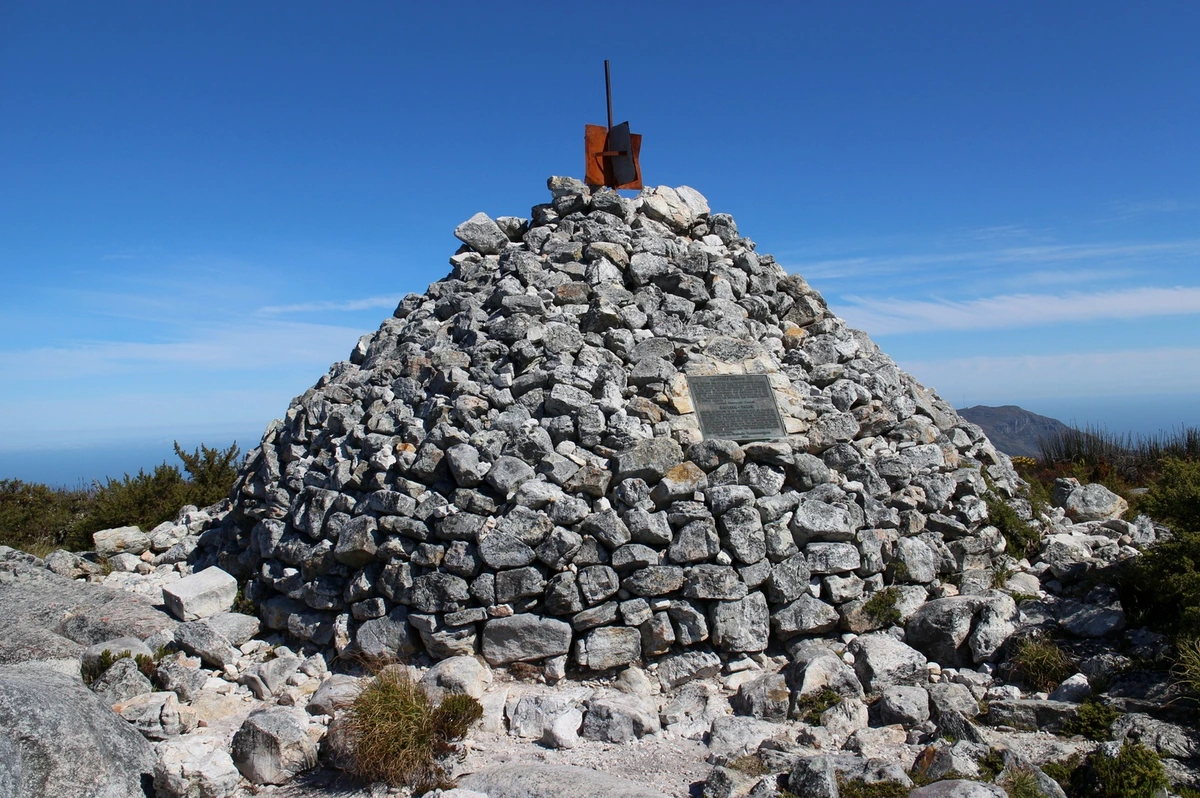
Built from layers of quartzitic sandstone deposited over hundreds of millions of years atop a Cape granite basement, Table Mountain’s topography is a natural surveying marvel with near-vertical cliffs rising almost ninety degrees from sea level. The highest point of the entire massif reaches 1,086 meters, marked by a stone cairn known as Maclear’s Beacon on the eastern side of the summit plateau. Carefully erected in 1865 by Royal Astronomer Thomas Maclear, this conical rock beacon served as a vital geodetic benchmark during a meridian arc survey to verify and refine calculations of the Earth’s curvature in the Southern Hemisphere. Today, Maclear’s Beacon is not only a prized destination for hikers, but also a historic testament to academic geodesy set against windswept wilderness.
Beyond its extraordinary geology, the summit plateau is a vibrant heartland of the Cape Floristic Kingdom, an ecological region inscribed as a UNESCO World Natural Heritage Site. Despite thin sandy soils and sweeping ocean gales, the mountaintop sustains more than 1,470 indigenous higher plant species—an astonishing biodiversity density that surpasses many lush tropical rainforests worldwide. Characteristic fynbos vegetation blankets the rocky slopes, where heaths, restios, and proteas thrive in an evolutionary cycle intertwined with fire and ocean mist, weaving a dense, poetic tapestry of rugged color.
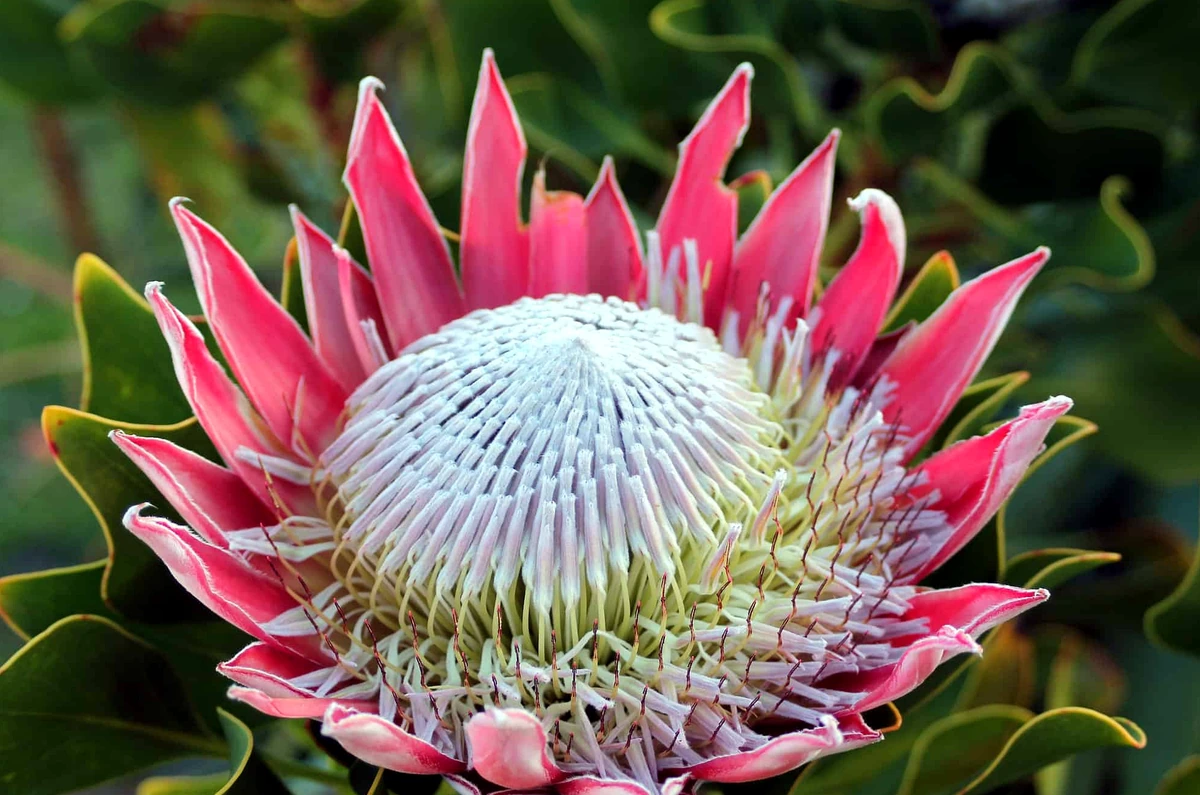
Standing proud among this celebrated flora is the King Protea, scientifically known as Protea cynaroides, honored as South Africa’s national flower. With broad pink-and-silver-tinged bracts framing a grand spherical flower head like a royal crown, the King Protea roots firmly in sandstone crevices, becoming an enduring emblem of resilience and renewal in Cape Town’s nature. When soft white clouds spill across the cliff edge to form the fabled tablecloth, morning dew beading on each Protea petal creates a scene of quiet grandeur—at once mystical and radiant—capturing the soul of a singular natural wonder between South Africa’s earth and sky.
Viewing Table Mountain from the Cape Town valley, specialists in architecture and structural mechanics are struck by the Rotair cableway system—a civil engineering feat spanning sheer sandstone cliffs hundreds of millions of years old. Engineered to bridge an elevation gain of nearly eight hundred meters from the base station on Tafelberg Road up to the windswept rim of the flat summit, the system balances mechanical precision with environmentally sensitive design. Operating without intermediate support towers along its span, the cable forms a single soaring line across the chasm, keeping sightlines unobstructed for visitors while leaving endemic fynbos clinging to the rock crevices below completely undisturbed.
At the technical heart of its global reputation are a dual-haul cable configuration and flattened spherical cabins with a mechanically rotating floor on a central axis. Each spacious Rotair cabin holds up to sixty-five passengers and is crafted from lightweight aluminum alloy paired with curved tempered glass around its full circumference. Traveling along the route of more than twelve hundred meters, the cabin floor rotates smoothly a full three hundred and sixty degrees over a ride of roughly four to five minutes. This concentric motion lets every passenger, regardless of where they stand, take in a shifting multi-angle panorama—from the lively cityscape of Table Bay and the blue Atlantic Ocean coastline to the imposing Graafwater sandstone walls girding the mountain flanks.
Craftsmanship and spatial restraint are equally clear in the lower and upper cableway stations. Both buildings set aside flamboyant massing in favor of a minimalist modern architectural language, making full use of high-load reinforced concrete, salt-corrosion-resistant galvanized steel framing, and anti-glare tempered glass. The summit station is carefully shaped and anchored deep into solid Ordovician sandstone bedrock, using locally quarried stone to clad its exterior so the structure blends naturally into the primordial rock folds. Minimizing visual impact ensures that human-made construction does not interrupt the iconic flat horizon of the mountain.
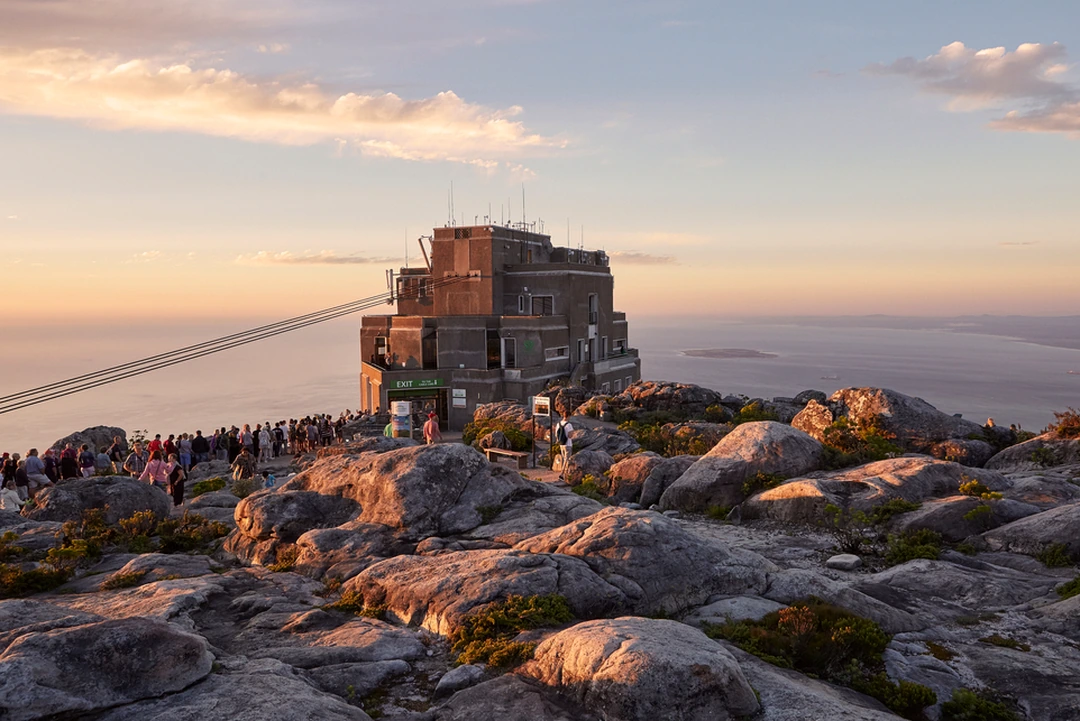
Beyond aesthetics, the Rotair system’s mechanical standards are a strong answer to the demanding climate of the Cape Peninsula, which regularly experiences strong southeasterly gusts known locally as the “Cape Doctor.” Equipped with multi-stage hydraulic emergency brakes along with digital accelerometers and anemometers mounted directly on the hanger assembly, the system continuously compensates for aerodynamic oscillations and distributes cable tension in real time. Thanks to smart counterweight balancing and lateral vibration damping, the line maintains steady stability and operates safely even when wind gusts reach thirty-five kilometers per hour alongside dense mist rolling over the rim. This harmony between mechanical accuracy and sweeping scenery makes the ascent to Table Mountain’s summit an extraordinary visual and technical experience.
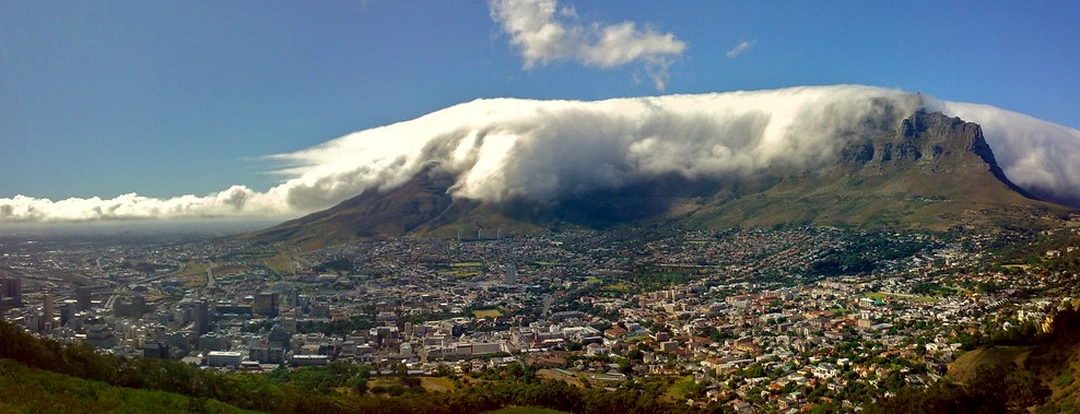
As daylight fades over Africa’s western shore, Table Mountain needs no artificial stage director to craft a grand natural spectacle. Its famous white cloud blanket—known as the Tablecloth—slowly spills over the level sandstone edge, cascading like a giant waterfall into the valley yet dissolving before touching the ground. According to handed-down Cape Dutch folklore, this eerie drifting cloud began with an endless pipe-smoking contest between retired pirate Jan van Hunks and a mysterious stranger who proved to be the Devil himself on the slopes of Devil’s Peak. From an atmospheric science standpoint, it forms when moisture-laden air carried by southeasterly trade winds sweeps across False Bay, rises up the sheer cliff face, and condenses into a buoyant layer of white cloud blanketing the nearly three-kilometer stone tabletop on an unforgettable scale.
The transition from day to night on the flat-topped summit reaches a visual peak during Sunset Specials, held annually from November through February when the Southern Hemisphere enjoys its longest, clearest evenings. As bright daylight narrows into a band of amber, fiery orange, and deep violet across the Atlantic horizon, the entire rock plateau feels like an open observatory amid the clouds. From the open terrace of the Table Mountain Café or cliffside viewpoints, visitors can listen to wind whistling through hundred-million-year-old fissures while sipping chilled Cap Classique sparkling wine and enjoying savory strips of local biltong. Below the mountain, Cape Town’s nightlife stirs: urban lights curving from Table Bay around the Twelve Apostles range gradually sparkle like a human-made galaxy beneath the vast southern night sky.
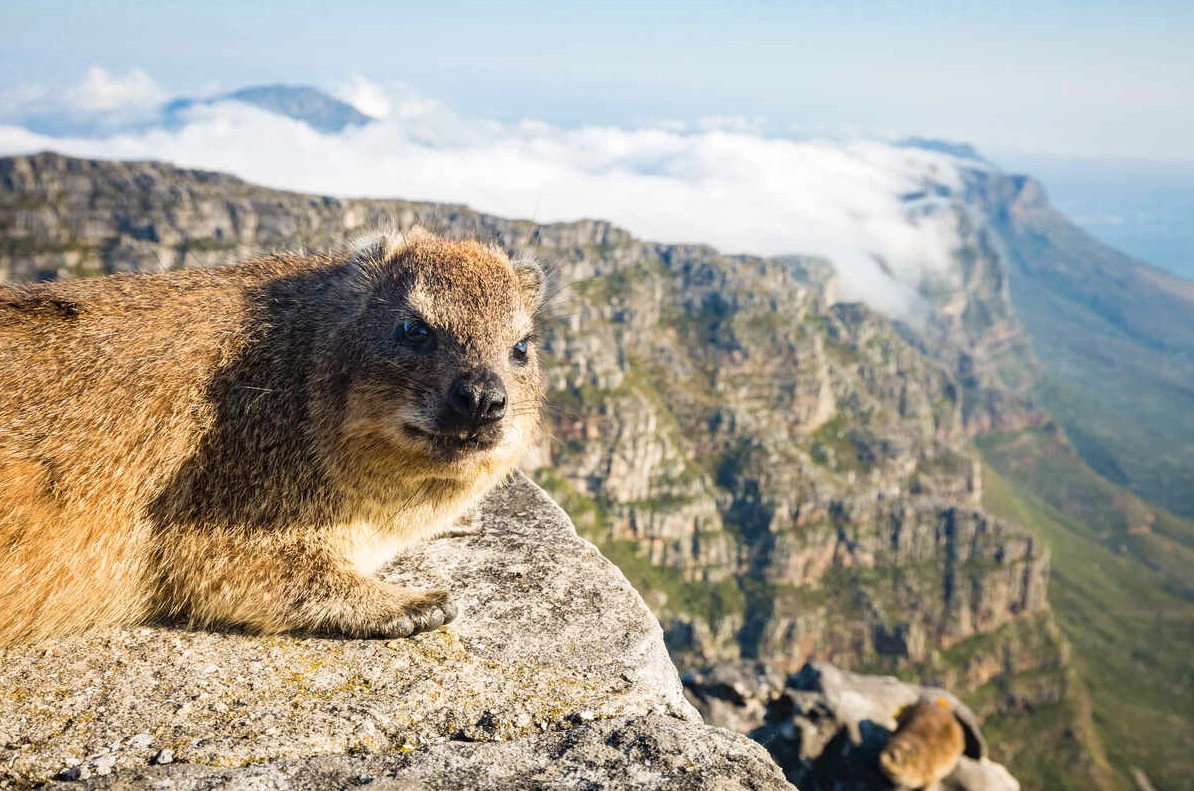
Nighttime lighting around the summit cableway station avoids flashy display and strictly follows the national park’s ecological conservation ethos. Warm-spectrum LED fixtures are tucked discreetly into rock crevices and guardrails and aimed downward at the walkway to minimize skyglow and preserve the natural darkness of a World Heritage site. This gentle amber light—tuned to careful wavelengths—is a thoughtful measure designed to respect the circadian rhythm of the Cape rock hyrax, or dassie, a charming native mammal that looks superficially like a rodent yet shares its closest evolutionary and genetic lineage with the African elephant. After dark, the soft glow neither startles dassies sheltering in rocky nooks after a day of sunning nor distracts from raw sandstone textures, turning the summit into a quiet sculpture garden in shadow where contemporary lighting design meets the untamed spirit of the Cape.
Dining on Table Mountain’s sandstone plateau is more than a culinary treat amid drifting mist; it is a quiet historical tapestry reflecting remarkable encounters between human civilizations. Positioned where two oceans meet, the soul of Cape Town’s cuisine is deeply infused with Cape Malay heritage—a distinct food tradition crystallized in the seventeenth century. At that time, the Dutch East India Company brought artisans, political exiles, and migrants from the Indonesian archipelago, Malaya, and Madagascar to the Cape. Stepping into a mountaintop dining space, guests quickly notice how straightforward European cooking methods are enlivened by Eastern spices and aromatics, creating layered flavors that feel both time-honored and richly vibrant.
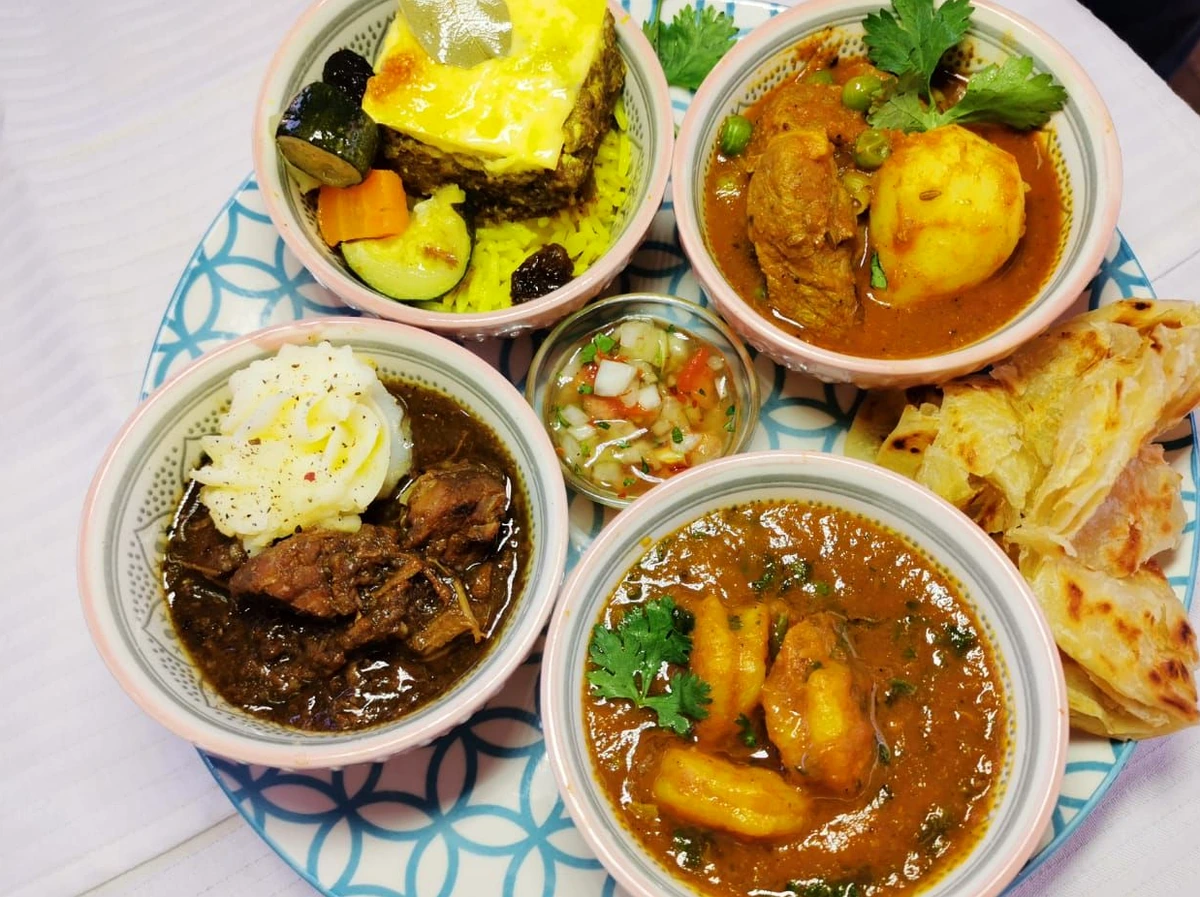
The unmistakable centerpiece of traditional menus here is Bobotie, a signature dish carrying the living memory of migrant communities. Prime minced lamb or beef is seasoned generously with golden curry powder, fresh turmeric, ginger, crushed slivered almonds, and the sweet-tangy brightness of traditional apricot chutney. The culinary finish lies in a smooth egg-and-milk custard topping baked gently over moderate heat until it sets into a glossy golden crust studded with fragrant bay leaves. When sliced open, the rich custard yields into warm, clove-scented spiced meat. Traditionally, Bobotie is served alongside geelrys—long-grain rice cooked with golden turmeric, butter, and sweet raisins warmed by the African sun.
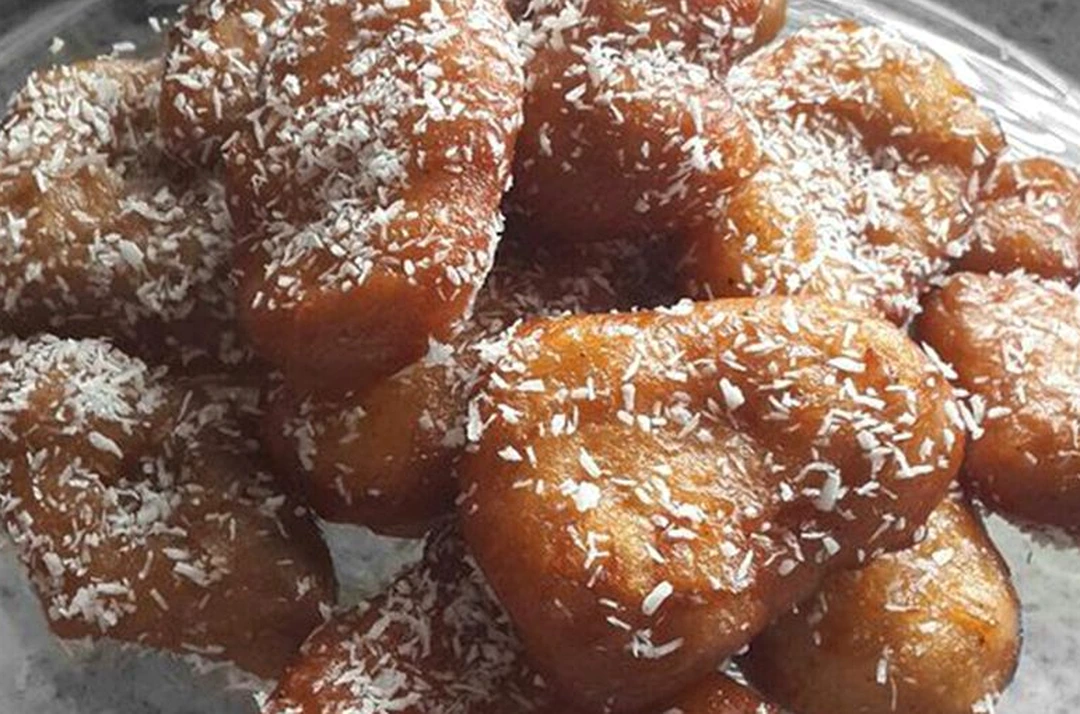
In lovely contrast to savory warmth comes the sweet charm of Koesisters, a pastry staple woven into family life for generations. Quite distinct from the crispy braided Koeksister of Afrikaner tradition, a classic Cape Malay Koesister is a soft, tender spiced bun kneaded with cinnamon, aniseed, ground ginger, and dried naartjie (tangerine) peel. After frying to a golden hue in hot oil, the buns are simmered gently in warm caramel sugar syrup so sweetness permeates the crumb, then rolled in snowy desiccated coconut. Biting into a warm pastry in brisk mountain breeze—with melted sweetness, a hint of spice, and nutty coconut—takes the chill right off after an ascent to the top.
A culinary map of the sacred peak would be incomplete without the ocean bounty nourished by the cold Benguela Current sweeping north from Antarctica along southwestern Africa. These nutrient-rich waters yield firm, snow-white hake, tender garlic-butter grilled calamari, and flavorful snoek, all harvested under strict ecological sustainability standards. To round out the meal, a crisp Sauvignon Blanc or refined red from the Constantia Valley—a renowned wine region dating back to the seventeenth century under Governor Simon van der Stel—provides an ideal pairing. Sipping wine with tropical fruit notes and subtle oak while watching sunset crimson settle over Table Bay captures the open-hearted flavor and cultural depth gathered atop this landmark.
For a smooth journey to South Africa’s ancient sandstone wonder, planning your approach to the base requires thoughtful preparation around transport and timing. The lower cableway station sits along winding Tafelberg Road, roughly a fifteen-minute drive from central Cape Town. Visitors can use the modern, reliable MyCiTi public bus network—specifically routes 106 or 107 from the Civic Centre hub to Kloof Nek. From there, a dedicated free MyCiTi shuttle climbs the steep slope right to the entrance of the Lower Cable Station, solving parking shortages during peak travel seasons.
One of the most helpful travel tips passed among seasoned visitors is booking e-tickets in advance through the official Webticket platform. Holding a digital ticket on your phone lets you head straight to the priority entry lane, saving one to two hours of standing in line under the bright southwestern African sun. Fares for the 360-degree revolving cableway are often tiered by time of day: morning tickets from opening until noon cost slightly more, while afternoon tickets from 1:00 PM onward are a touch lower and coincide with golden-hour views as sunset colors Table Bay. The cableway typically opens around 8:00 AM or 8:30 AM, with the final descent adjusted seasonally to follow the Southern Hemisphere’s daylight hours.
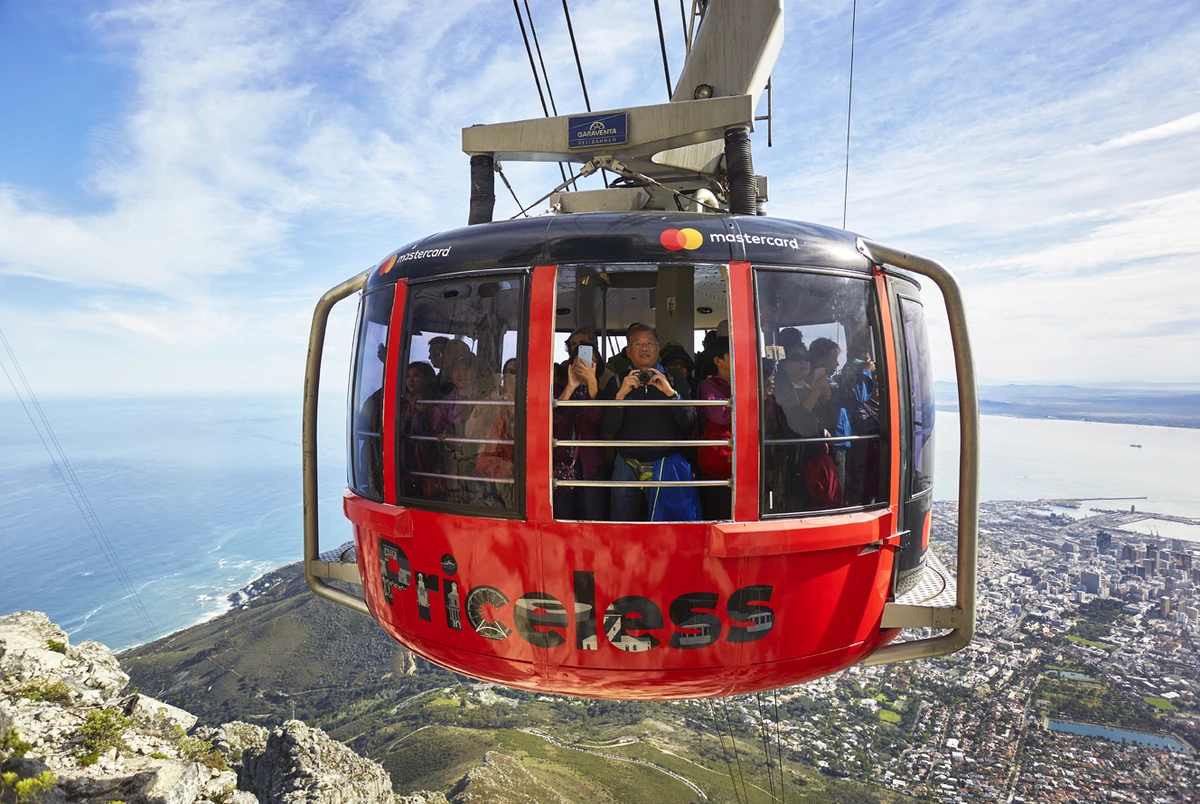
The single factor that most often makes or breaks a visit is the changeable weather where two ocean currents meet. Before leaving your hotel, downloading and checking the TMAC mobile app from the cableway management is essential. It provides minute-by-minute safety updates, gust speeds, and operational holds for the Rotair cabins when strong southeasterly winds roar through the gorge. Even when Table Bay below is sunny and clear, the Tablecloth cloud layer can roll in over the summit within tens of minutes. Damp cloud cover brings a sharp temperature drop, leaving the rock plateau 5 to 8 degrees Celsius cooler than downtown. Packing a waterproof hooded windbreaker, a neck scarf, and high-traction hiking shoes is vital against brisk, penetrating gusts.
As you stroll the stone paths taking in views of the peninsula from over a thousand meters up, you will frequently spot rock hyraxes—known locally as dassies—basking round and plump on sandstone ledges. Despite their gentle, bold demeanor and rodent-like appearance, these fascinating creatures are the closest living genetic relatives of the African elephant. A strict ecological rule in Table Mountain National Park is never to feed human food to dassies; well-meant snacks disrupt their natural digestive system and wild foraging habits. Everyone should uphold Leave No Trace principles—never picking rare fynbos plants or leaving cigarette butts or litter—to protect the centuries-old wildness of this World Natural Heritage site.
Keeping these transport and weather tips in mind will turn your visit to South Africa’s ancient stone landmark into a memorable, safe adventure. Travelers dreaming of standing among drifting summit clouds and hearing the vast ocean below may consider joining a South Africa nature and wildlife tour package for smooth logistics, local insight, and some of the continent’s most unforgettable views.