Throughout human history, few waterways have carried the weight of mythological memory and dynastic power quite like the stretch of the Nile linking Luxor and Aswan. The ancient Egyptians did not view the river merely as a geographical feature, but reverently called its waters the living manifestation of Hapi—the androgynous deity governing the annual flood, symbol of fertility and eternal rebirth. Thousands of years ago, when upstream floods carried rich black silt to nourish the arid banks of the Sahara and form the fertile land of Kemet, this waterway of more than two hundred kilometers became the supreme artery of transport, connecting the political and religious heartland of the north with the resource-rich frontier of the south.
The starting point of the journey is Luxor, once praised in antiquity as Waset—meaning “City of the Scepter”—before the Greeks knew it by the illustrious name Thebes. Across the New Kingdom era, spanning the 18th to the 20th Dynasties, Thebes rose to become the most dazzling capital of the ancient world. It was the sacred sanctuary of Amun-Ra, where towering rulers such as Queen Hatshepsut, the warrior pharaoh Thutmose III, and Ramesses the Great mobilized tens of thousands of workers and skilled artisans to raise the temple complexes of Karnak and Luxor on the east bank, alongside eternal tombs hidden deep within the limestone valleys of the west bank. In those days, the river not only bore splendid ceremonial barges during the annual Opet Festival, but also served as the route for royal flotillas projecting supreme authority up and down the land of Egypt.
As sails glide along the current heading south, the scenery along both banks gradually unfolds chapters of rise and fall across succeeding dynasties. The final stop of the voyage is Aswan, once called Swenett in Ancient Egyptian, meaning “market” or “trade center.” Serving as a frontier outpost separating ancient Egypt from the mysterious kingdom of Nubia, Swenett was a bustling gateway of commerce where rare goods from wild Central Africa—such as ivory, ebony, ostrich feathers, incense, and animal hides—were gathered. Beyond trade, Aswan was famed for its vast pink granite quarries—prime stone that was quarried, dressed, and loaded onto massive barges to float north, forming soaring obelisks and statues carved with the immortal likenesses of kings.
This waterway is also a quiet witness to dramatic historical turning points as pharaonic civilization gradually waned and gave way to outside cultural waves. Under the Greek Ptolemaic dynasty, monumental riverside sanctuaries such as the Temple of Horus at Edfu and the double temple of Kom Ombo dedicated to Sobek and Haroeris were restored and rebuilt through a refined fusion of Hellenistic aesthetics and traditional Egyptian architectural canons. Continuing through the flow of time, the hooves of Augustus’s Roman legions, the bells of early Coptic Christian monasteries, and finally the wave of Arab Islamic civilization each left their mark on both shores. Through countless shifts of history, the fabled waterway between Luxor and Aswan has retained the proud bearing of an unmatched open-air museum on earth.
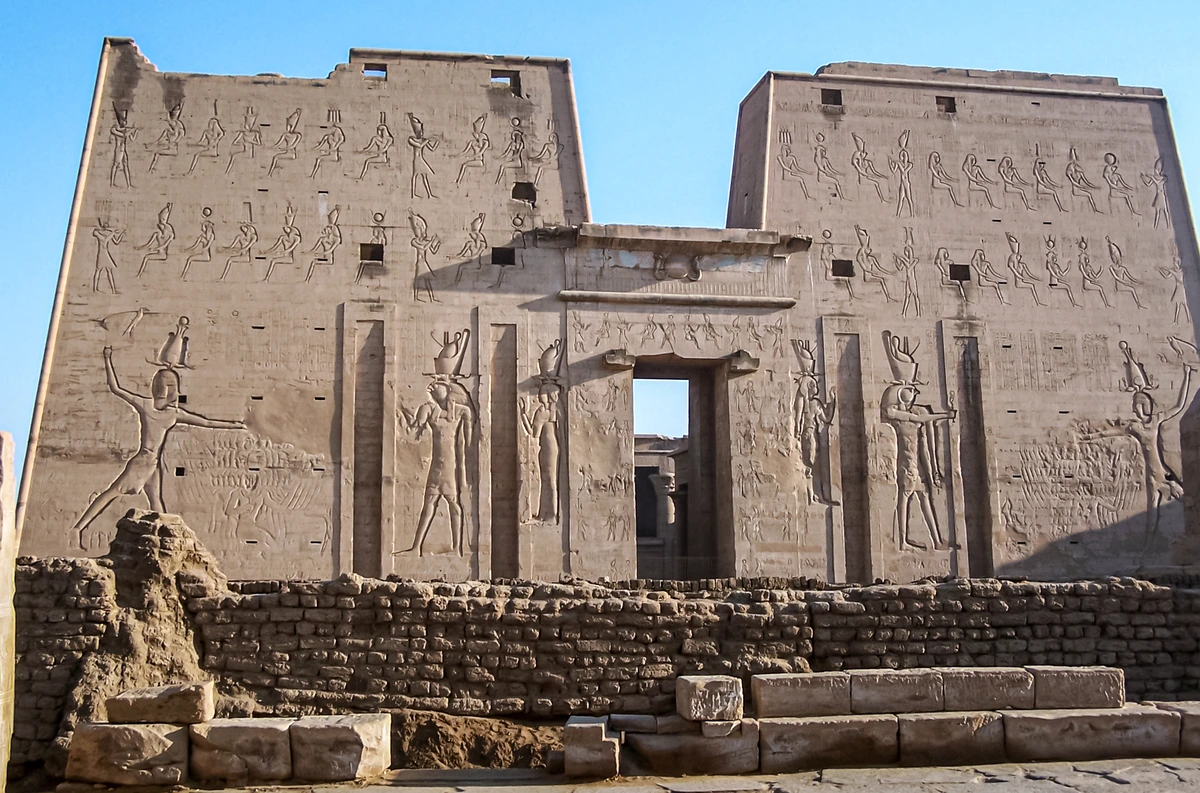
From the perspective of ancient geomancy and human geography, the more-than-two-hundred-kilometer stretch of river connecting Luxor and Aswan in Upper Egypt is more than a vital transport corridor—it is the purest expression of dualism in ancient Egyptian cosmology. The Nile divides the inhabited landscape into two parallel, opposing realities that nonetheless harmonize completely in the eternal cycle of the sun god Ra. The East Bank, where the sun rises out of nothingness, was planned as the thriving realm of the living and worship of the supreme deity Amun-Ra, anchored by the Karnak temple complex spanning over a hundred hectares and Luxor Temple gleaming with massive sandstone colonnades. Conversely, the West Bank, where dusk sinks behind the majestic Theban limestone cliffs, was dedicated wholly to the afterlife. The Necropolis lay tucked within arid rocky valleys where dozens of pharaonic tombs were cut deep into pale limestone mountains, drawing a clear boundary between bustling mortal life and serene eternity.
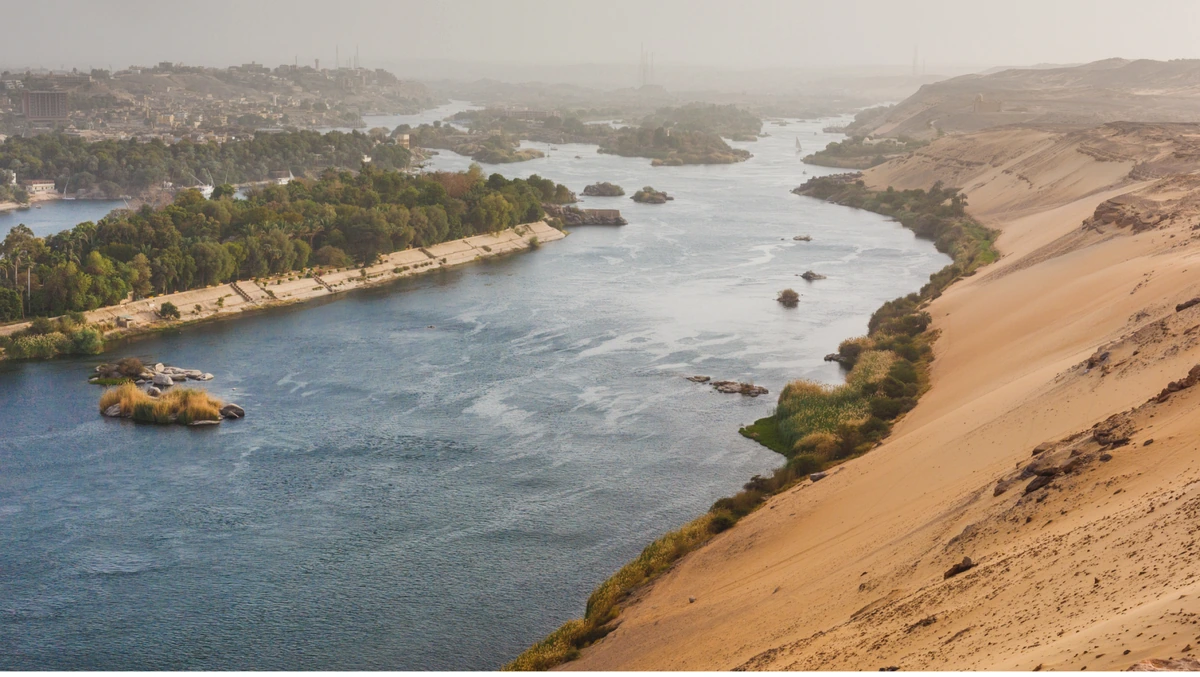
The topographical contrast along the route from Luxor to Aswan offers travelers a breathtaking visual tapestry in constant motion. The blue-green waters of the Nile stretch like a soft ribbon cleaving two vast deserts: the Arabian Desert to the east and the Libyan Desert to the west. Along both waterlines, river silt built up the narrow strip of deltaic land called Kemet by the ancients—meaning the fertile black land—in sharp contrast to Deshret, the endless arid red land of sand and stone. Vegetation here thrives remarkably, with tall date palms rising to shade barley fields, lush sugarcane plantations, and wild papyrus reeds. Climatically, the broad current creates a distinctive microclimate; continuous evaporation from the water surface combined with prevailing north winds blowing against the current tempers the stifling heat of the Sahara, bringing milder temperatures and rare balanced humidity to this narrow corridor.
The voyage is also marked by modern hydraulic engineering, exemplified by the transit through the Esna lock roughly fifty-five kilometers south of Luxor. Because of the natural gradient of the Nile valley and upstream-downstream water level differences reaching nearly ten meters between dry and flood seasons, the twin-chamber lock system at Esna barrage acts like a giant water elevator. Each vessel glides into a reinforced concrete lock chamber, massive gates weighing hundreds of tons seal shut, and automated hydraulic pressure balancing pumps water to raise or lower the floating hull to the opposite level in under forty-five minutes. It is a convergence of ancestral river management wisdom and modern mechanical engineering, opening a smooth passage for cruise ships into deeper waters toward Edfu, Kom Ombo, and culminating at Aswan’s pink granite highlands.
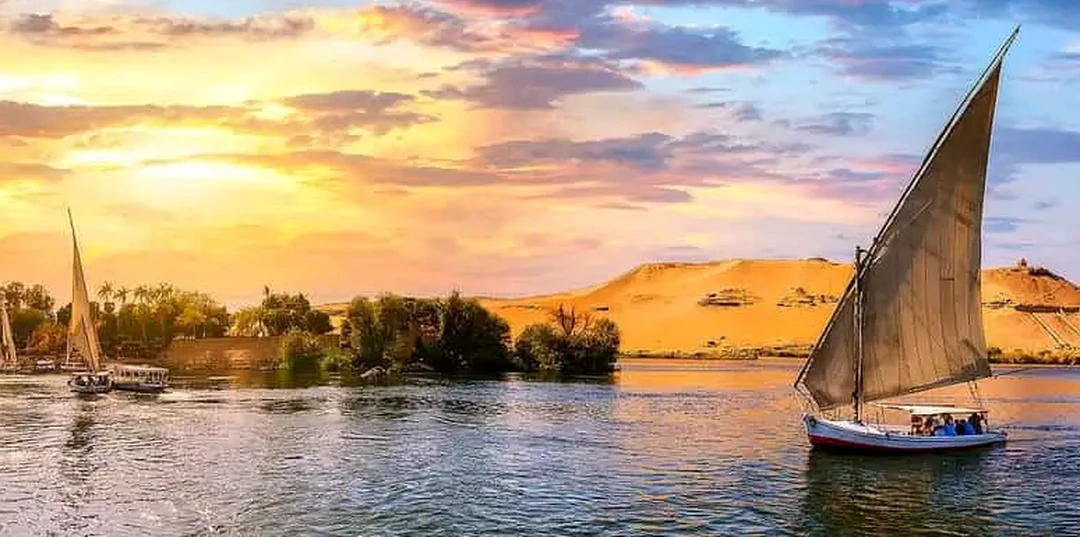
As boats sail south against the current, the riverbed narrows before reaching the first cataracts of the Nile at Aswan, where geology shifts abruptly from smooth limestone cliffs to jagged, desert-darkened Precambrian granite bedrock. Rounded granite islands jutting mid-stream like giant whale backs around Elephantine Island are accented by white egrets gliding through reeds and traditional triangular felucca sails tacking in the evening light. This dramatic meeting of river and stone not only formed a natural shield guarding the southern frontier of ancient pharaonic dynasties, but also preserves the primeval harmony of stone, sand, water, and sunlight forged over millions of years.
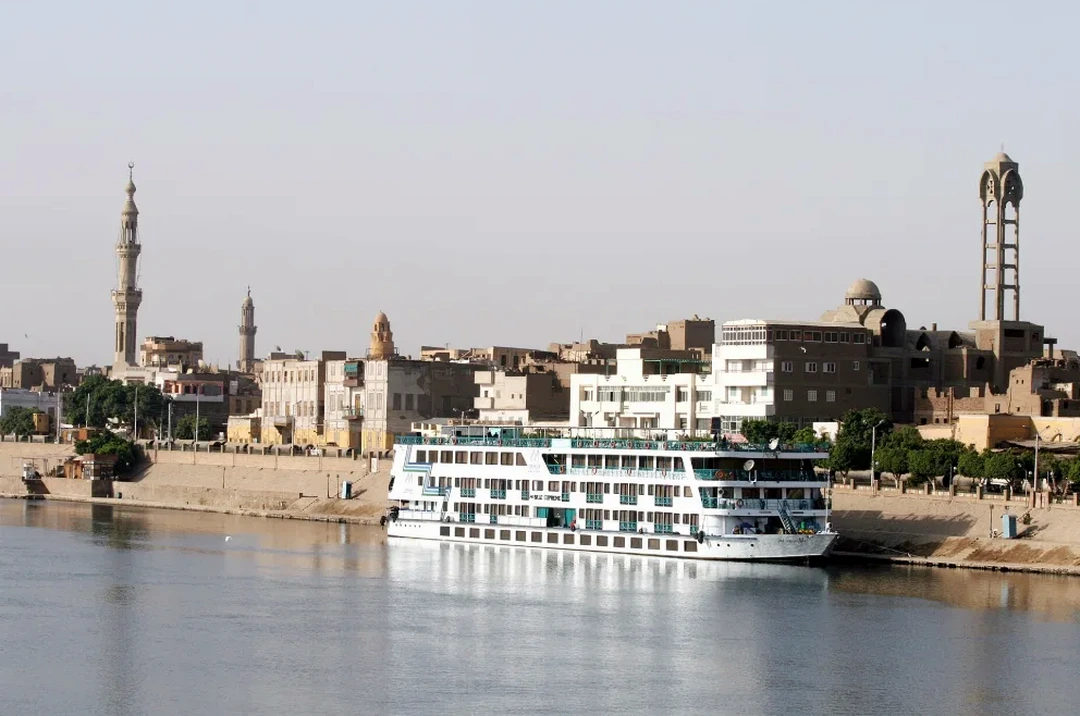
Gliding along the turquoise ribbon of the fabled river, each 5-star cruise ship between Luxor and Aswan resembles a refined architectural complex where contemporary marine engineering blends seamlessly with the spirit of sacred vessels from antiquity. Drawing inspiration from the millennia-old Khufu solar boats and the sacred Opet barge processions honoring Amun-Re during the New Kingdom, naval architects have revived that regal imagery in floating luxury hotels. Each vessel represents an investment of 15 to 20 million USD, demanding strict material selection and hundreds of thousands of hours of fine craftsmanship to create a self-contained sanctuary capable of taming harsh desert weather.
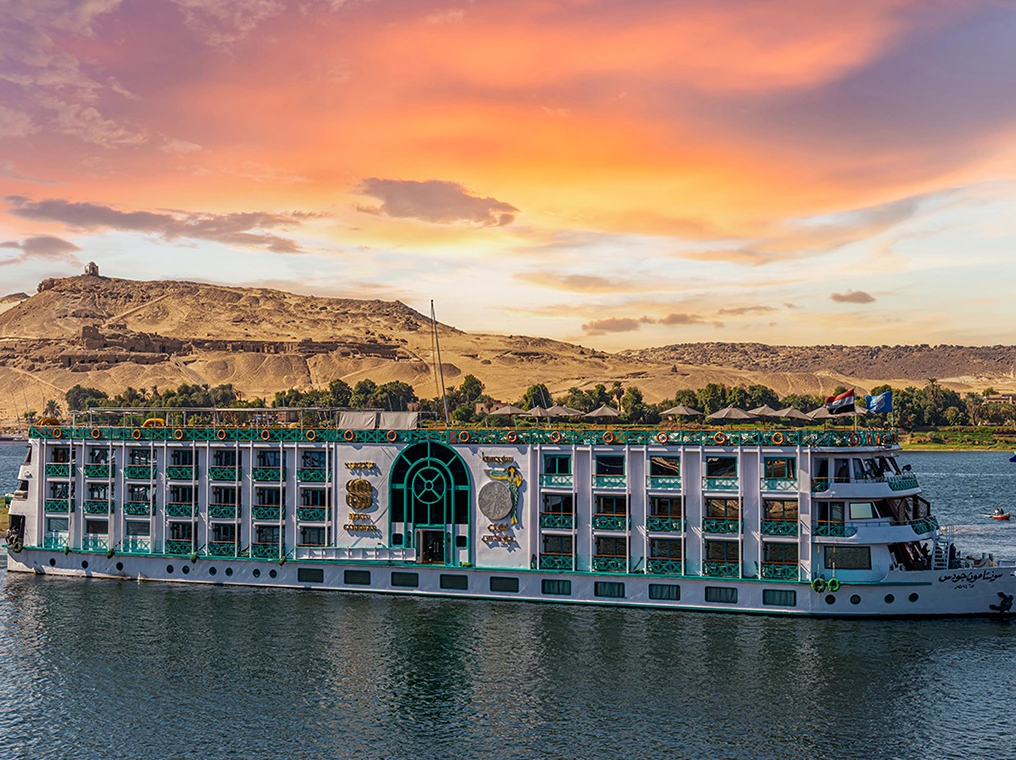
In practical dimensions, these resort vessels typically measure 60 to 75 meters in length and around 12 to 14 meters in beam. These proportions lend an imposing, dignified presence on the water while reflecting exact mechanical calculations so the ship can navigate tight river bends and pass cleanly through the historic Esna lock without interrupting the itinerary. At the core of their safety structure is reinforced double-steel hull construction, which virtually eliminates vibration from eco-diesel engines while providing a sturdy shield against submerged sediment shoals.
Inside that sturdy steel shell lies a regal world arranged flexibly across four to five functional decks housing 50 to 80 luxury suites. At the heart of the ship is a multi-story atrium and spacious reception lounge where natural marble floors reflect the brilliance of custom crystal chandeliers. Spatial design in every cabin frames sweeping views of the great river through floor-to-ceiling insulated, UV-protective glass. This high-grade multi-pane glazing acts as an invisible barrier keeping out dry heat from the Libyan and Arabian deserts, preserving a cool, calm indoor atmosphere so guests can comfortably watch green palm groves or limestone ridges turn amber at dusk.
Attention to design detail is equally evident in the selection and craftsmanship of interior materials. Fine natural hardwoods undergo marine kiln-drying and thermal treatment to retain resilience and resist warping despite steep day-to-night temperature swings in Upper Egypt. Dark oak and teak paneling pair harmoniously with gilded brass accents, inlaid with relief motifs inspired by lotus leaves, papyrus stalks, and the sacred falcon Horus. Crowning the relaxation layout is the open-air sun deck, where a mirror-calm freshwater pool reflects sky and clouds, framed by non-slip brushed teak decking and cabanas draped in lustrous long-staple Egyptian linen. Every structural detail and spatial layout aims to make each voyage from ancient Thebes to frontier Aswan a royal expedition celebrating Nile civilization through contemporary luxury.
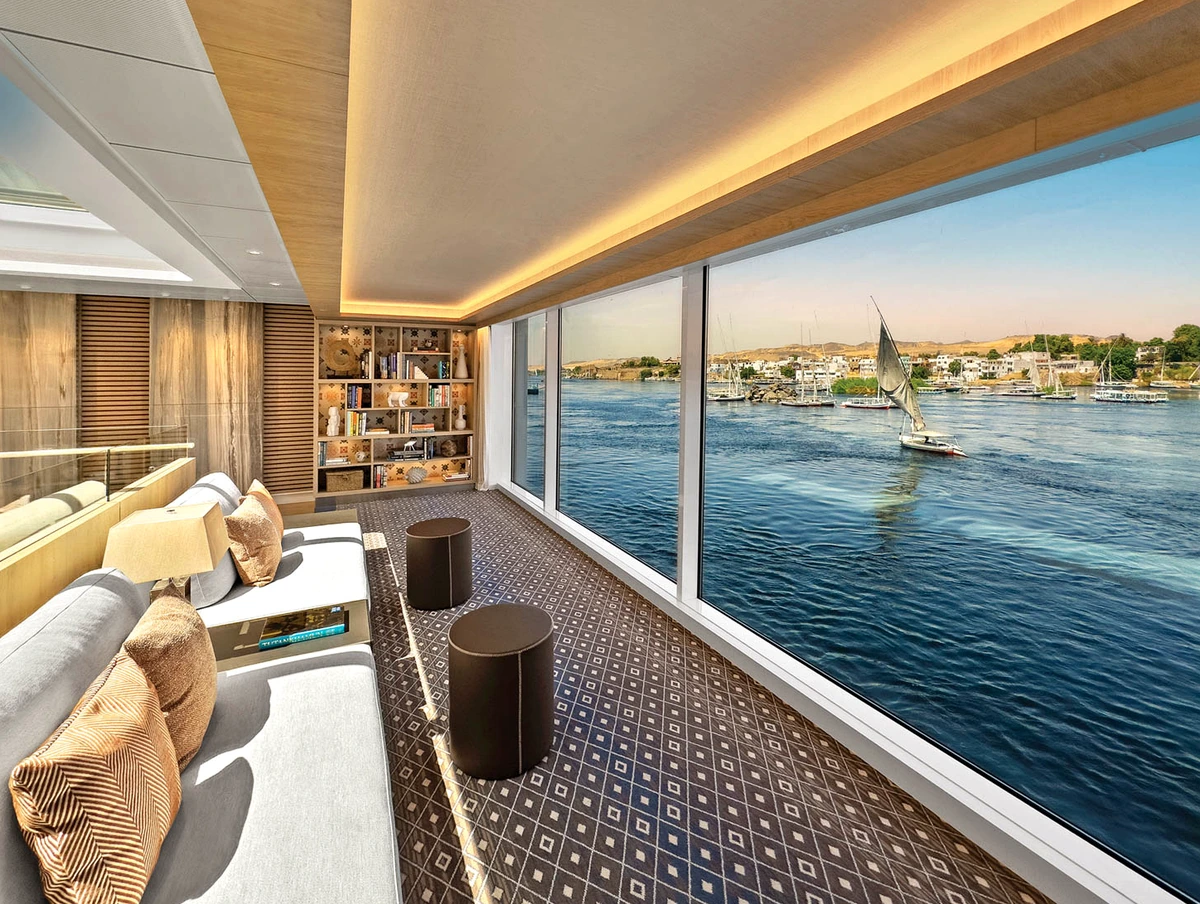
As amber twilight fades behind palm groves lining both banks of the Nile, the fabled waterway connecting Luxor and Aswan sheds its daytime calm and puts on the mystery of an Eastern night. Life aboard a five-star cruise goes beyond a standard leisure voyage, because each bend of the river after dark is staged like a living performance. Most memorable is dropping anchor at historic stops such as Edfu or Kom Ombo, where advanced 3D light projection brings pharaonic epics to life across millennia-old sandstone. Crisp beams sweep across towering stone columns, animating carved reliefs of the clash between Horus and Seth and turning ancient temples into luminous sculptures in the quiet night air.
Inside mahogany- and brass-lined salons, the pulse of Egyptian culture continues through the traditional dance of Tahtib. Originating in the Old Kingdom and depicted on tomb reliefs at Beni Hassan as a martial stick-fighting art of royal soldiers, Tahtib has evolved over millennia into a graceful yet spirited stick dance full of chivalric pride. Guided by seasoned dancers in traditional galabeya robes, the crisp clack of wooden staffs blends with the resonant beat of the tabl baladi drum and the lively call of the mizmar reed pipe. Every fluid, precise movement not only echoes combat stances of ancient Egyptian warriors, but also expresses the martial spirit, mutual respect, and pride of Upper Egyptian men.
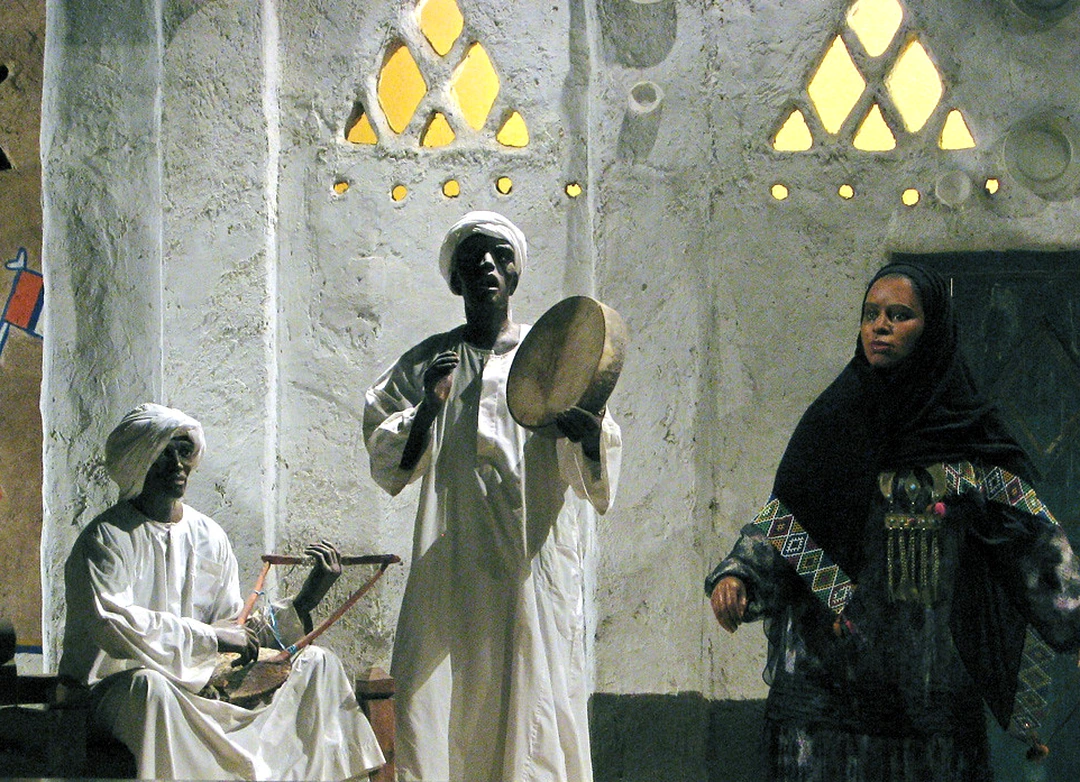
Sailing south toward historic Aswan opens a doorway into enchanting Nubian culture. Unlike the stately formality of Theban court music, Nubian music carries the warm, open-hearted spirit of peoples whose lives are tied to the Nile’s first cataract. Local musicians sing rising and falling melodies alongside the ancient oud and the rhythmic pulse of the duf frame drum, carrying listeners through timeless legends of love, the sacred river, and vast deserts. During evening gatherings, culinary touches weave in gracefully with a chilled glass of deep ruby karkadeh hibiscus tea offering a clean tang, alongside the rich aroma of fresh mint and cardamom rising from steaming glasses of shai bi nana.
The night’s crowning experience unfolds on the open sun deck as the ship glides smoothly through quiet desert gorges where light pollution is nearly zero. Beneath the velvet-black canopy of the Sahara sky, guests are introduced to ancient sky lore through dedicated optical astronomical instruments. Overhead, the Milky Way arcs clearly, where Orion—linked with Osiris—and the star Sirius (Sopdet) once served as celestial markers heralding the fertile flood cycle for the ancients. The blend of cool river breezes, primeval darkness, and millions of stars lends the journey a quiet contemplative depth, closing an evening amid one of humanity’s greatest civilizations.
As the vessel parts the water between Luxor and Aswan, the voyage not only opens a portal into the eternal world of kings, but also awakens the senses with a rich culinary map where Upper Egyptian cooking preserves a remarkable meeting between pharaonic banquets and age-old oasis fare. Dining aboard a five-star ship captures the ceremonial spirit of ancient feasts, turning each dinner on the water into a culinary exploration where grains, alluvial herbs, and highland meats come together in distinctive Middle Eastern craft.
The soul of Nile culinary heritage lives in vibrant green molokhia soup, a dish once revered as “food of kings.” According to tradition from the 10th-century Fatimid dynasty, Caliph al-Hakim bi-Amr Allah once restricted commoners from eating the greens because their nourishing, purifying qualities were deemed fit only for royalty. Fresh jute leaves harvested along deltaic banks are finely chopped with a curved makhruta blade and simmered slowly in cardamom-scented rabbit or chicken broth. The defining touch of molokhia is the tashsheh—sautéing minced garlic and ground coriander seed in sizzling ghee and pouring it into the bubbling pot with a dramatic sizzle and rich aroma, served over long-grain white rice ladled with savory broth.

Along both banks between Esna and Edfu, conical mudbrick dovecotes rise amid date palms—a living sign of famous hamam mahshi (stuffed pigeon). Since the Old Kingdom more than four thousand years ago, pigeon was a prized offering on the altars of Theban gods. Young pigeons are packed tightly with freekeh—immature green wheat that has been roasted and smoked—blended carefully with softened onions, cinnamon, nutmeg, and finely chopped giblets. After gentle poaching so flavors penetrate the meat, chefs grill them over glowing coals or fry them in clarified butter until the skin turns crisp mahogany, offering rich sweetness mingled with the earthy smoke of the river plain.
Feteer meshaltet is one of the world’s oldest layered pastries, depicted on New Kingdom noble tomb reliefs as feteer amir. Fine wheat dough is kneaded with care, stretched paper-thin like cicada wings, brushed generously with traditional samnah baladi butter, and folded dozens of times to create delicate flaky layers when baked in a vaulted brick oven. Torn warm, the pastry is crisp outside and rich and tender within, often enjoyed alongside thick black sugarcane molasses (asal eswed) and tangy aged mish cheese, reflecting the balanced, hearty food sensibility of Sa’idi farmers.

As the cruise reaches mysterious Nubia near the Aswan cataracts, the culinary palette brightens with desert herbs. Deep crimson karkadeh hibiscus blossoms, hand-picked in oases and sun-dried, are brewed into a refreshing tart iced tea—a classic thirst-quencher that once eased trans-Saharan camel caravans. Sprinkled over grilled meats are aromatic black cumin seeds (habbat al-barakah), long prized in classical Arab medicine as a cure-all spice.
Each late afternoon on deck, as sunset reddens the sandstone walls of Kom Ombo’s temples, the mint tea ritual of shai bil na’na is served as a hallmark of Nile hospitality. Fresh young garden mint is steeped with fine black tea and rock sugar, then poured from a raised silver teapot into small glasses with a practiced flourish to create a light foam. Sipping a fragrant hot glass while listening to water lap against the hull feels like holding the ancient, generous, and abundant soul of Nile civilization in one’s hands.
Cruises along the river of the gods typically follow two classic routes: sailing upstream from ancient Luxor to Aswan over 4 nights and 5 days, or downstream from Aswan back to Luxor over 3 nights and 4 days. This timing is calibrated around the schedule of the Esna lock—the water-regulating gate about fifty kilometers south of Luxor. To reach the departure point, travelers can take an roughly one-hour domestic flight from Cairo to Luxor International Airport or Aswan Airport, or opt for a nostalgic overnight sleeper train departing Ramses Station and traveling more than eight hundred kilometers along the fertile river valley. When docking at stops such as the falcon god Horus temple at Edfu or the double sanctuary of Sobek and Haroeris at Kom Ombo, passengers head ashore by traditional kalesh horse carriage or launch boat, stepping straight into a lively riverside rhythm thousands of years old.
A strict regulatory detail of upper-river cruising is that full passenger manifests and detailed itineraries must be submitted by the cruise operator for official clearance from Egypt’s Ministry of Tourism and Antiquities prior to departure. This process supports controlled, priority access to major archaeological sites on both banks as digital ticketing and security measures tighten. Reference pricing for a 5-star cruise varies depending on whether you choose a boutique vessel or a larger hotel ship, typically covering suite accommodation and three daily meals blending Mediterranean dishes with local staples such as savory molokhia and clay-oven aish baladi flatbread. Setting aside a small cash budget for baksheesh—a deeply rooted Middle Eastern tipping custom—is also helpful for thanking crew members, housekeeping staff, and felucca sailors around Elephantine Island.
Upper Egypt’s subtropical desert climate calls for thoughtful packing. During the day, when open-air temple sites can grow quite hot, breathable natural linen or renowned Egyptian Giza cotton in light colors, a wide-brimmed hat, and polarized sunglasses offer strong protection against intense sun. Once night falls and the ship cuts through crisp Sahara breezes, onboard dress shifts toward semi-formal for captain’s receptions or colorful traditional galabeya themed evenings.
Throughout the journey, environmental care and respect for local heritage remain the clearest measure of a traveler’s grace. Revered for millennia by ancient Egyptians as the embodiment of Hapi, god of abundance and renewal, the Nile is strictly protected under maritime laws that forbid dumping waste or untreated liquids into the river. Modern 5-star cruises operate closed-loop biological treatment systems to safeguard the waters. When visiting Nubian villages on the river islands—known for vaulted mudbrick homes painted bright turquoise—travelers should act with courtesy, always asking politely with a warm smile before photographing locals or filming inside family homes.
To take in every moment where grand natural scenery meets millennia of history without worrying about logistics, choosing a complete ancient Egypt tour package offers a seamless way to immerse yourself in the timeless story of the Nile.