Tucked amid the rolling dunes of Al Barsha South, where once only the scorching sun and winds of the Arabian desert held sway, Dubai Miracle Garden stands as a living testament to human determination in reshaping natural landscapes. From a geopolitical and developmental perspective, it is far more than a large-scale attraction; it embodies a defining era in Dubai’s transformation under the ruling Al Maktoum family. Across decades of post-oil nation-building, the Al Maktoum leadership has pursued bold strategies to diversify the economy, turning a Persian Gulf pearling port into a global showcase of landmarks and tourism.
The idea of a massive flower garden blooming in the desert took shape through a strategic partnership between Dubailand and Akar Landscaping and Agriculture Company, led by landscape architect Abdel Nasser Rahhal. On February 14, 2013, the garden opened its first phase, introducing a botanical attraction unlike anything previously seen in the Middle East. Its launch coincided with early milestones of the “Dubai 2021” strategic plan, a comprehensive vision championed by Sheikh Mohammed bin Rashid Al Maktoum—Vice President and Prime Minister of the United Arab Emirates (UAE) and Ruler of Dubai. The project answered international skepticism about the sustainability of desert cities while echoing the ruler’s well-known outlook that “impossible” has no place in the vocabulary of progress.
The name “Miracle” is more than catchy branding; it captures an agricultural and water-management feat in one of Earth’s harshest climates. The Arabian Peninsula is shaped by an arid tropical climate where Shamal dust winds can scorch plant life and summer temperatures regularly climb past 50°C. To keep millions of blooms thriving without straining the country’s precious freshwater reserves, planners built an advanced municipal wastewater recycling network using reverse osmosis, paired with targeted subsurface drip irrigation to minimize surface evaporation. Combining closed-loop water engineering with thoughtful spatial planning turned arid ground into a setting where temperate and tropical plants flourish together.
Within the modern story of the UAE, Dubai Miracle Garden marks a shift in aesthetic and cultural expression. Where natural oases—sheltered by date palms and fed by historic Falaj underground water channels—once sustained Bedouin desert life, this twenty-first-century man-made oasis stands as a modern symbol of cultivation and renewal. It bridges the divide between desert terrain and lush greenery while reflecting Dubai’s evolution from a trading hub into a distinctive destination for landscape design and leisure.
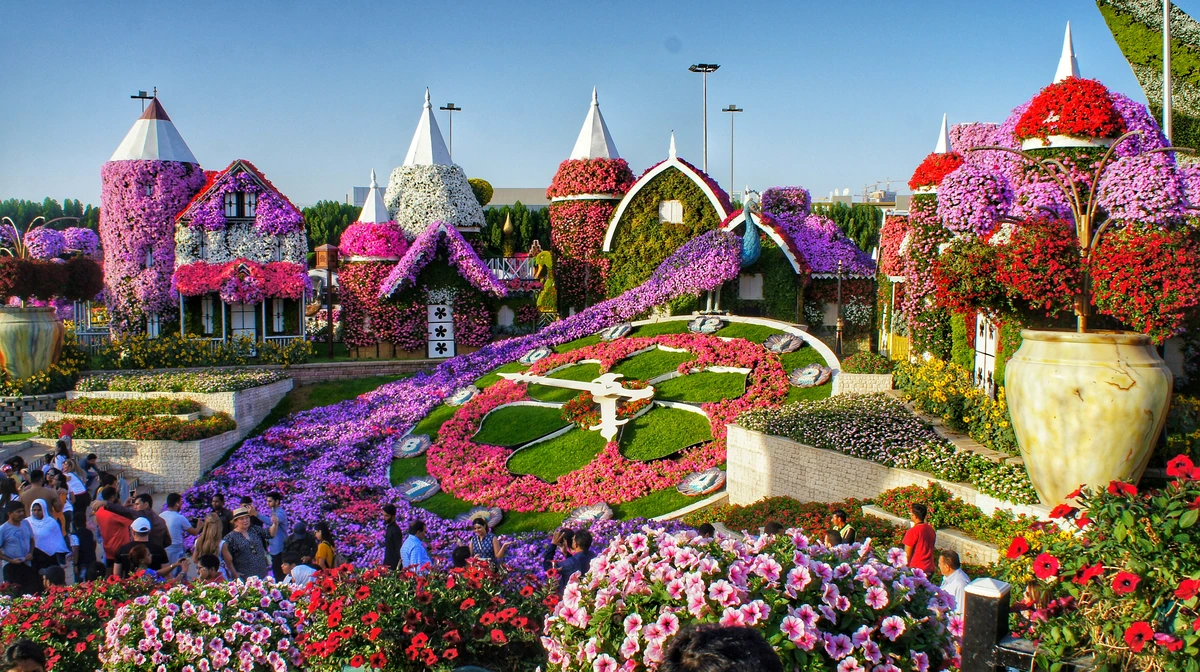
Located in Arjan within the wider Dubailand entertainment district, Dubai Miracle Garden feels almost surreal against the surrounding desert plains. Viewed through desert design principles, placing greenery in such a dry setting symbolizes turning harsh conditions into a place of vitality. Planned around curving, concentric pathways, the layout does more than guide visitors’ sightlines—it helps break up windblown dust and keeps floral displays settled and thriving throughout the season.
Sustaining hundreds of millions of blooms in intense heat relies on an underground drip-irrigation system engineered for efficiency. Rather than drawing on scarce municipal freshwater, the system runs on treated municipal wastewater processed through secondary filtration and reverse osmosis. A network of lines beneath the soil delivers water and dissolved nutrients directly to root zones in measured amounts, cutting evaporation loss by more than 75% compared with conventional overhead misting and preventing erosion of the carefully blended growing medium.
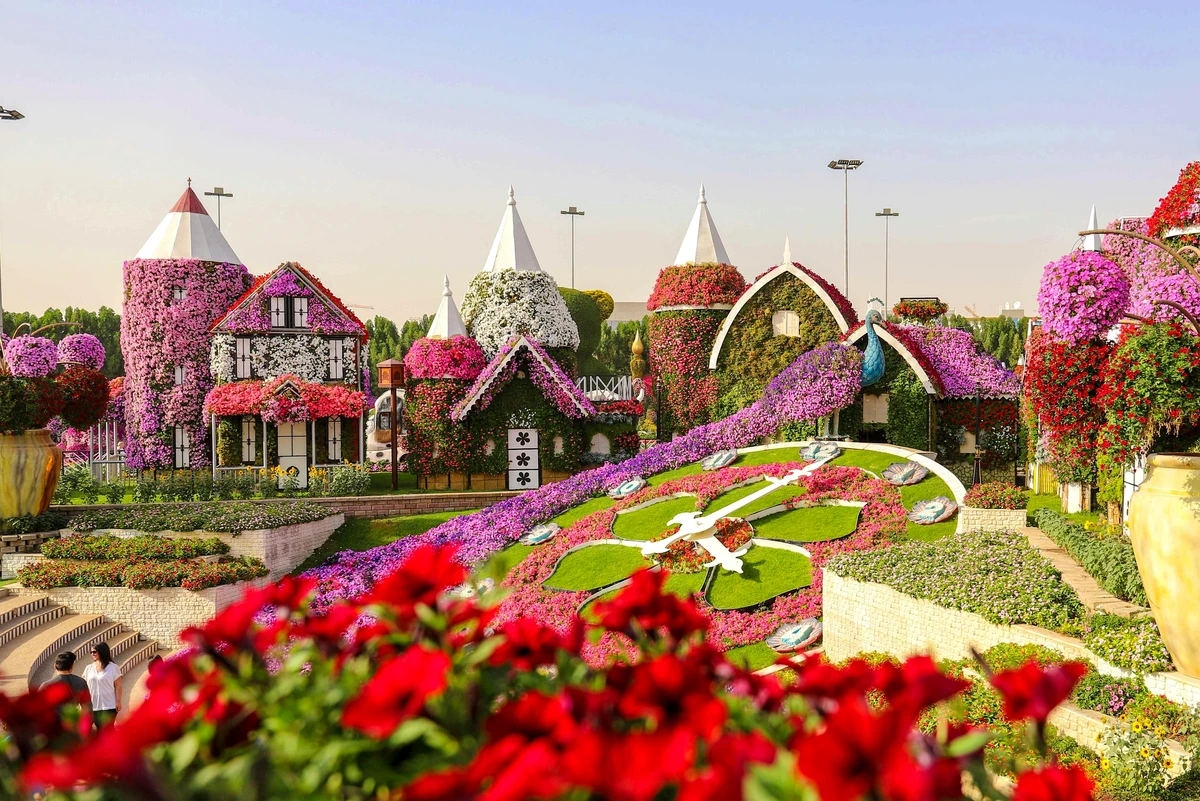
Alongside smart irrigation, the garden’s look and resilience depend on careful plant selection. Hot desert days and cooler nights call for hardy varieties. Petunias cover broad sections in deep crimson, velvet violet, rose, and crisp white, branching densely and blooming steadily under strong sunlight. Marigolds weave through the beds with bright golden tones and natural pest-deterrent qualities that help keep displays healthy with minimal chemical intervention.
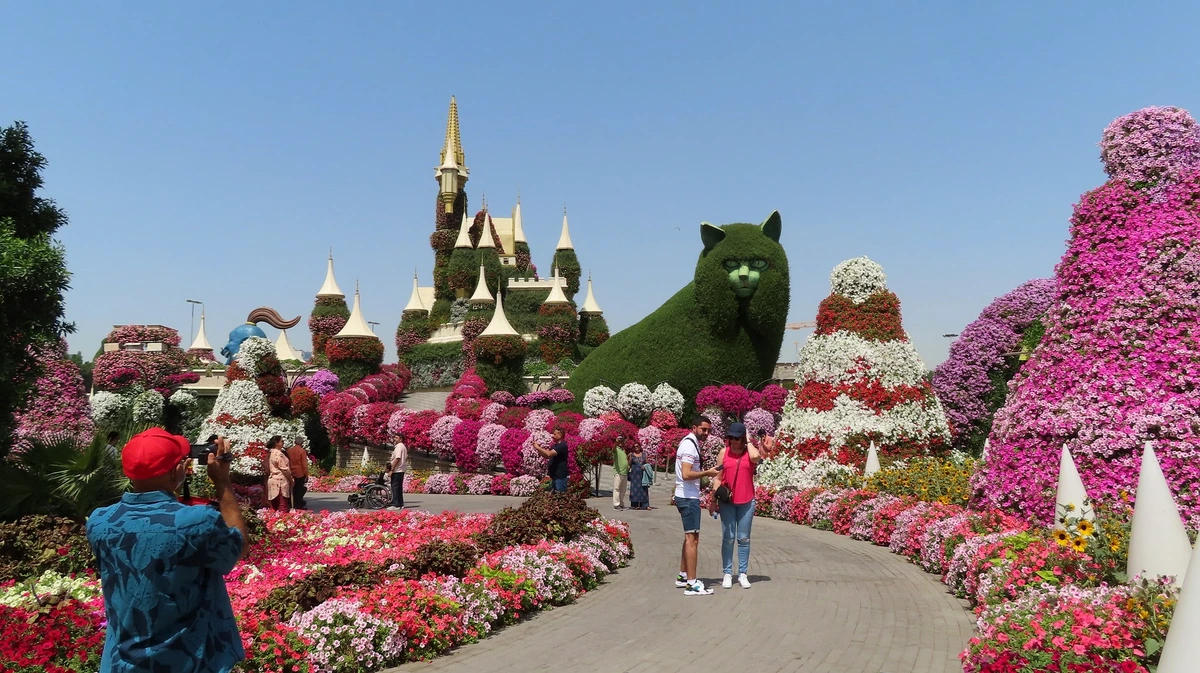
Pre-engineered steel frames and vertical planting techniques turn living flowers into sculptural forms. Landscapers shape towering cones, multi-layered heart arches, and recognizable architectural silhouettes that stand out sharply against the open desert horizon. Through practical site planning and disciplined water management, the garden offers both visual spectacle and an example of adaptive desert landscaping.
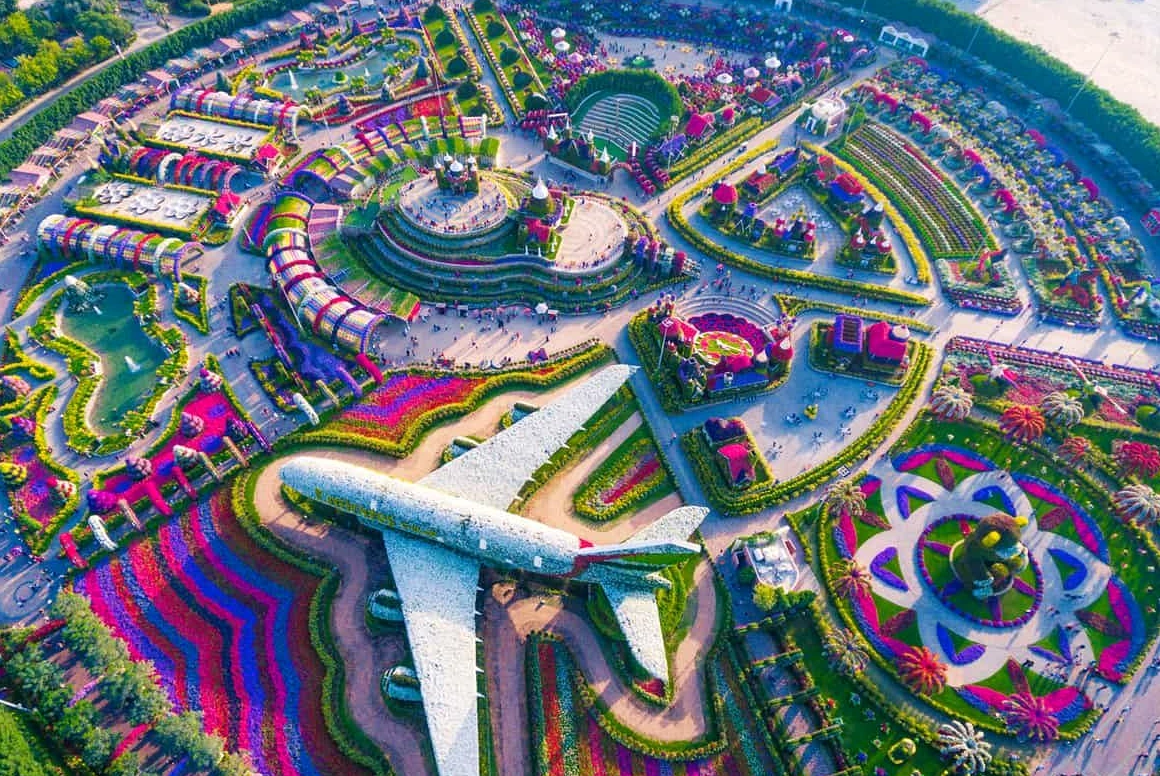
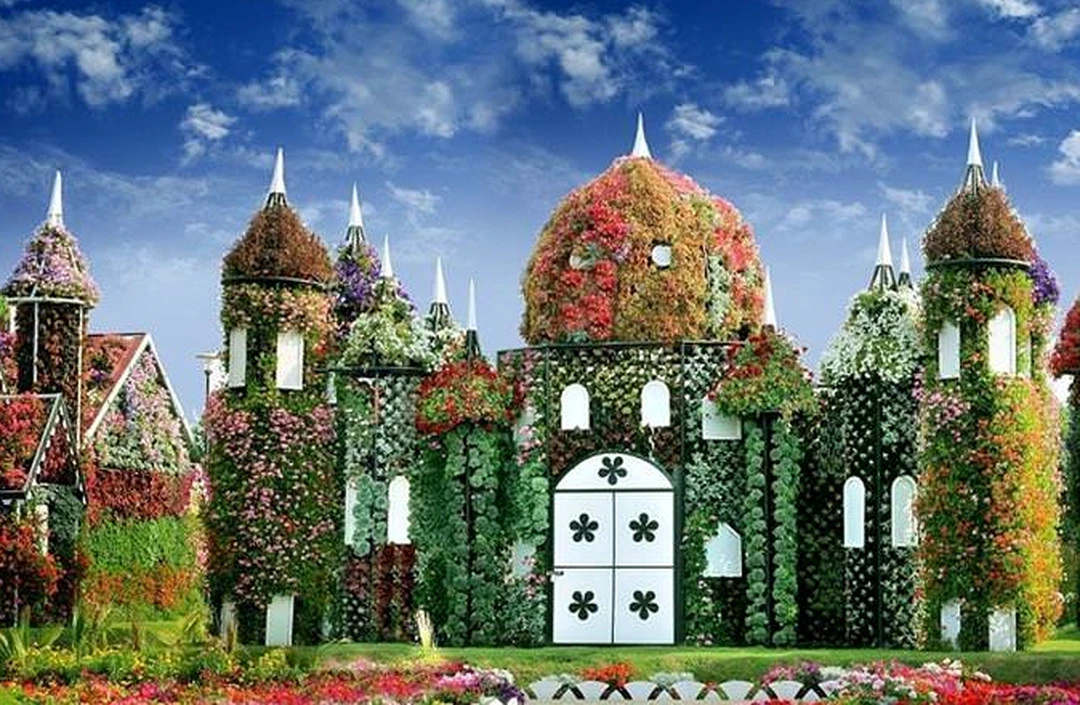
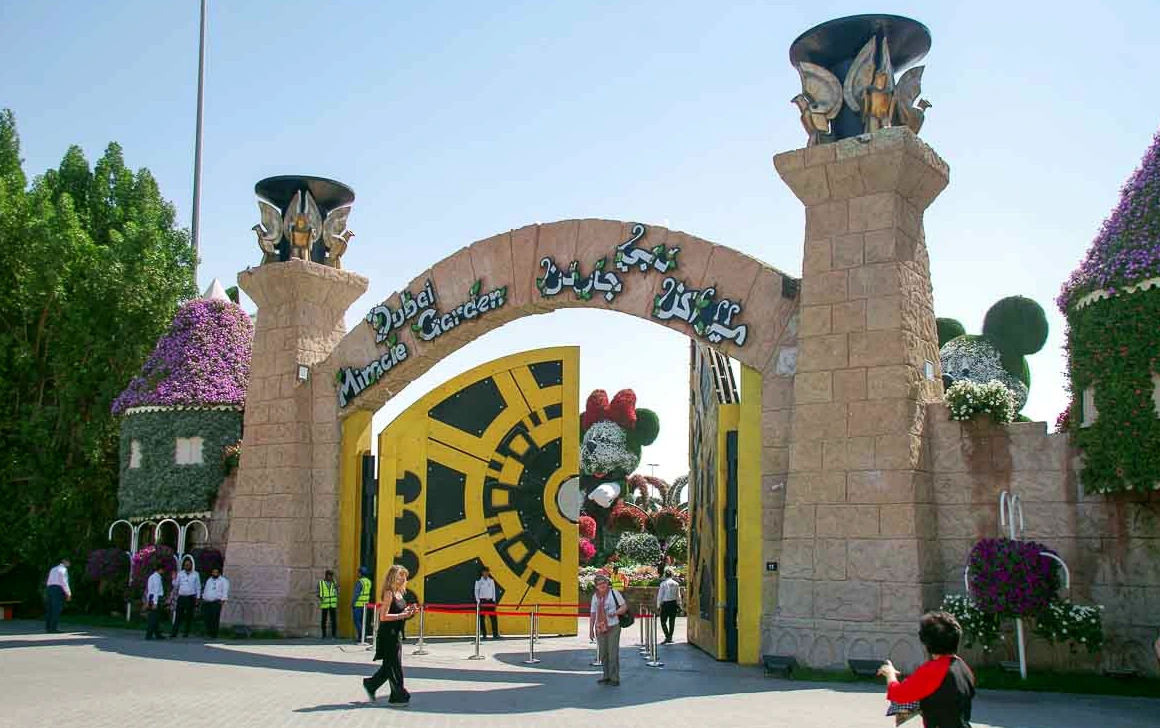
Stepping inside Dubai Miracle Garden, visitors enter a 72,000-square-meter landscaped expanse where desert sand gives way to dense floral displays. Built with an initial investment of around AED 40 million, the park follows a concentric layout with branching walkways that lead guests past vertical flower walls, heart-shaped tunnels, and storybook castles inspired by One Thousand and One Nights, all engineered to withstand Gulf winds and heat.
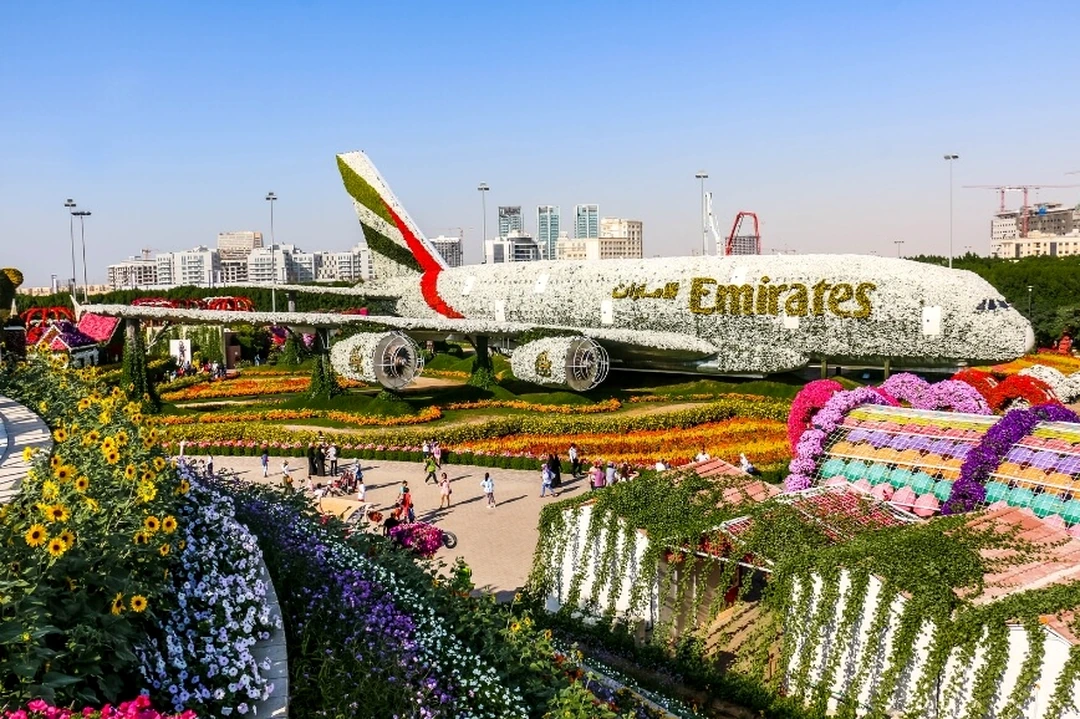
The centerpiece of floral engineering here is the Emirates Airbus A380 installation—recognized by Guinness World Records as the world’s largest flower structure. Built to full scale for the double-decker airliner, the display pairs a sturdy load-bearing metal frame and recycled structural components with living greenery. Using durable, recycled materials supports sustainable construction practices while resisting heat expansion and corrosion from constant moisture in the planting modules.
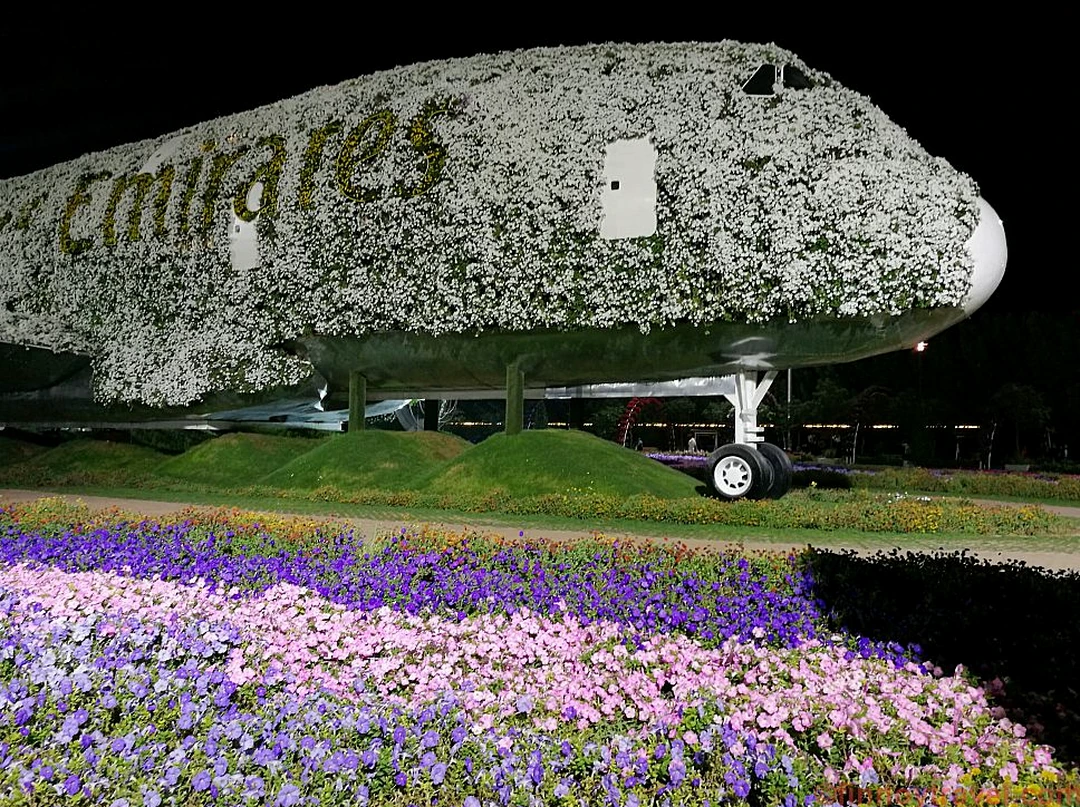
Covering the steel frame is a lush arrangement of more than 500,000 fresh flowers and green foliage. At peak bloom, the aircraft surface holds hundreds of thousands of plants arranged in contrasting hues of petunias, geraniums, and marigolds to trace the airline’s livery, white fuselage, and Arabic script on the tail fin. Each plant sits in dedicated modular baskets mounted onto the structure, forming a self-contained vertical garden that blends aviation geometry with botanical texture.
Behind the scenes in a water-scarce region, an automated underground drip system feeds multi-stage recycled wastewater straight to the roots without losing water to daytime evaporation. Automated sensors monitor water pressure, nutrient levels, and soil temperature so the half-million blooms on the aircraft and the wider garden stay vibrant. Here, horticultural craft works hand in hand with practical environmental engineering.
As sunset fades along the Persian Gulf and desert night air cools, Dubai Miracle Garden takes on a different mood. Daylight pathways give way to an illuminated evening setting where organic flowers meet modern lighting. Landscape designers frame walkways and structures with energy-efficient LED lighting that highlights the petals after a sunny day without subjecting plants to excess heat.
Walking the avenues after dark feels like strolling through a modern storybook setting. Micro-lights tracing the Emirates Airbus A380 catch white and deep blue petunias against the night sky. Glowing heart arches shift through shades of pink, lavender, and amber as visitors pass, while moisture from the drip lines glints softly on marigolds and geraniums.
Evening entertainment adds lively movement to the walkways, reflecting Dubai’s cosmopolitan mix of cultures. Outdoor stages and promenades feature floral-themed parades, stilt walkers, masked dancers, and street musicians. Traditional oud and Bedouin nay flutes blend with orchestral and contemporary rhythms, creating an upbeat soundtrack across the grounds.
Food and refreshment areas offer relaxed spots to pause in the evening air. Majlis-inspired seating areas with patterned cushions invite guests to unwind with cardamom- and saffron-scented Gahwa coffee, sweet Kholas dates, or crisp Luqaimat pastries drizzled with date syrup. Alongside Emirati treats, international kiosks serve everything from Italian gelato to Asian tea drinks, letting visitors enjoy food and drink beneath lit floral arches.
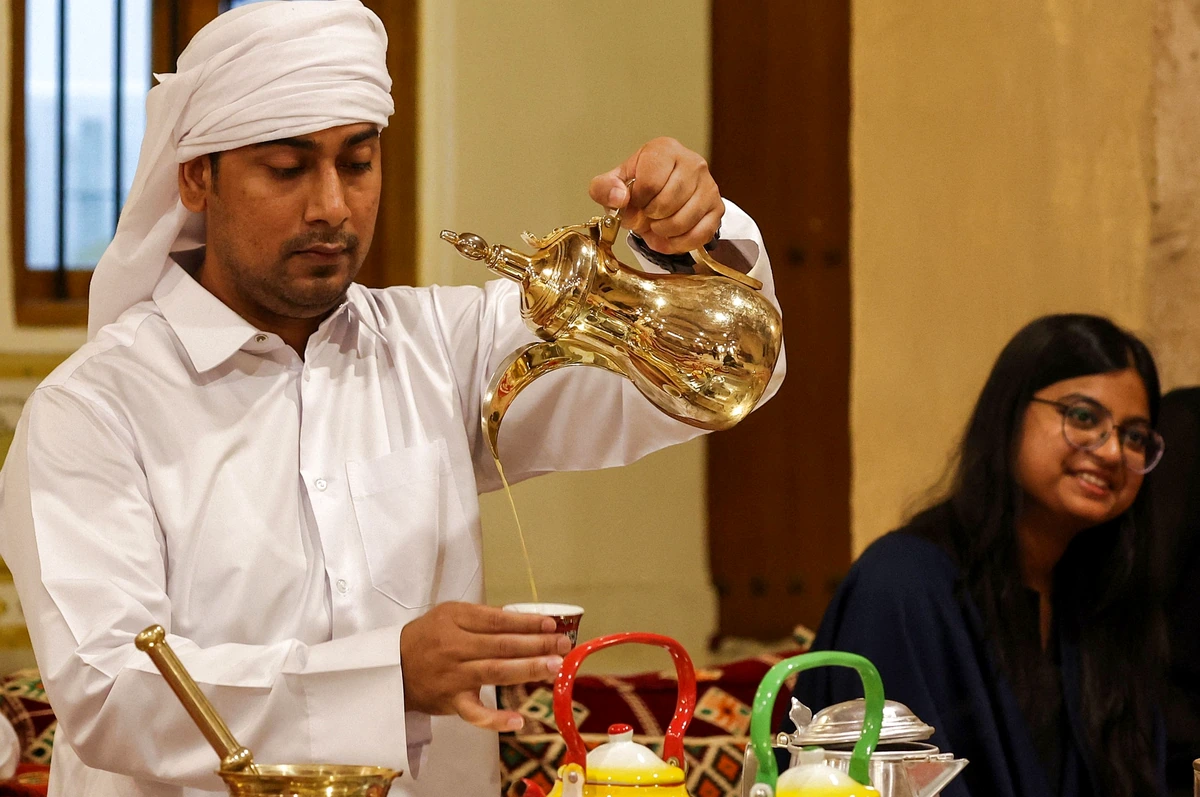
After exploring the floral displays, food stalls and outdoor dining spaces round out the visit with a mix of Emirati staples and global snacks. Inspired by traditional Bedouin hospitality, these casual spots let travelers sample local flavors right alongside the garden’s floral scenery, where sweet blossom notes mingle with warm spice aromas.
A standout local treat is Luqaimat, a classic sweet dumpling tied to Emirati hospitality and celebrations. Leavened dough balls are fried until golden and crisp on the outside while staying light and warm inside, then coated in glossy date syrup (dibbs) and sprinkled with toasted sesame seeds. The crisp texture and rich date sweetness offer a classic taste of desert pantry staples.
Another traditional sweet is Khabees, often served during holidays and family gatherings. Toasted flour and ghee are simmered with sugar water, rosewater, and ground cardamom, then finished with saffron for a warm amber hue and aromatic depth. Spoonfuls of Khabees balance rich butteriness and gentle sweetness with subtle spice notes.
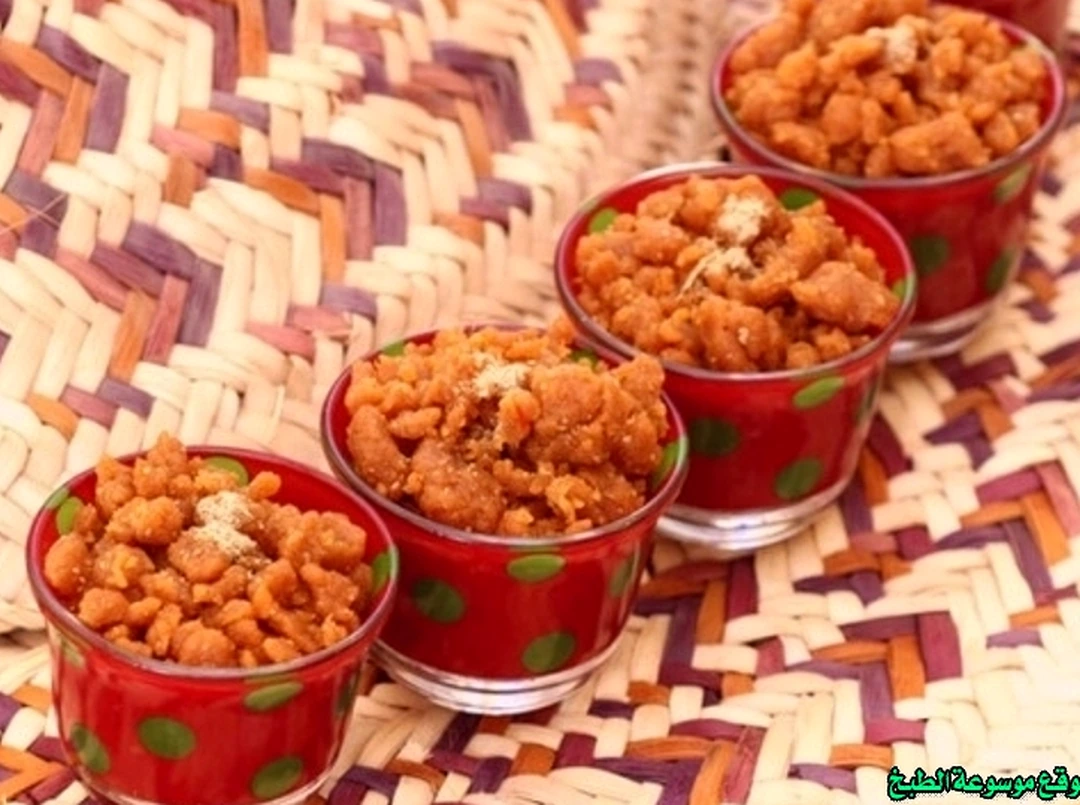
No Emirati tasting experience feels complete without Gahwa, a traditional coffee recognized on UNESCO’s Intangible Cultural Heritage list. Brewed slowly in an engraved brass or copper dallah pot, lightly roasted green coffee beans steeped with green cardamom and saffron produce an unsweetened, golden-green brew that is mildly bitter, warming, and aromatic. Hosts pour Gahwa into small handleless finjan cups, typically offered with the right hand alongside sweet dates. Sipping Gahwa in the shade of floral arches connects a modern desert attraction with centuries-old Arabian hospitality.
Because of the desert climate, Dubai Miracle Garden operates seasonally, typically opening from October through April when cooler autumn and winter weather helps 150 million flowers stay fresh and vibrant. On weekdays, hours generally run from 9:00 AM to 9:00 PM, extending to 10:00 PM or 11:00 PM on weekends and major holidays. Visiting between 3:30 PM and 5:30 PM works well for soft late-afternoon light for photos and lets you stay on as the LED lighting comes alive at dusk.
Reaching the garden is straightforward thanks to Dubai’s transit network. A budget-friendly option is taking the Dubai Metro Red Line to Mall of the Emirates station, then boarding Roads and Transport Authority (RTA) Bus Route 105 from the station bus hub, which runs directly to the garden entrance in about 20 to 30 minutes. Families traveling with older adults or young children can also take a standard taxi or ride-hailing car from Downtown Dubai or Dubai Marina for door-to-door convenience.
Ticket pricing varies by visitor group: standard admission for adults and children aged 12 and older is around AED 95, children aged 3 to 12 typically pay around AED 80, and children under 3 as well as People of Determination enter free of charge. Buying QR-code e-tickets online in advance is a practical way to skip ticket-window lines during busy hours and head straight to the entrance.
Visitors should keep local customs and park rules in mind during their visit. Smart casual clothing that covers shoulders and knees is recommended out of respect for local norms and for comfort in sun and breeze. Because the 72,000-square-meter grounds have plenty of paths to cover, comfortable walking shoes or sneakers are much better suited than heels. Please help protect the displays by not picking flowers, stepping into beds, or climbing on structures like the Emirates A380, and note that drones are prohibited without prior authorization from the Dubai Civil Aviation Authority.
For an easy trip without worrying about transit transfers, tickets, or logistics, travelers can join a complete Dubai–Abu Dhabi tour package with a structured itinerary covering major city landmarks alongside the desert’s floral displays.