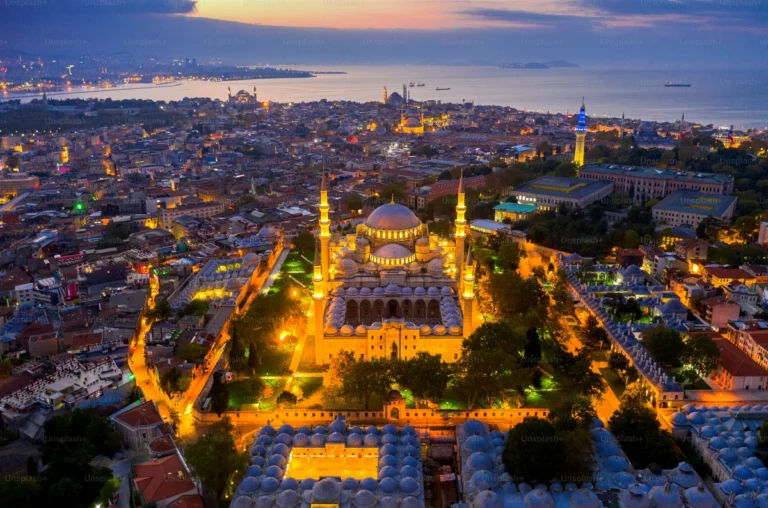
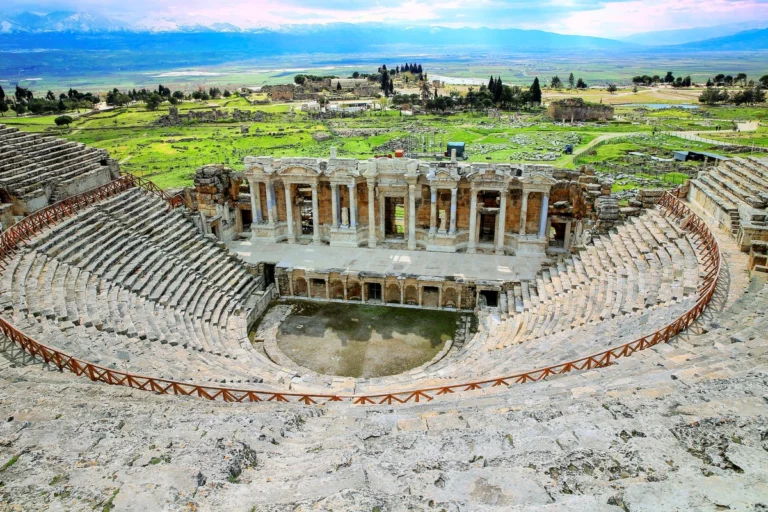
Millions of years before human footprints ever appeared on the Anatolian peninsula, cataclysmic eruptions from Mount Erciyes, Mount Hasan, and Güllü Dağ rained layer upon layer of volcanic ash and lava across the valley, forming a thick blanket of soft, porous tuff rock across the Cappadocian plateau. As time and the elements sculpted this surreal terrain of jagged rock spires, Paleolithic humans soon arrived to settle the land and spark the dawn of civilization. Entering the Bronze Age, the mighty Hittite Empire ruled this region from the 18th to the 12th century BCE. Armed with sharp military strategy and masterful stone-carving skills, the Hittites discovered a remarkable property of tuff: it is soft and easily excavated when freshly exposed to air, yet hardens rapidly over time. They carved deep into the sheer cliff faces to establish massive military supply depots, defensive outposts, and the very first subterranean shelters to withstand raids by the Phrygians and neighboring foreign tribes.
The tides of history truly transformed Cappadocia into a legend of human resilience as the region transitioned into the Roman Empire and subsequently the Byzantine Empire from the 1st to the 11th century CE. Fleeing ruthless religious persecution under pagan Roman imperial rule—and later, fierce incursions by Arab armies—early Christian communities turned to this rocky desert as a sacred refuge. Beneath the seemingly tranquil earth, an extraordinary feat of subterranean engineering took shape, comprising more than 200 underground cities painstakingly carved through the geological strata. The pinnacle of this survival architecture lies in the underground city of Derinkuyu, a labyrinth plunging 85 meters beneath the surface across 18 fortified levels. Engineered to shelter 20,000 residents alongside their livestock and food supplies for months on end, Derinkuyu features an ingenious network of convective ventilation shafts, isolated underground water wells, oil presses, wine cellars, a theological seminary, and chapels. Every strategic junction was guarded by massive, multi-ton monolithic stone wheels that could only be rolled shut from the inside, turning the complex into an impregnable fortress against any invader.
Once edicts of religious tolerance were proclaimed and monastic life reached its zenith during the Middle Byzantine era, monastic communities transformed the Göreme Valley into an unrivaled open-air monastic capital. Inscribed as a UNESCO World Heritage Site in 1985, the Göreme Open Air Museum still preserves a remarkable complex of more than 30 rock-cut churches carved directly into the limestone and tuff formations. Within these sacred spaces dating from the 10th to the 12th centuries, Byzantine painting flourished to its highest expression through frescoes rendered in natural mineral pigments. Prime examples include Tokalı Kilise, the oldest rock-hewn church, adorned with cycles depicting the life of Christ saturated in costly lapis lazuli blue, and Elmalı Kilise, featuring graceful domes and portraits of martyrs painted in vivid terracotta red—together forming an incorruptible religious chronicle across the centuries.
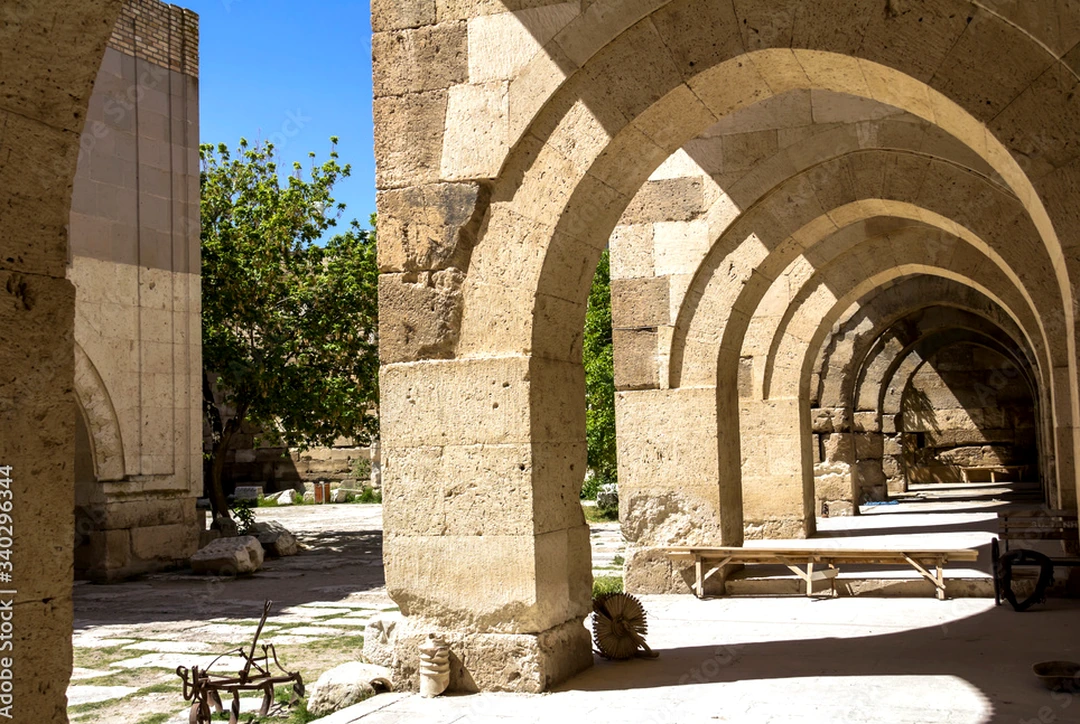
The next historical turning point unfolded between the 11th and 19th centuries CE, when the Islamic Seljuk Empire and later the Ottoman Empire took control of Anatolia. Under the patronage of the Seljuk court, Cappadocia rose to prominence as one of the busiest commercial arteries along the legendary Silk Road linking Asia and Europe. To safeguard merchant caravans laden with silk, precious gems, and spices, a chain of fortified caravanserais—built as sturdy as military citadels—was erected along the desert routes, exemplified by the architectural masterpiece of Sultanhani with its intricately carved marble portal. These roadside inns provided lodging, medical care, stabling and fodder for camels, and free protection for three days and nights to merchants from every corner of the world, seamlessly blending vibrant Islamic culture with the region’s living heritage.
Across millennia of rising and falling empires—from the stone-axe marks of the ancient Hittites and the whispered prayers of early Christians deep within Derinkuyu to the echoing camel bells of the Ottoman golden age—Cappadocia has forged a singular, multi-layered cultural soul. As a hot air balloon lifts off into the misty morning air and the first rays of sunlight illuminate the fairy chimneys, every geological fold unfurling beneath the basket is far more than a breathtaking natural landscape; it is the epic chronicle of humanity quietly awakening under the Anatolian sky.
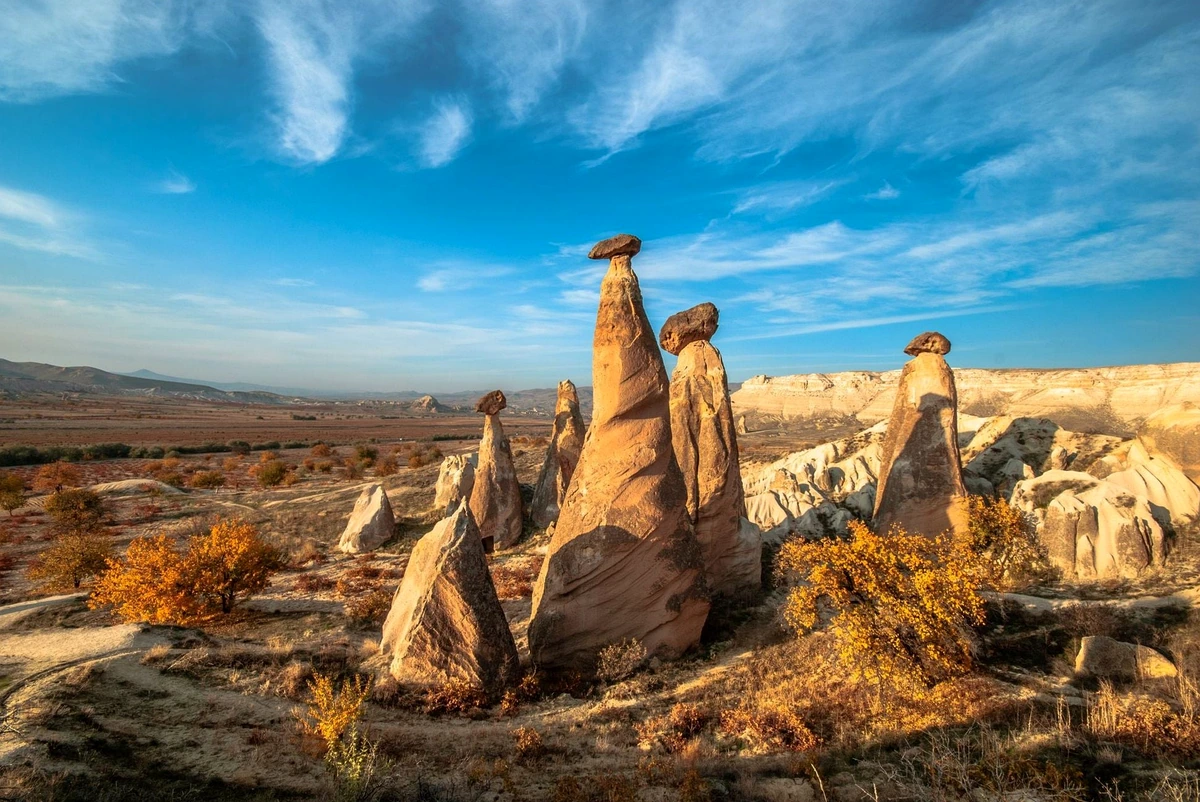
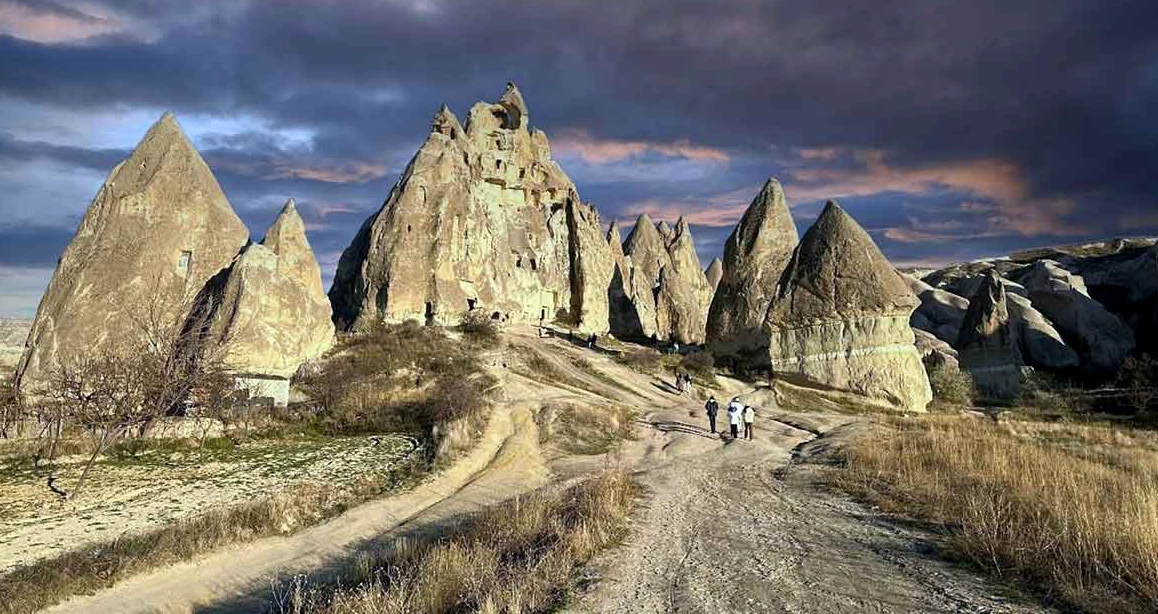
Viewed from the vast expanse of the Central Anatolian plateau, Cappadocia’s topography unfolds like a monumental geological chessboard carved by a fierce clash between volcanic fire and erosion over tens of millions of years. The origin of this otherworldly landscape dates back to the Tertiary period, roughly sixty million years ago, when violent tectonic upheavals awakened three towering volcanoes: Erciyes Dağı (3,916 meters), Hasan Dağı (3,268 meters), and Melendiz Dağı. Successive eruptions blanketed the plateau in volcanic ash hundreds of meters thick, which compressed over time into a soft, porous, mineral-rich layer of tuff. Capping these sedimentary deposits were flows of basalt and andesite lava that cooled and solidified into a durable protective crust. Through successive ice ages, flash floods carving down canyon gullies and howling plateau winds relentlessly wore away the softer tuff underneath, while the hard basalt slabs perched on top acted like protective umbrellas—leaving behind tens of thousands of fantastical pillars known as “Fairy Chimneys” (or peri bacaları in Turkish).
Each valley within the core of Cappadocia displays a distinct micro-terrain and its own unmistakable style of natural sculpture. Göreme Valley serves as the beating heart of the region, structured like a colossal basin ringed by golden tuff cliffs where early Christians hollowed out the rock to build an extensive network of fortified monasteries and subterranean churches. Adjacent to it lies Zelve Valley, comprising three winding, rugged canyons arranged in a Y-shape, showcasing sheer natural cave dwellings that once fostered harmonious coexistence between Muslim and Christian communities. Paşabağ Valley—also known as Monks Valley—stands out for its rare, multi-branched tuff pillars crowned with twin or triple dark basalt caps resembling giant stone mushrooms rising into the sky. Meanwhile, Devrent Valley, popularly called Imagination Valley, acts as an open-air gallery of abstract wind-and-water sculptures where eroded tuff formations take the uncanny shapes of a giant camel, birds, and saints seated in meditation.
This intricate interplay of deep gorges and flat plateaus creates an ideal microclimate that makes sunrise hot air ballooning here among the safest and most spectacular in the world. Starting around 4:00 AM, while chill morning dew still clings to the rock ledges, the Turkish Directorate General of Civil Aviation (SHGM) releases small pilot balloons (pibals) to measure wind direction and speed across different tropospheric layers. The aircraft flown here are massive balloons with envelope volumes ranging from 250,000 to 500,000 cubic feet, stitched from ripstop nylon reinforced with a tear-resistant, high-heat polyurethane coating. Inflation begins by laying the envelope flat across the ground and using high-powered mechanical fans to blow ambient air into the chamber (cold inflation), before technicians ignite twin burners fueled by liquid propane to shoot roaring flames several meters high—turning the trapped air into thermal lift capable of raising a multi-ton woven wicker basket off the earth.
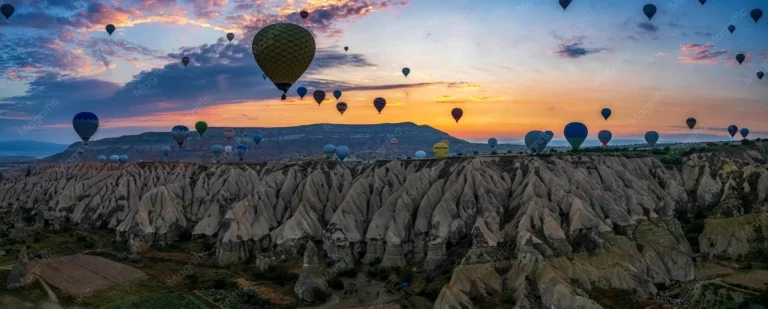
Because a hot air balloon has no mechanical rudder or steering wheel, every aerial voyage relies entirely on the pilot’s virtuoso skill in controlling altitude to catch opposing wind currents layered at different elevations. With each burst of the burners, the balloon lifts passengers effortlessly to skim just meters above the conical rock spires of Paşabağ, thread silently through the narrow ravines of Göreme, and then catch a rising thermal to ascend between 600 and 1,000 meters above the valley floor. At the exact moment the sun crests the distant snow-capped peak of Erciyes Dağı, dawn light washes the landscape in ruby rose before shifting into molten honey gold, flooding the ancient forest of million-year-old stone towers in a panorama of unmatched Anatolian grandeur.
Seen through a geographic cross-section, Cappadocia stands as one of the largest rock-cut architectural museums on the planet. Its geological bedrock consists of tuff—volcanic ash consolidated over millions of years from eruptions of the Erciyes Dağı and Hasan Dağı ranges—possessing the unique quality of being soft and workable when freshly exposed, yet remarkably hard once cured by prolonged contact with the air. Taking full advantage of nature’s gift, ancient Anatolian inhabitants and early Byzantine Christian monastic communities pioneered an unprecedented school of troglodyte architecture. Rather than building upward by stacking stone upon stone, they wielded picks, chisels, and tireless human labor to carve space inward from the outside, hollowing out pointed, fairy-chimney spires. Even more astonishing is the built-in microclimate of these volcanic rock strata: the solid stone chambers offer exceptional natural insulation, self-regulating to maintain a steady indoor temperature of 18°C to 22°C across all four seasons—whether the steppe outside is buried under winter snow or baked by scorching Middle Eastern summer heat.
Continuing that cultural thread, the art of restoration and spatial design in Cappadocia has blossomed into a one-of-a-kind heritage hospitality segment. In historic towns such as Göreme, Üçhisar, and Ürgüp, millennium-old cave structures are preserved in their original form and repurposed into luxury cave hotels. Rough, curving rock walls bearing the marks of ancient hand-carving pair seamlessly with local travertine stone floors, recessed oak-burning fireplaces, and woven Kilim rugs displaying symbolic motifs of nomadic Turkish tribes. Multi-level terraced layouts turn natural rock vaults into sweeping viewpoints where the line between refined modern comfort and geological history millions of years in the making disappears completely.
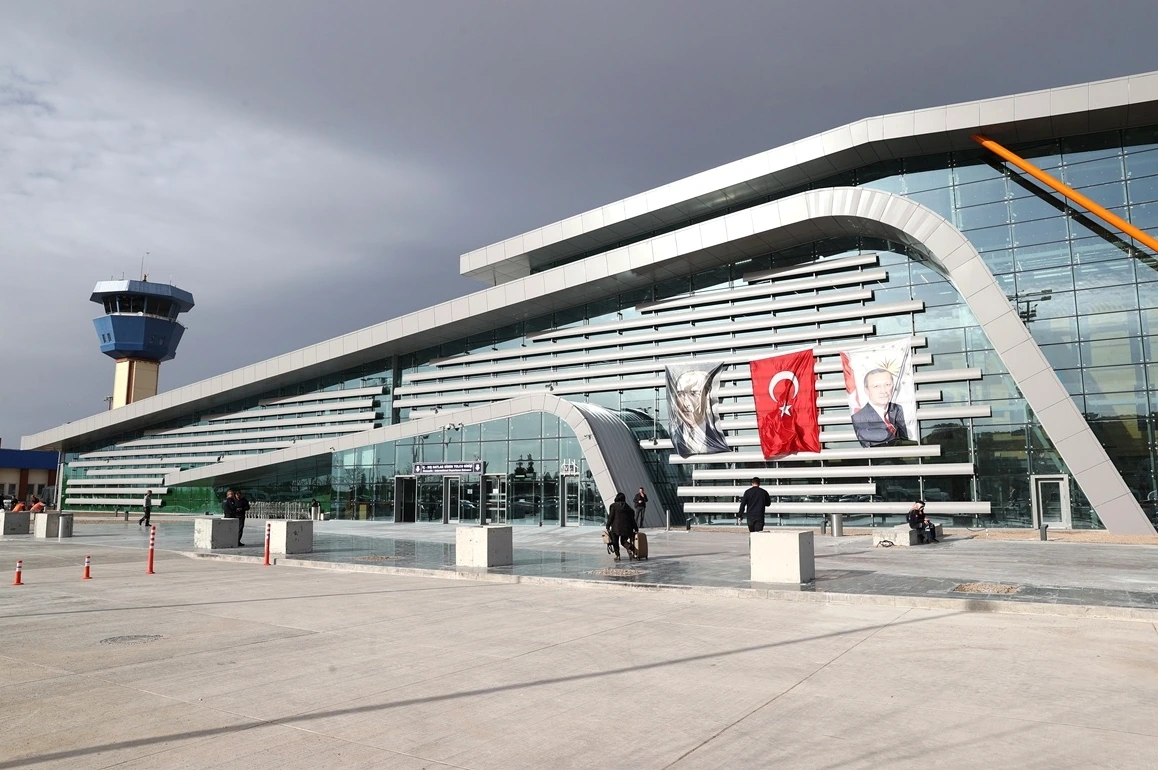
To keep a global experiential travel engine running smoothly, Cappadocia’s arrival network is organized tightly around two strategic air gateways. Nevşehir Kapadokya Airport (airport code NAV), located to the northwest and only about 30 km from the core valleys, serves as a dedicated hub for domestic flights connecting directly from historic Istanbul. Alongside it, Kayseri Erkilet Airport (airport code ASR), roughly 75 km to the east beneath the snowy peak of Mount Erciyes, handles larger international and domestic passenger volumes with frequent flights, giving travelers from around the world easy access to this surreal plateau.
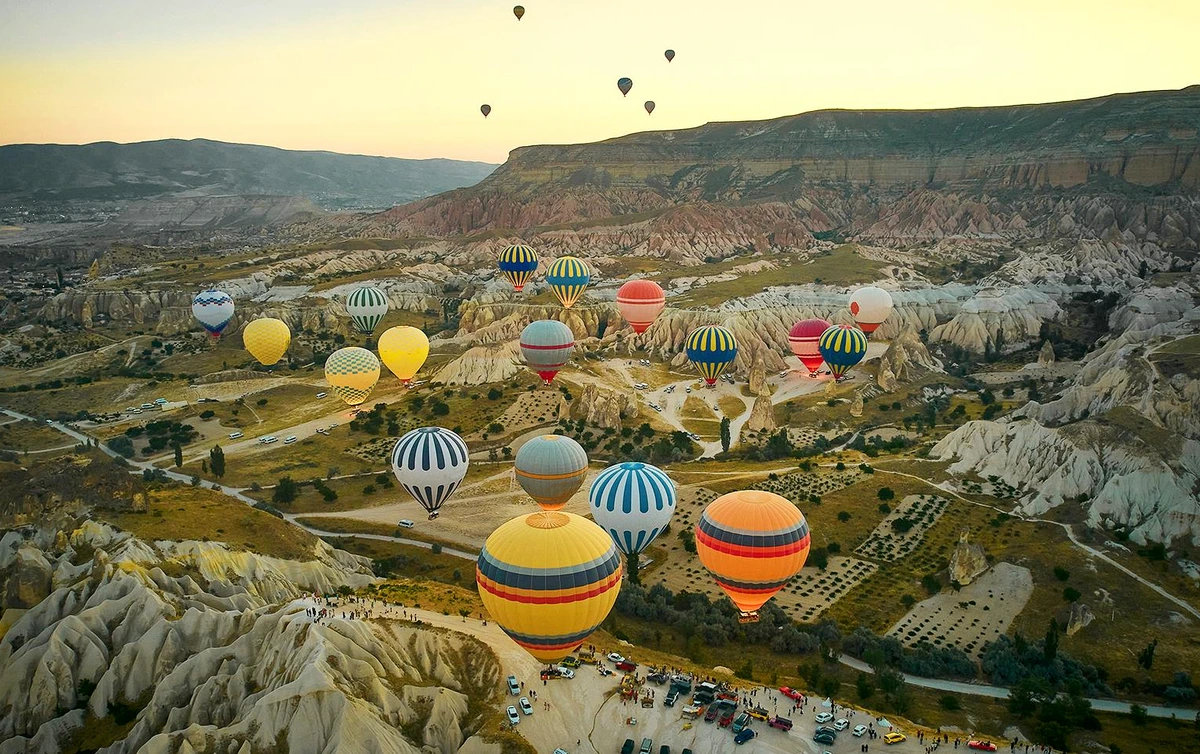
The pinnacle of real-world scale and spatial orchestration in Cappadocia is its hot air balloon air-traffic management over the stone valleys—one of the world’s most complex commercial flight operations. Under strict oversight from Turkey’s Directorate General of Civil Aviation (Sivil Havacılık Genel Müdürlüğü, or SHGM), daily flight capacity across the basin is capped at roughly 150 to 160 balloons split into two dawn takeoff waves to maintain safe separation and protect the unspoiled visual landscape. With that disciplined coordination, Cappadocia’s skies carry roughly 600,000 to 700,000 sightseers each year. Wicker baskets handwoven from resilient thorny willow, paired with tear-resistant polyurethane-coated nylon envelopes, become mobile observation decks rising between 300 and 1,000 meters above a sweeping Anatolian panorama.
When night falls across the central Anatolian plateau, Cappadocia’s stone valleys transform into a dramatic stage of light, with warm amber glow spilling from windows carved deep into tuff rock cliffs. Millennium-old caves that once sheltered Byzantine Christian hermits and ancient Hittite warriors now host lively cultural gatherings. Inside underground rock cellars in Üçhisar or Göreme, visitors listen to the resonant strings of the bağlama alongside the hypnotic whirling of Sufi Mevlevi dervishes while sipping red wine aged in clay amphorae from the famed local Öküzgözü grape. Nightlife here is not loud or frantic, but deep and hushed—carrying an otherworldly stillness like the quiet prelude before the grand visual symphony of dawn.
In the threshold between late night and daybreak, the Kızılçukur valley—widely known as Rose Valley—and the Aktepe ridge wake to a dramatic live spectacle of fire and wind. In the crisp chill of a semi-arid steppe sitting more than 1,000 meters above sea level, hundreds of liquefied-gas burner flames roar upward, lighting up the quiet plain. Surges of heat inflate the colorful canopies of more than a hundred giant balloons lying flat on the ground. Seen from high rocky outcrops, glowing spheres flickering in the dim dark look like hundreds of great celestial lanterns stirring awake, illuminating eroded rose-pink and deep-red rock faces colored by iron oxide over millions of years.
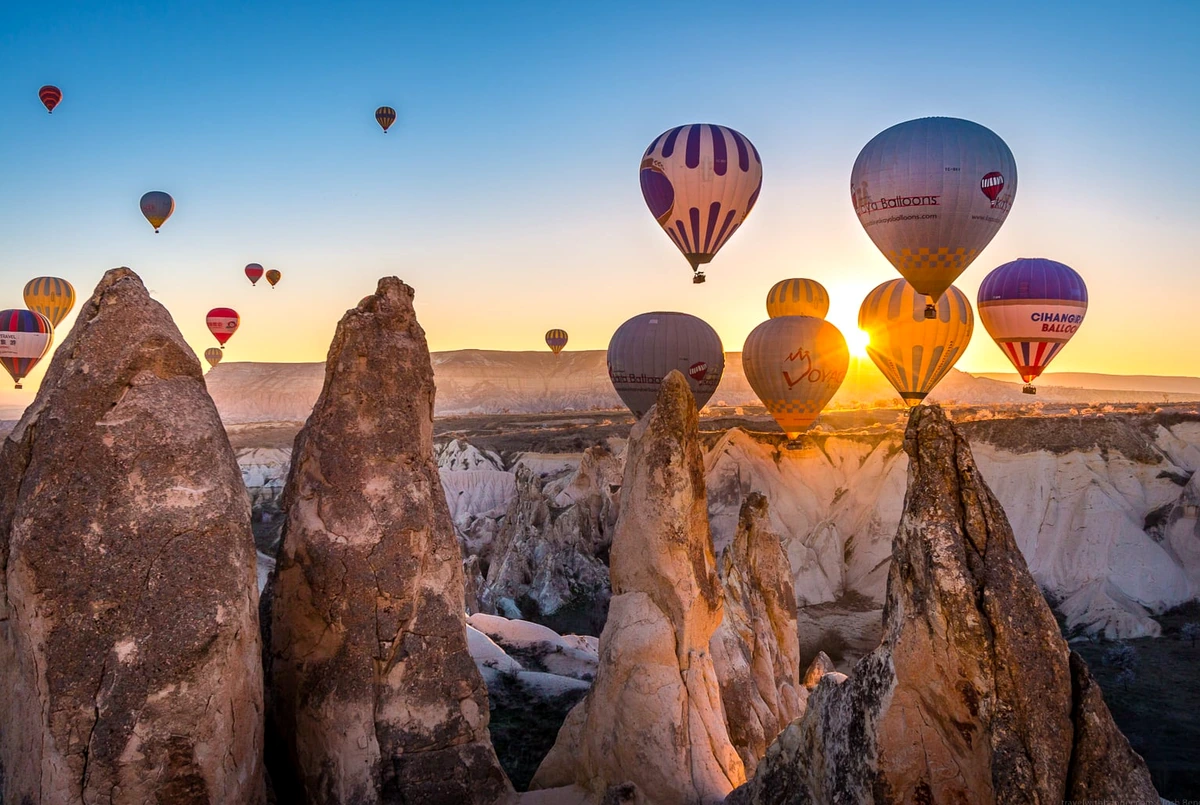
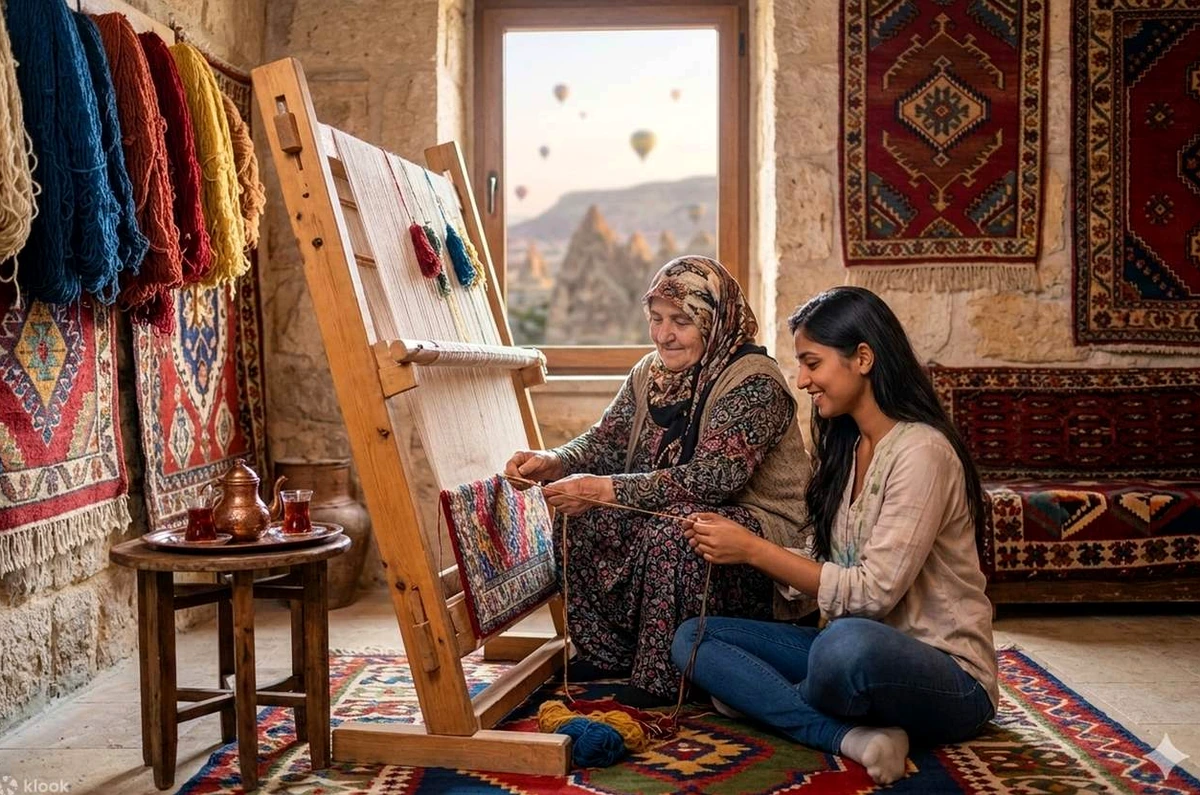
As the sun’s first rays clear the towering volcanic peak of Erciyes Dağı on the horizon, a distinctive viewing setting opens right along gentle rock ledges overlooking the gorge below. Locals arrange spaces steeped in ancient nomadic character, laying out handwoven wool Kilim rugs and carpets with intricate Seljuk geometric patterns. On carved copper tables, steam rises from glasses of rich black çay poured from traditional double çaydanlık kettles beside plates of sesame-crusted simit bread rings and raw honeycomb from the valley. Against that dramatic backdrop, local falconers bearing Anatolian imperial eagles with proud wingspans on leather-gloved arms bring a wild, majestic steppe heritage to life.
The harmony between dramatic nature and skilled flight reaches its peak as aerial cameras capture hundreds of balloons drifting at altitudes of several hundred meters, gliding close past pointed “fairy chimneys” (peri bacaları) that rise like fairytale spires. Dawn lighting across Rose Valley and Aktepe turns the landscape into a vast open-air studio where long shadows cast by tuff pillars mingle with bright balloon colors against a clear blue sky. This is more than sightseeing; it is a visual performance co-created by people and nature, leaving travelers with a lasting imprint of Anatolia’s geological wonders.
Cuisine in Cappadocia’s stone valleys is not simply a mix of spices and heat, but a song rising from Anatolia’s thousand-year geological layers. Across millennia—from the ancient Hittite civilization through the Seljuk and Ottoman empires—cooking here has stayed closely tied to the Kızılırmak (Red River) and fertile volcanic ash. Local culinary craft shines brightest in the ritual of clay-pot kebab, known as Testi Kebab or Pottery Kebab. The dish brings together the traditional pottery craft of the ancient village of Avanos and the slow-cooking philosophy of highland life. Prime young lamb or veal is cubed and marinated with ripe tomatoes, whole garlic cloves, small shallots, black pepper, and wild herbs, then sealed completely inside an unglazed earthenware pot with a damp dough cap.
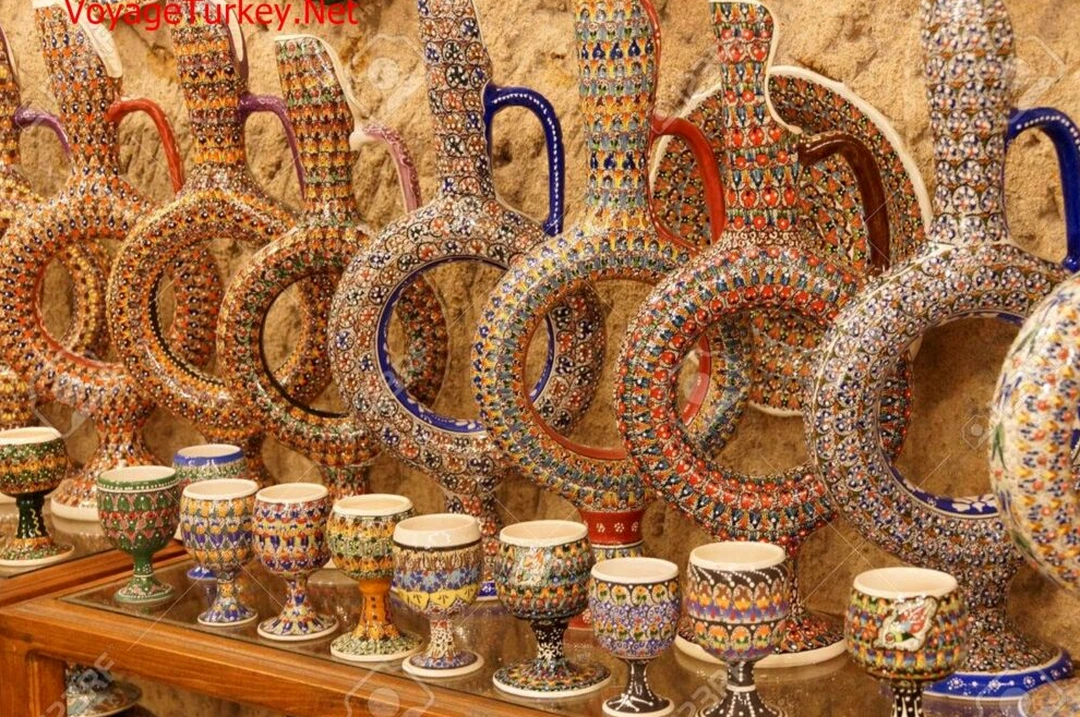
Acting like an ancient natural pressure cooker, the clay pot is buried deep in glowing embers from dried grapevine prunings and left to simmer gently for four to six hours. Inside that sealed vessel, meat juices and herbal oils circulate and seep back into tender, fall-apart meat infused with earthy mineral notes. The moment a chef brings the red-hot clay pot to the table builds genuine anticipation. With one clean strike of a heavy knife along the grooved neck, the clay cap cracks open, releasing a bubbling rich brown sauce and fragrant steam across the tuff-stone dining vault.
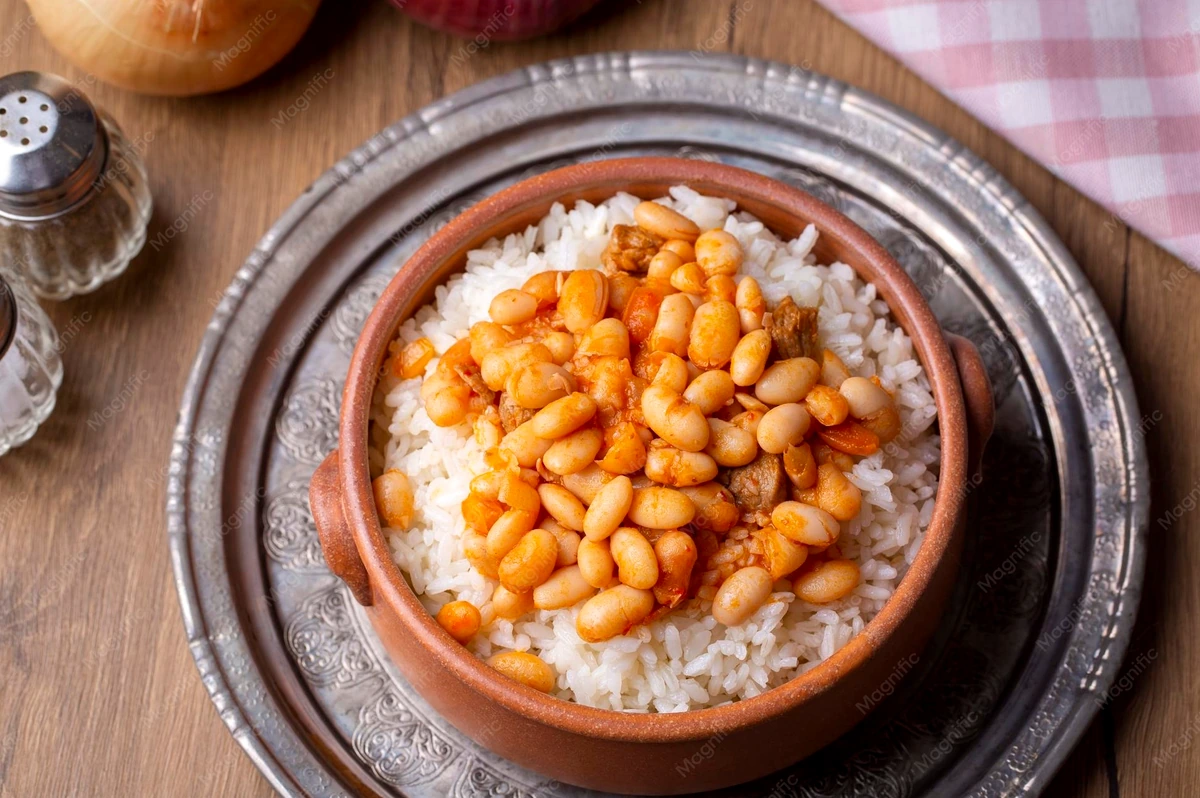
Alongside signature roasted meats sits the rustic family comfort of central Turkey: Kuru Fasulye and Pilav. Large white beans are soaked soft and slow-simmered in clay pots with concentrated tomato sauce, golden sautéed onions, and mild smoked chili flakes into a velvety, savory, warming broth that has sustained generations through winters when snow blankets the rock spires. A steaming bowl of beans is served beside traditional pilav made from long-grain rice and butter-toasted orzo, each grain glossy, fluffy, and lightly scented with sheep’s-milk butter.
Another refined highlight of the local table is Nevşehir Mantısı, tiny dumplings that demand remarkable dexterity from Anatolian cooks. Paper-thin dough squares are filled with finely minced lamb seasoned with onion and peppery mint, then folded neatly into tiny triangles or boats. After boiling until just done, the mantı are spooned over with cool, tangy garlic yogurt and finished with a sizzle of melted butter infused with crimson pul biber chili flakes and dried mint—creating a lively contrast of hot and cold, rich and spicy.
A culinary journey through the stone valleys would feel incomplete without Cappadocian wine, a drink with more than four thousand years of history going back to the Hittite Bronze Age. Porous tuff soil formed from ancient eruptions of Erciyes and Hasan is rich in potassium, sulfur, and calcium, and together with wide day-to-night temperature swings on the semi-arid plateau, it creates ideal growing conditions for native grapes. Heritage white grapes such as Emir yield crisp, clean wines with bright mineral character and hints of green apple, while red varieties like Öküzgözü and Boğazkere produce fuller wines with rich, layered tannins. Aging and fermenting batches naturally inside deep rock caves that stay cool year-round gives every glass a wild, expressive character rooted in the earth and quiet spirit of the valley.
The journey to turn the dream of admiring Anatolia’s fantastical geological realm from the sky into reality begins with preparing entry formalities and a well-planned travel itinerary. Vietnamese citizens holding a valid visa or residence permit for the Schengen Area, the United States, the United Kingdom, or Ireland enjoy Türkiye’s highly convenient e-Visa policy, allowing applications to be completed online within minutes for stays of up to thirty days. To reach the heritage region, the fastest and most convenient approach is taking direct flights operated by national carrier Turkish Airlines from Noi Bai International Airport or Tan Son Nhat International Airport to Istanbul Airport. From there, travelers need only about a one-hour domestic flight to connect to Cappadocia’s two main gateways, Nevşehir Kapadokya Airport or Kayseri Erkilet Airport, where dedicated shuttle transfers stand ready to bring guests to the stone towns of Göreme or Ürgüp.

The ideal time of year to join a hot air balloon experience runs from April to October, when weather across the central Anatolian plateau turns dry, skies stay crystal clear, and winds hold steady below ten knots per hour. Although flights operate year-round—even when thick snow blankets the tuff cones in winter—summer and autumn meteorological conditions consistently ensure the highest takeoff success rates. To get ready for sunrise in the air, operators typically pick up guests from their cave hotels between 4:00 AM and 4:30 AM. After a light breakfast of toast, goat cheese, and steaming Turkish tea at the assembly point, travelers witness the moment giant balloons fill with air and lift off into the lingering early-morning mist.
The cost for a flight varies depending on the number of passengers in the wicker basket and service tier, generally ranging from €180 to €250 for standard flights of sixteen to twenty people, and reaching up to €400 for premier baskets capped at fewer than ten guests. Absolute safety in the air is safeguarded by the Directorate General of Civil Aviation of Türkiye (SHGM)—the authority holding full power to issue a green flag for takeoff or a red flag for cancellation based on real-time satellite wind sensors. Accordingly, savvy travelers should prioritize top-reputation operators such as Butterfly Balloons or Royal Balloon, which bring together veteran pilots logging thousands of flight hours alongside comprehensive international aviation insurance, rather than risking unusually cheap offers on the gray or black market.
A vital rule of thumb for travelers is spotting the low-price traps of substandard tour operators, where guests often have flight time cut short, are packed into overcrowded balloons, or worse, are forced into strings of leather workshops, Konya silk-weaving looms, and onyx stone-polishing shops to waste time on mandatory shopping stops. Today’s civilized travel trend leans wholeheartedly into a philosophy of pure travel, saying no to forced commercialization and showing full respect for travelers’ time so they can unhurriedly savor natural wonders. After soaring high in the sky, nothing compares to unwinding over a hearty, locally flavored lunch featuring lamb baked in a terracotta testi kebab pot cracked open right at the table, sipping red wine fermented from the ancient Öküzgözü grape of the stone valleys.
To savor the full splendor of this wonderland without worrying about complex logistics or service risks, traveling alongside professional operators with standardized itineraries is always the ideal solution—where you can explore the complete heritage route through the 9-day, 8-night Istanbul – Cappadocia – Pamukkale – Kusadasi – Canakkale tour to craft endless adventure memories where Asia and Europe meet.