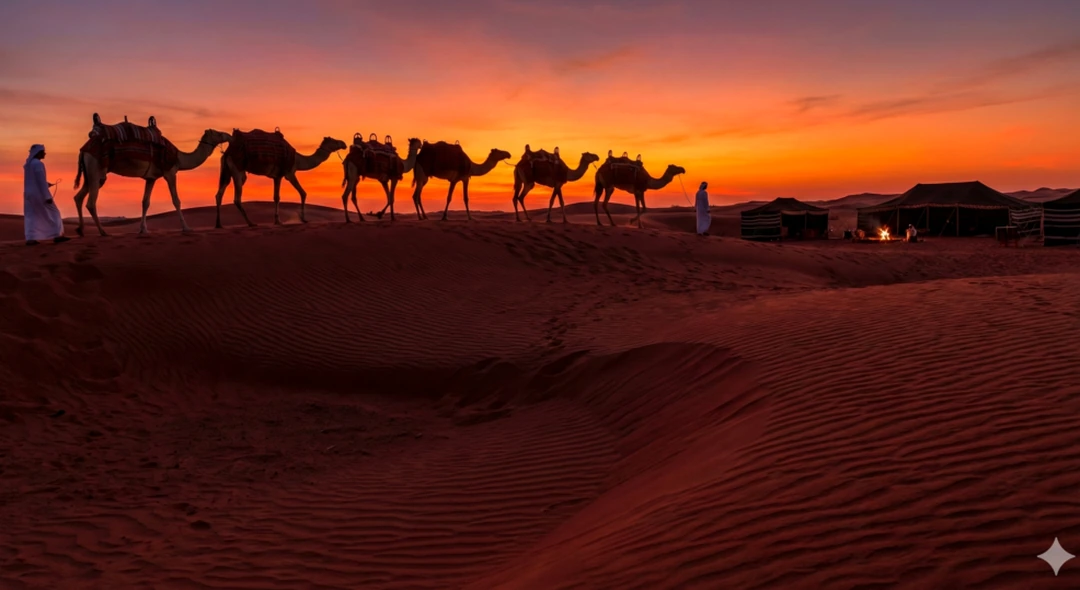
Stretching endlessly beyond the glamorous boundaries of futuristic skyscrapers, Dubai’s iconic wilderness—from the fiery red sand valley of Lahbab to the sunken Al Marmoom Desert Conservation Reserve—harbors deep layers of cultural heritage intertwined with the destiny of the Al Maktoum dynasty. Since the Al Maktoum family formally assumed leadership of the emirate in the early nineteenth century, this harsh, arid expanse served as the crucible that forged the resilient spirit of nomadic Bedouin tribes. Prior to the pivotal year of 1966—when the commercial offshore Fateh oil field was discovered—the desert was purely a raw frontier of survival. Here, Bedouin life relied entirely on the Arabian dromedary camel (Camelus dromedarius)—revered as the “ship of the desert” for providing milk, meat, leather, and the sole means of transport—alongside the master art of falconry used to hunt houbara bustards amid scorching sandstorms.
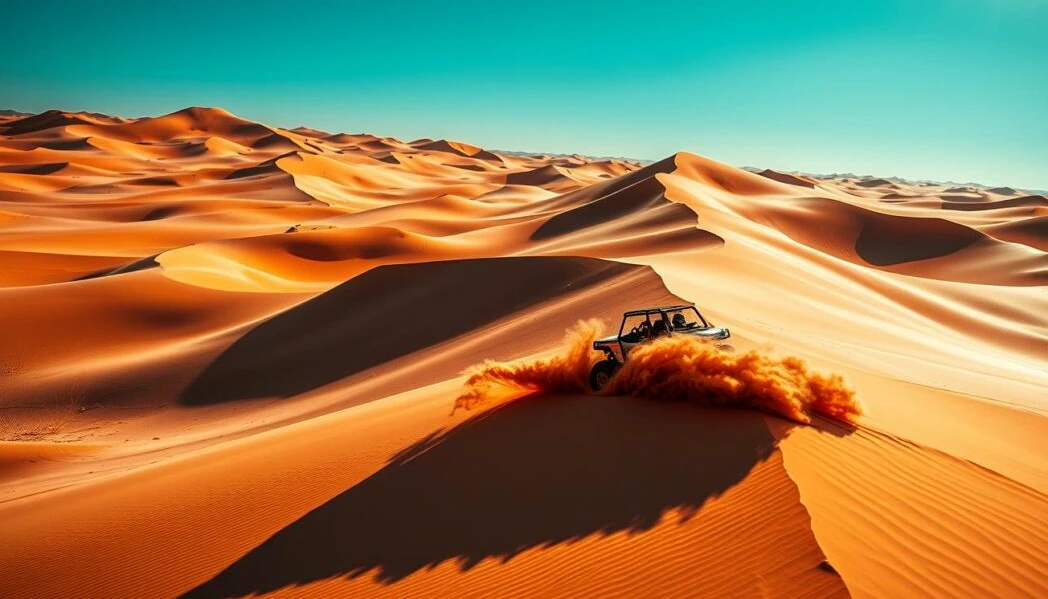
Under the strategic vision of the late Ruler Sheikh Rashid bin Saeed Al Maktoum, who laid the foundation for Dubai’s modernization, the desert was never left behind as a relic of an impoverished past; instead, it was preserved as a core spiritual anchor to remind future generations of their arduous roots. As petroleum wealth began sculpting urban marvels along the Persian Gulf coast, Sheikh Rashid bin Saeed Al Maktoum and his illustrious successor, Sheikh Mohammed bin Rashid Al Maktoum, championed the preservation of the desert landscape as a living cultural legacy. Amid rapid globalization, the desert was thoughtfully zoned both to safeguard the indigenous ecosystem of Al Marmoom and to pioneer non-oil economic growth through trailblazing sand expeditions.
The turning point from traditional nomadism to commercial desert tourism began taking shape in the 1980s and early 1990s. During this era, early Desert Safari expeditions were conducted aboard classic open-top Land Rover Series off-roaders—rugged vehicles that had once carried military personnel and geologists across shifting sand basins. The first Western travelers arriving here came not merely to admire the magnificent sunset draping over undulating sand ridges, but also to experience the unhurried rhythm of life beneath goat-hair tents, savor cardamom-infused Gahwa coffee, and witness the aerial grace of falconry displays.
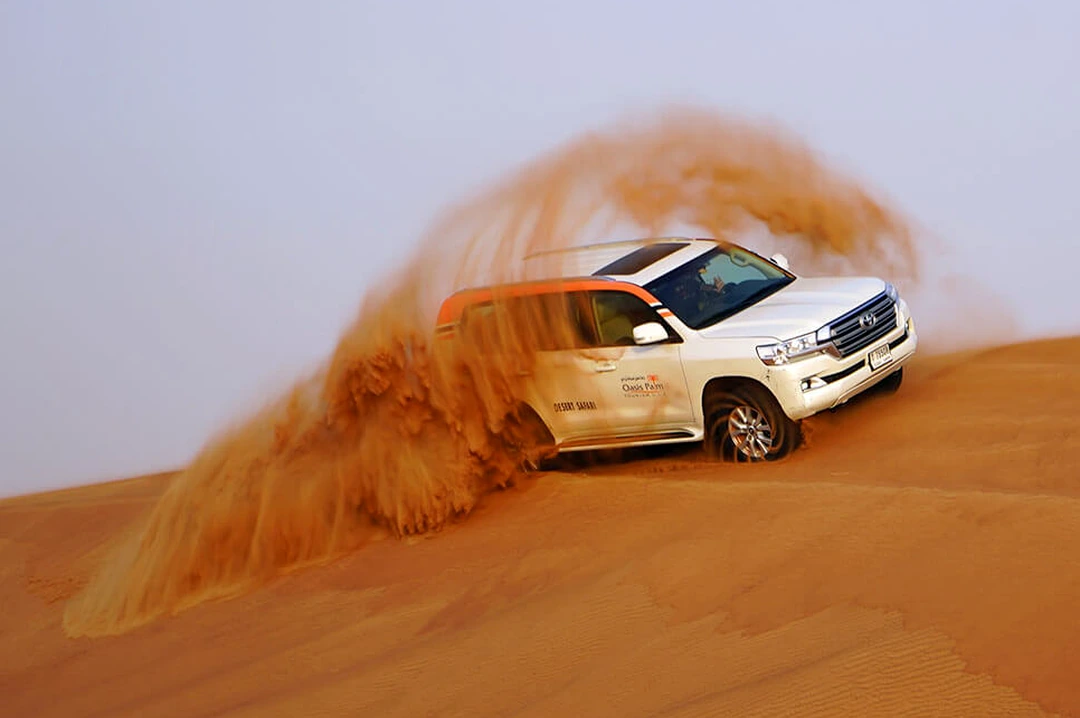
Since the 2000s, alongside Dubai’s meteoric rise on the global tourism map, desert expeditions have evolved into a sophisticated, luxury experiential industry. The Lahbab desert, where high iron oxide content imparts a mystical crimson-orange hue, emerged as the ultimate arena for high-octane dune bashing. The weathered Land Rovers of the previous century gradually gave way to fleets of modern off-roaders powered by muscular Toyota Land Cruiser V8 engines, reinforced with international-standard roll cages and specialized tire deflation systems to glide effortlessly across dune slopes tilted up to 45 degrees. This fusion of cutting-edge off-road engineering and millennia-old Bedouin heritage has transformed the Dubai desert into a seamless tapestry where pre-oil resilience shines alongside the soaring ambition of a remarkable dynasty.
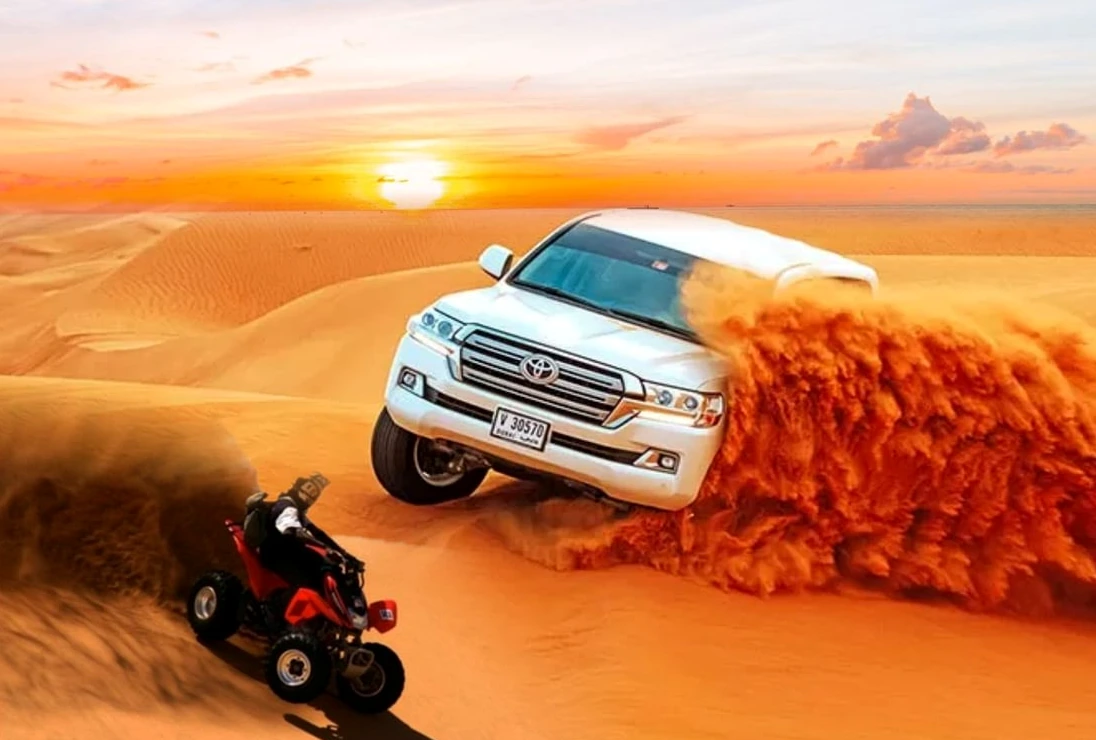
Leaving behind the smooth asphalt highways and glass-and-steel skyscrapers of the Persian Gulf coast, Dubai’s topography transforms dramatically roughly fifty kilometers to the southeast. Here unfolds the legendary Lahbab Desert, widely celebrated by geologists and travelers alike as the Red Dunes. Through a mineralogical lens, its rich vermilion glow—shifting magically with the angle of sunlight—is no accident of nature, but the result of millions of years of thin iron oxide coatings enveloping fine quartz grains. Amid endless crescent-shaped dunes constantly reshaped by Arabian winds stands the towering Big Red dune, known locally as Al Hamar, rising more than one hundred meters above the desert floor. Regarded as a singular geomorphological wonder where the natural slip-face angle reaches its steepest threshold, it turns the entire Lahbab plain into a premier mecca for sandboarding and adrenaline-fueled dune conquests.
Taming the colossal sand waves of Lahbab requires mechanical precision paired with the seasoned intuition of veteran desert drivers. Before steering four-wheel-drive vehicles into the heart of the dunes, the essential first step is deflating the tires from the standard thirty-five pounds per square inch down to just twelve to fourteen PSI. Lowering the pressure flattens and widens the tire treads, multiplying surface contact so the rubber wheels act like floating pontoons gliding atop loose sand without sinking into terrain traps. Master drivers seamlessly coordinate momentum, sharp steering angles, and an acute feel for the vehicle’s center of gravity as they drift sideways along steep dune crests, delivering a breathless thrill amid roaring engines and billowing clouds of red sand crashing like ocean surf in midair.
Alongside the untamed, high-energy drama of Lahbab, Dubai’s landscape planning reveals a striking yet deeply serene counterpoint in the Dubai Desert Conservation Reserve. Spanning an expansive two hundred and twenty-five square kilometers—nearly five percent of the entire emirate’s landmass—this reserve was established as a national ecological sanctuary to shield native wildlife from rapid urbanization. Here, tranquil sand valleys and resilient ghaf trees, whose roots plunge dozens of meters into arid earth in search of groundwater, shelter the white-coated Arabian oryx with its spear-straight horns—a sacred emblem once teetering on the brink of extinction—alongside the elusive sand cat, famed for having some of the most acute hearing in the animal kingdom.
Exploring this protected sanctuary eschews roaring engines that disturb the peace, favoring instead a nostalgic, nature-revering pace aboard authentic 1950s open-top Land Rovers. These vintage vehicles roll gently across sweeping sand basins into absolute stillness, where the only sounds are the desert breeze rustling through the air and the proud silhouettes of oryx grazing beneath acacia trees. The desert terrain here is therefore far more than a playground for high-speed machines; it is an enduring geological and ecological treasure trove that preserves the free-spirited, steadfast ethos of Bedouin nomadism within the modern world.
The journey into the wilderness begins along a meticulously engineered arterial road network, where concrete skyscrapers transition seamlessly into endless sand dunes in under an hour. Departing from downtown Dubai, the 75-kilometer E66 highway connecting Dubai and Al Ain serves as the direct backbone, allowing specialized tour fleets to travel smoothly in 45 to 60 minutes. This corridor is supported by some of the Gulf’s most advanced multi-lane expressways, including the E311 (Sheikh Mohammed Bin Zayed Road) and the renowned E11 (Sheikh Zayed Road). Seamless infrastructure connectivity is further underscored by ideal proximity to two major international aviation hubs—Dubai International Airport (DXB) and Al Maktoum International Airport (DWC)—enabling millions of transit passengers to turn a desert expedition into reality without lengthy transfers.
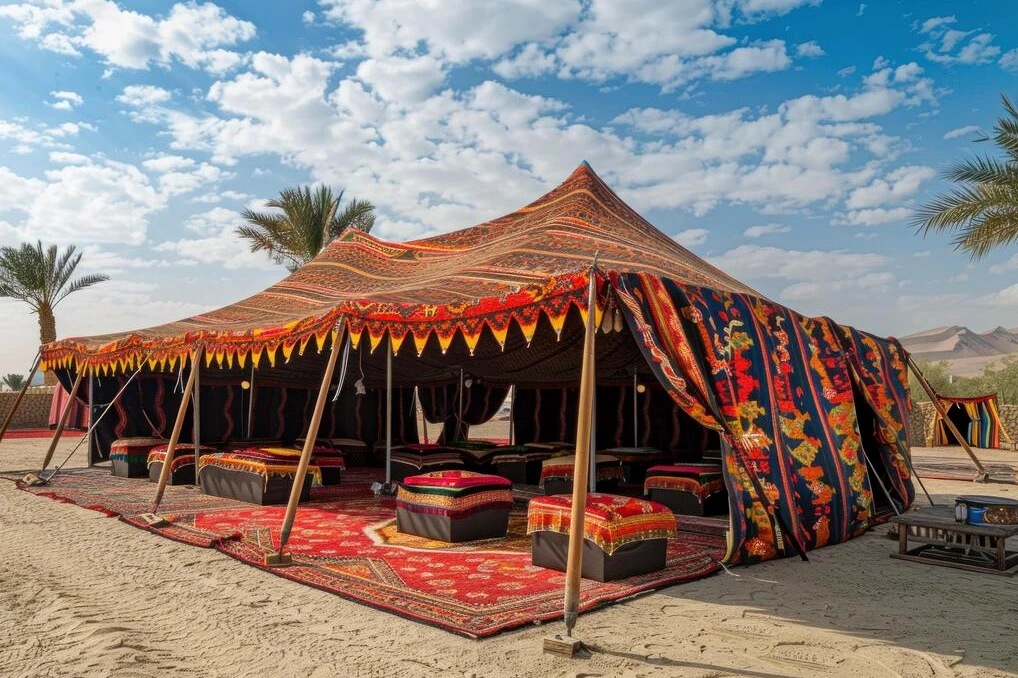
Where smooth paved highways give way to rolling sand ridges, the architecture of traditional desert camps emerges like a secluded oasis amid the vast wilderness. The entire complex is designed around an open-air layout rooted in age-old Bedouin nomadic customs, centered on a circular or octagonal Majlis reception area. This concentric arrangement not only embodies the communal ethos and legendary hospitality of ancient Arab tribes, but also creates unobstructed sightlines toward the central cultural stage. Exterior tent canopies are crafted from specialized heat-resistant synthetic canvas in natural sand-gold or understated ivory tones, deflecting intense daytime solar radiation while blending harmoniously into the undulating red dunes.
Beneath the airy Majlis canopies, traditional craftsmanship shines at its finest through Al Sadu weaving—a UNESCO-recognized Intangible Cultural Heritage of Humanity. Each floor rug and backrest cushion is painstakingly handwoven by seasoned Bedouin artisans using raw camel hair, sheep’s wool, and goat hair, distinguished by bold geometric motifs symbolizing desert rhythms, water sources, and navigational constellations. Dense woven textiles pair seamlessly with low, plush velvet-upholstered cushions arranged along the tent perimeters, faithfully recreating the refined, ground-level hospitality traditions upheld by Arab ancestors for centuries.
The camp’s visual depth reaches its most enchanting crescendo at dusk, giving way to the warm glow of traditional illumination. Along timber boardwalks and around the central pavilion, dozens of hand-forged wrought-iron lanterns in classical Islamic style are lit in unison. Intricate Arabesque filigree pierced into the smoked metal allows soft amber light to filter through, casting shimmering, ethereal shadows across the woven carpets and sand. Together, these elements compose an architectural sanctuary that is both sturdy and graceful—balancing practical shelter against harsh desert elements with the nostalgic beauty of a storied desert civilization.
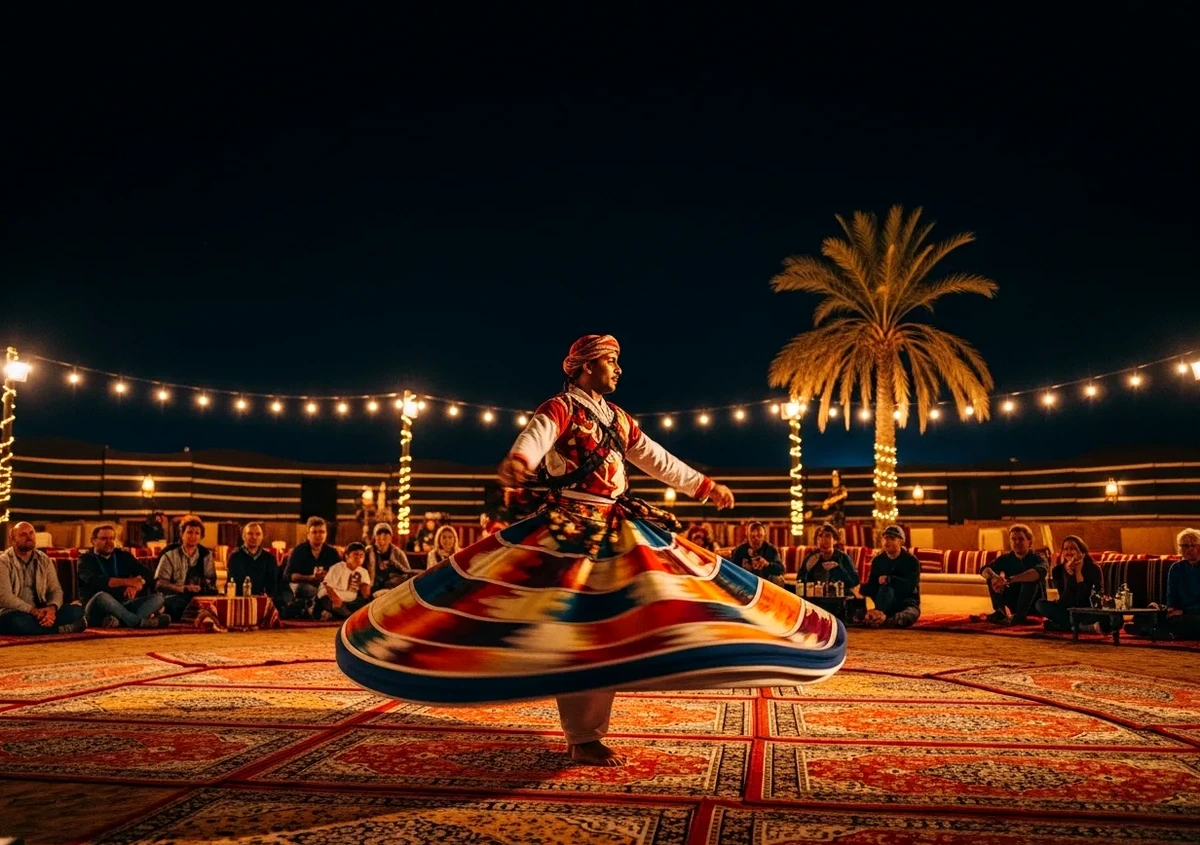
As the final gilded rays of sunset sink behind crimson dune crests, the desert undergoes a dramatic transformation from silent twilight to the vibrant energy of traditional Bedouin camps. The setting unfolds like a scene straight out of an Arabian epic, where thick Persian-patterned carpets spread around a circular stage illuminated by burnished brass fanoos lanterns and flickering torches that ward off the crisp chill of the wilderness night. The rich aroma of premium oud incense mingles with glowing charcoal smoke and fragrant cardamom-spiced Gahwa coffee, inviting guests to recline on plush majlis cushions for an extraordinary evening of visual artistry and spiritual tradition amid the endless sands.
The most captivating centerpiece of the evening’s live performances is the mesmerizing Tanoura dance—a secular performing art deeply rooted in the Sema ritual of Sufi mysticism founded by the 13th-century poet Jalal al-Din Muhammad Rumi. Unlike ordinary entertainment dances, the male Tanoura performer enters a state of kinetic meditation (dhikr), spinning continuously counterclockwise on a fixed axis for dozens of minutes without losing balance. The extraordinary feat lies in his multi-layered pleated skirt weighing 15 to 20 kilograms, symbolizing the eternal orbit of celestial bodies around the Sun and the universe’s endless cycle toward supreme enlightenment. As the heavy layers flare outward into vibrant concentric tiers, the dancer deftly shapes them into a cradle, a protective shield, and an expansive canopy before activating modern LED strips stitched along the hems, illuminating the night with dazzling halos reminiscent of glowing nebulae across the desert galaxy.
Following the transcendent solemnity of Tanoura comes Raqs Sharqi—the enchanting art of Oriental belly dance, where the dancer’s body becomes a fluid language beneath the bright moonlight. Rapid hip shimmies and rhythmic torso undulations move in harmony with the crisp beats of the darbuka drum and the soulful melodies of the oud, reviving ancient Mesopotamian rituals celebrating vitality and abundance. Before the applause even fades, the desert night erupts into a breathtaking Fire Show. Skilled fire artists command flames through daring fire-eating feats and blazing double-ended staff spinning. Whirling fire staffs and poi chains slice through the darkness in brilliant arcs, showering tiny embers onto the cool sand in a striking visual contrast between earthly heat and infinite nocturnal stillness.
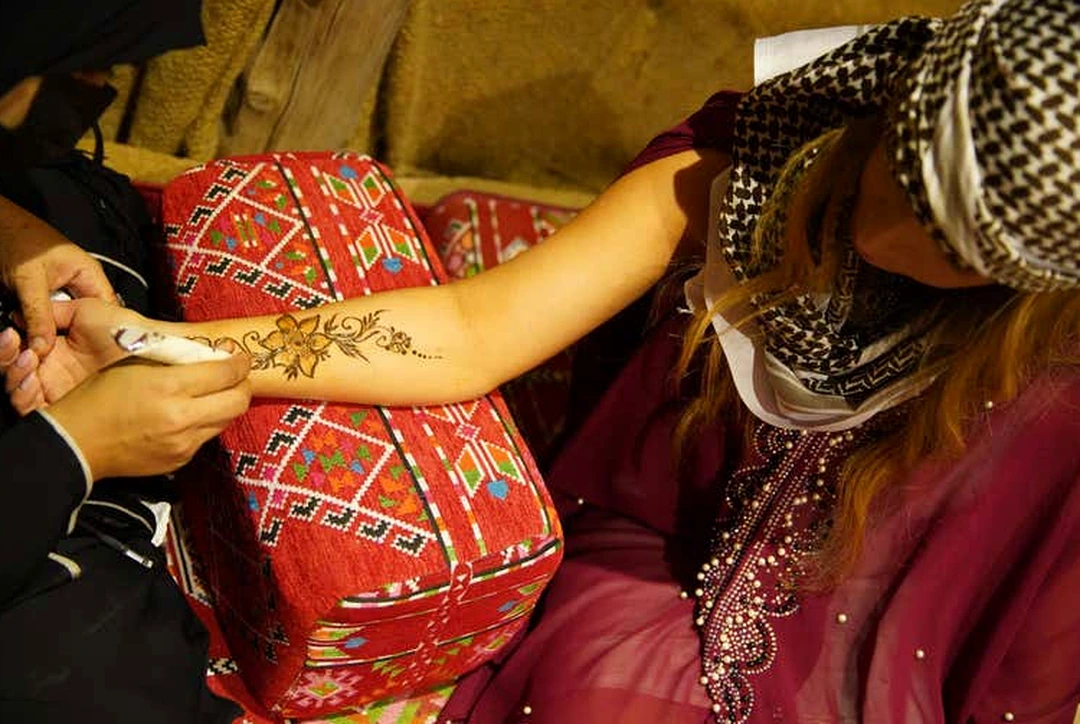
Interwoven between these dynamic performances is the unhurried, refined ambiance of Arabian nightlife expressed through warm hospitality customs. Guests can stroll over to quiet tent corners where female artisans use natural Lawsonia inermis paste to paint delicate henna motifs onto the skin, forming intricate Arabesque patterns symbolizing protection and blessings. Nearby, fragrant wisps of smoke from traditional Shisha pipes infused with crisp double apple, mint, or grape drift through the evening breeze, soothing the senses. The experience culminates around a lavish Middle Eastern BBQ feast featuring glistening Shish Tawook chicken skewers and herb-marinated Kofta lamb grilled over glowing coals, served alongside creamy Hummus and warm, fluffy flatbreads under a star-studded Arabian sky.
As twilight fades into the vast desert night, the traditional Bedouin camp glows with firelight, unveiling a thousand-year-old culinary heritage forged by nature’s extremes. The most sacred centerpiece of the desert banquet is Zarb—also known as Garbale—an ancient subterranean cooking technique passed down through nomadic tribes. Bedouin chefs dig a deep pit into the red sand and lower in a roaring charcoal brazier. Succulent cuts of young lamb, generously rubbed with desert herbs, golden saffron, cinnamon bark, and Arabian star anise, are arranged onto multi-tiered wire racks above fragrant basmati rice. The underground oven is sealed with burlap cloths and buried beneath hot sand for three to four hours. Under natural pressure and slow radiant heat transferred through the sand, the lamb cooks until fall-off-the-bone tender, its melting fat infusing every golden grain of rice while locking in pure, natural sweetness and a subtle woodsmoke aroma.
Alongside this subterranean specialty, the banquet atmosphere comes alive at blazing open-air grill stations where the irresistible aroma of Mixed Grill skewers captivates every sense. Golden Shish Tawook chicken skewers, minced lamb Kofta blended with fresh mint and onions, and vertical spits of rotating beef Shawarma are expertly carved by local culinary artisans. These sizzling grilled meats reach perfection when wrapped inside freshly baked Khubz—traditional flatbread puffed over a blistering iron Saj griddle. Paired with the bread and meats is Toum, a snow-white garlic sauce whipped to a whipped-cream consistency yet packing a bold, zesty punch from fresh garlic, sea salt, and premium olive oil—striking an exquisite balance between rich savoriness and bright, palate-awakening spice.
To temper the bold intensity of the grilled meats, every Arabian banquet reserves a place of honor for the iconic appetizer dip duo: Hummus and Moutabal. Hummus is crafted from tender boiled chickpeas pureed with velvety Tahini sesame paste, fresh lemon juice, and crushed garlic, generously drizzled with glistening extra-virgin olive oil and dusted with crimson paprika. Beside it sits Moutabal—a smoky masterpiece made from eggplants charred directly over glowing embers until their skins blister, preserving a silky, smoke-kissed interior folded with Tahini, ruby pomegranate seeds, and thick Labneh yogurt. The nutty richness of chickpeas paired with the deep, smoky character of roasted eggplant creates a refined counterpoint that introduces travelers to the subtle sophistication of Middle Eastern gastronomy.

Concluding this culinary odyssey beneath a canopy of twinkling stars is a dessert ritual steeped in the hallmark hospitality of the Arabian Peninsula. Platters of prized dates—including plump, caramel-sweet Medjool and rich, dark-skinned Khidri varieties—are presented as symbols of abundance amid the arid wilderness. Enjoying dates is inseparable from sipping steaming cups of Gahwa—a traditional brew made from lightly roasted coffee beans infused with aromatic cardamom and precious saffron threads. The warm, spiced notes of Gahwa dissolve seamlessly into the deep natural sweetness of ripe dates, leaving a lingering, comforting finish as travelers recline against handwoven carpets in the heart of the boundless desert.
Exploring the Arabian wilderness calls for a thorough understanding of the Gulf’s dramatic seasonal rhythms to ensure the most rewarding experience. The ideal window of the year to venture into the red dunes runs from October through the end of April. During this subtropical winter season, the sun softens to a pleasant warmth with daytime temperatures ranging comfortably between 15°C and 28°C, accompanied by gentle breezes that keep the air crisp and dry. Conversely, unscheduled excursions between June and August pose genuine survival challenges, as dune surface temperatures can soar to extreme highs of 48°C to 50°C, where intense solar radiation rapidly induces exhaustion and halts outdoor activities.
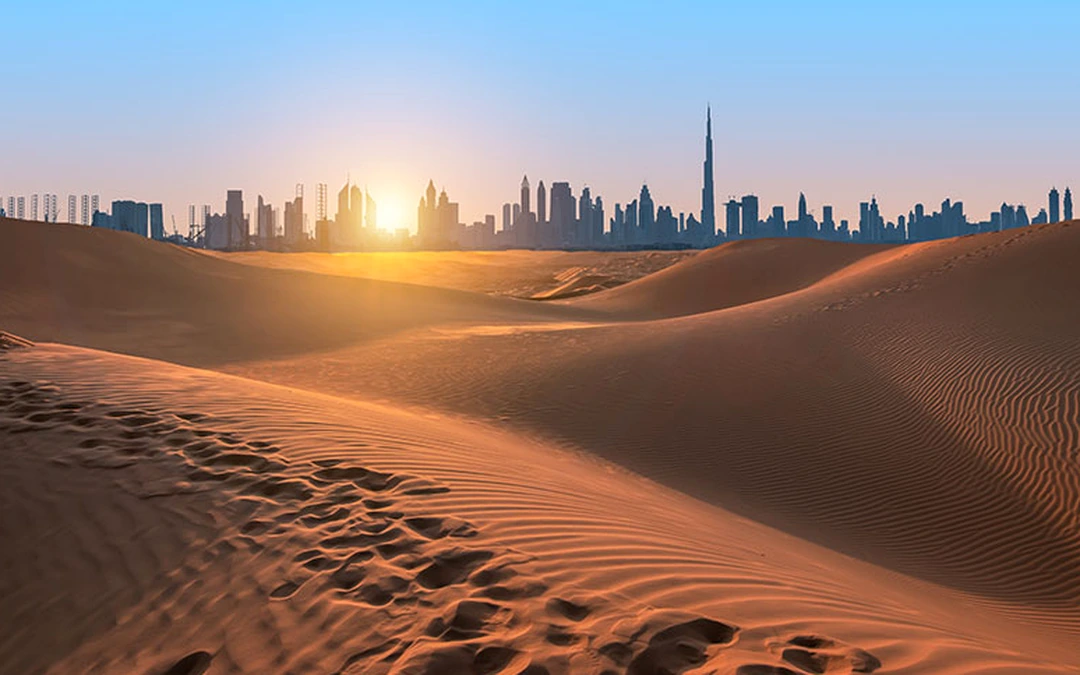
A standard afternoon safari itinerary typically begins with hotel pickups in central Dubai around 15:00 and concludes with drop-offs around 21:30. This schedule is precision-timed by travel specialists to align with the desert’s natural light cycle. Off-road convoys enter the Lahbab red dunes at 16:00, just as the slanting afternoon sun casts dramatic shadows across rolling sand crests, kicking off an exhilarating 45-minute dune bashing session. After soaking in the sunset dipping below the endless horizon, guests proceed to a traditional Bedouin camp at 18:00 to indulge in a sizzling BBQ dinner, listen to soulful Arabian music, and watch hypnotic Tanoura dancers whirl beneath the serene, starlit night sky.
Thoughtful wardrobe and personal packing choices are key to staying comfortable and energized throughout the bumpy off-road adventure. Travelers should prioritize clothing crafted from breathable natural fibers such as linen or loosely woven cotton in relaxed silhouettes that cover the skin against blowing sand and late-afternoon sun. Once the sun sets, the desert experiences rapid radiative cooling that causes temperatures to drop sharply, making a lightweight windbreaker or cashmere shawl an essential item in your daypack. Polarized sunglasses to protect your eyes, high-SPF sunscreen, and snug sneakers or sturdy outdoor sandals with grippy soles will also make climbing sand dunes far easier. Notably, wrapping a traditional Bedouin Keffiyeh headscarf not only adds timeless flair to travel photos, but also shields effectively against fine sand; meanwhile, anyone prone to motion sickness should take preventive medication roughly 30 minutes before the dune bashing begins.
A decisive factor in the overall quality of your trip lies in carefully selecting a reputable tour operator amid hundreds of competing offers on the market. Seasoned travelers steer clear of suspiciously cheap packages priced at just $20 to $30, which frequently entail overcrowded vehicles, heavily shortened dune bashing sessions, and forced detours to high-pressure souvenir shops selling overpriced Persian rugs or synthetic bukhoor incense. Instead, a gold-standard desert safari guarantees zero forced shopping stops, operates late-model 4×4 fleets fitted with international-grade steel roll cages, and employs drivers holding an official Desert Driving License issued by Dubai’s Roads and Transport Authority (RTA) after hundreds of hours of rigorous off-road safety training.
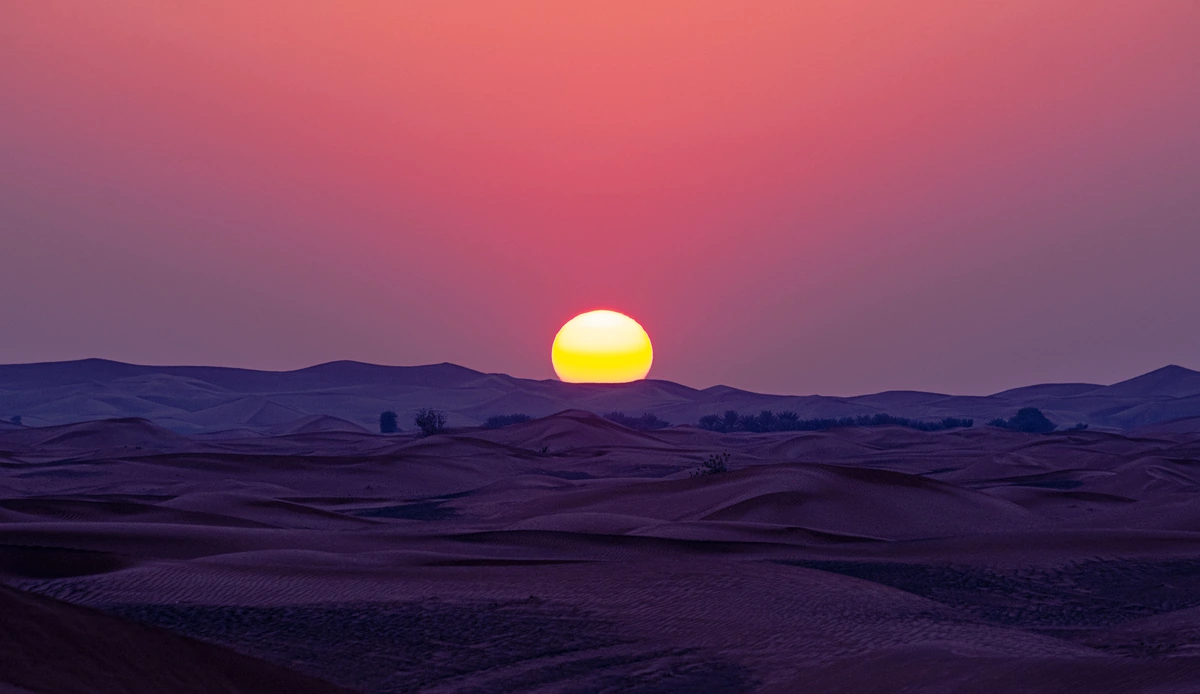
Bringing together uncompromising safety standards, luxury camp hospitality, and an authentic appreciation for indigenous heritage, an expedition into the red dunes promises unforgettable memories of a proud and untamed Middle East; to bring this dream journey to life seamlessly and with complete peace of mind, embarking on the 6D5N Dubai – Abu Dhabi – Desert Safari Tour is the ideal choice for every passionate traveler.