Beneath the patina of a hundred years, Xintiandi (新天地) reigns today as a proud emblem of modern Shanghai, yet the deep roots of this district trace back to violent geopolitical upheavals during the latter half of the nineteenth century under the Qing Dynasty. After the Treaty of Nanking was signed in 1842, throwing open the doors of trade to Western powers, Shanghai rapidly evolved into a distinctive treaty-port metropolis of foreign concessions. When the Taiping Rebellion (1850–1864) erupted and convulsed the fertile Jiangnan plain, massive waves of refugees—including aristocrats, wealthy landowners, and ordinary townspeople from Zhejiang and Jiangsu provinces—fled across the river into Shanghai’s foreign settlements seeking shelter under international protection. Under the Tongzhi and Guangxu reigns, this sudden population surge created an urgent housing crisis, prompting local and Western real estate developers to join forces in launching a large-scale residential planning revolution.
Out of that turbulent historical crucible emerged the celebrated Shikumen (“Stone Warehouse Gate”) architectural style in what is now Xintiandi, then part of Shanghai’s French Concession. Row upon row of terraced houses built from alternating gray and red bricks inherited the enclosed skywell courtyard (tianjing) layout of traditional Jiangnan courtyard residences, while dressing their exteriors in louvered shutters and carved Baroque or Renaissance stone lintels. Behind heavy black-lacquered wooden doors framed by sturdy sandstone jambs, early modern Shanghainese life unfolded in a rhythm at once intimate and bustling. Labyrinthine lilong alleyways nurtured generations of progressive intellectuals, reform-minded merchants, and hardworking artisans, giving birth to the famed Haipai (“Shanghai-style”) culture—where contemplative East Asian tradition blended seamlessly with Western industrial modernity.
Far more than an architectural witness to the concession era, Xintiandi also marks one of the most consequential turning points in modern Chinese history. In late July 1921, amid stifling summer heat and close surveillance by French colonial detectives, a modest Shikumen house at No. 76 Wangzhi Road (now No. 76 Xingye Road) welcomed thirteen delegates from across the country gathering in secret. Representing roughly fifty founding members nationwide—among them a twenty-something Mao Zedong driven by revolutionary fervor—these delegates convened the First National Congress of the Communist Party of China (中共一大会址). This understated brick townhouse sheltered fierce ideological debates, laying the organizational cornerstone of a political party that would fundamentally reshape the destiny of a nation accounting for one-fifth of humanity.
Having endured more than a century of wartime bombardment, political upheaval, and breakneck urban modernization, the historic site at No. 76 Xingye Road remains preserved down to its original raw bricks, ebony doors, and antique tea tables. Today, this hallowed landmark stands elevated as an exemplary heritage destination and the centerpiece of world-class “Red Tourism.” Stepping across its stone threshold offers travelers far more than a refined cultural stroll—it opens a direct dialogue with pivotal historical moments where the spark of conviction ignited in a quiet alleyway before sweeping across an entire continent.
Viewed through the lens of traditional geomancy (feng shui) and the natural geography of Shanghai, Huangpu District is cradled by the sweeping bend of the Huangpu River just before it meets the vast Yangtze estuary. Within the fertile alluvial plain of the lower Yangtze Delta, Xintiandi occupies a vital geomantic node where subterranean earth energy gathers and radiates outward across thriving commercial quarters. Rather than rising on rugged hillsides or rocky outcrops, the district rests upon level, fertile alluvial ground where ancient waterways once wove Jiangnan’s intricate waterborne trade network. The classical feng shui ideal that “level terrain blessed with water is supreme” comes alive here through open spatial planning that welcomes fresh breezes from the Huangpu River and neighboring Taipingqiao Lake Park.
Positioned at a prime address in Huangpu District, Xintiandi exemplifies the seamless intersection of classical urban fabric and twenty-first-century rapid transit. Anchoring local mobility is Xintiandi Metro Station, a multi-level subterranean interchange serving as a major transfer hub for the entire city. Here, Metro Lines 10 and 13 intersect vertically, creating effortless links to every key landmark: Line 10 runs as an east–west spine connecting directly from Shanghai Hongqiao International Airport and Hongqiao Railway Station past famed West Nanjing Road and the classical Yu Garden precinct, while Line 13 acts as a cross-river artery linking this historic commercial quarter with the legendary Bund and the futuristic Lujiazui financial district in Pudong.
In regional connectivity across the Yangtze River Delta, Xintiandi enjoys a geographical advantage few heritage districts can match. Located just 18 kilometers from Shanghai Hongqiao High-Speed Railway Station, travelers and business visitors reach the district smoothly in roughly 25 minutes via express metro or elevated arterial highways. It also connects directly to major interprovincial economic corridors via the G2 Beijing–Shanghai Expressway and the G50 Shanghai–Chongqing Expressway. This multimodal transit web sustains a continuous flow of visitors and commerce, transforming a quiet cluster of Shikumen lanes into one of China’s most vibrant lifestyle destinations.
Balancing dense brick-and-mortar heritage, Xintiandi’s natural landscape is thoughtfully enriched by its organic connection to adjacent Taipingqiao Lake Park. The expansive emerald lake serves as a grand “Bright Hall” (Ming Tang) water feature in East Asian feng shui, moderating surface temperatures across tightly packed Shikumen blocks and cooling the microclimate of central Huangpu District. Rows of mature London plane trees shade granite-paved walkways alongside gently bubbling courtyard fountains, weaving a soft ecological tapestry that relieves urban density and keeps natural vitality circulating in the heart of a global megacity.
Born in the mid-to-late nineteenth century as the Taiping Rebellion drove waves of refugees into Shanghai’s foreign settlements, Shikumen (石库门) architecture emerged as an unmistakable East–West hybrid. At its core, it unites the traditional Jiangnan courtyard house with the Western terraced townhouse. Its defining signature lies in sturdy arched doorframes carved from granite or sandstone, enclosing glossy black-lacquered wooden double doors fitted with antique bronze knockers. Walls laid in alternating courses of ash-gray and deep-red brick—accented by carved classical fretwork, plantain motifs, and symmetrical Western floral pediments above lintels—evoke a deeply atmospheric nostalgia amid soaring modern towers.
Despite their rich cultural pedigree, by the closing decades of the twentieth century the lilong neighborhoods surrounding Huaihai Road had fallen into severe disrepair. Surging population density turned century-old Shikumen homes into overcrowded tenements where dozens of families shared soot-stained kitchens and rudimentary sanitation, leaving the quarter vulnerable to wholesale demolition amid rapid urban renewal. At that decisive moment, Shui On Land founder and chairman Vincent Lo made an unprecedented, visionary move: rather than bulldozing prime downtown land for quick high-rise profits, he invested hundreds of millions of dollars into a landmark urban regeneration project built to endure.
The architectural soul of Xintiandi’s transformation was entrusted to acclaimed architect Benjamin Wood of Wood + Zapata, working in collaboration with renowned urban planners Skidmore, Owings & Merrill (SOM). Guided by a philosophy of “Pioneer Architecture,” the team adhered strictly to the principle of “preserving the exterior shell while reinventing the interior core.” Tens of thousands of century-old bricks were painstakingly dismantled, cataloged, cleaned with specialized compounds to retain their weathered moss and patina, and reassembled over an advanced structural steel frame. Cramped, damp interiors were gutted to create airy, multi-level commercial spaces outfitted with concealed climate control, fiber-optic networks, and clear structural glass—breathing vibrant contemporary life into static architectural heritage.
Xintiandi’s master plan unfolds through a poetic contrast between two distinct zones—the South Block and the North Block—divided gently by historic Xingye Road. Known as a sanctuary of memory, the North Block preserves the original scale and massing of historic Shikumen lanes almost intact; strolling down shaded bluestone alleys, visitors discover fine-dining restaurants, open-air cafes, and contemporary art galleries tucked behind antique stone archways. Conversely, the South Block shines as a statement of the present, anchored by a sleek glass-clad retail complex housing modern cinemas, luxury fashion houses, and international dining venues linked directly to the underground metro station. Together, these complementary halves make Xintiandi a global textbook model for infusing historic urban fabric with modern energy without severing its historical roots.
As sunset fades along the western bank of the Huangpu River, shedding the quiet daytime dignity of century-old gray Shikumen brick, Xintiandi begins an enchanting metamorphosis of light and sound. From 6:00 PM well past midnight, China’s first open-air pedestrian lifestyle district awakens in a captivating dance of illumination that redefines the legendary “Shanghai Night” that enchanted aesthetes a century ago. Unlike the dazzling neon billboards of Nanjing Road or the grand riverfront spectacle of the Bund, Xintiandi’s lighting relies on refined indirect grazing: warm amber beams hidden beneath sandstone cornices wash upward across intricate relief carvings and mossy brickwork, bringing Baroque stone archways to life like an open-air contemporary art installation.
This pedestrianized open-air mall stages a compelling dialogue among nature, water, and architectural heritage. Anchoring its sleepless nights are mirror-still water plazas reflecting recessed floor LEDs and manicured tropical greenery. Landscape architects turned every square meter of public space into an unscripted living theater: the gentle murmur of neoclassical fountains blends with footsteps echoing across stone flagstones to compose a singular urban symphony in the heart of Huangpu District. Rather than shattering 1920s nostalgia, the sophisticated energy of one of Asia’s premier financial capitals embraces and elevates it.
By 8:00 PM, Xintiandi reaches its vibrant crescendo as rows of open-air bars, lounges, and bistros awaken across both the South and North Blocks. Beneath mature plane trees strung with twinkling lights, al-fresco tables fill with stylish diners from around the globe. Soulful saxophone melodies drift from a Prohibition-style speakeasy jazz lounge, mingling with deep basslines from contemporary nightclubs. Guests can sip bespoke cocktails blending aged Shaoxing huangjiu rice wine with Western botanical gin while savoring steaming baskets of delicate dim sum alongside charcoal-grilled Wagyu beef. Savory garlic butter, oak-aged wine, and crisp night-blooming jasmine from pocket gardens weave an intoxicating, multi-layered sensory tapestry.
Punctuating this festive energy are spontaneous performances by international street artists—from contemporary circus acts and sleight-of-hand magicians to acoustic bands performing around gentle bends in historic lilong lanes. Boundaries between performers and spectators dissolve; every visitor strolling beneath Shikumen stone arches becomes part of Shanghai’s most glamorous, poetic tableau. Xintiandi after dark is therefore far more than urban nightlife—it is a living museum where artistic lighting and cosmopolitan vitality awaken centuries of cultural memory beneath every stone.
Dining in Xintiandi is far more than a collection of prestigious restaurant brands; it is a culinary symphony embodying Haipai identity—where traditional Jiangnan roots intertwine seamlessly with modern Western flair. Its gastronomic landscape divides naturally across the North and South Blocks straddling historic Xingye Road: while the North Block captivates diners with nostalgic elegance tucked behind gray Shikumen walls, the South Block opens a vibrant contemporary culinary stage spanning eras and continents.
In the North Block, classical Shanghainese cuisine—known as Benbangcai—is celebrated at its highest benchmark at Ye Shanghai. Since the early modern era, Benbang cooking has stayed true to its core philosophy of “rich oil and crimson sauce” (nong you chi jiang), relying on slow braising and masterly heat control to coax out pure natural sweetness. Its celebrated Hong Shao Rou (Shanghai-style braised pork belly) showcases this craft to perfection: neat cubes of pork belly glazed to a lustrous mahogany sheen with rock sugar and premium dark soy sauce melt effortlessly on the palate without heaviness. Equally iconic are five-spice stir-fried river crab capturing the essence of the lower Yangtze Delta and sizzling shredded field eel topped with smoking-hot garlic oil poured tableside—unleashing an irresistible burst of fragrance and flavor.
Also housed within the North Block’s revitalized Shikumen quarters, the art of Chinese dim sum reaches exacting perfection at Din Tai Fung. Its world-famous Xiaolongbao soup dumplings have long transcended their Nanxiang street-food origins to become a global culinary icon. Each dumpling is a miniature feat of precision: a gossamer-thin yet resilient wheat wrapper encloses fresh, sweet pork filling and rich gelatinized bone broth that melts into piping-hot soup when steamed. Strict artisanal standards demand exactly eighteen uniform pleats along the crown—not one more, not one fewer—sealing in fragrant broth until the first delicate bite.
Crossing into the South Block shifts the culinary tempo dramatically toward global gastronomy and contemporary dining. Standing out in this sleek setting is The Commune Social, an acclaimed modern tapas restaurant operating at Michelin-caliber standards. In the hands of inventive chefs, pristine local seafood and top-grade imported meats meet progressive cooking techniques, turning small plates into edible art that channels the convivial spirit of the Iberian Peninsula while embracing East Asian terroir.
Framing the South Block’s cosmopolitan spirit is a row of open-air sidewalk cafes evoking the romantic charm of Paris’s Boulevard Saint-Germain. Wicker chairs line stone colonnades shaded by ginkgo trees, inviting visitors to linger over leisurely afternoon tea with fragrant black teas and artisanal pastries. Xintiandi’s food culture thus does far more than satisfy hunger—it defines an unhurried, cosmopolitan lifestyle where travelers can savor the finest flavors of East and West in a single afternoon.
Unlike the relentless pace of Pudong’s supertall financial towers, Xintiandi breathes with an enchanting dual rhythm that shifts across the hours of the day. To photograph weathered Shikumen stonework in its purest daylight character, begin your stroll during the daytime window between 10:00 AM and 3:00 PM, when sunlight filters through ancient plane-tree canopies onto bluestone pavers, highlighting carved Baroque stone lintels and aged fir shutters. Conversely, from 6:00 PM to 10:00 PM, both the North and South Blocks awaken into a glamorous evening promenade where open-air lounges, French-style bistros, and modern teahouses glow beneath warm amber lights, creating a cinematic urban stage.
Reaching this heritage landmark is effortless thanks to Shanghai’s world-class public transit network. Simply ride Metro Line 10 or Line 13 to Xintiandi Station and step out of Exit 1 or Exit 6 directly into the heart of the pedestrian district. Alternatively, take Metro Line 1 to South Huangpi Road Station and enjoy a pleasant walk of a few hundred meters down tree-lined boulevards. Because China’s digital economy operates almost entirely cashless—especially in China‘s major cities—virtually every restaurant, boutique, and museum here relies on mobile payments. International travelers should prepare ahead by linking an international Visa or Mastercard to Alipay or WeChat Pay, ensuring everything from sidewalk specialty coffee to exhibition tickets is paid seamlessly with a quick QR scan.
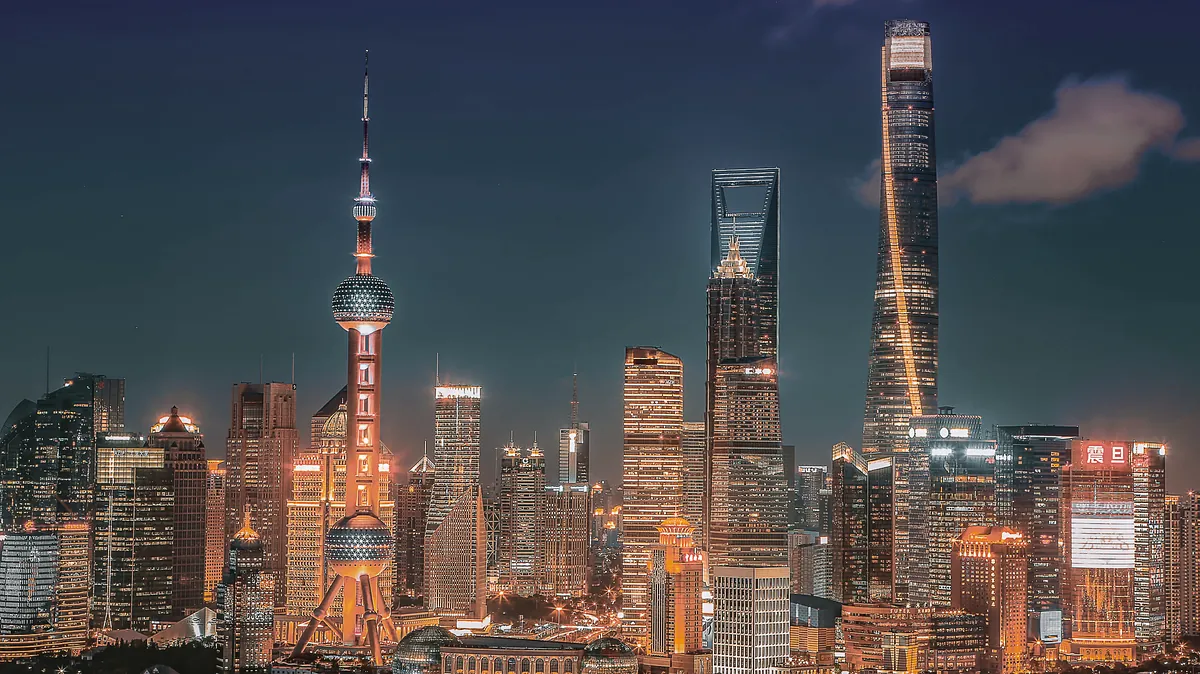
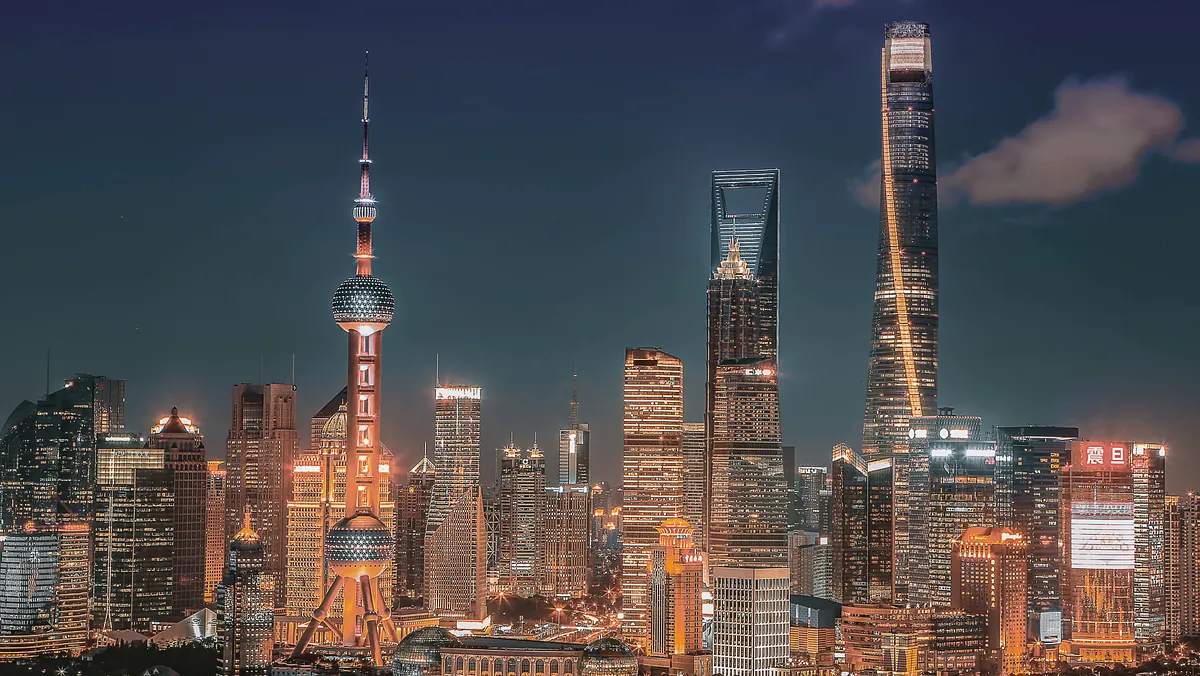
To make the most of a full cultural day in the city, Xintiandi serves as an ideal starting point for exploring Shanghai’s “Golden Triangle.” Begin the morning at the Memorial of the First National Congress of the Communist Party of China right at the Xingye Road intersection, where original artifacts and documents bring the historic 1921 turning point to life. Around midday, continue to Yu Garden (Yuyuan)—a classical Ming Dynasty garden masterpiece famed for its Great Rockery—paired with traditional snacks in the adjacent City God Temple bazaar, including legendary soup dumplings at Nanxiang Steamed Bun Restaurant. As dusk falls, conclude your walk along bustling East Nanjing Road Pedestrian Street, where dazzling neon leads straight out to the Bund along the Huangpu River to admire the dramatic contrast between Western neoclassical heritage buildings and Pudong’s illuminated Lujiazui skyline across the water.
For international travelers, visiting Shanghai has never been easier thanks to China’s 144-hour visa-free transit policy across the Jiangsu–Zhejiang–Shanghai region. This streamlined policy lets eligible travelers explore Shanghai’s heritage landmarks for nearly a week without complex visa paperwork when transiting onward to a third country. To preserve pure cultural immersion and protect your sightseeing schedule, choosing transparent itineraries committed to a strict No-Shopping policy ensures every hour goes toward authentic discovery. And once you have soaked in Shanghai’s East-meets-West urban glamour, travelers yearning for dramatic mountain-and-river scenery and pristine ethnic textile heritage can continue their adventure with an Enshi tour to experience an untouched, otherworldly paradise in the heart of mainland China.