Ha Mai Island is one of the farthest offshore islands in Quang Ninh Province. Still relatively new and unspoiled, it draws travelers who love exploring nature and enjoying peaceful surroundings.
Read more: Discover Van Don Travel
Overview of Ha Mai Island
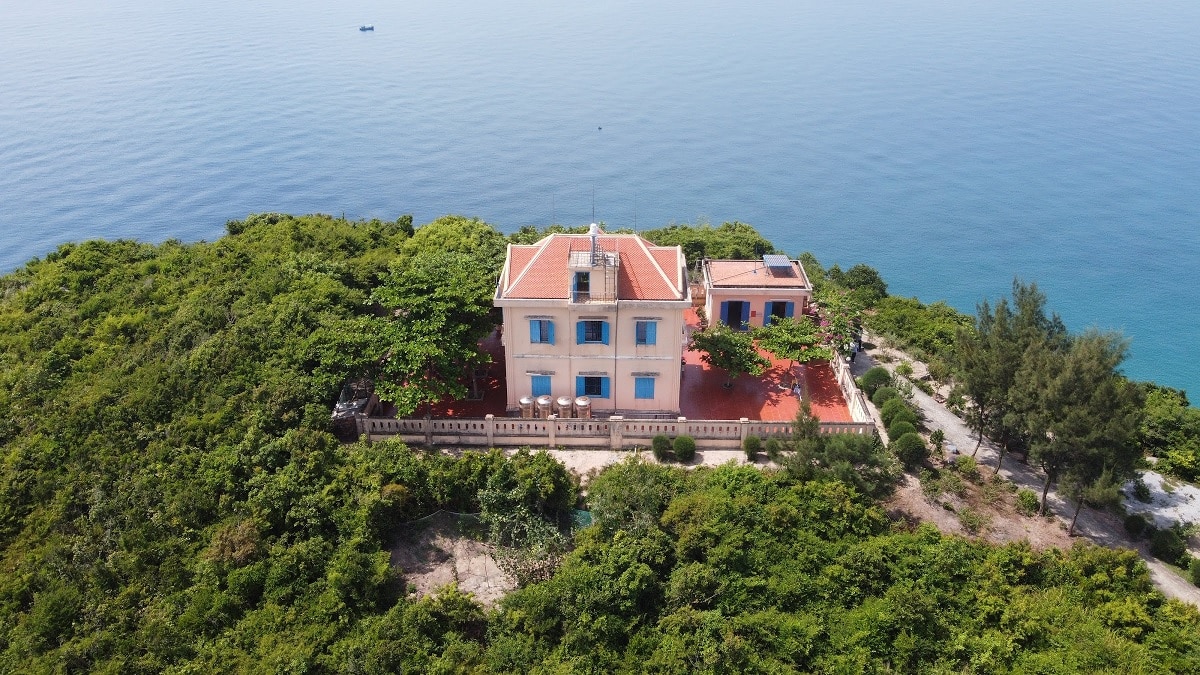
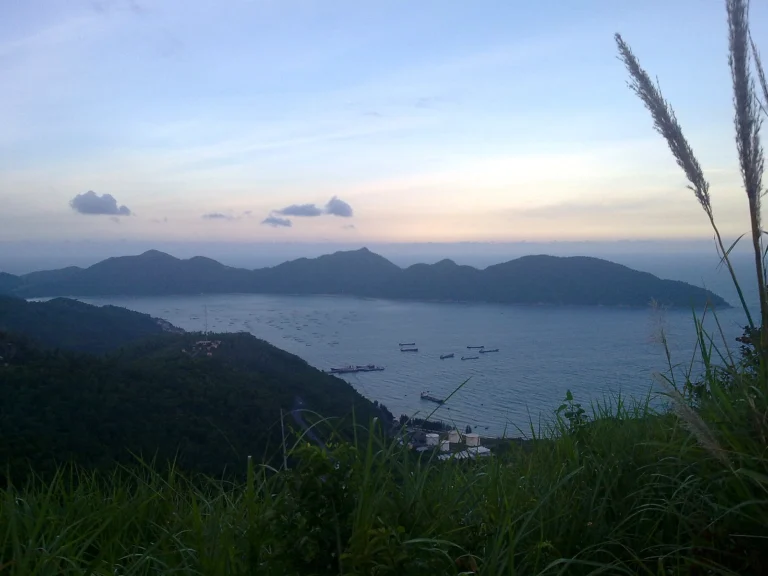
Located in Ngoc Vung Commune, Van Don District, Quang Ninh Province, Ha Mai Island is one of the farthest islands in the Gulf of Tonkin. It sits roughly 60 km from Ha Long City and about 38 km from the mainland, covering an area of around 1.5 km² with a silhouette resembling a whale swimming across the sea.
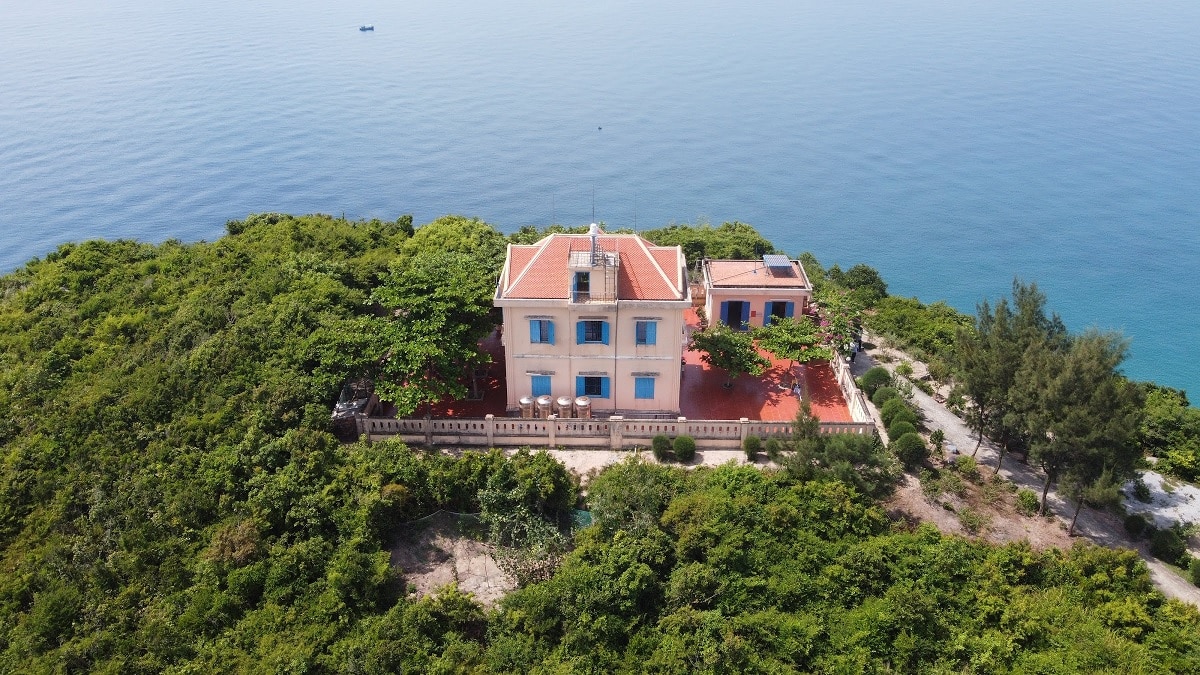
Ha Mai Island holds a long history documented as far back as the Early Le dynasty under King Le Thanh Tong. According to legend, the island earned the name Ha Mai because apricot blossoms (hoa mai) bloomed across it in spring—a symbol of purity and renewal as well as one of Vietnam’s beloved blossoms. Locals also call it Hon Me because from afar, its profile resembles a sleeping woman.
Ha Mai Island preserves an untouched, raw beauty with a rich natural ecosystem. Visitors can take in scenic spots such as the Ha Mai wind gap where breezes blow year-round creating distinctive sounds, lush island woods inhabited by birds and forest wildlife, sheer coastal cliffs appealing to climbers and photographers, and clear water with fine white sand ideal for swimming and sunset views—alongside activities like gathering sea snails, kayaking, viewing coral, visiting the light station, or gathering around a campfire.
Ha Mai Island is an inviting destination for anyone seeking quiet calm and solitude. Visiting gives you a chance to live close to nature, breathe in cool, clean air, and experience a distinctive coastal heritage gem of Quang Ninh and Vietnam.
Top Scenic Spots on Ha Mai Island
Visiting Ha Mai Island lets you admire dramatic, unspoiled coastal landscapes including:
- Ha Mai Wind Gap (Eo Gio Ha Mai): A narrow mountain pass in the northwest of the island stretching roughly 500 meters long and 10 meters wide, sculpted over millions of years by wind and wave erosion. Framed by steep cliffs curving like a whale’s back, it is a striking photo spot for lovers of wild natural grandeur.
- Light Station (Tram Den): A lookout and signal post set atop one of the island’s highest peaks with wide views out to sea, helping guide vessels entering and leaving the Gulf of Tonkin—especially in winter mist—while offering sweeping panoramas across Ha Mai Island and the gulf.
- Ha Mai Beach: The island’s main beach on the southeastern side, spanning roughly 1 kilometer of fine white sand, clear water, and gentle waves—well suited for swimming, relaxing, beach sports, building sandcastles, and watching sunrise or sunset over the water.
Fun Activities on Ha Mai Island
Beyond exploring scenic spots around the island, visitors can enjoy several engaging activities:
- Kayaking: A highlight not to miss on Ha Mai Island, letting you explore sheltered coves, caves, coral areas, and quiet beaches while building stamina and group camaraderie.
- Gathering Sea Snails: A hands-on activity along the shore or shallow water where you gather fresh sea snails to cook into flavorful meals or keep as natural mementos.
- Beach Campfire: A favorite evening tradition on Ha Mai Island—gathering around a beach bonfire to share food, sing, swap travel stories, stay warm in cool sea air, and bond with fellow travelers.

Local Specialties & Flavors of Ha Mai Island
Visiting Ha Mai Island brings not only natural scenery, but also fresh, savory coastal dishes. Notable local specialties include:
- Braised Scad with Sugarcane (Ca Nuc Kho Mia): A signature dish of fresh scad braised with sugarcane, ginger, garlic, chili, and seasonings—balancing gentle sweetness from sugarcane, fragrant ginger and garlic, mild chili warmth, and rich fish alongside steaming white rice.
- Fish Cake Noodle Soup (Banh Canh Cha Ca): A popular local comfort bowl made with chewy rice noodles, sweet fish broth, and savory, springy fish cakes, served with fresh herbs, vinegar, and chili.
- Ramie-Leaf Sticky Rice Cake (Banh It La Gai): A traditional cake made from glutinous rice flour, mung bean filling, and cooling ramie leaves (la gai), steamed into small round parcels with sweet bean richness, herbal fragrance, and chewy texture, often paired with rock sugar or grated coconut.
- Coconut Milk Tea (Tra Sua Dua): A distinctive local refreshment blending green tea, fresh milk, and coconut water—combining crisp tea notes, creamy milk sweetness, and coconut aroma over ice for hot summer days.