The Tung Ang Cong Do ecosystem is one of the unique and captivating attractions in Ha Long Bay, a UNESCO World Natural Heritage site. This is a distinctive type of limestone island ecosystem formed in a marine environment, combining biotic and abiotic elements to create a diverse and extraordinary landscape.
What Is the Tung Ang Ecosystem?
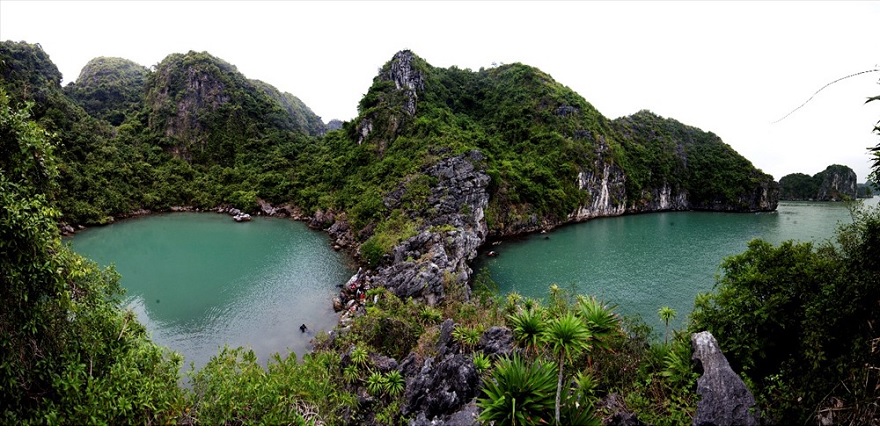
The Tung Ang ecosystem is a specialized wetland ecosystem unique to Ha Long Bay, Bai Tu Long Bay, and Cat Ba. It encompasses marine lakes and lagoons formed through natural erosion and weathering of limestone islands. Hundreds of millions of years old, these islands take on fascinating shapes resembling dragons, phoenixes, birds, and fish. The “ang” and “tung” are tranquil, turquoise bodies of water nestled amid the karst peaks. According to scientific definitions, an “ang” is an enclosed karst lake surrounded by limestone islands, whereas a “tung” is a semi-enclosed marine lagoon with a relatively wide opening to the bay, allowing water circulation while remaining sheltered with high clarity and calm waves. Scientific surveys have recorded a total of 62 ang and 57 tung across Ha Long Bay, Bai Tu Long Bay, and Cat Ba, covering 289.4 hectares and 1,186.2 hectares respectively.
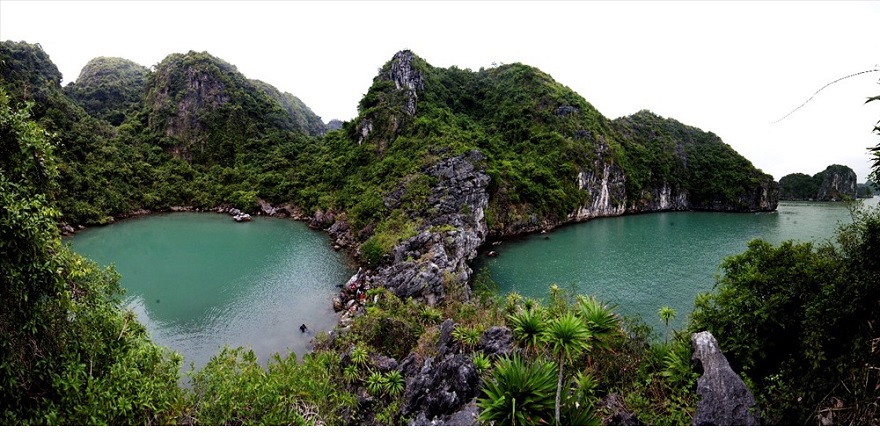
Tung Ang ecosystem
These ang and tung harbor abundant, diverse marine life across the Ha Long – Cat Ba area. The ang range from 1.5 to 4 meters in depth, with sandy bottoms or sand mixed with gravel and shell fragments, and crystal-clear water where the seabed is visible. They support 66 recorded species, including 21 species of seaweed, 37 mollusks, 8 crustaceans, and several corals—among them rare species such as pearl oysters, green mussels, sea cucumbers, clams, and caulerpa seaweed.
The tung feature hard seabeds and water visibility reaching up to 2 meters. Each tung supports varying numbers of species, primarily belonging to three groups: corals, benthic fauna, and seaweed. They are rich in prized marine specialties such as geoduck clams, blue swimming crabs, blood cockles, ark clams, and pearl oysters, as well as four rare species—male and female top shells (Trochus niloticus), black-lip pearl oysters, and sea cucumbers—all listed in the Vietnam Red Data Book for conservation.
Beyond their distinct ecological traits, ang and tung also undergo seasonal shifts, with dominant species changing over time. This makes them an invaluable natural laboratory for marine biology research and an exciting draw for scientists in the field.
How to Get to the Tung Ang Cong Do Eco-Area
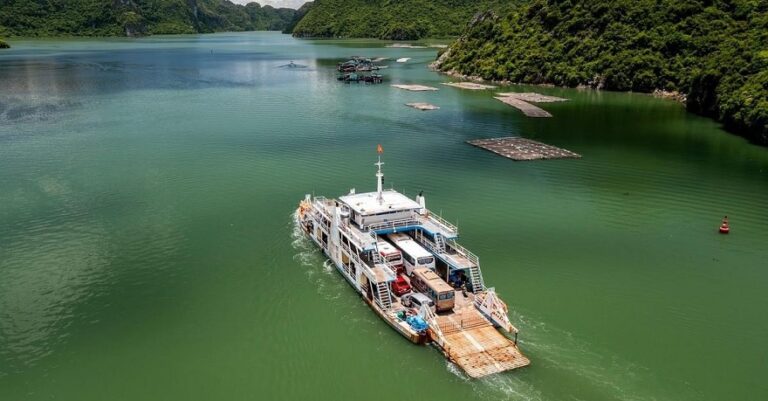
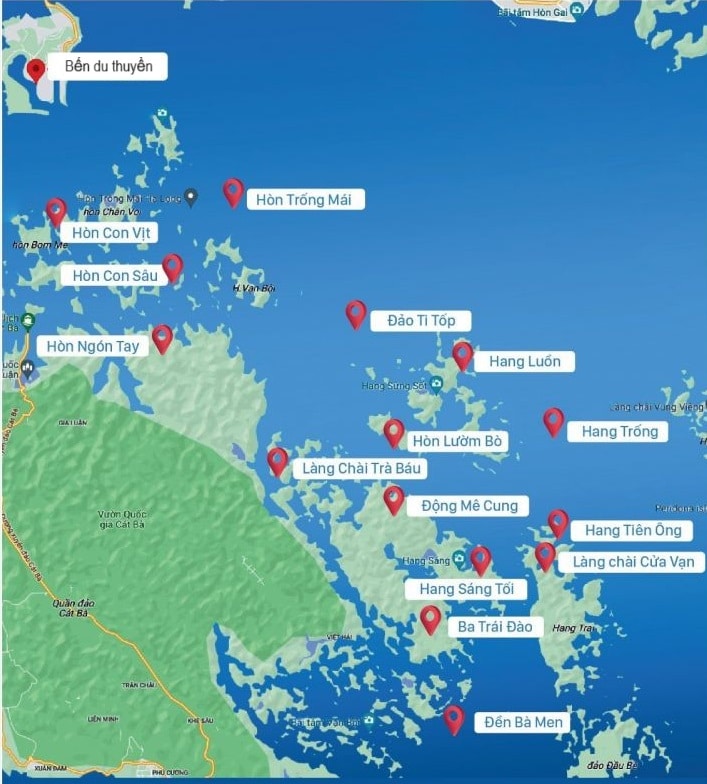
The Tung Ang Cong Do Eco-Area lies along Ha Long Bay Sightseeing Route No. 4, approximately 23 km from Tuan Chau International Cruise Port and 18 km from Ha Long International Cruise Port. Because Route 4 covers numerous scattered destinations that require an extended itinerary to explore, it is designed specifically for overnight cruises on Ha Long Bay, departing from either Ha Long International Cruise Port or Tuan Chau International Cruise Port.
The itinerary for Route No. 4 includes Co Cave, Thay Cave, the Cong Do Island area, Cap La Cave, the Tung – Ang Cong Do Eco-Area, Hon Xep Park, and the Vung Vieng area. Visitors typically explore the Tung Ang Cong Do ecosystem on the second day of their cruise.
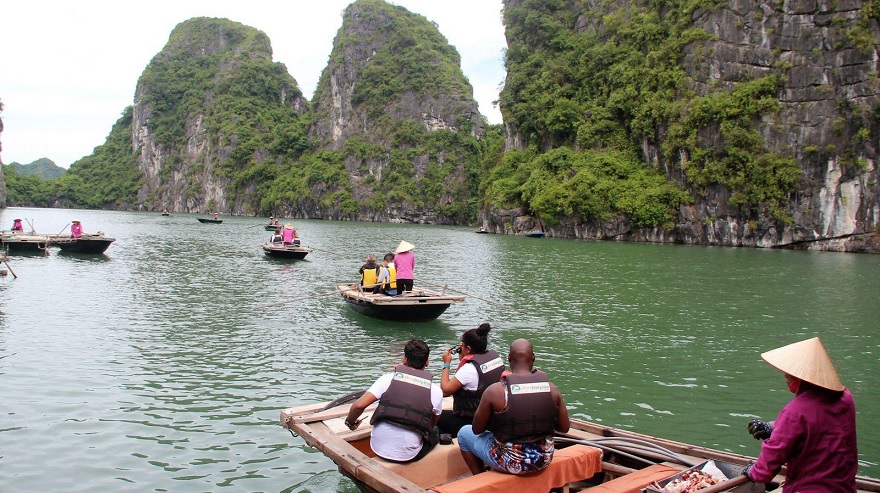
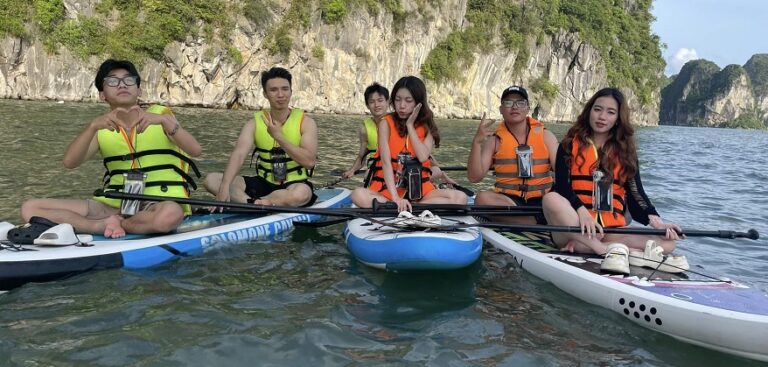
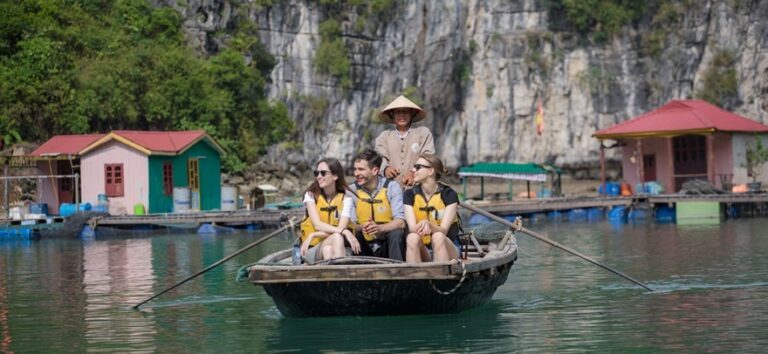
Riding a bamboo rowboat to experience and explore Tung Ang Cong Do
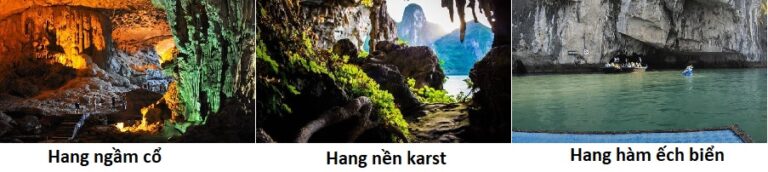
This eco-area comprises two main lagoons—Ca Bong Lagoon and Cong Do Lagoon—along with several smaller ones. Ca Bong Lagoon covers 1 hectare with shallow waters that serve as a habitat for gobies; reaching it involves an adventurous trek scaling a rocky cliff and following a steep forest trail for about 500 meters. Cong Do Lagoon spans 0.5 hectares with a seabed of sand, gravel, and various seaweeds, offering the most untouched and tranquil scenery in the area. Visitors can enter Cong Do Lagoon in two ways: passing through Cong Do Cave (when the tide drops to around 1.5 meters) or climbing over a 10-meter-high rock cliff.