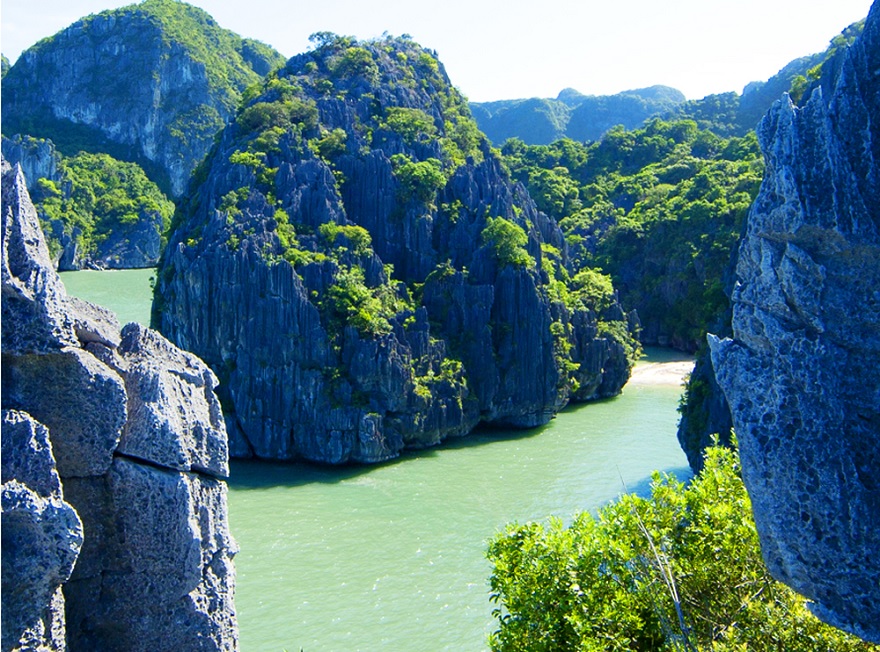
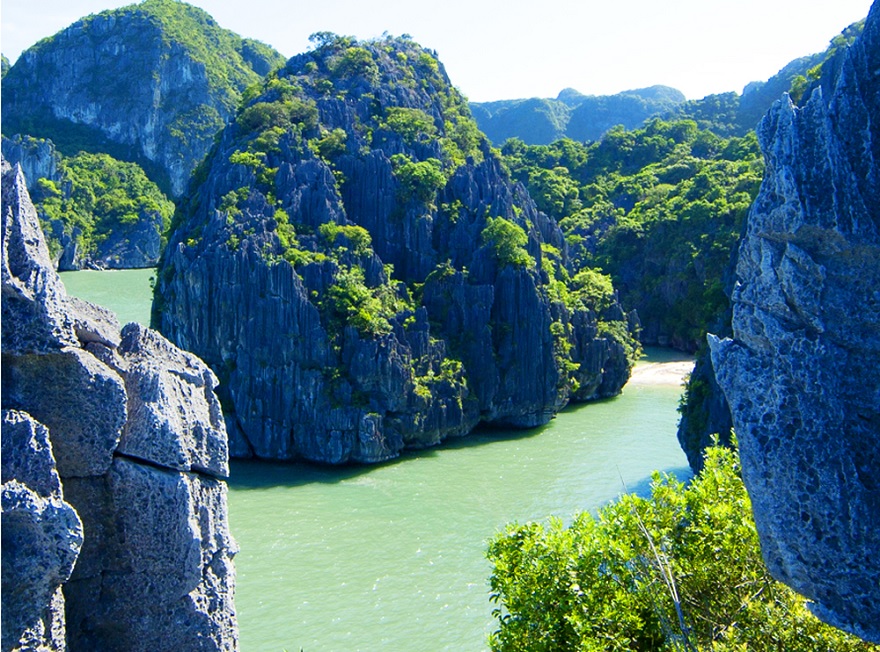
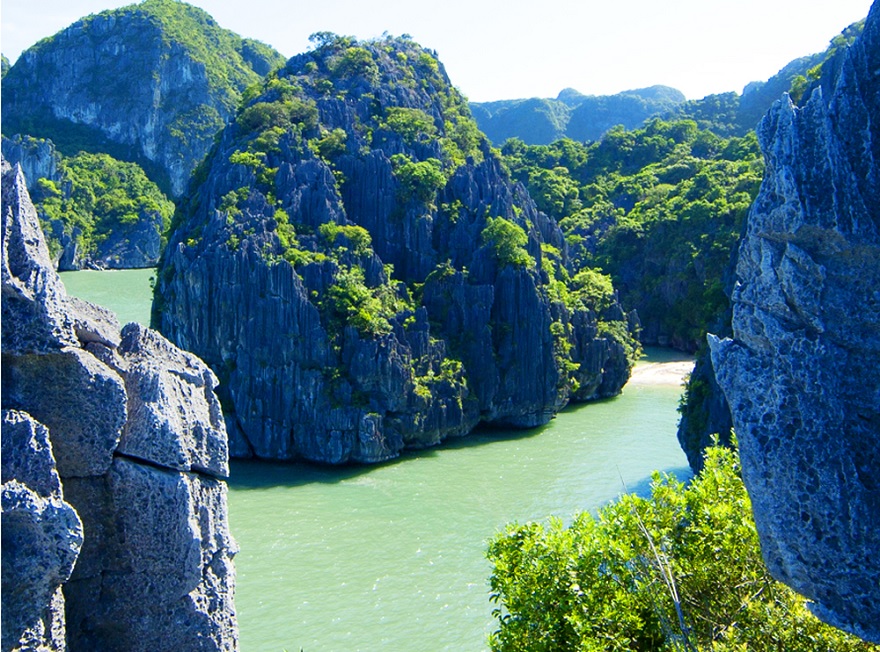
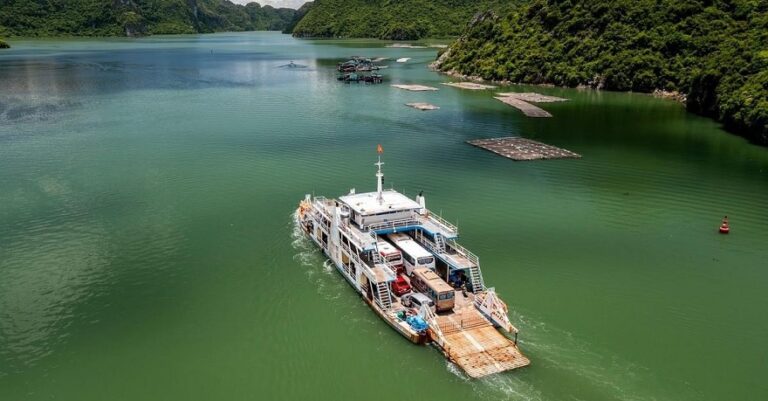
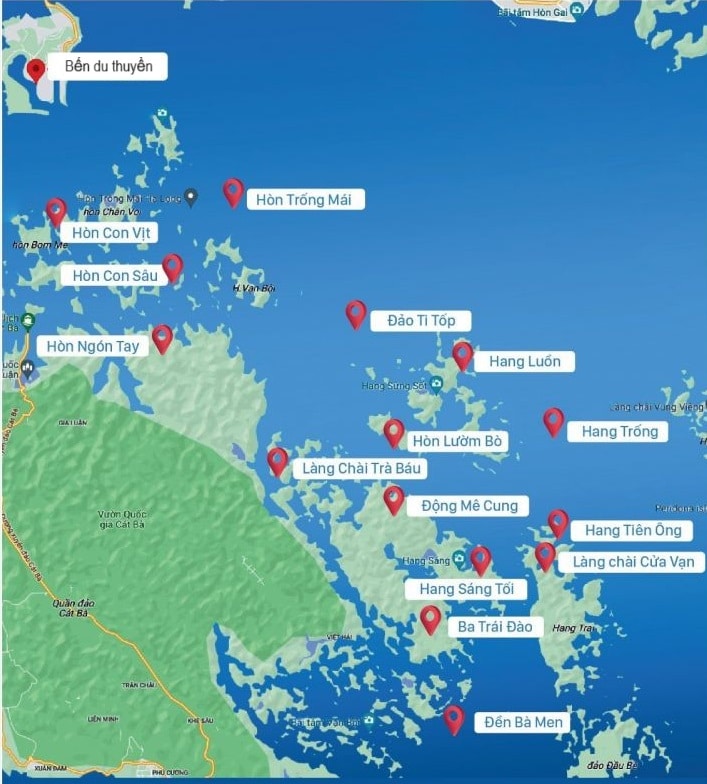
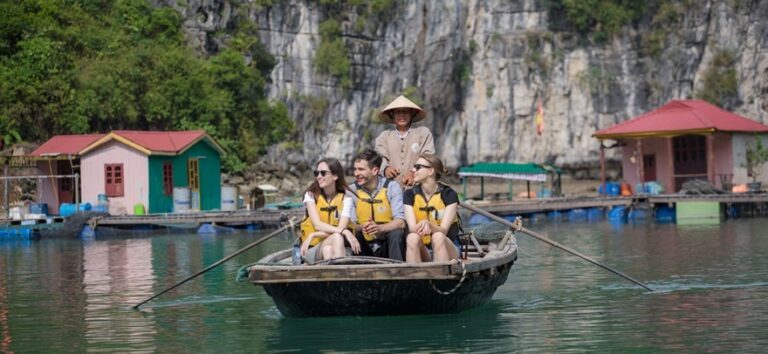
Ha Long Bay, a precious natural heritage site of Vietnam and the world, is facing the risk of severe pollution due to waste. The American travel magazine Fodor’s Travel has included Ha Long Bay in its 2024 “No List,” advising travelers to think twice before visiting to help protect the destination.
The “No List” was published following the “Go List,” featuring 9 travel destinations to avoid in 2024. The selection criteria include overtourism, waste generation, and water quality—factors that negatively impact the destination and the lives of local residents. Ha Long Bay falls under the “waste generation” category.
According to the American magazine, Ha Long Bay consists of approximately 1,600 limestone islands and is one of the natural wonders recognized by UNESCO in 1994. Ha Long Bay attracts millions of domestic and international tourists each year, but this also puts pressure on the environment, particularly regarding waste. According to data from Fodor’s Travel, the number of visitors to the bay in 2022 was over 7 million, with an expected increase to about 8.5 million in 2023.
See more: Ha Long Bay and things you didn’t know
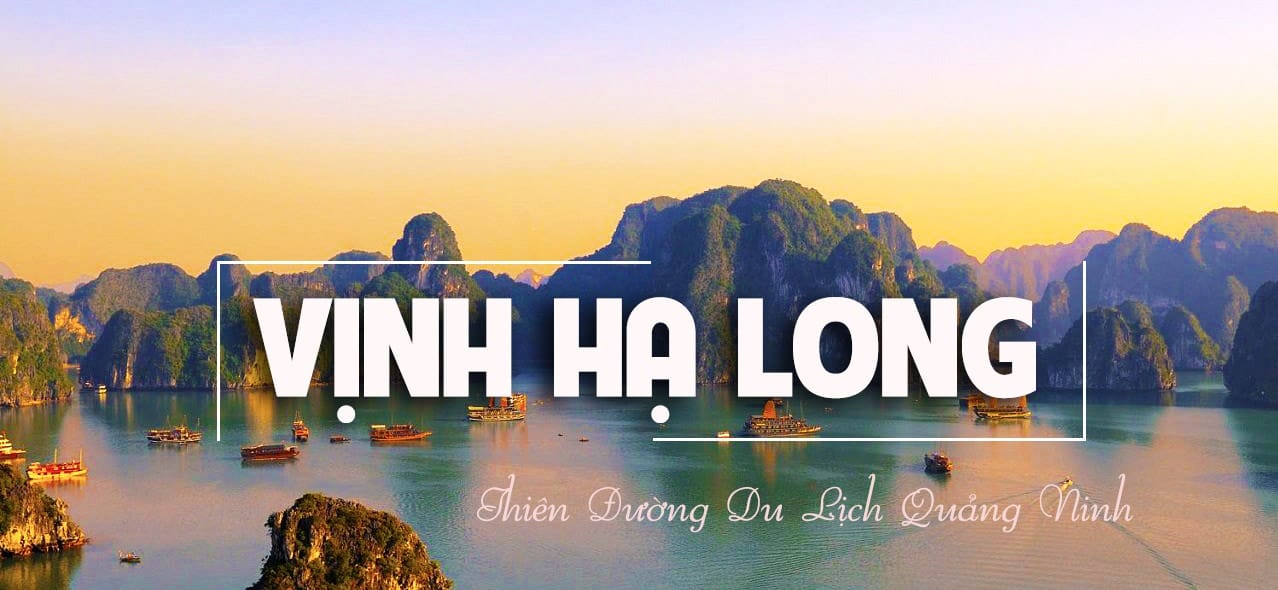
Waste originates from many sources, such as Ha Long Bay cruise ships, residential areas, and coastal fishing communities. Many tourists have reported seeing trash such as water bottles, plastic bags, foam cups, and fishing debris floating on the water, along with diesel oil from boat operations. Waste not only detracts from the beauty of Ha Long Bay but also harms biodiversity and the health of local residents. Many marine animals can die or be injured by ingesting plastic waste. Additionally, waste reduces water quality and causes air pollution and foul odors.
A 2020 study stated that more than 28,000 tons of plastic waste are generated annually in Ha Long Bay, with nearly 5,300 tons discharged into the sea, equivalent to 34 tons of waste generated daily from tourism activities. The waste problem does not just affect the tourism experience but also the bay’s ecosystem. The bay once had 234 coral reef species, but only half remain, according to Fodor’s Travel.
David, who researches marine pollution in the bay and has lived in Hanoi for over 5 years, said another issue exacerbating the waste problem is the growing fishing community around the bay. Floating buoys made of polystyrene, a thermoplastic, break down over time and create powder that drifts onto the beaches. These microplastics are now found in fish, posing a threat to food safety. Ha Long Bay also has 20,600 hectares of aquaculture ponds. Recently, authorities required fish farms to replace foam buoys with sustainable alternatives. Many discarded foam buoys were subsequently dumped into the bay. According to the Ha Long Bay Management Board, about 10,000 cubic meters of waste, including foam buoys, have been collected since March, and they noted that waste is being collected daily.
Fodor’s Travel added that limiting tourism will affect the livelihoods of many people in the short term. However, failing to protect Ha Long Bay could have long-term consequences.
Besides Ha Long Bay, two other destinations in the waste-related category are the San Gabriel Mountains National Monument in the US and the Atacama Desert in Chile. The remaining 6 names on the “No List” include: Venice (Italy), Athens (Greece), Koh Samui (Thailand), the Ganges River (India), and Lake Superior (North America).
Travel experts stated that the “No List” is not intended to “discredit or criticize” but rather to show concern and a desire to protect these famous destinations. “We love these destinations, and you do too. But our intense admiration and relentless need to explore do not help these destinations develop sustainably,” the American magazine wrote.