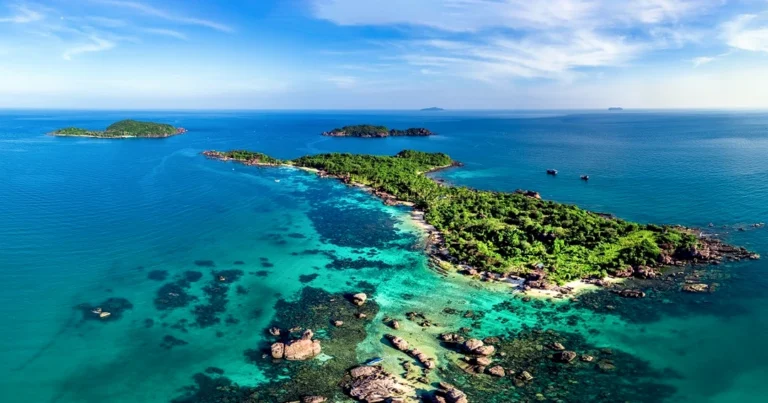
Nestled quietly along the northeastern coast of Phu Quoc, the Pearl Island, Ham Ninh Fishing Village stands as a living chronicle of space and time, where vast mountain forests meet the tranquil waters of the Gulf of Thailand. Geographically, the village occupies a strategic location that provides natural shelter for vital maritime routes traversing the southwestern sea. Ham Ninh’s topography embodies the traditional Vietnamese feng shui philosophy of “leaning against the mountain, facing the sea.” Behind it rises the majestic Ham Ninh mountain range, cloaked in sprawling primeval forests where the island’s highest peak shields the village from shifting weather; before it stretches a vast, calm expanse of ocean opening out toward an endless horizon. The magnificent interplay of nature and geology has created shallow coastal waters rich in alluvium, coral, and prized marine species, turning this spot into a natural, safe haven for passing merchant vessels since ancient times.
Tracing historical records preserved in research documents by the Vietnam Institute of Cultural Heritage and History, the origins of Ham Ninh are closely tied to the arduous yet heroic southern expansion of Vietnamese ancestors. Starting in the 17th century, under the rule of the Nguyen Lords and the maritime security patronage of the Mac family in Ha Tien, this land began recording its earliest pioneer footprints. By the second half of the 18th century—and particularly under the Nguyen Dynasty (during the reigns of Gia Long and Minh Mang)—the name “Ham Ninh” officially appeared on the national administrative map. This name does more than merely identify a territory; it carries aspirations for peace and harmony (“Ham” meaning to encompass and nurture; “Ninh” meaning peace and prosperity). Pioneering settlers from the Ngu Quang region (Quang Nam, Quang Ngai, and neighboring provinces) braved stormy seas, bringing with them traditional coastal village culture to establish this thriving fishing hamlet, making it one of the oldest coastal communities on Phu Quoc Island.
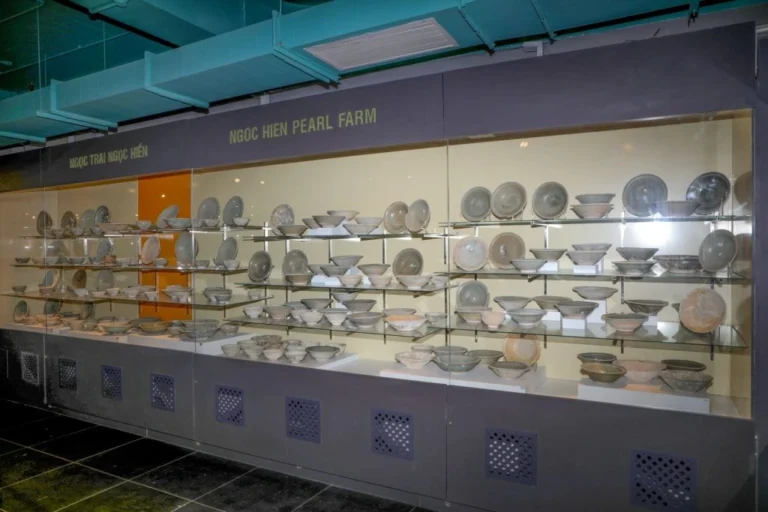
Beyond its long-standing administrative history, Ham Ninh’s cultural landscape bears the enduring imprint of historical figures and sacred relics that have weathered the test of time. Under the protection of the Nguyen court and driven by a resilient spirit of clinging to the sea to safeguard the island, generations of Ham Ninh fishermen diligently harvested marine resources while steadfastly serving in maritime patrol fleets to affirm sacred territorial sovereignty. Ancient shrines, royal decrees of deification, and archaeological artifacts scattered across the area stand as authentic testaments to a rich spiritual life, reflecting the fishermen’s deep reverence for sea deities, tutelary gods, and the pioneering ancestors who opened up the land.
Today, in the eyes of travel journalists and heritage management agencies alike, Ham Ninh Fishing Village is far more than an ecotourism destination; it is a living museum of community archaeology and island maritime culture. It preserves intact the rustic way of life of fishermen who have spent their entire lives bound to the waves—from long wooden piers reaching out to greet the sea breeze and coastal stilt houses to renowned local delicacies that have captured the hearts of travelers near and far. Through centuries of formation and growth, Ham Ninh has retained its pristine, dignified, and serene beauty, earning its place as an unrivaled landmark on Vietnam’s map of coastal cultural and historical heritage.
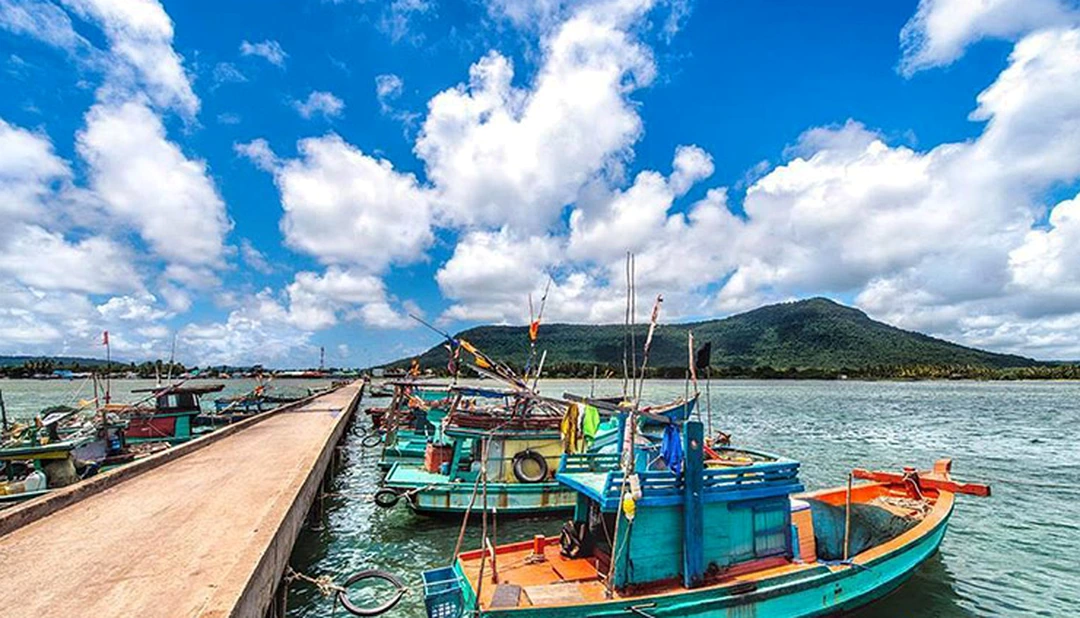
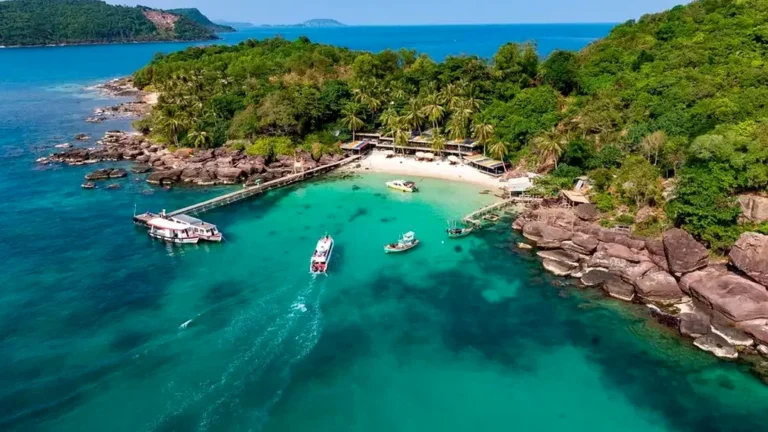
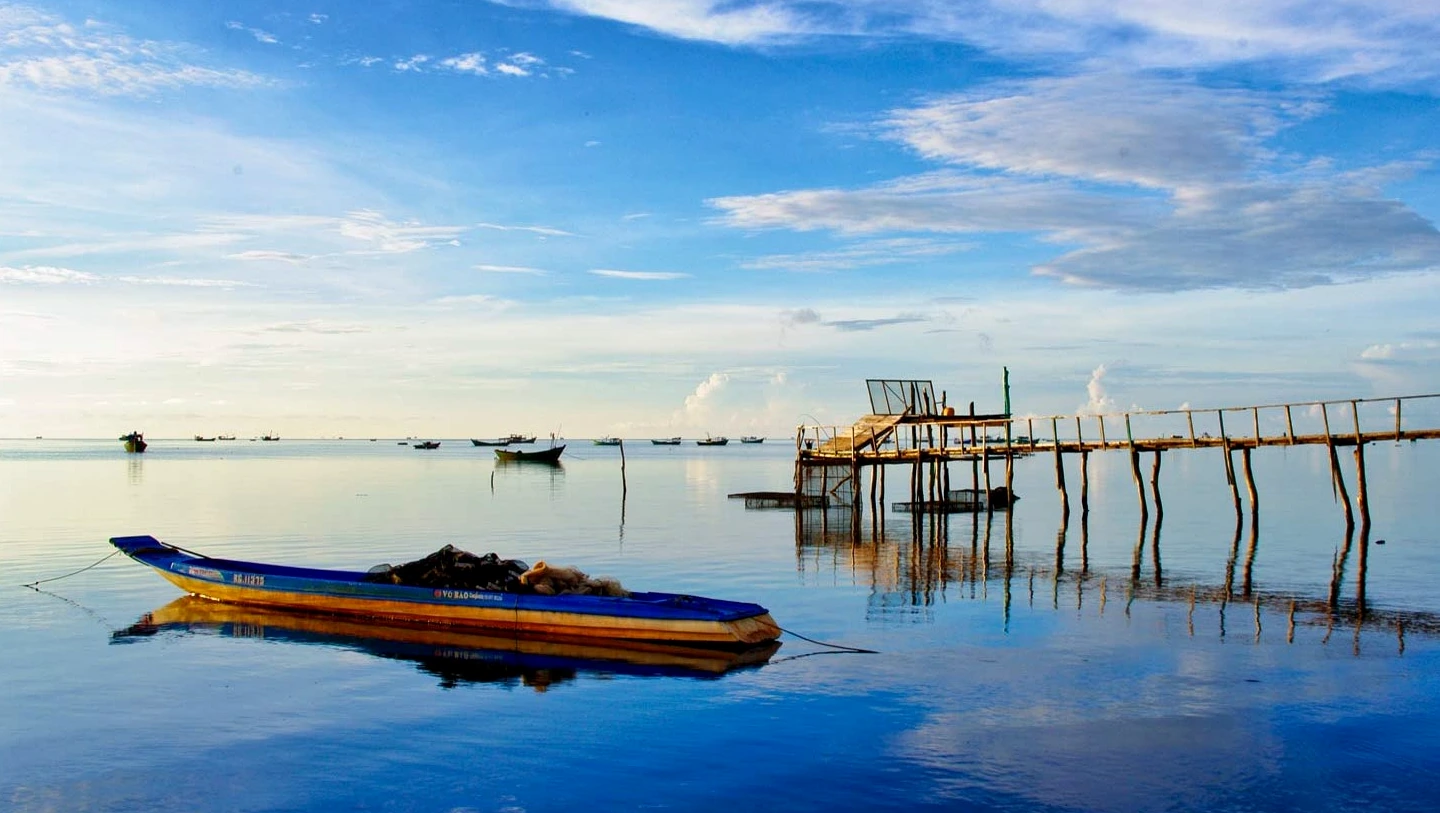
Tucked gently at the foot of the imposing Ham Ninh mountain range and looking out over the boundless Gulf of Thailand, ancient Ham Ninh Fishing Village unfolds like a breathtaking, time-kissed tableau where nature and human labor merge into a priceless scenic masterpiece. The village’s terrain exemplifies the classic “mountain-backed, sea-facing” feng shui layout, resting its back against lush green mountains veiled in mist while its front embraces a stretch of powdery white sand and crystal-clear water so transparent you can see right to the bottom. The local architecture bears the unmistakable imprint of traditional coastal culture, featuring rustic, moss-covered wooden houses with thatched roofs clustered tightly together over the centuries, sheltering generations of seafaring families. Ham Ninh’s most iconic and striking architectural highlight is its wooden pier stretching far out into the open water. This wooden bridge serves not only as a vital commercial artery—where hundreds of basket boats and wooden fishing vessels dock after overnight voyages—but also as a nostalgic feat of folk architecture that defies the wear and tear of wind, waves, and time.
To capture the majestic and poetic charm of Ham Ninh Fishing Village, professional photographers and travel journalists frequently share a few classic vantage points. The first million-dollar photo spot lies at the very end of the wooden pier extending into the sea. At dawn, roughly between 5:00 AM and 6:00 AM, as sunlight paints the eastern horizon in shades of pink, standing here and gazing out allows you to frame fishing boats gliding effortlessly across shimmering golden waters—creating a scene of heart-stirring tranquility. A second, equally sought-after angle runs along the white sandy stretch of Ham Ninh Beach at dusk. When sunset descends and the fiery red sun sinks slowly behind the mountains, bathing the entire village in purple hues, it is the ideal moment to capture striking silhouette shots beside stake traps or fishermen bending down to rake for flower crabs. Additionally, close-up shots of moss-draped roofs tucked beneath lush coconut palms or candid scenes of everyday local life yield vivid, authentic visual stories that touch the hearts of anyone who loves Vietnam’s coastal culture.
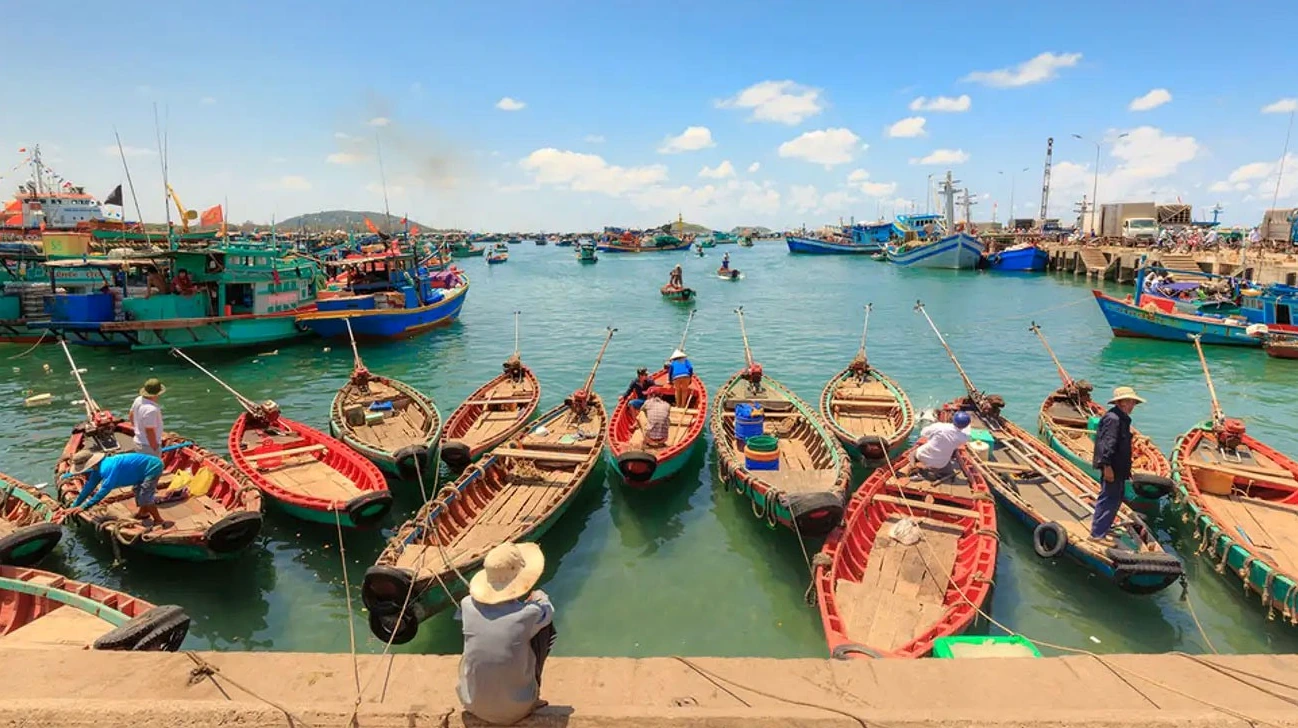
Stepping into Ham Ninh Fishing Village at the break of a radiant dawn feels like entering another dimension, where the rush of modern life slows down to make way for the raw, unpretentious breath of the Pearl Island’s sea and sky. From your very first steps onto the long wooden pier jutting out over the water, a sense of awe washes over you before the grand natural panorama. Ahead lies crystal-clear water revealing schools of tiny fish darting playfully beneath the surface; in the distance rises the undulating, deep-green Ham Ninh mountain range, standing like a majestic fortress that has guarded this small fishing community through centuries of history.
Exploring the village firsthand opens up a series of invigorating yet deeply poetic experiences. Visitors can challenge themselves by hiking up the gentle slopes of Ham Ninh Mountain to take in a sweeping bird’s-eye view of the entire village. From that vantage point, moss-covered tiled roofs peeking out beneath coconut groves, basket boats bobbing on the waves, and the distant horizon blend together into an extraordinary natural painting. Back at water level, hiring a small local fishing boat to skim across the waves and soak in the salty sea breeze brings a sense of pure serenity, washing away the stress and clutter of everyday life.
Beyond its scenery, Ham Ninh’s indigenous cultural depth shines through its ancient spiritual spaces. Visiting the sacred village shrines—where locals have placed their faith and devotion in sea deities for generations—immerses travelers in a solemn, hushed atmosphere. The distant chime of temple bells mingling with the gentle lapping of waves evokes an indescribable sense of stillness, guiding each visitor toward inner peace and a deeper appreciation for the Vietnamese tradition of honoring one’s roots and the enduring bond between humanity and the sea.
Of course, no journey to this time-honored fishing village would be complete without savoring its celebrated culinary specialties. Seated right on floating raft restaurants over the water, enjoying famous Ham Ninh flower crabs—prized for their firm, naturally sweet meat dipped in zesty lime-pepper salt—allows diners to experience the true essence of the southwestern sea. The harmony of expansive nature, the warm and genuine hospitality of local fishermen, and unforgettable coastal flavors come together to create prized real-world memories that linger long after leaving this sacred, tradition-rich land.
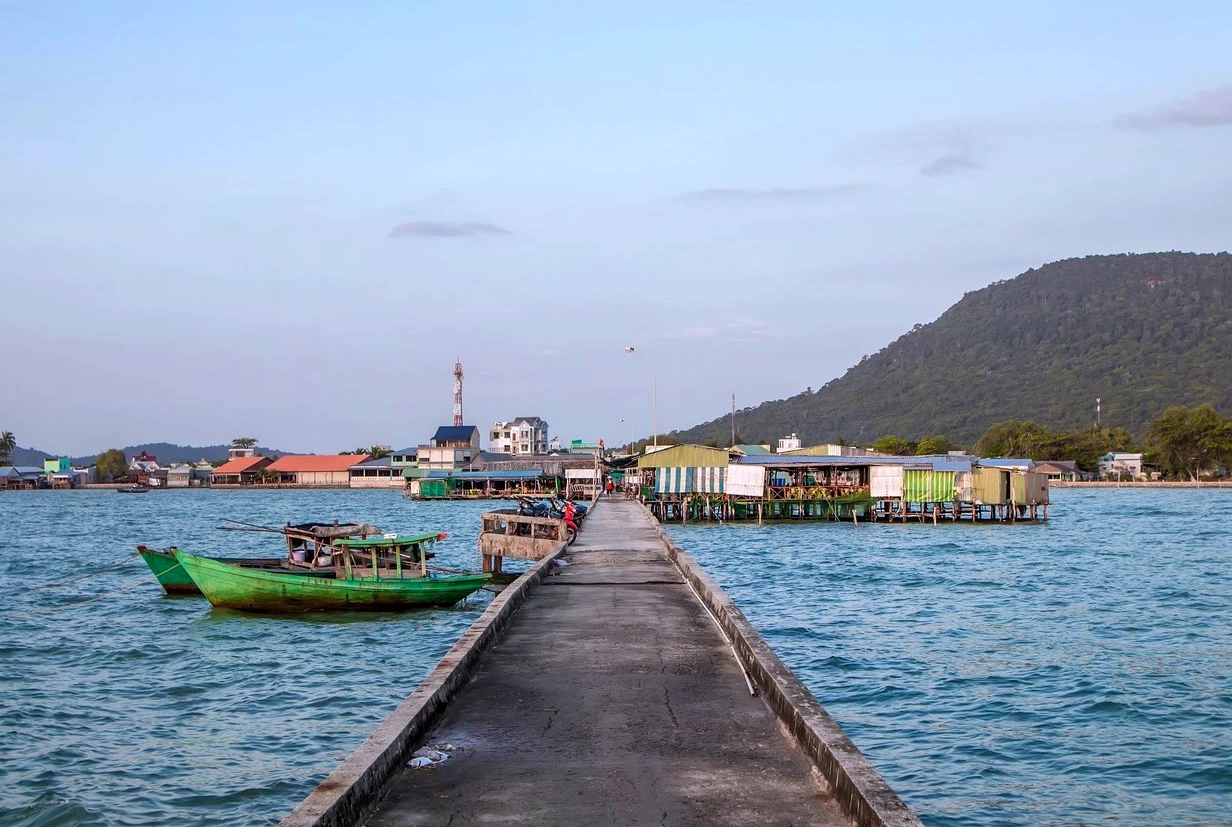
Ham Ninh Fishing Village is one of the most unspoiled and culturally rich destinations on Phu Quoc Island, drawing legions of domestic and international travelers eager to explore. To ensure your trip goes smoothly and hits every highlight, the pocket guide below provides all the practical details you need on visiting hours, costs, routes, and essential etiquette when visiting this historic landmark.
Regarding opening hours, Ham Ninh Fishing Village welcomes visitors freely every day of the week with completely free admission to the village area. However, to fully experience the tranquil rhythm of local fishermen’s lives, the best time to visit is early morning (around 5:00 AM – 7:00 AM) to watch the brilliant sunrise from the long wooden pier and greet fishing boats returning to shore. If you prefer poetic twilight scenery and fresh seafood feasts, late afternoon from 4:00 PM to 6:30 PM is the ideal window.
Getting from central Duong Dong town to Ham Ninh Fishing Village is now quick and convenient thanks to well-upgraded road infrastructure. Located roughly 14 to 15 km to the northeast, the village is best reached by renting a self-drive motorbike or taking a car via the Duong Dong – Cua Can route or along main Provincial Road 47. The average drive takes only about 20 to 25 minutes. Along the way, you will pass lush green pepper plantations and scenic landscapes steeped in island charm.
When visiting spiritual spaces, historical relics, or traditional shrines in the fishing village, travelers should remember to dress modestly and respectfully in accordance with local customs. Additionally, because the terrain combines a wooden pier over the water, sandy beaches, and small rocky outcrops, wearing sneakers or flat non-slip sandals is recommended for safe and comfortable walking.
The best time of year to plan a trip to Ham Ninh is from November through April of the following year. This marks Phu Quoc’s dry season, characterized by calm seas, warm golden sunshine, and gentle waves—ideal conditions for outdoor sightseeing, photography, and indulging in the village’s world-famous flower crabs.
To enjoy a seamless getaway and take in the full beauty of Ham Ninh Fishing Village without worrying about transportation, attraction tickets, or itinerary planning, travelers can choose VDS Travel’s premium all-inclusive Phu Quoc tour packages. Each itinerary is thoughtfully timed to capture the scenery at its most radiant, accompanied by knowledgeable local guides and top-tier hotel and dining standards.