If you love nature and want to explore the unspoiled, majestic, and mysterious landscapes of Vietnam’s Central Highlands, Ta Dung Nature Reserve is a wonderful choice. Situated in Dak Nong Province, Vietnam, Ta Dung is a biodiversity reserve home to scenic spots such as Ta Dung Lake, Dak P’lao Waterfall, Seven-Tier Waterfall, and Sun Waterfall, alongside rich flora and fauna including rare and endangered species. It also forms part of Ma cultural heritage with epics and legends tied to Mount Ta Dung and surrounding landmarks. In this guide, we share key details about Ta Dung Nature Reserve to help you understand its beauty and significance.
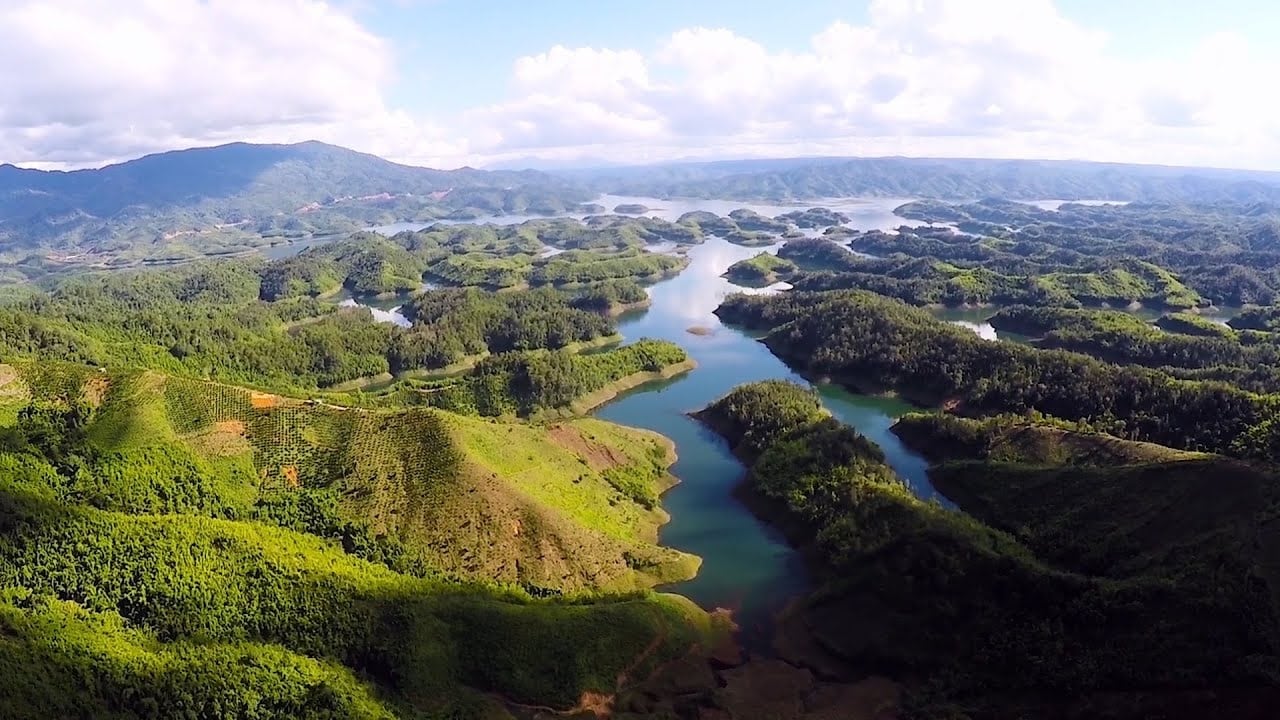
About Ta Dung Nature Reserve
Ta Dung Nature Reserve is a biodiversity conservation area in Dak Nong Province, Vietnam, positioned between the Dak Nong Plateau and Di Linh Plateau within the South Central Coast biogeographical zone. Its complex hilly and mountainous terrain ranges from 600 meters to 1,982 meters above sea level, with Mount Ta Dung rising as the reserve’s highest summit and the tallest peak in Dak Nong Province.
Ta Dung Nature Reserve was established in 2004 from the former Ta Dung watershed protection forest to safeguard water resources for the Dong Nai 3 and 4 hydropower projects while conserving regional biological and cultural values. In 2018, it was upgraded to Ta Dung National Park, becoming Vietnam’s 34th national park.
According to local sources, the name Ta Dung comes from the M’Nong language—an ethnic group living in the region—meaning “highest peak,” reflecting deep admiration and respect for the mountain. The M’Nong people also regard Ta Dung as an abode of spirits and ancestral souls.
Ta Dung features diverse forest habitats—including primary forest, secondary forest, bamboo groves, and melaleuca woodland—supporting over 1,000 plant species and more than 400 animal species, including rare and endangered wildlife such as Asiatic black bears, elephants, macaques, Javan rhinoceroses, and hornbills, alongside communities of ethnic minorities including the M’Nong, Ede, Ma, and Lach.
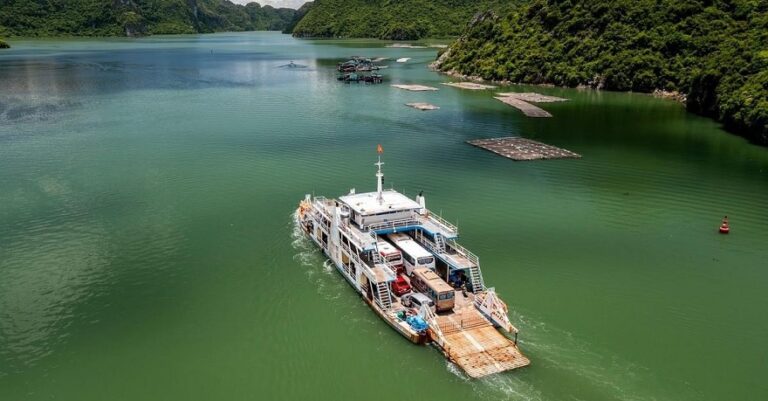
Ta Dung is also famous for Ta Dung Lake, a reservoir formed during construction of the Dong Nai 3 and 4 hydropower dams. Spanning roughly 5,000 hectares across 47 islets of varying sizes, it is often called the “Ha Long Bay of the Central Highlands.” Popular for boat rides, camping, cave exploration, and waterfall visits, the lake supports local livelihoods and holds rich folklore tied to Mount Ta Dung and its islands.
Ta Dung Lake – The Ha Long Bay of the Central Highlands
Ta Dung Lake is a highlight not to miss when visiting Ta Dung Nature Reserve. Often dubbed the “Ha Long Bay of the Central Highlands” for its picturesque clusters of islets scattered across emerald water, the 5,000-hectare reservoir encompasses 47 islets across Dak Plao and Dak Som communes and is also known as the Dong Nai 3 hydropower reservoir formed by damming the Dong Nai River.
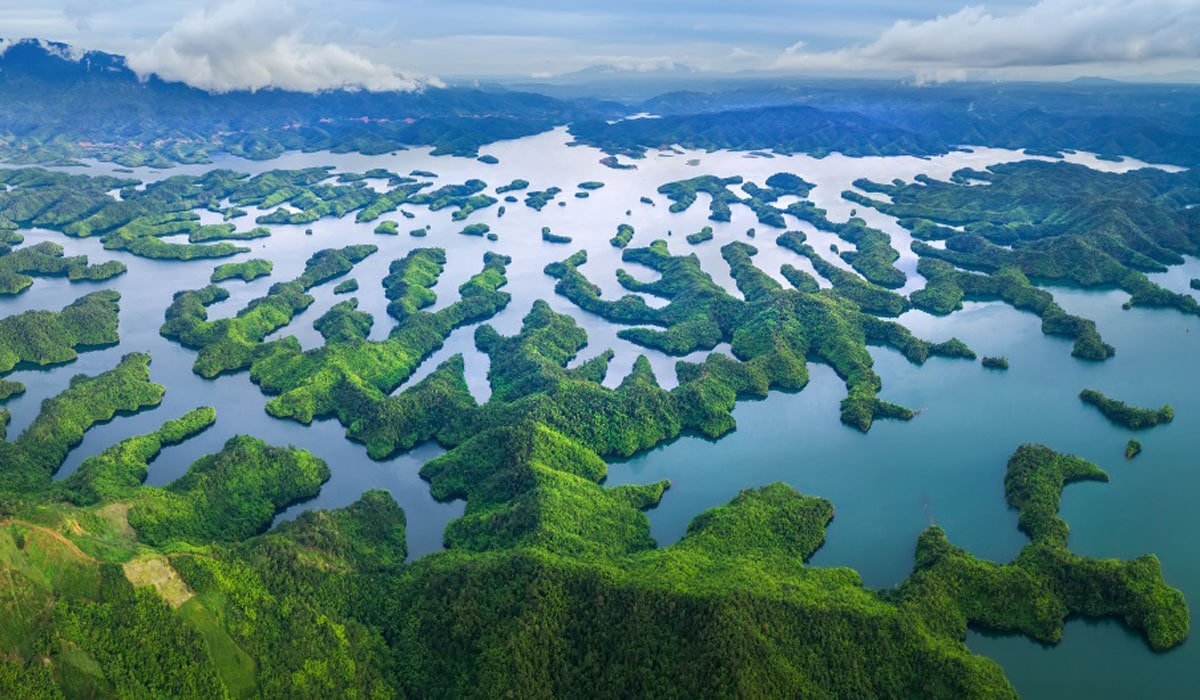
Ta Dung Lake amid the vast Central Highlands
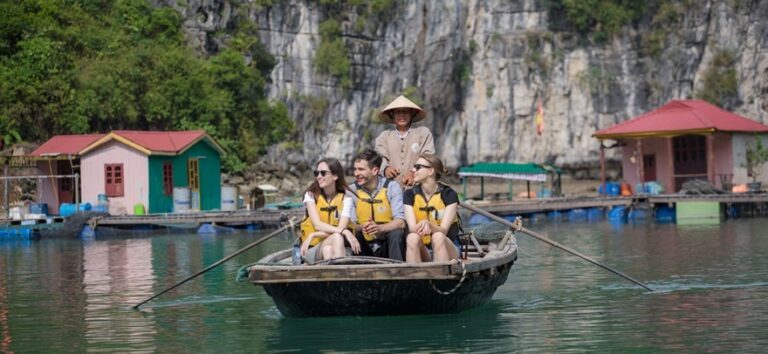
Visitors can charter boats to explore the lake and islets or camp along the shore to watch sunrise and sunset over the water. Well-known islets include Hon Cai Bang, Hon Cai Dau, and Hon Cai Chua, each with its own scenery and folklore. Teeming with fish and birds, the lake lets visitors enjoy fresh local fish dishes—such as bagrid catfish (ca lang), snakehead, and climbing perch—while listening to birdsong across the branches.
Beyond scenic beauty, Ta Dung Lake carries meaningful economic and cultural value—supplying water for hydropower and downstream plains to support Dak Nong’s development, preserving Ma cultural heritage and legends, and hosting special events such as paragliding and powered paragliding showcases in late June 2022 that drew thousands of visitors.
Ta Dung Lake is a rewarding stop for anyone drawn to the unspoiled landscapes of Vietnam’s Central Highlands. When the opportunity arises, visit Ta Dung Lake to take in this “miniature Ha Long Bay” and feel the vitality of the surrounding mountains and forest.
Flora & Fauna – A Treasury of Rare Wildlife
Streams & Waterfalls – Spots to Relax and Cool Off
Beyond Ta Dung Lake and its wildlife, the reserve features scenic streams and waterfalls suited to relaxing and cooling off. Streams such as Dak N’teng and Dak P’lao feed falls including Dak P’lao Waterfall, Seven-Tier Waterfall, and Sun Waterfall. Dak P’lao Waterfall in Dak P’lao Commune—roughly 20 km from Dak Glong town center—stands over 3 meters high with year-round mist across two tiers, featuring a roughly 100 m² upper pool and a smaller lower pool where visitors can swim or camp overnight to the sound of rushing water.
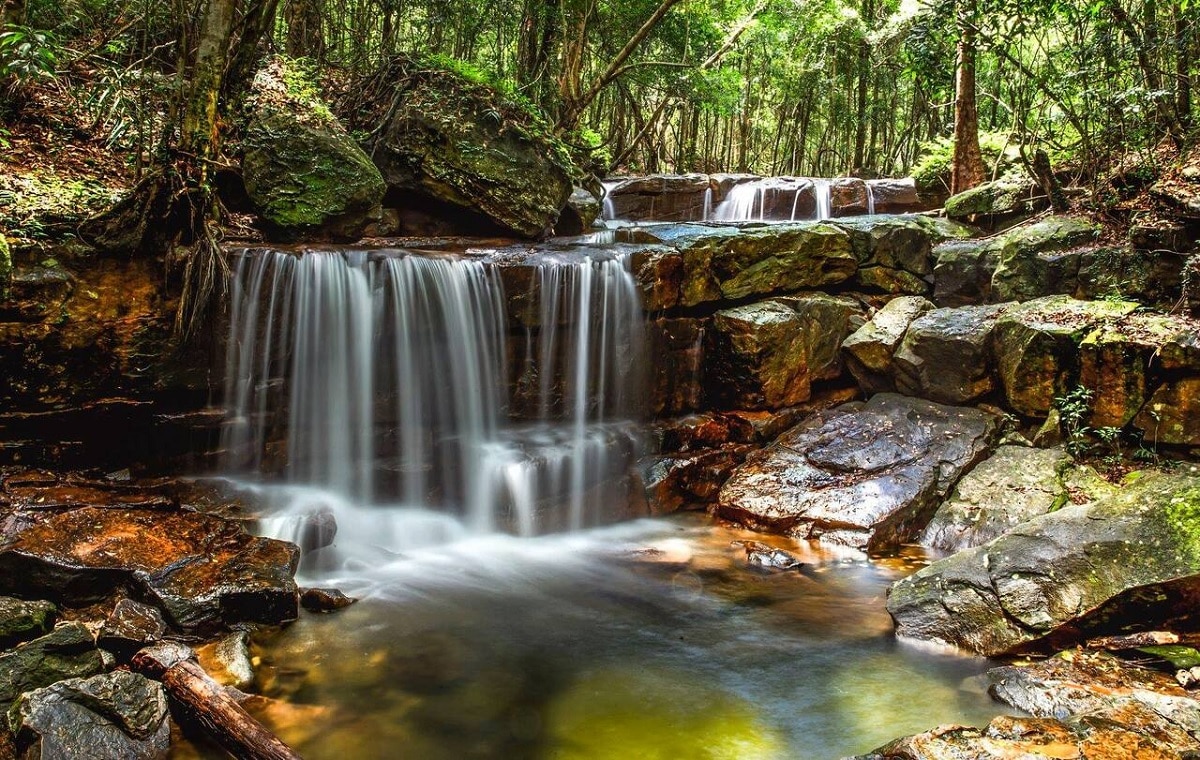 Dak P’lao Waterfall[/caption>
Seven-Tier Waterfall in Dak Som Commune—about 30 km from Dak Glong center—drops roughly 100 meters across seven cascades amid lush greenery, allowing visitors to climb between tiers for views over forest slopes and Ta Dung Lake in the distance.
Sun Waterfall in Dak Som Commune—roughly 35 km from Dak Glong center—stands about 10 meters high with year-round flow, casting rainbow-like light glints when sunlight strikes the water and hiding a small grotto behind the cascade inhabited by bats and swifts that visitors can explore.
Ta Dung Nature Reserve is one of Vietnam’s scenic and ecologically important conservation areas, holding natural, scientific, and cultural value. When visiting the Central Highlands, take time to explore Ta Dung to see the “Ha Long Bay of the Central Highlands,” discover rich wildlife, enjoy boating, camping, and waterfall swims, hear Ma epics and legends, and sample highland specialties in an unspoiled natural setting.