Location and Origin of Hon Ga Choi
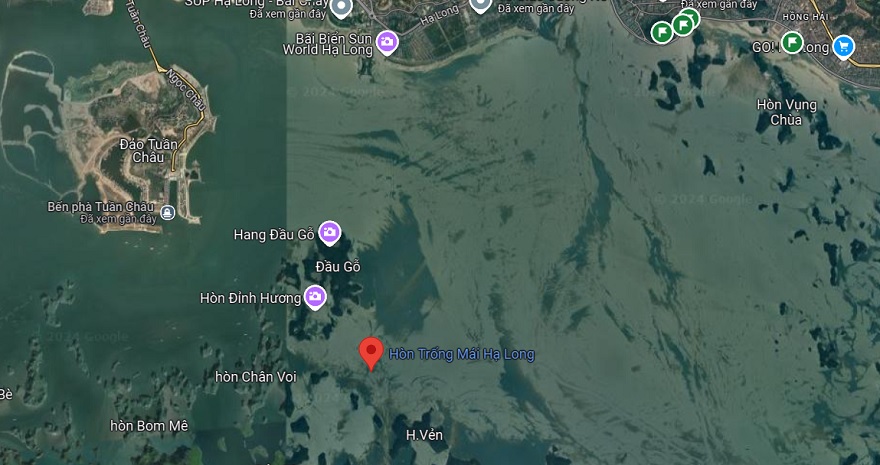
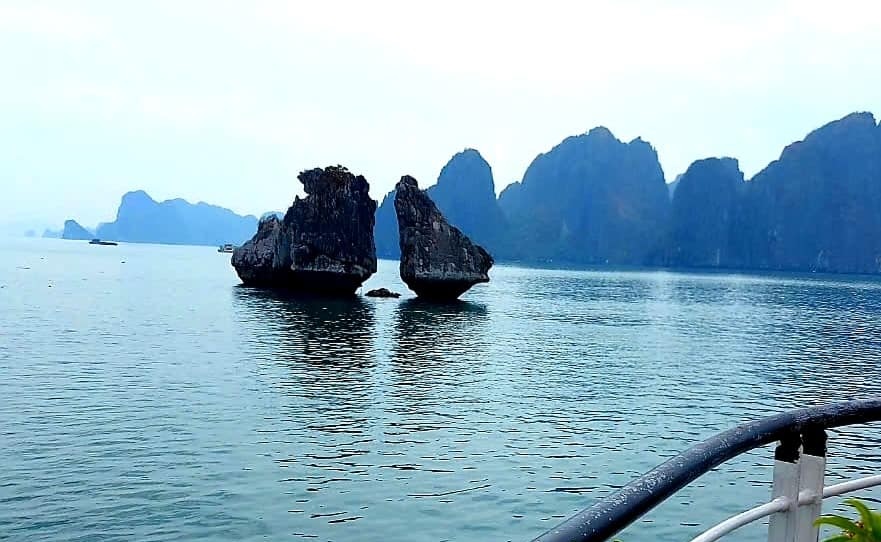
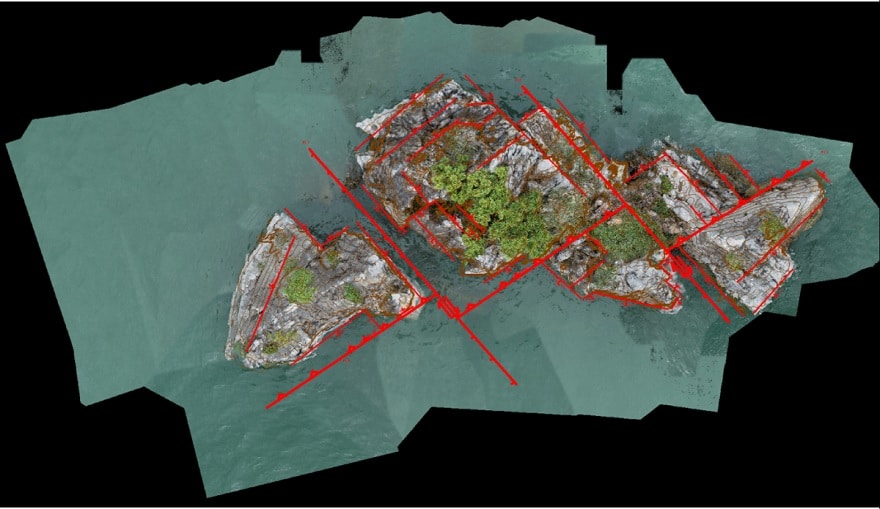
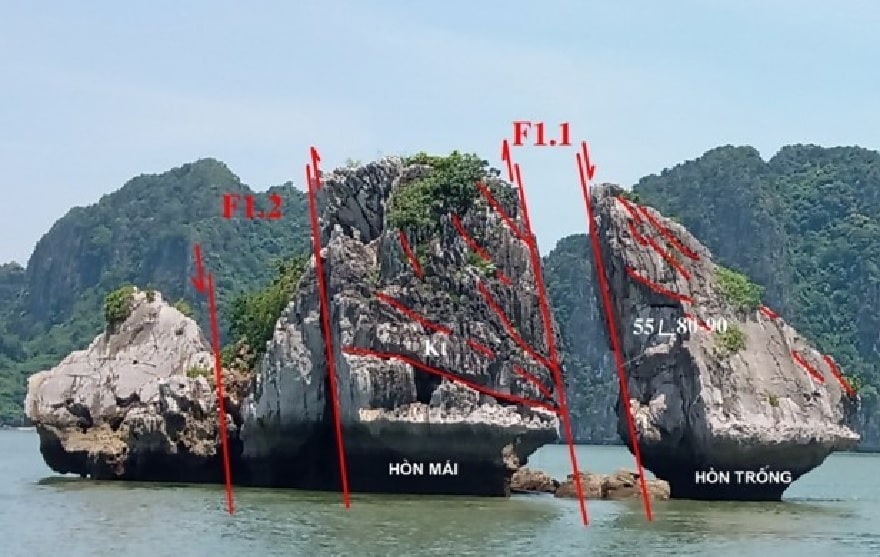
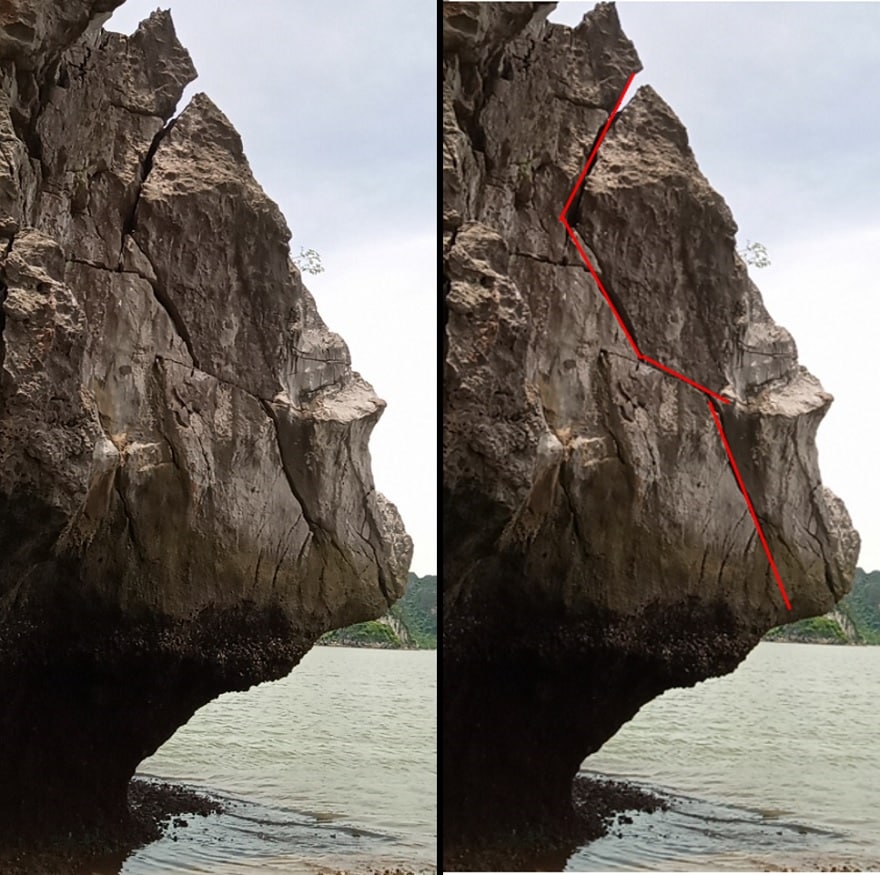
Located in the southwest of Ha Long Bay, about 5km from the Ha Long International Cruise Port, Hon Ga Choi (or Hon Trong Mai) stands out among thousands of limestone islands with its one-of-a-kind shape. The exact coordinates of Hon Ga Choi on Google Maps are 20.8669° N, 107.0447° E. Hon Ga Choi is the result of a geological formation process spanning millions of years. Formed from limestone, this island has undergone constant erosion by wind and seawater. It is this magical touch of nature that has “sculpted” the shapes of two chickens—one male, one female—facing each other in a vivid display.
The name Hon Ga Choi (Fighting Cock Islet) or Hon Trong Mai (Male and Female Islet) was given by local fishermen in Ha Long Bay based on the island’s shape, becoming a tradition through word of mouth. The name Hon Ga Choi has also been translated into various languages, such as Chicken Rock, Kissing Bay, or Tau Chi Su. These names all convey the bond and affection between the two chickens, as well as the charm and romance of the island.
Legend has it that in the early days of nation-building, the Vietnamese people were attacked by invaders from the sea. Seeing this, the Jade Emperor sent the Mother Dragon and her children to help the Vietnamese fight the enemy. However, after defeating the invaders, the Jade Emperor waited in vain for the dragons to return. He sent a pair of roosters down to wake the dragons, but mistakenly sent a rooster and a hen. Upon reaching the mortal world, the pair found the scenery so enchanting that they became lost in play and affection, forgetting their mission until they turned into stone. Thus, Hon Trong Mai became a symbol of the bond between couples and the longing for happiness that the ancients cleverly embedded into this land of Ha Long.
However, according to an official dispatch sent to relevant departments on October 14, 2014, the Quang Ninh Department of Culture, Sports, and Tourism was tasked with coordinating with relevant agencies to conduct broad public opinion surveys to unify the name as “Hon Trong Mai” instead of “Hon Ga Choi.” Since 2014, under Decision No. 1418/QD-UBND dated July 4, 2014, of Quang Ninh province, the name “Hon Ga Choi” is no longer to be used in official documents and materials, only “Hon Trong Mai.” Explaining this, the Quang Ninh Department of Culture, Sports, and Tourism stated that the name “Hon Ga Choi” could be easily misunderstood by tourists and does not evoke positive feelings, as it implies aggression, combativeness, and tension, which is inconsistent with current international integration trends. Meanwhile, the name “Hon Trong Mai” expresses the bond of love, romantic intimacy, protection, and support, weaving a love song amidst the magnificent and vast sea and sky of the Ha Long Bay World Natural Heritage site.
Unique Shape and Symbol of Ha Long Bay
How to visit Fighting Cock Islet
To admire the Fighting Cock Islet, you will join Route 1, one of the most popular routes for exploring Ha Long Bay in a single day. This 4-hour journey departs from the cruise port and takes you through prominent destinations such as Thien Cung Cave, Dau Go Cave, Dinh Huong Islet, and finally, the Fighting Cock Islet.
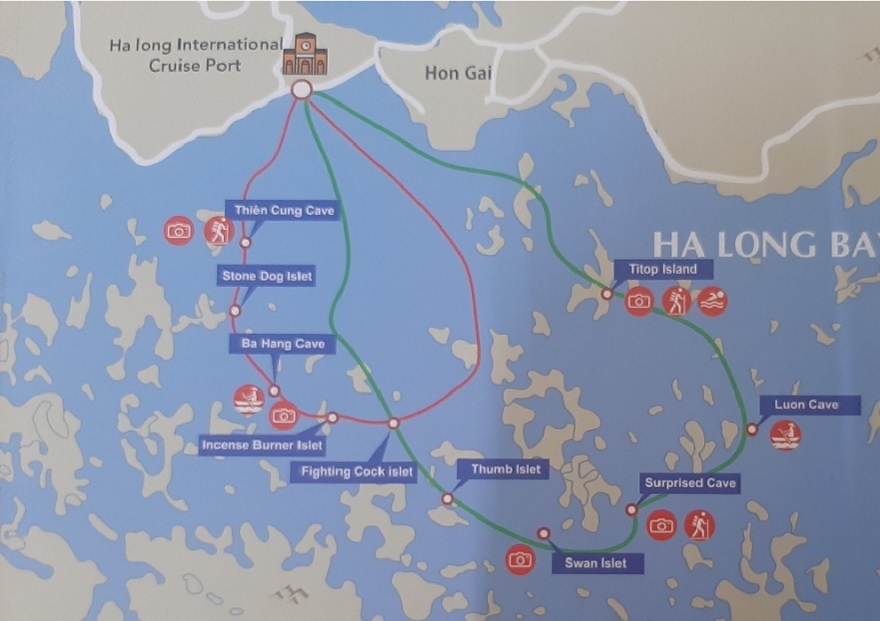
Map of Fighting Cock Islet location on the Route 1 cruise itinerary
You can easily purchase tickets for this route at the Ha Long International Cruise Port or Tuan Chau Port. The all-inclusive ticket price, covering the boat fare and entrance fees to the destinations, is 460,000 VND/person. Shared boats usually depart at 8:00 AM, with the latest trip at 3:00 PM daily. If you prefer more flexibility and privacy, you can charter a private boat, with the earliest departure time starting at 6:30 AM.
However, to protect the Fighting Cock Islet, the Ha Long Bay Management Board has implemented traffic zoning measures for viewing and photography areas; maintaining a minimum distance of 50m from the Trong Mai Islet; and restricting the speed of boats passing through the area to under 10km/h within a 200m radius.
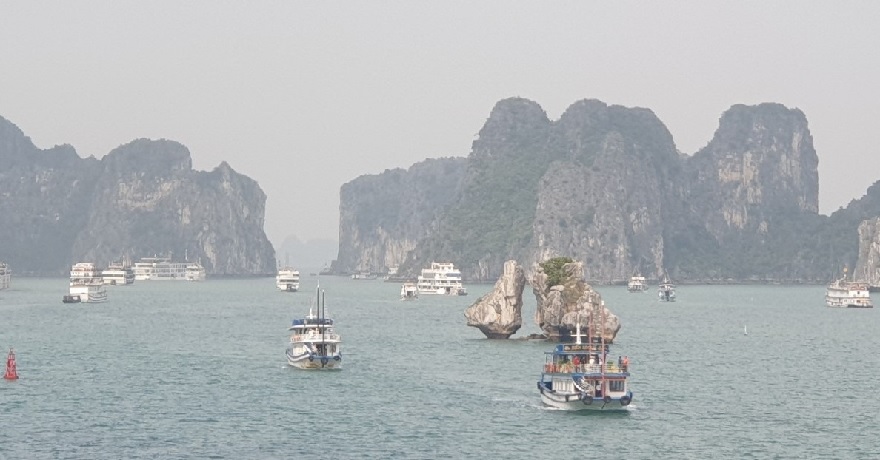
Observing the Fighting Cock (Trong Mai) Islet from a cruise ship
See more: Ha Long Bay Cruise Prices
We hope this article has provided you with useful information about the Fighting Cock Islet and has you excited to plan your upcoming trip. What are you waiting for? Come to Ha Long Bay and witness this unique natural wonder with your own eyes! After reading this article, what impressed you most about the Fighting Cock Islet? Please share your thoughts in the comments section below!