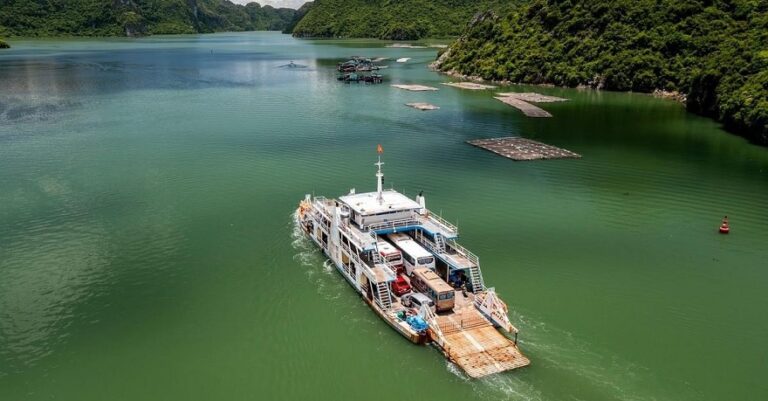
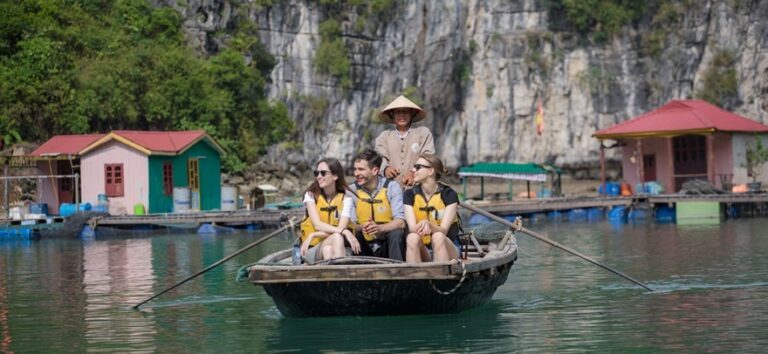
Thac Ba Lake is one of the three largest and most beautiful lakes in Vietnam, located in Yen Bai province, about 180 km from Hanoi. Featuring countless large and small islands, Thac Ba Lake is often dubbed the “Ha Long Bay on land”. Read on to discover more about this magnificent landlocked bay!
Introduction to Thac Ba Lake
Thac Ba Lake is the largest artificial lake in northern Vietnam, situated in Yen Bai province. The lake was formed by damming the Chay River to construct the Thac Ba hydroelectric power plant in the 1960s, aimed at supplying electricity to the northern region and aiding in flood prevention. The Thac Ba hydroelectric plant has a capacity of 108 MW, comprising 3 turbine units, and was inaugurated in 1971.
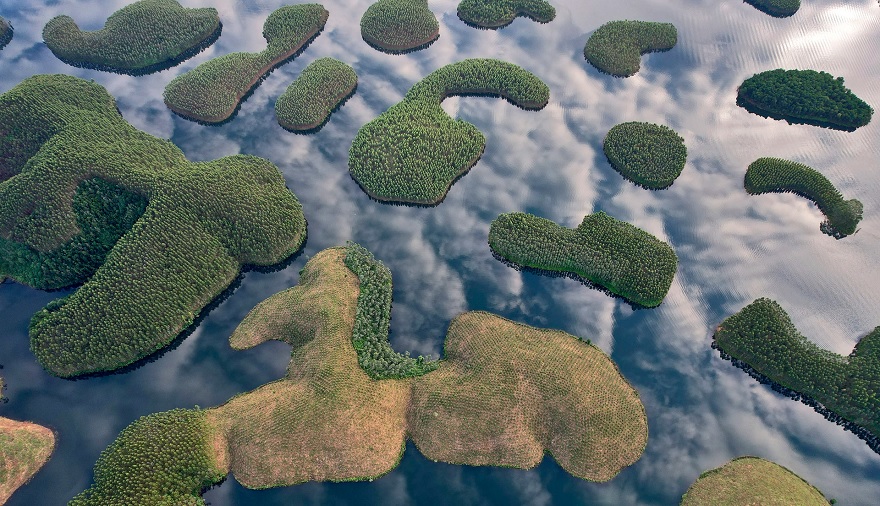
Thac Ba Lake
Thac Ba Lake covers an area of approximately 23,400 hectares, stretches 80 km in length, and holds between 3 to 3.9 billion cubic meters of water. Situated along the Chay River, it lies about 180 km northwest of Hanoi via National Highway 2 or National Highway 32. The lake is also known as Ha Long Bay on land because it boasts over 1,300 large and small islands, creating breathtaking picturesque scenery and numerous caves tied to captivating, mystical legends. Thanks to its vast surface area, massive water volume, and abundance of verdant islands, the climate around Thac Ba Lake is exceptionally cool and pleasant. Right in the middle of summer, temperatures in the lakeside region are consistently 1–2 ºC lower than the general regional average, while moisture from the water surface keeps things refreshing even on the most sweltering days.
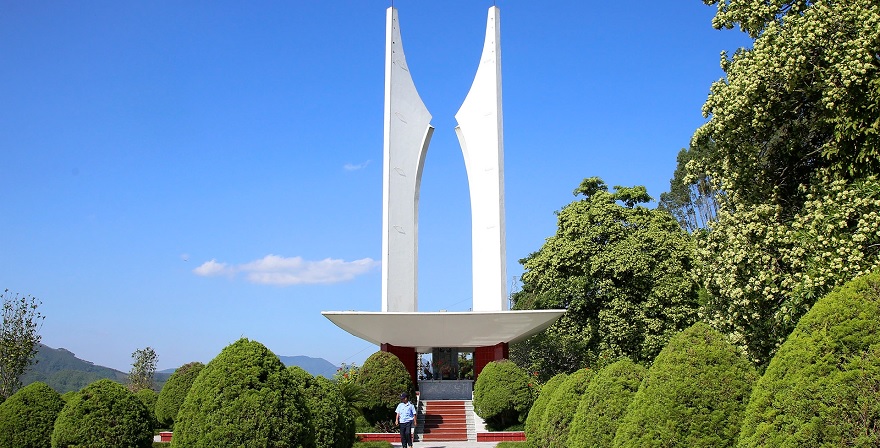
Memorial Monument
Thac Ba Lake is not merely a place of scenic beauty; it is also a site marking significant historical events. In 1285, the historic Thu Vat battle took place here, led by Tran Nhat Duat, which annihilated a Yuan-Mongol army corps. Many central government agencies during the French resistance also operated in the upper lake region. Mong Son Cave in the middle of the lake served as the workplace for the Yen Bai Provincial Party Committee during the war against American aggression. The lake area in Luc Yen district also holds numerous historical relics such as Dai Cai Temple, Mammoth Cave, Sao Pagoda, Black Robe King Mountain, and more. Archaeologists have even discovered ancient Vietnamese artifacts here.
With its stunning landscapes and heroic historical footprints, Thac Ba hydroelectric lake was recognized as a National Historical and Cultural Relic in September 1996. Later, on June 18, 2021, the Ministry of Culture, Sports and Tourism issued a decision amending its designation to the Thac Ba Lake Historical and Scenic Relic.
Key tourist attractions at Thac Ba Lake
1. Thac Ba Hydroelectric Power Plant
Thac Ba Lake is an attractive destination for travelers who love exploring nature. Gliding on a boat, visitors can admire the beauty of lush green islands stretching across the water, feeling a sense of peace and relaxation far away from life’s worries. One of the most remarkable sights at Thac Ba Lake is the Thac Ba Hydroelectric Power Plant, a structure of vital economic and national defense significance for our country. The plant was constructed during a period of war and hardship through Vietnam-Soviet cooperation. It was completed over seven years, from 1964 to 1971, across two phases: design survey and construction.
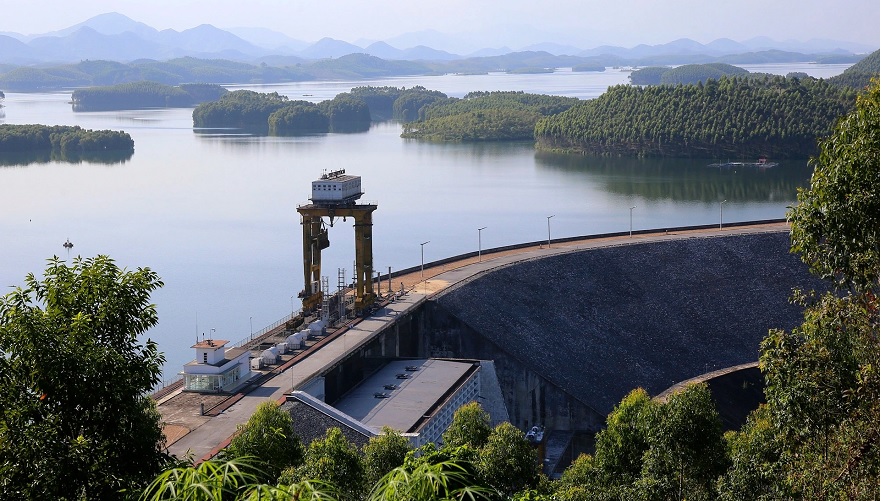
Thac Ba Hydroelectric Power Plant
The Thac Ba hydroelectric plant not only provides electricity for the daily lives and production of northern residents but also serves multiple other functions, such as flood regulation, tourism development, and environmental and ecosystem protection. The plant stands as a symbol of Vietnam’s development and international cooperation.
Upon visiting the Thac Ba Hydroelectric Power Plant, you will marvel at its unique architecture, massive mural walls depicting the plant’s construction process, and precious historical artifacts. You can also tour the generator rooms and electrical equipment, gaining a deeper understanding of how the plant operates.
2. Thac Ba Mother Temple
Following the tour of the Thac Ba Hydroelectric Power Plant, visitors can also visit the Thac Ba Mother Temple—a spiritual tourism site located nearby. Thac Ba Mother Temple is an ancient and sacred shrine built to honor Princess Minh Dat, a revered female deity of the Vietnamese people who was dispatched by the Hung Kings to govern the Thac Ba Chay River region. Princess Minh Dat helped the locals farm, weave fabric, and develop the local economy. After her passing, she was venerated by the locals as the Holy Mother, and a temple was erected in her worship. Aside from Princess Minh Dat, the temple also enshrines the Three Palaces (Tam Phu)—deities ruling over heaven, the underworld, and humanity—as well as the Five Grand Lords (Ngu Vi Ton Ong).
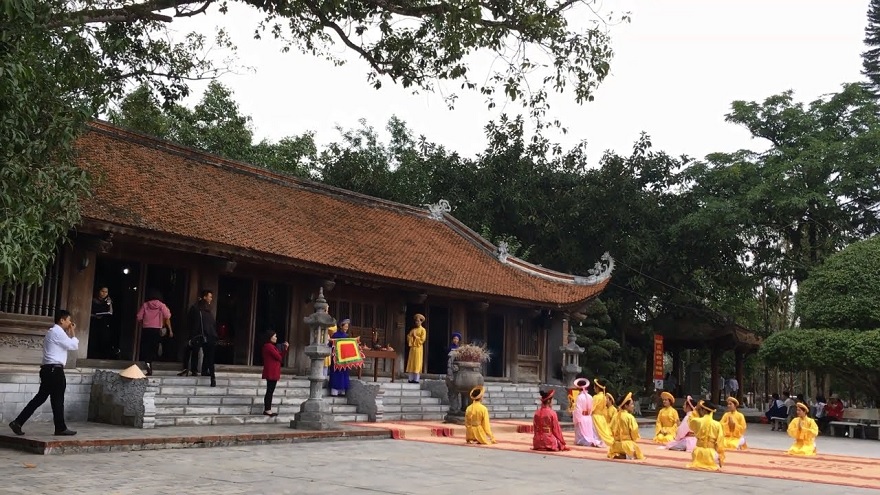
Thac Ba Mother Temple
Thac Ba Mother Temple features unique and harmonious architecture, consisting of 11 bays divided into three inner chambers: the outer hall, middle sanctuary, and innermost sanctum. The temple houses numerous gilded wooden statues and ornate panels of high artistic value. It also preserves royal edicts conferring honors upon Princess Minh Dat and other deities by various dynasties. Thac Ba Mother Temple is a vital historical and cultural relic of Yen Bai province and the entire country.
3. Cave Systems
After spending a few hours drifting on the gentle waves, visitors can explore Thuy Tien Cave, Xuan Long Cave, Cao Bien Mountain, Chang Re Mountain, Thac Ong Temple, and Thac Ba Temple. Alternatively, travelers can journey up the Chay River into the gem-land of Luc Yen to visit Sao Pagoda, Dai Cai Temple, the verdant Khai Trung plateau, and more, all steeped in the unique and vibrant cultural identities of the Tay and Dao ethnic groups.
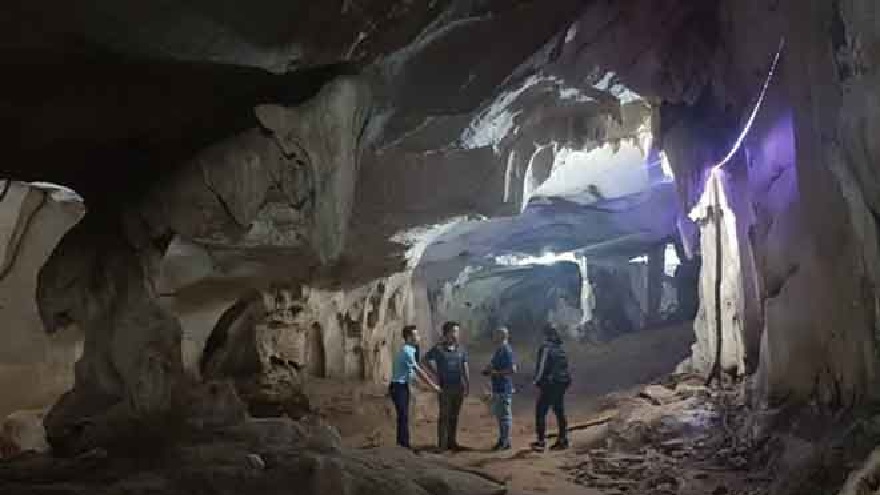
Thuy Tien Cave
Among the cave systems on Thac Ba Lake, Thuy Tien Cave is a must-visit. Nestled about 100 meters deep inside the mountain, it preserves historical records of Vu Van Mat, a Le dynasty leader, and served as the workplace for the Yen Bai Provincial Party Committee during the resistance war against the US. Thuy Tien Cave is also associated with the legend of nine beautiful fairies who escaped the Jade Emperor to descend and play in the mortal realm. Visiting the cave and admiring nature’s masterpieces with its multi-colored stalactite systems and caves tied to fascinating legends, travelers will feel as if they are wandering into a dreamy, ethereal fairyland, leaving behind all the fatigue and worries of everyday life.
4. Cao Bien Mountain
Cao Bien Mountain is the highest and longest mountain range in Thac Ba Lake, where visitors can marvel at the mystical beauty of the misty lake. From the summit, travelers can also overlook Ngoc Market and Nga Market, once famous trading hubs of Thac Ba. Taking a canoe ride along the Chay River will lead visitors to the gem land of Luc Yen, home to numerous historical and cultural relics such as Chua Sao Cave, Dai Cai Temple, and stunning natural gemstone paintings crafted by local artisans.
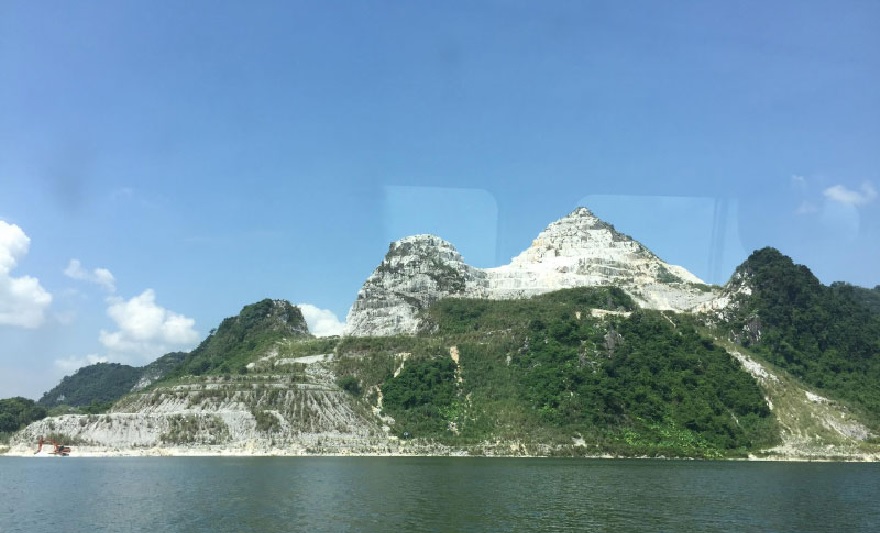
Cao Bien Mountain