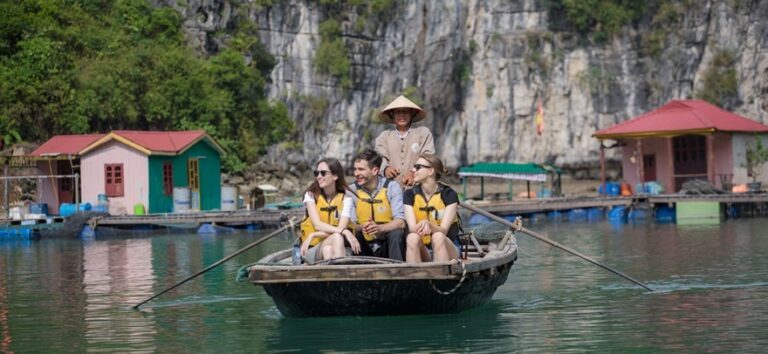
Out in southern Ha Long Bay lies Dragon Eye Island (Hon Bai Dong), a quieter island away from busy tourist piers, known for a round water basin in its center, coastal hills, and local stories passed down around the bay.
About Dragon Eye Island
Located in southern Ha Long Bay near Lan Ha Bay at roughly 20.7° N, 107.1° E, Dragon Eye Island—also known locally as Hon Bai Dong—covers around 30 hectares framed by curving limestone hills and coastal greenery.
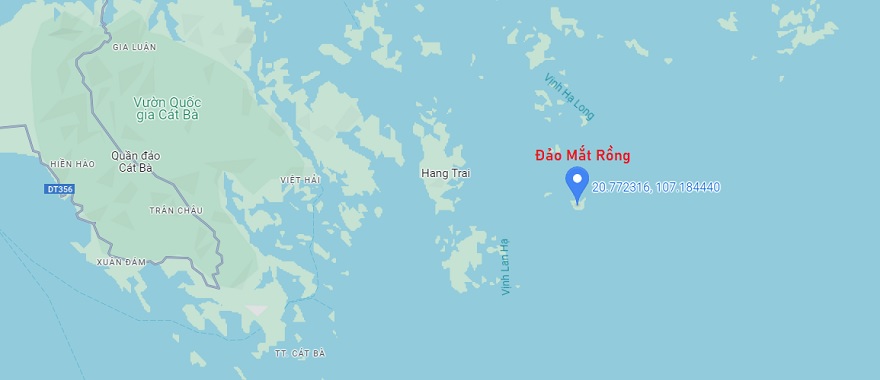
Location of Dragon Eye Island on Google Maps
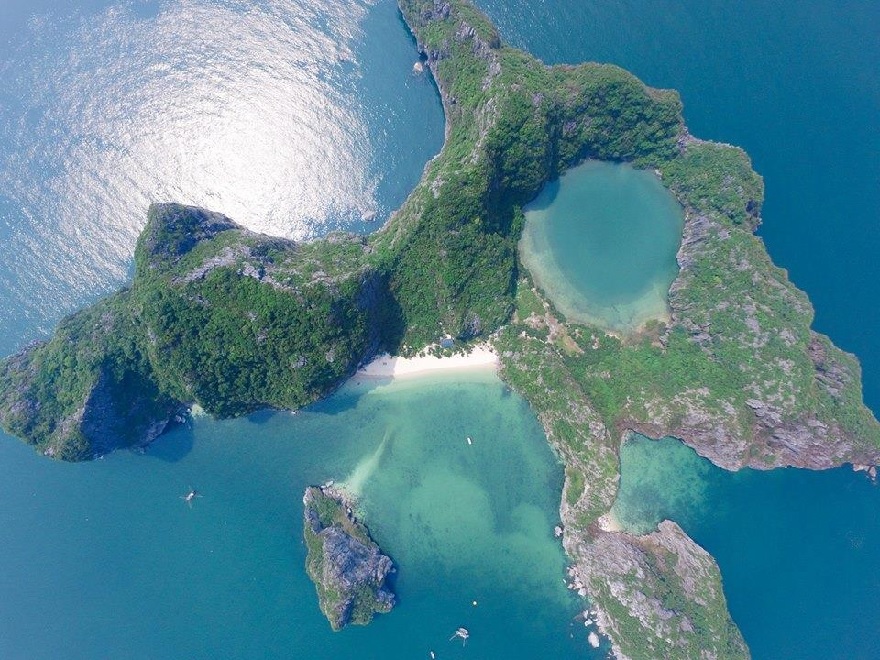
Aerial view of Dragon Eye Island[/caption>
[caption id="attachment_2264" align="aligncenter" width="880"]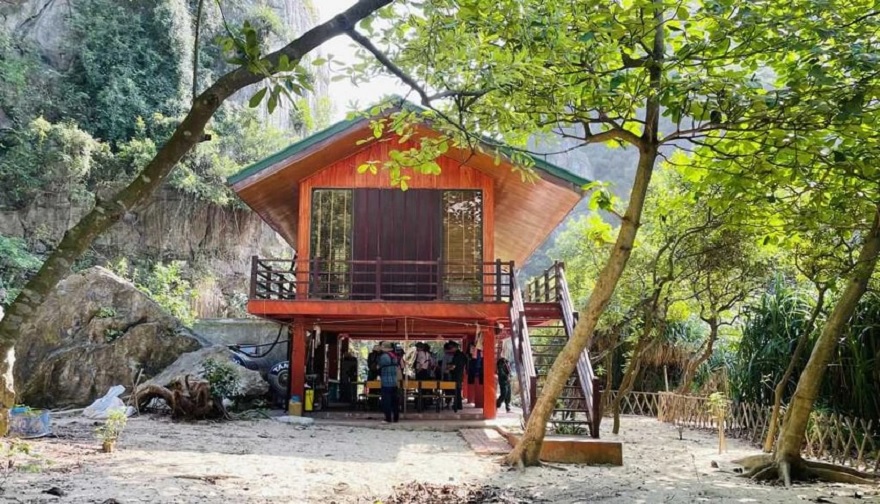 Three-bedroom concrete stilt house on Dragon Eye Island[/caption>
Historically, Quang Ninh was tied to Van Don trading port, a long-standing northern maritime trade hub where merchant boats passed through regional sea lanes. Local stories link islands along these routes with past maritime raiders and hidden goods.
Folklore around the area recounts clashes among rival sea bands, shifts in coastal traffic over time, and the eventual fading of those past maritime hazards as trade routes evolved.
Sitting roughly 20 km offshore with limited facilities and a small footprint, Dragon Eye Island is not a standard day-tour stop with full visitor infrastructure. While Le Hoang Truong Sa Co., Ltd. once discussed small-group ideas in 2016 with Ha Long Bay management to protect the site, regular commercial tours have not operated there, so visitors must check current permissions and rules in advance before planning any trip.
Because access is restricted and not set up as a routine tourist attraction, any approved visit requires advance permission and patience—sometimes taking a month or more to arrange.
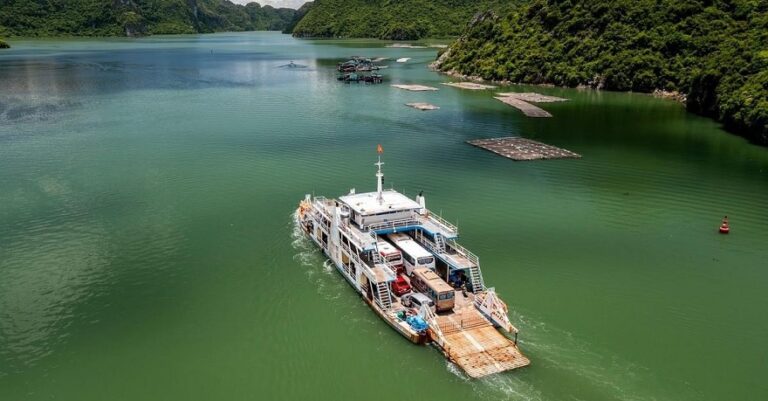
Reaching the island requires a speedboat or private chartered boat. Although the distance is around 20 km, boat crossings from Tuan Chau often take around 1 hour and 15 minutes—or longer depending on wind and sea swell.
With no dedicated pier at the island, boats anchor roughly 50–100 meters off shore and transfer passengers in small tenders carrying up to four people including the operator. Because waves and chop can pick up even inside sheltered bay waters, wearing a life jacket during tender transfers is essential.
[caption id="attachment_2265" align="aligncenter" width="880"]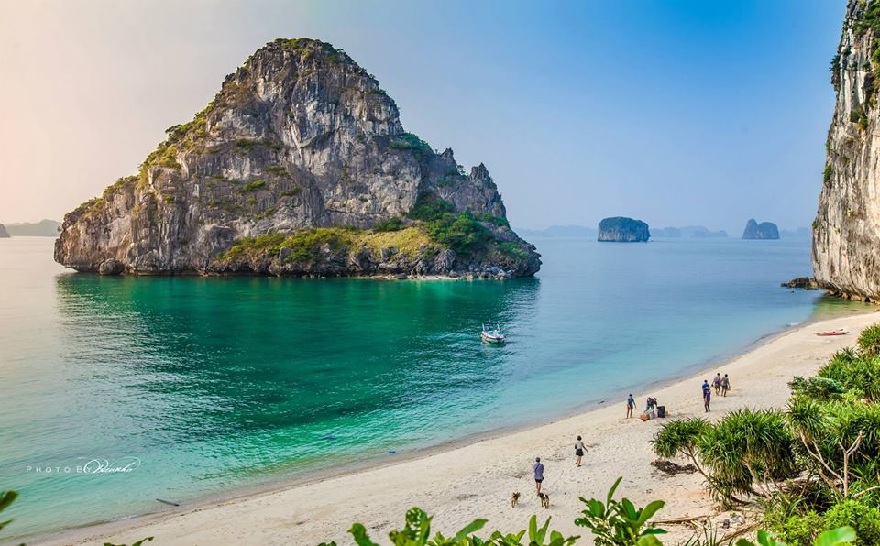 Visitors use a small tender boat to reach Dragon Eye Island because there is no dedicated pier
What Is on Dragon Eye Island?
Where permitted and safe, visitors spend time around the beach, water, and wooded slopes—including swimming when calm, walking the shore, kayaking on the central pool, or spotting a tropical sea almond (“bang vuong”) tree associated with Truong Sa.
1. Cliffside Shrine
Near the landing area sits a small shrine on a rocky slope holding a headless wooden statue. Local accounts say the carving drifted south on the sea and was recovered and placed in a shrine by fishermen.
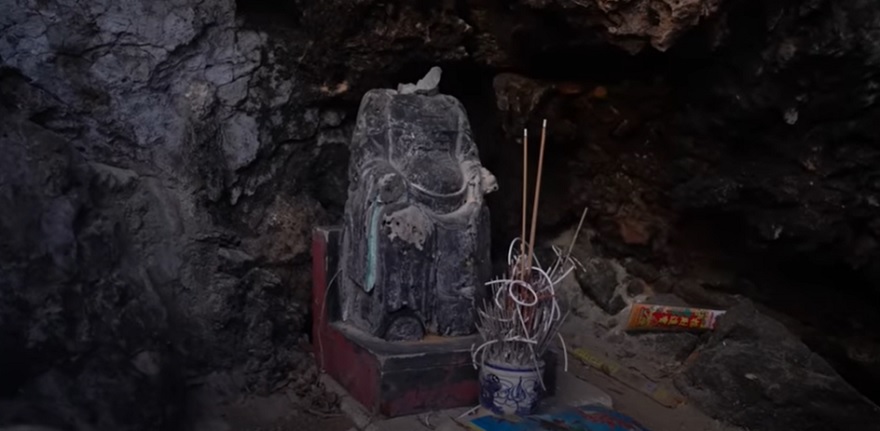
Headless wooden statue in the shrine on Dragon Eye Island
Placing the shrine higher on the slope was intended to keep it above storm surge and high tides, with details suggesting Later Le-style official attire and a damaged upper section.
2. Dragon Eye Pool and Kayaking
The island’s namesake feature is a circular water basin nestled inside surrounding hills and greenery—giving the island its “eye” shape from above and clear greenish water tones.
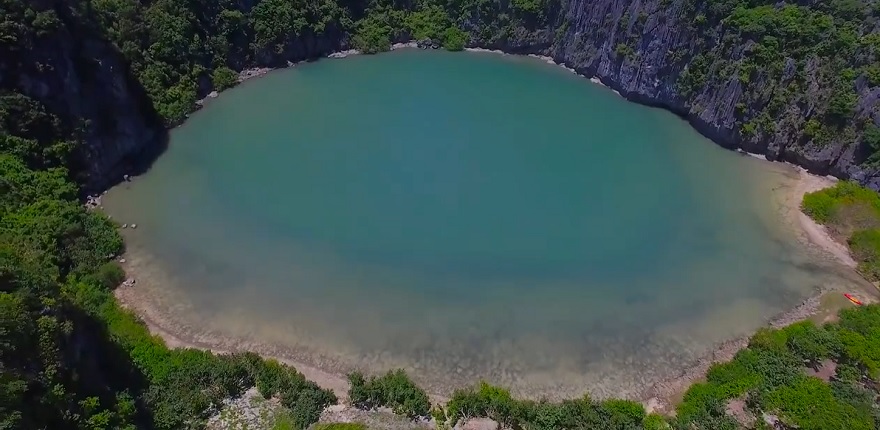
Water basin on Dragon Eye Island
Despite looking like a fresh mountain lake, it is actually brackish/saltwater connected to the sea through a channel opening, with a muddy bottom around 3 meters deep at low water.
Algae, aquatic plants, and depth give the water its green tint, while tidal exchange supports a mix of marine life suited to the enclosed basin.
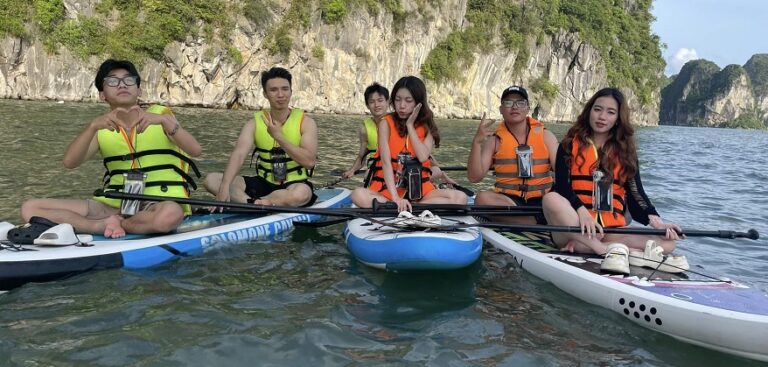
When calm, paddling a kayak across the sheltered basin lets visitors take in the surrounding hills and quiet water.
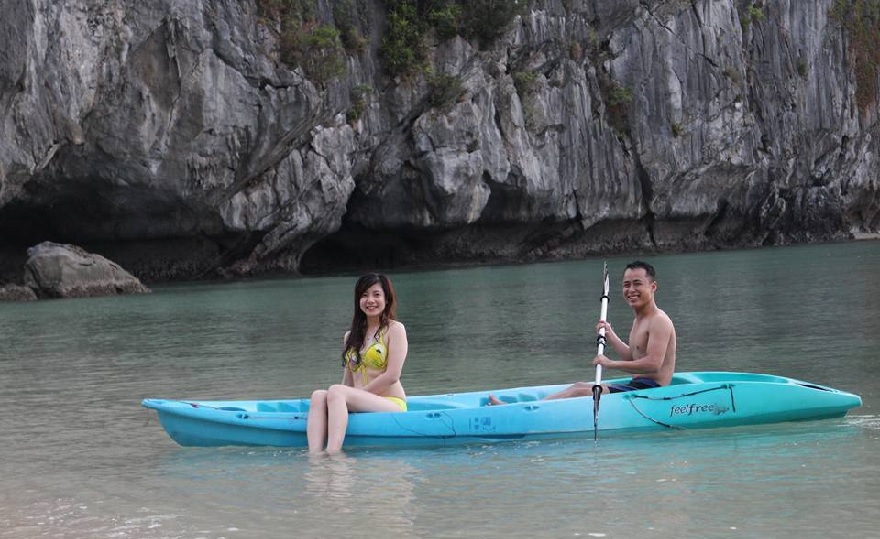
Kayaking on the water basin at Dragon Eye Island
3. Pottery Fragments Along the Basin
At lower water levels, old ceramic shards appear along the edge, tied in local lore to past coastal customs.
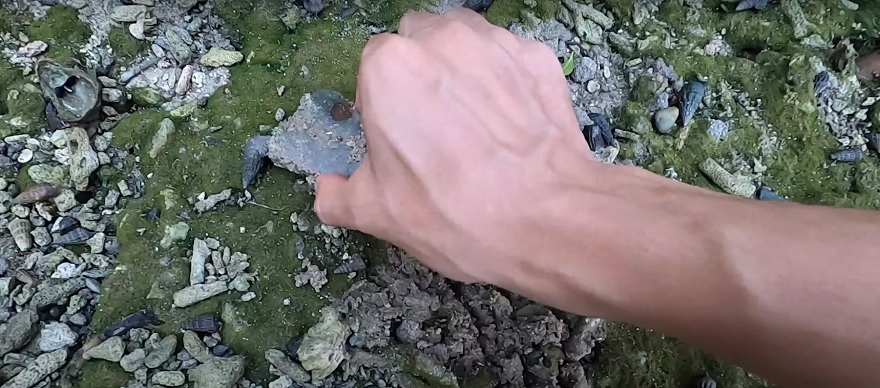
Ceramic shards scattered along the pool edge
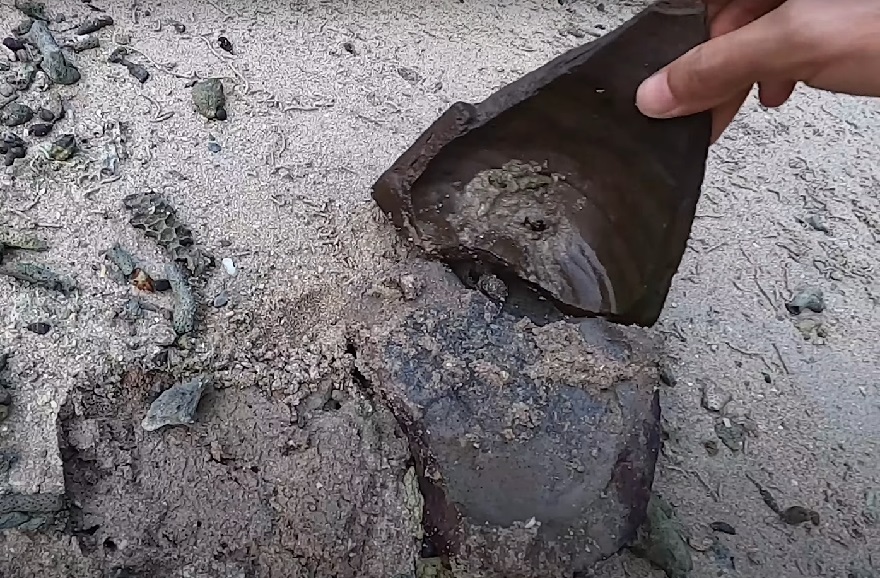
Ceramic shards scattered along the pool edge
According to local stories, older coastal communities had strict sea customs and burial practices for those lost at sea, including placing remains in ceramic vessels on remote islands or caves. Local lore links parts of the island to old coastal burial customs, while details about how fragments broke remain part of local oral tradition.
(Specific local details are kept brief out of respect for community accounts.)
4. Beach Area
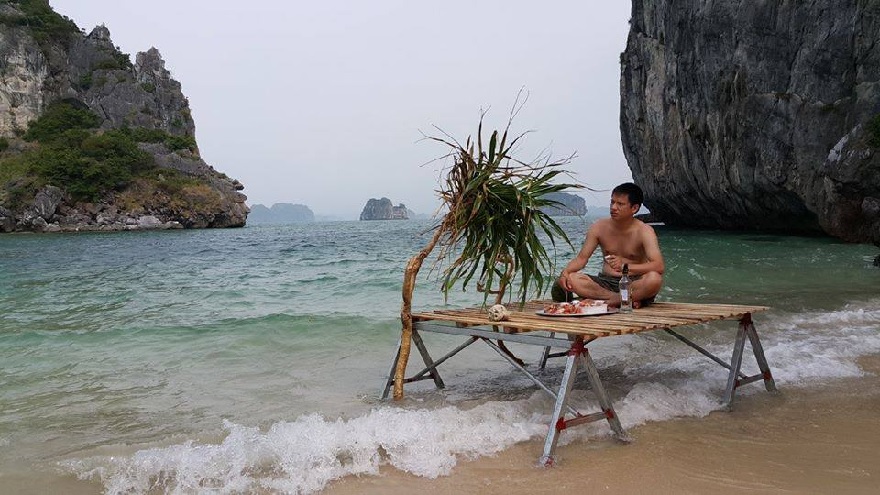 Beach cove on Dragon Eye Island[/caption>
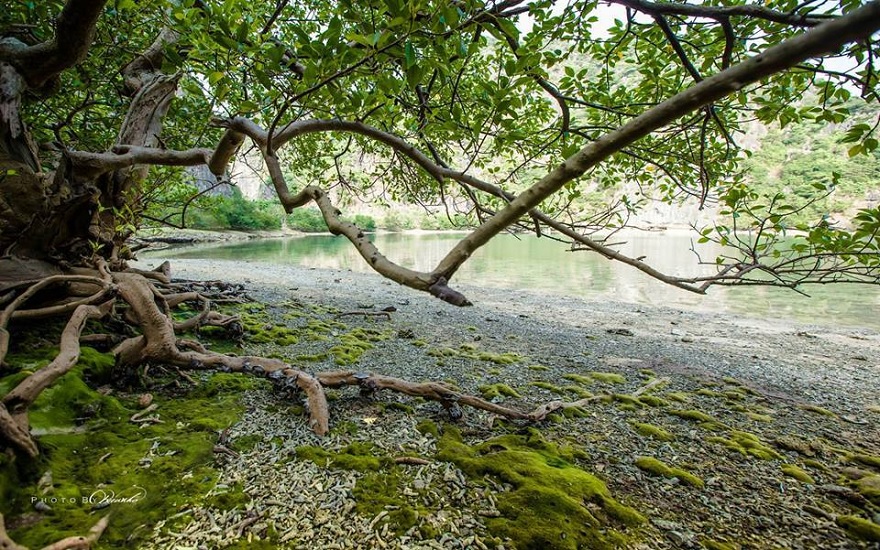 Coastal vegetation, hills, and rocky terrain on Dragon Eye Island[/caption>