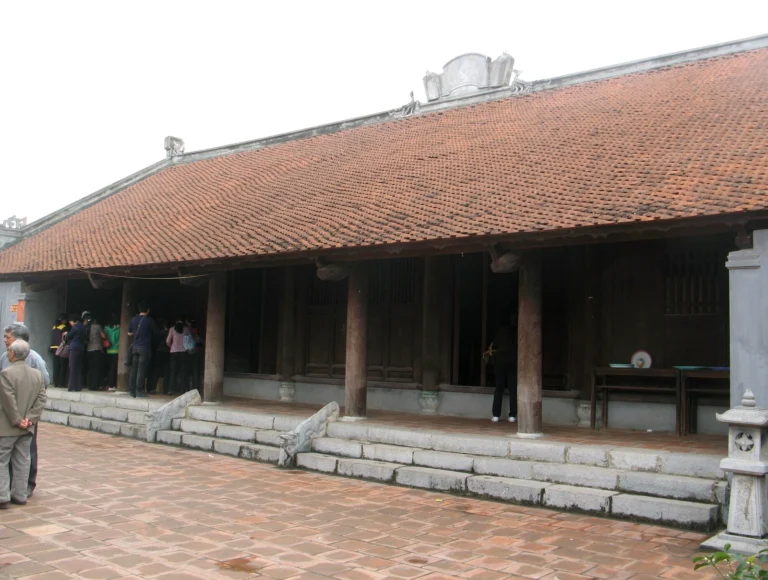
Nestled against the southern slopes of Lan Giac Mountain within the Phat Tich mountain range in Phat Tich commune, Tien Du district, Bac Ninh province, Phat Tich Pagoda (formally known as Van Phuc Pagoda) stands as a unique architectural landmark embodying the finest principles of traditional geomancy. Looking out from above, the ancient temple occupies a highly auspicious terrain, opening up to the peaceful expanse of the Duong Luu river delta in the front, while backed by a tranquil mountain range that acts as a natural screen. This subtle harmony between water and mountains creates a pure, serene, yet majestic natural energy field—making it an ideal sanctuary where the realm of the Buddha converges with the sacred spirit of Kinh Bac, a land of ancient culture and civilization.
Looking back through layers of historical sediment and chronicles, the roots of Van Phuc Pagoda sink deep into the golden age of Dai Viet Buddhism during the Ly dynasty. Historical stelae and the Complete Annals of Dai Viet confirm that this sacred terrain received dedicated attention from the royal court as early as the reign of Emperor Ly Thanh Tong. By the 7th year of Quang Huu (1066), under the reign of Emperor Ly Nhan Tong and with the robust patronage of Imperial Concubine Y Lan, Van Phuc Pagoda was officially established on a grand scale, highlighted by a towering stupa and a majestic gold-gilded bronze statue of Amitabha Buddha. The site quickly rose to prominence as a leading national Buddhist center, closely associated with esteemed masters such as Zen Master Chan Khong (1046 – 1100) of the Vongon Thong meditation sect, who dedicated his life to abbacy and propagating the Dharma in this sacred land.
Through numerous historical ups and downs—ranging from dynastic changes during the Tran and Early Le dynasties to major restorations bearing the distinctive architectural marks of the Later Le and Nguyen dynasties—Van Phuc Pagoda has steadfastly preserved the core heritage of past generations. Even when fierce warfare in March 1947 completely devastated the ancient architectural complex and turned it into flat ground, the temple’s resilient vitality continued to smolder through its ancient foundations, mossy stupa garden, and most notably, the original Ly-dynasty stone statue of Amitabha Buddha—a national treasure of supreme sculptural artistry. Archaeological excavations from 1959 to the present have further clarified the geological value and deep cultural strata of the site, affirming that Phat Tich is not merely a spiritual scenic spot, but also a living historical museum that fully preserves the heroic spirit and culture of a golden era.

Perched on the southern slope of the majestic Phat Tich mountain, Van Phuc Pagoda emerges like a picturesque landscape painting, perfectly blending the sacred energy of heaven and earth with centuries of exquisite ancient architecture. Located in Tien Du district, Bac Ninh province, the pagoda features an exceptionally auspicious “back to the mountain, facing the water” terrain, opening up to a spacious delta view overlooking a tranquil countryside. Passing through the grand triple gate, visitors step into a serene realm entirely detached from the hustle and bustle of modern life, allowing them to fully experience the harmonious blend of nature and spirituality.
Having endured numerous historical fluctuations and major restorations—especially bearing the architectural hallmarks of the Later Le and Nguyen dynasties—Phat Tich Pagoda now possesses an exceptionally majestic and grand overall layout designed in the traditional “Inner Gong, Outer Quoc” style. The defining feature that establishes this ancient temple’s unique value is its harmonious architectural system combined with supreme Ly-dynasty stone sculpture art. Most prominent is the masterpiece: a monolithic green stone statue of Amitabha Buddha seated on an intricately carved lotus throne, a national treasure exuding a graceful, compassionate, yet magnificent artistic style. In front of the temple courtyard, dozens of large stone animal statues—including lions, elephants, rhinoceroses, and horses—sculpted in the 11th century still stand majestically to guard the sacred space, bearing witness to a golden era of Dai Viet Buddhism.
To capture the most stunning moments at this ancient sanctuary, photographers and travel journalists frequently pass along tips for “million-view” photo spots you cannot miss. The first check-in spot is located right in the ancient courtyard and stupa garden area, where the camera lens can capture the tranquil beauty of moss-covered stupas rising amid lush greenery, creating absolute retro depth for your photo. The ideal time to shoot here is early in the morning, when a faint mist lingers on the tree canopy and the first rays of sunrise slant through the leaves, shining directly onto the magical, mossy architectural details.
The second check-in spot, highly praised for its artistic value, is the main sanctuary terrace area, framing a sweeping view of the thousand-year-old stone animal statues and the rolling mountain ranges in the background. Sunset is the golden hour for this camera angle, as the setting sun casts a glowing amber hue across the entire temple courtyard, accentuating the ancient stone textures and evoking a deep sense of peace and nostalgia. Additionally, capturing an aerial view overlooking the entirety of Van Phuc Pagoda nestled against the mountain slope will allow you to fully depict the majestic and solemn beauty of one of Vietnam’s oldest Buddhist centers.

Stepping foot into Phat Tich Pagoda (Van Phuc Pagoda) in Tien Du district, Bac Ninh province, visitors not only immerse themselves in the tranquil atmosphere of a millennium-old Buddhist center but also have the opportunity to experience exceptionally valuable and vibrant moments firsthand. The journey of discovery begins with a leisurely stroll up the mossy stone steps leading to the slope of Phat Tich Mountain—once the dwelling place of Zen Master Chan Khong. The sensation of climbing the mountain while breathing in the fresh air scented with subtle incense and listening to the distant sound of temple bells echoing through the serene environment brings a wondrous calmness to the soul. The higher you climb, the more expansive the natural scenery becomes, bathed in the lush green of grass, trees, and the peaceful rolling hills of the Kinh Bac region.
Upon reaching the central grounds of the ancient temple, an overwhelming sense of awe washes over every visitor. Before your eyes lies not merely the grand architectural scale reconstructed after numerous historical upheavals, but also the profoundly sacred presence of the Ly-dynasty stone statue of Amitabha Buddha—a pinnacle artistic symbol of Dai Viet culture. Standing before His countenance amidst the breezy environment and drifting incense smoke, all the hustle and bustle of daily life seemingly melts away. Visitors surrender themselves to absolute spiritual tranquility, clearly feeling the magical connection between a heroic past and a peaceful present, allowing their hearts to settle into deep reverence and gratitude for the heritage left by our ancestors.
Leaving the worship area, the cultural exploration journey continues to guide visitors toward the picturesque beauty of the surrounding landscape. From the peak of Phat Tich Mountain looking out into the distance, a fertile delta comes into full view with peaceful villages, vibrant green rice paddies, and the winding Duong River. During scenic water seasons, boating excursions on nearby water bodies offer an entirely different perspective—dreamy, poetic, and deeply lyrical. The blending of water and sky creates a stunning, vibrant natural panorama that leaves anyone wandering here spellbound by the tranquil beauty of the Quan ho homeland.
Concluding your practical experiential journey at Phat Tich Pagoda, the lingering flavor of the trip is fully captured through the renowned local culinary specialties of the Kinh Bac region. Resting at small roadside stalls at the foot of the mountain, visitors can savor chewy, fragrant phu the cakes sweetened with traditional flavors, or enjoy a steaming hot banh te packed with rustic countryside goodness. The perfect combination of majestic natural landscapes, profound spiritual values, and rustic culinary flavors transforms a visit to Van Phuc Pagoda into a vivid, unforgettable experience for every traveler from afar.
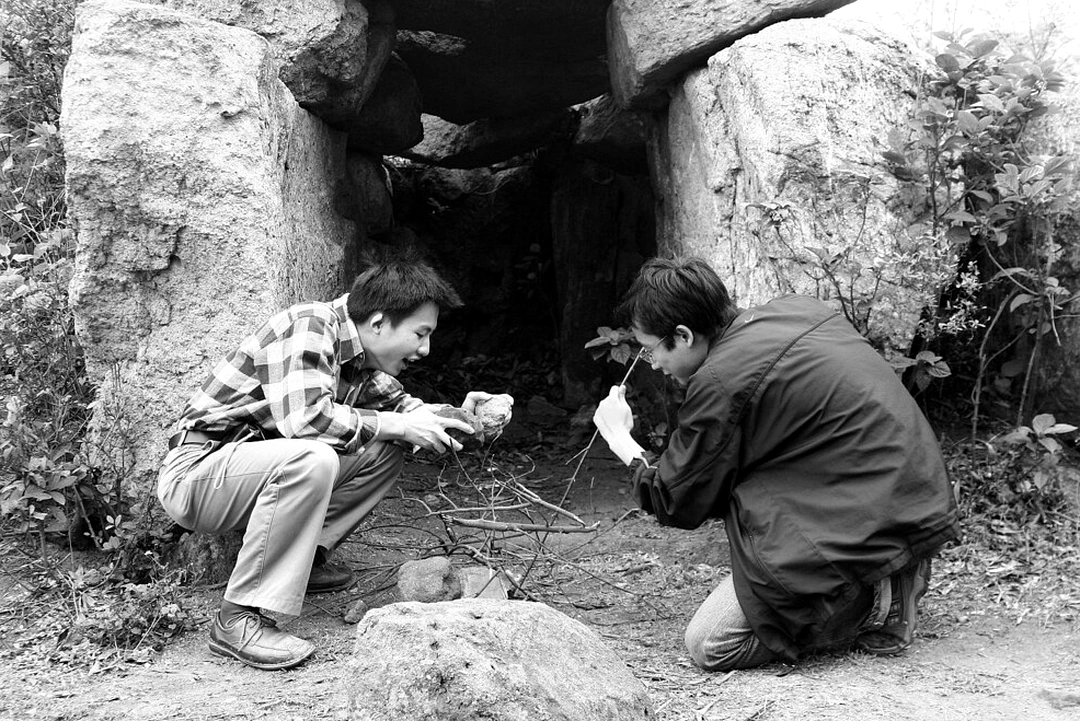
Phat Tich Pagoda (Van Phuc Pagoda) in Tien Du district, Bac Ninh province is not only a specially designated national historical site housing the masterpiece Ly-dynasty Amitabha Buddha statue, but also a serene spiritual sanctuary that attracts numerous pilgrims and travelers from all directions. To make your pilgrimage and exploration complete and smooth, the practical insights compiled below will serve as an exceptionally useful pocket guide.
Regarding operating hours, the pagoda is open to visitors and worshippers every day of the week, including holidays, Tet, and weekends. The ideal visiting hours during the day typically run from 06:00 AM to 06:00 PM. Regarding costs, the heritage management board currently applies a completely free admission policy for all visitors and Buddhists coming to worship and sightsee.
The travel route from downtown Hanoi to Phat Tich Pagoda is quite convenient, located only about 25 to 30 km to the east. The most optimal and flexible option is traveling by personal vehicle (car or motorbike) via Thanh Tri Bridge or Vinh Tuy Bridge, proceeding straight along the Hanoi – Bac Ninh expressway or the old National Highway 1A, and then turning onto the provincial road toward Tien Du district. Alternatively, you can take a city bus line combined with a local motorbike taxi or taxi to reach the pagoda gates directly.
The terrain of Phat Tich Pagoda is situated along the southern slope of Lan Kha Mountain; therefore, the landscape requires visitors to walk and climb quite a few stone steps. When visiting this sacred site, you should pay attention to wearing neat, polite, and modest attire, prioritizing long clothing suitable for Buddhist worship culture. At the same time, bring flat shoes or supportive sneakers to ensure comfort and convenience while walking and climbing the mountain to explore the entire architectural complex.
The ideal time of year to visit Phat Tich Pagoda is in the spring, especially from the first to the third lunar month. This is when traditional early-year festivals take place amid a solemn atmosphere and natural scenery blending into the serene ambiance of the Kinh Bac mountain forests. Additionally, the beginning of each lunar month or full moon days throughout the year make wonderful times to seek peace and quiet for your soul after the stresses of daily life.
To enjoy a complete getaway and admire the full beauty of Phat Tich Pagoda without worrying about arranging transportation, booking tickets, or travel itineraries, travelers can choose all-inclusive, premium Tien Du, Bac Ninh tour packages from VDS Travel. Each tour is optimized to time check-ins during the most vibrant lighting conditions, accompanied by expert tour guides well-versed in local culture and top-tier hospitality standards.