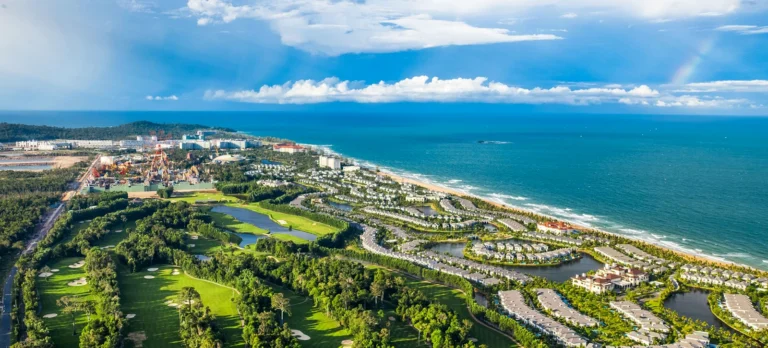
Located at the northernmost tip of the pearl island of Phu Quoc, Kien Giang Province, Ganh Dau Cape appears like a majestic and resonant final note carved together by nature and history amidst vast ocean waves. Possessing an isolated geographical coordinate, this place stretches out into the open sea, directly facing the neighboring waters of Cambodia across a narrow sea channel, creating an unrivaled strategic position for both national defense and maritime trade from centuries ago. From a geopolitical and feng shui perspective, Ganh Dau converges all optimal principles of traditional terrain shaping: its back rests firmly against the deep green primeval forest belonging to the Phu Quoc National Park ecosystem, where centuries-old trees spread their wide canopy for shelter; its front faces the expansive space of sea and sky with golden sandbanks curving smoothly in a crescent shape. The delicate harmony between the great forest and the great ocean creates a fresh microclimate that is cool year-round, while nurturing a rare and rich marine seafood resource that has attracted generations of settlers to build their livelihoods here since ancient times.
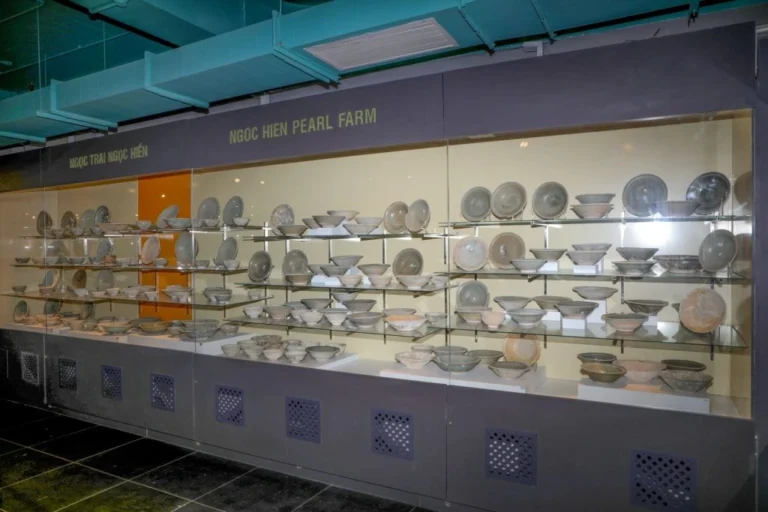
The toponym “Ganh Dau” is not merely a spatial geographic positioning name, but also a linguistic imprint imbued with the symbolic nature of Southern coastal residents. According to toponymic studies from documents of the Vietnam Institute of Cultural History & Heritage Studies, this name originates from the unique topographical characteristics of the cape: weathered sedimentary rocky outcrops protruding right to the water’s edge, combined with the remains of melaleuca and ancient oil-tree forests that once grew closely along the shore. Through all the ups and downs of the Southern expansion process and the reclamation of land to establish villages under the Nguyen dynasty, especially the early 19th century under the reigns of Emperors Gia Long and Minh Mang, this land appeared on ancient maps such as “Dai Nam Nhat Thong Toan Do” or “Vinh Khi Du Do” as an important sovereignty milestone belonging to Ha Tien Dao. Archaeological artifacts including Ming-Qing dynasty pottery fragments and long-standing family genealogies have demonstrated a resilient community of Vietnamese and Khmer fishermen clinging to the sea and land, forming prosperous fishing villages since the second half of the 18th century.
Not only carrying original geological and toponymic values, Ganh Dau Cape is also imbued with historical heroism tied to the patriotic movement against French colonialism in the second half of the 19th century. In local folk memory and legend, the northern sea of Phu Quoc once played a role as a crucial strategic transport corridor, serving as a secret hiding and supply base for National Hero Nguyen Trung Truc and his insurgent army. Thanks to its rugged terrain with dense forests close to the water’s edge and a system of submerged rocks for shelter, the insurgent army maximized amphibious advantages to deploy flexible guerrilla strategies, leaving a deep mark in the grateful consciousness of subsequent generations. The accumulation of time has turned Ganh Dau into a living museum of island cultural heritage, where traditional spiritual institutions such as the temple honoring pioneer founders and temples of national heroes are solemnly preserved, bearing witness to the enduring and fierce flow of Vietnamese culture in the stormy borderlands.
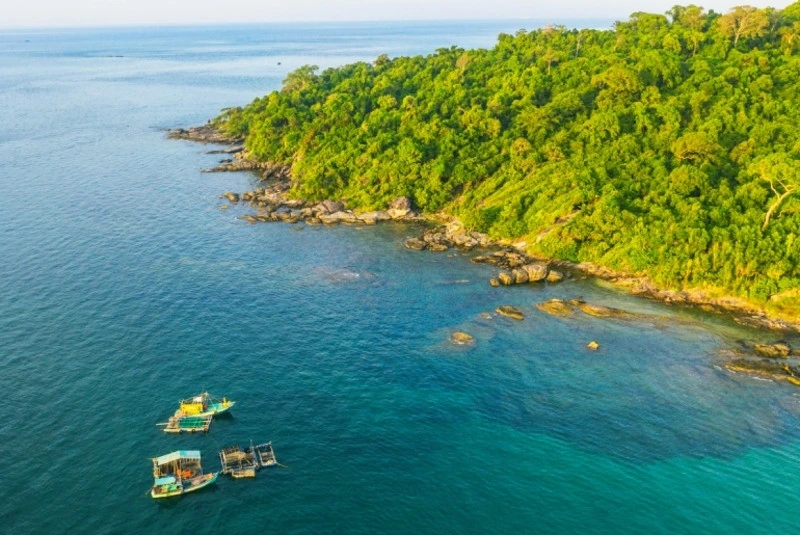
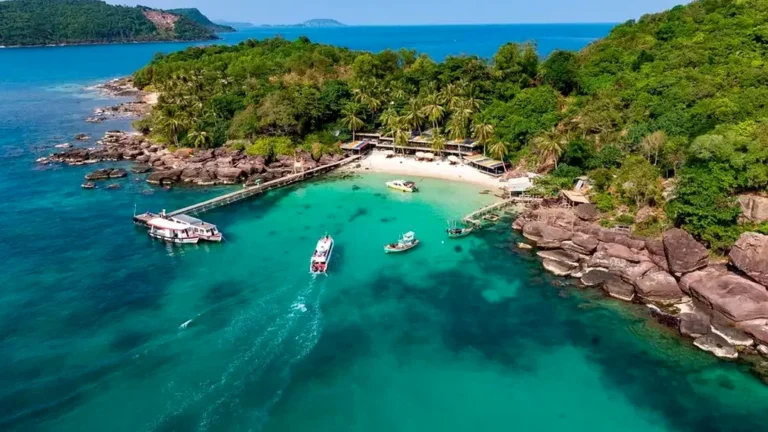
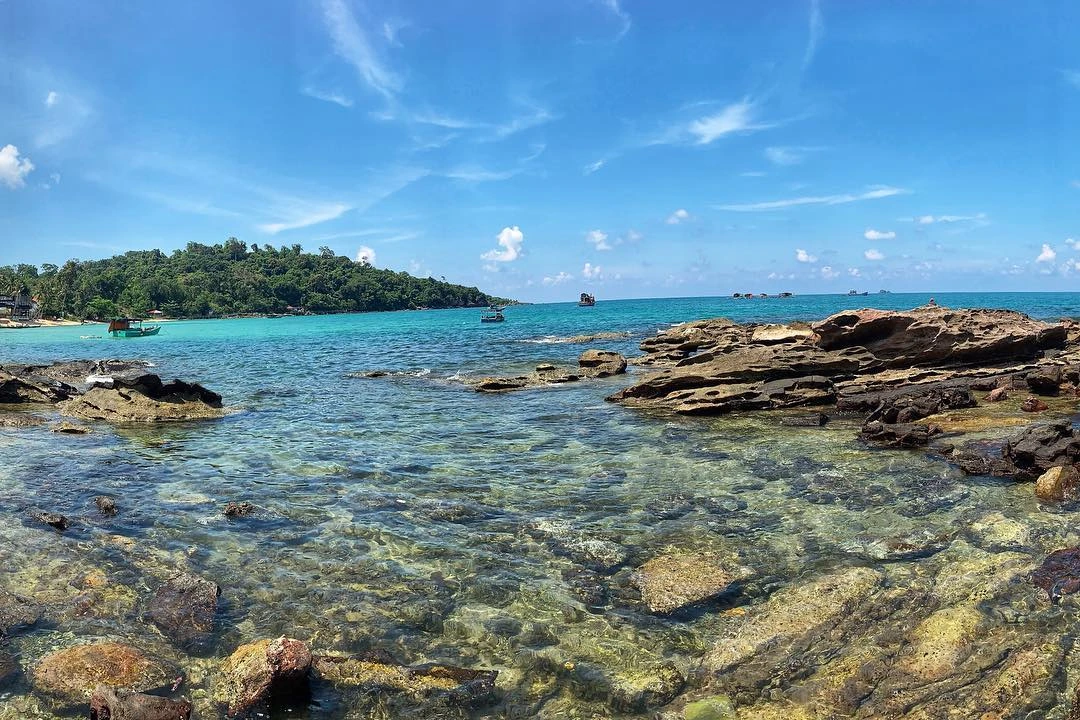
Ganh Dau Cape emerges as a masterpiece of creation, converging the pristine, magnificent, yet poetic beauty of Phu Quoc pearl island. Situated at the northern tip of the island, the terrain of Ganh Dau is exceptionally unique with the cape stretching out strongly into the open sea, embracing smooth crescent-shaped golden sandbars. Surrounding it is a vibrant green primeval forest ecosystem extending right to the water’s edge, blending with crystal-clear sea water where the bottom is visible. Viewed from above, the landscape here resembles a picturesque ink-wash painting, where the great forest meets the great ocean, creating a spacious, peaceful, and completely isolated atmosphere away from the hustle and bustle of the city. The natural architecture of Ganh Dau is vividly depicted through large and small rocky outcrops of all bizarre shapes weathered by eternal waves and winds, stacking up to form sturdy, defiant ramparts against fierce waves.
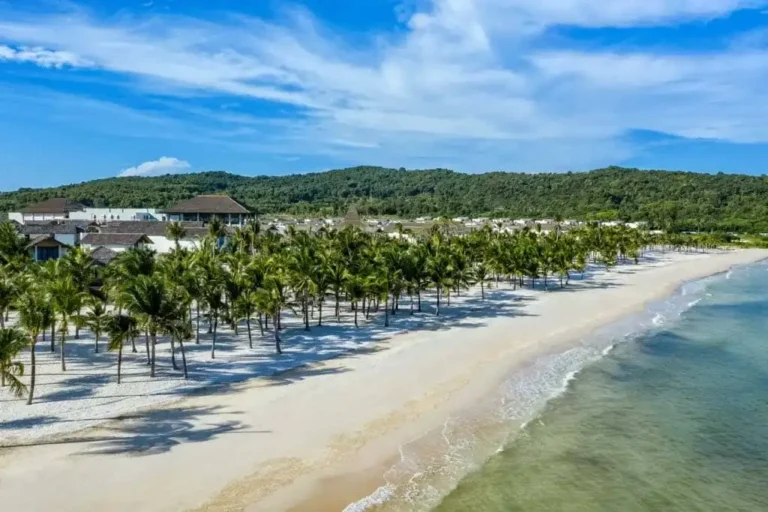
Not only possessing exceptional natural scenery, Ganh Dau Cape is also an ideal destination for photography enthusiasts who want to capture high-value moments. To capture “million-view” frames, veteran photographers and travel journalists often share the two most classic shooting angles. The first is the rocky outcrop area reaching out to the sea near the edge of the forest, where you can take in a panoramic view of the vast horizon, with the hazy outline of neighboring country waters in the distance. The second is the shooting angle along the curved sandy beach under coconut trees leaning their shadows, creating a nostalgic and poetic depth for the photo. The ideal lighting time to shoot here is during sunset, roughly from 5:00 PM to 5:30 PM. At that time, the late sunlight shifts from a brilliant orange-yellow to a magical purplish-red, dyeing the entire sea and sky of Ganh Dau in pink, shimmering on the calm water surface, bringing viewers an unforgettable, overwhelming, and captivating emotion.
Stepping foot onto Ganh Dau Cape, visitors feel as though they are stepping into another dimension where modern life seems to pause behind the whispering waves. The first experience awakening all senses is a gentle trekking journey winding through shaded primeval forest patches. Beneath the canopy of centuries-old trees, the melodious singing of birds blends with the salty scent of the ocean to create a pure natural symphony. When overcoming rugged stone steps to reach the highest point of the cape, an overwhelming feeling suddenly bursts forth. Before visitors’ eyes lies a magnificent natural picture: the endless deep blue ocean embracing the softly curved coastline, and from here, gazing into the distance, the hazy silhouettes of islands belonging to the land of temples peek out on the horizon, evoking the utmost sacredness of the frontier.
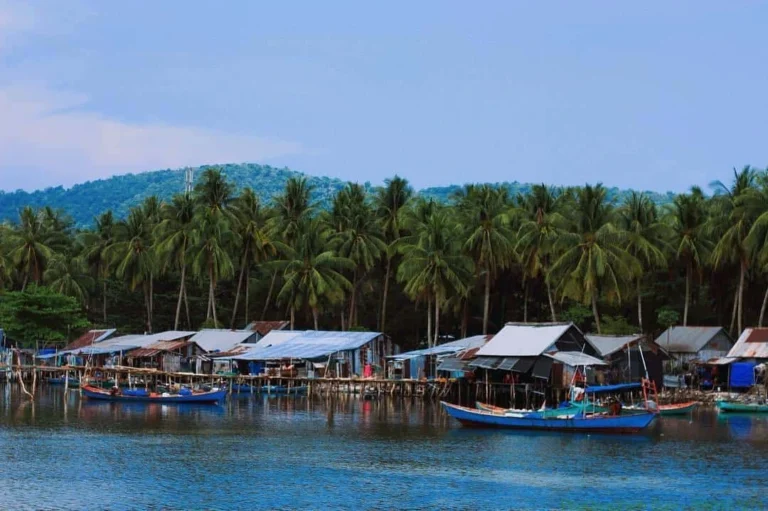
Leaving the lush green forest canopy, the journey continues to take visitors drifting on rustic fishing boats of local fishermen to explore the coastal sea route. The water is so crystal clear that one can see right through multi-colored coral reefs and schools of small fish swimming playfully. The sound of waves beating against the boat hull, the breezy sea wind blowing through hair carrying the salty taste of the ocean, awaken an indescribable feeling of freedom. Amidst that expansive space, the intersection between past and present becomes even more poignant when visitors visit the temple dedicated to National Hero Nguyen Trung Truc, standing solemnly amidst a peaceful fishing village. Incense smoke blending with distant temple bells brings people’s hearts back to the heroic historical pages of the ancestors who pioneered the land, arousing national pride and deep reverence before the spiritual energy of this borderland.
Concluding the journey of exploring Ganh Dau Cape are local culinary flavors rich with the sentiment of the land and its people. Right at small seaside eateries, visitors can savor famous specialties such as fresh herring salad wrapped with forest vegetables foraged directly from the edge of the primeval forest, dipped thoroughly in rich traditional Phu Quoc fish sauce, or enjoy a steaming hotpot of sweet seafood freshly caught from boats just arriving at the dock. The sweet and savory taste of the ocean blended with the hospitality and sincerity of long-time fishermen leaves an unforgettable impression in the traveler’s heart. Ganh Dau Cape is not only a spectacular stop on the tourism map, but also a vivid experience touching the depths of anyone’s soul who has ever set foot in this sacred and poetic haven.
Ganh Dau Cape is one of the most pristine and magnificent natural destinations in the northern part of Phu Quoc City, Kien Giang Province. To have a complete exploration journey, grasping practical information regarding timing, costs, and travel experience is essential for every visitor.
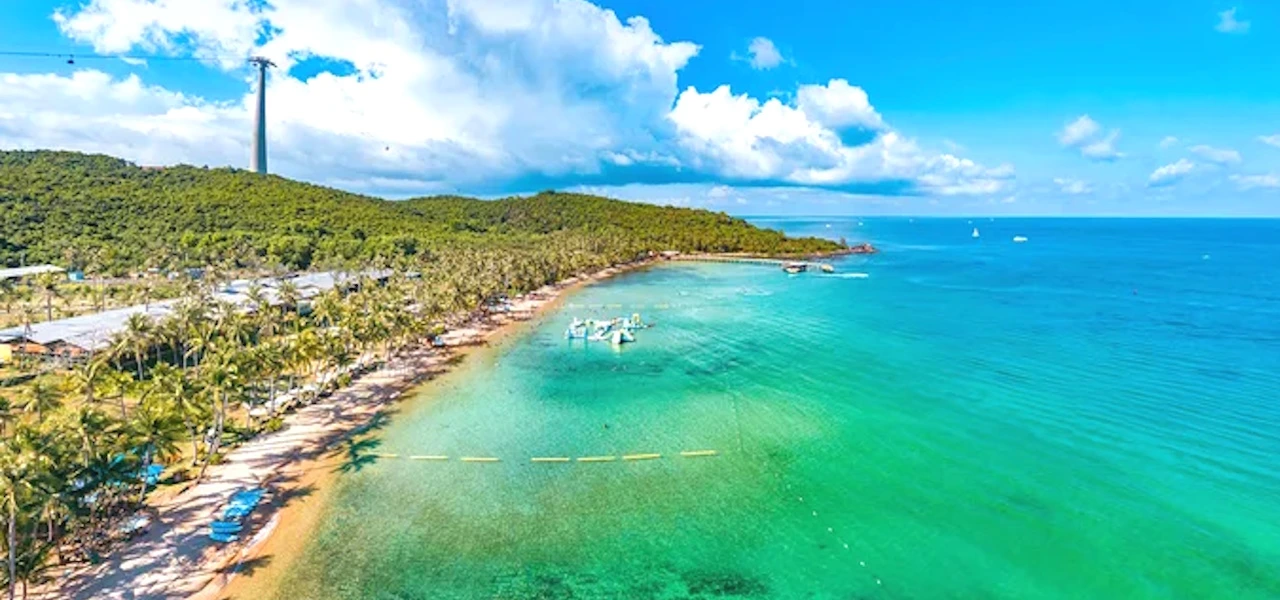
Regarding the ideal time to visit during the year, the period from November to April of the following year is considered the best dry season here. At this time, the sea of Ganh Dau is calm, the water is crystal clear to the bottom, and the sky is clear, which is very favorable for outdoor experiences, sunset watching, and enjoying fresh seafood by the beach.
The Ganh Dau Cape natural landscape area along with coastal community sightseeing spots are completely open freely to visitors without entrance tickets. Specifically for cultural and spiritual religious institutions such as the temple of National Hero Nguyen Trung Truc, this location is open to welcome compatriots and visitors to offer incense and worship daily from early morning to late evening (usually from 06:00 to 18:00).
Starting from the center of Phu Quoc City (Duong Dong area), the optimal travel route to Ganh Dau is taking the Duong Dong – Ganh Dau road or crossing the Phu Quoc National Park forest route. With a total length of about 30 to 40 km, visitors can choose to travel by motorbike to actively admire the scenery on both sides of the road, or take a car/taxi if traveling with family and a large group. The road is currently paved well, but the final section leading out to the rocky cape may be red dirt road, so visitors should mind their steering when traveling during the rainy season.
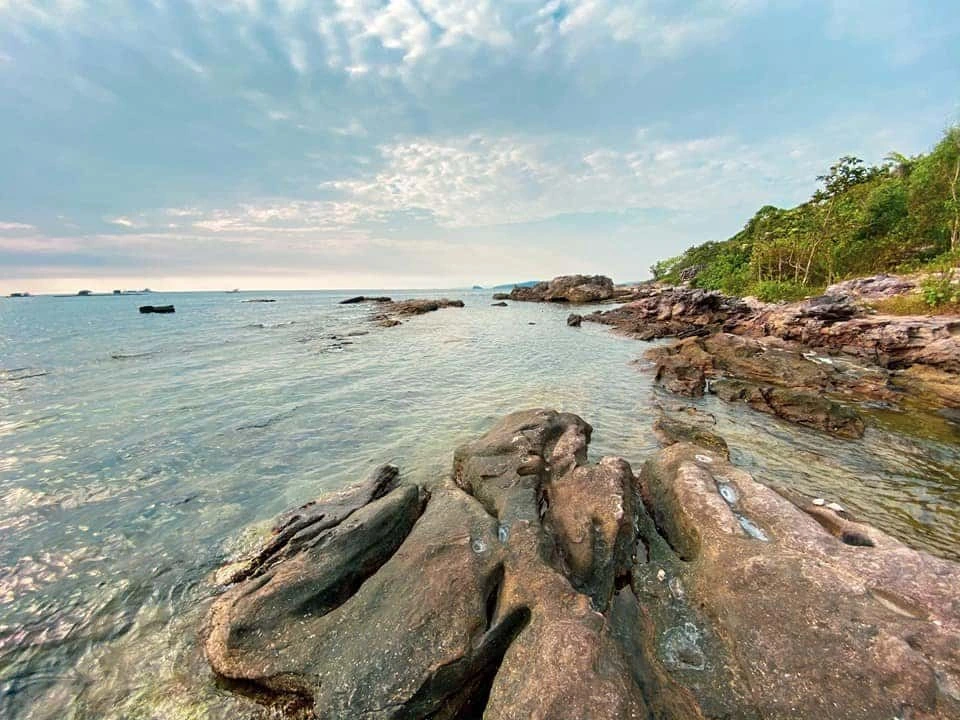
When visiting sacred spaces such as temples, visitors should note choosing polite, neat, and modest clothing to suit local customs and the spiritual cultural space. Conversely, when exploring natural rocky beach areas, coastal rocky outcrops, or primeval forests, prioritize dynamic clothing with good sweat absorption and wear sports shoes or shoes with good grip to ensure safety when moving on slippery rock formations.
To enjoy a complete vacation and fully admire the beauty of Ganh Dau Cape without worrying about arranging transport, booking admission tickets, or travel schedules, visitors can choose premium all-inclusive Kien Giang tour packages from VDS Travel. Each tour is optimally designed for check-in timings when scenery is most vibrant, accompanied by a team of tour guides deeply knowledgeable about local culture and top-tier hotel and dining service standards.