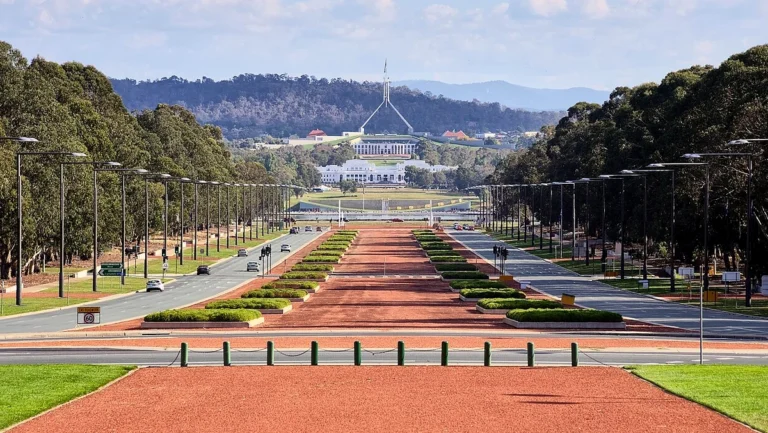
Stepping into Hamilton Gardens in New Zealand—also recorded in historical chronicles as Hanmi’erdun Huayuan (汉密尔顿花园)—visitors do not merely enter a contemporary botanical wonder; they touch a turbulent chronicle of the North Island. Perched majestically on the southern edge of Hamilton, the capital of the fertile Waikato region, this heritage complex embraces a stretch of the legendary Waikato River, whose mother waters nurtured an indigenous civilization thousands of years ago. Yet few realize that before draping itself in the splendor of global landscape architecture, this site weathered the dramatic vicissitudes of history, carrying deep memories spanning from the primordial era to the smoke and fire of colonial warfare.
In its earliest days, before the arrival of Western civilization, this land bore the pure indigenous Māori name Kirikiriroa, carrying the profound meaning of “long stretch of gravel along the river.” It was the sacred homeland and ancestral settlement of the mighty Tainui iwi (tribe). Blessed with fertile soil and abundant water from New Zealand’s longest river, Kirikiriroa was once carpeted with lush fields of kumara (sweet potato), forming an ecosystem of deep harmony between humanity and nature. That tranquility began to falter in the 19th century, when waves of European colonists arrived in the land of the Kiwi, sparking inevitable geopolitical conflicts between the British Empire and the alliance of indigenous tribes. The historical turning point that shaped its modern name took place in 1864, amid the tragic turmoil of the Waikato War. To commemorate British naval captain John Hamilton—who fell in battle during this bloody campaign—the colonial government renamed Kirikiriroa to Hamilton, a historical imprint that endures to this day.
Passing through the colonial era into the 20th century, the fate of the land beside the Waikato River took a poignant turn that nonetheless laid the groundwork for its spectacular rebirth. Few can imagine that prior to 1971, this entire expansive site was neglected and repurposed as a municipal rubbish dump combined with a gravel and sand quarry. Pollution and desolation obscured the natural beauty of the land that had once sustained the Tainui people. It was not until the period from 1971 through the 1980s that a new urban planning vision began to awaken; the area was rezoned and transformed into a modest botanical garden paired with a local plant nursery to supply greenery across the city.
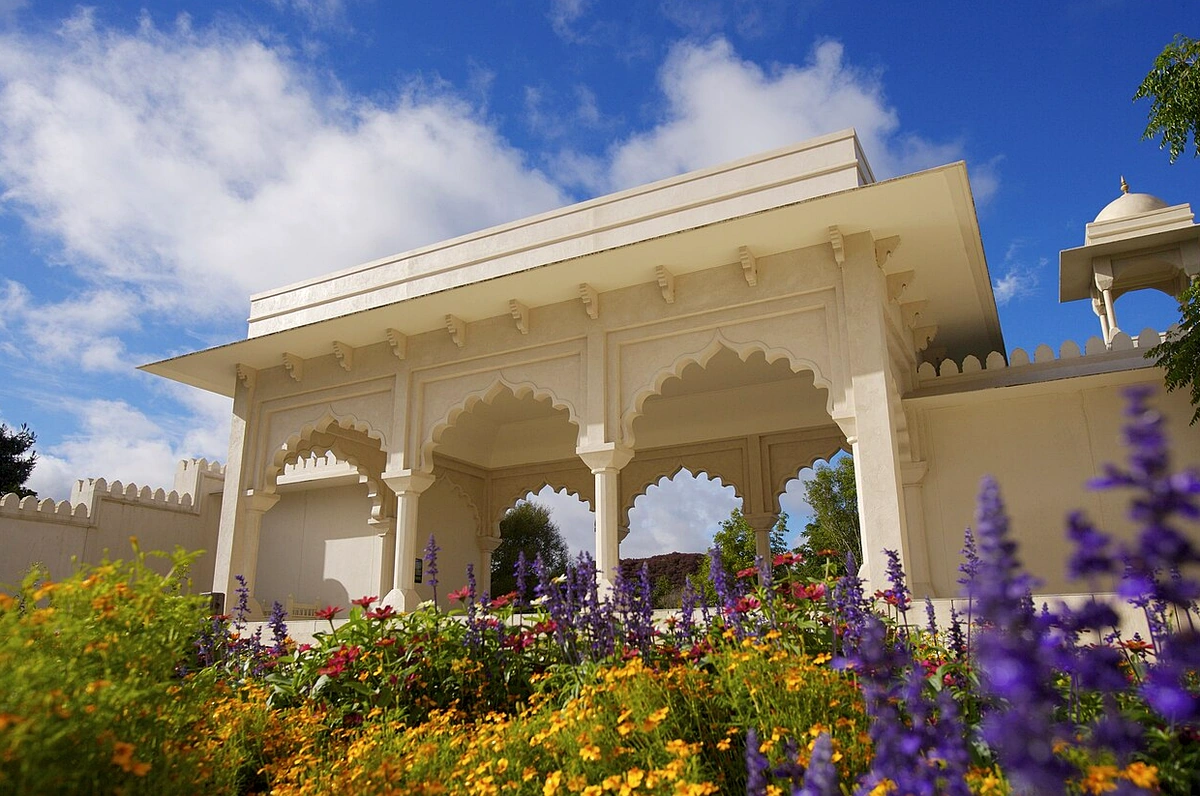
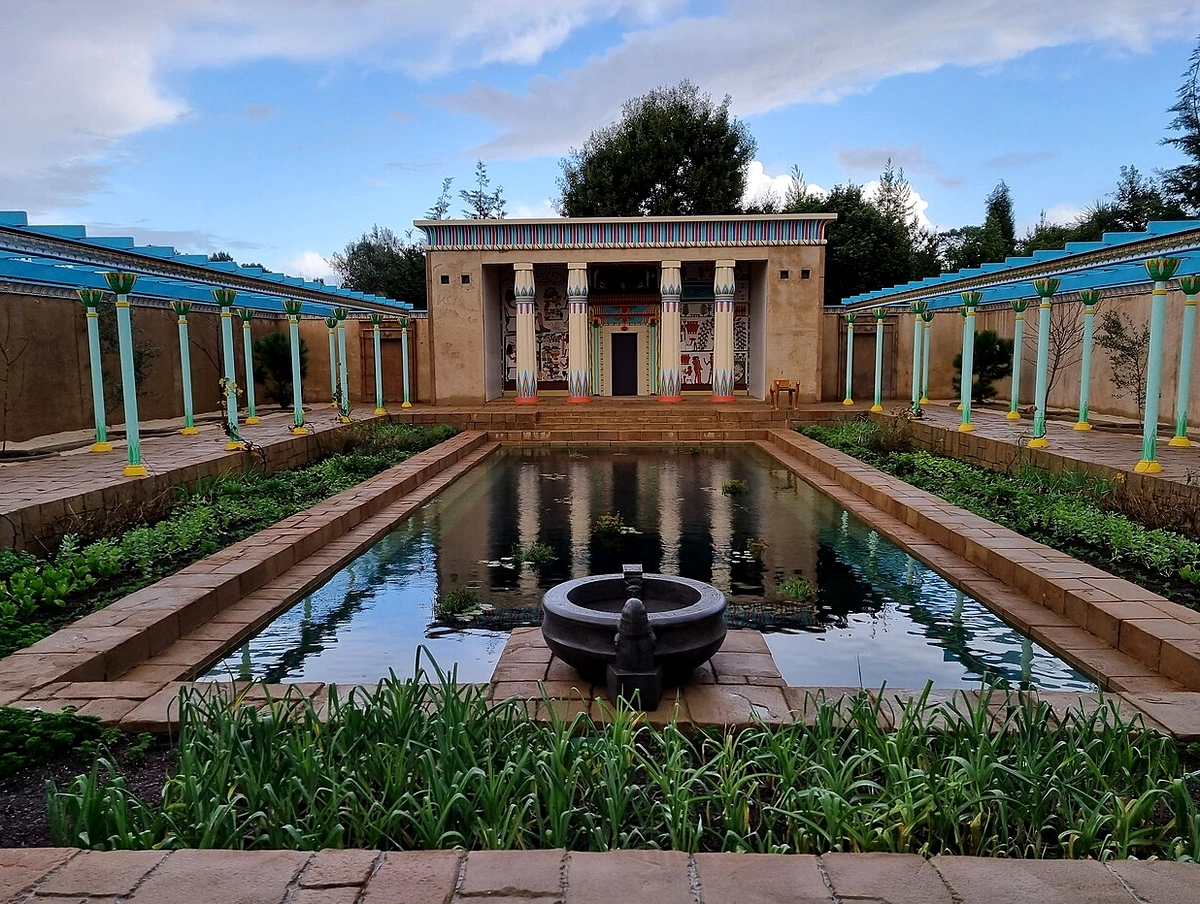
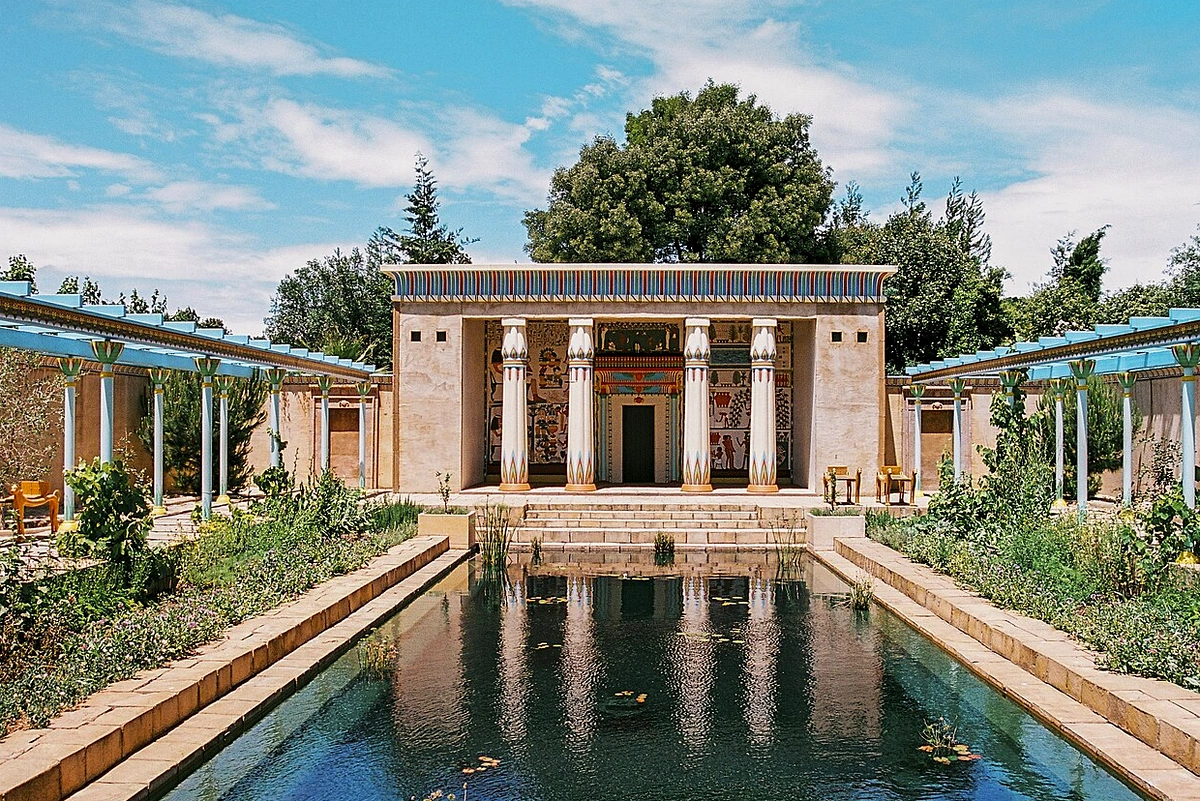
The greatest turning point, cementing Hamilton Gardens as an internationally acclaimed legend, occurred in the late 1980s. Under the visionary and passionate leadership of head landscape architect Peter Richardson, garden design philosophy here broke free from the confines of a conventional botanical nursery to enter a new era: the concept of “Story Gardens.” Richardson and his team crafted a unique narrative framework in which each enclosed garden serves as a living chapter, recreating the history, philosophy, art, and horticultural traditions of human civilizations across the ages. From the ancient Mediterranean paradise garden and the aristocratic Italian Renaissance garden to the traditional Imperial Chinese garden and the deeply meditative Japanese garden, every space was researched and reconstructed with remarkable landscape-archaeological precision.
That enduring journey and relentless pursuit of transformation bore fruit in 2014, when Hamilton Gardens in New Zealand was officially honored at the prestigious International Garden Tourism Awards with the title of International Garden of the Year. This accolade is not only a recognition of a landscape architecture masterpiece, but also a powerful testament to the power of regeneration: from a derelict rubbish dump beside the Waikato River, human hands and ingenuity have transformed this site into a living sanctuary celebrating natural and cultural heritage.
Spanning a total planned area of roughly 54 hectares, with the core display zone covering approximately 50 hectares, Hamilton Gardens is far more than an urban park—it is a marvel of landscape engineering and ecological adaptation. Cleverly sited and built along the natural alluvial terraces of the Waikato River—New Zealand’s longest river—the entire layout embodies a supreme harmony between contemporary Western urban planning and cosmic spatial philosophy. From the perspective of landscape ecology, the complex occupies a remarkably advantageous geographical setting that generates a distinct riparian microclimate, supporting the thriving growth of tens of thousands of temperate and subtropical plant species while offering breathtaking visual vistas to every traveler who visits.
Viewed through the lens of traditional feng shui and East Asian geomancy, the topography of this grand park evokes a landform of “harmonious yin and yang, picturesque mountains and waters.” As the Waikato River flows ceaselessly northward from the south, it curves around the eastern flank of the gardens, naturally forming the classic “jade belt encircling the waist” (ngọc đái hoàn yêu) configuration—an enduring symbol of gathering vital energy, generating prosperity, and sustaining good fortune. Furthermore, the natural river terraces act as colossal protective screens shielding the interior grounds from bitter southerly winds, while welcoming cool breezes and ideal humidity rising from the river valley. This seamless interplay between natural hydrology and sheltering terrain creates a moist, stable microclimate that nurtures a botanical diversity rivaled by few man-made landscapes in the world.
Few would suspect that behind today’s lush, philosophical splendor lies an extraordinary feat of environmental engineering and urban remediation by a dedicated team of landscape engineers. When the site was first reclaimed, the former open-air landfill suffered from severely degraded topsoil, acute pH imbalances, and heavy contamination. To transform a barren, polluted wasteland into an enchanting work of art, the project management team deployed state-of-the-art ecological engineering techniques. The restoration process involved large-scale deep topsoil replacement campaigns, advanced biotechnology to revive subterranean microbial ecosystems, and long-term bio-organic fertilization regimes to restore natural soil porosity and fertility.
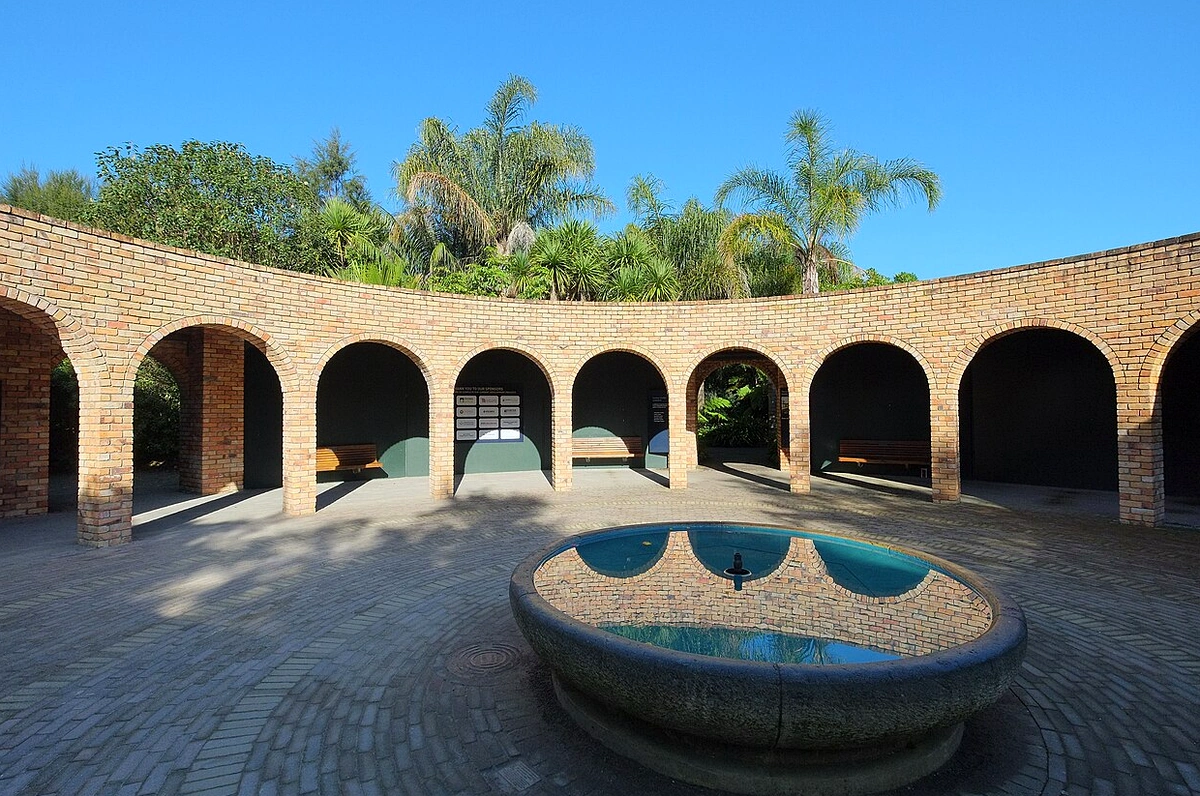
Built upon this solid foundation of ground engineering, the entire park is distinctly organized yet seamlessly interconnected into five major themed garden collections reflecting diverse human cultures and aesthetic philosophies. These include the Paradise Garden Collection, recreating spiritual spaces and garden artistry from ancient civilizations; the Fantasy Garden Collection, sparking boundless imagination through literature and mythology; the Landscape Garden Collection, celebrating the pure beauty of native and global nature; the Productive Garden Collection, showcasing practical agricultural systems and useful flora; and the Development Garden Collection, continually pushing the creative boundaries of future horticulture.
Entering Hamilton Gardens in New Zealand (汉密尔顿花园), visitors feel transported into a multidimensional realm where human architectural history is reconstructed with astonishing refinement and accuracy. Far more than a mere arrangement of trees and blossoms, the complex functions as a living encyclopedia of landscape craftsmanship, distilling the philosophies and cultures of great civilizations into architectural lines, spatial compositions, and authentic materials. Stretching across dozens of hectares beside the mighty Waikato River, the estate is divided into independent garden collections, each standing as an artistic masterpiece capturing the architectural pinnacle of a distinct historical era.
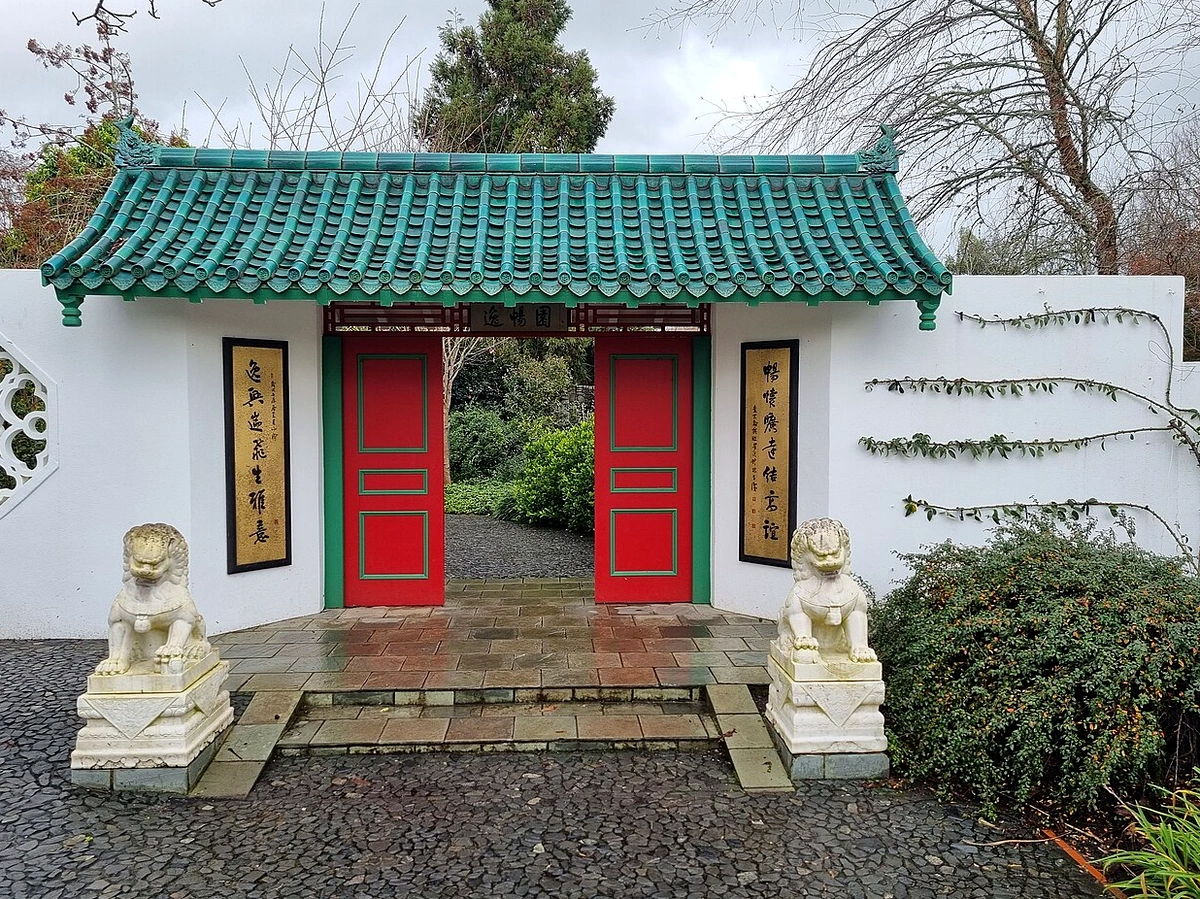
Exemplifying traditional woodworking mastery and East Asian aesthetic philosophy is the Chinese Scholar’s Garden, named Hanbi Yuan. Unlike ordinary themed landscapes, this garden strictly adheres to the classical canons of private scholars’ gardens from the Ming Dynasty in China’s Jiangnan region. Every pavilion, terrace, and gallery is built entirely of timber, where master artisans employed traditional mortise-and-tenon joinery with extraordinary precision—without a single iron nail or metal fastener. From the whitewashed walls and black roof tiles to the naturally weathered Taihu scholar’s rocks and intricate mosaic pathways paved with broken tiles in the traditional huajie style, every element was crafted and assembled on-site by master artisans from Suzhou, capturing the authentic spirit of Chinese literati gardens in the heart of the Southern Hemisphere.
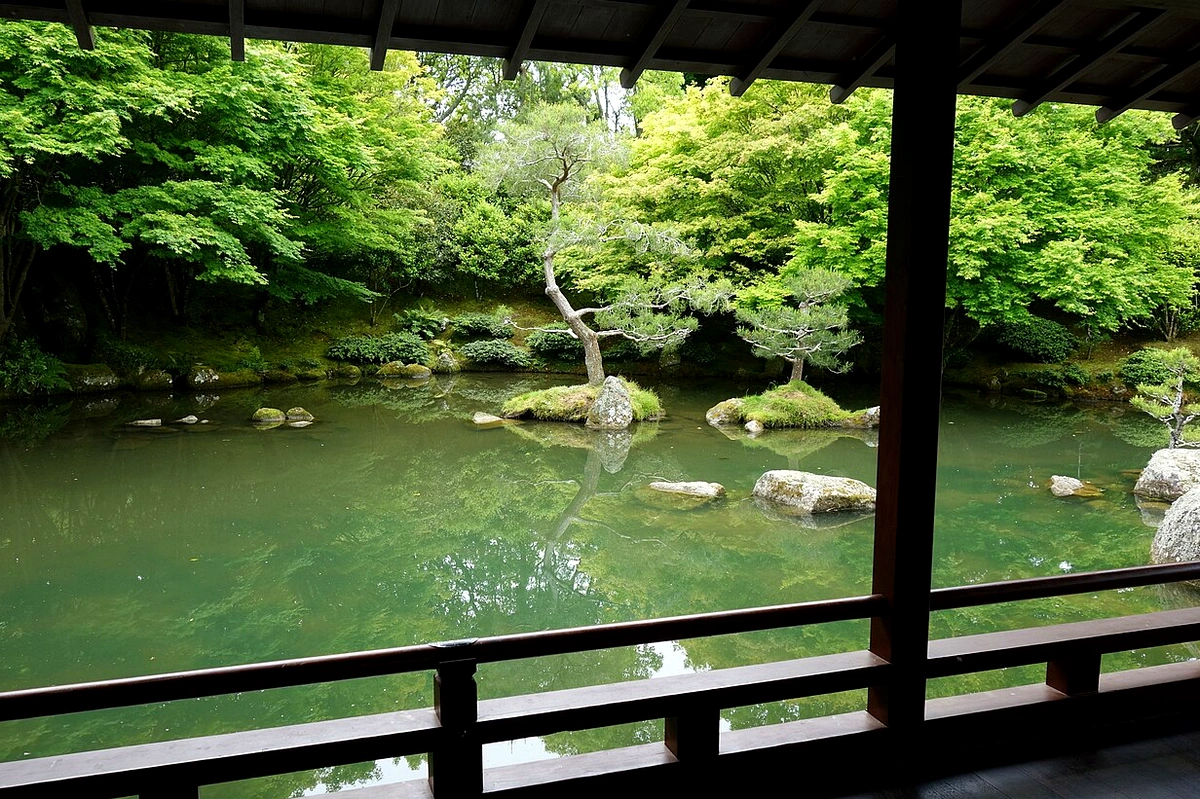
In serene contrast to the stately symmetry of Ming and Qing architecture lies the quiet, contemplative refinement of the traditional Japanese Garden. Here, two time-honored landscape traditions are faithfully realized: the dry landscape garden (karesansui) and the strolling garden (tsukiyama). To achieve absolute authenticity, designers meticulously selected volcanic stones, velvety moss, raked white sand, and untreated natural timber. Hand-bent bamboo fences bound together with traditional black palm-fiber rope serve not only a structural purpose but also embody the philosophy of wabi-sabi, honoring modesty, imperfection, and the quiet passage of time. Every corner of the Japanese Garden is a lesson in restraint, where empty space and stillness play a central role in nourishing the soul.
Nearby unfolds the opulent grandeur of the Italian Renaissance Garden, celebrating classical Western architectural philosophy defined by strict axial symmetry. Crisp evergreen hedges sculpted into intriguing geometric parterres combine with tiered fountains and marble statues inspired by classical mythology. Engineers and artisans ingeniously applied classical fluid mechanics to the cascading water features and fountain pressure systems, allowing water to flow rhythmically—creating soothing acoustics and a refreshing microclimate year-round without relying on complex modern machinery. This masterful synthesis of mathematics, sculpture, and hydraulic engineering transforms the Italian Renaissance Garden into an enduring symbol of early modern European artistry and human mastery over nature.
The triumph of harmonizing international architectural traditions within a single estate at Hamilton Gardens in New Zealand lies not only in authentic materials and precise blueprints, but also in how its creators breathed soul into every spatial transition. Every step between gardens immerses visitors in a dramatic shift in spatial rhythm—from the meditative seclusion of East Asia to the theatrical splendor of Europe. Superior handcraftsmanship paired with unwavering respect for the cultural heritage of each historical period has established Hamilton Gardens as one of the world’s premier destinations for cultural and landscape study, testifying to the timeless vitality of human architectural art.
When night falls and twilight fades over the winding Waikato River, Hamilton Gardens in New Zealand (汉密尔顿花园) takes on an entirely new persona, shedding the quietude of a daytime botanical sanctuary to enter an enchanting realm of contemporary art. Breaking away from the traditional sunset closures of classic botanical gardens worldwide, the complex opens an exhilarating nocturnal chapter by integrating live outdoor performances, vibrant evening programming, and cutting-edge lighting design. Garden management has partnered closely with world-leading technical specialists to craft a seamless dialogue between nature, architecture, and digital technology, turning every garden corner into an open-air stage where light and shadow converse dramatically.
The magic of the nocturnal landscape stems from a state-of-the-art architectural lighting system utilizing energy-efficient LEDs alongside specialized botanical illumination and projection mapping. Under the skilled direction of lighting designers, the Italian Renaissance Garden takes on a commanding, dramatic presence. Carefully angled uplights play against deep shadows to accentuate the sculpted musculature of classical statues and delineate the crisp geometry of manicured cypress hedges. Meanwhile, in the Fantasy Garden, real-time color-shifting illumination transports visitors into a fairy-tale wonderland, where exotic foliage glows with ethereal radiance to create an unforgettable visual spectacle.
Beyond visual artistry, the evening experience at Hamilton Gardens awakens all the senses through sophisticated soundscape engineering. Directional speakers discreetly concealed behind foliage, boulders, and architectural alcoves generate distinct acoustic atmospheres tailored to each cultural zone. As visitors stroll through the gateway of the Chinese Scholar’s Garden, the delicate strains of a classical guqin zither mingle with the gentle murmur of water trickling over rockeries, instantly washing away everyday cares. Just steps away in the Japanese Garden, the air is filled with the crisp, resonant clack of a bamboo shishi-odoshi water fountain, weaving a tranquil, Zen-like acoustic sanctuary in the heart of New Zealand.
Evening life here is further energized by recurring international arts and cultural festivals, most notably the Summer Midsummer Night Festival and illuminated art showcases. These events bring together lighting artists, musicians, and performers from around the globe to transform the themed gardens into a living outdoor museum. Crucially, the gardens maintain a profound bond with indigenous heritage through ongoing collaboration with local Māori communities. Across lush lawns bathed in soft artistic lighting, traditional kapa haka song-and-dance performances and ceremonial pōwhiri welcomes are held with deep reverence. Stirring vocals rising from the hearts of indigenous performers blend with resonant drums and powerful traditional choreography, bringing centuries of cultural history to life and leaving visitors with unforgettable impressions of an artistic sanctuary without borders.
A visit to Hamilton Gardens in New Zealand is not merely a visual feast of curated green masterpieces—it is also a captivating culinary journey. Tucked within the cultural heart of the gardens, Schffers Restaurant & Cafe stands as an emblem of contemporary architecture fused with traditional Waikato warmth. The venue showcases inspired design, pairing expansive floor-to-ceiling tempered glass with warm native Waikato timber structures. Here, diners do not simply enjoy a meal; they savor a culinary narrative shaped by centuries of migration and fertile regional soil.
This local gastronomic symphony begins with iconic dishes that have earned New Zealand agriculture and fisheries worldwide acclaim. Foremost among them is Waikato grass-fed lamb rack (怀卡托草飼羊排). Raised naturally on the lush green pastures of the Waikato River basin, the lamb yields tender, naturally sweet meat without heaviness. Prepared by skilled local chefs, the rack is delicately marinated with fresh rosemary, minced garlic, and fine red wine before being slowly pan-seared over low heat to lock in its succulence beneath a golden-brown crust. Following this pastoral prelude is an ode to the ocean: New Zealand green-lipped mussels, a prized delicacy of Southern Hemisphere waters. These oversized, emerald-shelled mussels are steamed to perfection in an aromatic broth of crisp Sauvignon Blanc, crushed garlic, and rich local butter, delivering an explosion of fresh, briny flavor.
No culinary journey in New Zealand is complete without the nation’s beloved dessert icon: traditional Pavlova (蛋白霜蛋糕). This confection is a masterclass in textural and flavor balance, featuring a crisp, snow-white meringue shell that melts on the tongue to reveal a soft, marshmallow-like center. Crowned with whipped cream and vibrant layers of fresh seasonal fruit—tangy green kiwifruit slices, ruby-red raspberries, and fragrant passion fruit—the interplay between the sweet baked meringue and bright fruit acidity provides a sublime finale to any meal.
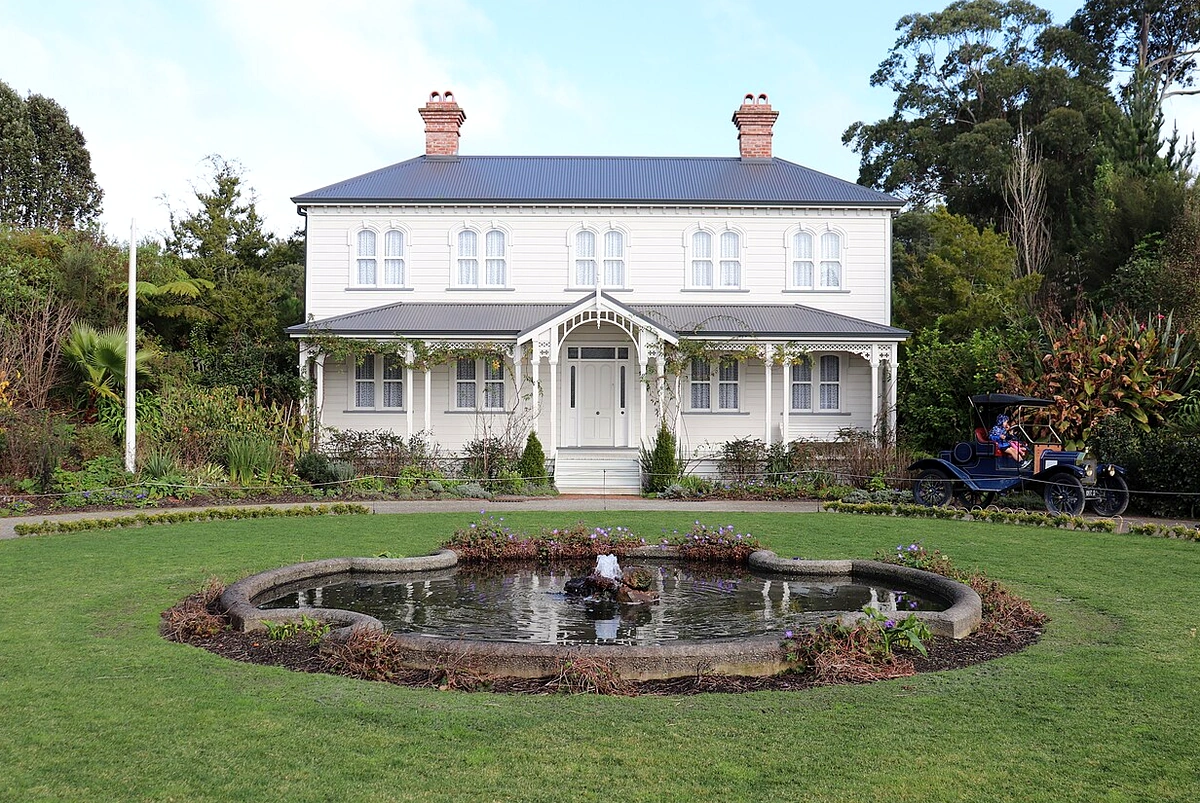
What gives the culinary culture at Hamilton Gardens in New Zealand its remarkable depth is the “garden-to-table” philosophy brought vividly to life in the Productive Garden Collection. Far more than a botanical display, this area functions as a living museum of agricultural history and cultural exchange. Here, traditional Māori sweet potato beds—known as kumara—are cultivated alongside heritage culinary herbs brought by European settler families during the pioneering era. The garden tells a story of cultural confluence, where indigenous people and Western settlers shared agricultural knowledge to create a multicultural food ecosystem. Strolling past fragrant herb beds and lush rows of kumara, visitors gain an intimate appreciation of how New Zealanders preserve their roots through family recipes, turning every dish in Hamilton into an inseparable piece of regional history.
Knowing practical details regarding opening hours, transportation, and packing essentials will ensure a seamless visit to this landscape masterpiece. Recognized as one of the Southern Hemisphere’s premier cultural and ecological attractions, the wider Hamilton Gardens grounds welcome the public daily from 7:00 AM until sunset, offering a serene environment for strolling through world garden history. The Enclosed Gardens—housing the signature themed collections such as the Mediterranean, Italian Renaissance, and traditional Japanese gardens—open daily from 10:00 AM to 4:00 PM, providing ideal daylight hours to admire their intricate architectural details.
In terms of admission and visitor options, the expansive outer parklands and walking trails are open to the public free of charge. However, for travelers eager to delve deeper into the design philosophy, historical evolution, and botanical collections—or to experience the Enclosed Gardens and evening light festivals—guided tours and admission tickets require advance booking, with rates varying by season and event schedule. To leisurely appreciate dozens of distinct garden styles without feeling rushed, travel specialists recommend setting aside at least 4 to 6 hours for your visit.
Reaching Hamilton Gardens from neighboring major cities is effortless thanks to New Zealand’s well-developed transport network. For travelers who enjoy the freedom of a self-drive road trip through lush countryside, driving south from Auckland along State Highway 1 takes roughly 1.5 to 2 hours. On-site, management provides a large free car park for visitors. Those opting for public transit can board the local Bus No. 8 (Garden Hopper) departing directly from central Hamilton for quick, convenient access right to the main garden entrance.
The Waikato region is known for a mild climate that can shift noticeably throughout the day, making thoughtful wardrobe preparation essential. Dressing in layers—the classic “onion layering” method (洋蔥式穿衣法)—is the golden rule for adapting comfortably between warm daytime sunshine and crisp late-afternoon breezes, paired with a lightweight windproof and water-resistant jacket. Because Hamilton Gardens features numerous historic flagstone walkways, gravel paths, and expansive lawns, supportive athletic walking shoes or lightweight hiking footwear with good traction are indispensable for comfort over long distances. Additionally, New Zealand’s relatively thin ozone layer results in high ultraviolet (UV) radiation year-round, so be sure to pack broad-spectrum sunscreen, sunglasses, and a wide-brimmed hat to protect your skin and eyes.
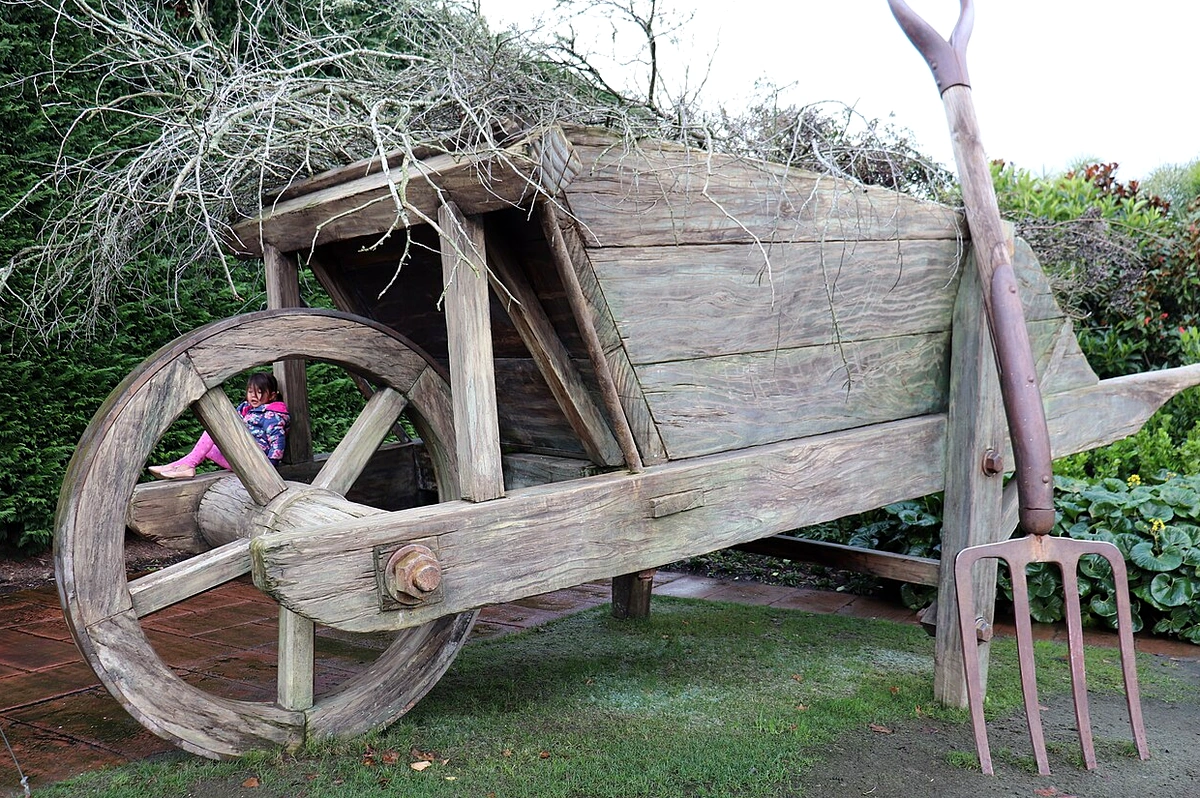
To turn the historical insights and extraordinary landscapes of Hamilton Gardens into vivid real-life memories on your next adventure, explore our detailed itinerary and book your experience with our New Zealand tour, where iconic destinations await.