Nestled at the heart of the volcanic plateau in New Zealand’s North Island, Lake Taupo emerges not only as a magnificent natural wonder of Oceania but also as a living page of history carved by fire, ash, and primordial myths. Spanning a vast surface area of 616 square kilometers, Lake Taupo (recorded in East Asian historical texts under the Chinese character name 陶波火山湖) holds the title of the largest freshwater lake in the region. Its existence is testimony to some of the most violent geological upheavals on the planet, where the flow of time is not measured by feudal dynasties or Eastern imperial eras, but is shaped by the cataclysmic eruption epochs of the Taupo Volcanic Zone (TVZ).
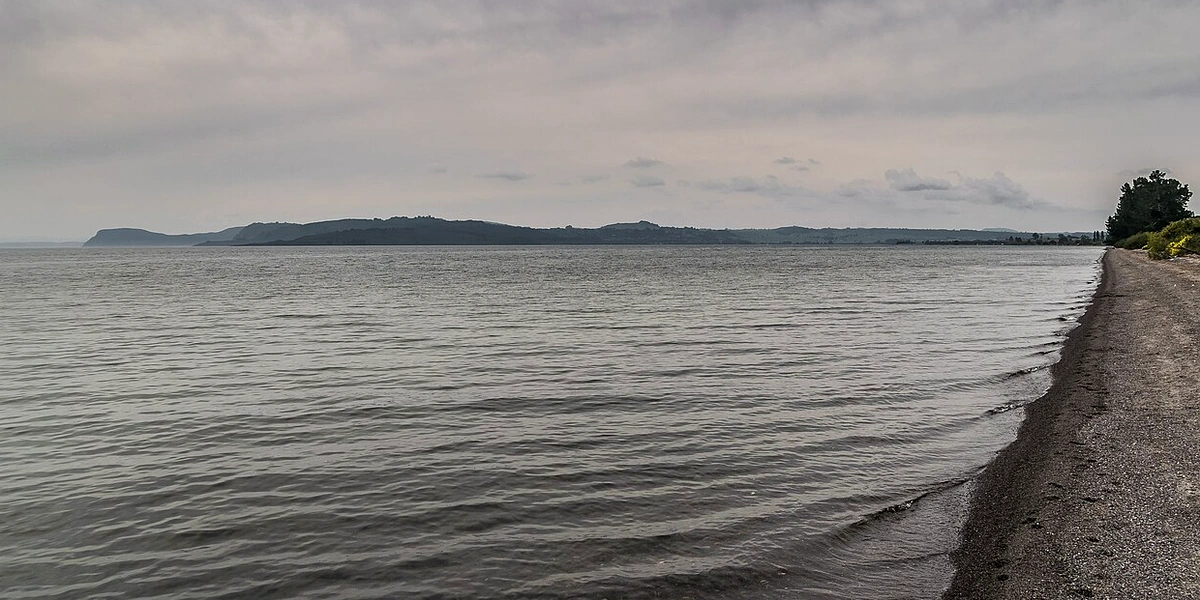
Looking back at the geological chronicles, the precursor to this immense body of water was shaped around 26,500 BC, during the time of the legendary Oruanui super-eruption. The destructive power from the earth’s depths spewed hundreds of cubic kilometers of material, causing the peak of the volcano to completely collapse and creating a gigantic caldera—the topographic cradle of the lake today. However, nature did not stop there. Around 232 AD, the area continued to witness the Hatepe eruption, one of the largest volcanic eruptions globally in human recorded history. The terrifying destructive power of Hatepe shook the skies of the Southern Hemisphere, blanketing the stratosphere in a thick layer of ash that ancient Chinese and Roman histories once recorded through the phenomenon of strangely glowing red skies. The traces of these catastrophic cataclysms still lie deep at the bottom of the lake, forming a silent yet weighty layer of historical sediment.
Rising above the ruins of geological disaster, nature and humanity have regenerated this land with a mesmerizing depth of indigenous culture. In the historical flow of the Māori—the proud indigenous people of the Kiwi homeland—Lake Taupo is intertwined with the great migration and pioneering legends dating back to around the 14th century. According to legends passed down through generations, the great explorer and high priest Ngātoroirangi crossed the ocean on the Arawa outrigger canoe, ventured deep into the heart of the North Island, and set foot on this land. He was the one who opened up the living space, established sacred boundaries, and laid the foundation for human presence in this wild plateau at the time.
The original name of the lake, Taupō-nui-a-Tia, holds profound historical and symbolic meaning in the Māori consciousness. In the native language, this name translates to “The Great Cloak of Tia,” named in memory and honor of the pioneering explorer Tia, one of the first to explore this lake region. The cloak is not only a metaphor for the thick mist or calm waters concealing rolling power that blankets the lake surface, but also a reverence for ancestors who bravely tamed harsh nature to turn this place into the cradle of life for local tribes.
Through all the ups and downs of time, from the earliest Māori tribes living by trout fishing and hunting in the virgin forests along the lake to the cultural convergence when Western explorers arrived in the 19th century, Lake Taupo has retained its pristine and sacred beauty. The shifts of modern history have not faded the millennia-old memories of fire and water; on the contrary, they have enriched this landmark with dense cultural sediment. Today, standing before this mirror-flat yet infinitely deep lake, visitors not only admire a magnificent natural wonder of New Zealand, but are also touching a museum of natural and human history where every ripple whispers epic stories about the power of Mother Earth and the indomitable will of humanity.
Exploring the giant caldera of Lake Taupo (陶波火山湖) through the lens of traditional Eastern feng shui and indigenous spatial planning is a fascinating dialogue between modern geological science and the worldview philosophy of the Māori. Formed from one of the most terrifying super-magma eruptions in human history around 181 AD, this body of water is not merely a Kiwi natural wonder, but also possesses an exceptionally auspicious terrain, exceedingly rare according to the principles of balancing yin and yang and coordinating cosmic energy.
Regarding the overall topographical structure, Lake Taupo impeccably showcases the terrain known by feng shui masters as “環形山盆、水澤財源” – meaning the annular mountain basin gathering qi and the water marsh generating wealth and prosperity. Viewed from above, the vast lake surface resembles a gigantic mirror embraced by rolling mountain belts and the remnants of ancient volcanic craters. Its hydrological system is exceptionally unique, gathering numerous subterranean hot spring streams and pure glacial meltwaters pouring down from above. All of this abundant water source is nurtured within the basin, only to find a single, sole natural outlet through the Waikato River (懷卡托河) – the longest river in the Kiwi homeland. This combination creates a classic formation in feng shui: “四水歸堂、一脈外流” (four waters returning to the hall, one vein flowing outward), symbolizing the shape of an immense “treasure basin,” where all things gather, wealth accumulates, and vital energy is not dissipated but circulates rhythmically to nourish an entire vast region.
In addition, the geographical picture of this land is vividly portrayed through the spectacular counterpoise among natural elemental forces. To the south of the lake lies the majestic, somewhat solemn scenery of the volcanic cluster within Tongariro National Park (including the peaks of Ruapehu, Ngauruhoe, and Tongariro). The presence of fire, lava, and the earth and sky of the southern plateau placed alongside the pure, immense waters of Lake Taupo to the north has unintentionally created an extremely unique “south fire, north water” (南火北水) configuration. According to the philosophy of the I Ching, this is the perfect intersection between yin and yang, stillness and motion, helping to harmonize the five elements and bring abundant, sustainable vital energy to the surrounding ecosystem.
It is this profound empathy for the pulse of nature and feng shui structure that guided traditional Māori tribes (especially the Ngāti Tūwharetoa iwi) when selecting prime locations to establish settlements (pā). The spatial planning of the indigenous people was never accidental, but strictly adhered to the philosophy of “backing onto mountains and facing water” (負陰抱陽、背山面水) – meaning leaning against a solid cliff to avoid cold winds and attacks from behind, while facing expansive waters for convenient trade, fishing, and daily living. These traditional villages were cleverly planned on elevated topographical terraces, taking advantage of natural thermal energy from geothermal hot springs for heating and cooking, while offering wide panoramic views to optimize defensive capabilities against ancient territorial disputes.
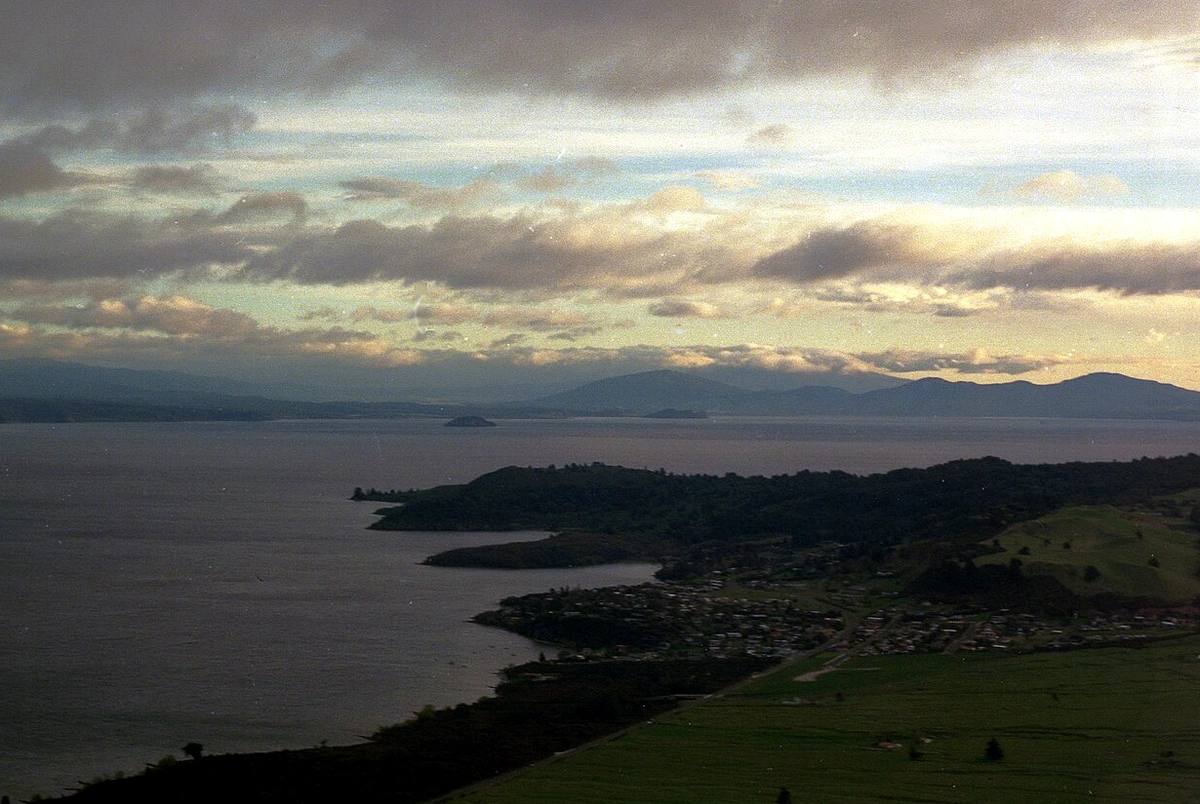
It can be affirmed that the blend of majestic natural terrain, flow regulation imbued with feng shui marks, and the indigenous ecological wisdom of the Māori has transformed Lake Taupo into not only a world-class tourist destination, but also a living museum of the art of harmonious coexistence between humanity and the violent fluctuations of Mother Earth over millennia.
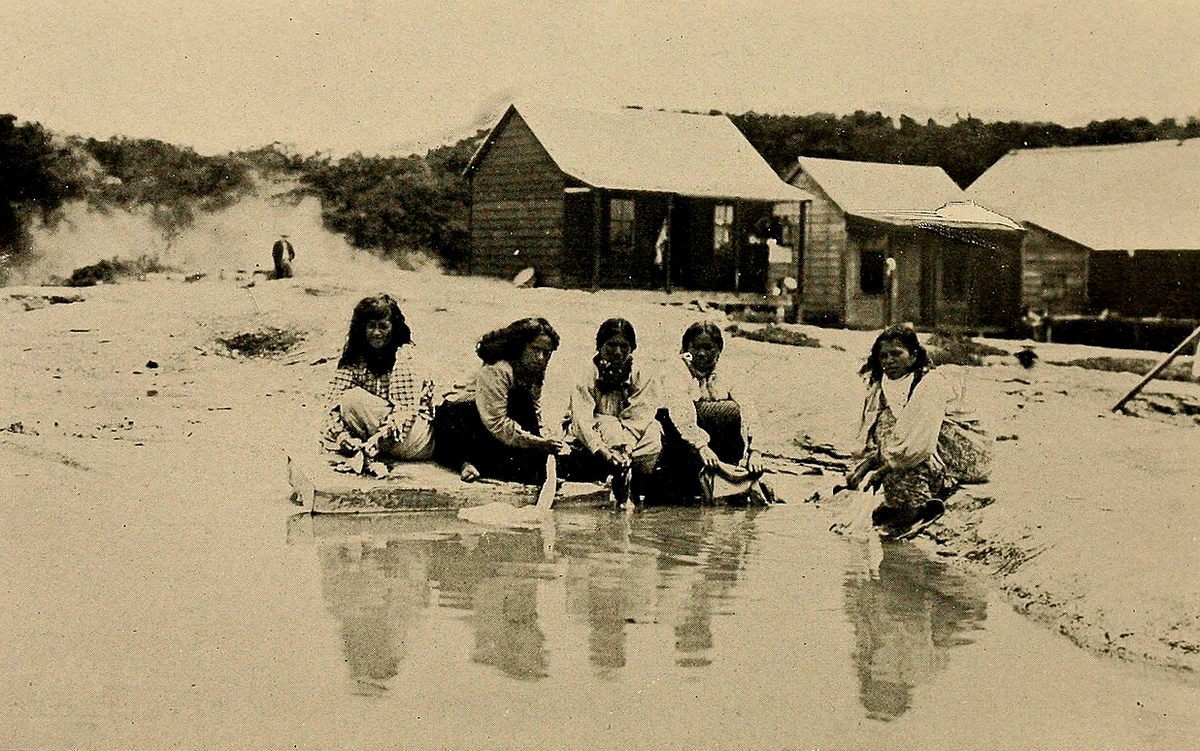
Exploring the deep cultural layers and landscape structures around volcanic Lake Taupo opens up a magnificent dimension where nature’s talented hand converges with indigenous wisdom and modern architectural technique. From a spatial perspective, the entire Lake Taupo basin is not merely a giant volcanic crater formed from a super-eruption tens of thousands of years ago, but also a vibrant cultural space where indigenous Māori residents have skillfully established settlement structures that blend perfectly with the unique geology. The craftsmanship and practical scale of the structures around the lake are clear evidence of the philosophy of respecting all things, turning the challenges of fault topography into survival advantages and peak aesthetic expression.
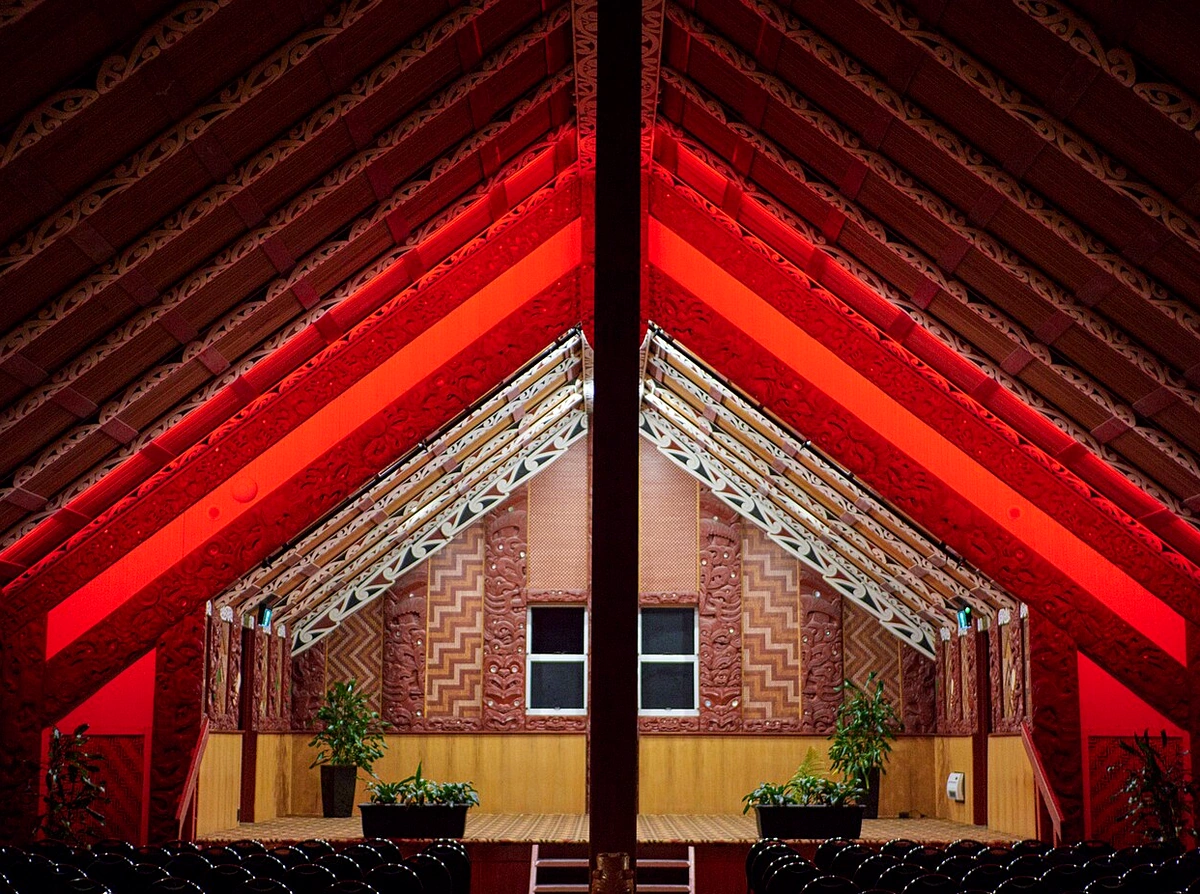
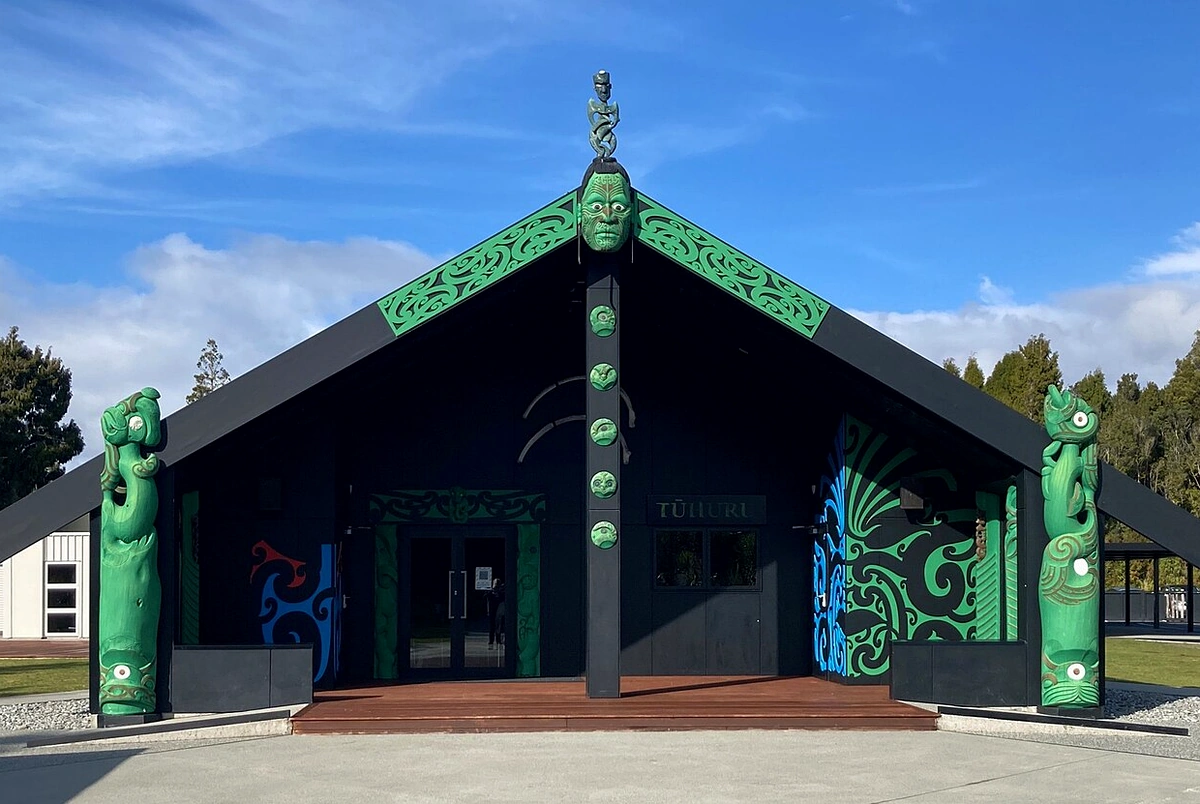
Delving into the essence of traditional architecture, the community meeting houses, or Wharenui, of the Māori along the shores of Lake Taupo are considered masterpieces of woodworking and sculpture. To withstand harsh weather conditions and mineral-rich geothermal steam, ancient artisans carefully selected precious woods with superior durability for the main framework, such as Kauri (贝壳杉) with its fine, solid grain, or Tōtara (罗漢松) renowned for its exceptional rot resistance. The roof structure of the Wharenui is typically designed with a gable roof slope (人子形斜坡), a technique that optimizes drainage for rain and winter snow while creating a majestic appearance sheltering the living space inside. The most distinctive feature in the Māori construction technique here is the traditional mortise-and-tenon joining method combined with a remarkably sturdy plant-fiber binding system, completely avoiding metal nails while ensuring solidity against frequent earthquakes in the region.
Not stopping at the frame structure, the interior crafting art inside these structures reaches the stature of a folk sculpture museum. All roof beams, center posts, and door frames are intricately carved by hand with symbolic motifs deeply imbued with the Māori cosmology. Most prominent is the Koru spiral motif (螺旋紋), simulating the unfurling young fern shoot, symbolizing new life, growth, and undying hope. Intertwined with the Koru are carved lines simulating the Tiki human face (人面紋), representing ancestors, deities, and the strong spiritual connection between generations. Every chisel stroke and carved line on wood is not merely decoration but an pictorial chronicle preserving legends of tribal origin and the heroic feats of deceased leaders.
Alongside traditional architectural heritage, the spatial structure of the Lake Taupo region is further enriched by world-class modern works, typically represented by the famous Huka Lodge thermal resort. Here, design thinking has cleverly solved the problem of human-nature interaction by ingeniously integrating natural geothermal energy into heating and ventilation systems (HVAC), ensuring ultimate comfort for visitors while preserving the surrounding fragile ecosystem. Material-wise, architects have smartly exploited local Ignimbrite volcanic rock (火山岩) – stone formed directly from ancient lava storms right on site. The raw, angular stone surfaces with warm, solid hues have created a brutalist aesthetic language that harmonizes exceptionally with the pristine scenery of native forests and the deep blue lake surface.
The practical scale of the architectural and landscape spaces around Lake Taupo thus creates a multi-layered visual field where past and present converse without distance. From quiet Wharenui houses nestled beneath the shade of ancient trees to luxury resorts hidden in misty valleys where steam rises from the earth, all adhere to a spatial order that maximally respects nature. The combination of exquisite manual woodworking, sustainable local materials, and smart geothermal harnessing technology has turned Lake Taupo into a unique cultural-architectural space where every corner tells a story about the resilient vitality of humanity in the face of Mother Earth’s eternal fluctuations.
When night falls over the calm waters of volcanic Lake Taupo (陶波火山湖), a completely different art space is awakened, where the boundaries between earthly reality and mythological dreamscape seem to blur. Unlike the usual hustle and bustle of modern tourist cities, the nighttime landscape planning here adheres to extremely strict principles to minimize artificial light pollution as much as possible. This is not only aimed at preserving the natural ecosystem but also at fully honoring the night sky, where the Aoraki Mackenzie Dark Sky Reserve opens up a brilliant Milky Way, sparkling with pristine light never obscured by urban lights.
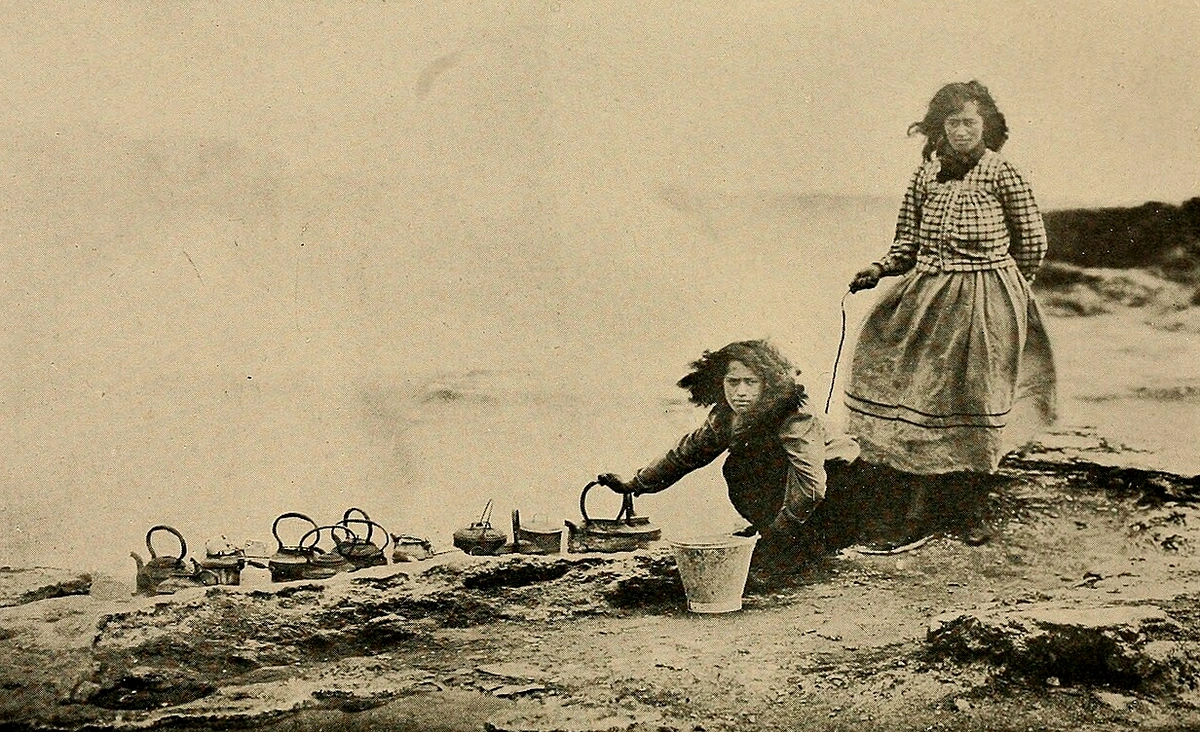
Right in the downstream area, Huka Falls – a flow wonder with a massive volume reaching 220,000 liters of water per second plunging down with its characteristic jade green hue – dons a magical cloak when night falls. Instead of using high-intensity floodlights that cause glaring distractions, lighting designers have skillfully arranged low-intensity spotlight LED systems, utilizing cool tones to subtly delineate every rolling contour and white foaming spray of the churning river. Light cast from below highlights the geological structure and the destructive yet immensely aesthetic power of the Waikato River, turning this landmark into a giant dynamic sculpture amidst pristine nature.
Delving deeper into the rhythm of night cultural life, the art appreciation spaces in lakeside cultural villages offer profound spiritual experiences through the traditional Māori Haka dance. Beyond powerful battle dance movements, the resonance of roaring voices, rolling eyes, and foot-stomping that shakes the wooden floor creates a primordial energy touching the deepest layers of the viewer’s soul. This performance harmoniously combines sound, rhythm, and the breath of the indigenous community, recreating the heroic history and resilient spirit of the people bound body and soul to this volcanic land for centuries past.
The pinnacle of contemporary visual art in Taupo must be mentioned as the live-action show “地熱谷幻影秀” (The Geothermal Valley Illusion Show), making full use of unique natural conditions in geothermal reserves like Craters of the Moon. Here, billowing steam columns rising from the earth alongside rugged lava terrain are utilized as gigantic natural projection screens. Using advanced laser and mapping projection technology, technicians projected Māori mythological legends – especially the myth of the separation of the sky (Ranginui) and the earth (Papatūānuku) – onto the rising steam curtains. Spectators stand amidst the hazy atmosphere of sulfur smoke, listening to the murmuring earth and admiring mythological images floating between reality and illusion, creating a visual and empathetic experience transcending all spatial boundaries.
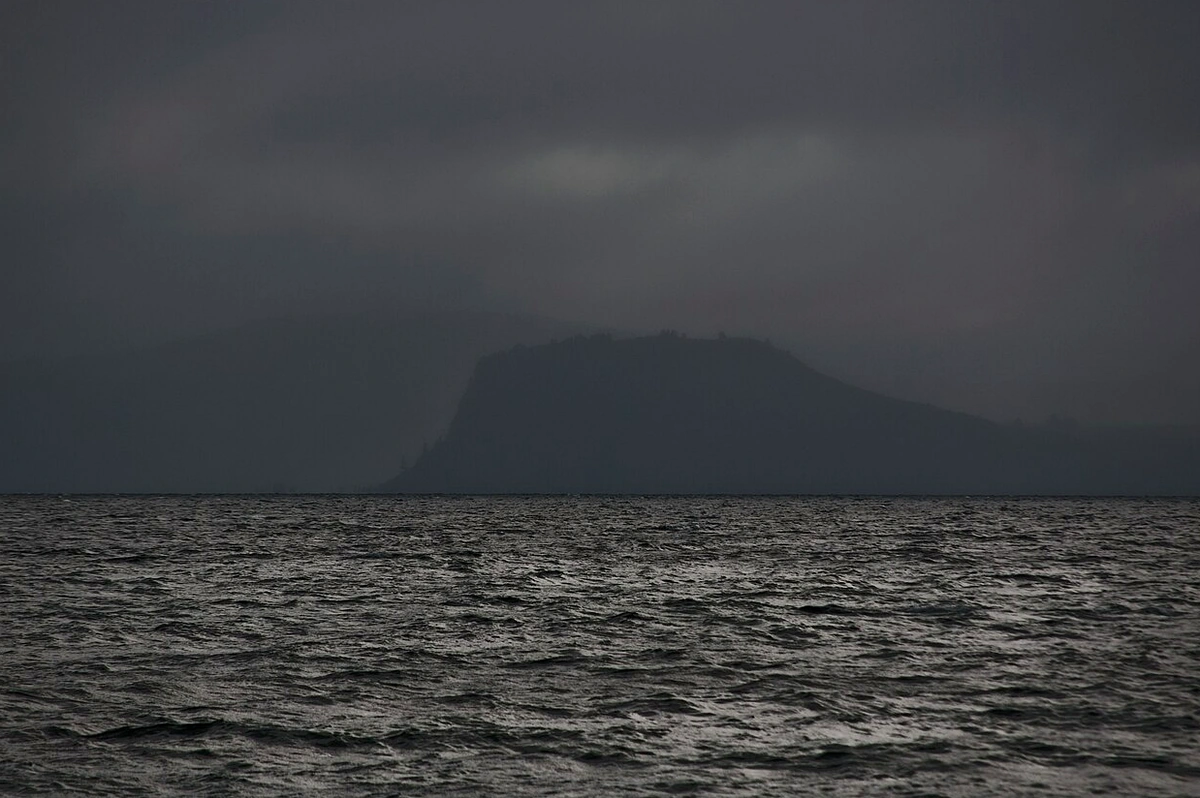
The space for culinary enjoyment and nighttime relaxation by Lake Taupo also carries a rustic yet sophisticated touch distinctly characteristic of New Zealand. After hours of immersion in grand live-action performances, visitors can surrender themselves to natural hot spring pools designed to hide among drooping fern fronds. Sipping a glass of premium Hawkes Bay wine in steaming warm waters beneath a star-studded sky, listening to the whispering wind from the distant Tongariro mountain range, nighttime life at volcanic Lake Taupo leaves travelers with an extraordinarily peaceful feeling, a perfect blend of millennia-old indigenous culture and modern installation art.
Stepping into the region surrounding volcanic Lake Taupo in New Zealand is not only a spectacular journey before geological wonders formed tens of thousands of years ago, but also a mesmerizing gastronomic voyage where millennia-old indigenous cultural identity harmonizes with contemporary culinary excellence. Located in the center of the North Island, this region preserves an exceptionally unique culinary heritage forged from the passion of native Māori and the sophistication of modern Pacific cuisine. Exploring Taupo’s culinary culture means touching the roots of tradition, where every dish tells a long story of reverence for nature and humanity’s timeless ingenuity.
The pinnacle of culinary heritage here is the traditional Māori Hāngī underground earth oven cooking art, an ancient processing method passed down through generations. Instead of using conventional fire pits, the Māori utilize thermal energy directly from the earth and Taupo volcanic rocks to cook food. The preparation process for a Hāngī feast demands absolute meticulousness and patience. Meats richly seasoned with spices alongside distinctive native root vegetables like Kūmara sweet potatoes are carefully arranged over glowing hot volcanic stones. Next, layers of leaves, wet cloths, and soil are stacked on top to seal in the heat. The food is buried and slowly underground-roasted for 3 to 4 hours. Under the stable heat of the volcanic rocks, steam and earthy smoke blend into every fiber of meat and tuber, creating an authentic, rustic yet deeply rich flavor. When the soil layer is brushed away, the buttery aroma of Kūmara sweet potatoes mingled with the sweet, tender taste of well-cooked meat permeates the air, carrying the soul of indigenous Māori culture deeply bound to earth and sky.
Alongside the Hāngī heritage, Lake Taupo has bestowed upon this land a famous natural produce that has captivated gourmet diners worldwide: wild Rainbow Trout. Unlike farmed salmon from other regions, trout growing in the crystal-clear, cold, and mineral-rich waters of volcanic Lake Taupo possess firm flesh, natural pink-orange color, and a distinctive rich flavor matched by none. To fully honor the premium taste of this ingredient, long-standing restaurants with decades of history around the lake persistently preserve traditional manual processing techniques, most notably Cold Smoking. Freshly caught trout batches are cleaned, marinated in secret spice blends, and placed into smokehouses fueled by special native wood for many hours under strictly controlled temperatures. Under the skilled hands of veteran chefs, the finished salmon piece dons a shimmering golden exterior while the inner flesh retains its softness, juiciness, and melts right in the mouth. When tasting, it is usually served with fresh lemongrass, local herbs, and a few drops of lemon juice to highlight its refined, refreshing flavor.
The perfect combination of ancient Hāngī geothermal cooking techniques and sophisticated rainbow trout processing art has shaped the face of modern Pacific Rim Cuisine in Taupo. Not stopping at satisfying the palate, every meal at this volcanic lake is also a profound ancestral cultural experience, where diners listen to legendary tales of mountain-creating gods and how ancestors survived amidst wild nature. Amidst the majestic natural scenery of mist blanketing the pristine lake surface, gathering around the warm Hāngī hearth and savoring the famous flavors of Taupo’s earth and sky will leave unforgettable echoes in the soul of any traveler who has ever set foot in this legendary land.
Concluding the journey of exploring the deep layers of geological history and indigenous culture of the legendary volcanic land, the steps of knowledgeable travelers will now turn toward the most practical preparations for an actual expedition to volcanic Lake Taupo (陶波火山湖). Through thorough field surveys, the golden window for you to set out and explore this wonder is the period from late spring to early summer, lasting from November to February of the following year. This is when North Island nature is at its most vibrant, with mild, dry weather ideal for outdoor activities ranging from cruising on the super-sediment lake to rugged trails amidst primeval forests.
Regarding transportation methods, the transit network connecting to the lake region is extremely convenient. Visitors can choose to fly directly to Taupo Airport (TUO), located just minutes away from the central town, or freely enjoy an inspiring road trip by driving along New Zealand’s legendary State Highway 1 (SH1), cutting through majestic rolling terrain and peaceful rural belts. Lake Taupo itself and the lakeside trail system are entirely open to the public for exploration, however, for specialized experiential services such as cruising to view the Mine Bay rock carvings, hiring seaplanes for aerial sightseeing, or experiencing geothermal hot springs, researchers recommend booking two to four weeks in advance to ensure your itinerary remains uninterrupted.
Reference budgets for each daily stay here fluctuate between 200 and 400 New Zealand Dollars (NZD), depending on the accommodation and dining segments you choose. To optimize the experience, the ideal itinerary structure should be harmoniously distributed across multiple days: starting with a leisurely stroll through artistic streets around Lake Taupo, followed by a cruise admiring giant stone carvings on the Mine Bay cliffs, marveling at the thousand-horsepower power of roaring Huka Falls, exploring surreal landscapes at Craters of the Moon geothermal reserve, and culminating by challenging oneself with a trekking journey through majestic Tongariro National Park.
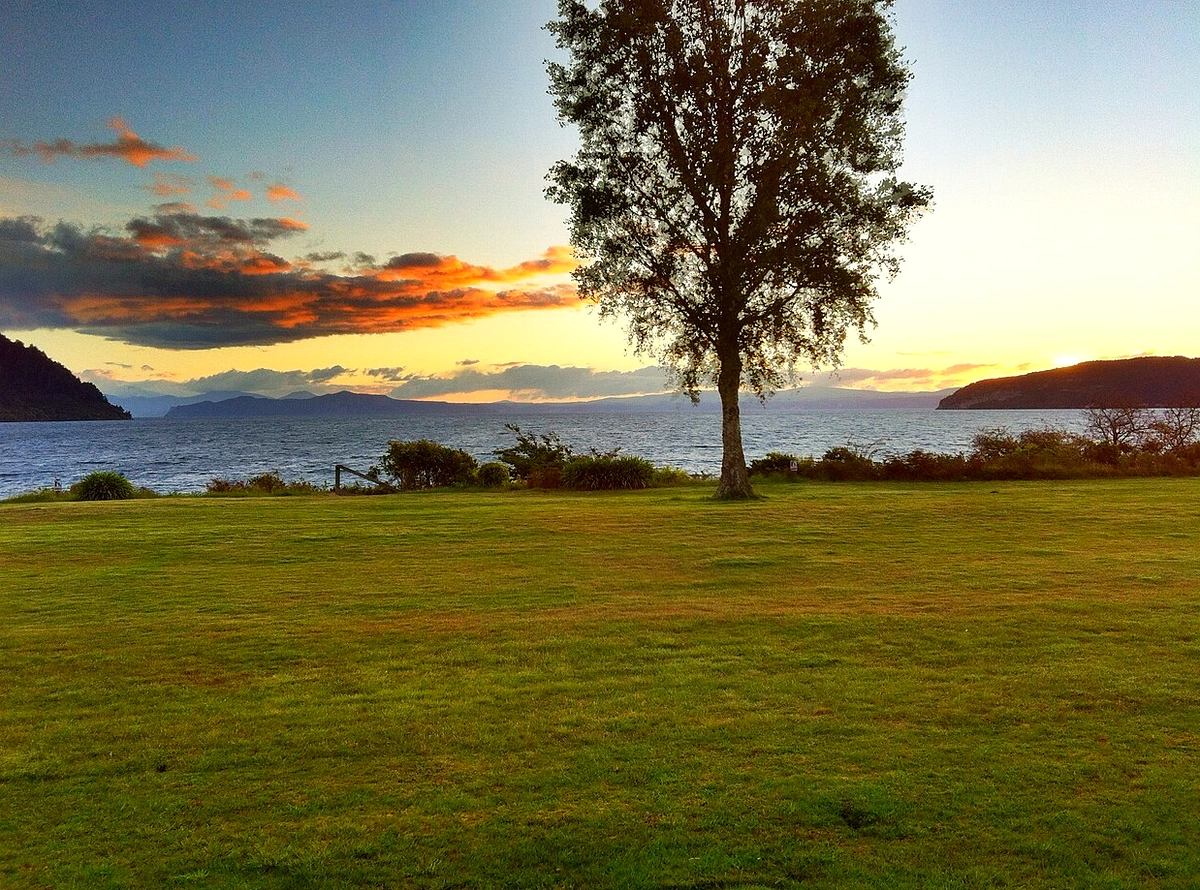
In the somewhat erratic mountain climate, the clothing guide advises applying onion-skin layering thoroughly while always keeping a high-quality windproof and waterproof jacket ready in your backpack. When interacting with indigenous cultural heritages, especially when stepping into traditional Māori meeting houses (marae), travelers must strictly adhere to traditional rituals such as removing shoes before entering and always listening and behaving according to the guidance of local elders. Furthermore, the “Leave No Trace” philosophy must be placed front and center throughout the journey; strictly prohibiting the destruction of geothermal vegetation, littering, or harming the fragile ecosystem is the most practical action to preserve this million-year-old treasure intact for future generations.
To turn these historical insights and practical guides into vivid experiences for your upcoming vacation, you are cordially invited to join and explore the detailed itinerary through the New Zealand tour program.