The Great Pyramid of Giza, the greatest monument of the Egyptian Old Kingdom, stands on the Giza plateau on the west bank of the Nile River, representing the pinnacle of political power and engineering development during the Fourth Dynasty. Commenced around the 26th century BC by order of Pharaoh Khufu, whom the Greek historian Herodotus called Cheops, this monument took approximately two decades to complete under the supervision of the vizier and royal architect Hemiunu. The background of this grand tomb’s creation is tied to a central religious ideology revolving around the sun god Ra and a robust theocratic system, where the pharaoh was not merely an earthly ruler but an embodiment of the gods, tasked with connecting to the cosmos after passing away. The process of mobilizing massive resources from across the kingdom—including tens of thousands of rotating laborers, professional stone-cutting teams, and a complex logistics network transporting millions of limestone blocks from nearby quarries—demonstrated the highly centralized and efficient state management capacity of the central administrative apparatus at that time.
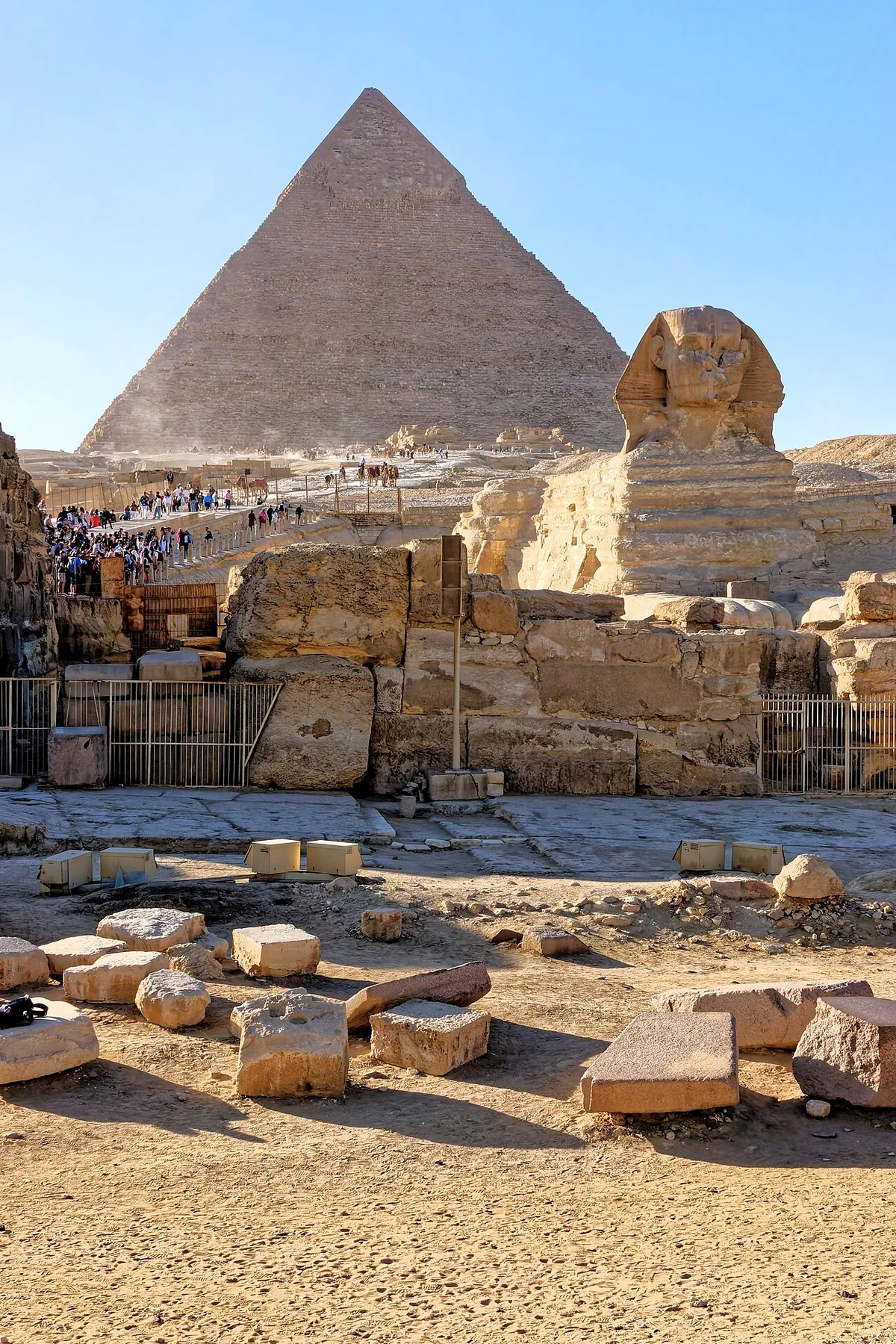
The historical progression of the Great Pyramid of Giza spans millennia of turbulence, transitioning from a sacred sanctuary preserving royal remains into a subject of study for ancient and modern scholars alike. As early as antiquity and the medieval era, the tomb became a destination for numerous Greek and Roman explorers, philosophers, and historians such as Strabo and Pliny the Elder, who left valuable records regarding the monument’s original scale and structure when its smooth outer casing of white limestone was still intact. Through the periods of Persian, Greek, Roman, Arab, and Ottoman rule, this structure could hardly avoid looting that stripped away most of the burial treasures inside, while losing its polished limestone casing as local residents and rulers repurposed it as building material for structures in Cairo. Entering the 19th and 20th centuries, with the birth of modern archaeology led by Western scholars and Egyptian scientists, the inner structure of the Great Pyramid was meticulously surveyed down to every nook and cranny through geodetic methods, radiography, and most recently, muon particle imaging technology, thereby shedding light on numerous previously undiscovered spaces.
In terms of construction engineering and architecture, the Great Pyramid of Giza maintains its position as the only ancient wonder that survives almost intact to the present day, defying all laws of weathering over time and harsh desert climates. With an initial height reaching approximately 147 meters and a foundation area covering more than five hectares, the structure is composed of roughly 2.3 million stone blocks, each weighing an average of two to twenty tons, arranged with astonishing precision without using mortar in the traditional manner. The interior passageways—including the Ascending Passage, the Grand Gallery, and the King’s Chamber—were calculated and oriented toward key constellations in the night sky, reflecting the profound astronomical vision of the ancient Egyptians designed to serve the eternal journey of the pharaoh’s soul. The perfect balance between the monumental weight of the architectural mass and the internal load-bearing structure, exemplified by the relieving chambers above the burial room ceiling, has successfully prevented collapse caused by compressive forces over thousands of years.
The cultural and symbolic role of the Great Pyramid of Giza transcends the boundaries of an ordinary archaeological site to become a global symbol of early human awakening intellect and the aspiration to reach eternity. In the ideology of the ancient Egyptians, this structure was a cosmic machine helping to regenerate the pharaoh, transforming an earthly mortal into a god merging into the immortal realm of the vast universe. For humanity across historical eras, the precise geometric form of the Great Pyramid has become an endless source of inspiration for art, literature, philosophy, and contemporary architecture, while serving as a resounding testament to human labor organization capacity and timeless engineering. Today, standing towering amidst the open landscape of the Giza desert, the monument continues to serve as the focal point of a UNESCO-protected world heritage site, drawing millions of researchers, historians, and travelers from across the planet to admire, study, and contemplate the foundational values of human civilization.
The Giza plateau, located on the west bank of the Nile River southwest of Egypt’s capital Cairo, possesses a natural terrain structure of strategic decisive importance for the deployment of the Fourth Dynasty’s monumental funerary architectural complex. Geologically, this area is a solid Eocene limestone bedrock, providing both an abundant on-site building material source and a sturdy foundation capable of bearing the multi-million-ton weight of monolithic stone structures. Before comprehensive planning began during the reign of Pharaoh Khufu around 2560 BC, ancient Egyptian engineers conducted meticulous topographic surveys, making maximum use of existing natural rock mounds as cores for the pyramids to save labor volume for transportation and minimize structural subsidence risks. The natural elevation differences of the plateau were overcome using astonishingly precise grading, excavation, and leveling techniques, turning rugged desert terrain into a mathematically strict spatial plane serving eternal rituals.
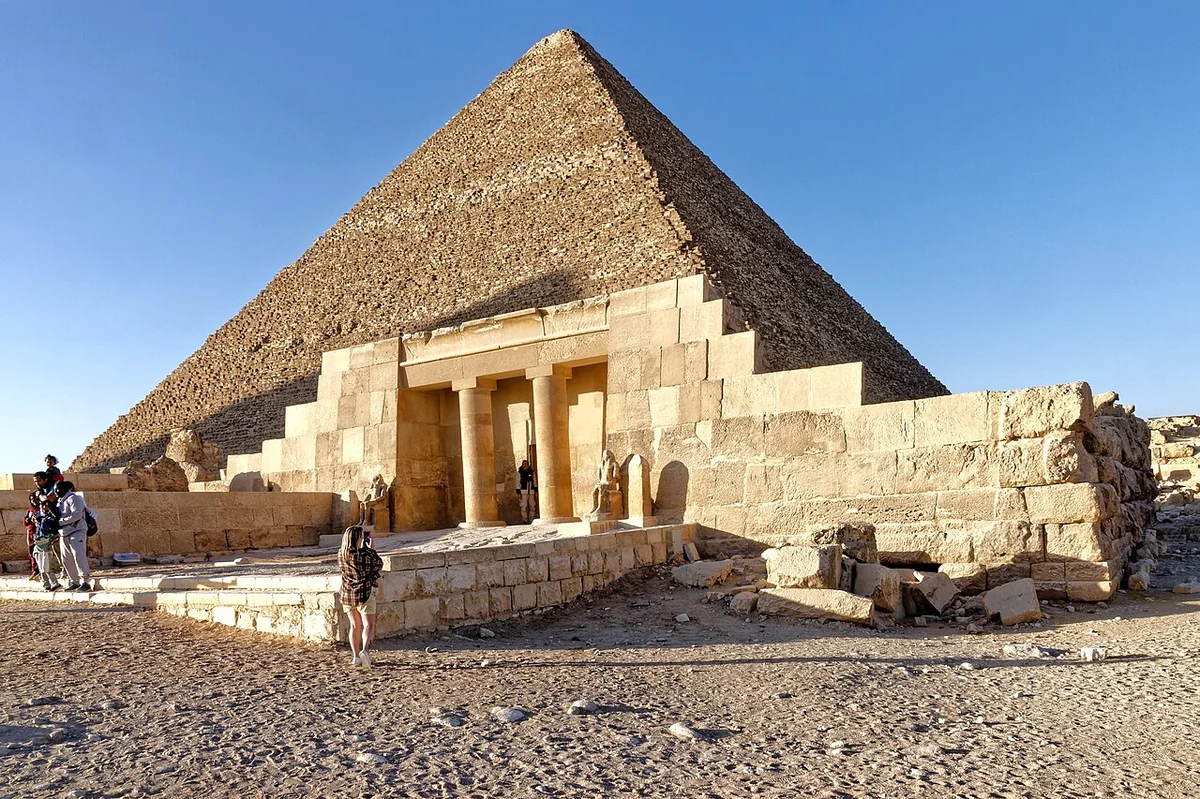
The master planning layout of the Giza complex is not a random arrangement but a spatial expression of royal religious ideology and ancient Egyptian cosmology. The focal point of this entire layout is the Great Pyramid of Pharaoh Khufu, followed by the Pyramid of Khafre, and finally the Pyramid of Menkaure, arranged along a proportional diagonal line reflecting the Orion constellation model according to modern archaeoastronomical hypotheses. Spatial planning adheres to a central axis pointing directly toward the astronomical north, with an extremely small margin of error demonstrating the supreme geodetic orientation proficiency of Old Kingdom sages and royal architects. Surrounding the three main pyramids is a highly complex necropolis urban planning system, including mortuary temples situated close to the eastern face of each pyramid, elevated causeways leading from the mortuary temples down to valley temples along the edge of the Nile flood zone, alongside royal boat pits carefully buried to serve the king’s journey in the afterlife.
The internal spatial division solution within Khufu’s Great Pyramid represents a breakthrough milestone in load-bearing stone architecture engineering. Unlike traditional mastaba tomb models or early step pyramid forms, Khufu’s interior structure was pushed deep into the core of the masonry block rather than merely cutting deep into the underlying bedrock. This interior space includes three main rooms arranged at different elevations, starting from the unfinished subterranean chamber deep underground, moving up to the Queen’s Chamber in the center of the stone block, and finally the King’s Chamber located at the highest position in the heart of the monument. To resolve the immense pressure from millions of tons of stone pressing down on the king’s ceiling, architects invented a five-tier relieving system consisting of giant granite slabs leaning against each other to form an inverted V-shaped pointed roof, combined with empty spaces above to disperse the compressive force sideways, protecting the pharaoh’s resting chamber from the risk of collapse under the weight of the pyramid’s peak.
The internal transportation system connecting these spaces also demonstrates extremely sophisticated three-dimensional spatial planning thinking via the Grand Gallery. This is a spatial architectural masterpiece with a cross-section narrowing gradually toward the top through stepped overlapping layers of limestone, forming a cantilevered vault nearly fifty meters long and over eight meters high. The Grand Gallery does not merely serve as the main passageway leading up to the king’s chamber, but is also a space holding profound symbolic meaning in royal burial rituals, while acting as a technical area for sliding down granite blocks to seal off the passageway after the pharaoh was entombed. Concurrently, the familiar ventilation shafts pointing toward bright stars in the night sky on both the north and south faces of the interior chambers did not just serve air circulation during construction but also carried spiritual functions, helping the pharaoh’s soul fly straight up to eternal constellations according to contemporary religious beliefs.
The landscape surrounding the Great Pyramid of Giza was planned as a gigantic outdoor stage serving royal funeral rituals and king worship. Surrounding the large pyramids is a network of subsidiary pyramids for queens, terrace cemeteries for the nobility, officials, and construction engineers arranged according to an extremely strict class order, reflecting ancient Egyptian social structure even in the realm of eternity. To the southeast of the complex, the Great Sphinx statue, carved directly from a remnant quarry left over from material extraction for Khafre’s pyramid, acts as a giant gatekeeper protecting the processional road leading from the valley temple into the sacred area. The interaction between the perfect geometric forms of the pyramids and the vast horizon of the Sahara Desert has created a monumental landscape ensemble where humanity, through architecture, reshaped natural space to assert the eternal power of divine kingship.
The implementation of construction and management of construction space at Giza required a complex logistics system, including planning residential areas for tens of thousands of workers, stone-cutting workshops, and auxiliary canal systems redirecting water from the Nile close to the plateau edge to transport dozens-of-tons granite blocks from Aswan quarries by water. Archaeological traces of the workers’ town located not far from the main complex have proven a highly organized temporary urban plan, ensuring food, medical care, and housing for the massive workforce for decades. The entire Giza plateau is thus not merely a collection of isolated tombs but a complete overall spatial planning complex where natural terrain, architectural engineering, astronomy, and religious ideology blend closely together, creating one of the greatest heritage sites of human civilization across all ages.
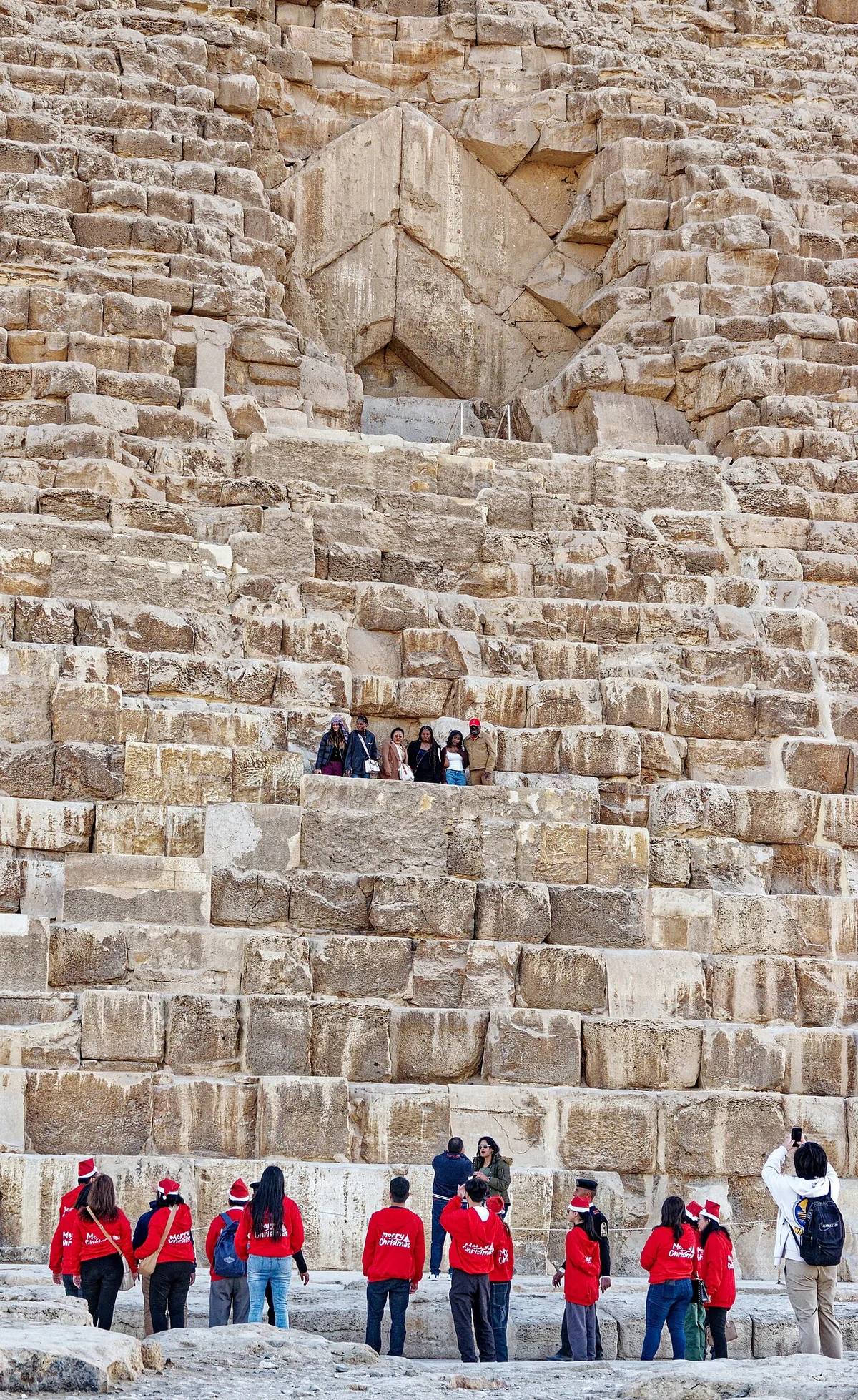
The Great Pyramid of Giza, the greatest monument of Pharaoh Khufu’s dynasty during the Egyptian Old Kingdom, has stood firm on the Giza plateau for over four millennia as the supreme symbol of centralized autocratic power and unprecedented large-scale labor organization capacity in ancient human history. Commenced around the 26th century BC under the supervision of vizier and chief architect Hemiunu, this structure marked a revolutionary turning point in the history of royal funerary architecture, shifting from traditional mastaba tomb forms to a gigantic pointed pyramid structure aiming straight up into the sky. Geologically and materially, the entire architectural mass is a sophisticated combination of nummulitic limestone quarried on-site from the Giza plateau itself and high-quality white limestone transported from the Tura quarries on the opposite bank of the Nile via canal networks and barges during flood season. The internal limestone blocks, with average weights ranging from two to seventy tons, were cut with high precision using copper tools combined with quartz sand as abrasive material, demonstrating mechanical engineering and practical mathematics proficiency reaching astonishing sophistication during the early Bronze Age.
Structural engineering and mass arrangement methods of the Great Pyramid of Giza reflect a deep understanding of structural physics and structural mechanics by the ancient Egyptians. Contrary to the popular hypothesis regarding the use of oppressed slave labor, modern archaeological research at nearby settlements has proven that this monument was built by a team of skilled craftsmen and seasonally mobilized laborers within a corvée labor system, who were nourished and compensated with food and beer. The internal load-bearing system inside the pyramid was designed extremely intelligently to minimize the immense pressure pressing down on royal burial chambers. Instead of letting millions of tons of stone press directly onto the ceiling of Pharaoh Khufu’s sarcophagus room, architects created a five-tier relieving system consisting of giant granite slabs arranged in inverted V-shapes, combined with empty internal spaces above, serving to disperse forces toward the two main load-bearing walls of the structure. The original entrance, located on the northern face and slightly offset to the east, leads into a steep corridor system and complex cross-passages, highlighted by the Grand Gallery featuring a magnificent stepped false-vault ceiling, demonstrating the pinnacle of stone cutting and jointing without mortar.
The aesthetic philosophy of the Great Pyramid of Giza is tightly bound to royal religious ideology, where the pharaoh was identified with the gods and acted as the sole bridge between the divine world and the mortal realm. The pyramid’s perfect geometric shape did not merely stem from practical needs for the durability of compressive materials, but also carried profound symbolic meaning regarding cosmic order, resisting primordial chaos. The original surface of the monument was enshrouded by a smooth polished white limestone layer reflecting the dazzling desert sunlight, turning the entire structure into a giant lighthouse glorifying the sun god Ra. Although this outer casing has largely been stripped away over subsequent centuries to be reused as building material for structures in Cairo, the original slope of the side faces of approximately 51 degrees still preserves sacred geometric proportions, exhibiting an understanding of mathematical constants and astronomy. The four corners of the pyramid are oriented extremely accurately toward the four basic geographical directions of the Earth, with an infinitely small margin of error, proving that ancient Egyptians used sophisticated astronomical observation methods to position the structure right amidst the vast desert space.
Cultural depth and symbolic layers of meaning of this grand monument are further expressed through its core spiritual function as an eternal regeneration machine for the king’s soul. The interior structure with ventilation shafts pointing up toward the night sky, aimed straight at sacred constellations such as Orion and Thuban, reflected the belief that the pharaoh’s soul would fly up to the stars to unite with immortal gods after mortal existence ended. The interior spatial layout—including the Subterranean Chamber carved directly into the living rock of the plateau, the Queen’s Chamber at the intermediate level, and the King’s Chamber at the highest position—created a vertical axis connecting three worlds in ancient Egyptian cosmology: the underworld, the earth, and heaven. Architectural art here is inseparable from religious and political functions; every stone block laid is a manifesto of state permanence, the victory of cosmic order over the indifferent flow of time. Through thousands of years of weathering and historical shifts, the Great Pyramid of Giza retains its value intact as a masterpiece of human creative thinking, where science and engineering, volumetric aesthetics, and religious faith blend together to create an extraordinary cultural heritage with no rival in world architectural history.
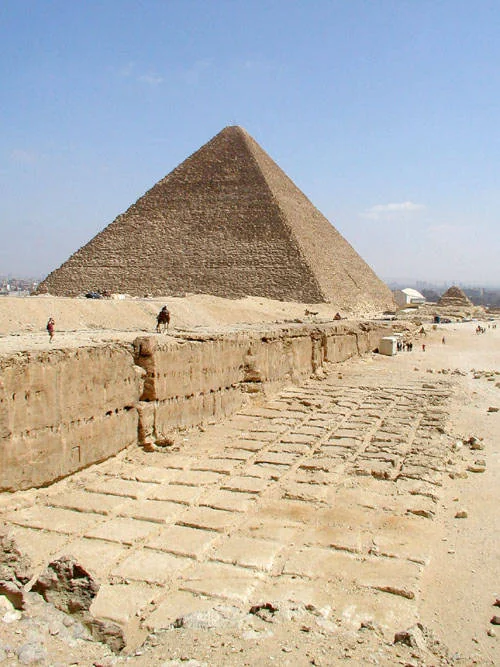
The Giza plateau, located on the west bank of the Nile in the suburbs of Egypt’s capital Cairo, is humanity’s greatest archaeological space, concentrating the three largest royal tomb structures of the Old Kingdom period: the Great Pyramid of Khufu, the Pyramid of Khafre, and the Pyramid of Menkaure. Experiential reality in this area requires a thorough understanding of zoning systems as well as geographical structures to fully comprehend the scale of the architectural complex dating back over four millennia. The entire heritage site is strictly managed by the Egyptian Ministry of Tourism and Antiquities, divided into independent visiting sub-regions that share close spatial and historical connections, fully reflecting the funerary urban planning intentions of the Fourth Dynasty pharaohs.
The usual exploration journey begins at the main northeast entrance, near the village of Nazlet el-Samman, housing the security checkpoint and modern visitor reception center. From here, visitors enter the first focal sub-region: the Great Pyramid of Khufu, the structure that held the record for the world’s tallest artificial structure for over three thousand years. Khufu’s pyramid exterior structure makes a powerful impression with roughly 2.3 million limestone and granite blocks, with an average weight of 2.5 tons per block. Here, the internal exploration journey begins via the Entrance of Caliph al-Ma’mun, a tunnel cut through the stone in the 9th century by Islamic rulers in an attempt to find treasure. This path leads straight into the Ascending Passage, a narrow, steep tunnel requiring significant physical exertion, before expanding into the Grand Gallery, a magnificent stepped false-vault architectural space reaching a height of 8.6 meters. The climax of the internal journey is the King’s Burial Chamber, located deep in the heart of the stone block, containing an open lidless red granite sarcophagus, testifying to the tomb having been breached since antiquity. Around Khufu’s base, visitors can observe the subsidiary pyramid system for queens and solar boat pits, which once contained cedar wood boats serving the pharaoh’s afterlife journey.
Leaving Khufu’s area, the travel itinerary continues southwest toward the central sub-region, reigning over which is the Pyramid of Khafre, Khufu’s son. Although slightly shorter than his father’s monument, Khafre’s pyramid creates a higher visual impression due to being built on higher ground by over a meter and retaining the smooth limestone casing at its peak. Real-world experience here provides a clear view of ancient Egyptian surface finishing techniques. Visitors can purchase supplemental tickets to enter the interior of Khafre’s pyramid via two northern entrances leading to simpler yet highly symmetrical tunnel systems, ending at a burial chamber carved directly into natural bedrock. Right to the east of the pyramid is Khafre’s mortuary temple and Valley Temple, connected by a covered causeway. The Valley Temple is extremely well preserved with giant red granite pillars and beams featuring a minimalist yet solemn style, once serving as the site for mummification and purification rituals of the pharaoh’s remains before entombment.
Moving further south on the plateau, the journey leads to the third sub-region, centered around the Pyramid of Menkaure, the smallest of the three main pyramids, belonging to the pharaoh who reigned after Khafre. Menkaure exhibits a shift in architectural scale while reaching new heights in stone crafting artistry as the monument’s base is completely cased with pink granite blocks transported from distant Aswan quarries. This area offers a quieter atmosphere, under less pressure from tourist crowds, creating ideal conditions to study three subsidiary queen pyramids, including a complete pyramid with an interior structure of mudbrick and stone. Surrounding Menkaure are numerous archaeological excavation pits where scientists discovered famous triad statues depicting the pharaoh standing between the goddess Hathor and local nome deities, currently displayed at the Egyptian Museum in central Cairo.
The final and most visually compelling highlight of the entire real-world journey at Giza is the Great Sphinx area and its associated temple, located to the southeast of the complex, right at the foot of the causeway leading down to Khafre’s Valley Temple. The Giza Sphinx, carved from a single natural rock remnant left over from pyramid construction material quarries, depicts a mythical creature with a lion’s body and a human head wearing the royal nemes headdress. The experience here requires visitors to walk down deep trench systems surrounding the statue’s base to appreciate its length of over seventy meters and height of twenty meters. Researchers and visitors often linger at the Sphinx temple area to observe the interaction between monolithic stone architecture and natural weathering signs caused by windblown sand and groundwater over millennia.
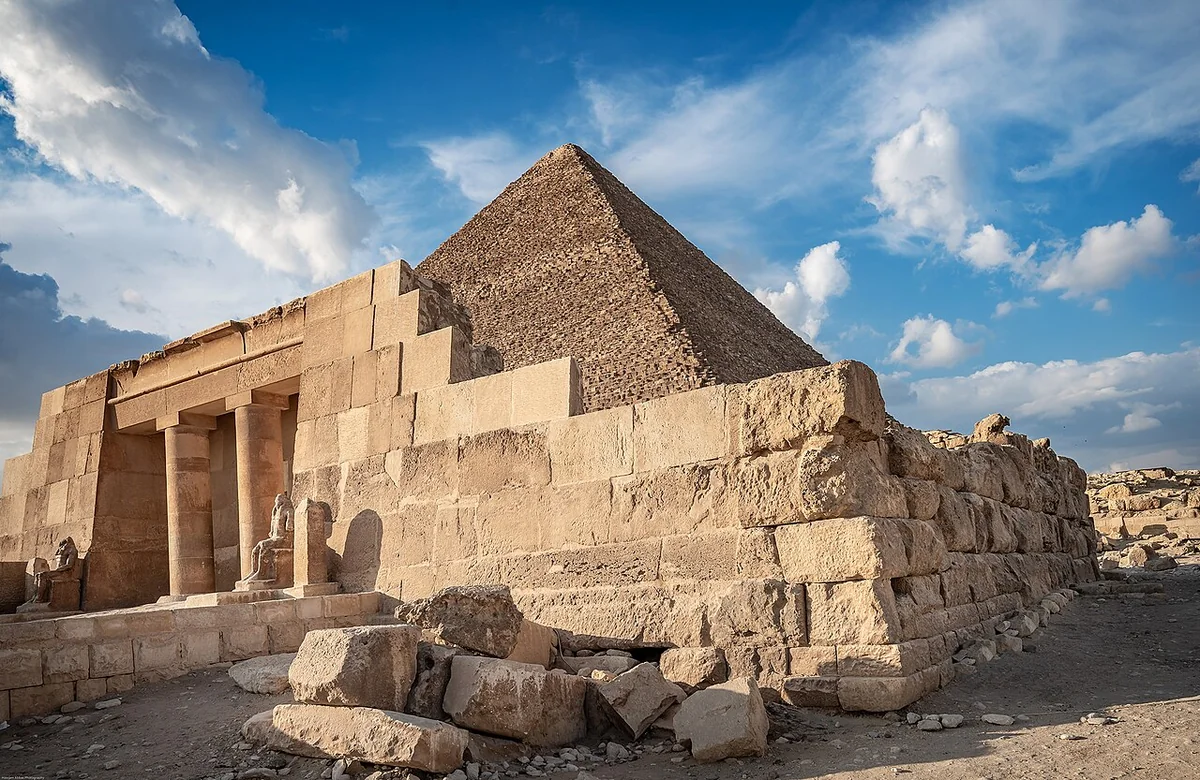
To optimize travel itineraries across these vast sub-regions, travel experts recommend tourists follow a strict time schedule, arriving right when the heritage site gates open in early morning to avoid harsh Sahara desert heat and massive commercial tour groups. The optimal route is walking or using internal electric shuttle services from the main gate to Khufu, then continuing via camel ride or traditional horse carriage along fine sandy trails to Khafre and Menkaure, before finishing the route at the Sphinx area in the afternoon when slanting sunlight creates photographic angles with maximum contrast. Complying with strict conservation regulations—such as not climbing pyramid stone blocks, not touching ancient relief surfaces, and keeping general hygiene—is a prerequisite to ensuring sustainability for this world heritage site for centuries to come, while providing every traveler with the most authentic and profound archaeological experience.
The buffer zone surrounding the Giza Pyramids Complex southwest of Cairo is a complex socioeconomic space where ancient dynastic history dialogues directly with contemporary Egyptian community life. Through centuries of urban change, the area bordering this limestone plateau has developed a diverse service ecosystem serving international tourist flows while preserving traditional livelihoods of the indigenous Nazlet el-Samman community. This symbiosis between human archaeological heritage and tourist infrastructural economies creates a profound cultural interaction environment where historical values are not isolated inside museum spaces but blend into the daily rhythms of tens of thousands of residents living around the pharaohs Khufu, Khafre, and Menkaure funerary monuments.
Accommodation infrastructure and landscape viewing services reflect clear urban spatial stratification. Along Al-Haram Avenue and streets near the eastern entrance of the heritage site, hotels ranging from international standards to family-run guesthouses are designed to optimize views directly facing ancient tombs. Positioning resting spaces and rooftop dining creates characteristic panoramic angles where visitors can observe shifting light on giant stone block surfaces from sunrise until sunset. These accommodations not only offer lodging but also act as information bridges where local guides transmit historical knowledge, daily living customs, and folklore surrounding the construction of Old Kingdom dynasties.
Transportation systems and internal transit options around Giza bear deep desert socio-historical marks. Alongside modern motor transport ferrying visitors from central Cairo to security checkpoints, camel and horse riding managed by the local community holds a dominant position in on-site practical experiences. Camel handlers and horse drivers here largely belong to families attached to the Giza plateau for generations, seeing this as their primary livelihood while preserving traditional desert transit methods. Camel riding experiences along the southern perimeter of the Great Pyramid provide nostalgic perspectives on ancient caravans that once crossed the Nile valley, connecting modern spaces with trade pasts thousands of years old.
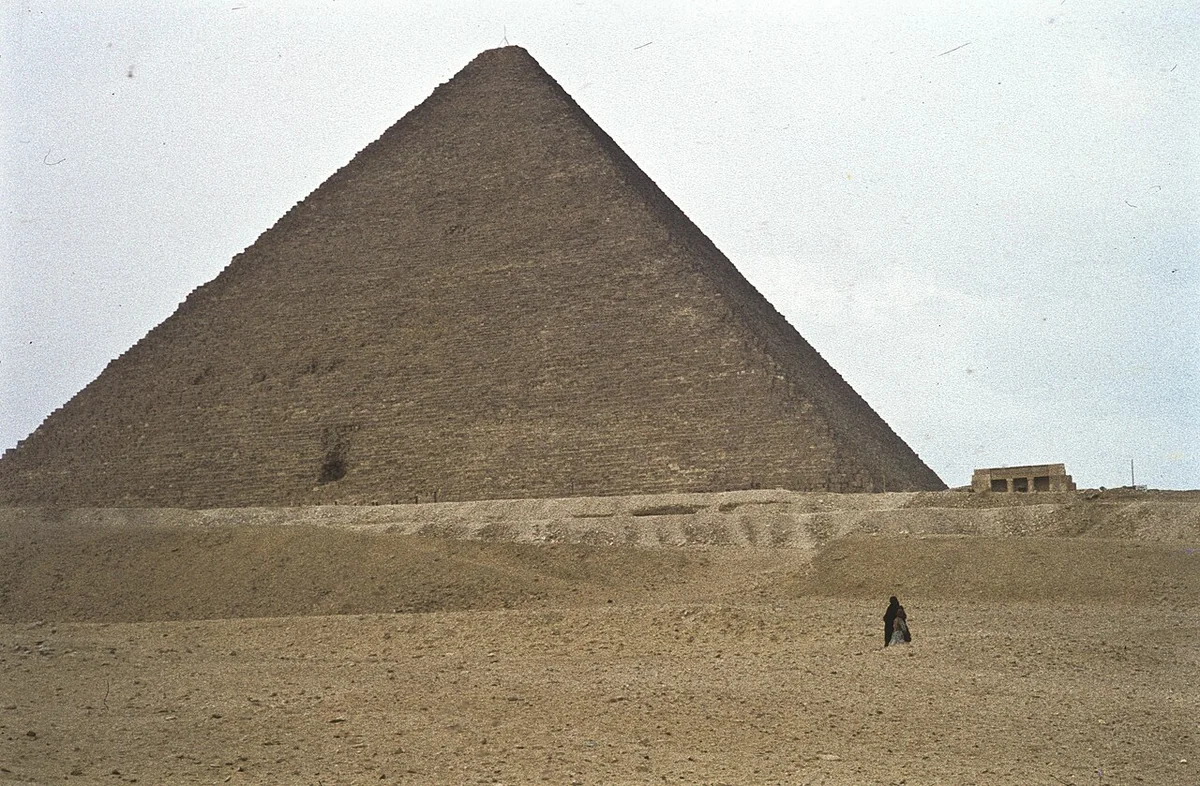
Local cuisine in the Giza area blends long-standing Egyptian culinary traditions with international diner requirements. Traditional restaurants around the plateau base serve classic dishes like koshari—a mix of pasta, rice, lentils, tomato sauce, and crispy fried onions—reflecting popular street food spirits across the Nile boot-shaped country. Additionally, signature grilled meats like kofta and kebab made from lamb or beef marinated with local herb spices are widely sold in family eateries. Dining experiences are tied to drinking sweet, strong black tea or traditional Turkish coffee, usually enjoyed in open spaces observing bustling street life near heritage boundaries.
Community gathering spaces and handicraft commerce in Nazlet el-Samman paint a vivid picture of tourism handicrafts. Workshops and shops along alleys near the heritage site focus on products bearing strong Egyptian cultural marks, such as basalt and limestone sculptures mimicking gods, hand-painted papyrus depicting chapters from the Book of the Dead, and hand-embroidered textiles with pharaonic patterns. Local artisans maintain traditional crafting techniques, passing skills down generations, turning raw materials into highly symbolic souvenirs. Commercial exchange here is not just economic buying and selling but direct cultural communication between global travelers and locals.
Social life among residents around the Great Pyramid of Giza is strongly driven by urbanization pressures and mass tourism booms. Nazlet el-Samman village, from a traditional agricultural and pastoral settlement near the Nile, transformed into a large-scale tourism service center. This transformation brings significant income while posing conservation challenges against over-commercialization threats. Younger generations growing up here acquire foreign languages early via daily contact with global tourists, creating a dynamic young workforce skilled in cross-cultural communication while upholding core Egyptian family traditions.
Management of tourist spaces and services around the heritage site in recent years has undergone important shifts to enhance experiential quality and protect heritage landscapes. Local authorities cooperate with international organizations on planning projects to control spontaneous construction, improve nighttime lighting systems, and build modern visitor reception centers. Re-planning access routes, establishing fixed souvenir stalls, and standardizing animal-riding services reduce chaos, creating a more civilized environment for both visitors and locals living in the buffer zone of this ancient wonder.
Overall, the service ecosystem, amenities, and local cultural spaces around the Great Pyramid of Giza are inseparable from the historical and anthropological context of this land. It is a living entity where the golden pharaonic past continuously intersects with modern socioeconomic pulses. Every lodging, traditional dish, handicraft, or conversation with locals contributes to a rich panorama, helping visitors not merely gaze at grand monuments with their eyes, but deeply feel the cultural pulse of one of human history’s most ancient and vital lands.
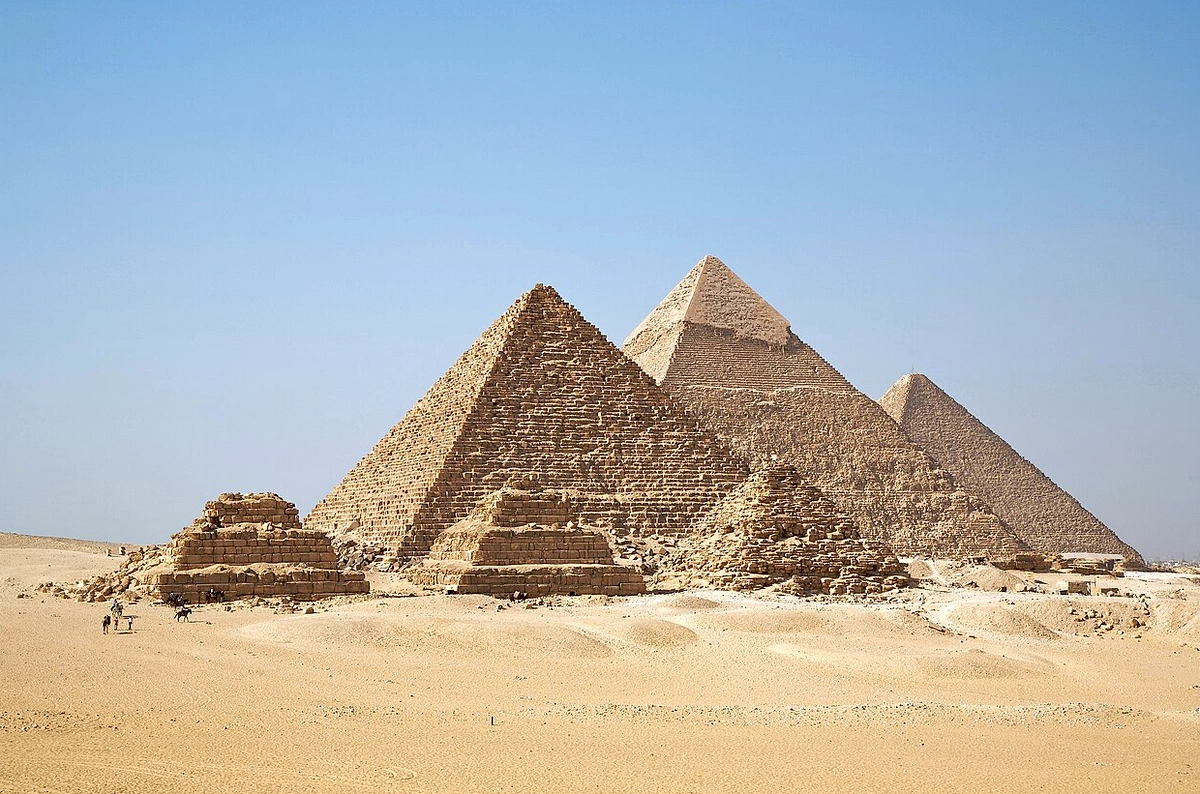
Planning a field exploration itinerary at the Great Pyramid of Giza complex requires scientific preparation, a thorough understanding of North African desert climate shifts, and absolute respect for human archaeological heritage. Situated on the southwestern outskirts of Cairo, this site is heavily governed by subtropical desert climate, featuring harsh day-night temperature swings. The golden timeframe in the year to approach Giza spans from November to February. During this phase, daytime temperatures remain moderate between 20 and 25 degrees Celsius, creating ideal conditions for extended outdoor movement and research without heat exhaustion. Conversely, June through August brings terrifying temperature climbs, with intense heat exceeding 40 degrees Celsius alongside powerful solar radiation reflecting off giant limestone blocks, turning outdoor exploration into a dangerous physical challenge.
Regarding timeframes within the day, the optimal strategy is arriving at ticket gates right when management opens at 6:00 AM or 7:00 AM seasonally. Early mornings offer soft golden light for observing and filming Khufu, Khafre, and Menkaure pyramids while avoiding crowds from commercial tour groups arriving after 9:00 AM. Furthermore, accumulated heat in stone structures and desert air hasn’t peaked in the morning, smoothing outdoor walking on sand or entering ancient funerary interiors. Those seeking sunset views can stay on the western plateau, where the sun sets behind tombs, painting orange-red hues over megaliths standing for four and a half millennia.
Transportation connecting central Cairo to the Giza plateau varies but requires careful calculation to bypass the capital’s traffic bottlenecks. The most traditional and economical method is taking Metro Line 2 to Giza Station, then transferring to local buses or hiring motorbikes to reach the eastern gate. However, for most international travelers, using ride-hailing apps like Uber or Careem departing from Tahrir Square or Zamalek is optimal for time, safety, and transparent fares. This 13 to 15 kilometer journey takes 30 to 60 minutes depending on traffic density along arterial routes like Kasr El Nil Bridge or Al-Remayah Highway. Upon arriving at the periphery, internal transit via walking combined with licensed horse carriage or camel riding must have clear price agreements settled beforehand with licensed local providers to avoid financial disputes.
Dress codes and personal equipment for the Giza expedition must strictly adhere to local cultural standards combined with desert biological realities. Egypt is a conservative Islamic country, so both male and female travelers must dress modestly, covering shoulders and knees to show respect for locals. Physiologically, clothing should consist of lightweight, breathable cotton or linen in light colors reflecting sunlight rather than absorbing heat. Footwear determines trip success; visitors must wear low-cut hiking boots with good grip or specialized athletic shoes resistant to fine dust, as Giza’s plateau features loose sand, sharp gravel, and slippery limestone inclines inside narrow pyramid corridors. Essential protective gear includes UV-blocking sunglasses, wide-brimmed hats, multi-purpose scarves for sandstorms, and large personal water bottles to maintain hydration under dry heat.
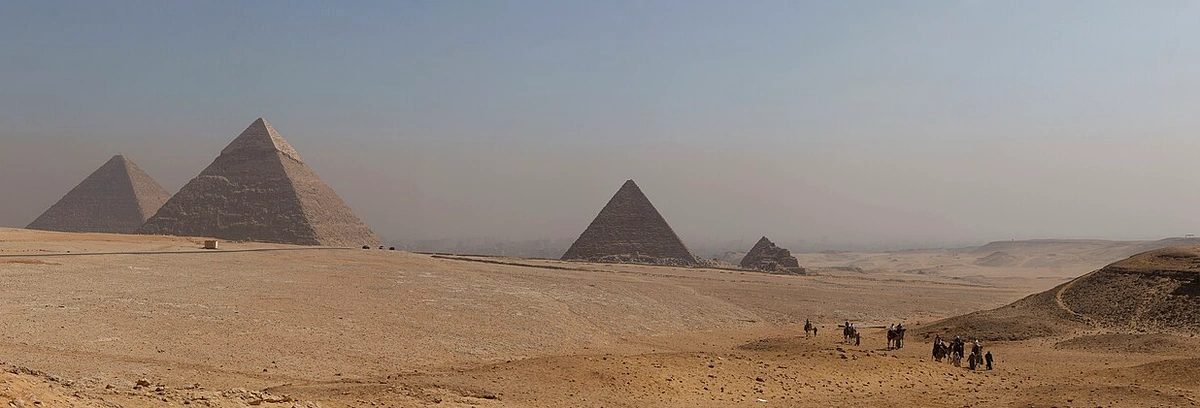
Legal regulations and behavioral norms at Giza are tightened by the Egyptian government via the Ministry of Tourism and Antiquities to protect this priceless heritage from millions of annual visitors. Climbing Khufu’s stone blocks or any tomb/temple in the complex is a serious crime, leading to immediate deportation or imprisonment under local law. Graffiti, vandalism, or collecting ancient stone fragments are monitored by extensive CCTV networks and patrolling tourist police. When purchasing tickets for interior burial chambers, visitors must note that spaces inside are extremely cramped, lacking oxygen, with high humidity and stifling heat; those with respiratory conditions, heart disease, or claustrophobia should avoid testing their physical limits. Professional cameras or drones require prior special permits from heritage management, while casual mobile phone photography in restricted zones is strictly prohibited to ensure security and sanctity at this paramount archaeological site.
To fully experience this journey with a local guide, you can refer to the Egypt Tour: Cairo – Aswan – Edfu – Luxor – Nile River Cruise 8D7N with a pre-arranged itinerary.