Kruger National Park, a magnificent natural heritage of Africa, stands majestically in the northeastern region of the Republic of South Africa, sprawling across the fertile provinces of Limpopo and Mpumalanga with a total area of up to 19,623 square kilometers. It forms an endless ecological corridor stretching 360 kilometers from north to south and 65 kilometers from east to west. Situated entirely within the South African Standard Time zone, this land possesses a coordinate position of supreme ecological strategic importance, creating a smoothly transitioning landscape system between the Highveld plateau and the Lowveld plains that slope gently down toward the grand river valleys of the Limpopo and Crocodile. The genesis of this biosphere reserve is an epic tale of strategic vision and human awakening in the face of the threat of extinction facing the wild world. In the late 19th century, confronting the severe depletion of animal populations due to uncontrolled hunting, the government of the South African Republic (Transvaal) under the leadership of President Paul Kruger demonstrated pioneering foresight by deciding to place a vital territory along the Sabie River under strict protection in 1898, despite the pre-war political and economic instabilities of the Anglo-Boer conflict.
Kruger’s journey to claim its standing continued through tumultuous modern historical upheavals before officially becoming South Africa’s first national park in 1926—a shining milestone marking the unification of the Sabi Game Reserve and the Shingwedzi National Park under the National Parks Act No. 56. This event not only reshaped the conservation philosophy of the Dark Continent, but also transformed a land once reserved exclusively for royal hunting and colonial predator control into an inviolable ecological fortress. Spanning a century of formation and development, Kruger’s iconic status has transcended all national borders, rising to global prominence when recognized by UNESCO as a core component of the Kruger to Canyons Biosphere Reserve—a resounding testament to an unrivaled ecosystem, priceless biodiversity, and magnificent natural landscapes untouched by modern human hands.
The operational heart and administrative center of this entire colossal conservation system is Skukuza, a historic settlement nestled along the fertile riverbanks of the Sabie and N’waswitshaka rivers in Mpumalanga Province, roughly 57 kilometers east of the town of Hazyview. Once known by evocative historical names such as Reserve, Sabi Bridge, or Sikhukhuza, Skukuza has evolved today into the largest and most well-equipped rest camp, as well as an immortal rendezvous point for millions of international and domestic travelers seeking out the wild roots of nature. Set within a temperate climate zone with an average annual rainfall of approximately 770 mm, Skukuza and its surrounding regions possess an extraordinarily rich, lush flora featuring riverside riparian forests, boundless thorn acacia woodlands, and golden savanna grasslands gleaming beneath the brilliant sunshine of the South African sky, creating a breathtaking natural tableau that is both majestic and poetically stirring.
Stepping into Kruger’s cultural and ecological realm, visitors are immediately drawn into a multi-dimensional sensory experience where the sounds of the wild merge into an eternal synthesis of life and death. These include the resounding roar of male lions carrying far across the misty dawn of the savanna, the creaking of ancient marula trees enduring through the dry season, the gurgling of cool waters from the Sabie River soothing ancient boulder beds, and the melodious songs of hundreds of tropical bird species nestled within lush green canopies. The morning sunlight at Kruger carries Africa’s signature golden glow, piercing thin early-morning mists before turning vibrant orange at sunset, painting a vast sky red and casting long silhouettes of colossal elephant herds quietly migrating toward the horizon.
The intense allure of this national park also lies in its dense distribution and robust presence of iconic predators and large mammals known by experts as the Big Five—consisting of the lion, leopard, rhinoceros, elephant, and African buffalo—species that visitors can effortlessly admire in numbers surpassing any other reserve across South Africa. This abundance not only turns the region into the world’s premier haven for wildlife viewing enthusiasts, but also serves as an invaluable open-air biological laboratory for scientists, natural history researchers, and cultural scholars worldwide. Welcoming nearly 2 million visitors annually, Kruger preserves its complete majesty, sanctity, and pristine beauty, continuing its mission of safeguarding Earth’s heritage and inspiring profound environmental awareness in future generations.
In terms of physical scale and spatial structure, Kruger National Park South Africa Safari stretches impressively across a total area of 19,623 square kilometers (equivalent to 7,576 square miles), forming a colossal natural territory contained entirely within Limpopo and Mpumalanga provinces in the country’s northeast. This wild expanse extends 360 kilometers from north to south and 65 kilometers from east to west, creating a multi-layered ecological space marked by distinct variations in landscape, geology, and climate. The administrative heart and operational machinery of this massive conservation network are centered in Skukuza, a central settlement located about 57 kilometers east of Hazyview at the strategic confluence of the N’waswitshaka and Sabie rivers in Mpumalanga Province. Skukuza serves not only as headquarters for scientific research centers, ranger operations, and international-standard tourism management, but also holds the status of South Africa’s largest rest camp and premier wildlife viewing hub, attracting a massive volume of domestic and international visitors due to the remarkably high population density of the five iconic large mammals.
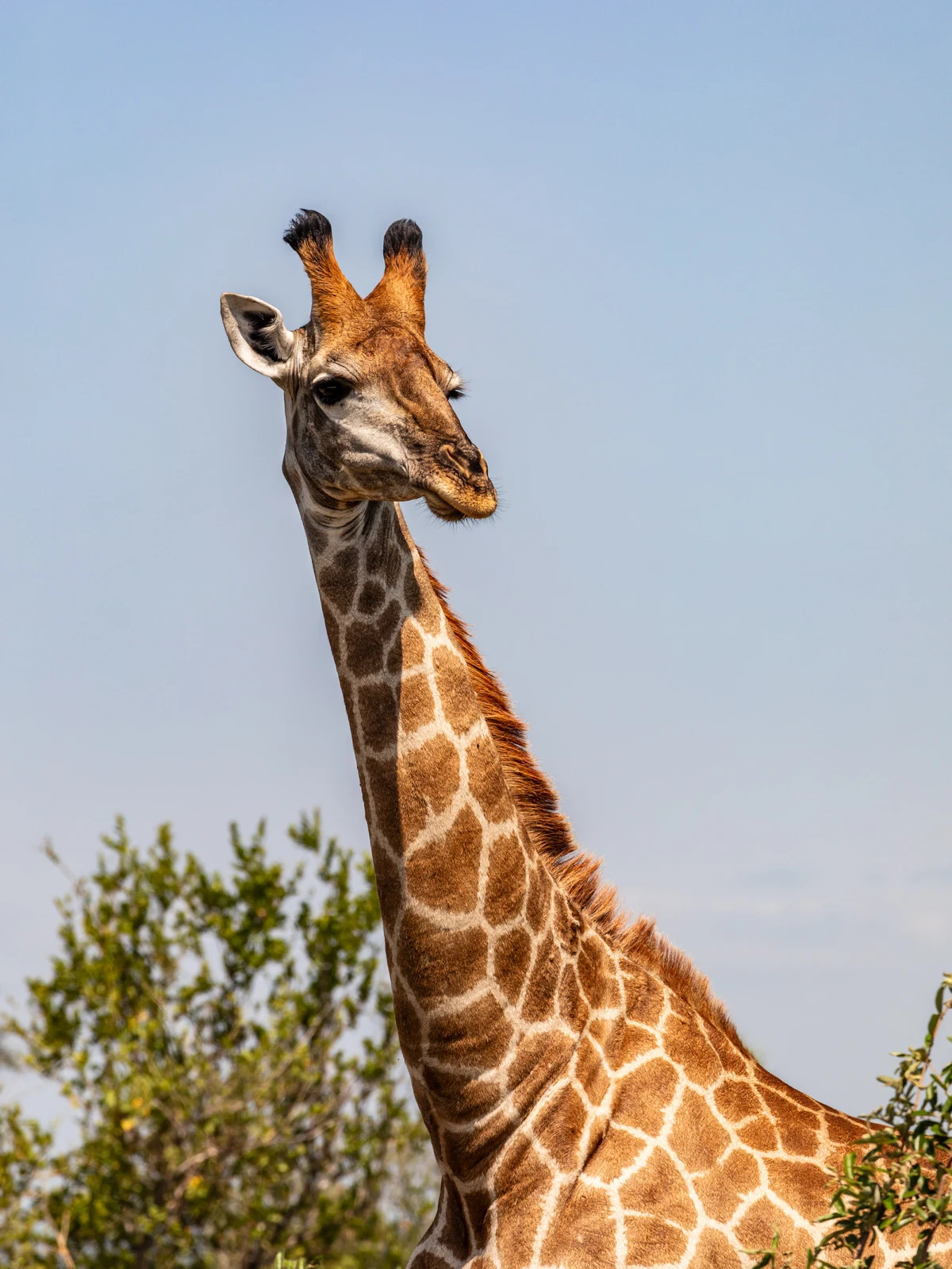
Kruger’s geological formation is the result of billions of years of Earth’s crustal movements, leaving a rich and complex topography that defines today’s specialized ecosystems. The bedrock geology of the region is formed primarily from two main rock types: fertile basalt plains in the central and eastern sectors, alongside heavily weathered granite uplands that yield spectacular, winding inselbergs in the west. Shaped by weathering and erosion across geological epochs, this terrain has produced undulating landforms ranging from deep river valleys to boundless grass plains. A dense hydrological network featuring primary lifelines such as the Sabie, Olifants, Limpopo, Crocodile, and Letaba rivers acts as arteries nourishing the entire ecosystem, supplying abundant freshwater year-round for all creatures to thrive under a tropical savanna climate with an average annual rainfall of about 770 mm across the central forest belt of Mpumalanga Province.
Real-world architectural and landscape perspective at Kruger National Park South Africa Safari (Illustration 6)
The historical journey of Kruger National Park is tied to the strategic vision of South African President Paul Kruger, who laid the foundational bricks for conservation by deciding to protect lands surrounding the Sabie River in 1898 under the name Sabi Game Reserve. Through modern historical shifts, this reserve was officially unified and upgraded into South Africa’s first national park in 1926 under the National Parks Act, marking a historic turning point in Africa’s environmental management mindset. Spanning nearly a century of development, the reserve not only maintains its original conservation mission, but has risen to become a core part of the Kruger to Canyons Biosphere Reserve—a prestigious title awarded by UNESCO in recognition of its priceless biodiversity. In modern times, the reserve retains its magnetic appeal, as evidenced by nearly 2 million tourists flocking there every year to seek the purest wilderness experiences.
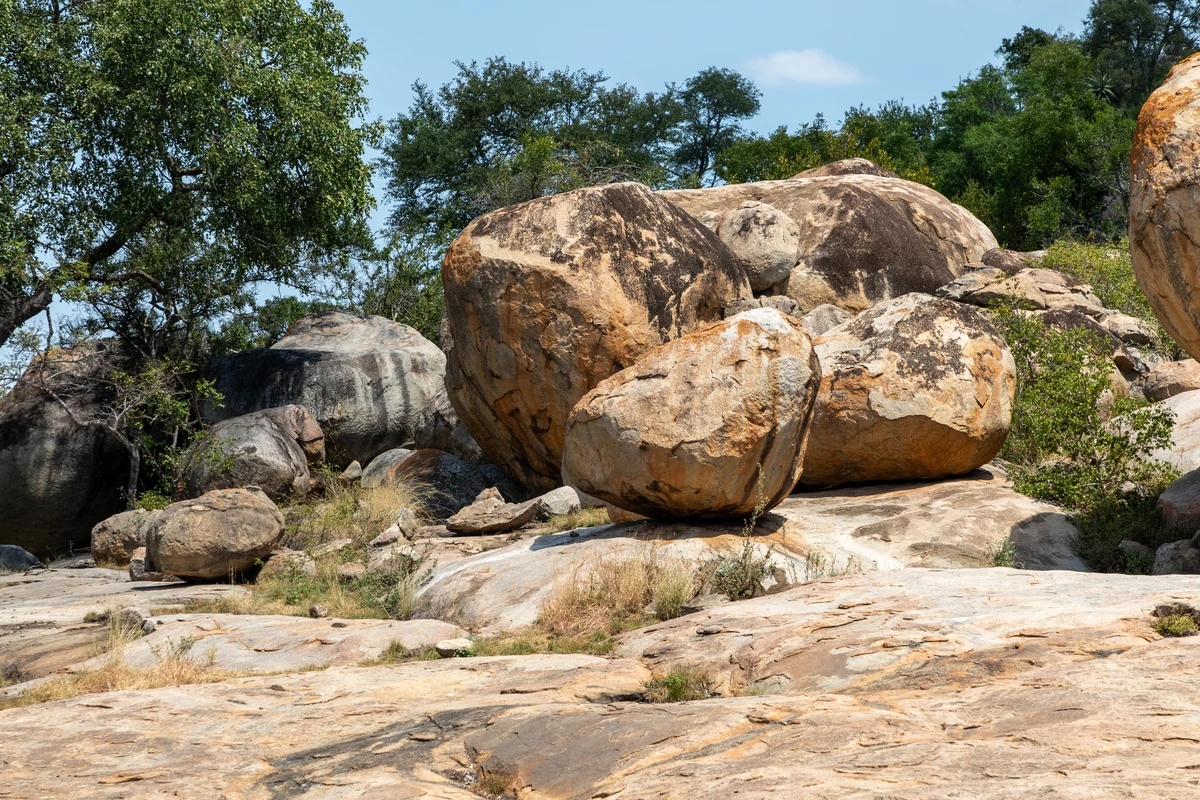
Infrastructure planning and civil engineering within Kruger National Park are guided by a philosophy of absolute respect for nature’s originality, where trails, viewing platforms, and eco-lodges are harmoniously integrated and subtly concealed amidst thorn trees and boundless savannas to minimize negative impacts on wildlife habitats. The internal transport network includes thousands of kilometers of paved and unpaved roads scientifically planned to allow explorers deep access into diverse habitats without disrupting natural animal behaviors. Rest camps like Skukuza are built using local materials, blending traditional timber architecture with sustainable energy technology to ensure world-class lodging comfort while maintaining seamless harmony with the shaded riverbanks of the Sabie River.
Kruger’s management and conservation techniques apply advanced global scientific standards, combining rigorous field patrols, aerial drone surveillance, and strict ecological zoning to protect distinct wildlife habitats. From the dense mopane woodlands in the north to vast grassland plains in the center and rolling granite valleys in the south, each sector is monitored using modern ecological models to balance the environment’s natural carrying capacity with human exploration needs. Water resource management—through building small artificial dams and maintaining natural flows of major rivers—is a hydraulic engineering feat that sustains life for tens of thousands of animals even during the harshest droughts in northeastern South Africa.
The sensory experience at Kruger National Park delivers an intense and profound wilderness immersion, where visitors are enveloped in the rushing sounds of the Sabie River, the roaring of lions at dusk, and the chirping of hundreds of tropical birds. The golden morning light filtering through mist across savanna grasslands creates ethereal photographic scenes, while fiery red sunsets paint the African sky and cast reflections across tranquil rivers. Culinary dining at the reserve’s eco-restaurants is an essential part of the journey, offering traditional dishes prepared from local ingredients in open-air settings that blend seamlessly with the scents of soil, flora, and the pristine wilderness of humanity’s ancestral home.
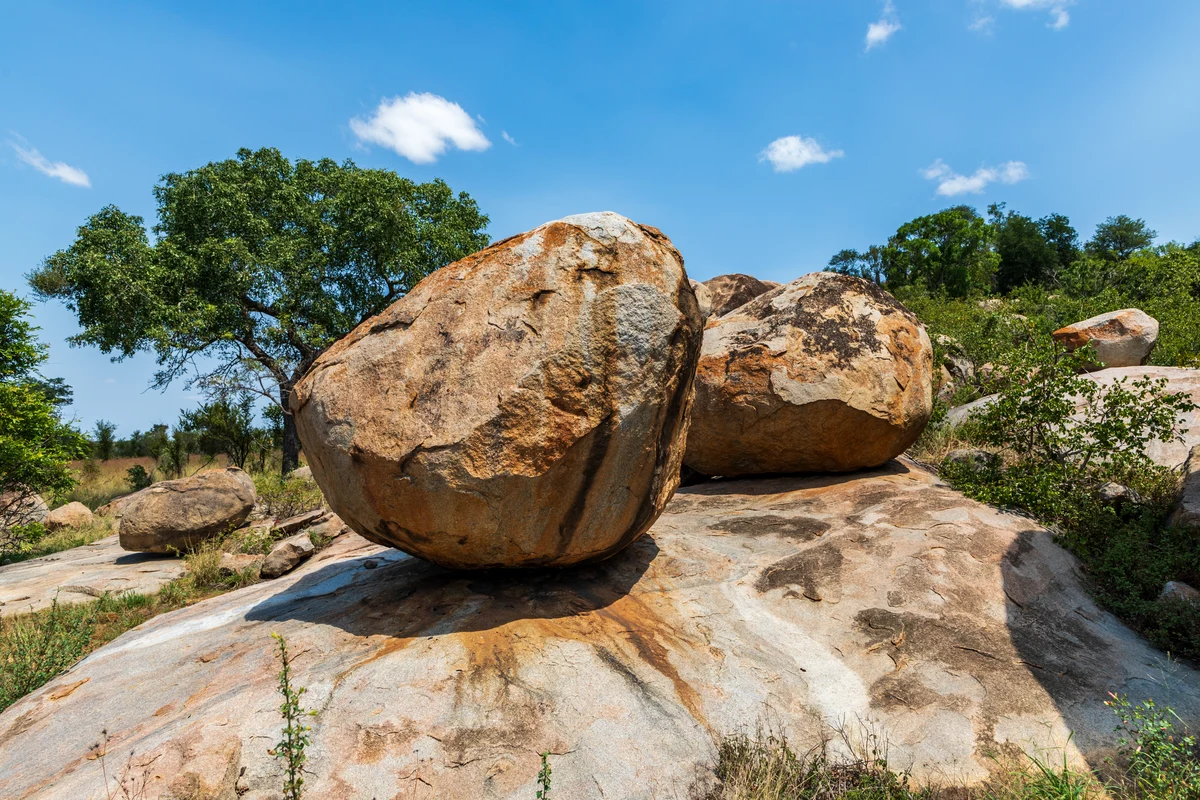
The boundless grasslands of Kruger National Park stretch endlessly beneath the African sunset
The space of Kruger National Park South Africa Safari unfolds as a grand and pristine synthesis of African nature, converging complex ecosystems with the majestic presence of the globally iconic group of animals dubbed the Big Five by classic explorers—including lions, leopards, rhinos, elephants, and African buffalos. This classic term carries a history tied to late-19th-century colonial exploration, originally denoting the five most dangerous wild animals requiring supreme courage and extraordinary hunting skill when confronted on foot. Through the passage of time and shifting human consciousness, this concept has transformed entirely into a proud symbol of the global nature conservation movement, where these animals’ value lies not in hunting rifles, but in preserving their living presence across boundless landscapes. Spanning a colossal 19,623 square kilometers, Kruger’s territory stretches 360 kilometers north-south and 65 kilometers east-west, contained entirely within Limpopo and Mpumalanga provinces in South Africa’s northeast, creating a majestic landscape layered with constantly shifting vistas from dense thorn thickets to boundless golden savannas stretching to the horizon.
Real-world architectural and landscape perspective at Kruger National Park South Africa Safari (Illustration 7)
This space’s creation stems from President Paul Kruger’s far-sighted vision in 1898, when the South African Republic government established the first protected zones in the Sabie region to curb exhaustive hunting, prior to unifying and upgrading them into South Africa’s first national park in 1926. After more than a century of operation, this reserve is not merely an ecological lung for southern Africa, but a core part of the Kruger to Canyons Biosphere Reserve, demonstrating the Rainbow Nation’s strong commitment to safeguarding human natural heritage. Located in South Africa Standard Time and receiving an average annual rainfall of about 770 mm, the landscape is nourished by rich river systems led by the Sabie and N’waswitshaka rivers flowing across white sandy banks and lush vegetation in Mpumalanga Province. Abundant water from underground springs and rivers has turned the area around Skukuza into South Africa’s premier wildlife viewing hub, concentrating rare animals at high densities to create one of the planet’s most vibrant natural stages for those seeking the wild roots of nature.
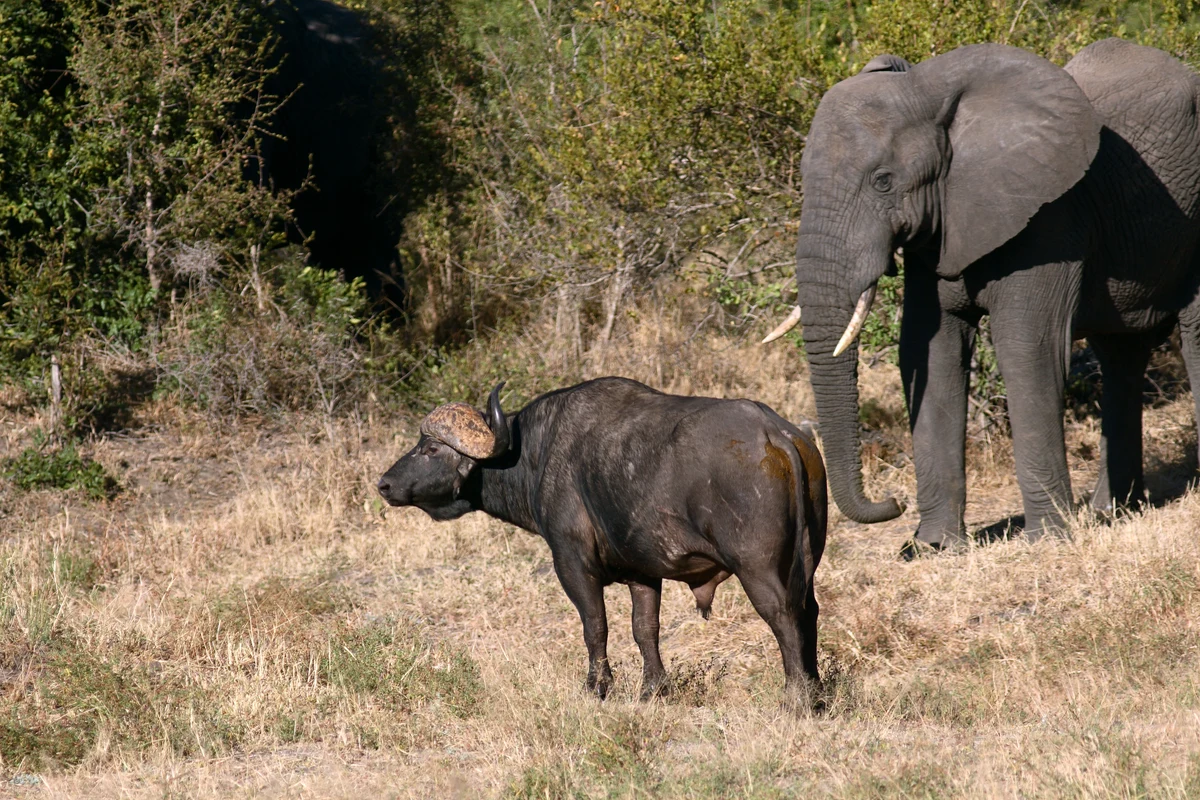
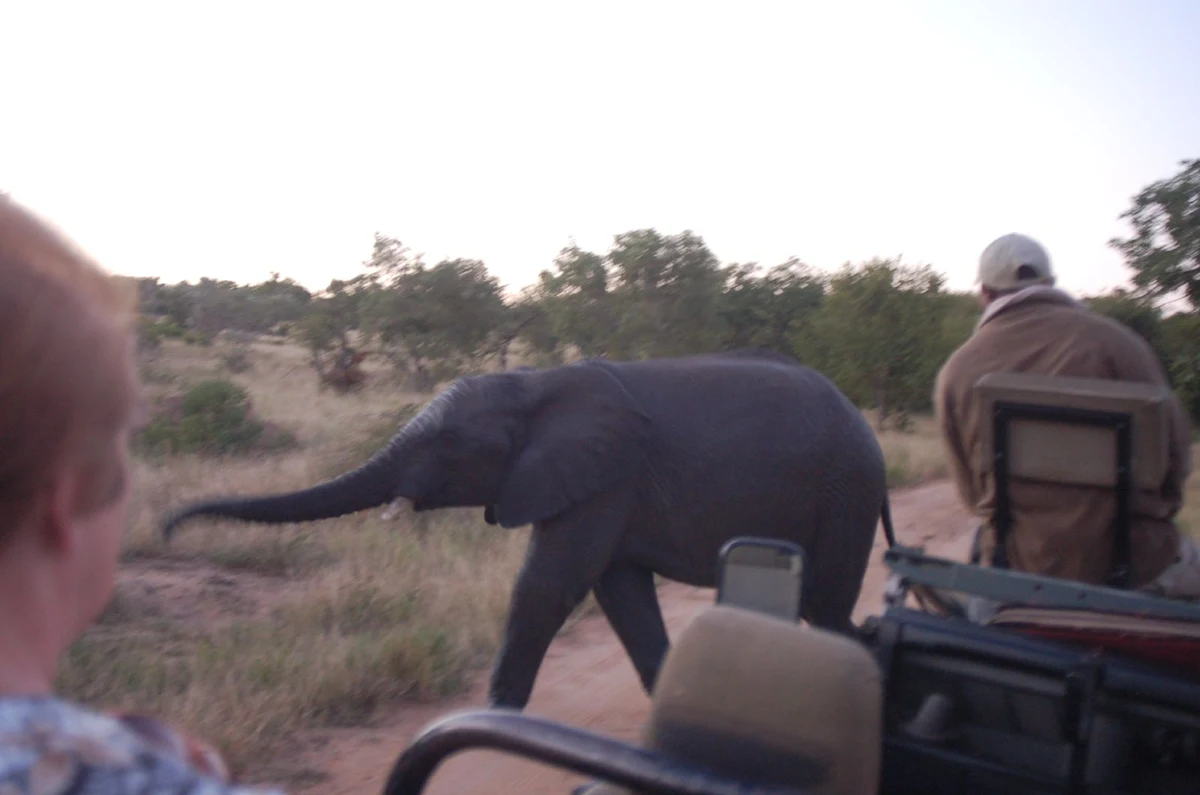
Tourism life at Kruger National Park South Africa Safari is far more than routine sightseeing—it is a comprehensive immersion into the primitive pulse of the Dark Continent, where time seems suspended before the majesty of untamed nature. Spanning a colossal 19,623 square kilometers across Limpopo and Mpumalanga provinces in South Africa’s northeast, the park operates according to natural biological rhythms starting when the first dawn rays pierce morning mist over sweeping savanna grasslands. Travel experiences are defined by the constant interplay of light and shadow, the awakening sounds of life at dawn, and the majestic stillness of night falling over ancient baobab forests. Open-top safari vehicle game drives depart before first light, taking travelers along rugged red-dirt trails where animal footprints remain fresh in morning dew.
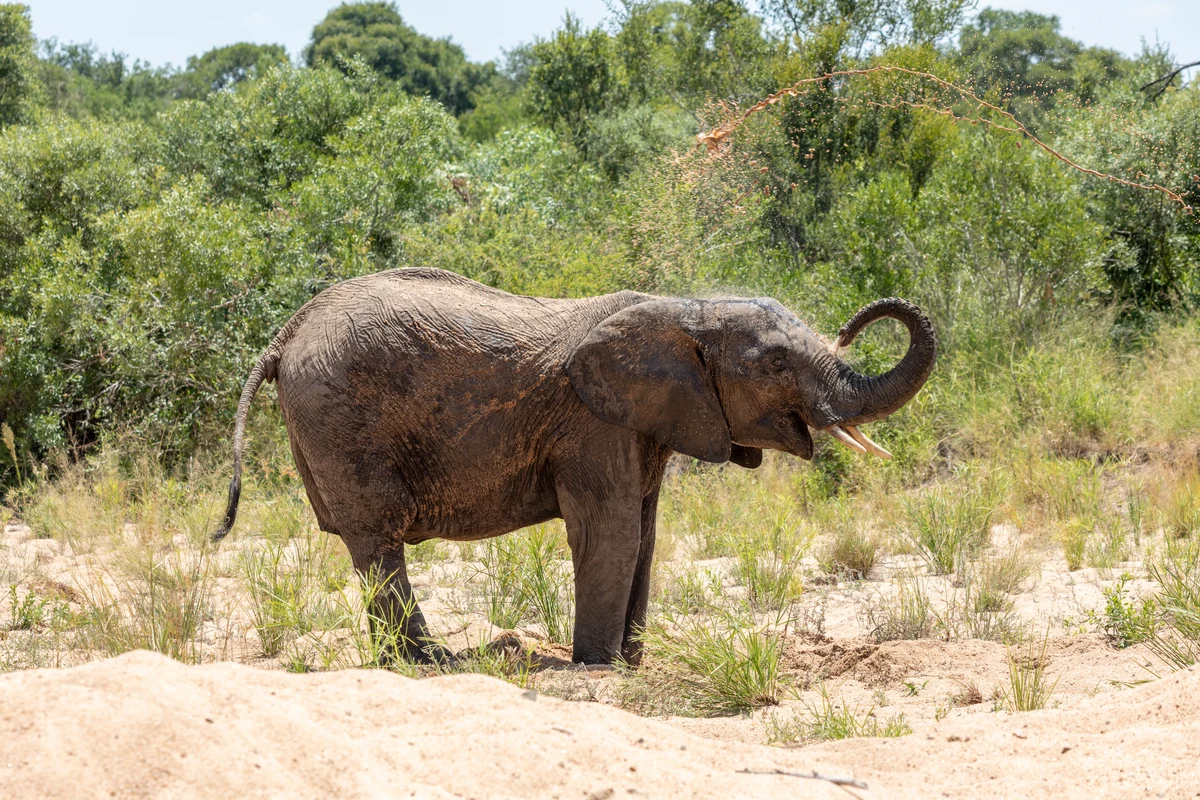
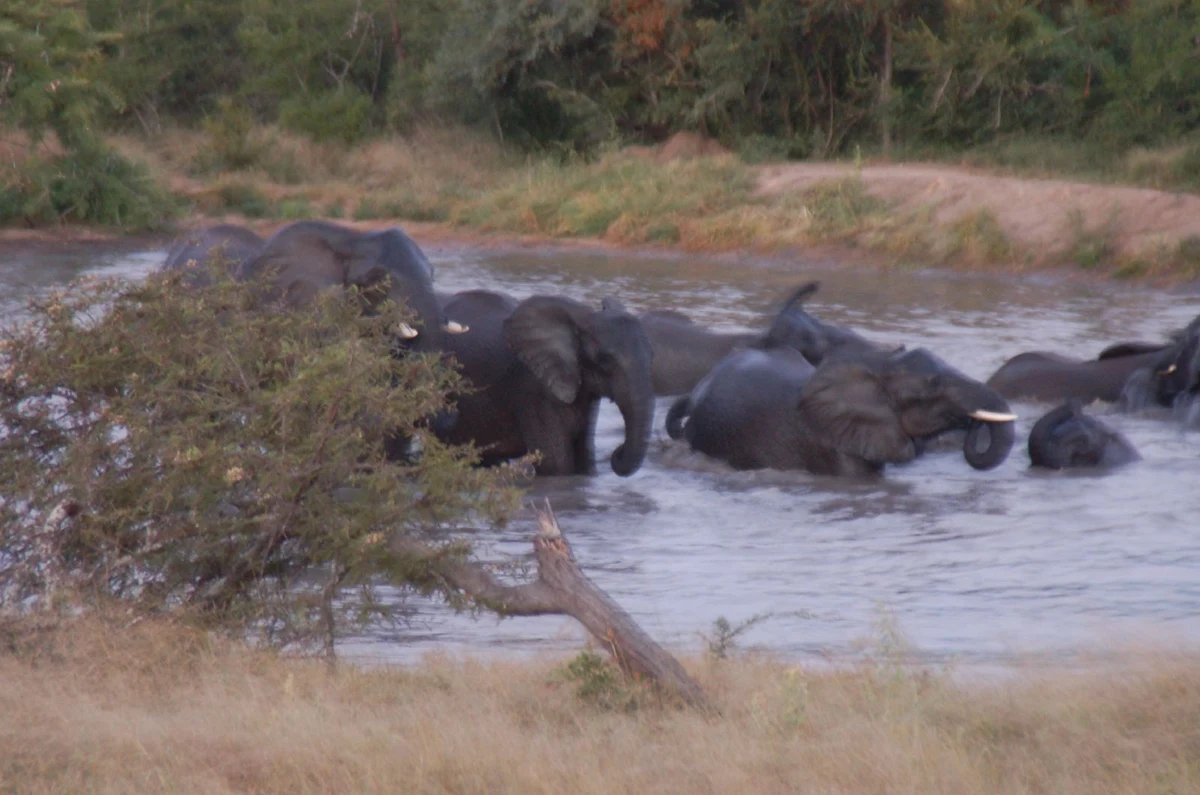
Sensory experiences at Kruger reach their zenith when visitors are awakened by a perfect natural synthesis that transcends ordinary sight. This is the moment hearing is captured by the deep, resonant, authoritative roars of lion kings echoing through quiet darkness, making hearts beat faster while inspiring profound awe. Simultaneously, smell is stimulated by the earthy scent of damp soil after a tropical rain mixed with dry grass and the rich aromas of endemic southern African flora. Sight is treated to endless color palettes, from morning sky pinks to the warm, contemplative golden glows of sunset over the Sabie River. Beneath that warm light, giant elephant herds move leisurely across dry stream beds, gently flapping large ears to create peaceful moments of tranquility amidst harsh nature.
Local community life within park lodges and campsites—especially at Skukuza, the administrative capital and largest rest camp located at the confluence of the N’waswitshaka and Sabie rivers—carries deep traditional cultural values. Evolving from late-19th-century origins under President Paul Kruger—who laid conservation foundations in 1898 and established South Africa’s first national park in 1926—Skukuza now welcomes nearly two million visitors annually. Within these lodges, as twilight yields to starlit nights untouched by city glare, life gathers around the crackling fires of traditional boma evenings. Surrounded by warmth, visitors immerse themselves in African culture, enjoying lively rhythms created by handmade ethnic instruments like djembe drums and marimbas.
Within this cultural space, indigenous oral storytelling unveils an ancient world of myth and survival knowledge regarding the wild. Stories told in warm, resonant voices beneath starry, cloudless skies recreate the wondrous symbiosis between humanity and nature from early conservation days to the present. Blending with auditory and visual experiences is exquisite local cuisine prepared using traditional methods over Mopane wood charcoal—from spiced game meat dishes to wild ingredients breathing the spirit of Mpumalanga Province. The flawless fusion of the restless wild rhythm of Big Five predators—including lions, leopards, elephants, rhinos, and African buffalos, present at high densities here—with the serene, contemplative atmosphere of eco-lodges creates a rare emotional depth.
Experiences at Kruger National Park South Africa Safari therefore transcend standard eco-tourism, becoming a spiritual journey back to nature’s roots. Every moment of your stay—whether quietly watching a giraffe stretch for tender leaves on a thorn acacia tree under midday sun, or listening to wind whistle through millennial baobab branches—leaves unforgettable echoes in the traveler’s soul. The subtle intersection between indigenous community traditions and the raw, powerful pulse of the Kruger to Canyons Biosphere Reserve confirms this land’s unique standing on the global nature travel map, establishing it as an iconic destination for eternal harmony between humanity and the natural world.
Real-world architectural and landscape perspective at Kruger National Park South Africa Safari (Illustration 8)
Specialized Safari vehicles take visitors deep into natural wild habitats
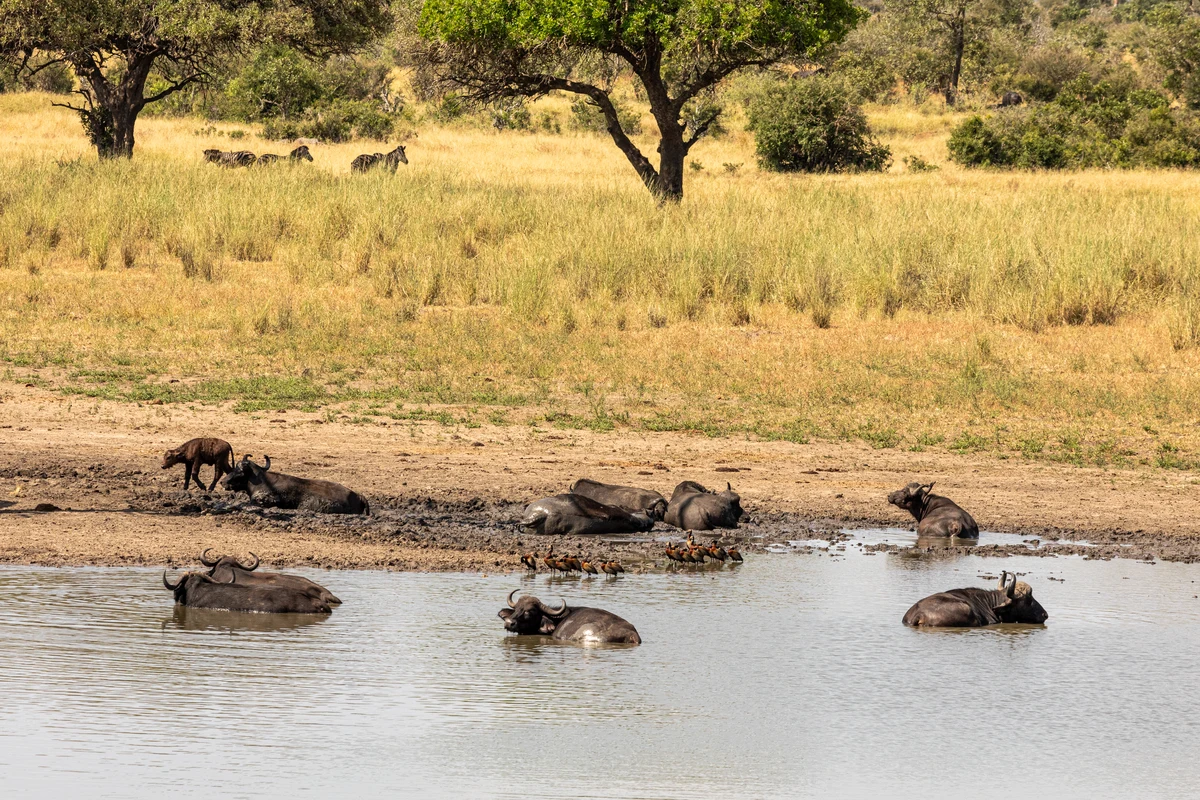
Wild animals gathering to drink at the tranquil Sabie River during the dry season
Giant baobab trees and characteristic bushveld vegetation of the South African lowveld
High-end eco-lodge retreats immersed entirely in pristine wilderness
To experience this journey seamlessly with a local guide, explore our South Africa: Johannesburg – Game Lodge Safari – Cape Town 8D7N Tour featuring a thoughtfully curated itinerary.