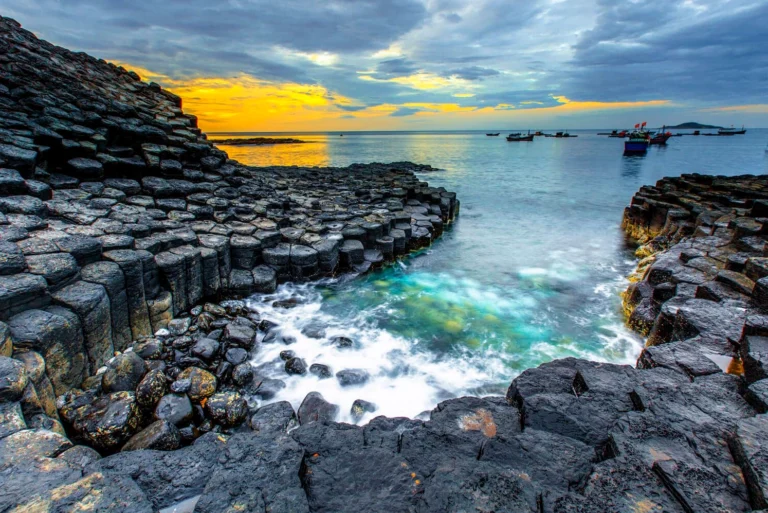
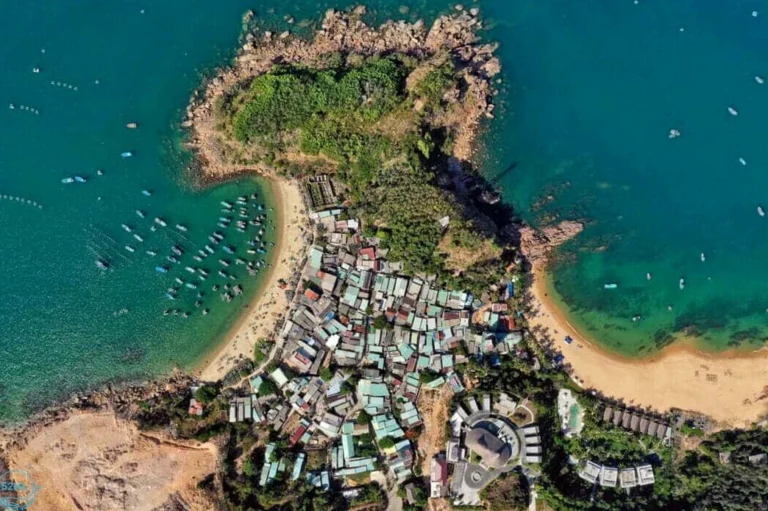
Standing tall amid the sweeping landscapes of the land of “yellow flowers on green grass,” Nhan Tower (Nha Son Tower) emerges as an enduring symbol of the passage of time, converging the essence of ancient Champa culture with the spiritual depth of Dai Viet heritage. Geographically, the tower sits majestically atop Nhan Mountain—a peak shaped like a swallow spreading its wings ready to take flight—rising proudly on the northern bank of the mighty Da Rang River (Ba River) in the heart of Tuy Hoa City, Phu Yen Province. Its setting deeply embodies traditional Eastern feng shui philosophy: “leaning against the mountain, facing the water,” with its back nestled against sturdy mountain slopes and its front overlooking vast alluvial waters, taking in a panoramic view of lush plains and the boundless sea and sky of Central Vietnam’s coast.
In terms of historical origins and archaeological dating, scientific records from the Vietnam Institute of Heritage & Cultural History confirm that Nhan Tower was constructed by generations of Champa architects and artisans between the late 11th century and early 12th century. This marked a golden era when Champa architectural art underwent a refined transition from the My Son E1 style to the Binh Dinh (Thap Mam) style. Over centuries of historical shifts—most notably following King Le Thanh Tong’s 1471 campaign into Champa—Phu Yen entered the cultural sphere of Dai Viet, leaving the tower abandoned in overgrown ruins amidst dense jungle for a period. By the Nguyen Dynasty, under the reigns of Emperors Gia Long and Minh Mang, as land reclamation and settlement flourished under the leadership of renowned figure Luong Van Chanh, Nhan Tower was embraced and harmonized by the local Viet-Cham community, who infused it with deeply humane new layers of spiritual belief.
Beyond its unparalleled architectural and archaeological significance, Nhan Tower is also woven into a rich tapestry of intangible culture through folk legends and indigenous beliefs. According to long-standing spiritual traditions, the tower is a sacred sanctuary dedicated to Thien Y A Na (Po In Nagar), the Holy Mother of the Land—the supreme deity who blesses the people with bountiful harvests, safe voyages for fishermen, and widespread prosperity. Furthermore, the site preserves poetic legends of a celestial fairy descending to earth to teach locals farming and weaving, as well as the grand folklore of “Than Lu” carrying earth to build mountains, shaping the remarkable scenery of the lower Ba River. These cultural layers blend seamlessly with the unique square temple-tower architecture (Kalan), built using a mortarless, tight-fitting bricklaying technique, creating an invaluable geological and cultural heritage praised by scholars and the press alike as an artistic masterpiece nestled within the picturesque mountains and waters of Xu Nau (Phu Yen).
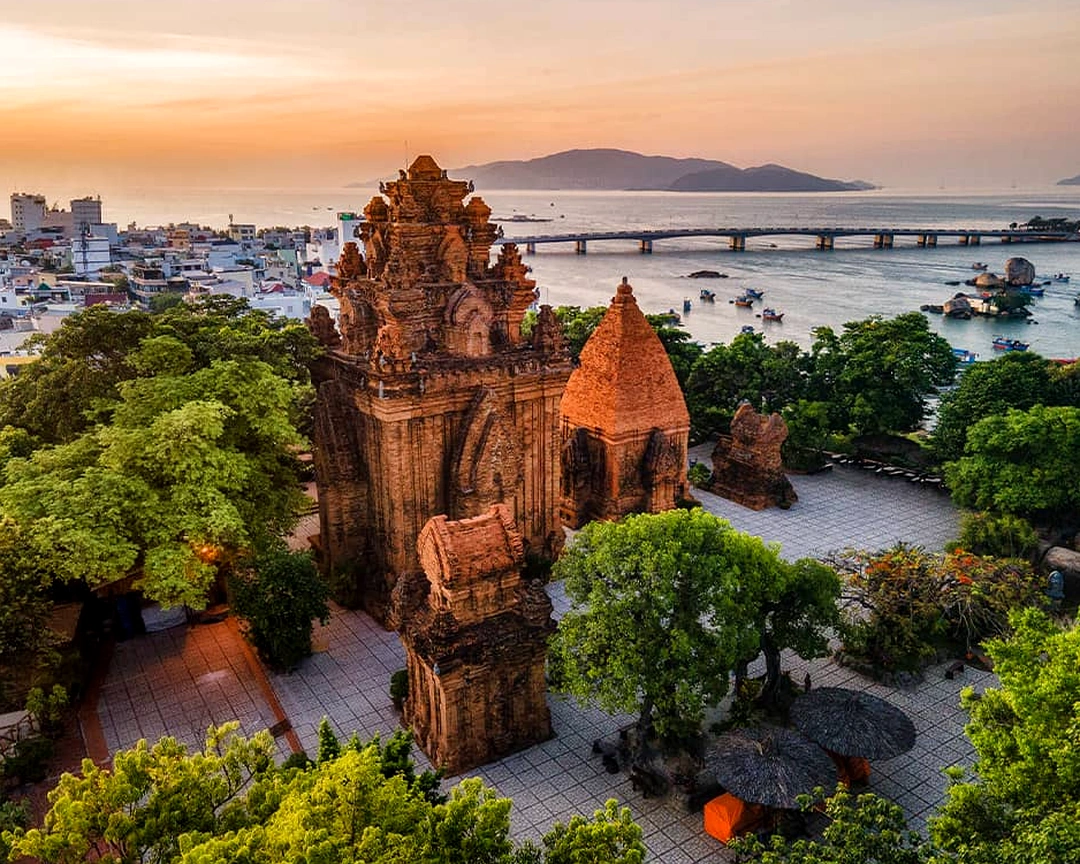
Perched regally atop majestic Nhan Mountain beside the poetic, gentle Ba River, Nhan Tower (Nha Son Tower) stands as a timeless emblem of sun-drenched, windswept Phu Yen. Viewed from afar, the ancient tower’s terrain is remarkably unique, resembling a giant lotus pedestal rising toward the open sky. The surrounding landscape is a sublime harmony of pristine nature and ancient Champa architectural imprints, painting a picturesque scene of mountains and rivers that stirs the soul of every traveler who sets foot here.
Architecturally, Nhan Tower belongs to the traditional square temple-tower type (Kalan), standing approximately 21.5 meters tall and constructed entirely from dark-red fired bricks fitted tightly together without any visible mortar—a pinnacle of mysterious ancient Cham construction mastery. Every architectural line reflects a delicate fusion of the My Son E1 style and the Binh Dinh (Thap Mam) style of the 11th–12th centuries. The tower consists of three distinct sections: a sturdy base symbolizing the earthly realm, a slender body soaring toward the sacred heavens, and a pinnacle (Kut) modeled after a blooming lotus reaching into the vast sky. Having weathered nearly a millennium, its brick walls retain a deep, tranquil crimson hue softened by patches of moss over the years, standing as a testament to the enduring vitality of an architectural masterpiece in the mortal world.
In addition to its monumental historical and architectural value, Nhan Tower is one of Central Vietnam’s most sought-after “million-view” photography coordinates among photographers and travel enthusiasts. For the most captivating shots, visitors should not miss angling the camera upward from the base of the tower toward the sky, leveraging its imposing height alongside the signature spearhead-shaped arched doorway of Champa architecture to create striking visual depth. A second unmissable photo spot looks out from the mountainside across a sweeping panorama of youthful Tuy Hoa City, the winding spans of Da Rang Bridge, and the Ba River shimmering like silver at the foot of the hill. Finally, a wide-angle shot capturing the eastern side of the tower framed by ancient trees delivers nostalgic, timeless imagery.
When it comes to ideal lighting, professional photographers recommend visiting Nhan Tower at dusk or during the radiant hours of dawn. In the early morning (from 5:30 AM to 7:00 AM), soft morning sunlight filters diagonally through the trees, casting a warm, mystical orange-red glow directly onto the ancient brick walls. Conversely, sunset (from 4:30 PM to 6:00 PM) brings a serene, nostalgic beauty as golden twilight bathes the landscape, accentuating the majestic stillness of the thousand-year-old temple tower against Phu Yen’s sky.
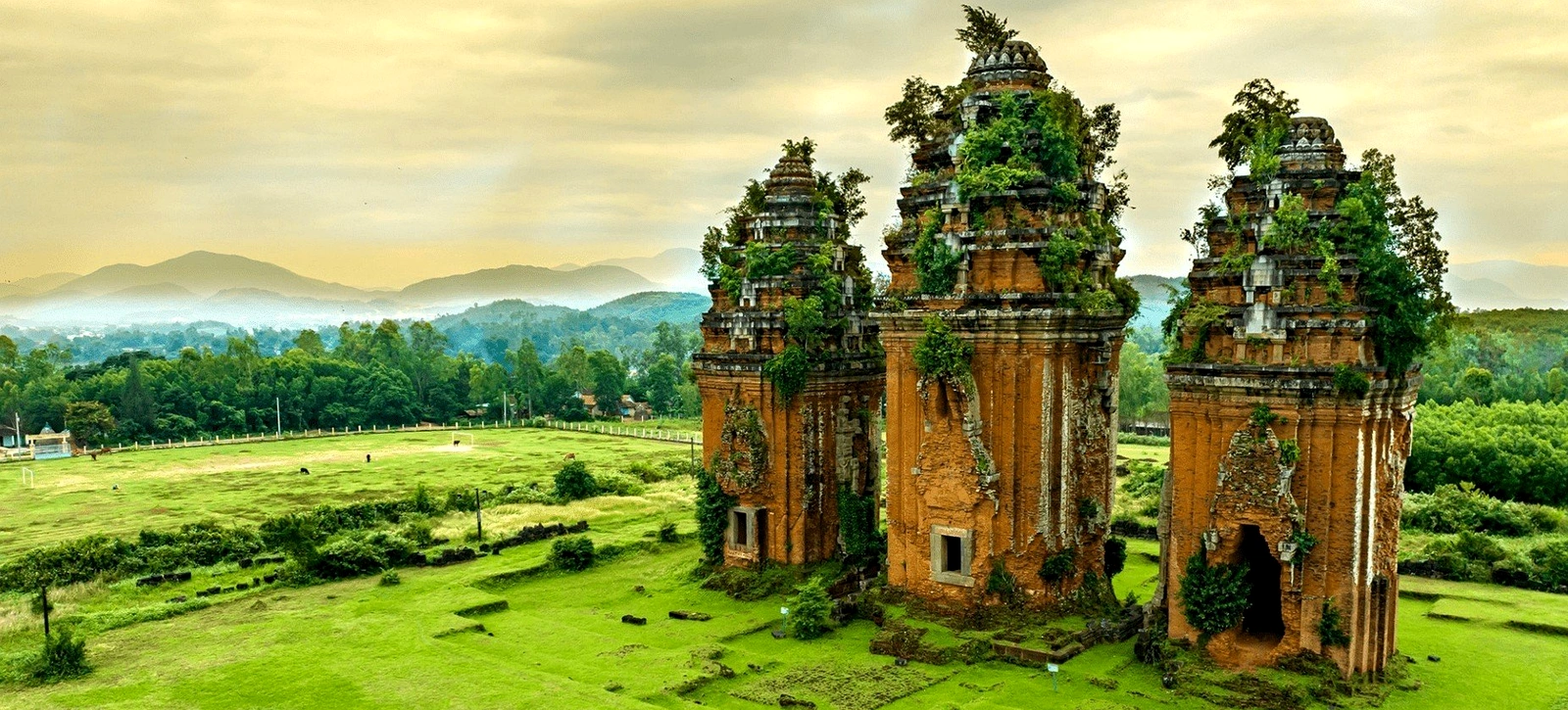
Upon arriving in Tuy Hoa City, the very first sight that captivates every visitor is Nhan Mountain rising boldly beside the tranquil Ba River, concealing a thousand-year-old Champa architectural masterpiece. The journey to conquer Nhan Tower begins on a crisp, fresh morning as the first rays of sunlight scatter gold across the winding stone steps leading to the summit. The shaded footpath ushers travelers away from urban bustle into a tranquil sanctuary scented with wild foliage and salty sea breezes wafting in from distant O Loan Lagoon and Xuan Dai Bay. Climbing at a leisurely pace while listening to birdsong echoing through the canopy, visitors feel as though they are stepping back in time, reconnecting with historical roots and the pristine cultural spirit of a glorious era.
Upon ascending the final steps to reach the summit, a sudden sense of awe washes over every visitor. Before your eyes rises the imposing ancient tower, soaring into the deep blue sky with the subdued crimson of mortarless, tightly fitted fired bricks. The very moment your hand touches those moss-covered brick walls, a profound, moving stillness envelops the space. Standing inside the sacred interior of the square Kalan tower, where fragrant incense smoke curls gently upward, visitors pay heartfelt homage to Goddess Thien Y A Na—the sacred Mother of the Land who has watched over and safeguarded peaceful lives and favorable weather for generations of Viet and Cham residents. Distant temple bells mingling with the slow rhythm of your own breathing lighten the spirit, melting away everyday worries to make room for deep inner peace.
Stepping out of the serene spiritual sanctuary to gaze into the distance, visitors are left marveling at the breathtaking natural canvas of Xu Nau. From the peak of Nhan Mountain, the entire panorama of vibrant, youthful Tuy Hoa City unfolds before your eyes. The Ba River winds gracefully like a silver silk ribbon embracing fertile villages, while in the distance the legendary Da Rang Bridge stretches across emerald waters, and along the horizon a curving coastline hugs golden sands gleaming in the morning sun. If you have the chance to take a boat ride along the lower Ba River in the late afternoon, you can witness a dazzling sunset bathing the ancient Nhan Tower in gold—creating a deeply romantic scene that lingers forever in the memory of anyone fortunate enough to visit.
An exploration of Nhan Tower would be incomplete without a delightful culinary journey sampling Phu Yen’s celebrated local specialties. Right at the foot of the mountain and along neighboring streets, the mouthwatering aromas of iconic dishes invite travelers to pause and indulge. It would be a major oversight to miss steamed ocean tuna eyes with Chinese herbs—fragrant and rich with the taste of the sea—or a steaming bowl of chive noodle soup (banh canh he) topped with chewy, sweet fish cakes brimming with hometown warmth. Enjoyed amid the breezy atmosphere of the land of “yellow flowers on green grass,” these rustic Central Vietnamese dishes taste richer and more unforgettable than ever, rounding out a vivid and rewarding experience at the sacred Nhan Tower relic.
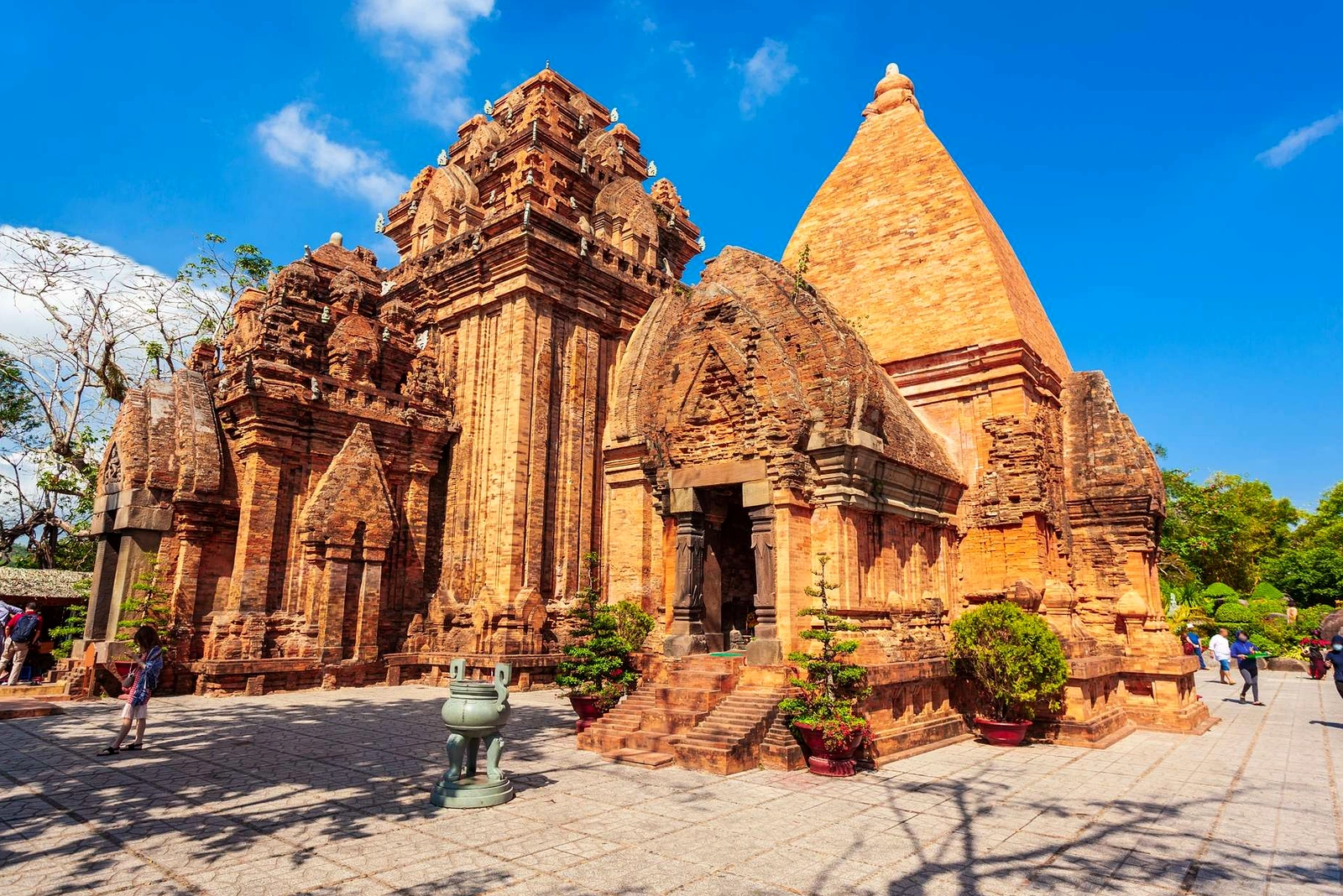
Nhan Tower is one of the few intact Champa architectural relics remaining along Vietnam’s South Central Coast, drawing large numbers of domestic and international visitors alike. To ensure a seamless and rewarding journey exploring this historical and cultural icon of Phu Yen, equipping yourself with practical information on opening hours, ticket prices, transportation, and etiquette guidelines is essential.
Regarding operating hours, the Nhan Tower historical site welcomes visitors every day of the week, including public holidays and Tet (Lunar New Year). Visiting hours typically run from early morning around 07:00 until late evening around 22:00. Travelers can freely choose a time slot that suits their personal itinerary without worrying about admission fees, as the site management board currently offers completely free admission for all visitors.
In terms of transportation and routes, because the tower is located right atop Nhan Mountain along the Ba River in central Tuy Hoa City, getting there is remarkably convenient. From downtown hotels or starting points, visitors can easily reach the site by motorbike, car, or taxi within just 5 to 10 minutes. The most optimal route follows Le Duan Boulevard, turning onto Tran Hung Dao Street or crossing the old Da Rang Bridge, then heading straight toward Nhan Mountain Park. From there, a winding, tree-lined paved road leads vehicles directly up to the summit area where the majestic tower stands.
The best time of day to visit Nhan Tower is late afternoon, when the setting sun bathes the city and the tranquil Ba River in warm golden hues. Visiting after dark offers a completely different spectacle, as Nhan Tower shines brilliantly under artistic illumination while cool breezes drift in from the river and sea. Looking at the annual calendar, the dry season from the first to the eighth lunar month—characterized by dry weather and sunny skies—provides the most ideal conditions for sightseeing and photography.
Because Nhan Tower is not merely an ancient architectural monument but also a sacred spiritual sanctuary tied to the community’s worship of Holy Mother Thien Y A Na, visitors are asked to observe proper dress codes strictly. Specifically, guests should dress modestly and respectfully, avoiding overly short or revealing attire when entering the interior chamber of the tower. Additionally, since the terrain around the tower features numerous stone steps and elevated pathways, wearing flat shoes or comfortable sneakers is recommended for easy walking, uphill climbing, and safety throughout your visit.
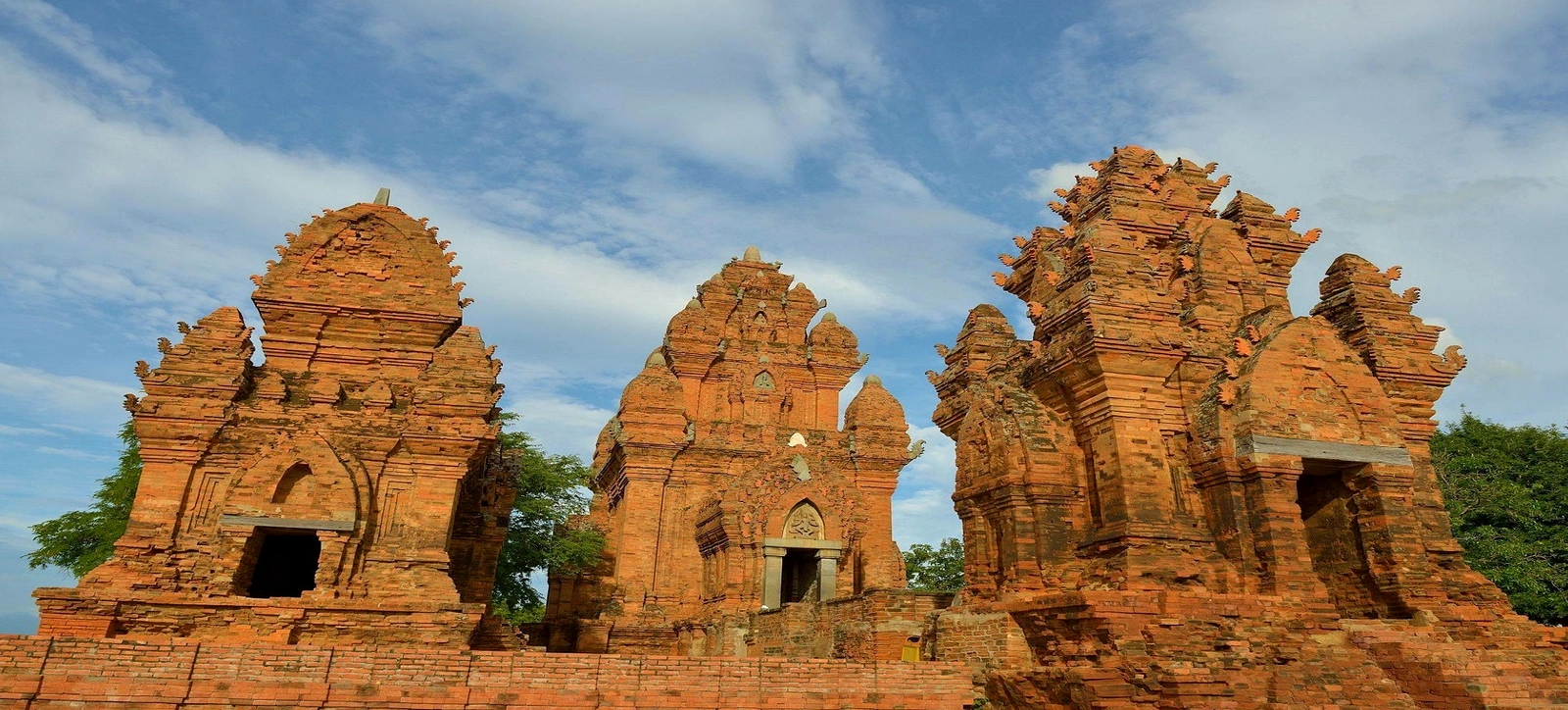
To enjoy a hassle-free getaway and admire the full splendor of Nhan Tower without worrying about arranging transportation, booking tickets, or planning itineraries, travelers can opt for VDS Travel’s premier all-inclusive Phu Yen tour packages. Every itinerary is thoughtfully designed to optimize photo opportunities at the most radiant times of day, accompanied by knowledgeable local guides and top-tier hotel and dining standards.