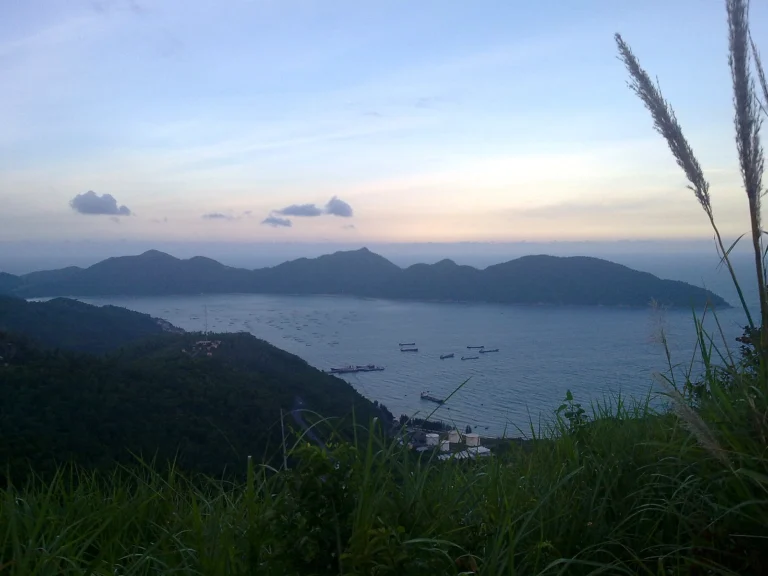
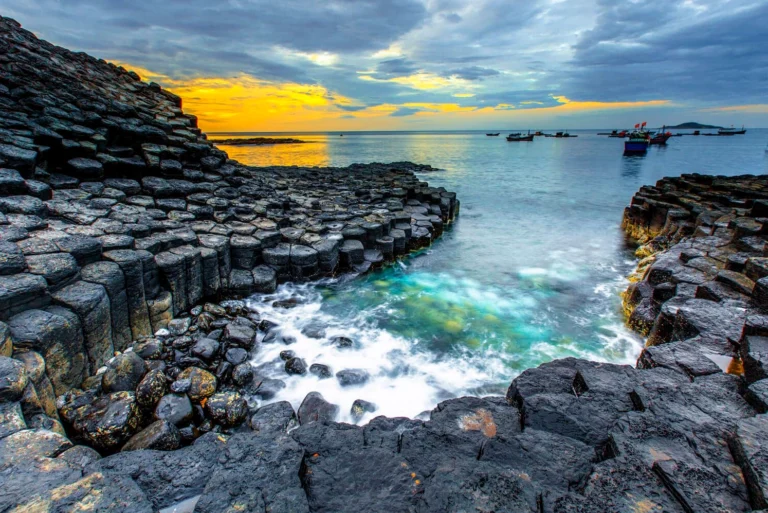
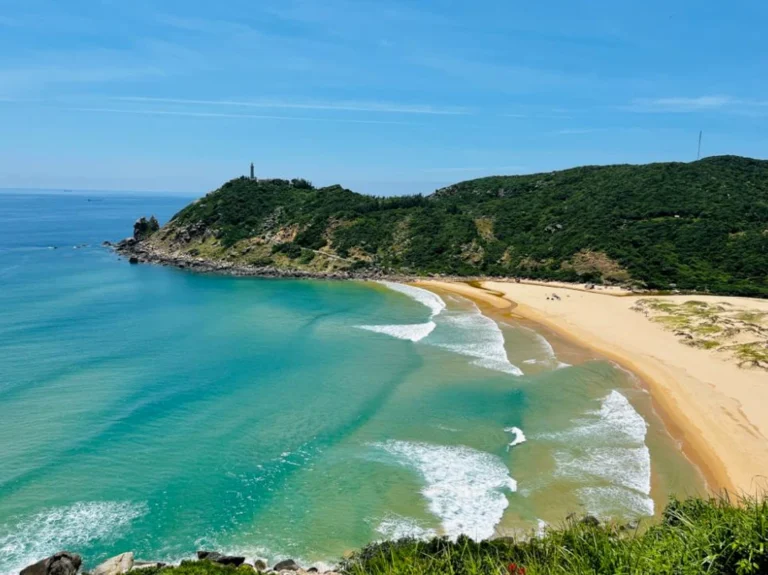
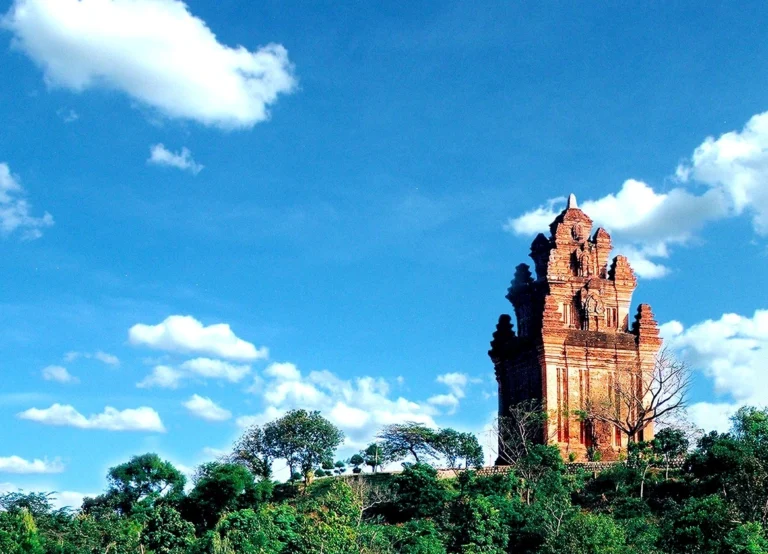
Stretching along Vietnam’s sun-drenched and windswept central coast, Bai Xep in An Chan Commune, Tuy An District, Phu Yen Province stands out as a singular destination uniting pristine natural beauty with centuries of cultural and historical depth. Viewed through the lens of geology and feng shui, this coastline is a tectonic marvel sculpted by time. It boasts an auspicious “mountain-backed, water-facing” terrain, where dramatic black basalt cliffs—remnants of volcanic eruptions from millions of years ago—reach outward to cradle a crescent of fine golden sand. The delicate harmony between the deep blue ocean, rolling emerald grasslands, and sheer sedimentary rock faces creates an extraordinary landscape that is at once untamed and majestic, yet poetic and romantic, captivating both geological researchers and heritage travelers alike.
In terms of historical origin and formation, the naming and settlement of Bai Xep are closely tied to major territorial shifts in Dai Viet history across different eras. Prior to the 15th century, this region belonged to the vibrant Champa cultural sphere, leaving behind layers of archaeological relics beneath the soil and moss-covered boulders. A pivotal turning point arrived in 1471, when King Le Thanh Tong led a southern expedition, paving the way for Vietnamese settlers from Thuan Hoa and Quang Nam to migrate south, reclaim land, and establish villages. By 1611, under Lord Nguyen Phuc Nguyen, the establishment of Hoai Nhon Prefecture and its administrative garrison formally brought Phu Yen onto the central administrative map. The name “Bai Xep” (or “Bai Xep” in the local Xu Nau dialect) stems directly from the area’s distinctive topography; here, “xep” refers to a narrow strip of sandy beach wedged between two massive rocky headlands or a natural geological depression, forming a secluded sandy cove sheltered from the outside world.
Through the historical upheavals of the Tay Son and Nguyen dynasties, Bai Xep served not merely as a coastal stopover, but as a testament to the enduring resilience of seafaring communities. Founding ancestors from prominent clans such as Nguyen, Le, Tran, and Phan arrived here to establish hamlets, transforming wild coastal stretches into thriving fishing villages while preserving and passing down distinctive spiritual traditions from generation to generation—most notably the worship of Nam Hai Ton Than (the Whale Deity). Furthermore, the land of An Chan and the Tuy An coastline bear the deep imprint of historical figures, patriots, and courageous sons and daughters who stood firm throughout the nation’s long struggles for independence.
Today, recognized in scientific dossiers by the Vietnam Institute of Cultural Heritage & History Research as well as across national media, Bai Xep has transcended the bounds of a local scenic spot to become a cultural and travel heritage site of national stature. Its seamless blend of million-year-old geological formations, Champa–Dai Viet cultural layers, and unspoiled ecological scenery has turned it into a shining beacon on Vietnam’s heritage tourism map. Preserving and promoting the value of Bai Xep is not simply about celebrating a unique geographic landmark; it is equally a journey of honoring the past and safeguarding the sacred soul of the land and sea for future generations.
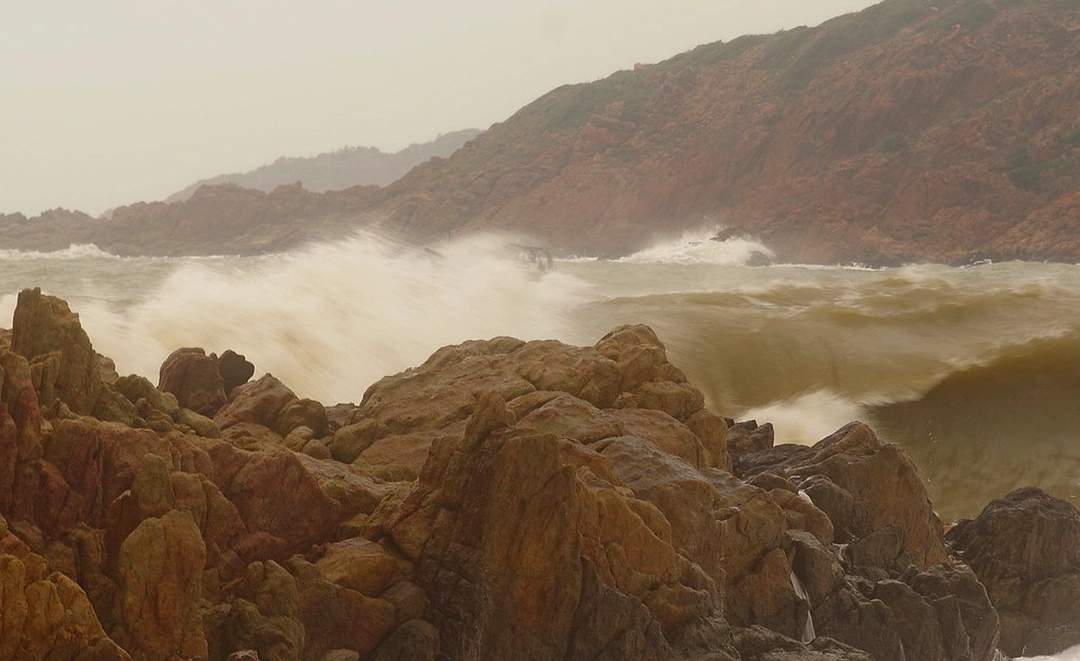
Bai Xep, a natural masterpiece sculpted along central Vietnam’s coast and nestled peacefully in An Chan Commune, Tuy An District, Phu Yen Province, unfolds as a breathtaking panorama that leaves every visitor in awe. Forged from basaltic lava flows that erupted millions of years ago, its terrain showcases a rare and striking juxtaposition: a silky, golden-hued sandy shore paired with imposing jet-black rock formations jutting boldly into the open sea. Over centuries of relentless sculpting by ocean waves and coastal winds, these basalt formations have evolved beyond sheer cliffs; nature’s invisible hand has carved them into vertical prismatic columns and stacked tiers resembling an intentional work of architectural art. The shoreline curves gracefully in a crescent arc embracing crystal-clear, jade-green waters, creating an atmosphere that is both wildly majestic and deeply steeped in cultural and historical sediment.
A defining highlight behind Bai Xep’s magnetic appeal is the lush green vegetation blanketing its red basalt hillsides, alongside sprawling groves of wild cacti swaying in the sea breeze. Standing atop the rocky headland and gazing out toward the horizon, travelers can take in the seamless union of earth, sky, and vast ocean, where white-crested waves caress the sand day and night in an endless, soothing murmur. Beyond its extraordinary natural scenery, the area preserves the rustic charm of a traditional coastal fishing village, complete with woven bamboo basket boats resting on the sand and a unhurried, tranquil pace of life that deeply moves the soul.
To capture the most unforgettable frames at this scenic landmark, professional photographers and travel journalists consistently recommend two classic photo spots you should not miss. The first check-in spot sits right on the expansive grassy meadow atop Ganh Ong, famously featured as a filming location in poetic Vietnamese cinema. From this vantage point, your lens sweeps across the entire curved coastline below, highlighting the vibrant green grass, golden sunlight, and deep blue sea. The second spot lies along the edge of the black basalt boulders right where the surf crashes, allowing you to use the towering cliff faces as a dramatic foreground to capture the dynamic motion of waves breaking against the shore. The most magical lighting for photography occurs at dawn between 5:00 AM and 6:00 AM, when the first rays of morning light pierce through a thin mist, gilding the horizon and illuminating the ancient sedimentary rocks. Alternatively, at dusk, twilight hues of amber, violet, and crimson drape Bai Xep in an ethereal, contemplative, and deeply artistic glow.

Upon arriving at Bai Xep, the very first sensation to awaken your senses is sheer wonder at the unspoiled masterpiece nature has bestowed upon Phu Yen. Far from noisy crowds, an expansive vista opens up before you, featuring a smooth crescent of golden sand cradling waters of vivid jade green. Mysterious black rock outcrops, born from volcanic eruptions millions of years ago, thrust outward into the surf, forming dramatic, angular silhouettes that feel effortlessly artistic. Standing high atop the windswept cliffs and looking out across the water, visitors breathe in the boundless beauty of the open sea, where sky and ocean merge as one—offering a rare, restorative stillness for the spirit away from the hustle and worries of everyday life.
A journey to Bai Xep would hardly be complete without immersing yourself in authentic, hands-on local experiences. Travelers can enjoy a leisurely climb up the lush green grassy hills—the very backdrop that immortalized poetic scenes of Vietnamese cinema. From the summit, wide-open views reveal carpets of tiny wildflowers dancing in the breeze against a deep blue sky, accompanied by the gentle rhythm of waves rolling ashore below. For those seeking pure relaxation, joining local fishermen on a traditional round basket boat across crystal-clear waters to admire shimmering coral reefs beneath the surface—or simply observing the unpretentious daily rhythm of coastal fishing life—offers an intimate window into maritime culture. In particular, visiting the small seaside shrine to pay respects and learn about the traditional worship of Nam Hai Ton Than (the Whale Deity) allows travelers to deeply appreciate the enduring spiritual bond between the people of Xu Nau and the open sea.
Crowning the Bai Xep experience is a culinary indulgence celebrating the renowned coastal specialties of the Tuy An region. Nothing compares to sitting by the breezy shoreline and savoring freshly caught seafood—from spicy chili-salt grilled cuttlefish and sweet steamed lobster to steaming bowls of oyster porridge fragrant with crispy fried shallots and green peppercorns. Every dish carries the rich, briny essence of the sea alongside the genuine warmth and hospitality of the people from the land of “yellow flowers on the green grass.” Surrounded by majestic nature, timeless ocean waves, and rustic coastal flavors, Bai Xep leaves an indelible impression on every traveler—a lingering fondness for a heritage destination brimming with life and poetry.
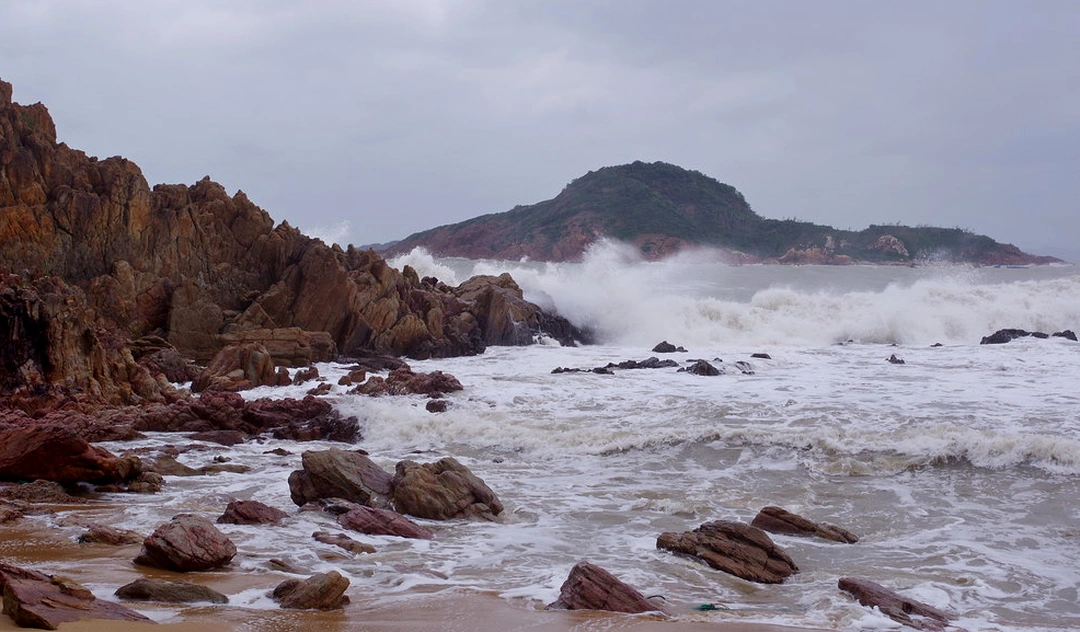
Bai Xep (Phu Yen) ranks among the most pristine and captivating natural destinations along central Vietnam’s coast, drawing travelers from near and far. To ensure a seamless and fulfilling visit, having practical information on opening hours, admission fees, and transportation tips is essential for every traveler.
Regarding opening hours, the Bai Xep scenic area welcomes visitors freely every day of the week, allowing you full flexibility to plan your itinerary without strict time constraints. However, the ideal times of day to visit are early morning from 5:00 AM to 7:30 AM to witness a radiant sunrise over the ocean, or late afternoon from 3:30 PM to 6:00 PM as sunset casts a golden glow, bringing pleasant temperatures and optimal conditions for artistic photography. As for admission costs, the natural beach area is completely free to enter. For the Ganh Ong area (the filming location of “Yellow Flowers on the Green Grass”), the local management board collects a modest environmental sanitation and landscape preservation fee ranging from 20,000 to 50,000 VND per person depending on the season.
Getting to Bai Xep from downtown Tuy Hoa City is remarkably straightforward and convenient. Located roughly 15 kilometers north of the city center, the beach is easily accessible by motorbike, private car, or taxi. The most direct route starts from the city center via National Highway 1A or the extended coastal road DT643 across An Hai Bridge, continuing straight along signposts toward An Chan Commune, Tuy An District. Traveling by motorbike is especially popular, as it lets you cruise past rows of lush green casuarina pines, pass tranquil seaside fishing villages, and breathe in the crisp, salty breeze of central Vietnam’s coast.
Once at Bai Xep, the terrain consists primarily of soft sand combined with weathered, uneven basalt cliffs and grassy slopes along the headland. Visitors should therefore wear athletic shoes with good grip or sturdy outdoor sandals to climb and explore the rocky outcrops safely without slipping. Additionally, because the area houses sacred coastal shrines such as the local fishermen’s temple dedicated to Nam Hai Ton Than, guests are advised to dress modestly, neatly, and respectfully when entering spiritual spaces. Finally, please adhere strictly to environmental protection guidelines and refrain from littering so that the untamed, sustainable beauty of this natural wonder remains intact for years to come.
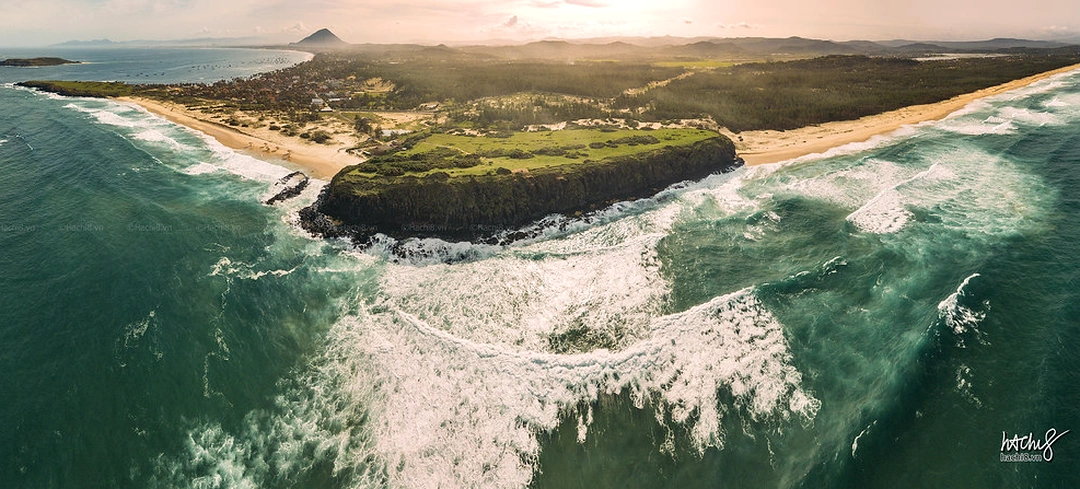
To enjoy a seamless getaway and experience the full splendor of Bai Xep without worrying about transportation, entrance tickets, or itinerary logistics, travelers can choose from VDS Travel’s premium all-inclusive Phu Yen tour packages. Each itinerary is thoughtfully timed to capture the scenery at its most radiant moments, accompanied by knowledgeable local guides and top-tier hotel and dining standards.