In stark contrast to most traditional trading spaces in Taiwan—which typically emerged from religious gatherings around temple courtyards or trading posts established during the Qing Dynasty and the Japanese colonial period—the birth of Fengjia Night Market (逢甲夜市) carries the unique DNA of a spatial marvel. It was not the product of top-down urban planning by central or local authorities, but rather the result of an organic historical fusion between modern Taiwan’s expansion of higher education and the spontaneous boom of urban commercial strips. The geographical roots of this area trace back to a fertile yet untamed rural expanse bordering ancient indigenous settlements and pioneering farmlands in Taichung’s Xitun District—specifically, the outer buffer zone of the renowned Litoudian reclamation area.
The historical turning point that shaped the destiny of this land occurred in 1961—the 50th year of the Republic of China—when a group of prominent intellectuals and philanthropists from central Taiwan united to establish Feng Chia College of Engineering and Business, the predecessor of today’s Feng Chia University. At the time of its groundbreaking, the campus was sited in Fuxing Village, Xitun District—then a desolate stretch of wild fields overgrown with year-round reeds and sparsely populated. The name “Fengjia” (Feng Chia) was chosen to bind the institution—and eventually an entire nocturnal culinary paradise—in deep tribute to and commemoration of the heroic anti-Japanese resistance leader and renowned poet Qiu Fengjia (丘逢甲). He stands as a poignant symbol of the tragic resistance movement of 1895, when Taiwan was ceded by the Qing court to the Empire of Japan under the Treaty of Shimonoseki.
Once the college officially opened its doors and gradually evolved into a powerhouse multidisciplinary university, the area surrounding the campus gates at the intersection of Wenhua Road and Fuxing Road began undergoing a dramatic transformation. From the late 1970s into the 1980s, propelled by the momentum of the economic miracle in Taiwan alongside a surging student population, a massive wave of out-of-town residents and migrant workers poured into Xitun District in search of rental housing. This rapid demographic influx created immense pressure, driving the conversion of traditional farmland into tightly packed rows of residential shophouses interlaced with narrow, organically formed alleyways.
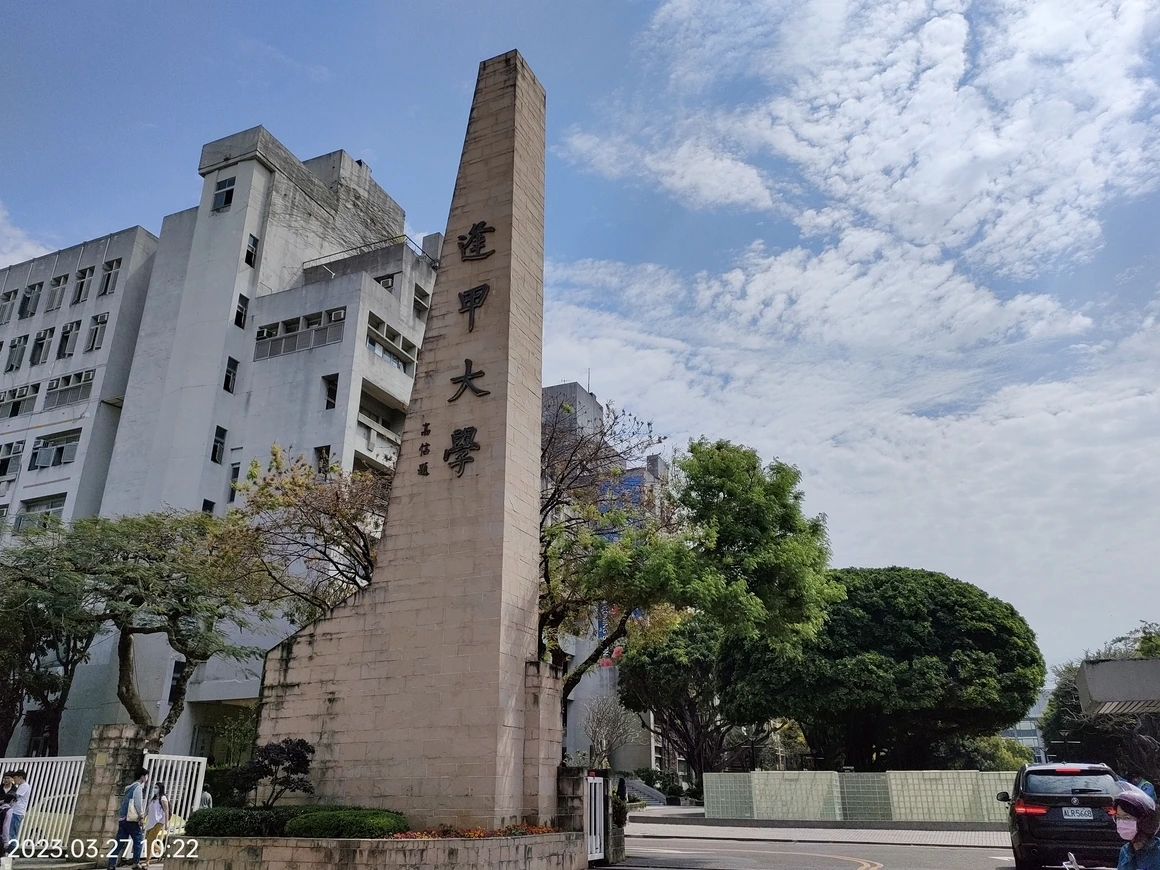
By the 1990s, the scale of this commercial district had far outgrown its modest origins as a student-oriented market. It began extending its commercial tentacles outward, absorbing and assimilating major thoroughfares such as Fuxing Road, Fengjia Road, Section 2 of Xitun Road, and Qinghe Street. This spatial expansion—unfolding in a fishbone and grid-like pattern—forged a colossal, multi-tiered commercial ecosystem. It officially cemented Fengjia’s status as the largest night market in Taiwan by both physical area and revenue, turning it into a living legend of changing times and fierce community vitality.
Viewed through the dual lenses of traditional feng shui and urban spatial topography, Fengjia Night Market occupies an exceptionally auspicious geographical position where the gentle eastern slopes of the Dadu Plateau (大肚台地) meet the lowland depression of the Taichung Basin. In terms of macro-topography, feng shui masters identify the Dadu Plateau as the primary “dragon vein,” while the Fengjia area rests squarely upon the residual energy of a flatland dragon acupoint. The terrain naturally slopes downward from northwest to southeast, creating a gentle incline that channels vital energy. Historically, both subterranean and surface waterways followed this natural gradient toward the southeast. Although modern urbanization has blanketed the ground in thick layers of concrete and asphalt, the underlying geological structure still preserves a subterranean microclimate with hidden watercourses, fostering a distinctive ecological balance within this urban basin.
Beyond natural topography, the spatial evolution of Fengjia Night Market exemplifies a site-selection model radically different from that of other traditional markets across Taiwan. Rather than anchoring itself to feudal institutions of authority—such as ancient temples, magistrate offices, or administrative centers—Fengjia’s birth and prosperity are bound to what urban researchers term a “campus gravitational field.” Feng Chia University acts as the tranquil nucleus at the center, encircled by a dynamic traffic network comprising Wenhua Road and Fuxing Road, which interlace like annular meridians. The market’s lifeblood and flourishing economy do not stem from religious rituals, but are continuously and directly nourished by the high-frequency consumption habits of a youthful student body. It is precisely this gravitational pull of young intellectuals that has sculpted a self-governing, energetic economic zone with enduring resilience across generations.
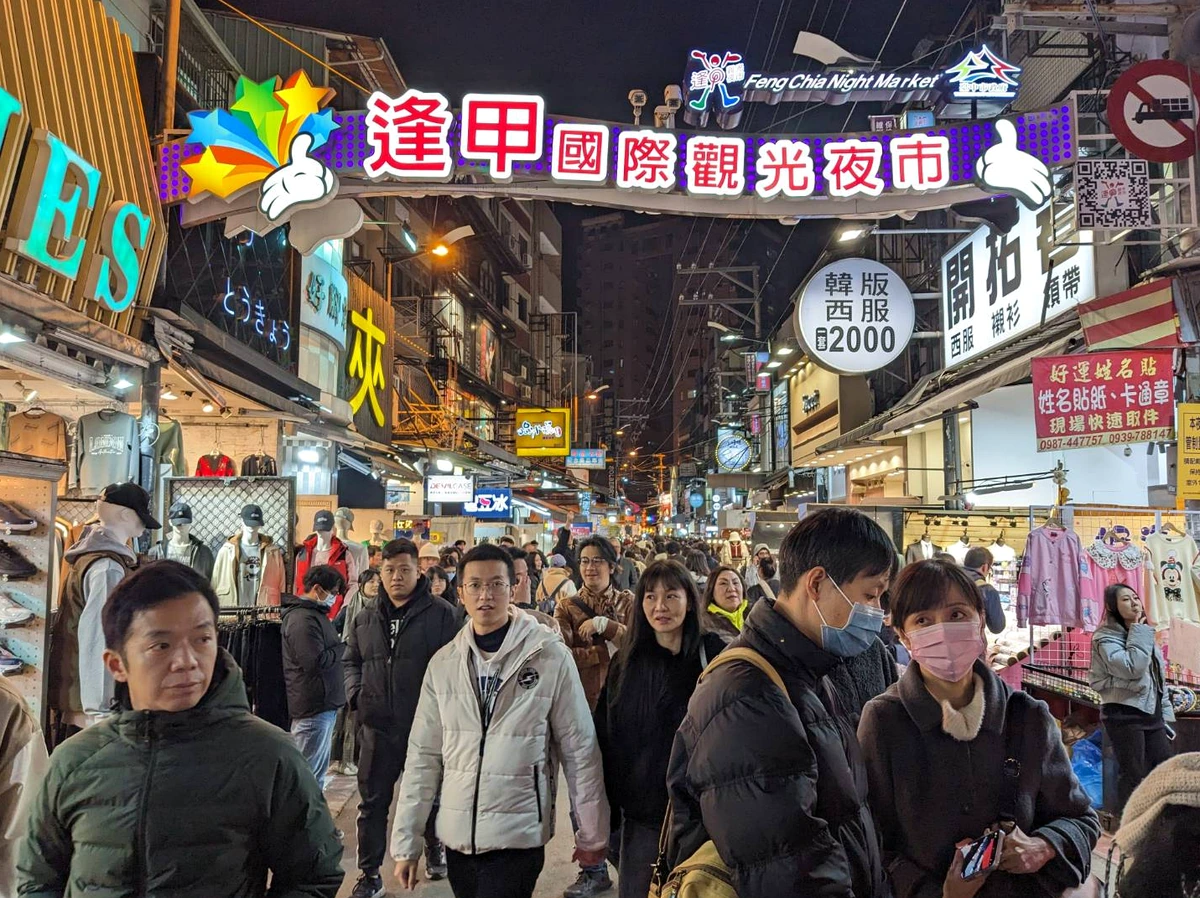
In terms of micro-planning, Fengjia’s spatial fabric bears the unmistakable imprint of early rural footpaths that were gradually paved and upgraded. The alleyway network here is remarkably narrow, mostly ranging between 3 and 6 meters in width, crisscrossing into an intricate pedestrian-only labyrinth. This deliberate compression of transit space not only maximizes accessibility for street carts and compact storefront stalls, but also produces a captivating visual effect. The enclosed, tightly packed spatial density generates a natural sense of abundance and bustling energy, immersing every visitor who steps inside in an intoxicating spectacle of vibrant prosperity. Narrow lanes paired with dense human foot traffic transform every square inch into a lively commercial arena—a place where spontaneous urban design reaches its pinnacle of community cohesion and sensory optimization.
Stepping into Fengjia Night Market (逢甲夜市) in Taichung is far more than a culinary stroll; it is an expedition to decode one of Taiwan’s most remarkable marvels of urban anthropology and self-generated architecture. Unlike formal, academically planned spaces, Fengjia stands as a vivid archetype of “hybrid self-built housing” (混血自力造屋)—where the breakout force of free-market commerce has molded a deeply dynamic, highly adaptable spatial structure infused with the spirit of postwar urban dwellers.
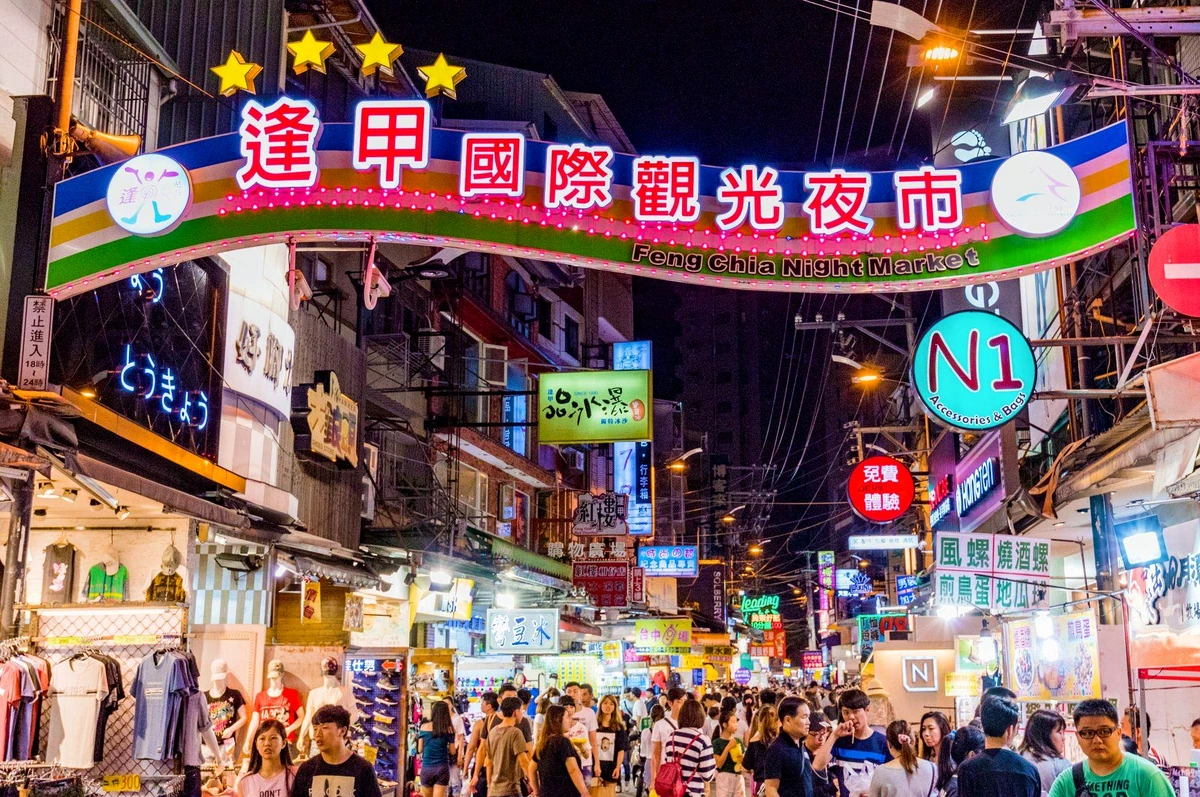
Architecturally and chronologically, the vast majority of buildings here are products of post-World War II urban expansion, bearing the hallmarks of Taiwanese vernacular construction with reinforced concrete post-and-beam frames paired with reinforced brick walls. Most of these shophouses are between thirty and fifty years old. Faced with intense demand for both living and commercial space, Fengjia’s architectural genius lies not in classical colonnades or ornate carvings, but in a philosophy of maximizing land-use efficiency to its absolute limit. Local families executed radical spatial transformations: ground floors were stripped entirely of front facade walls and fitted with modern roller shutters and floor-to-ceiling tempered glass to showcase merchandise, while upper stories were flexibly partitioned into rental apartments catering to the massive student population of neighboring Feng Chia University.
The district also showcases a masterful synthesis of private and public space. Countless vendors have ingeniously utilized covered sidewalk arcades (騎樓) or extended legally permissible private open spaces using lightweight steel frames and corrugated roofing, creating an intricate yet hyper-functional “market within a house, house within a market” layout. Shaped by the ingenuity of local residents, every inch of land becomes a commercial frontage, blurring the rigid boundary between private domestic architecture and the public life of the city street.
In terms of sheer physical scale, Fengjia Night Market boasts statistics that astonish urban researchers. Its core commercial zone spans over fifteen hectares, and when factoring in the entire surrounding commercial belt, its total footprint approaches thirty hectares. Within this vast expanse, between 1,500 and 2,000 stalls and retail businesses operate continuously, turning the district into a sleepless megasite of consumption and culinary innovation.
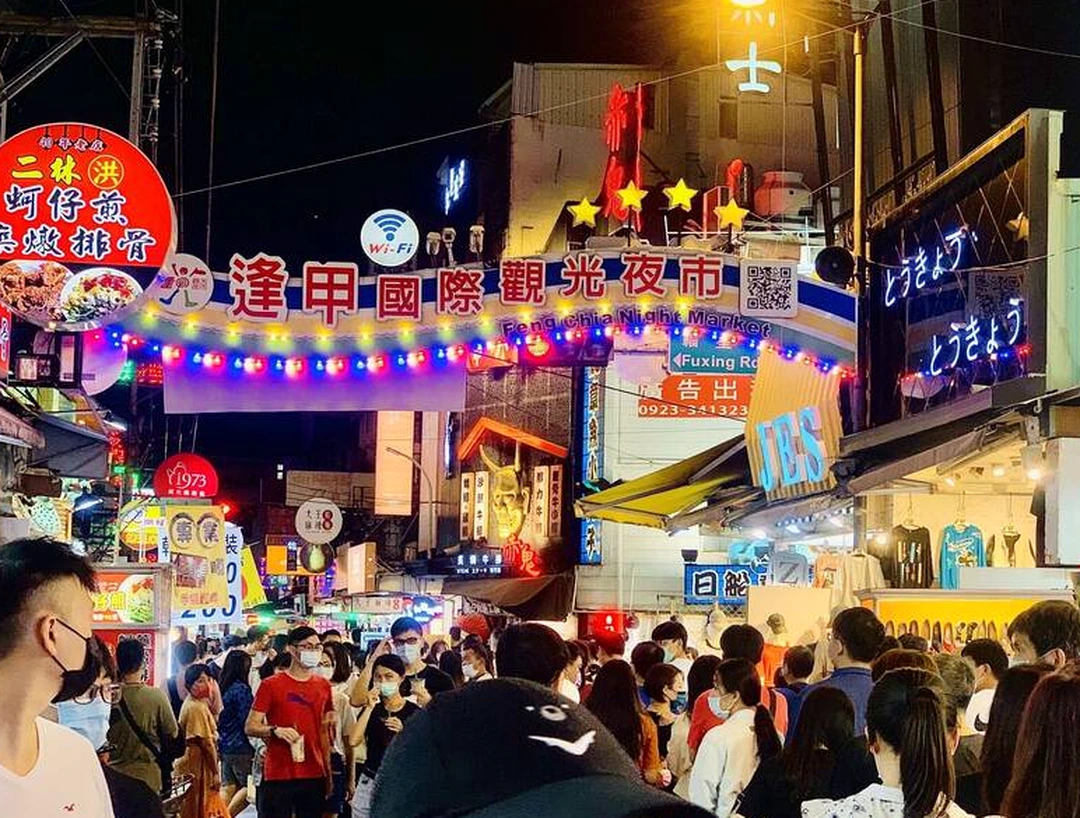
To keep pace with dizzying market turnover—where food and fashion trends can pivot within a single season—Fengjia’s material palette is engineered for maximum agility. Vernacular builders and vendors favor lightweight modern materials such as stainless-steel prep counters, eye-catching acrylic signage, energy-efficient LED illuminated lettering, and synthetic polycarbonate (PC) roofing panels. Thanks to this modular approach, entire stall structures can be dismantled, relocated, or reconfigured within a matter of hours once the night winds down or whenever a business model evolves, sustaining the vibrancy, adaptability, and perpetual commercial flow of one of central Taiwan’s most prosperous landmarks.
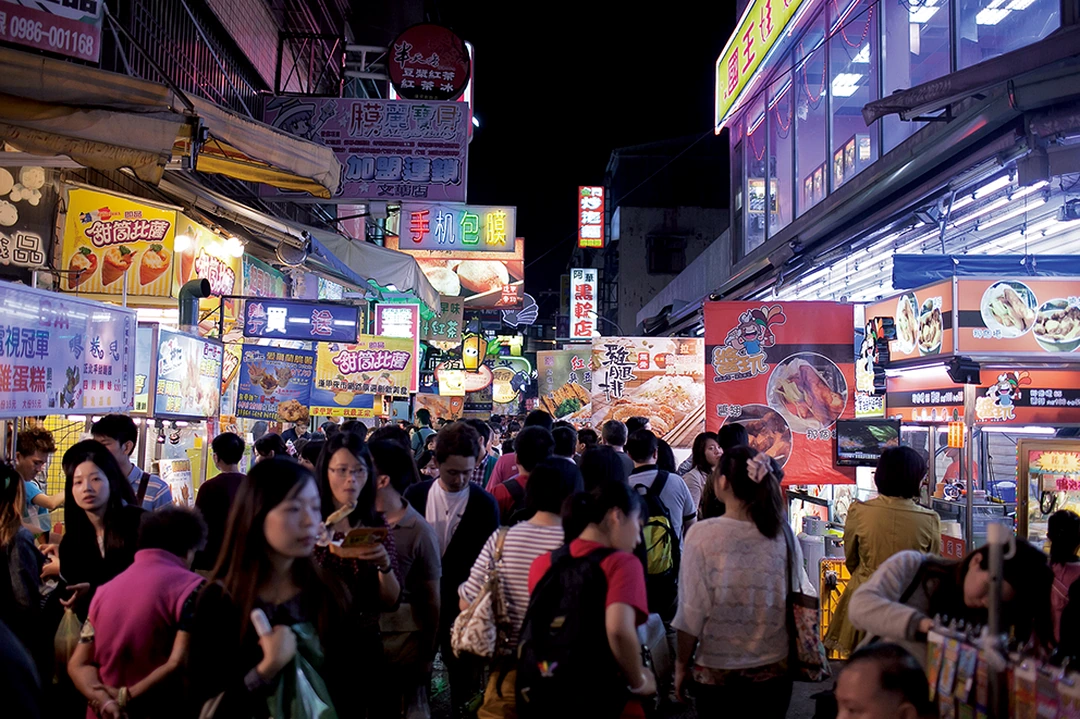
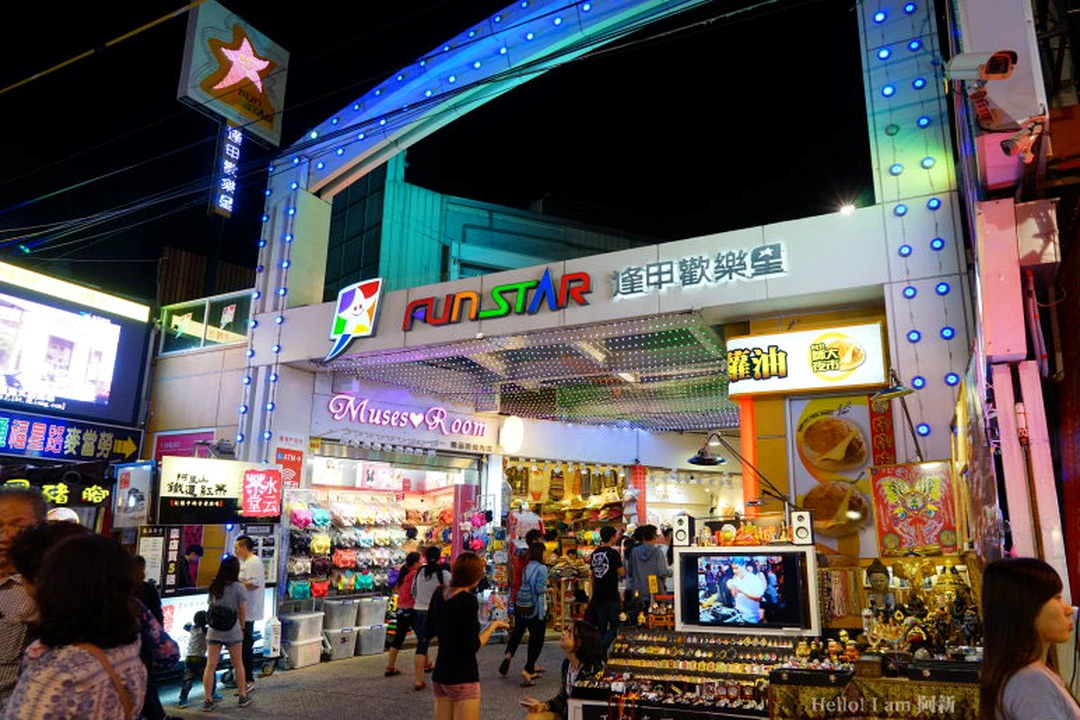
When night falls and the last evening clouds yield to Taichung’s darkening sky, Fengjia Night Market (逢甲夜市) transforms into a colossal live-action theater where the boundary between contemporary visual art and everyday life dissolves. Stretching from Fuxing Road to Wenhua Road, the nocturnal streetscape erupts into a high-density visual explosion—a symphony of light and color calibrated to the principles of modern visual perception. Along both sides of the thoroughfares, neon signs jut boldly into public space, while animated LED billboards and high-intensity spotlights cast an overwhelming, dazzling urban glow. Within this chromatic landscape, spontaneous urban designers have intuitively deployed high-saturation hues—crimson reds, blazing yellows, and deep cobalt blues—to stimulate visual perception and trigger a steady release of dopamine, turning every step through the market into a continuous, exhilarating sensory rush.
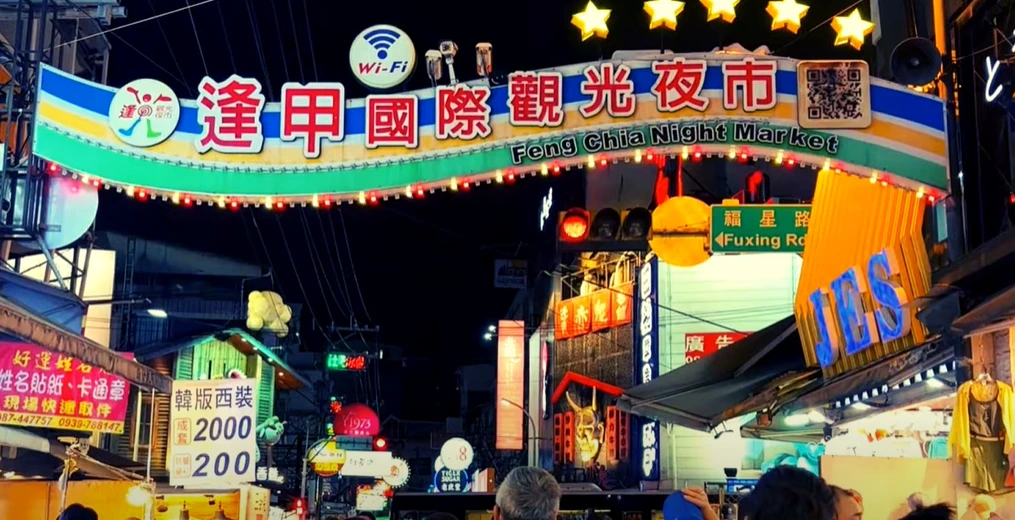
Yet this overwhelming technological brilliance finds a striking counterbalance the moment you step deeper into the winding inner lanes, most notably the area affectionately known as Bento Street (便當街). Here, the environment sheds its glossy LED veneer in favor of the warm, intimate glow of traditional halogen and incandescent bulbs rigged up by the stall owners themselves. This soft amber light illuminates plumes of steam rising from bubbling fryers and time-seasoned cauldrons of simmering bone broth, creating an atmosphere thick with human warmth. The deliberate contrast between the cool, modern lighting of main-street facades and the warm, handcrafted glow of inner alleys unintentionally shapes a multi-layered spatial experience—one where bustling congestion becomes a binding social glue, evoking a close-knit community brimming with life.
Nightlife in Fengjia extends well beyond the visual realm into a singular soundscape forged through spontaneous, high-energy street performance. Here, “everyday live-action folk performance” (常民實景演藝) finds its ideal stage through traditional hawking blended with the handheld megaphones of fresh fruit vendors and snack stalls drawing endless queues. Rehearsed into rhythmic, hypnotic cadences, vendor chants intertwine with the acoustic guitar melodies of buskers tucked against corner walls to form a rich, multi-dimensional acoustic tapestry. Laughter, the metallic clatter of cast-iron woks, distant scooter horns, and lively calls to passersby merge into an urban symphony impossible to replicate in any academic concert hall.
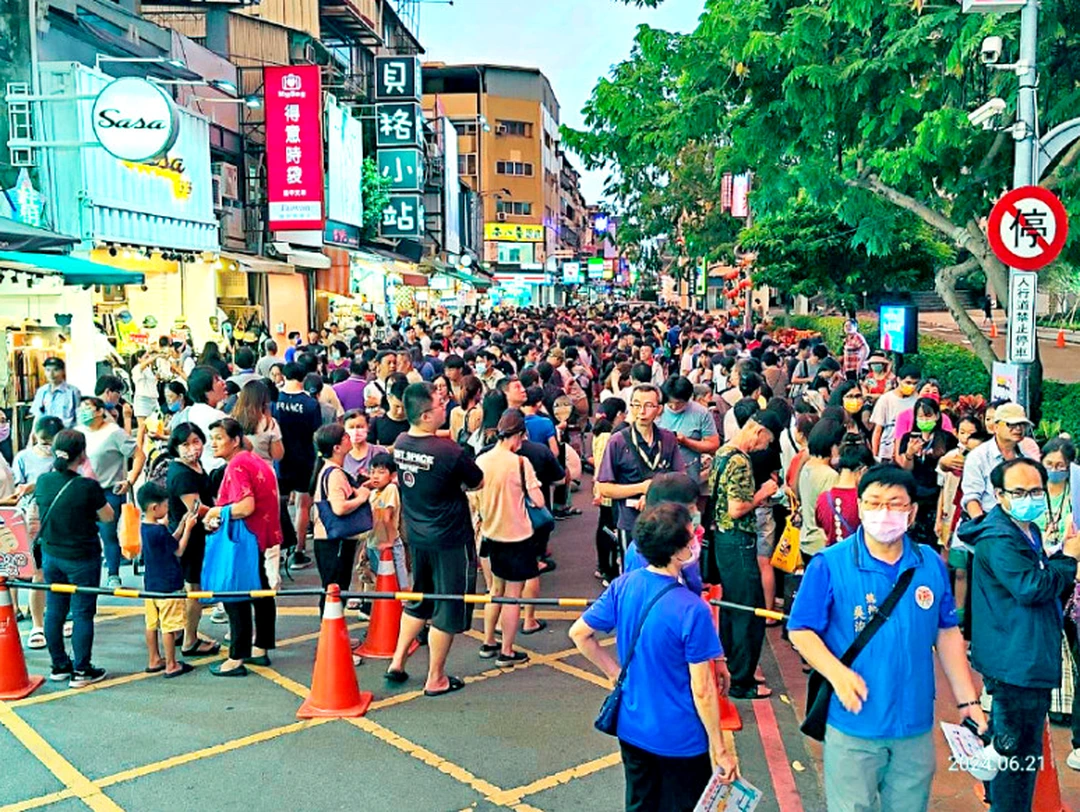
Perhaps the most striking visual signature of Fengjia’s nocturnal theater is the sight of snaking queues stretching endlessly before its most celebrated food stalls. Bathed in slanting streetlights and glowing signboards, these serpentine lines winding around alley corners inadvertently become living installations of contemporary performance art. The patient crowd itself serves as a powerful visual badge of authenticity—a living guarantee of culinary excellence that magnetizes new waves of visitors to plunge into Taiwan’s sleepless, dazzling night market culture.
If Feng Chia University lends Taichung a quiet intellectual rhythm by day, its surrounding neighborhood transforms after sundown into Taiwan’s most vibrant culinary laboratory. In the minds of seasoned food lovers, Fengjia Night Market is far more than a bustling commercial hub—it is revered as the birthplace and proving ground of modern creative Taiwanese street food. Here, the line between tradition and innovation blurs, giving rise to quiet yet fierce flavor revolutions fueled by the relentless ingenuity of generations of vendors.
No culinary map of Fengjia would be complete without Guanji Crispy Cheese Chicken Cutlet (官記酥皮芝士雞排), a true titan of Taiwanese fried chicken. The secret behind its legendary reputation lies in meticulous preparation: boneless chicken breasts are hand-selected and marinated for a full twenty-four hours in a proprietary family herbal sauce. Lightly dusted in batter, each cutlet is plunged into piping-hot oil until its exterior turns golden and shatteringly crisp. The crowning touch comes when the vendor slices a pocket into the hot meat and stuffs it generously with imported mozzarella cheese. On the first bite, the crunchy crust gives way to tender, juicy chicken and a molten river of stretchy cheese, delivering an unforgettable explosion of flavor and texture.
Just steps away stands another culinary icon etched into the memories of generations: the flagship stall of Nichifune Takoyaki (日船章魚小丸子). Adapted from Osaka’s traditional teppanyaki street snack, this octopus ball specialty was reimagined with local flair to become a signature Fengjia delicacy. Custom cast-iron hemispherical griddles heated over high flames receive a meticulously formulated batter of high-gluten flour, rich bonito dashi stock, and fresh eggs. Tucked inside the golden, aromatic shell are crunchy shreds of cabbage, mildly tangy pickled red ginger, and generous chunks of fresh, plump octopus tentacles. Finished with a drizzle of glossy teriyaki glaze and creamy mayonnaise, each piping-hot ball appears to “dance” beneath a topping of paper-thin bonito flakes swaying in the rising steam.
Your culinary pilgrimage through Fengjia would also be incomplete without sampling the famous “World’s Spiciest” feast from Guan Zhi Lin Taiwanese Sausage with Sticky Rice (官芝霖大腸包小腸). This artisanal masterpiece honors traditional charcoal-grilling craft: a juicy pork shoulder sausage—made with an ideal 70-to-30 lean-to-fat ratio from fresh, never-frozen pork—is nestled inside a steamed glutinous rice sausage that has been grilled crisp over glowing embers. Before serving, the vendor slices the rice bun lengthwise and packs it with a vibrant medley of spicy pickled mustard greens, sweet dried radish, crisp cucumber, and fragrant Thai basil. Finished with a brush of crushed garlic soy paste or house chili sauce, every bite weaves savory, sweet, sour, spicy, rich, and nutty notes together—encapsulating the soul of Taichung street food in a single handheld creation.
Exploring Fengjia Night Market’s rich culinary culture rewards a solid grasp of its daily rhythm. According to field observations by urban culture specialists, the market operates in full swing from 4:00 PM until 1:00 AM the following morning, extending to 2:00 AM on weekends and public holidays to accommodate surging crowds. For travelers or researchers keen to observe the district’s spatial architecture and daily setup up close, the ideal window to visit is between 3:30 PM and 5:00 PM, when vendors assemble their stalls and prep fresh ingredients. Conversely, if your goal is to immerse yourself in the market’s most electric atmosphere, arrive during the golden rush from 5:30 PM to 7:30 PM, when the aroma of heirloom recipes fills the air and pedestrian lanes reach peak vitality.
Getting to the heart of Fengjia from across Taichung is effortless thanks to a well-integrated public transit network. Travelers arriving via Taiwan High Speed Rail (HSR) at Taichung Station can transfer to local Taiwan Railways (TRA) trains to Taichung Main Station, then catch city buses 25, 35, or 45 straight to the Feng Chia University stop. A popular alternative among independent travelers is Ubus (統聯客運) Route 160, which runs directly from the HSR station to the university gate, eliminating transfer hassles. For those driving a rental car or riding a scooter, the smart underground parking facility beneath Fengjia Park and the Zhishan Road Multi-Story Parking Structure (至善路立體停車場) offer spacious, secure parking just a short walk from the action.
To ensure you don’t miss a single highlight of Taiwan’s largest culinary wonderland, seasoned cultural explorers recommend following a classic closed-loop walking route: start along Fuxing Road (福星路), turn into the bustling Wenhua Road (文華路) lane, continue onto lively Fengjia Road (逢甲路), wind through Qinghe Street (慶和街), and loop back to your starting point on Fuxing Road. Following this circuit lets you experience the full spectrum of stalls—from sizzling fried snacks and creative desserts to indie fashion and handicrafts—while avoiding getting lost in the dense web of back alleys characteristic of organically grown night markets.
Alongside smart routing and timing, dressing appropriately and safeguarding your belongings are essential for an effortless, enjoyable night out. Because the lanes stay densely packed—especially during peak hours—opt for lightweight, breathable clothing paired with comfortable sneakers offering good grip for hours of walking on stone-paved streets. While many vendors now accept mobile payments, carrying an adequate supply of New Taiwan Dollar cash remains a golden rule. Furthermore, to navigate tight crowds around popular stalls with peace of mind, wear your backpack on your front and keep valuables secure. And if you’d like to explore alongside knowledgeable local specialists who can unpack every historical and cultural layer of this remarkable district, check out our curated all-inclusive Taiwan tour packages designed for immersive, safe, and unforgettable travel experiences.