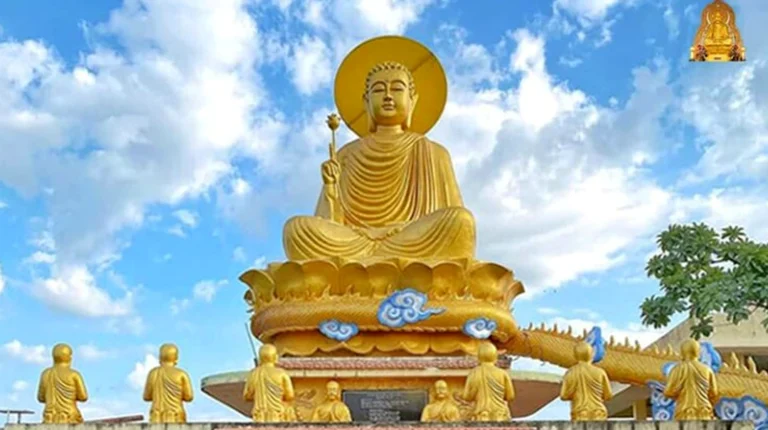
Standing proudly amidst the windswept highlands, Linh Phuoc Pagoda—affectionately known by locals as the “Ve Chai Pagoda” (Glass Bottle Pagoda)—is far more than a spiritual sanctuary; it is a one-of-a-kind architectural icon of Da Lat. Located at 120 Tu Phuoc Street in the Trai Mat area, Ward 11, this historic temple lies about 8 kilometers southeast of the City of Eternal Spring’s center. Highly regarded by feng shui experts for its elevated position, the pagoda sits nestled against rolling hills, overlooking the Trai Mat Valley—a region famous for its lush vegetable farms and the drifting mist characteristic of this foggy highland city. This geographical setting becomes even more poetic given its proximity to the Trai Mat Railway Station, creating a heritage journey that seamlessly bridges French colonial station architecture with a deeply East Asian Buddhist atmosphere.
The history of Linh Phuoc Pagoda is an inspiring, decades-long journey that began in 1949 and reached its initial completion in 1952. However, the pivotal turning point that transformed the temple into the artistic masterpiece seen today began in 1990 under the leadership of Abbot Venerable Thich Tam Vi. From that moment onward, Buddhist aesthetic philosophy merged with boundless creativity to turn the site into a living museum of porcelain and ceramic mosaic art. The nickname “Ve Chai Pagoda” does not stem from a mystical legend, but rather from a genuine spirit of repurposing and rebirth. Facing limited construction resources, the monks collected millions of shards of porcelain, ceramics, beer bottles, and broken bowls from across the country. Through the skillful hands of master artisans, these discarded fragments were breathed new life, becoming intricate dragon-and-phoenix reliefs, magnificent pillars, and delicate decorative motifs—a testament to the philosophy of turning waste into art and cherishing all things, a core tenet of Buddhism.
In terms of heritage value, Linh Phuoc Pagoda has been recognized by the Vietnam Book of Records with numerous national titles, cementing its status as one of the most architecturally unique temples in the country. From its 37-meter-tall bell tower—the highest in Vietnam—housing an 8,500-kilogram Great Bell, to the 49-meter-long dragon winding around the statue of Maitreya Buddha with scales crafted from 12,000 beer bottles, every detail here is an ode to perseverance and devotion. Most notably, the statue of Bodhisattva Avalokiteshvara made from 600,000 everlasting flowers is not only a visual marvel but also a symbol of eternal faith. Local cultural and tourism authorities consistently regard Linh Phuoc as a flagship landmark on Lam Dong’s heritage tourism map, where the majestic natural terrain of the Lang Biang highlands meets human artistry. Visitors come to Linh Phuoc not merely to worship, but to contemplate a space where history, culture, and mosaic art intertwine to form an unmistakable identity in the heart of Da Lat.
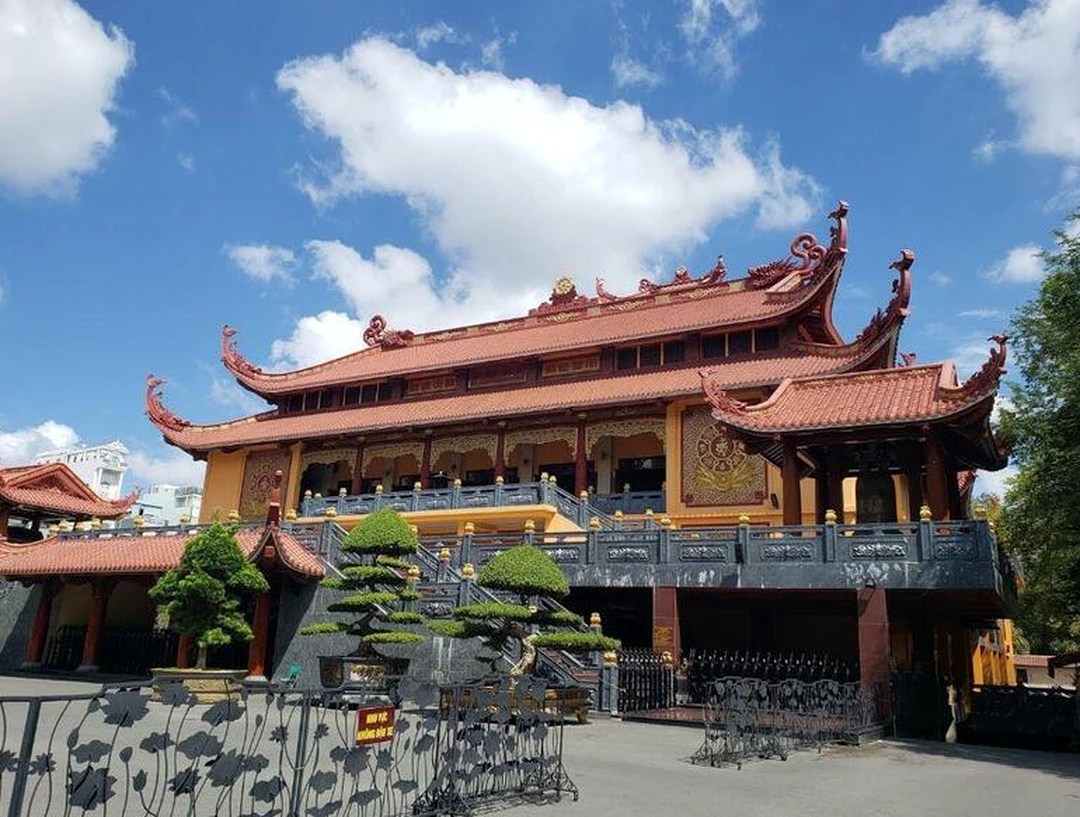
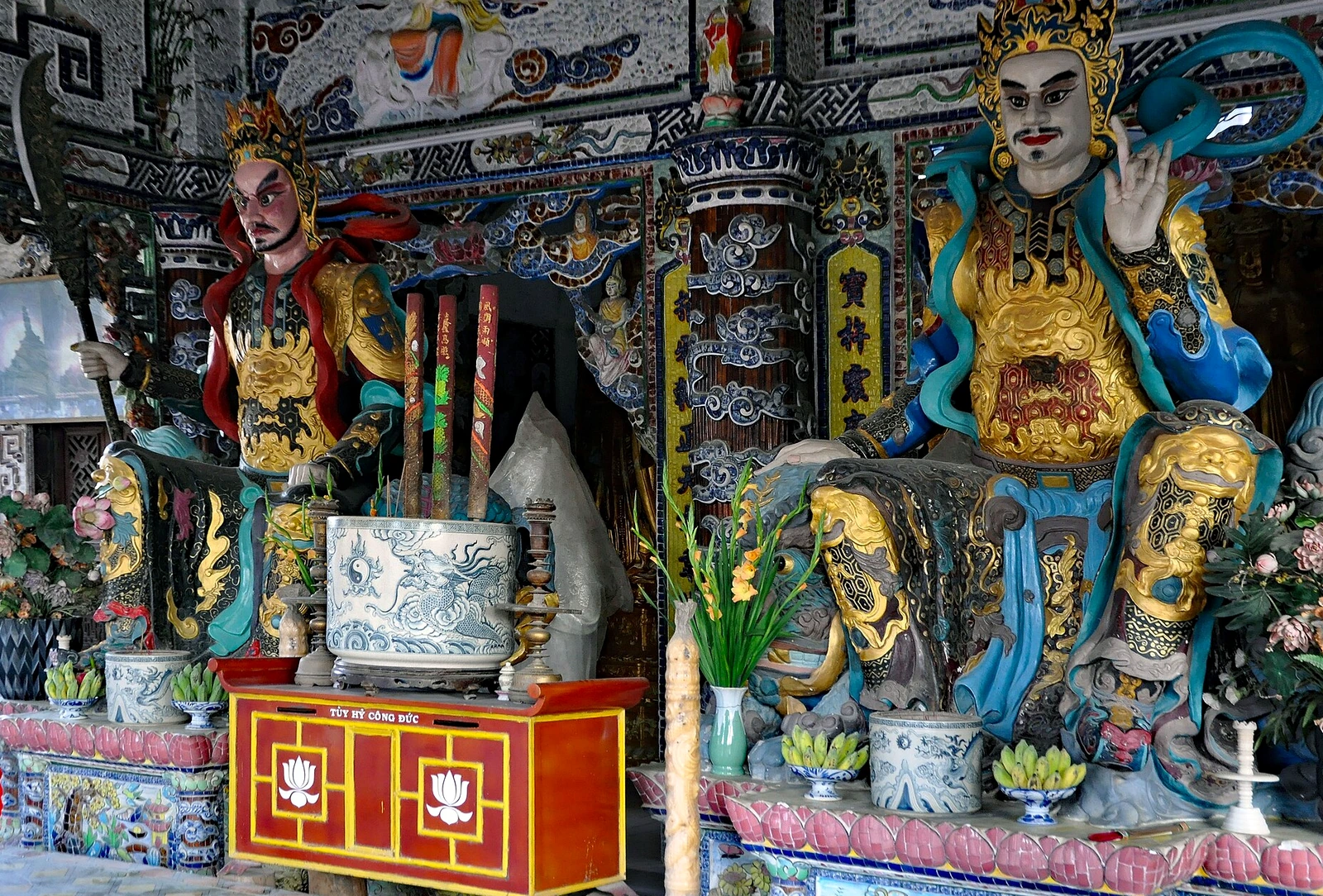
Stepping into the grounds of Linh Phuoc Pagoda, visitors are immediately captivated by an enchanting world of ceramic mosaic art, where every square meter tells a story pieced together from broken fragments. Unlike traditional ancient temples characterized by muted yellow walls or dark brown timber, Linh Phuoc emerges like a colossal mosaic painting, dazzling with color beneath the highland sun. Its architecture is a masterful fusion of Eastern sculptural art and the intricate hand-laid mosaic techniques of artisans from Hue. The winding dragon-shaped pillars serve not merely as structural supports, but as living sculptures where millions of shards of porcelain, ceramics, and broken bowls are meticulously fitted together to create shimmering scales that reflect natural light in mesmerizing ways.
The architectural centerpiece that compels every visitor to pause in admiration is the 37-meter-tall bell tower. It is not only the tallest structure on the grounds, but also a monument to patience and reverence. Inside, the atmosphere grows serene, broken only by the deep, resonant toll of the bell. Intricately carved ceramic reliefs along the tower walls narrate the life of the Buddha from his birth to his entry into Nirvana, all rendered in the medium of glazed pottery. Meanwhile, the 49-meter dragon coiling around the Maitreya Buddha statue stands as proof of extraordinary aesthetic ingenuity; using 12,000 glass beer bottles for its scales is not only an inspired act of recycling, but also produces a striking visual effect as sunlight filters through the glass, making the dragon appear as though it is gliding through mid-air.
To capture the full splendor of this “glass bottle masterpiece,” professional photographers recommend visiting at sunrise, when the first rays of morning light filter through the trees and illuminate the porcelain mosaics, casting magical, iridescent hues. The first must-shoot angle is from the front courtyard looking up toward the bell tower. From here, you can frame the tower’s imposing grandeur against a backdrop of vibrant mosaic patterns for a shot steeped in East Asian architectural flair. The second prime spot is on the second-floor bell pavilion. From this vantage point, your lens can capture close-up details of the ornate carvings along the vaulted roofs while taking in a sweeping panorama of the pagoda grounds and the distant Trai Mat Valley, where Da Lat’s signature flower farms and greenhouses create a poetic backdrop.
If you crave tranquility and want to capture frames imbued with spiritual serenity, head over to the statue of Bodhisattva Avalokiteshvara crafted from 600,000 everlasting flowers. The ideal time to visit this spot is late afternoon, when the golden sunset bathes the space in warm light, accentuating the vibrant yellow blossoms to create an aura that is both solemn and intimate. The combination of elevated terrain, Da Lat’s crisp mountain air, and painstaking craftsmanship in every architectural detail turns Linh Phuoc Pagoda into a destination meant not just for pilgrimage, but for true artistic appreciation. Every corner here, from the floral-patterned mosaic walls to the stone-paved pathways, embodies the patience and dedication of its artisans, earning its place among Vietnam’s most singular architectural treasures.
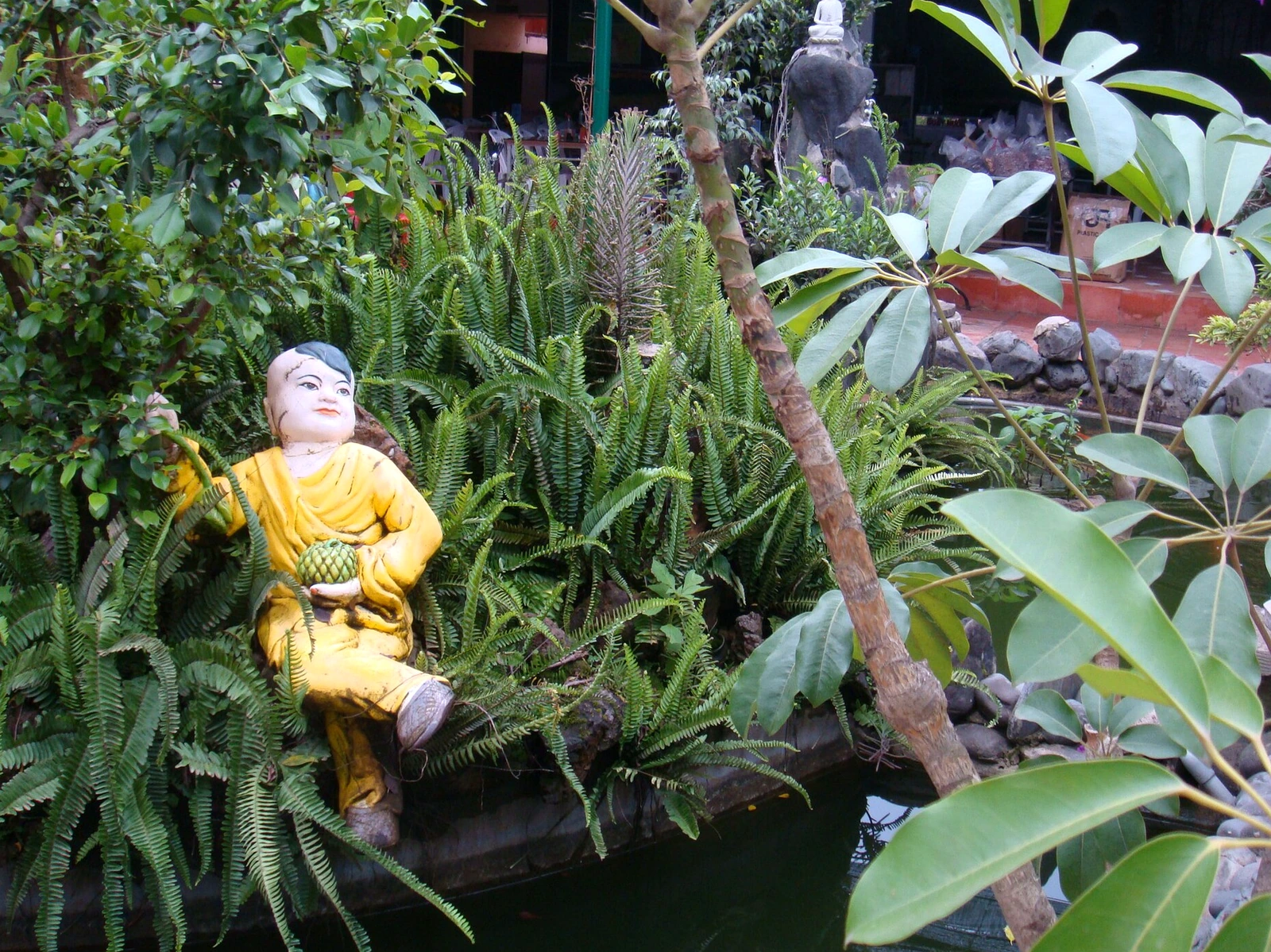
Passing through the imposing three-entrance gate, the first sensation that washes over any visitor is breathtaking awe at stepping into a living museum of mosaic art. Far from the austere, hushed atmosphere typical of centuries-old temples, Linh Phuoc radiates powerful visual energy. Beneath Da Lat’s golden sunlight, millions of broken porcelain and ceramic shards are pieced together like glittering gemstones, forming powerful, undulating reliefs of dragons and phoenixes. Standing at the foot of the towering bell tower, as the deep chime of the bell mingles with the wind rustling through the ancient pine trees of Trai Mat, you can feel a wondrous harmony between human craftsmanship and the untamed beauty of the highland landscape.
The spiritual experience here extends well beyond paying respects; it is also a journey into cultural depth. Visitors often take their time strolling along the winding path around the Maitreya Buddha statue, where the colossal 49-meter dragon made of beer bottles appears to soar through the sky. This is the moment to slow down and examine the finest details of the dragon’s scales to truly appreciate the perseverance and devotion of the artisans. For a sweeping panoramic view, climb the stairs leading up to the bell tower. From this height, the entire Trai Mat Valley—dotted with shimmering flower greenhouses—unfolds like a breathtaking natural canvas. Standing high above the ground, feeling Da Lat’s signature cool breeze while gazing at the curved temple roofs peeking through wisps of mist, will easily become the most reflective moment of your trip.
After feasting your eyes on architectural wonders, your journey continues by immersing yourself in local daily life right outside the pagoda gates. Trai Mat is home to more than just the Ve Chai Pagoda; it is also a haven for authentic agricultural experiences. You can take a leisurely stroll down to the old railway station, where vintage train cars weathered by time sit quietly awaiting passengers—a prized photo spot for capturing nostalgic, cinematic frames. Be sure to stop by the small roadside eateries to sample local specialties. A piping-hot plate of crispy banh can (mini rice pancakes) served with rich pork meatball dipping sauce, or a warm glass of soy milk in the chilly mountain air, makes for the perfect finale to your visit. The delicate sweetness of wind-dried persimmons and the fresh fragrance of newly cut garden flowers will immerse you completely in the essence of this highland region.
The sense of wonder at Linh Phuoc Pagoda stems not just from its monumental scale or record-breaking achievements, but from how the temple connects people with enduring values. Turning discarded ceramic shards into cultural heritage offers a profound lesson in reverence and renewal. Upon leaving the pagoda, visitors often carry away a remarkable sense of inner peace—not merely the satisfaction of sightseeing, but a deep resonance with a cultural space where spirituality and everyday life seamlessly blend. Whether you are a devout pilgrim seeking stillness or a curious traveler chasing one-of-a-kind beauty, Linh Phuoc has the power to stir the soul, leaving unforgettable echoes of a poetic and vibrant Da Lat.
To make your visit to the famed “Ve Chai Pagoda” as smooth and rewarding as possible, it helps to keep the latest practical details in mind. Linh Phuoc Pagoda is both a sacred place of worship and a unique museum of ceramic mosaic art, so thoughtful preparation will ensure you fully enjoy its serene atmosphere and extraordinary architecture.
Regarding opening hours and admission, Linh Phuoc Pagoda welcomes visitors daily from 7:30 AM to 5:00 PM, including weekends and public holidays. A major plus is that the temple still maintains free admission for all guests. However, as this is a sacred religious site, visitors are encouraged to leave a voluntary donation to support the ongoing preservation and maintenance of its intricate mosaic structures. Aim to visit early in the morning (between 8:00 AM and 9:30 AM) to beat the crowds, making it much easier to pay your respects and photograph iconic landmarks like the bell tower and the mosaic dragon.
For transportation and routes from downtown Da Lat, you have two great options. The most popular and scenic choice is riding the vintage train from Da Lat Railway Station to Trai Mat Station. This memorable journey lets you admire sweeping views of the valley and vibrant flower farms before arriving at the pagoda. If you prefer traveling by motorbike or private car, head along Hung Vuong Street and continue onto National Highway 20 toward Trai Mat. The route is straightforward, though narrow mountain stretches can experience localized traffic congestion during peak season, so stay alert and drive at a safe speed.
Because Linh Phuoc Pagoda is a solemn religious site, modest attire is required. Choose respectful, covered clothing such as long pants, knee-length or longer skirts, and sleeved tops. Avoid overly short, sheer, or revealing outfits out of respect for the sacred space. Additionally, since the pagoda grounds feature numerous stone staircases and multi-level viewing areas, wearing sneakers or flat shoes with good traction is a smart choice for safe and comfortable walking.
Finally, for the best photography lighting and pleasant weather, the ideal time to visit is from October to December. During these months, wild sunflowers bloom in brilliant yellow along both sides of the road leading up to Trai Mat, creating a picture-perfect landscape. If you prefer soft pink hues, January through March brings the cherry blossom season, offering another enchanting window to explore. Whenever you visit, please help keep the grounds clean and refrain from touching the delicate ceramic mosaics so this one-of-a-kind architectural treasure remains preserved for generations to come.
To enjoy a seamless getaway and experience the full splendor of Linh Phuoc Pagoda without worrying about transportation, ticketing, or itinerary planning, travelers can opt for VDS Travel’s premium all-inclusive Da Lat tour packages. Each itinerary is thoughtfully timed to capture the scenery at its most radiant, accompanied by knowledgeable local guides and top-tier hotel and dining standards.