Nesting beneath the majestic sandstone mountain ranges of the Western Cape, the history of South Africa’s wine capital traces back to resilient exploratory expeditions in the latter half of the 17th century. In 1679, Governor Simon van der Stel of the Dutch East India Company (VOC) led an expedition deep into the fertile plains embraced by the Eerste River. Overwhelmed by the lush vegetation, abundant freshwater sources, and distinctive Mediterranean climate, the Dutch governor decided to lay the foundation for the second European settlement in the Cape region, naming it Stellenbosch—meaning “Stel’s woodland.” Under the direction of the VOC, the first grapevines were rapidly rooted in the ancient alluvial soil mixed with weathered granite, transforming the area from a rudimentary outpost into a strategic agricultural and wine supply station for the vast maritime routes connecting old Europe to the mysterious trading ports of the East.
The defining milestone for the cultural depth and refined winemaking techniques of this region occurred less than a decade later. In 1688, profound religious upheavals following King Louis XIV of France’s revocation of the Edict of Nantes forced hundreds of Huguenot Protestants to flee their homeland. Nearly two hundred Huguenot refugees crossed the oceans to settle in a pristine valley not far from Stellenbosch, then still known as Olifantshoek—meaning “Elephant’s Corner” due to wild elephant herds frequently visiting to forage. Bringing along their luggage of profound cultivation knowledge, superior fermentation techniques, and an undying love for their motherland’s terroir, these French immigrants rapidly reclaimed the wild land, renaming the valley Franschhoek, which means “French Corner.” The combination of Dutch pragmatic discipline and French aesthetic perfectionism in winemaking laid the enduring foundation for the aristocratic identity of the entire Cape Winelands valley.
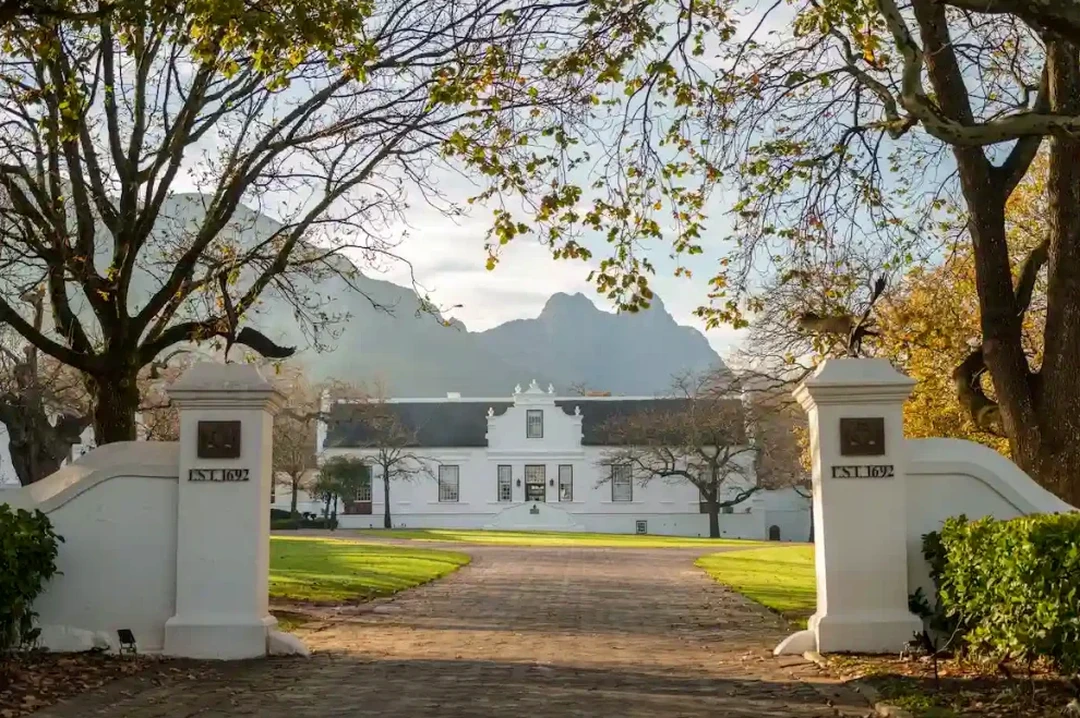
The wheel of history continued to turn with global geopolitical shifts in the early 19th century. In 1806, the British Empire officially occupied the Cape Colony to safeguard vital shipping routes against the expansionist ambitions of Napoleon’s army. Under British protection and preferential tariff agreements from London, the demand for wine exports to the British market surged dramatically, ushering in a brilliant golden age for the Stellenbosch and Franschhoek estates. Magnificent Cape Dutch architectural manors—featuring pristine whitewashed walls contrasting against dark thatched roofs and intricately curved gables—were continuously restored and expanded, becoming tangible symbols of shifting power and economic prosperity throughout the colonial era.
Despite enduring the devastating crisis of the phylloxera vine louse epidemic in the late 19th century, the resilient spirit of local agronomists ushered in a brilliant era of renaissance. In 1925, in a small experimental garden at Stellenbosch University, Professor Abraham Izak Perold—the first chair of the Department of Agronomy—conducted a historically revolutionary hybridization experiment. He cross-pollinated the prestigious, finicky Pinot Noir grape variety from France’s Burgundy region with the rustic yet drought-resilient Cinsault grape variety (known as Hermitage in South Africa at the time). Four precious seedlings survived the experiment, germinating to give birth to South Africa’s quintessential Pinotage grape variety. With its bold flavor profile hinting at wild smoke, ripe plums, and warm earth, this unique grape variety propelled Stellenbosch and Franschhoek onto the world stage as the birthplace of a national wine legacy enduring across generations.
Viewed from the continuous expanse of the ancient Cape Fold Belt, the geomorphological landscape of Stellenbosch and the Franschhoek Valley emerges like a majestic architectural installation by nature. This fertile basin nestles proudly among massive sandstone folds, where the Hottentots Holland mountain range stands towering to the east and the Drakenstein range acts as a sturdy rampart guarding the north. The undulating terrain structure intertwining rolling hills and alluvial valley floors has forged a remarkably unique microclimate basin. The steep cliff faces not only create a natural rain shadow effect protecting the plantations from harsh gales blowing from the open sea, but also cleverly trap pure moisture-laden clouds, providing ample winter rainfall to nourish all vegetation before the dry season commences.
Ruling over a region featuring a mild Mediterranean climate (Csb classification), the valley inherits a priceless gift from the interaction between land and ocean. During the grapevine growing season, the diurnal temperature range between day and night here is remarkably sharp, typically fluctuating from twelve to fifteen degrees Celsius. By day, brilliant sunshine warms the canopy, stimulating photosynthesis and natural sugar accumulation in every berry. When dusk falls, a coastal breeze named the “Cape Doctor” from False Bay winds through the spectacular Helshoogte Mountain Pass, rapidly cooling the entire valley, preventing moisture buildup, and slowing down grape ripening. This rhythm of thermal transition helps retain sharp natural acidity, creating a balanced, fresh structure and decades-long aging potential for premium wines.
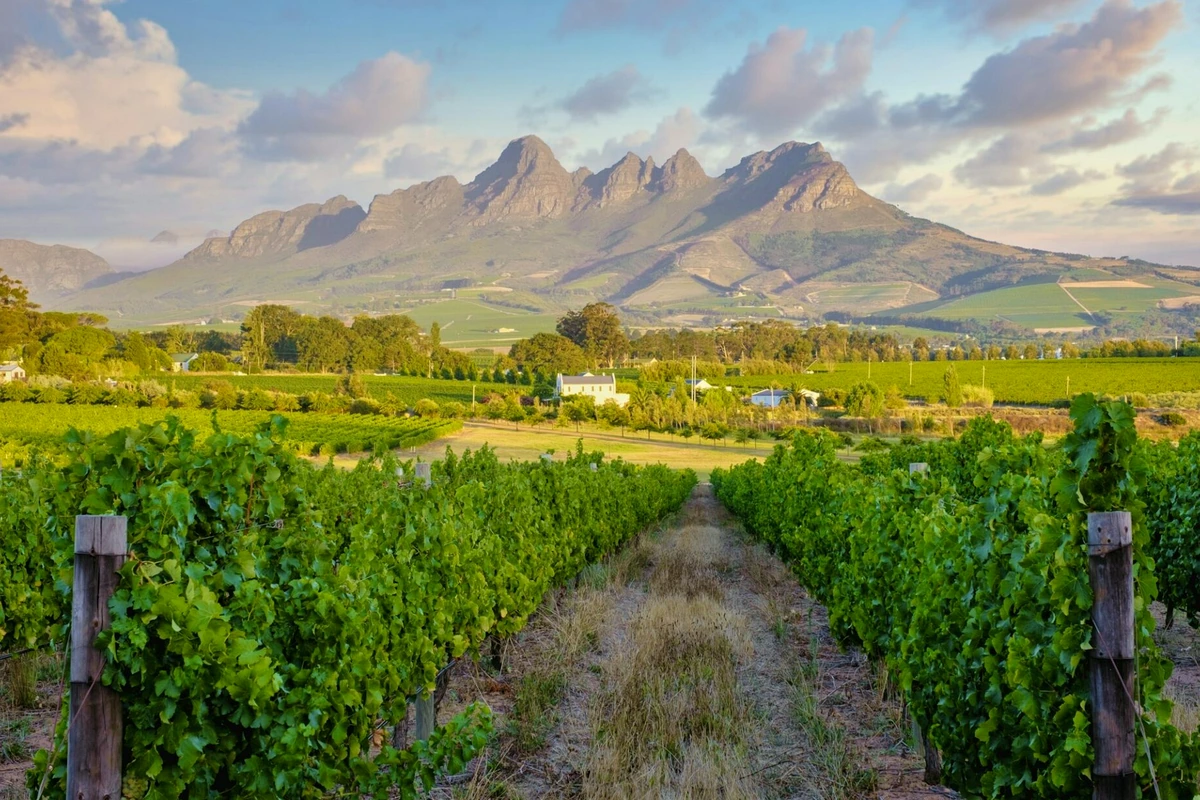
The core element breathing soul into the local terroir lies deep underground, where two of the planet’s most ancient geological systems converge: Malmesbury shale and weathered granite dating back over five hundred million years. The deep-sea sedimentary gray shale, having undergone millions of years of metamorphism, has cracked into countless thin fissures, forcing the roots of old vines to weave deep dozens of meters into mother earth in search of cool groundwater and micronutrients. Meanwhile, the higher hillslopes are replenished with iron-rich red clay soil weathered from granite, possessing exceptional surface drainage capabilities while maintaining perfect micro-moisture in the deep root zones. This complex soil interaction is the cradle producing the Chenin Blanc grape variety—also known as Steen in local parlance—with its signature floral, honeyed, and briny mineral notes, alongside the proud native Pinotage grape featuring deep ruby red color, rich tannins, and smoky black plum flavors.
Beyond agricultural techniques, the local landscape represents an exquisite harmony between human hands and the native ecosystem of the Cape Floristic Region World Heritage Site. Interspersed among endless straight rows of vines is pristine Fynbos vegetation featuring thousands of rare Protea everlasting flower shrub species. The Fynbos biome not only acts as a natural ecological purification belt attracting predatory insects to eliminate pests, but also exudes fragrant essential oils into the air, blending with the scent of oak barrels and morning dew across gentle slopes. These agricultural green patches undulating rhythmically with topographical elevation respect every groundwater vein and natural slope, establishing a sustainable estate zoning standard transmitted and enriched across more than three brilliant centuries.
In the heart of the Stellenbosch and Franschhoek valleys, where rolling hills embrace sprawling vineyards, tangible heritage shines most brightly not only in sloshing drops of wine but also in the unique Cape Dutch architectural language. Shaped over more than three centuries, the appearance of the Cape Winelands estates is a miraculous synthesis of three European cultural currents: Dutch practicality and order; German precision structural craftsmanship; and the aesthetic, graceful flair of Huguenot refugees from southern France. Under the skillful construction of Malay and Indonesian enslaved artisans during the colonial era, this cultural symphony transformed into an elegant architectural style perfectly adapted to the terroir and subtropical climate of the Cape of Good Hope.
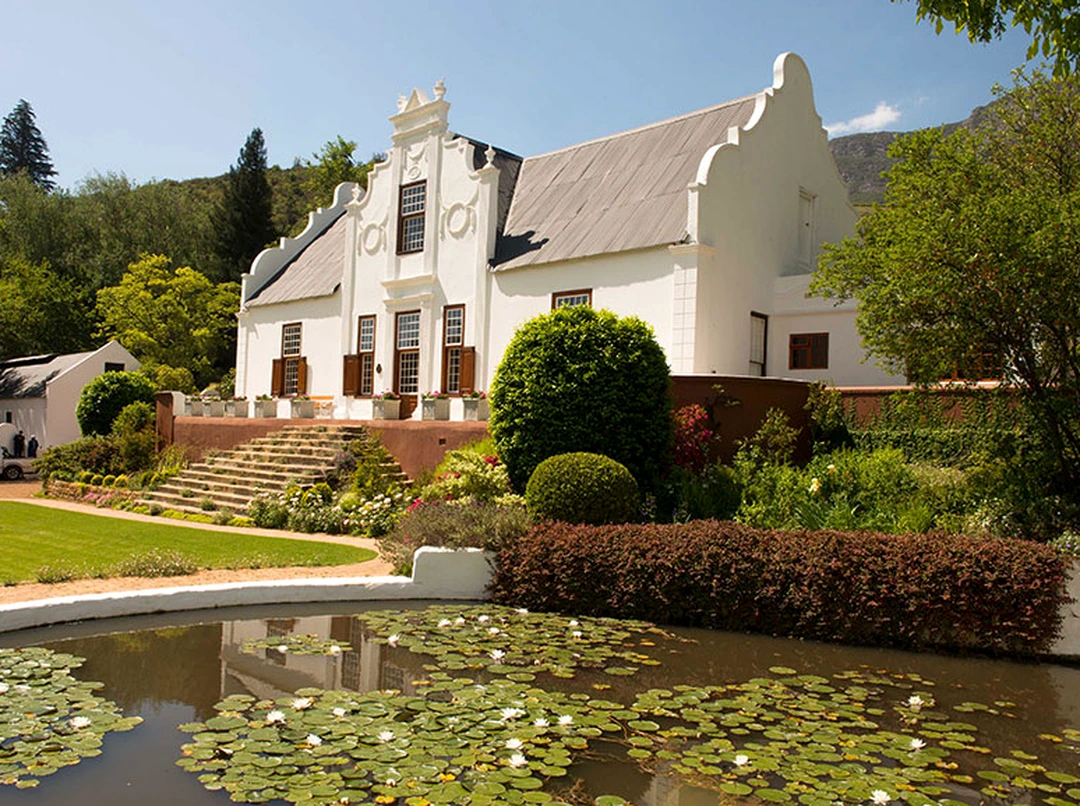
The soul and proudest identifier of every Cape Dutch manor is its intricately curved gable soaring high above the facade’s central axis. Deeply influenced by Baroque and Rococo movements popular in 17th- and 18th-century Amsterdam, these gables were not merely decorative elements but statements of the owner’s social standing. From early soft scroll forms to later straighter Neoclassical geometric lines, every molding, floral motif, bas-relief urn, or hourglass shape was meticulously crafted. All building surfaces were coated in pristine white lime produced from melted cockleshells, creating a magnificent visual contrast against the vibrant green of vineyards and the somber gray of the Simonsberg or Franschhoek Pass ranges.
Transcending artistic beauty, Cape Dutch architecture stands as a pinnacle testament to time-tested ecological adaptation microclimate spatial design. The floor plans of these manors typically evolved into U-shapes or, most classically, H-shapes. The H-shaped structure consists of two parallel wing buildings connected through a grand central hall, clearly demarcating formal reception spaces in front from cozy family living quarters in the rear. This layout creates two shaded courtyard spaces with protective verandas, acting as a natural convective ventilation system. Cool breezes from False Bay and mountain ravines are drawn straight through deep hallways, banishing the harsh heat of Cape summers. Simultaneously, rammed earth or hand-fired brick walls with impressive thicknesses ranging from half a meter to sixty centimeters provide optimal insulation, ensuring indoor temperatures remain stable year-round to preserve wine barrels aging in cellars.
The durability of these centuries-old manors also stems from rare craftsmanship and indigenous materials. Traditional roofs are densely thatched from tough marsh reeds harvested from river mouth regions, resisting winter rainwater while offering superb summer insulation. Supporting this massive structure are crossbeam frameworks, trusses, and thick louvered doors carved from two endemic South African hardwoods: Yellowwood and Stinkwood. Honey-warm Yellowwood with its fine grain was traditionally used for expansive flooring or high ceilings, while coppery dark Stinkwood with exceptional mechanical hardness was honored for load-bearing beams, window frames, and massive mother-of-pearl inlaid furniture. The subtle interleaving of light and dark wood tones imparts eternal depth to every room.
In practical scale, each estate in Stellenbosch and Franschhoek is not an isolated villa but a complete self-sustaining agricultural complex spanning dozens to hundreds of hectares. The main building always occupies the central position of the landscape axis, opening expansive views across avenues canopied by centuries-old oak trees personally promoted for planting by Governor Simon van der Stel early on. Surrounding the manor is a system of outbuildings arranged in strict cross-axial symmetry, including traditional vaulted wine cellars, stables, press houses, and Baroque symmetrical herb gardens. The organic bond between man-made structures and wild nature transforms every stroll into a supreme living art exhibition, where classical European architecture has taken root and flourished magnificently at the southernmost tip of Africa.
As dusk gradually settles over the Stellenbosch and Franschhoek valleys, a three-hundred-year-old wine region enters the most magical transitional moment of nature and local culture. Instead of the mechanical bustle of modern cities, nightlife in the Cape Winelands begins with an elegant ritual deeply ingrained in South Africa’s spiritual customs: the “Sundowner.” When the sun sinks below the Atlantic horizon, visitors and winemakers gather on wide Cape Dutch porches (known as stoeps), holding glasses of renowned Méthode Cap Classique (MCC) sparkling wine. Crafted via strict traditional methods akin to French Champagne, MCC releases shimmering streams of tiny bubbles carrying notes of green apple, toasted brioche, and granitic minerals. This is also the moment when the optical phenomenon of alpenglow drapes a veil of deep purple and magical ruby pink across majestic sandstone mountains like Simonsberg or Groot Drakenstein, transforming the valley into a poetic masterpiece.
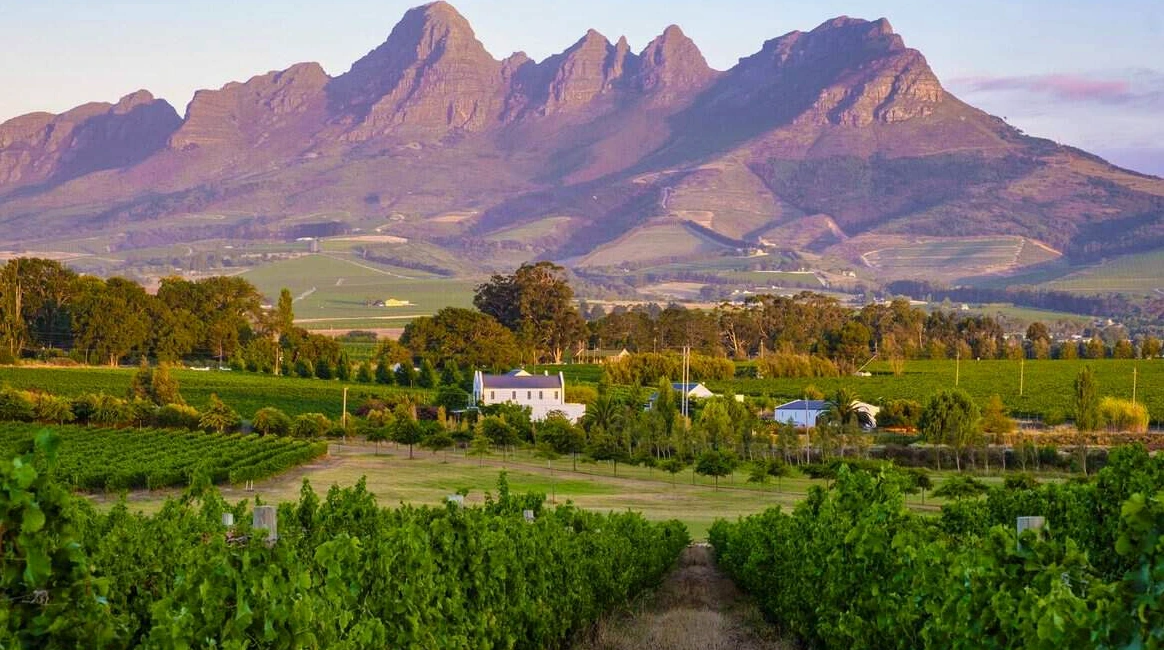
Late night in historic estates is never invaded by glaring urban lights, but regulated by a refined aesthetic and conservation philosophy. All historic estates from Boschendal to Lanzerac install warm-spectrum LED lighting systems with meticulously calculated brightness, gently casting light onto curved Baroque gables characteristic of Cape Dutch architecture and centuries-old oaks planted by Governor Simon van der Stel in the 17th century. This lighting arrangement honors architectural carving lines while strictly adhering to light pollution reduction rules, preserving pristine dark skies. Thus, looking up past oak canopies and Pinotage slopes, visitors can gaze at the Southern Cross (Crux) and the brilliant Southern Milky Way, acting as the celestial compass of European navigators crossing the Cape of Good Hope centuries ago.
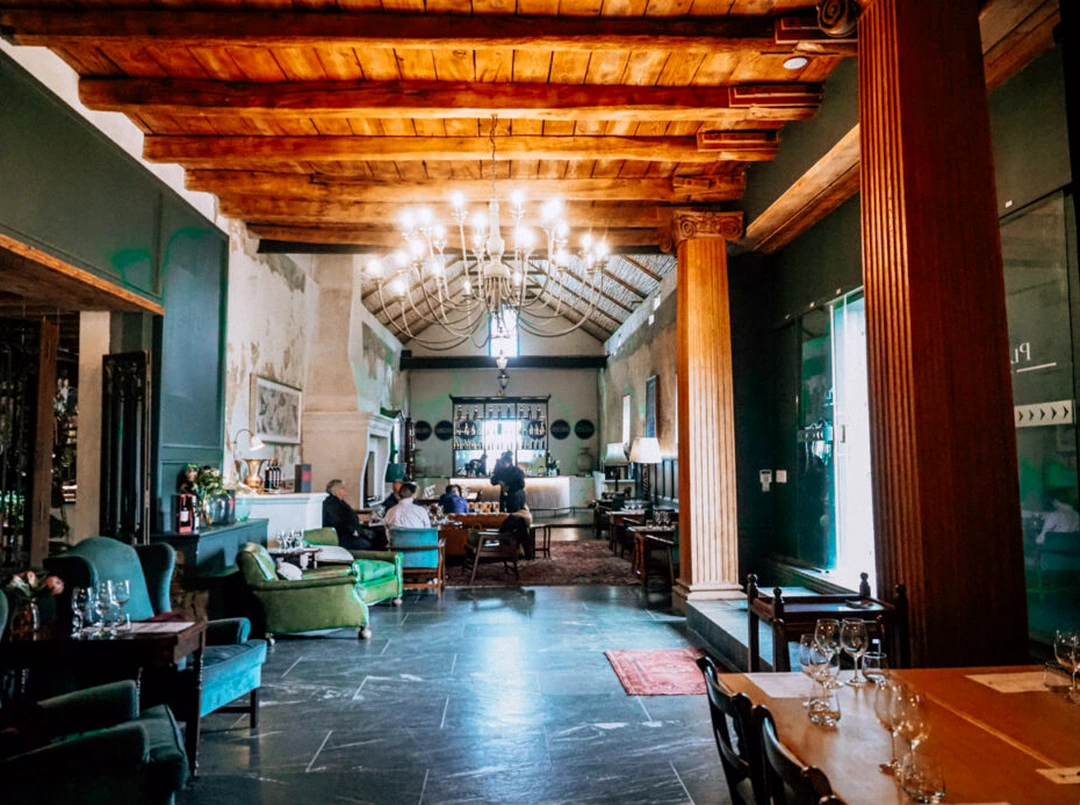
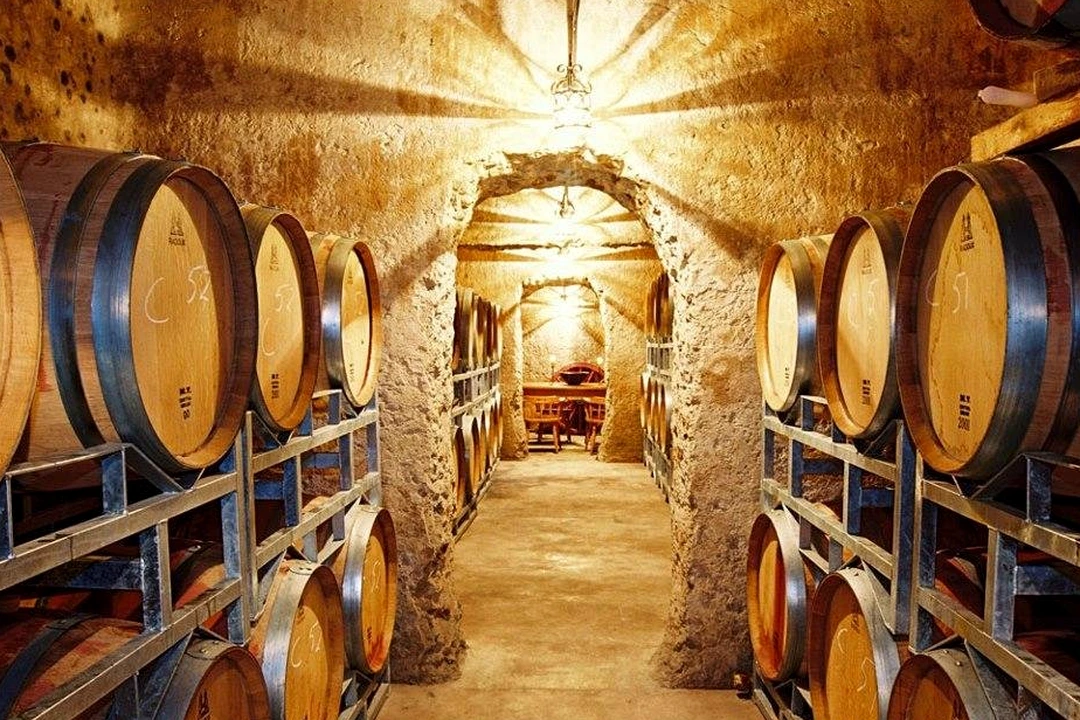
The nighttime dining space in Franschhoek Valley—haunted as South Africa’s culinary capital—opens a vibrant yet intimate gastronomic stage. Ancient wine cellars, French oak barrel rooms, and historic barns transform into cozy banquet chambers where crackling cast-iron fireplaces combine with aromas of smoked beef, herb-grilled Karoo lamb, and complex spices inherited from Cape Malay cuisine. Here, multi-course dinners are staged as artistic performances uniting taste and sight. Aged Cabernet Sauvignon or Chenin Blanc bottles are uncorked by veteran sommeliers, paired with chamber melodies or acoustic double bass performances by local artists inside subterranean wine cellars.
Late nights in the Cape Winelands return humanity to a pristine state of tranquility, where the sole sounds are wind whispering through grapevines gathering night dew and antique church clock chimes marking hours from town steeples. Nightlife here is unhurried, distilling into a supreme indulgence where lighting art, traditional cuisine, and the surreal beauty of Southern Hemisphere skies intertwine to leave an eternal mark on discerning travelers.
The gastronomy of the Stellenbosch and Franschhoek valleys is not merely a supplement to legendary wines, but a living epic of cultural fusion across three historical streams: early indigenous Khoisan knowledge, Dutch settler estate routines, and the colorful refinement of the Cape Malay community. When VOC merchant ships docked at the Cape of Good Hope bearing precious Eastern spices, talented Cape Malay chefs breathed tropical life into the Cape’s abundant farm produce, creating a unique culinary school both regal and profound, deeply rooted in southern rural life for centuries.
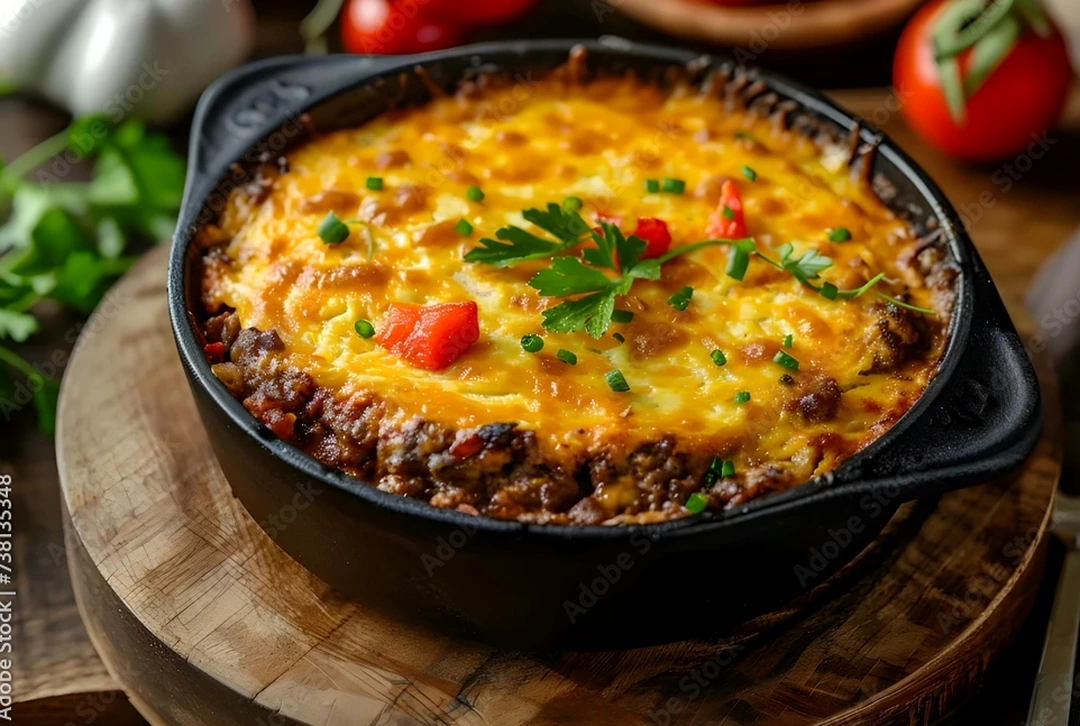
The pinnacle icon of this flavor harmony is Bobotie, a heritage family dish appearing in almost every rural household gathering. Chefs carefully marinate minced lamb or beef with golden curry powder, saffron, cumin, sliced almonds, and sweetness from Karoo raisins, before dotting with wild lemon leaves or fresh bay picked right from the garden. The meat mixture bakes slowly in clay ovens, topped with a smooth custard layer resembling royal cream jelly; upon baking, the surface turns golden brown, fusing warm spicy notes, tangy sambal apricot jam, and lingering richness on the palate. Furthermore, wetland wildness is honored via Waterblommetjiebredie, a laborious stew appearing only in winter when native water lily flowers Aponogeton distachyos bloom across natural ponds. Young flower buds tasting similar to artichoke hearts are simmered with young lamb ribs, caramelized onions, and premium Franschhoek white wine, producing a thick sauce rich in meat marrow and fragrant with wild Fynbos herbs.
The soul connecting all communal estate activities is the Braai ritual over crackling open flames, a culinary custom that transcends class boundaries. Unlike standard grilling, authentic Braai parties strictly avoid chemical charcoal, igniting fires exclusively with dry branches of hard camel thorn wood (kameeldoring) or old grapevine roots unearthed post-harvest. Coals glowing with natural wood smoke roast traditional Boerewors sausage rings spiced with toasted coriander seeds, cardamom-rubbed lamb ribs, and puffed garlic butter Roosterkoek bread. Crackling embers, sizzling fat dripping onto hot ash, and rich aromas spreading under ancient oaks transform outdoor dining into a bonding space where primordial origin stories are recounted over clinking glasses.
From this rustic foundation, the Cape Winelands have evolved into the gourmet capital of the African continent, home to world-renowned culinary temples. In Stellenbosch, the historic Lanzerac estate tucked beneath the Jonkershoek mountains invites diners to savor heritage cuisine recreated to perfection, where centuries-old stews pair with South Africa’s oldest Pinotage vintages. Meanwhile, in the historic town of Franschhoek, La Petite Colombe represents contemporary multi-sensory gastronomy, where sophisticated French culinary techniques harmonize with local produce. Under the guidance of top chefs, foraged forest mushrooms, fresh Atlantic seafood, and edible wildflowers become exquisite flavor masterpieces, defining a luxurious yet deeply affectionate tribute to this land.
To fully embrace regal flavors among the endless Stellenbosch and Franschhoek vineyards, understanding temporal rhythms and historic estate operations is decisive. The golden window for Cape Winelands excursions falls into two exquisite seasonal transition periods: March to May and September to November. Autumn, from March to May, brings cooling weather coinciding with the harvest season when the Simonsberg slopes erupt in vibrant yellow and deep red, allowing you to avoid the southern summer heat. Conversely, September to November offers a pristine spring, when new buds sprout and the valley escapes the damp Atlantic winter rains. Most renowned tasting rooms at historic estates open from 09:00 or 10:00 AM and close around 16:30 to 17:00 PM, creating a leisurely rhythm that requires careful scheduling.
Among the transport methods between estate valleys, the vintage Franschhoek Wine Tram stands out as an elegant icon. Operating on ancient railway tracks paired with open-top double-decker shuttle buses, it whisks visitors past undulating carpets of vines without the worry of driving. Notably, popular routes like the Grand Provence or Blue Line sell out quickly due to limited seating and high demand. Astute travelers book 4 to 6 weeks in advance. Tram tickets and tastings range from 100 to 350 South African Rand (ZAR) for flights of 4 to 6 premium wines, matching cultural value and sommelier expertise.
Stepping into 300-year-old cellars with whitewashed Cape Dutch walls, visitors should note tasting etiquette. A standard tasting begins by observing the color in natural light, swirling to release aromas, and sniffing deeply before taking a small sip. A key detail often missed is the spittoon. In aristocratic tasting circles, spitting out wine is not disrespectful; it signifies mastery. When tasting dozens of wines daily, spittoons keep palates sharp and prevent intoxication, preserving the dignity of the heritage space.
Accompanying legendary wines is a culinary journey, where visitors experience unique food pairings. Pairing artisanal goat cheese with crisp Chenin Blanc or herb-spiced biltong slices with Stellenbosch’s iconic Pinotage unlocks fundamental flavor dimensions. Visitors should wear smart casual attire, flat shoes for gravel paths or dewy grass, and light jackets as valley temperatures drop when the Franschhoek Pass shadows lengthen. To weave this elegance into a broader African canvas, explore the South African wildlife discovery tour journey, where classic wine heritage intertwines with the wilderness.