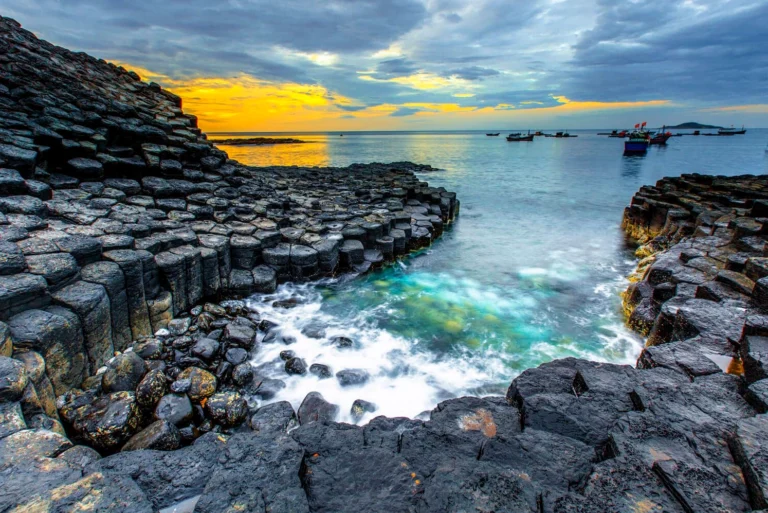
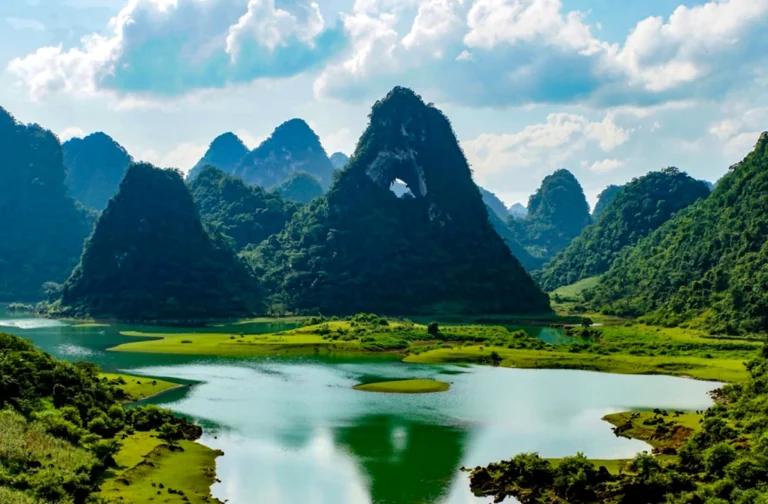
Nestled at the critical crossroads of three magnificent landforms—the Yunnan-Guizhou Plateau, the Sichuan Basin, and the rugged Xiangxi mountains—the land of Enshi has for generations served as a strategic mountain shield for southwestern China. Dating back to the Spring and Autumn and Warring States periods, this territory belonged to the ancient state of Ba, where the resilient spirit of the Ba-Shu people blended with the vibrant colors of Chu culture, forging the deep roots of indigenous Tujia clans—who call themselves the Bizika—alongside the Miao ethnic minority. Across the Qin and Han dynasties, under loose administrative rule by the Ba and Qianzhong commanderies, this remote mountainous realm preserved its pristine tribal lifestyle, tucked beneath sheer limestone gorges shielded from the open sky.
Entering the Tang and Song dynasties, the central imperial court applied the Jimi System (loose rein) to pacify native chieftains, laying the groundwork for the flourishing Tusi (Native Chieftain) System that lasted through the Song, Yuan, and Ming dynasties. Here, absolute authority rested in hereditary chieftain clans bearing the surnames Tan, Tian, and Xiang, who held imperial titles as Pacification Commissioners to manage military affairs, administration, and tax collection. The most magnificent monument of this era is the Tangya Tusi City Site located in Hefeng County, founded in 1346 during the Yuan Dynasty and expanded magnificently under the Ming. In 1623, the Wanli Emperor bestowed an inscribed imperial plaque honoring the local Tusi lineage, and this ancient defensive and residential complex was officially inscribed as a UNESCO World Heritage Site in 2015, testifying to a secluded Tusi kingdom that endured for centuries.
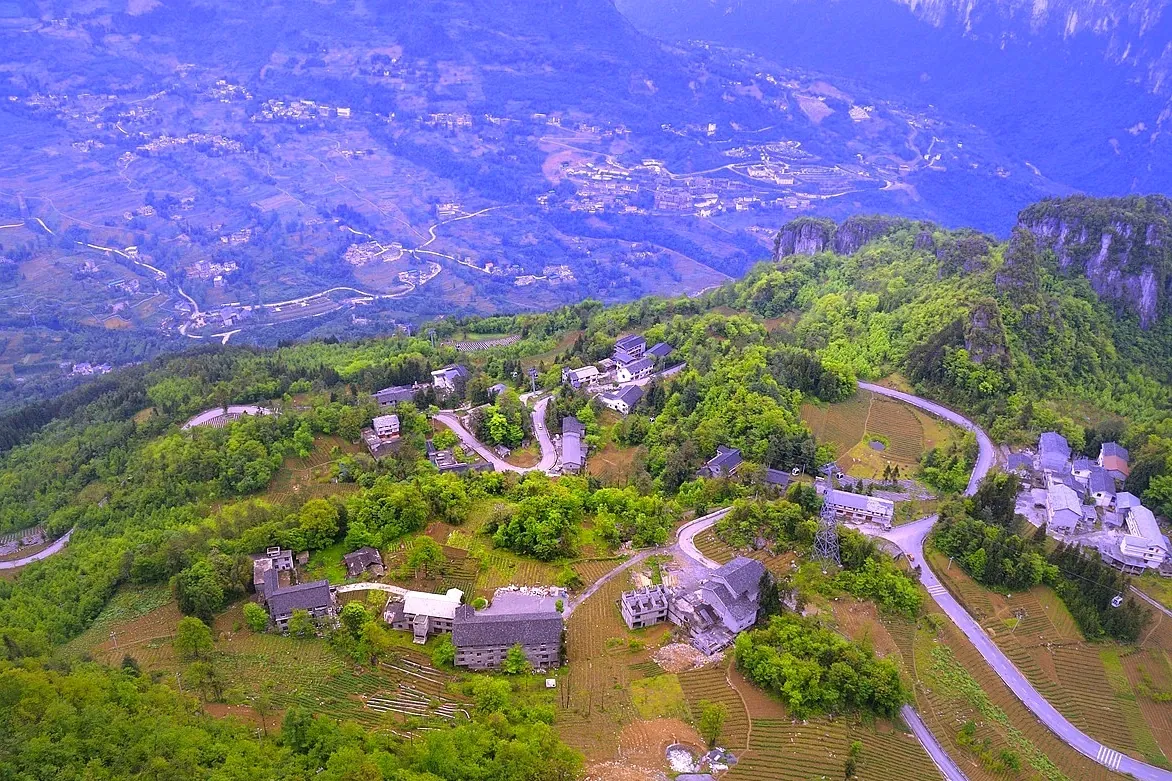
Viewed from above, the natural panorama and settlement life of these inhabitants unfold with serene yet breathtaking beauty amid endless green mountains. Traditional dwellings nestle scattered across hillsides, linked by winding pathways resembling silk ribbons embracing mountain slopes. Meticulously terraced paddies step down hillsides, reflecting the lush green of indigenous crops and vegetation. In the distance, majestic limestone ranges rise straight toward the heavens, forming a natural fortress wall protecting the peaceful lives of Tujia villages across centuries of historical change.
This seemingly immutable autonomous order met a dramatic historical turning point in the thirteenth year of the Yongzheng reign (1735), when Yunnan-Guizhou Governor-General Eertai launched the sweeping “Abolition of Tusi and Replacement with Appointed Officials” (Gaitu Guiliu) reform. Through decisive military and political intervention, the Qing imperial court dismantled the hereditary militarist power of local Tusi, replacing them with rotating imperial magistrates dispatched directly from the capital. By the third year of the Qianlong reign (1738), an imperial edict officially dissolved the Xinan Tusi and established Enshi County directly subordinate to Xinan Prefecture. The name “Enshi” took shape from this milestone, bearing the deep philosophical intent of northern royal power: “Gratitude for imperial grace, and the virtuous benevolence extending even to barbarian wildlands”—signifying gratitude for the emperor’s profound grace and the court’s civilizing benevolence reaching even the remote frontier.
Entering the turbulent twentieth century, the very rugged terrain that once isolated Enshi became an invaluable defensive shield for the nation. During the War of Resistance Against Japan (1938–1945), following the fall of Wuhan to enemy fire, Hubei Provincial Governor Chen Cheng decided to relocate the entire provincial government apparatus to Enshi. Sheer cliffs and deep canyons transformed the area into a provisional wartime capital of Hubei Province and a natural frontline fortress protecting the eastern approaches to the wartime capital of Chongqing. Following decades of modern development, in August 1983 the Enshi Tujia and Miao Autonomous Prefecture was officially established, before being renamed the Enshi Tujia and Miao Autonomous Prefecture in December 1993, opening an era of brilliant integration built upon millennial heritage.
Strikingly present at core coordinates 30°18′N – 109°29′E, nestled among the rolling ranges of the majestic Wuling Mountains, Enshi Grand Canyon is hailed as a living encyclopedia of global geomorphology. The basin’s origins began in the ancient Middle Triassic sea roughly 230 to 250 million years ago, when colossal limestone sedimentary layers began depositing and accumulating across hundreds of millennia. Violent Yanshan tectonic movements thrust the thick limestone masses above water, initiating an endless saga of erosion and weathering by subterranean currents and natural acidic rainwater. Through millions of years of ceaseless creation, nature sculpted a complex, peerless karst museum spanning a total length of 108 km and covering over 300 km².
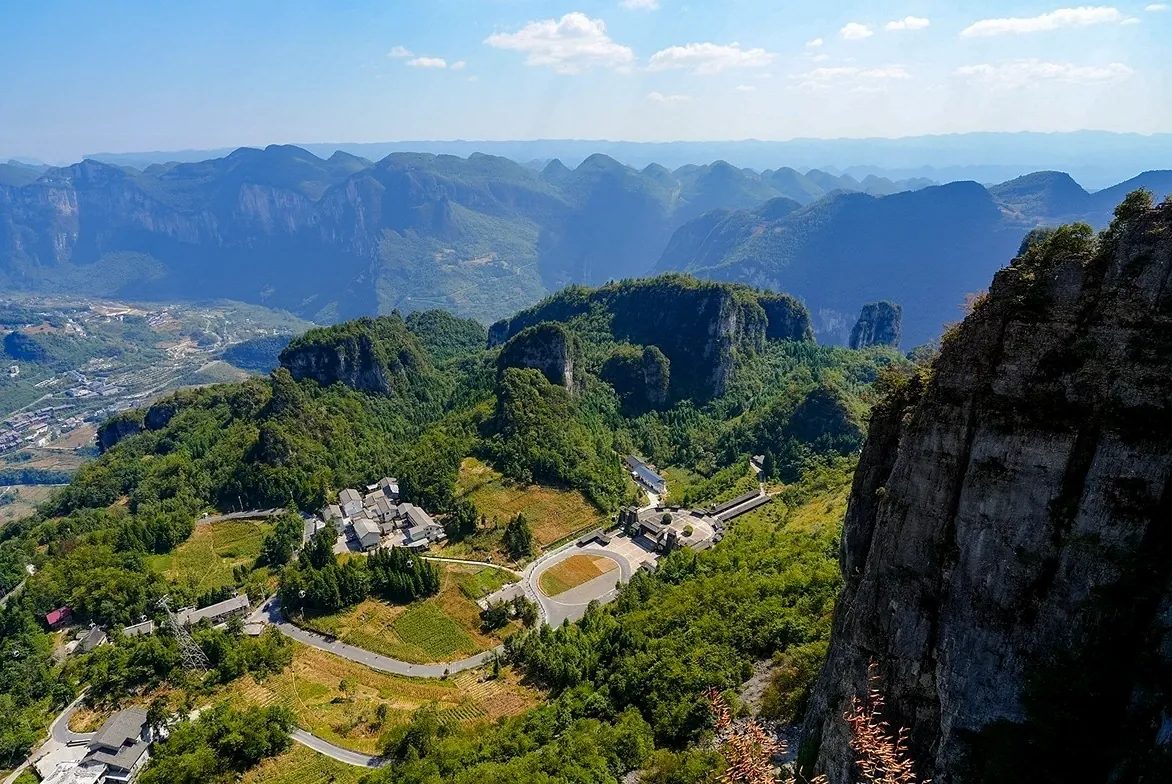
The landscape’s spatial structure in Enshi resembles a breathtaking “double heaven” featuring two completely contrasting landforms harmonizing within a unified whole. In the upper tier, the Qixingzhai Stone Forest rises proudly at an average elevation of 1,500 to 1,700 meters above sea level, where thousands of limestone pillars jut straight toward the clouds like an eternal natural fortress. The most sensational highlight of the upper tier is a peerless limestone pillar named “Yizhuhuang” (“A Single Incense Stick”), soaring 150 meters straight into the sky despite its narrowest base measuring a mere 4 meters in diameter. The resilient survival of this slender pillar across tens of millions of tectonic upheavals and countless seismic tremors remains an enigma defying human laws of stone mechanics.
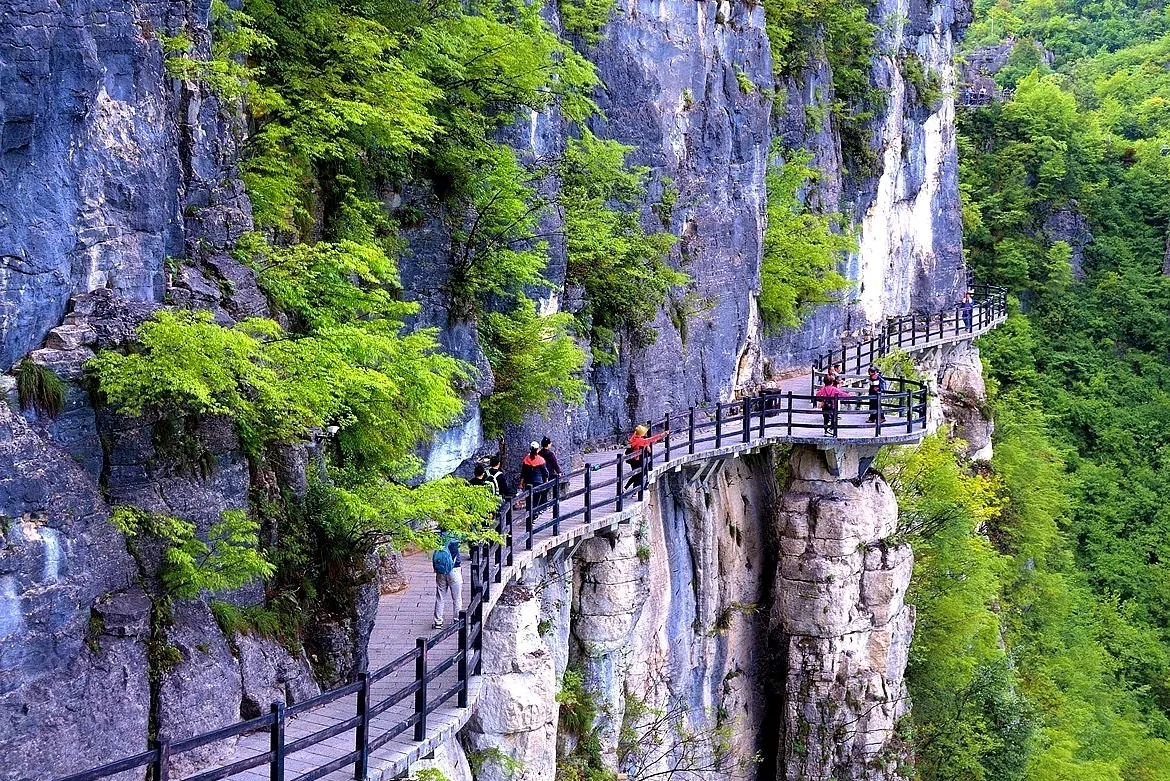
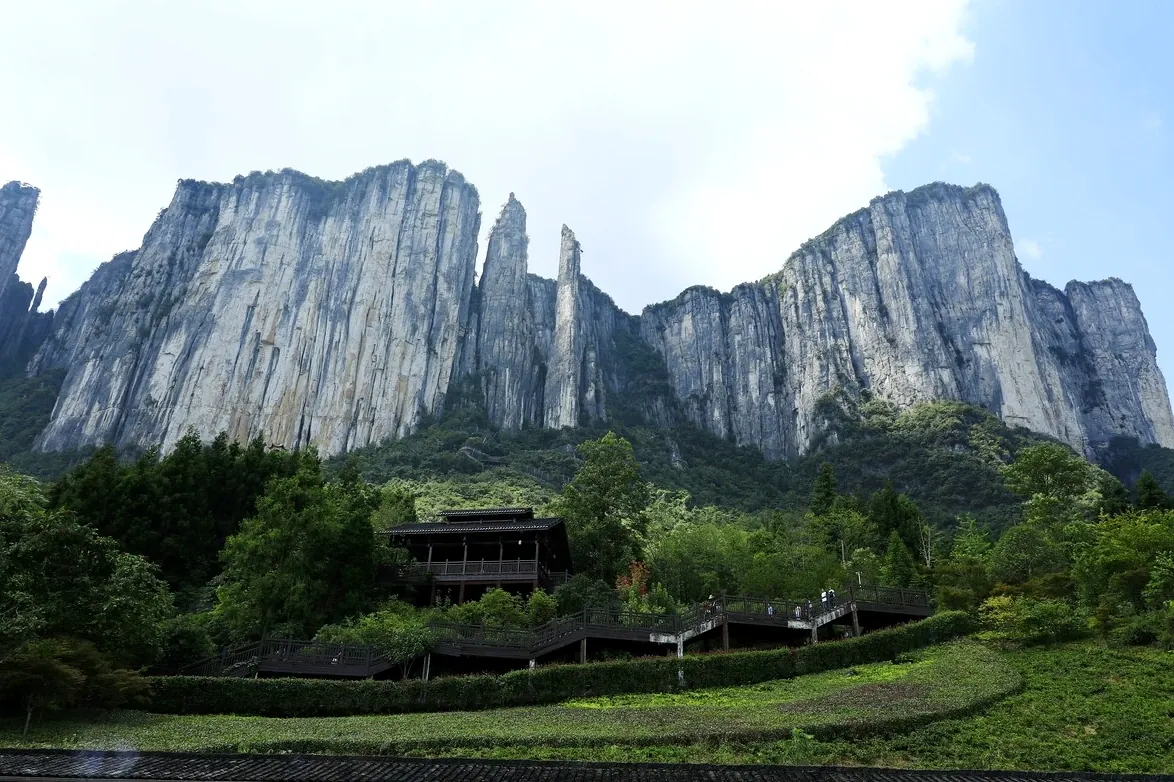
To allow visitors to fully appreciate the sheer precipitousness of the Qixingzhai cliffs, an ingenious wooden plank road was engineered to cling tightly against vertical mountain walls without foundation supports. The boardwalk winds precariously midway up the sky, equipped with sturdy black railings, guiding travelers past lush green vegetation clinging tenaciously to weathered rock crevices while gazing down into dizzying abysses shrouded in mist far below.
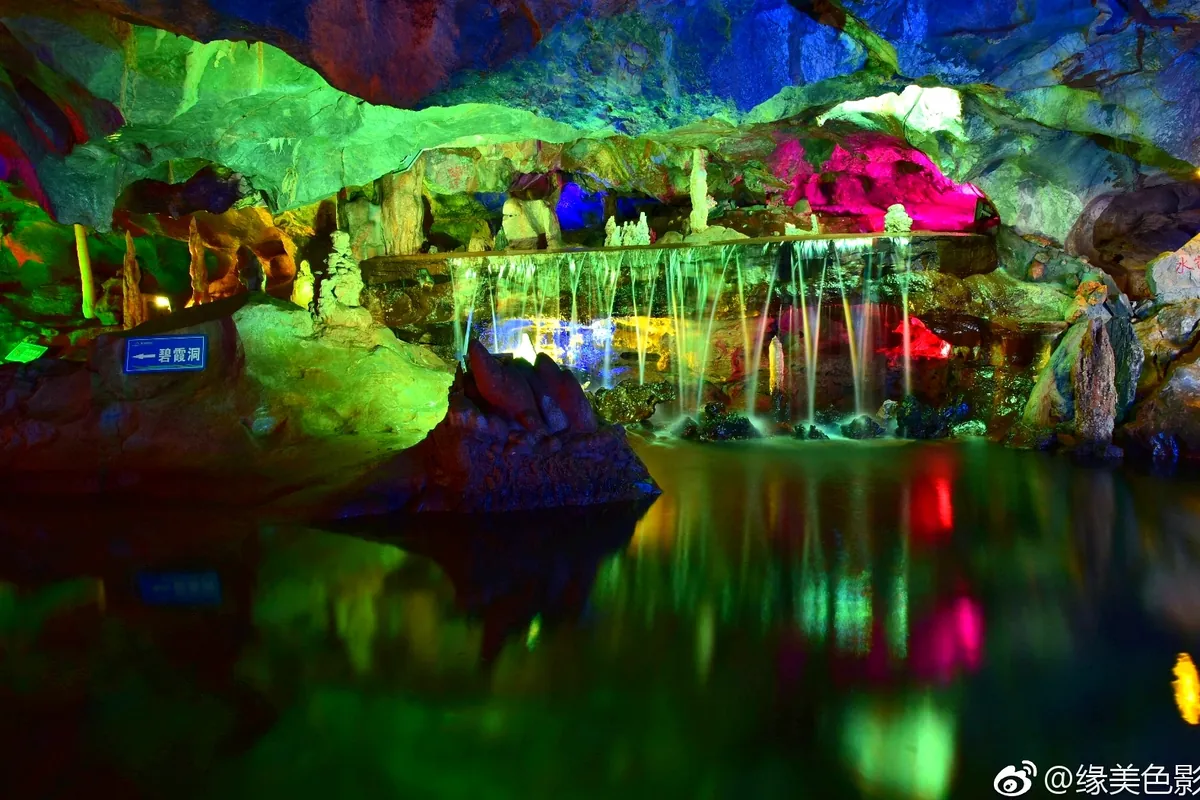
Standing in complete contrast to the lofty expanse of Qixingzhai is the serene underworld of the Yunlong Diqiao (Ground Fissure). This is a breathtaking U-shaped tectonic fissure extending 3.6 km with an average depth of 75 meters, featuring parallel vertical cliffs as though sliced open by an invisible giant sword. Along the bottom of the fissure flows a roaring subterranean river carving stone day and night, alongside seven cascading waterfalls plunging torrentially from misty cliff rims into moss-covered abysses. Moisture rising from waterfalls collides with cool airflow to generate an ethereal curtain of mist blanketing the gorge year-round, blocking sunlight from striking the floor and nurturing an ancient, emerald plant ecosystem.
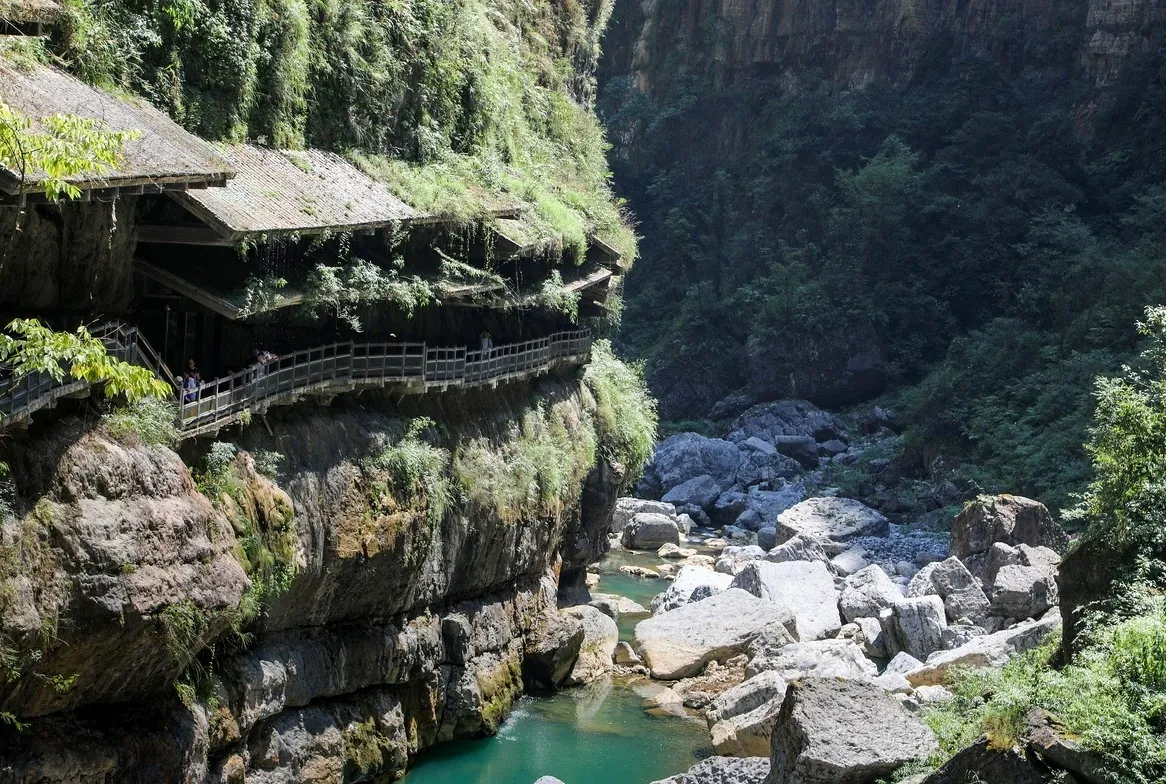
Regarding hydrology and climate, the abundant vitality of Enshi Grand Canyon is regulated by the winding Qingjiang River, carrying turquoise waters through treacherous gorges. Intersecting underground river networks and surface waters combined with steep topographic relief shape a distinctive valley microclimate. During scorching summers, temperatures here hold steady at an ideal 22°C to 26°C, offering refreshing coolness like a fairyland. When humid air rising from the river meets cool mountain breezes along limestone slopes, the entire grand canyon plunges into rolling seas of clouds, turning sharp peaks into solitary islands floating across an ocean of white mist.
Amid this breathtaking natural canvas sculpted across millions of years of weathering, technical infrastructure and architectural scenery in the Enshi gorge represent a spectacular duet between human craft and rugged topography. Standing out along vertical limestone cliffs is the Cliffside Corridor spanning 488 meters, constructed using daring anchoring techniques directly into 90-degree vertical rock walls at an elevation of 1,700 meters above sea level. This precarious walkway opens panoramic vistas across bottomless abysses, supported by the world’s longest mountain outdoor escalator system in the Qixingzhai sector and advanced panoramic cableways, turning the most treacherous landforms into safe viewing spaces for travelers.
Accompanying modern sightseeing architecture is the millennial imprint of indigenous Tujia and Miao culture, expressed fully through Diaojiaolou (stilted buildings). These traditional stilted homes nestle resiliently across steep hillsides, resting upon stone boulders while extending front platforms into empty space via straight fir pillars anchored deep into geological strata to ward off dampness and wild beasts. Entire frameworks connect using precise traditional mortise joinery without iron bolts, creating natural elastic structural resilience against tectonic tremors in the valley. Scattered along winding mountain streams are ancient Wind and Rain Bridges (Fengyu Qiao) roofed with yin-yang tiles, serving not only to cross rivers but also as shelters from rain and sun, cultural gathering hubs, and symbols of enduring community life for mountain dwellers.
From a panoramic valley perspective, visitors can admire a majestic multi-story traditional wooden architectural complex nestled peacefully along a steep hillside, standing out against lush green vegetation. Surrounding the building, rustic wooden plank walkways and staircases wind rhythmically with the steep slope, forming a soft connection leading footsteps to the hilltop. Behind the ancient dwelling, vertical cliff walls rise straight into lofty skies, creating sublime harmony between human craftsmanship and untamed, majestic wilderness.
The region’s breakthrough is equally shaped by century-defining transport infrastructure investments shattering the karst basin’s millennial isolation. A shining testament to construction engineering is the Yichang–Wanzhou Railway spanning 377 km, piercing through highly complex geology via 159 bridges and 253 tunnels, pushing bridge-and-tunnel ratios across Enshi past 82%. Alongside it, the masterpiece of the Sidu River Suspension Bridge along the Shanghai–Chengdu Expressway (G50) spans the deep abyss with a breathtaking vertical clearance of 496m, formerly holding the world height record and symbolizing the conquest of distance amid cloud-covered mountains. The synergy of mountain-piercing highways, high-speed rail networks, and Xujiaping Airport establishes a seamless transit corridor bringing this once-secluded gorge directly into the bustling economic and tourism flow of neighboring megacities.
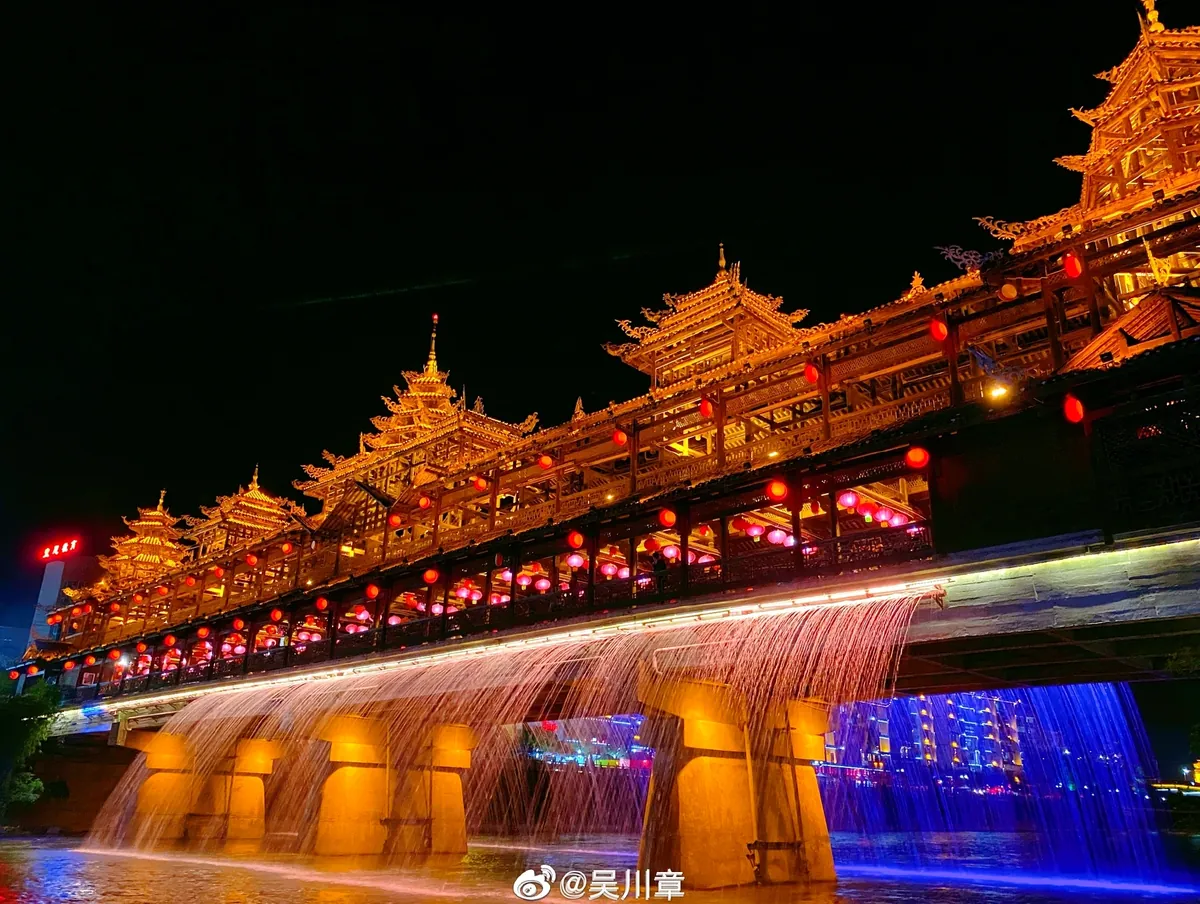
As nightfall cloaks undulating limestone valleys, Enshi sheds daytime serenity to don the dazzling visage of a magical city of light. The focal point of this enchanting night economy gathers along both banks of the Gongshui River in the Ancient Capital of Xuan’en. Flat river waters transform into a shimmering Milky Way as decorated dragon-shaped festival boats trail one another across waves, casting reflections upon illuminated waters. Traditional Wind and Rain Bridge architecture is recreated with multi-layered artistic LED illumination, pairing with interactive water-music plazas to forge a breathtaking visual dance deep within the gorge. Such flourishing scenery turns Xuan’en into a sleepless floating city where technological lighting harmonizes seamlessly with riverine spirit.
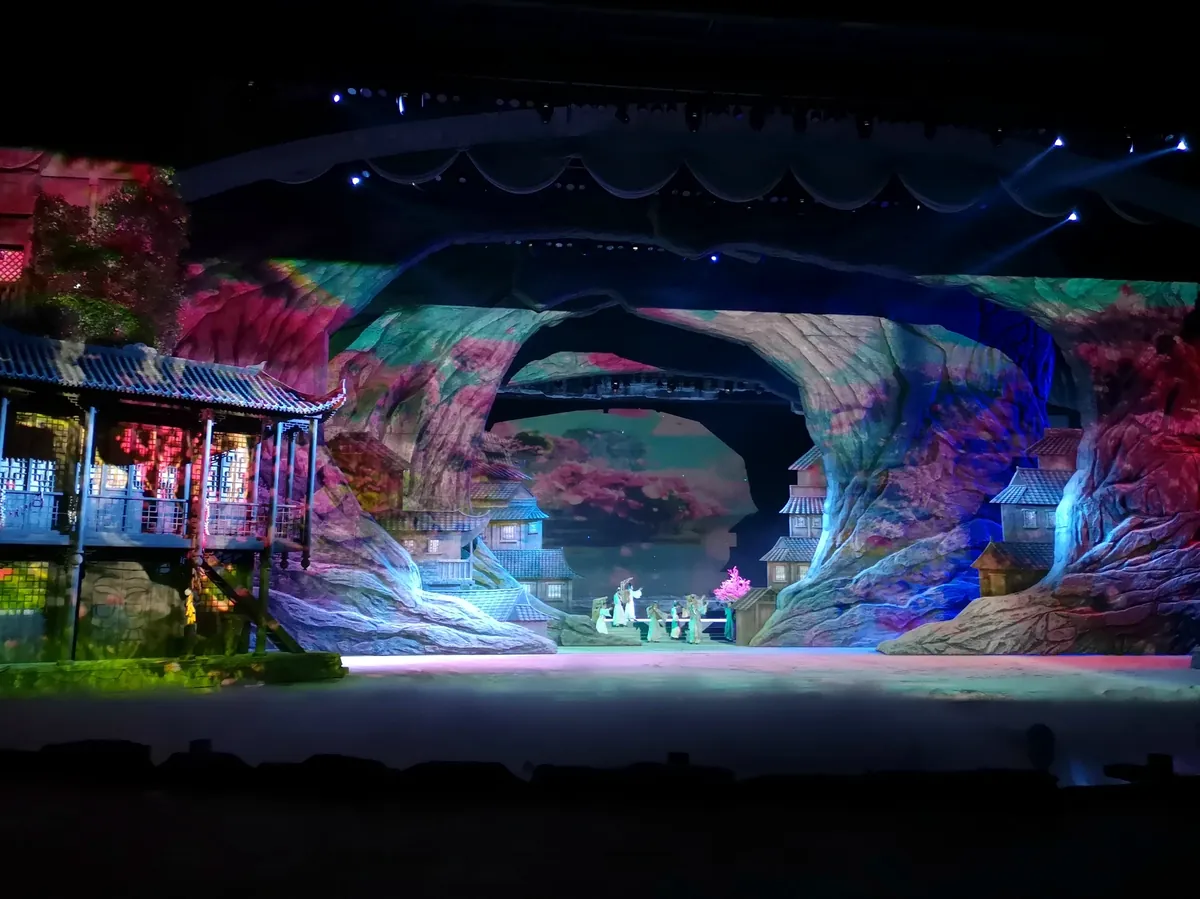
Nighttime here also becomes a stage for elevated Tujia cultural performances through large-scale live-action theatrical productions. As melodies of the traditional folk love song “Dragon Boat Tune” (Longchuan Diao) ring out, mingling with rhythmic stamping from the millennial Balawu dance, travelers step into epic scenes from the era of Tusi chieftains ruling the borderlands. The outdoor live-action production titled “The Most Beautiful Tujia Woman” movingly recreates “Yulied”—the tearful wedding-cry ritual steeped in Tujia philosophy performed by maidens before leaving for their husband’s home. Amid echoing gongs and beating drums, flickering bonfires illuminate the traditional bowl-shattering toast ritual, where smashed ceramic shards carry prayers for peace, dissolving all barriers between travelers from afar and local residents.
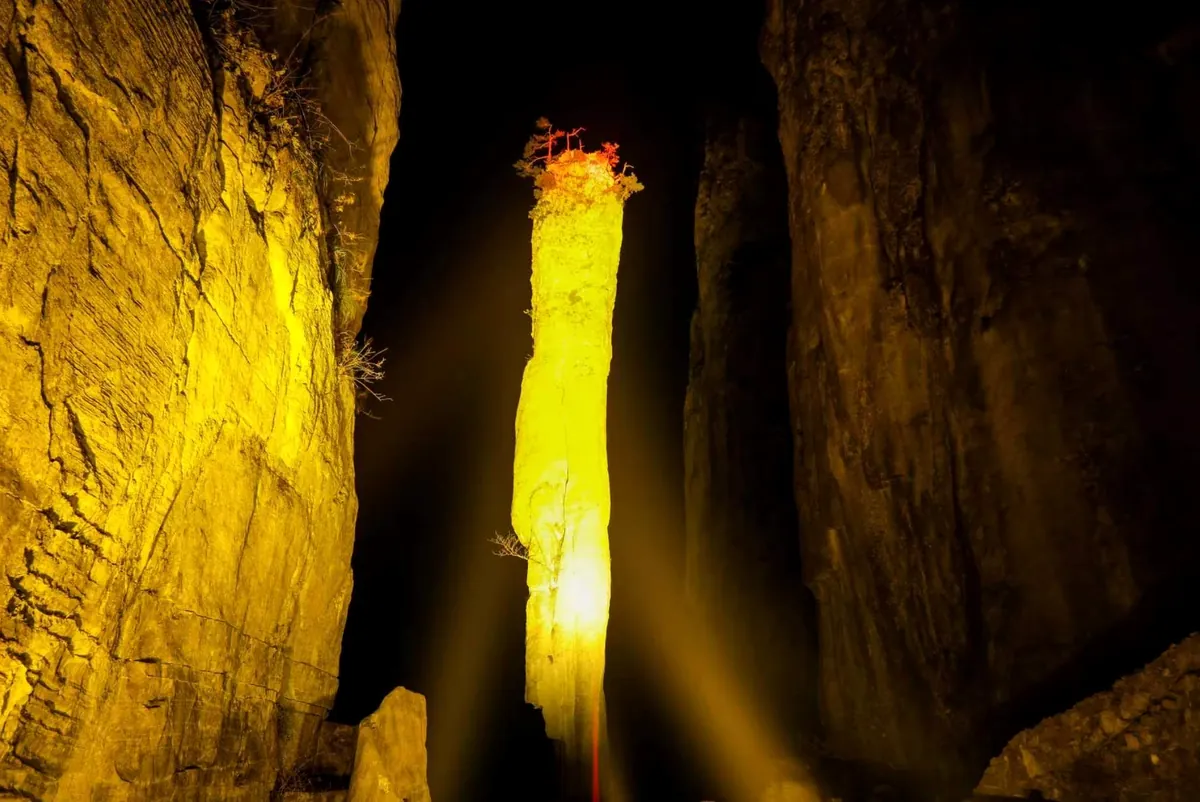
Lighting art in Enshi extends beyond town streets deep into spectacular gorges, transforming ancient karst landforms into surreal light sculptures. Rising between towering vertical cliffs plunged in thick darkness stands a slender natural stone column illuminated brilliantly in warm golden light. From its base, sharp light beams sweep upward into the sky, accentuating the rugged tiered structure of the million-year-old rock alongside resilient red and green shrubs clinging stubbornly to its pointed crest.
This wondrous synergy between untouched nature and modern projection technology crafts an iconographically profound visual experience. Amid deep midnight shadows of the grand canyon, every light beam cast onto limestone monoliths does more than showcase scenery—it acts as a bridge linking ancient geological past with contemporary pulse. Mountain darkness recedes, yielding to silent dialogue between millennial creation and human aesthetic vision. From folk dances along the Gongshui River to glowing lights illuminating sedimentary wonders across deep gorges, Enshi’s nights have evolved into a living museum where history, culture, and art harmonize beneath star-studded skies.
Enshi’s ethnographic culinary map resembles a wondrous tapestry weaving together the robust, numbing spice of Ba-Shu (Sichuan) with the rich, fermented tang of Xiangxi (Hunan). Atop the renowned culinary roster of the local Tujia people stands Hepu (Hemashai), an unadulterated delicacy handed down since antiquity. This thick soybean soup is laboriously crafted by soaking and grinding soybeans into smooth puree with pulp retained, blending it with tender mustard greens julienned fine as silk alongside warm, spicy seasonings. In local memory and lifestyle, this dish holds such deep symbolic weight that a popular proverb affirms: guests visiting a Tujia home served Hepu enjoy a feast as grand as meat and fish.
Accompanying this clean vegetable soup is the rich, hearth-smoke-infused flavor of Tujia Larou, the celebrated smoked pork tied to traditional stilted architecture. Firm streaks of local free-range pork belly, after being rubbed thoroughly with coarse rock salt and wild mountain peppercorns, hang proudly from kitchen rafters above hearth fires smoked continuously with oak wood for one to three months. When sliced thin and cooked, fat turns transparent like amber while lean muscle shifts to deep crimson infused with wild forest smoke. The culinary peak of this land is further inscribed across soil and stone through selenium-rich small potatoes grown on unique natural selenium mineral deposits worldwide. Boiled until tender, the potatoes are flattened and dropped into sizzling fat to fry until golden-crisp outside, dusted with local chili powder and scallion oil.
Walking through ancient mountain market alleys, aromas of freshly baked Tujia Waigui flatbreads grilled over charcoal hold irresistible appeal for travelers. Dough is expertly flattened, wrapped around spicy minced pork, and pressed firmly against the interior of a cylindrical clay oven at extreme heat, producing a brilliant crispy crust infused with rustic roast-smoke aroma. A mountain feast only reaches true completion when the Bowl-Shattering Wine ritual begins amid joyful cheers. Travelers raise horns filled with foaming corn liquor, drain them in one gulp, and hurl the earthenware bowls onto stone flagstones to shatter—a custom embodying prayers to smash away worries and misfortune in exchange for enduring peace in years to come.
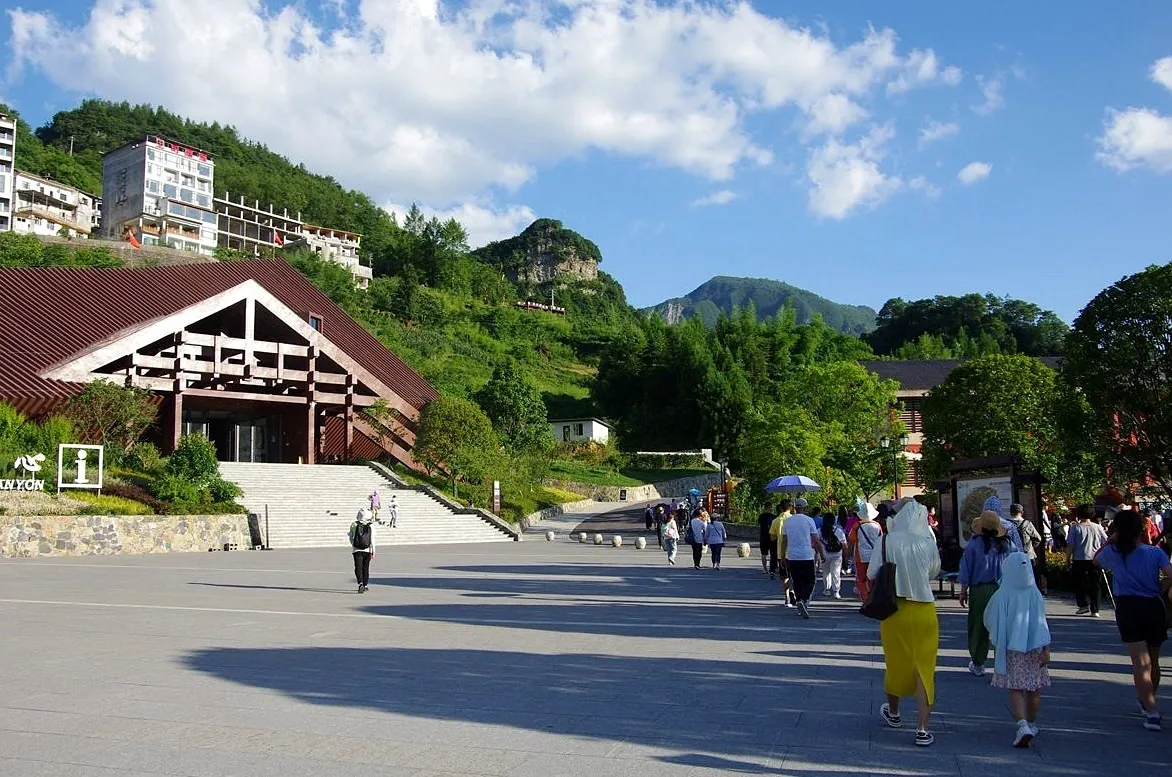
At the gateway plaza leading into the grand canyon, the visitor reception center stands impressively with dark brown sloped rooflines paired with elegant wood-clad facades. The main approach is built across wide stone staircases welcoming steady streams of visitors. Behind the building, rolling green mountains tower beneath open skies dotted with white clouds, cradling scattered houses along hillside slopes to create a magnificent, serene, and expansive landscape amid wilderness.
The synthesis of traditional Tujia dishes and a survival philosophy rooted in mother nature births a culinary portrait both wild and refined. Every plate of hearth-smoked larou, every steaming bowl of hepou, or the crisp shatter of shattered bowls in the wine ritual serves as an invisible thread connecting travelers with the profound spirit of majestic Enshi.
Nestled in the transitional zone between the Yunnan-Guizhou Plateau and the Sichuan Basin, Enshi’s picturesque landscape dons distinct microclimatic traits across seasons. The ideal window for exploration spans from April to October, with June through August hailed as a perfect summer-escape paradise as core temperatures hover comfortably between 22°C and 26°C. Contrasting with the stifling heat of neighboring lowland cities, the gorge at this time brims with pure moisture, cascading waterfalls tumbling down limestone cliffs, and seas of clouds frequently rolling midway up karst tower summits.
To fully appreciate the majesty of this Tujia realm, a 3-day, 2-night itinerary is ideal for exploring geological depth and local life. The first day should be devoted entirely to Enshi Grand Canyon, where the continuous journey through Qixingzhai and the Yunlong Ground Fissure requires overcoming over 8,500 rugged stone steps across 6 to 7 hours of continuous trekking. This challenging terrain presents a genuine physical test for elderly visitors or those with joint conditions; thus, utilizing porter sedan chairs or traditional sliding chairs operated by local Tujia bearers—standardized and price-regulated by scenic management—offers a safe option while supporting the local community’s livelihood. The following day can be flexibly divided between the mystical underground labyrinth of Tenglong Cave or a scenic cruise on the turquoise Qingjiang River, before spending the evening immersed in the glittering night economy along the Gongshui River in Xuan’en County.
Alongside pristine beauty, the local travel market harbors commercial pitfalls requiring travelers to stay vigilant. Most notable are suspiciously cheap “Zero-dollar tours,” where visitors risk manipulation seminars centered around the title “World Selenium Capital” to inflate prices on micro-element health supplements by 10 to 30 times their real value. Equally subtle are free pulse-diagnosis traps labeled “Miao Miraculous Medicine,” where self-styled quacks diagnose fabricated illnesses and pressure travelers into buying crushed Gastrodia elata powder at exorbitant prices once ground into unreturnable dust. To protect personal rights, choosing standardized itineraries complying with “Pure Play” (纯玩) criteria with zero mandatory shopping stops is an inviolable rule, activating legal protection under Article 35 of China’s Tourism Law mandating strict fines from 1,000 to 2,000 RMB paid directly as compensation to each affected traveler.
Modern transportation networks have made reaching this remote mountain realm smoother than ever. From the transportation hub of Wuhan, high-speed trains glide smoothly across mountain terrain in roughly 3 hours and 45 minutes to reach Enshi Station, while domestic commercial flights and direct charter flights to Xujiaping Airport (airport code: ENH) offer optimal time savings. Regarding entry formalities, international travelers can fully leverage the 144-hour visa-free transit policy when entering through international ports in Wuhan.
Careful preparation—from specialized hiking footwear and international travel insurance to thorough vetting of tour organizers—serves as your passport to a complete adventure, unlocking breathtaking natural wonders with absolute peace of mind through a well-crafted, culturally rich all-inclusive tour package.