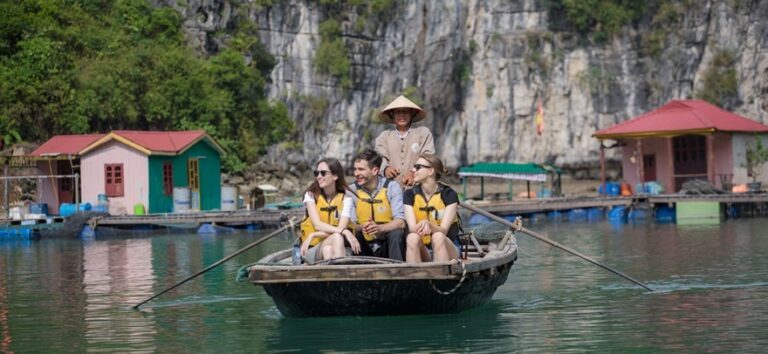
Ha Long Bay is one of the world’s most famous natural heritage sites, celebrated for the scenic beauty and unique formations of its limestone islands and caves. Yet did you know that Ha Long Bay is also an area of high biodiversity value featuring classic tropical marine ecosystems along with many rare and endemic species of flora and fauna? Join us in exploring these remarkable values in the guide below.
Marine Lake Ecosystems (Tung Ang)
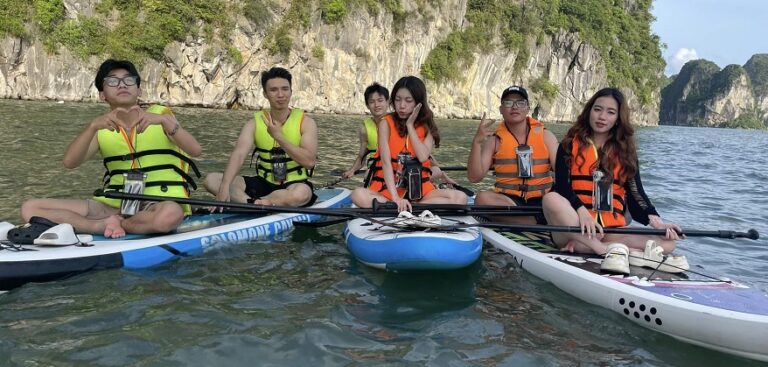
Marine lake ecosystems (tung ang) are a distinctive feature of karst island seascapes like Ha Long Bay. Sheltered from the open waters outside and enclosed by towering limestone karsts, these marine lakes feature lush green vegetation above the waterline and a vibrant world of marine life below. Peaceful, scenic, and distinctly different from open sea environments, they captivate visitors and hold plenty of pleasant surprises.
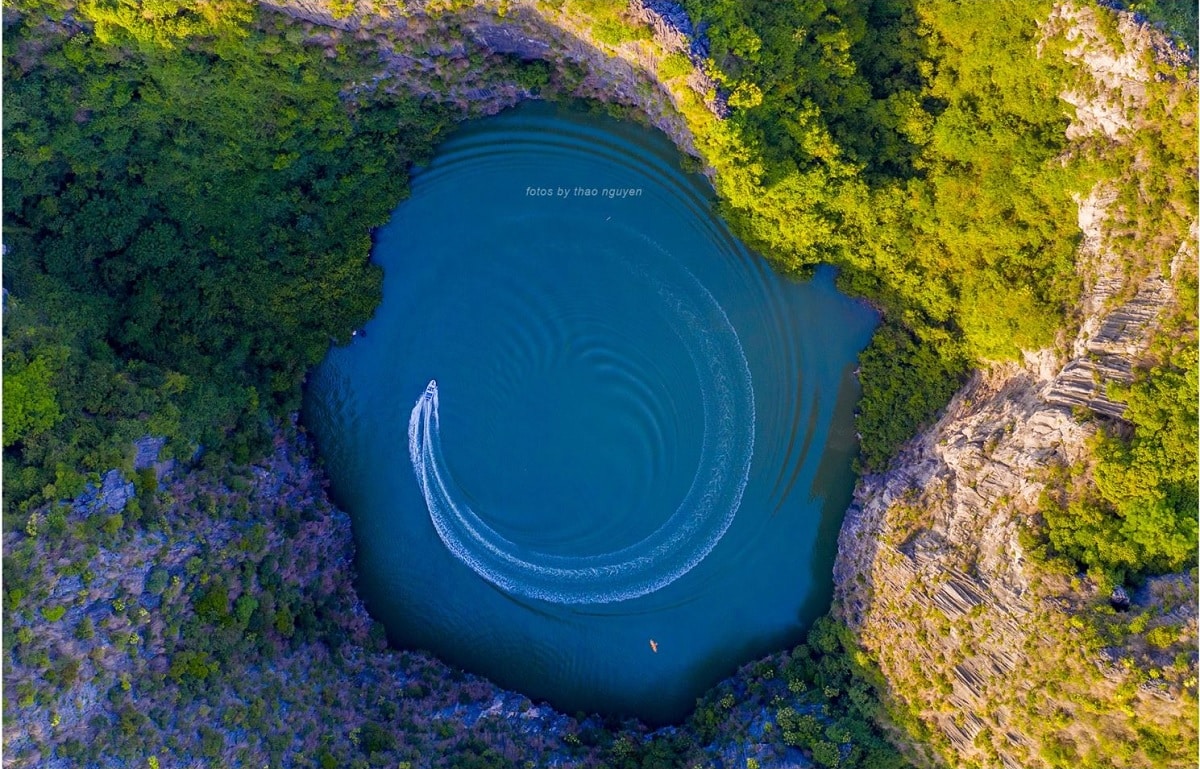
Marine Lake Ecosystem (Photo: Thao Nguyen)
To explore marine lake ecosystems, you can join kayak tours or boat excursions across Ha Long Bay. You will glide gently over small waves, paddle through dramatic karst grottoes, and spot fish, algae, corals, and other marine organisms—with plenty of opportunities to snap photos and record videos of memorable moments along the way.
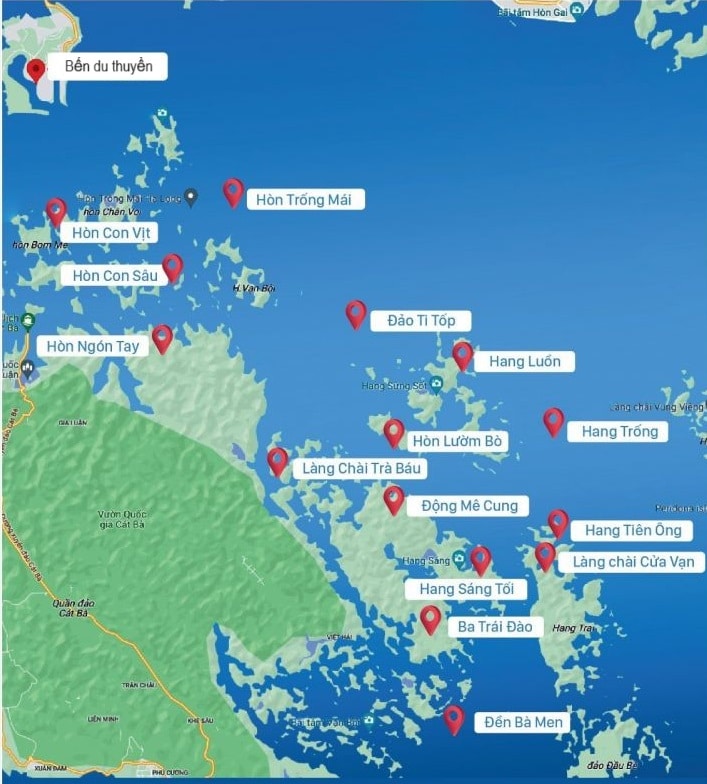
Several notable marine lakes across Ha Long Bay not to miss include: Ba Ham Marine Lake (Dau Be Island), Cua Van Marine Lake (Tuan Chau Island), Luon Marine Lake (Bo Hon Island), Trong Mai Marine Lake (Dinh Huong Island), and Cong Do Marine Lake (Bai Tu Long Bay).
Cave & Karst Crevice Forest Ecosystems (Rung Phieu Sinh)
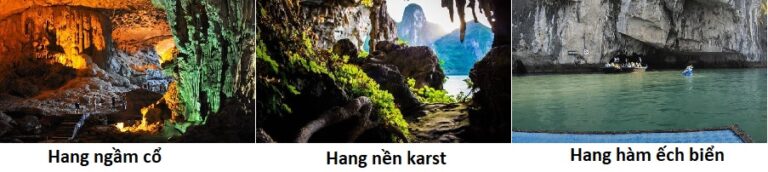
Karst crevice and cave-opening forest ecosystems represent a distinct woodland type found within caves, sinkholes, and rock fissures across limestone islands. These plant communities occur in scattered, discontinuous patches with little canopy connectivity between individual trees. Adapted to harsh conditions—including limited sunlight, scarce nutrients, and low moisture—they form one of Ha Long Bay’s rarest and most distinctive ecosystems.
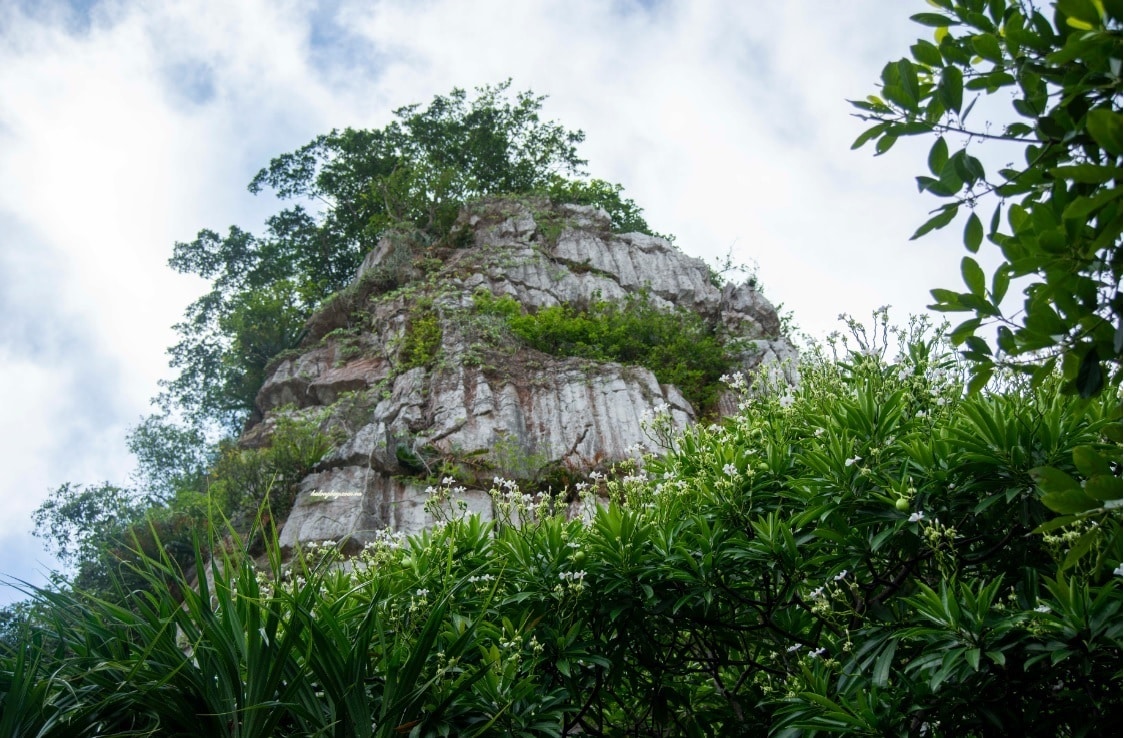
Karst Crevice & Cave Forest Ecosystem
To experience these unique plant communities, join sightseeing tours visiting Ha Long Bay’s caves. Along the way, you can admire nature’s sculptural artistry—intricate stalactites and stalagmites, “stone gardens,” and hardy plants clinging to sunlit openings and ledges—while listening to local myths and historical stories tied to each cavern.
Notable caves in Ha Long Bay featuring these specialized plant communities include: Sung Sot Cave (Bo Hon Island), Thien Cung Cave (Dau Go Island), Dau Go Cave (Dau Go Island), Trinh Nu Cave (Bo Hon Island), and Me Cung Cave (Lom Bo Island).
Coral Reef Ecosystems
Coral reef ecosystems play a vital role in maintaining marine ecological balance while supporting coastal livelihoods. Rich in marine biodiversity—especially reef-building corals resilient to environmental shifts—they also help buffer shorelines against wave erosion, making them one of Ha Long Bay’s most colorful and ecologically valuable habitats.
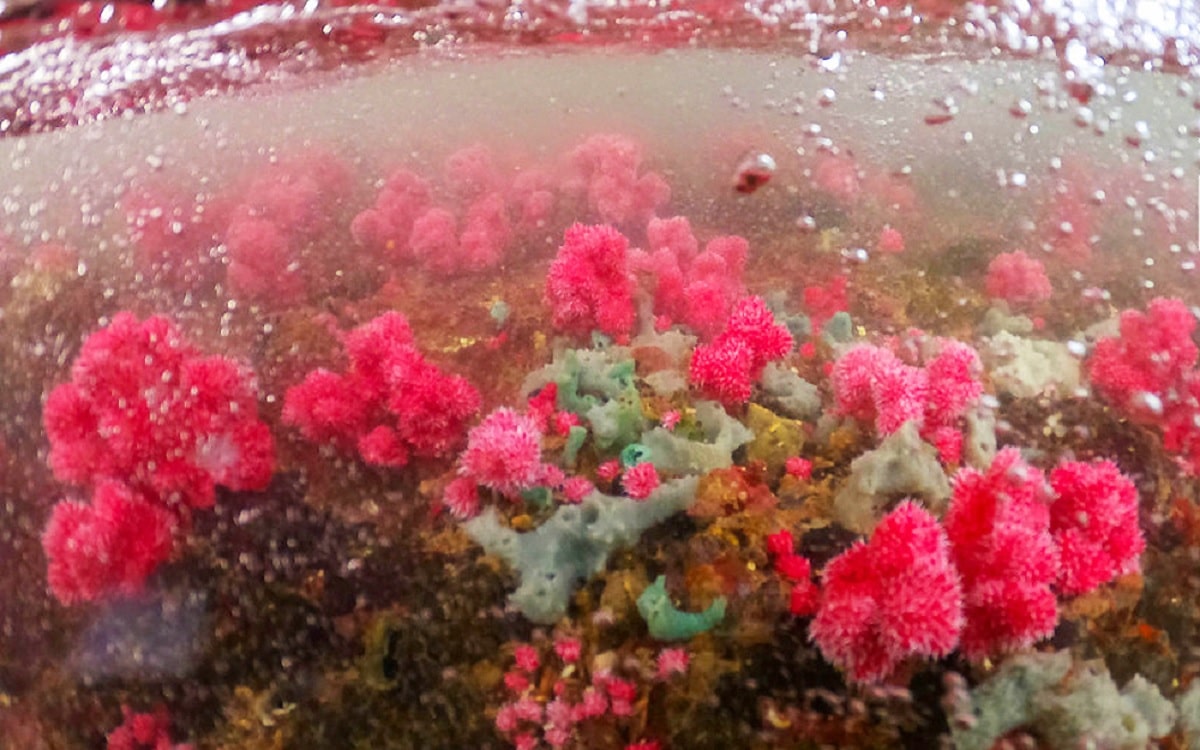
Coral Reef Ecosystem
To explore coral reefs in Ha Long Bay, join diving or snorkeling outings. Equipped with a life vest, diving mask, snorkel, and fins, you can head into the water to observe corals in varied colors and shapes alongside fish, shrimp, crabs, starfish, and other reef creatures, capturing underwater photos and videos to remember the trip.
Key coral reef areas in and around Ha Long Bay include: the Cong Do – Cong Tau area (Bai Tu Long Bay), the Van Don – Quan Lan – Minh Chau area (Bai Tu Long Bay), the Ti Top – Soi Sim – Ngoc Vung area (Ha Long Bay), and the Cat Ba – Lan Ha area (Lan Ha Bay).
That covers the highlights of Ha Long Bay’s biodiversity—we hope this guide proves helpful for your trip. If you need to charter a boat for Ha Long Bay to admire its vibrant marine and karst ecosystems up close, please contact us for full details.