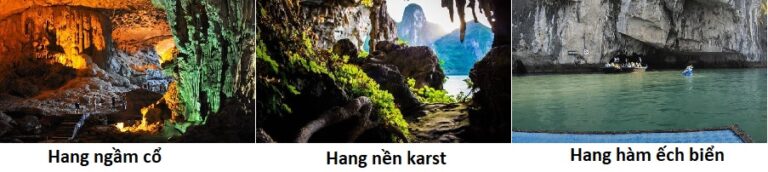
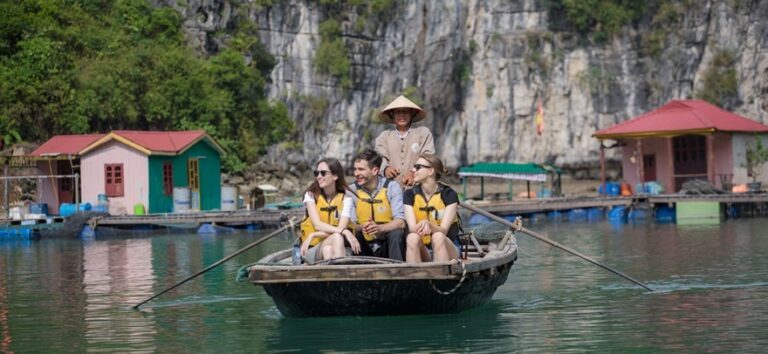
Sitting right next to World Natural Heritage site Ha Long Bay, Bai Tu Long National Park is often compared to a marine biosphere treasure offshore in northeastern Vietnam. Bai Tu Long National Park spans more than 15,000 hectares, with nearly 10,000 hectares of marine waters and the remainder made up of islands. Its rich biodiversity encompasses nearly 2,000 plant and animal species, including 72 animal species and 30 plant species listed in the Vietnam Red Book. Surrounded by sea waters, islands across Bai Tu Long Bay form quiet, distinct habitats for wildlife—and Ba Mun Island, nestled in the core zone of Bai Tu Long National Park, stands out as a true sanctuary for flora and fauna.
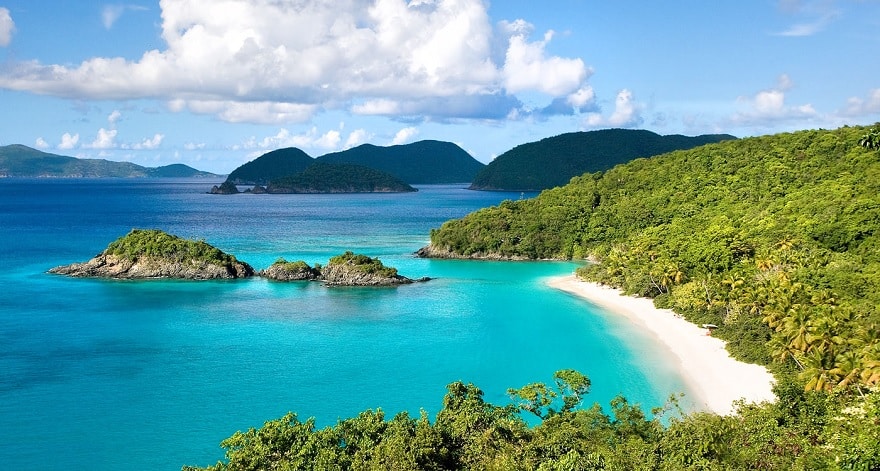
Ba Mun Island
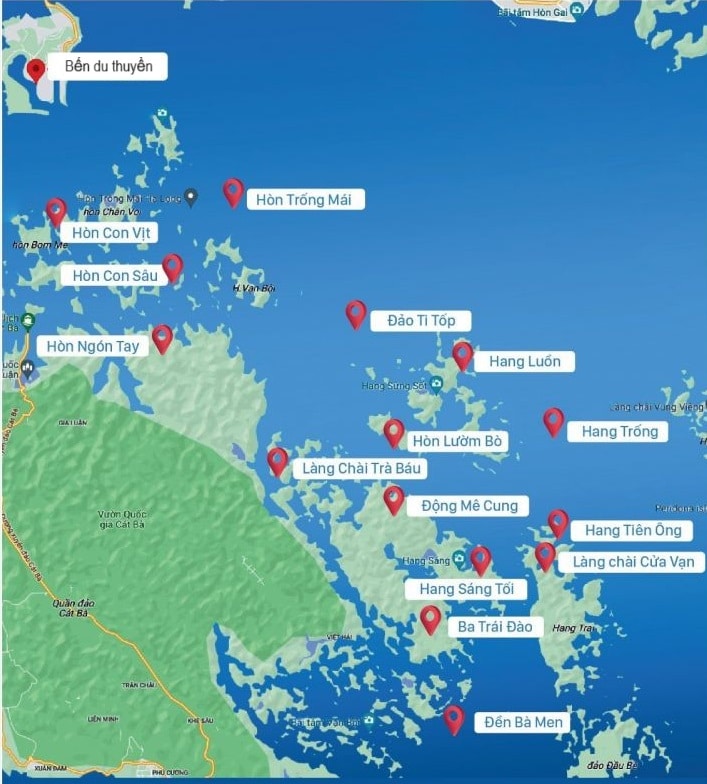
From Cai Rong Pier in Van Don District, Quang Ninh Province, a speedboat ride takes just under an hour to reach Ba Mun Island. Along the way, Bai Tu Long Bay opens up with striking island scenery: weather-carved limestone karsts reflected in clear, calm waters, trees clinging to steep cliffs that shelter small mammals, and eagles and hawks soaring above nesting ledges.
From afar, Ba Mun Island emerges with quiet, untamed beauty. A striking first impression of Ba Mun is the contrast between its eastern and western sides: waves roll against rocky cliffs along the eastern shore, while the western side stays calm and sheltered—helping buffer communities further inside Van Don District against open-sea storms. Blending island greenery with deep sea hues, Ba Mun features rich, relatively intact mangrove forests beyond sandy stretches and tidal flats where mangrove trees sit submerged at high tide and exposed in early morning, anchoring deep roots into sandy soil against tidal shifts.
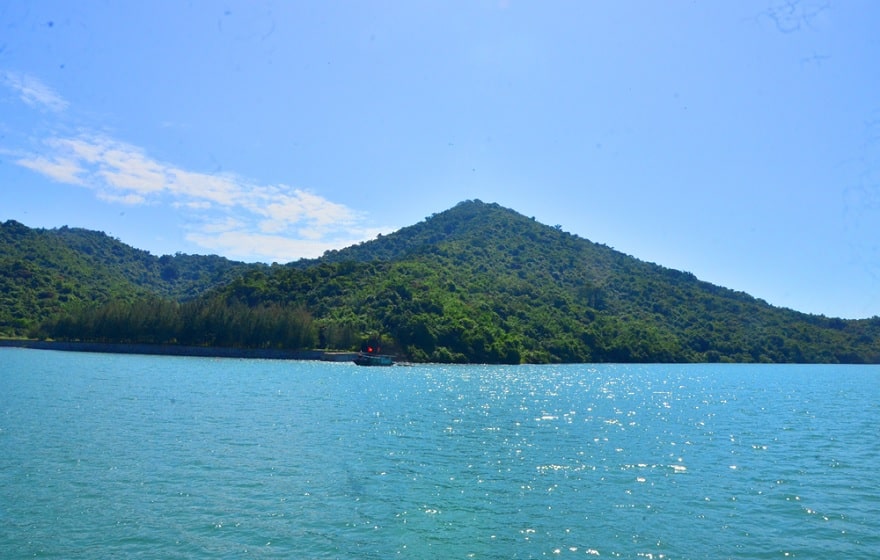
Ba Mun Island viewed from offshore
Ba Mun Island is also known as Cao Lo Island after one of its prominent peaks. Covering roughly 1,800 hectares, the island has a slender profile stretching nearly 20 km from northeast to southwest—about 2 km wide at its broadest point near a 307-meter mountain and roughly 0.4 km at its narrowest—bordered to the north by Cua Vanh toward Sau Nam Island and to the south by Cua Doi toward Minh Chau Island.
Ba Mun Island rests on some of the oldest geological formations in Bai Tu Long National Park—including conglomerate, sandstone, and shale—framed by channels shaped by marine erosion, deposition, and ancient sea-level shifts. Together with coastal humidity and groundwater springs, this terrain supports thriving forest growth and diverse wildlife.
Ba Mun Island features seven major streams with distinctive names such as O Lon To, O Lon Con, Mieu Danh Stream, Van Lau, Cao Lo, and Khe Che. Sheltered beneath dense forest canopy, these streams run clear year-round, providing precious fresh water out at sea.
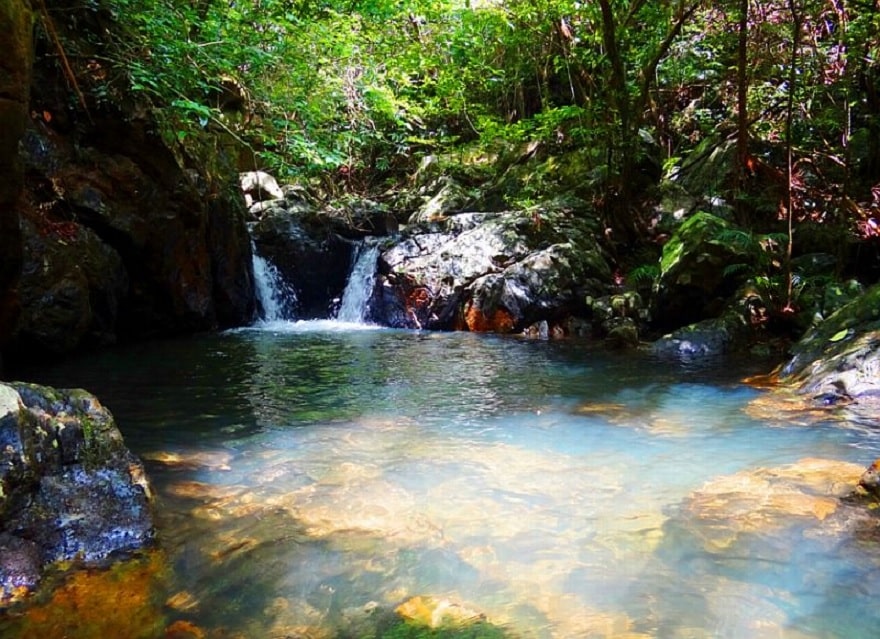
Clear, cool streams are a standout feature on the island
The island is mantled in multi-tiered tropical evergreen broadleaf forest with low-hanging branches. Active nutrient cycling between forest canopy and soil builds rich humus and soil fertility, supporting varied tropical wildlife. Because Ba Mun is a non-karst earthen/rock island rather than a pure limestone karst island like many in Ha Long Bay, its ecosystem hosts species absent from limestone karst forests—such as bach benh, la khoi, and sam nam—with natural regeneration reaching roughly 2,400 to 2,600 saplings per hectare and 60% to 70% growing taller than 1.5 meters with low pest damage.
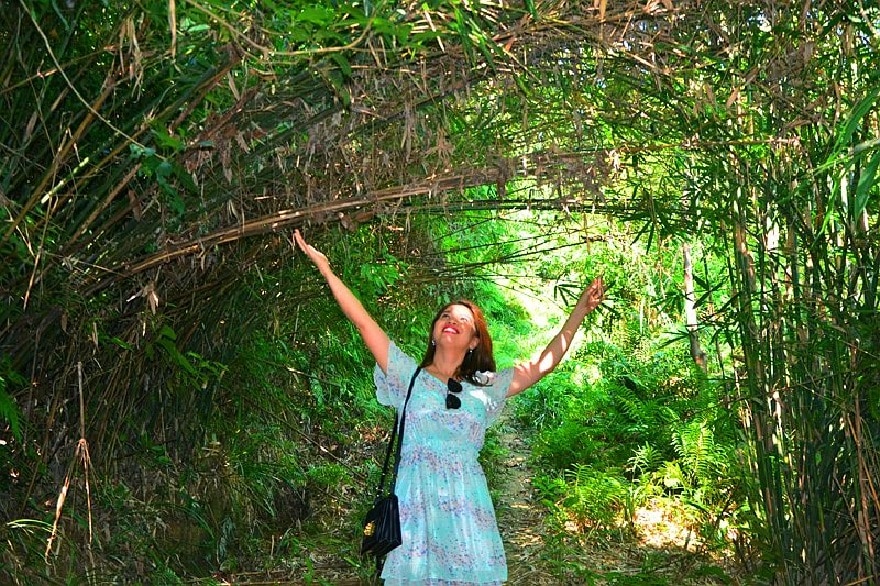
Primeval forest on Ba Mun Island
Walking deeper into Ba Mun’s woods reveals waist-high medicinal herbs and fallen logs hosting wood-ear mushrooms in damp shade. Varied terrain adds challenge for forest trekkers while highlighting the raw character of primeval woodland—where tall ancient banyans and ironwood (lim xanh) trees draped in vines hold clusters of epiphytes and wild orchids in the humid evergreen air.
Flora on the island is remarkably rich, recording 780 higher plant species including valuable timber species such as ironwood (lim xanh), tao mat, and kim sao nui dat, alongside notable species like red syzygium (tram do), lim sen, tau, and rare wild orchids. Protected by surrounding waters and active forest ranger monitoring, these mature trees continue to thrive today.
Alongside its plant life, Ba Mun supports rare wildlife including pythons, leopards, rhesus/yellow macaques, pangolins, monitor lizards, and hoofed mammals such as sambar deer, barking deer, and wild boars—notably preserving a sizable population of golden sambar deer, the only such population in northeastern Vietnam, alongside macaques, serow, and coastal and migratory birds.
Past illegal hunting once sharply reduced large mammal numbers across the region, yet Ba Mun remains the sole island in northeastern Vietnam holding an active population of golden sambar deer along with widespread wild boars. Today, rangers at Bai Tu Long National Park closely monitor movement, feeding behavior, and field signs such as rubs, hair, and tracks, while a wildlife rescue center works to boost survival and reintroduce rescued animals into the wild to help restore the island’s natural habitat.
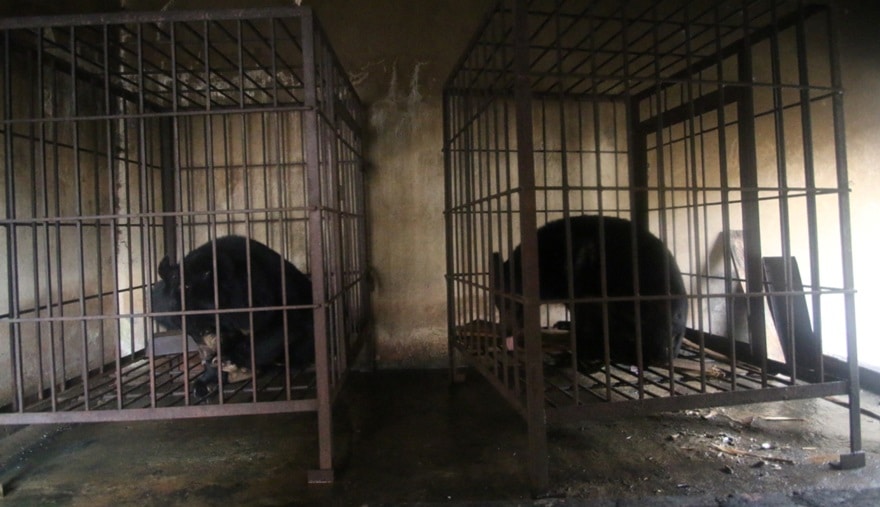
Two Asiatic black bears rescued on Ba Mun Island
Rare animals on the island—including golden sambar deer, long-tailed macaques, and bears—receive attentive care and rehabilitation ahead of release back into nature. Conservation challenges make protective care essential when wild populations face external pressures, and in recent years the Ba Mun rescue center and Bai Tu Long National Park have expanded international cooperation to refine wildlife care, rehabilitation, and safe reintroduction practices.
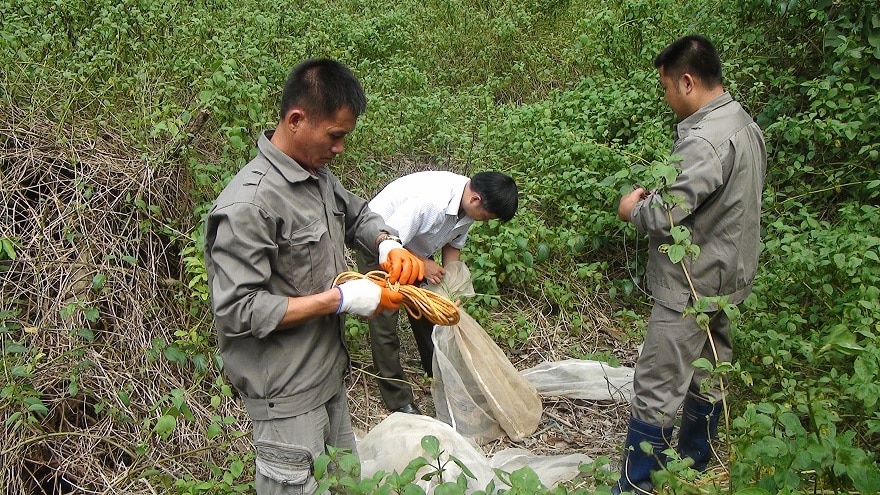
Ba Mun wildlife rescue center releasing dozens of monkeys and snakes back into the wild
Framed by sea and sky, these islands shelter rare plants and animals tended by local Bai Tu Long National Park staff who know the forest’s ecology firsthand. Their wildlife rescue and care work contributes meaningfully to regenerating primeval forest and restoring habitats across the Bai Tu Long marine conservation area.