Tung Sau Pearl Farm
Overview of Tung Sau Pearl Farm
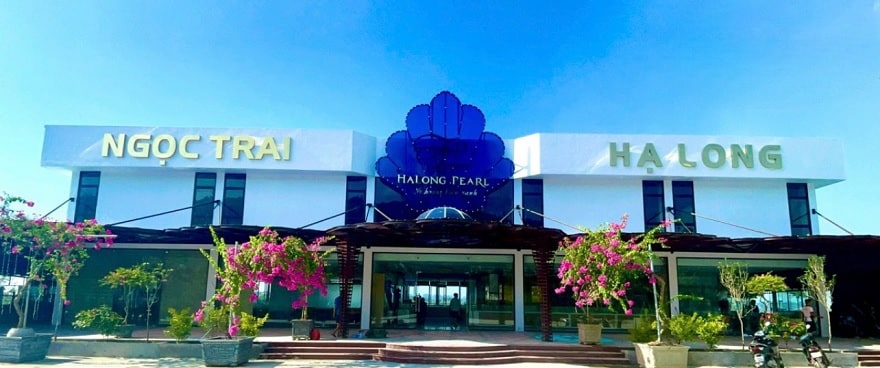
Tung Sau Pearl Farm is a distinctive pearl farm on Ha Long Bay, established in 1995 by a Vietnam–Japan joint venture. Tucked within a quiet cove framed by scenic limestone karsts, it spans 30 hectares with more than 3,000 saltwater pearl-farming cages. After more than a decade of operation, the Japanese partner transferred full operations to Nguyen Thuy Huong and her husband (director of Ha Long Pearl JSC), allowing Quang Ninh pearls to build their own brand identity rather than exporting raw stock under a foreign label—with Ha Long Pearl JSC’s pearl products recognized as an OCOP product of Ha Long City in 2015.
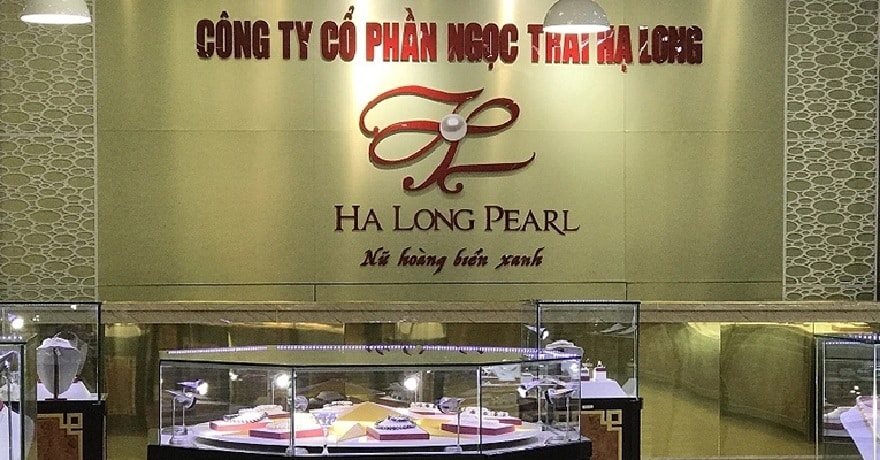
Display products from Ha Long Pearl JSC
Beyond developing its jewelry line, the farm partnered with Ha Long Bay management authorities in 2010 to become a stop on Ha Long Bay sightseeing Route 2, where visitors can learn about pearl cultivation and farming on the bay while browsing finished pearl jewelry on display and for sale.
Visiting the Pearl Farm Experience
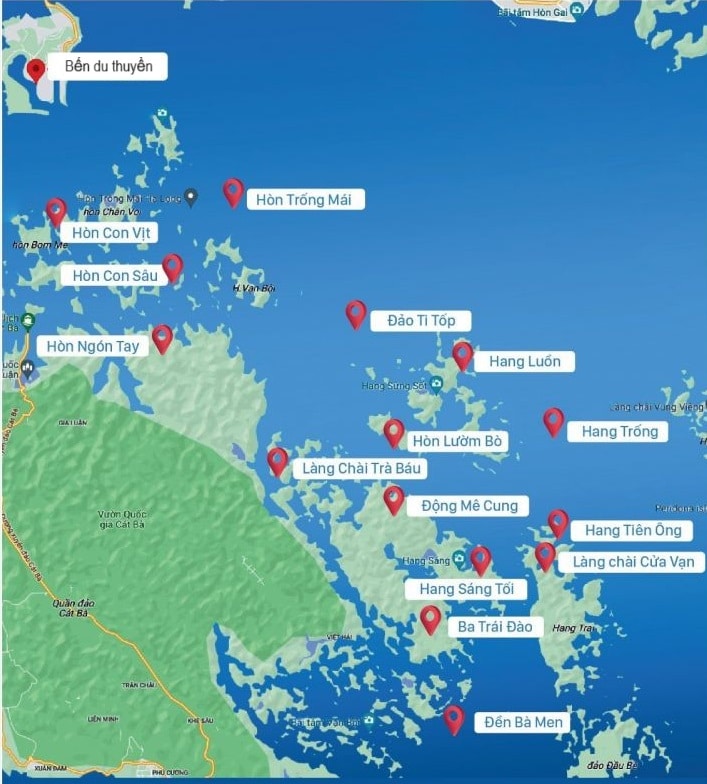
Reaching the farm involves booking a Route 2 sightseeing boat on Ha Long Bay, though few shared day boats stop here regularly—making a private charter or an overnight Ha Long Bay cruise a more flexible option. Because the farm sits well offshore, VDS Travel suggests departing from Tuan Chau International Cruise Port rather than Ha Long International Cruise Port since it lies closer to the area.
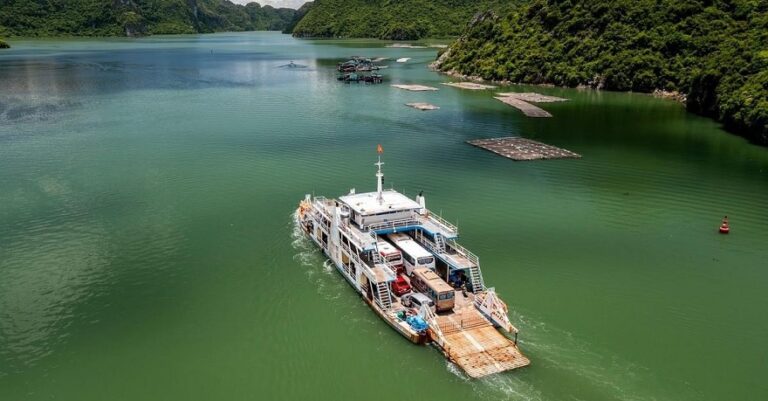
The boat ride takes roughly three hours, passing numerous islands and caves across Ha Long Bay along the way before arriving at a calm bay setting surrounded by limestone peaks and floating pearl-cultivation rafts and cages.
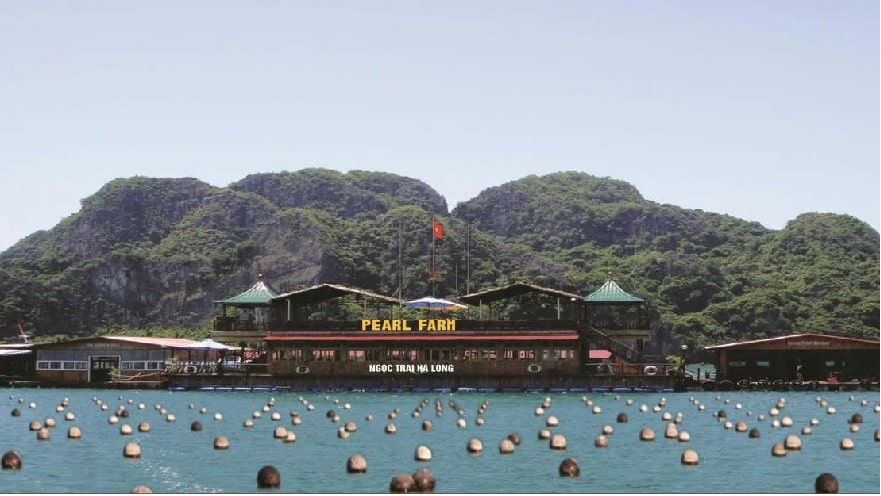
Pearl farming zone on the bay
Guides walk visitors through the careful stages of pearl cultivation at Tung Sau Pearl Farm: breeding spat from natural or crossbred broodstock, raising young mollusks on micro-food in bay cages, nucleating/seeding shells with a small nucleus and mantle tissue, and harvesting and processing pearls after roughly two years—cleaning, drying, grading, and polishing them—with hands-on demonstrations where guests can try opening a shell safely under guidance and keep the pearl they uncover as a souvenir.
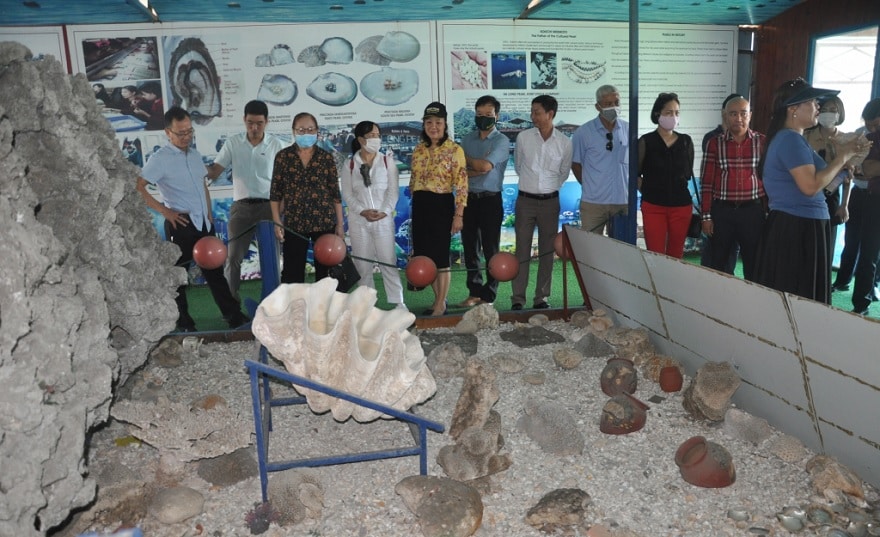
Visitors touring the pearl museum area
Guests can also tour the on-site pearl museum and showroom to see sample pieces, shop for souvenirs, and hear about the care and challenges involved in cultivating pearls at sea.
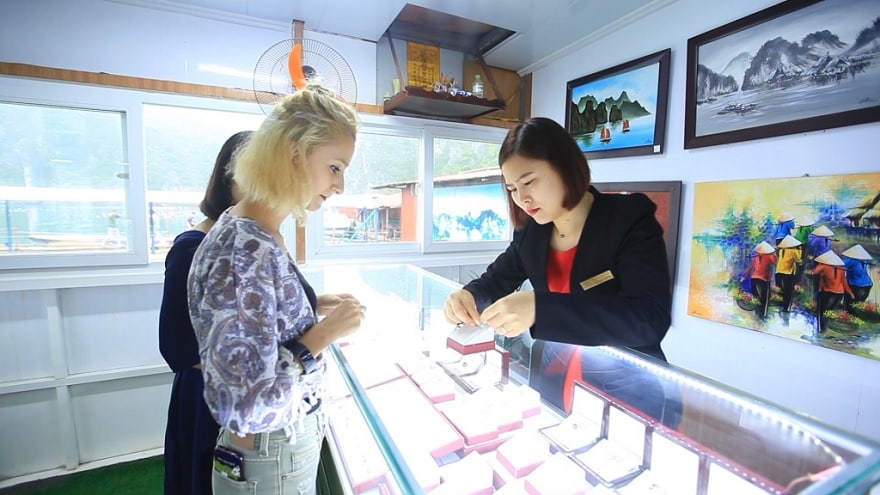
Visitors viewing pearl products in the showroom
Among signature items here are Akoya pearls cultivated using Martensia oysters, typically ranging from 3 to 9 mm across varied hues. After selection and care, a small nucleus is implanted inside the oyster, which coats it with nacre/calcium over roughly 24 months prior to harvest—with both the pearls and shell/mollusk byproducts utilized in local production.