
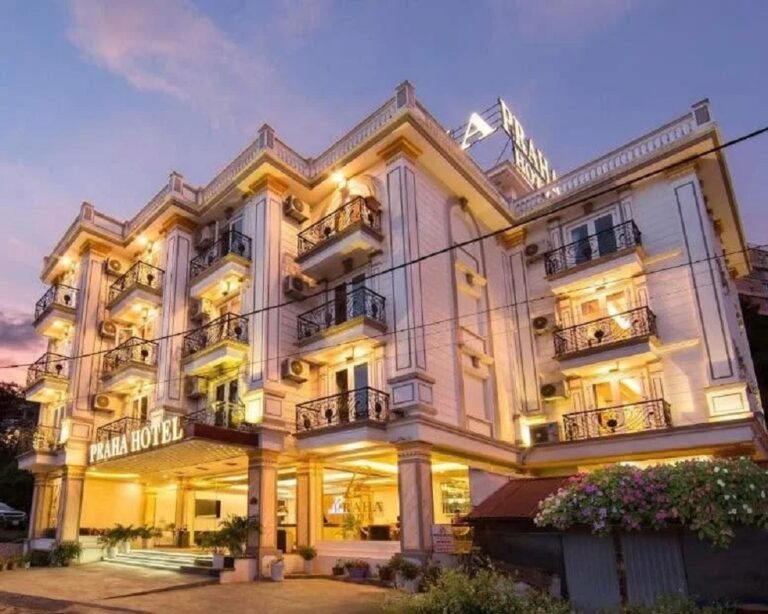
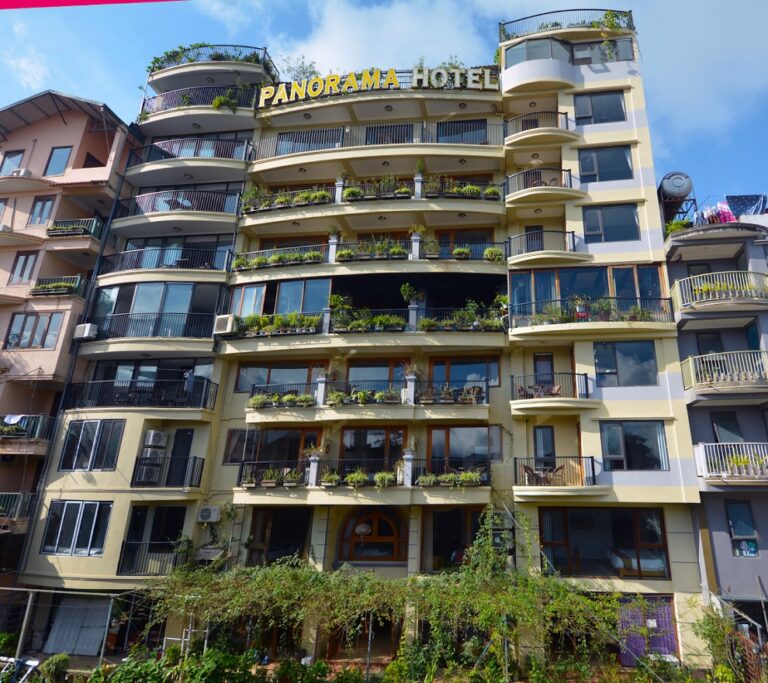
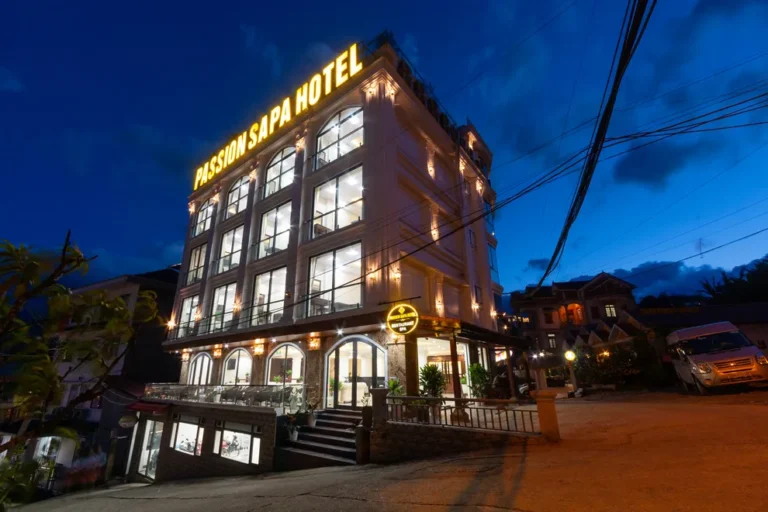
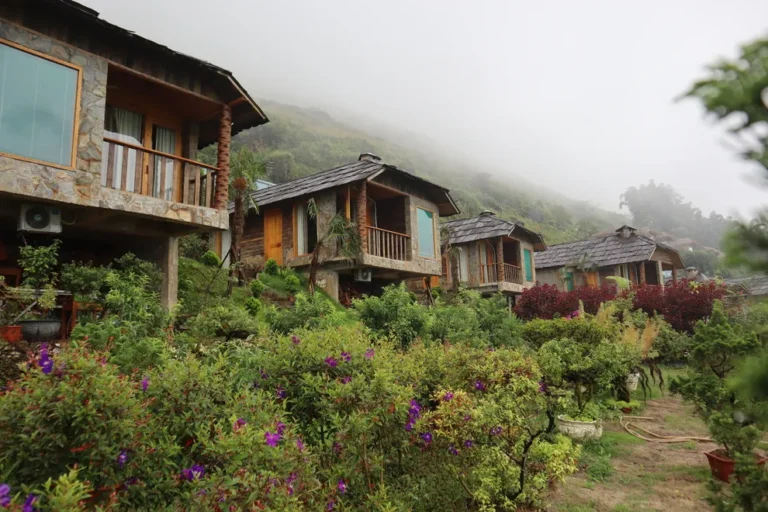
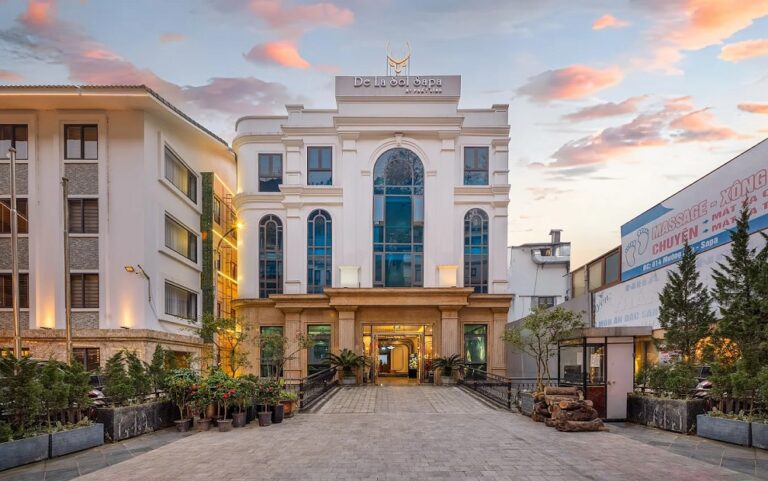
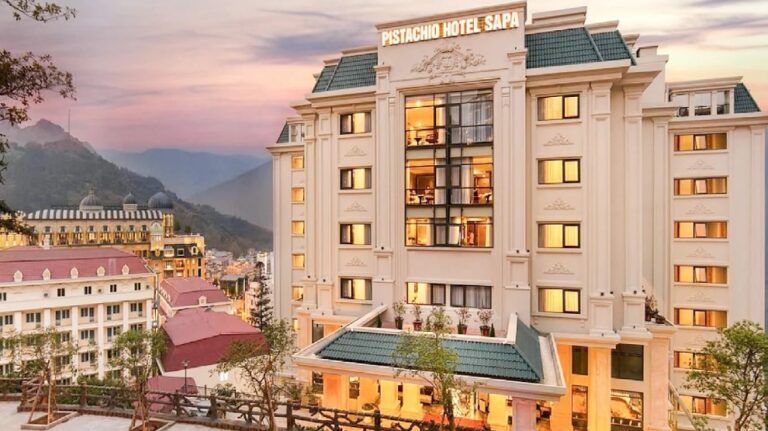
Having undergone a spectacular transformation over more than a century—from a rudimentary French colonial retreat to a premier luxury resort capital—the hotel system in Lao Cai – Sa Pa in 2026 reaffirms its status as a pinnacle of experiential and wellness tourism. The perfect fusion of modern infrastructure, Western European architectural heritage, and the cultural identity of the Northwest has created masterpieces of accommodation amidst the mist. From magnificent 5-star masterpieces in the town center and resorts tucked away in the breathtaking Muong Hoa Valley to peaceful stopovers on the Bac Ha plateau, the local accommodation landscape promises an emotionally elevating journey. Explore our latest price lists and collection of world-class destinations to enjoy true luxury amidst the clouds.
The history and development of the accommodation system in Lao Cai are closely linked to the significant shifts in infrastructure and tourism development strategies in the Northwest region. Starting in 1903, when the geographical survey team of the Indochina Geographical Department discovered the cool climate and spectacular landscapes of Sa Pa, the French quickly planned the area as an ideal resort station for colonial officials and officers. Throughout the period from the early 20th century until before 2013, the accommodation space here primarily bore the mark of Western architecture, with nearly 200 ancient stone villas combining Gothic style with mountain Chalet-style tiled roofs to adapt to the harsh, frosty weather. Following historical events that damaged the old infrastructure, the local area reopened to visitors in 1993, and small-scale private guesthouses and state-owned guest houses began to emerge to serve Western backpackers seeking adventure and domestic tourists traveling by train to experience the climate.
The period from 2014 to 2018 marked a historical turning point that completely changed the landscape of the hotel industry in Lao Cai, thanks to breakthroughs in transport infrastructure and services. The inauguration of the Hanoi – Lao Cai expressway (CT05) in 2014 shortened travel time from the capital to under 4 hours, creating a massive shift in tourism. Subsequently, the appearance of the cable car system conquering the Fansipan peak in 2016 shifted the tourism model from “adventure exploration” to “high-standard leisure.” A wave of investment from major real estate and tourism corporations quickly turned this land into a magnet for international hotel management brands. Large-scale eco-resorts and luxury hotels emerged in the town center and along the valley, establishing international 5-star accommodation standards and restructuring the entire local tourism service market.
From 2019 to 2026, the hotel system in Lao Cai entered a period of modern boom, focusing on sustainable, green development and elevating the luxury segment. The official elevation of Sa Pa to a town in 2020 strongly pushed the expansion of accommodation spaces from the cramped urban core to satellite areas such as Muong Hoa Valley, O Quy Ho, and the slopes of Ham Rong Mountain. The trend of wellness retreats and hideaway resorts has become the primary product line, meeting the rigorous demands of the high-end customer segment. Accommodation projects during this period emphasize a sophisticated blend of indigenous ethnic cultural identity with green luxury standards, prioritizing the preservation of natural landscapes, minimizing concrete usage, and integrating signature wellness amenities such as herbal baths or professional saunas, establishing Lao Cai as one of the leading mountain resort hubs in the region.
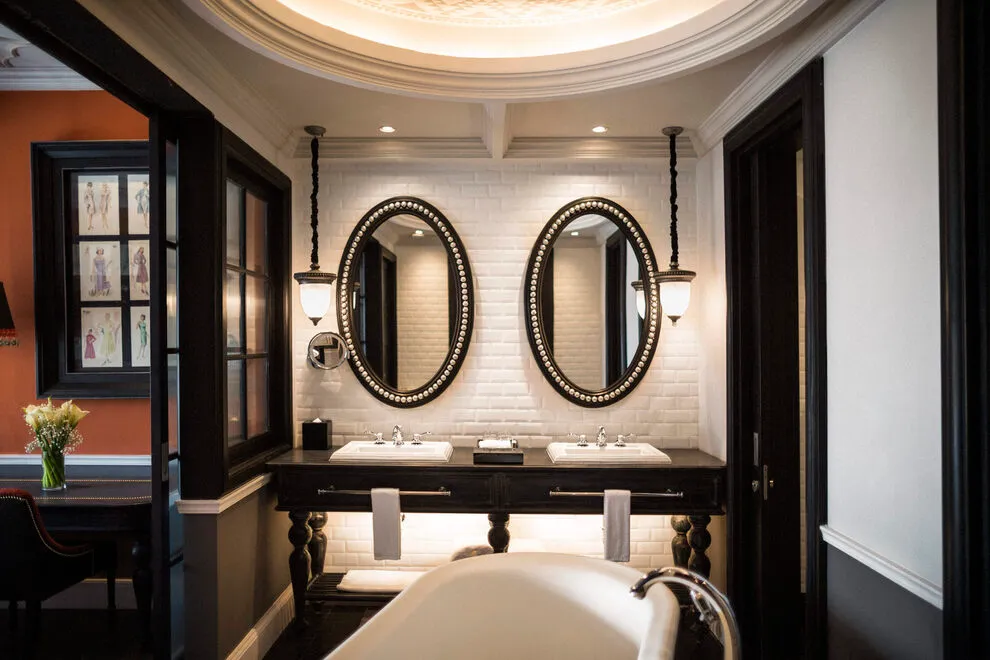
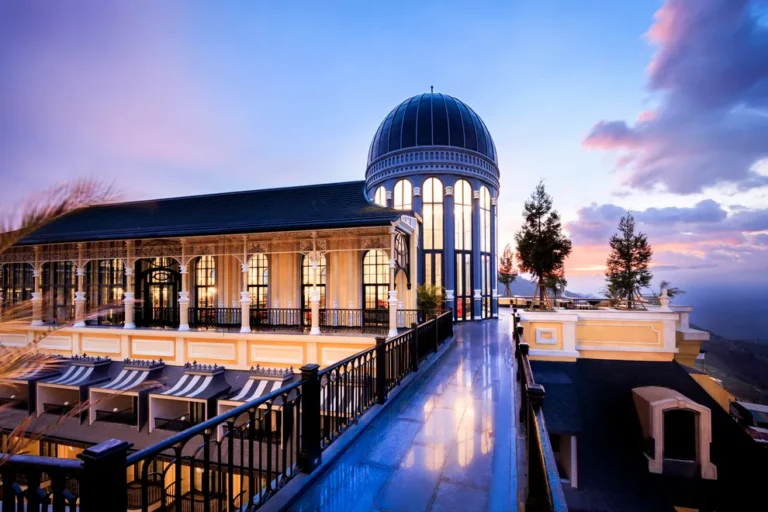
Hotel de la Coupole – MGallery Sa Pa, an Indochine architectural masterpiece in the heart of Sa Pa – a pinnacle of luxury hospitality in Lao Cai.
The central district of Sa Pa town, revolving around vital streets such as Cau May, Fansipan, Hoang Lien, and the Stone Church area, serves as the most established and bustling hub for accommodation in the entire province. Cau May Street, often referred to as the highland’s “Western Quarter,” gathers a chain of luxury boutique hotels, gourmet restaurants, and diverse entertainment services. Located right nearby, Hoang Lien and Fansipan streets are home to world-class architectural masterpieces like Hotel de la Coupole – MGallery and the Muong Hoa funicular station. With the advantages of short travel distances, complete infrastructure, and convenient transport connectivity, the central area is the preferred choice for first-time visitors to Sa Pa, business delegations, or those who enjoy a vibrant and lively atmosphere at night.
In contrast to the bustle of the center, the Muong Hoa Valley zone, stretching through the villages of Lao Chai, Ta Van, and Hau Thao, is a paradise for eco-resorts, ecolodges, and hidden retreats. Nestled along the mountainside with views encompassing the Muong Hoa Valley and cascading terraced rice fields, this area attracts top-tier luxury resort brands such as Ville De Mont Mountain Resort and Sapa Jade Hill. This accommodation corridor focuses on maximizing the pristine natural elements, offering a private healing space suitable for high-end clientele, couples seeking romance, or travelers wishing to deeply experience the indigenous culture of the H’Mong and Red Dao people.
The resort strip facing the gateway of O Quy Ho, Silver Waterfall, and the Ham Rong Mountain area represents the emerging trend of high-altitude mountain resort development. With superior elevation and open spaces, this zone possesses many prime locations for admiring cloud-covered landscapes, watching the brilliant sunset over O Quy Ho Pass, and accessing the Sun World Fansipan Legend cable car station quickly. Large-scale resort complexes like Lady Hill Sapa Resort and high-end glamping systems are gradually turning this route into an ideal destination for travelers who love majestic nature experiences but still require full modern wellness amenities such as Onsen saunas or cloud-view infinity pools.
Beyond the tourism capital of Sa Pa, the commercial transport corridor in Lao Cai City serves as a vital transit gateway for the entire region. Concentrated mainly along Tran Hung Dao Avenue, the Lao Cai Railway Station area, and the International Border Gate, the accommodation system here has developed strongly based on the commercial city hotel model. Notable establishments such as Aristo International Hotel and Sojo Hotel Lao Cai primarily serve business travelers, import-export merchants, tourists visiting for casino entertainment, or travelers stopping to rest before continuing their journey to Sa Pa and the white plateau of Bac Ha.
Hotel de la Coupole – MGallery: Located right on Hoang Lien Street in the center of Sa Pa town, Hotel de la Coupole – MGallery is an international-standard 5-star architectural masterpiece blending classic French style with the sophisticated cultural colors of the Northwest highlands. The building makes a strong impression with its magnificent beauty, bringing together luxury room categories meticulously designed down to the smallest detail. Alongside its high-class room system, the hotel features unique signature amenities such as the Muong Hoa mountain climbing train connecting the center with the Fansipan cable car station and an artistic indoor heated swimming pool. Staying here, guests will experience an upscale living space, enjoy flawless care services, and easily immerse themselves in the bustling life of the misty land.
Topas Ecolodge: Nestled in Thanh Kim commune within the Muong Hoa valley sub-zone, Topas Ecolodge is known as a high-end eco-resort with a minimalist architectural style, utilizing natural granite materials to blend harmoniously with the majestic nature. The private bungalows are spread across the hilltops, offering a private space with panoramic views of the mountains and forests. The most prominent amenity here is the elevated heated infinity pool, where guests can relax while taking in the sweeping views of the winding terraced fields and stunning valley. This is an ideal destination for anyone seeking a green resort experience, completely detached from the urban noise.
Ville De Mont Mountain Resort: Situated at an altitude of 1,555m on the slopes of Ham Rong mountain in the Hau Thao area, Ville De Mont Mountain Resort positions itself as a premier green luxury and healing resort. The resort’s architecture is a unique combination of natural stone villas delicately hidden under the canopy of centuries-old samu pine forests. The isolated villa system provides a top-tier resort experience with absolute privacy and fresh air. Guests staying here will enjoy signature amenity services deeply imbued with local imprints, such as the Red Dao herbal bath treatments and relaxing meditation sessions amidst the tranquil mountain forest space, bringing a perfect balance to the mind and body.
Lady Hill Sapa Resort: Located on a breezy hilltop opposite the Fansipan cable car station in the O Quy Ho gateway sub-zone, Lady Hill Sapa Resort stands out with its modern, luxurious architectural style and grand scale. The resort offers a diverse range of high-end rooms and villas with panoramic views facing the legendary Fansipan peak. Possessing a prime location and a comprehensive wellness healthcare amenity system, the resort brings guests moments of complete relaxation in the space of drifting clouds and mountain winds. The experience of watching the sunrise or sunset from the hilltop at Lady Hill will surely leave unforgettable impressions for every traveler stopping by Sa Pa.
Sapa Jade Hill Resort: Located in the Cau May – Muong Hoa area, Sapa Jade Hill Resort is a high-end eco-resort that captivates visitors with its rustic architectural style, utilizing thatched roofs, natural wood, and unique cobblestones. The villas and bungalows here are designed with full views overlooking the Muong Hoa valley, allowing guests to easily capture moments of clouds drifting past their windows or admire stunning viewpoints of the terraced fields. With a cozy, intimate yet fully equipped space, the resort delivers an authentic resort experience, helping visitors fully immerse themselves in nature and the unique culture of Lao Cai’s mountainous region.
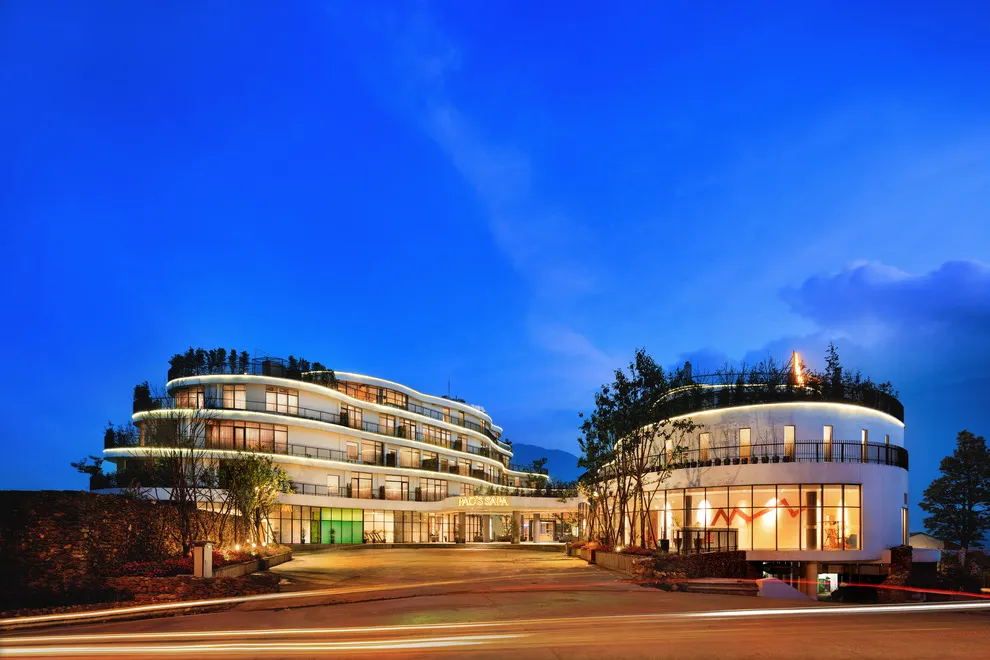
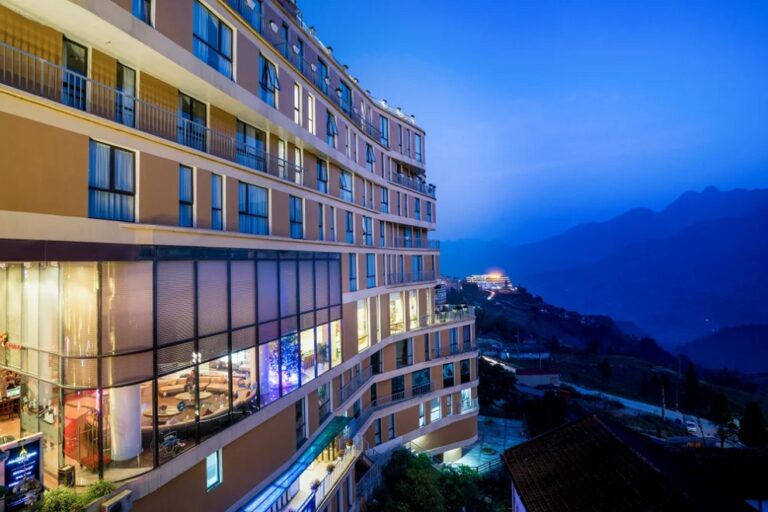
The unique terraced architecture embraces the sea of clouds in Muong Hoa Valley at Pao’s Sapa Leisure Hotel.
The classic French architectural beauty of BB Hotel right in the central square of Sapa.
| Accommodation Name | Location Zone | Standard / Star Rating | Signature Amenities | 2026 Reference Price (VND/Night) |
|---|---|---|---|---|
| Hotel de la Coupole – MGallery | Hoang Lien Street, Sapa Town Center | International 5-star | Muong Hoa funicular, Indoor heated swimming pool | — |
| Topas Ecolodge | Thanh Kim, Muong Hoa Valley Zone | Luxury Eco-Resort | Infinity pool overlooking the valley and rice terraces | — |
| Ville De Mont Mountain Resort | 1,555m altitude on Ham Rong mountain slope, Muong Hoa Valley / Hau Thao Zone | Wellness Resort / Green Luxury | Red Dao herbal bath, Meditation amidst the Samu forest | — |
| Lady Hill Sapa Resort | Hilltop opposite Fansipan cable car station, Gateway / O Quy Ho Zone | Luxury Resort | Prime location for viewing Fansipan, Wellness services | — |
| Sapa Jade Hill Resort | Cau May – Muong Hoa area, Muong Hoa Valley Zone | Luxury Eco-Resort | Cloud-watching over the valley, rice terrace observation point | — |
The specific climate and terrain of the Lao Cai highlands set strict standards for accommodation, where heating systems are a prerequisite for a complete vacation. In winter, when temperatures can drop below 0°C with frost humidity exceeding 90%, 3 to 5-star hotels must be equipped with high-capacity two-way air conditioning, wall-mounted dehumidifiers, or, more luxuriously, underfloor heating systems and wood-burning fireplaces in luxury villas. To catch moments of drifting clouds or fully admire the terraced fields, travelers should prioritize high-floor room categories with glass balconies facing the Muong Hoa valley or the O Quy Ho hillsides. Understanding room locations and characteristics helps optimize the visual experience, bringing an absolute sense of relaxation amidst the majestic natural scenery.
Besides room amenities, proactively timing your room bookings according to peak travel seasons plays a decisive role in cost and service quality. The brilliant golden ripe rice season in September, the snow-hunting and cherry blossom season from December to January of the following year, and the bustling plum blossom season in early spring are always times of surging visitor volume. Room deposit plans should be made 1.5 to 2 months in advance for the ripe rice season and about 3 to 4 weeks during the snow-hunting season to ensure the best listed prices. Additionally, proactively learning about peak season surcharge regulations, age-based children’s surcharge policies, and buffet breakfast packages will help travelers manage their trip budget transparently and effectively.
The accommodation system in Lao Cai – Sa Pa offers a remarkably rich experiential picture, fully meeting the distinct desires of travelers on their journey to explore the mist-covered land. Multi-generational families often find complete peace of mind and convenience at modern resorts like Lady Hill or Pao’s Sapa Leisure Hotel, where spacious flat grounds, convenient buggy transportation, and enclosed warm water complexes help care for the health of both the elderly and young children. Following that relaxation, a romantic atmosphere draws couples into a private world within the splendid space of Hotel de la Coupole or stone villas hidden amidst the Samu pine forests of Ville De Mont Mountain Resort, where candlelit dinners and cloud-viewing experiences from carved balconies craft unforgettable honeymoon memories. Different from that tranquility, the dynamic rhythm of Gen Z youth explodes around the bustling Cau May street axis at BB Hotel Sapa or rustic local homestays in Ta Van and Hau Thao, opening up trekking journeys to conquer nature and captivating local cultural exchanges. That picture is completed by the puzzle piece of MICE groups and corporate events, as they find a perfect combination of large-scale conference spaces and professional services at Pao’s Sapa or Aristo Lao Cai, alongside teambuilding activities that bond teams amidst the majestic nature of the Northwest mountains.
Each mode of transport has its own advantages depending on your accommodation needs and itinerary:
To ensure a perfect valley view and a successful cloud-hunting experience, keep these tips in mind:
Winter temperatures in Sa Pa can drop below 5°C, with occasional frost or snow. Heating standards depend on the accommodation segment:
Cabin buses or trains usually arrive in Sa Pa/Lao Cai between 4:30 AM and 6:00 AM, while the standard check-in time is 2:00 PM. The typical handling policies are as follows:
