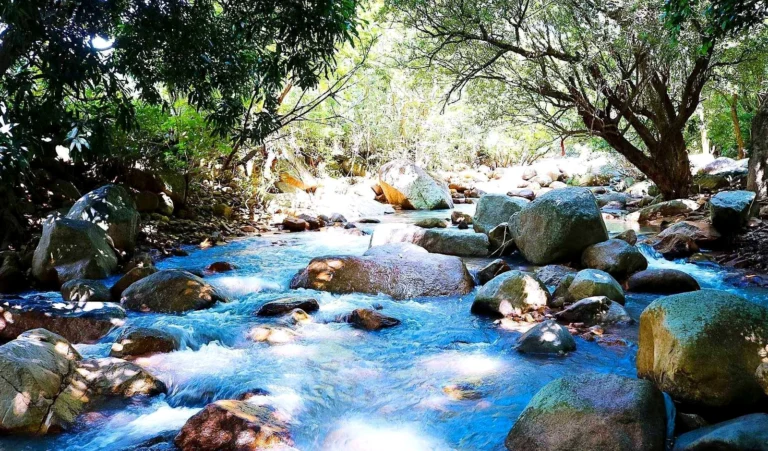
Stretching across the coastal semi-arid region of Hoa Thang Commune, Bac Binh District, Binh Thuan Province, Bau Trang (White Lake) emerges as a singular geological wonder where the harshness of pristine white sand blends seamlessly with abundant freshwater to create one of Central Vietnam’s most magnificent micro-ecosystems. Toponymic researchers and heritage travelers have long regarded this geographic landmark as an enduring bridge between past and present, where nature has sculpted immaculate white sand slopes embracing a tranquil, crystal-clear lake. The terrain here bears a strong imprint of untamed feng shui: surrounded on all sides by towering dunes shifting day and night with the sea breeze, sheltering a pair of natural freshwater lakes clearly distinguished in ancient historical records as Bau Ong (Gentleman Lake) and Bau Ba (Lady Lake), with Bau Ba (also known as Bau Trang or Bach Ho) boasting the greater volume and grander scenery. Originating from the ancient Cham dialect, this area was once called *Kala* or *Bau Kala*, deeply tied to the memory of a civilization that once nurtured the ancient land of Panduranga. In the indigenous language, the word *Bau* refers to natural freshwater lakes nestled within arid basins—a precious lifeline amidst unforgiving nature. Through the tides of history, as the Nguyen Dynasty established its administrative system and documented the realm in geographic treatises such as the *Dai Nam Nhat Thong Chi* (Unified Gazetteer of Dai Nam), this landscape became more clearly defined during the reign of Emperor Minh Mang. The later name “Bau Trang” (White Lake) not only visually reflects the pure white quartz sand enveloping the water, but also symbolizes centuries of cultural harmony between Vietnamese and Cham communities reclaiming land, establishing settlements, and safeguarding the southern frontier. The passage of time at Bau Trang reaches far beyond the chronicles of the Nguyen Dynasty, stretching all the way back to the Pre- and Proto-historic eras. Archaeological surveys conducted across the surrounding dune system uncovered cultural layers belonging to the late Metal Age of the Sa Huynh culture, dating back 2,000 to 2,500 years. Excavated pottery artifacts and labor tools stand as compelling evidence that Bau Trang once served as a vital overland and maritime trading hub, linking commerce from the Central Highlands down to the coastal plains. During the independent Champa period (9th–15th centuries), it continued to serve as a crucial hydrological lifeline sustaining ancient temple towers and local communities. Intertwined with this geo-cultural space are folk legends imbued with the spiritual essence of sun-drenched, windswept coastal dwellers. Ancient tales tell that Bau Trang was originally a deep freshwater lake inhabited by guardian deities protecting the harvests and life of this arid land. Generations of oral folklore recounting virtuous Cham maidens and the divine manifestations of water spirits have transformed Bau Trang into a sacred space in the spiritual life of local residents. Today, through the lens of heritage authorities and specialized press, Bau Trang is celebrated not merely as a National Scenic Spot, but as a living geological museum preserving the pristine natural and cultural values of Vietnam across the ages.

Located amidst endless stretches of white sand dunes in Hong Lam Commune, Bac Binh District, Binh Thuan Province, Bau Trang stands out as a unique natural masterpiece where the severity of a semi-arid desert is cradled by cool, crystal-clear freshwater year-round. The scenery here radiates a majestic, untamed beauty, forming a breathtaking and unforgettable natural panorama. Softly undulating sand dunes resemble giant silk ribbons changing hues with the movement of the sun—shifting from radiant gold in the early morning to pure ivory white at midday, and a mystical orange glow as dusk falls. The crowning jewel of this ecosystem is its expansive lake divided into smaller basins such as Bau Ong, Bau Ba, and especially Bau Trang—where boundless pink lotuses bloom amidst vast expanses of white sand. This striking contrast between barren sand and lush, vibrant flora creates a one-of-a-kind geographic space that feels both wild and powerful yet poetic and serene.
To capture the full spectacle of this miniature desert, professional photographers and seasoned travelers frequently share two iconic vantage points offering the most rewarding compositions. The first spot sits atop the highest sand ridge overlooking Bau Trang Lake, allowing your lens to capture the gracefully winding asphalt road cutting through the sand as it hugs the mirror-like water. The ideal time for this shot is at sunrise (from 5:00 AM to 6:30 AM), when the first warm golden rays pierce through the morning mist, illuminating the landscape and accentuating the sharp curves of every dune. The second spot runs along the lakeside where lotus clusters bloom abundantly, letting visitors use lush green lotus pads and vibrant pink blossoms in the foreground to frame the rolling white dunes in the distance. The golden hour for this angle is at sunset (from 4:30 PM to 6:00 PM), when the twilight sky turns crimson and reflects off the calm surface, creating a dreamy, lyrical, and deeply cinematic scene.
Beyond its grand scenery, the wind’s artistry across the dunes of Bau Trang is a marvel of natural architecture. Over millions of years, strong sea breezes have eroded, carved, and arranged the sand into countless crisp, flowing ripples resembling the sculptures of a master artisan. The subtle interplay between the unique dune topography, the rich freshwater lake ecosystem, and the vast open sky transforms Bau Trang into a supreme visual gallery that captivates everyone who sets foot here.
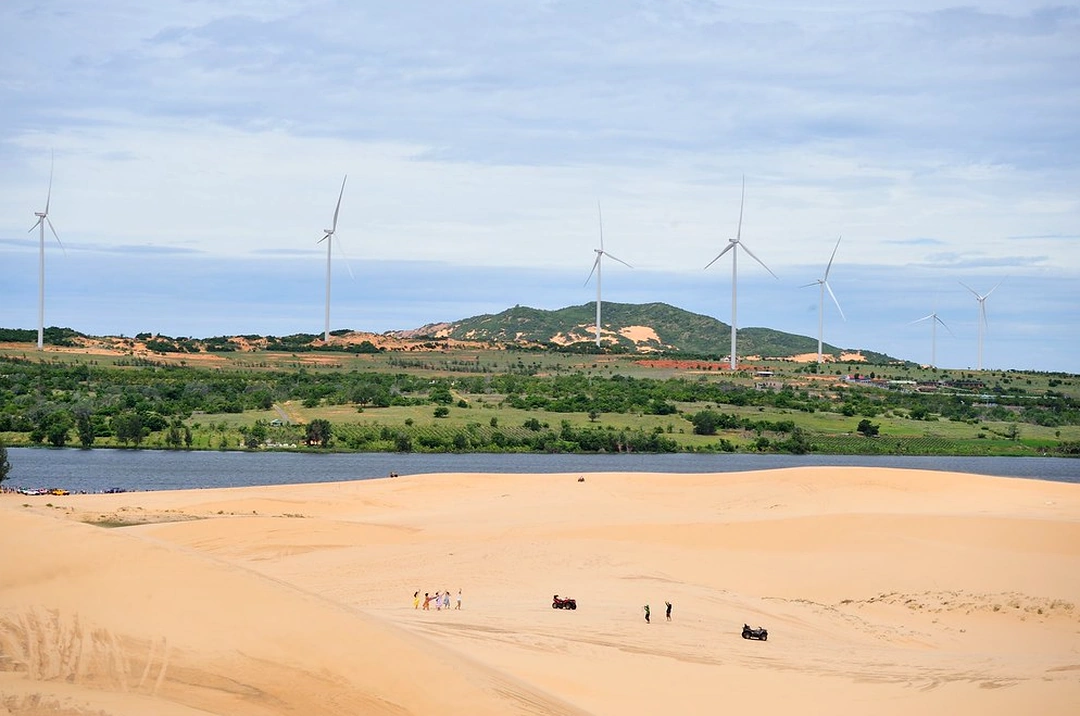
Stepping into Bau Trang, visitors are immediately awestruck by a remarkable natural wonder where a pristine white desert harmonizes exquisitely with a mirror-smooth freshwater lake. To fully experience this raw beauty, conquering the towering sand slopes aboard a high-powered ATV quad bike or a specialized off-road Jeep delivers an unmatched rush of adrenaline. The roar of engines echoes across the wide-open expanse as you tear over dramatic rolling ridges, reaching the highest summit to take in a sweeping panoramic view of Central Vietnam’s sun-drenched, windswept coast.
Leaving the thrill of the shifting dunes behind, the journey continues toward the tranquil waters of the lotus lake. Drifting gently across the lake in a small wooden sampan, the pace of life suddenly slows down, giving way to absolute calm and relaxation. During lotus season, a delicate fragrance wafts on the morning breeze, blending with the vibrant pink petals rising from the white sandy bed to create a heart-stirringly peaceful scene. This atmosphere evokes the ancient roots of Champa culture, when these very waters served as a sacred source of life sustaining a brilliant civilization.
Alongside its breathtaking landscapes, Bau Trang touches visitors’ emotions through its profound spiritual and indigenous cultural values. Pausing at scenic spots marked by folk beliefs or paying respects at sacred corners along the lakeshore, you can almost hear the whispers of centuries of history echoing from the past. The long-standing cultural exchange between the Cham and Vietnamese communities shines through in the warm hospitality, gentle smiles, and captivating legends shared around a campfire or beneath the shade of lakeside coconut palms.
A visit to Bau Trang would not be complete without exploring its rich and renowned local cuisine. Right beside the lake, travelers can savor rustic dishes bursting with the flavors of the sea and semi-arid coast, such as crispy, piping-hot *banh can* (mini rice pancakes) and *banh xeo* (savory Vietnamese crepes) stuffed with fresh seafood, alongside dishes prepared from fish caught straight from the lake. The natural sweetness of the seafood paired with the spicy kick of signature fermented fish sauce (*mam nhi*) creates an unforgettable culinary finish.
Departing Bau Trang as the sun begins to set, golden-orange rays bathe the white dunes and expansive waters in a rosy glow, leaving every traveler with a lingering sense of longing. It is more than just an ordinary sightseeing trip—it is a deeply moving journey where nature, history, and living culture unite as one, forging some of the most cherished memories along Vietnam’s S-shaped coastline.
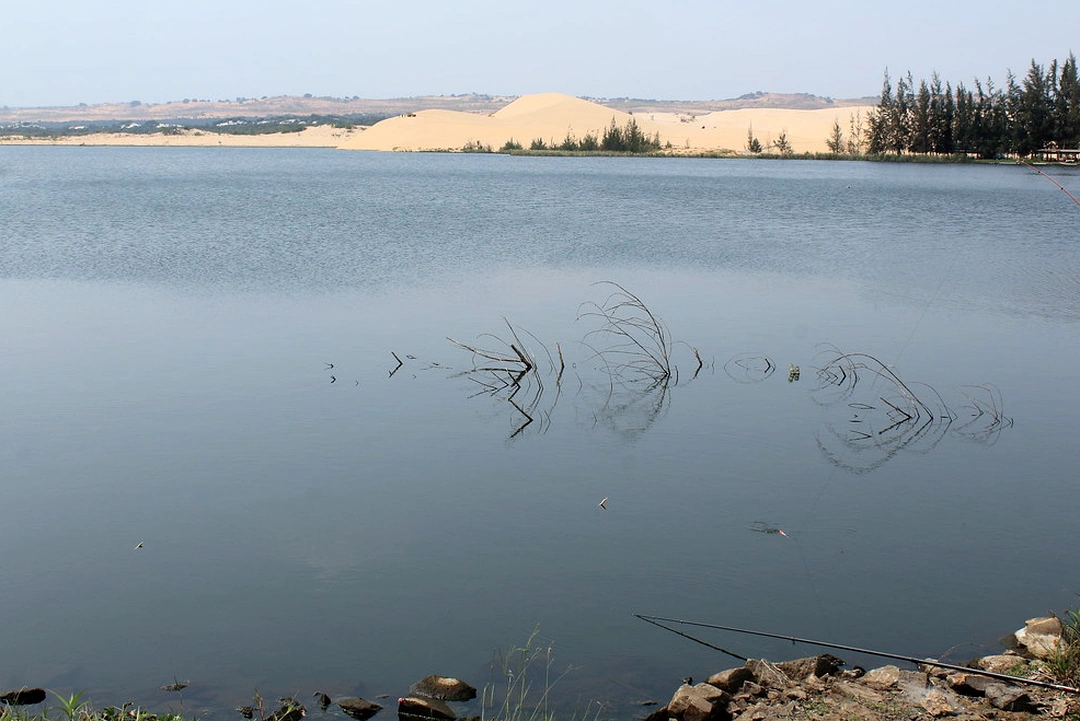
Bau Trang, the premier natural landmark of Binh Thuan’s semi-arid region, welcomes visitors year-round with flexible opening hours from early morning at 5:00 AM until around 6:00 PM daily. For a seamless journey without missing the best moments, travelers should plan their route from downtown Phan Thiet along the coastal road passing through Hoa Phu and Phan Dien communes (Bac Binh District). Stretching approximately 60 km, this smooth asphalt road winds past vast sand dunes and stunning deep-blue ocean vistas. The best ways to tackle this scenic route are by motorbike for those craving open-road freedom, or by private car or tour Jeep for families and groups seeking comfort and safety.
Regarding costs, the Bau Trang lakeside area is completely free to enter for visitors wishing to admire the natural scenery. However, to enjoy specialized recreational activities on the pristine white dunes, visitors can purchase separate activity tickets clearly listed by the management board or licensed operators. Specifically, ATV quad bike rentals range from 400,000 to 800,000 VND depending on duration and engine capacity; Jeep rides up to the dune peaks for sightseeing cost roughly 500,000 to 800,000 VND per trip; and kayaking on the freshwater Bau Sen lake is available at a very reasonable rate, suitable for all ages looking to enjoy the cool water and peaceful surroundings.
The ideal times of day to visit Bau Trang are from 5:00 AM to 8:30 AM or from 3:30 PM to 5:30 PM. During these windows, gentle sunlight and cool weather provide ideal conditions for sightseeing, catching sunrise or sunset, and capturing stunning artistic photographs. As for attire, given the expansive sandy terrain combined with spiritual spaces reflecting local cultural heritage, visitors should wear neat, comfortable, and active clothing, favoring light-colored, breathable fabrics. Be sure to pack sunglasses, a wide-brimmed hat, sunscreen, and a scarf to protect yourself from the bright glare and blowing sand. When visiting sacred sites or interacting with local residents, please dress modestly and respectfully to honor the area’s centuries-old cultural and historical traditions.
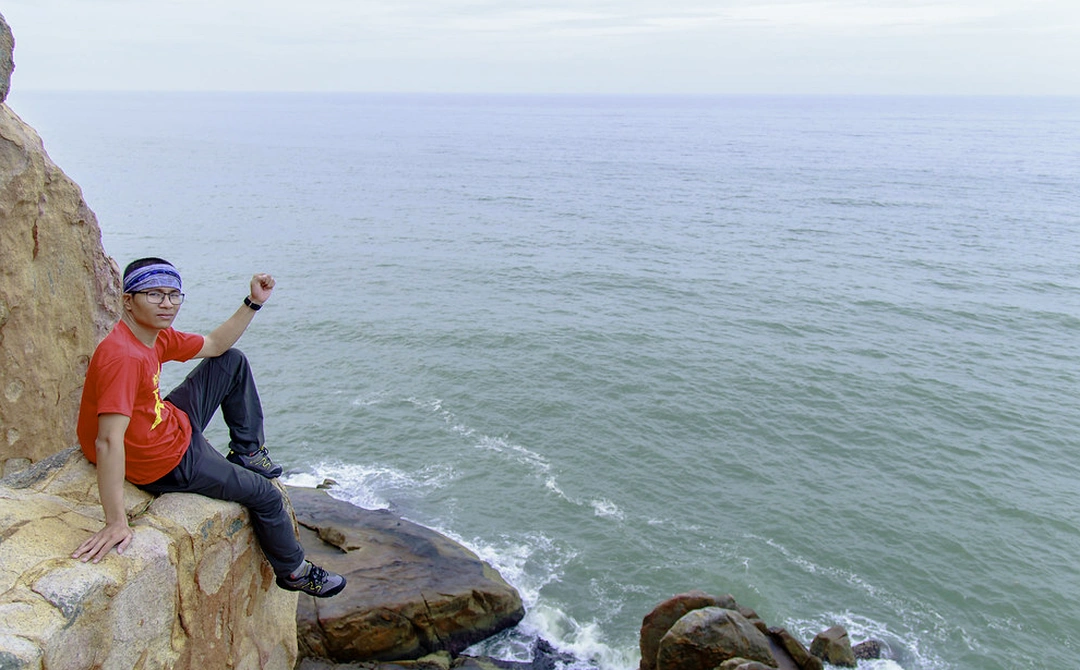
To enjoy a seamless getaway and take in the full splendor of Bau Trang without worrying about transportation, ticket bookings, or itinerary planning, travelers can opt for VDS Travel’s premium all-inclusive Binh Thuan tour packages. Every itinerary is thoughtfully timed for photo stops at the most radiant hours of the day, accompanied by knowledgeable local guides and top-tier hotel and dining standards.