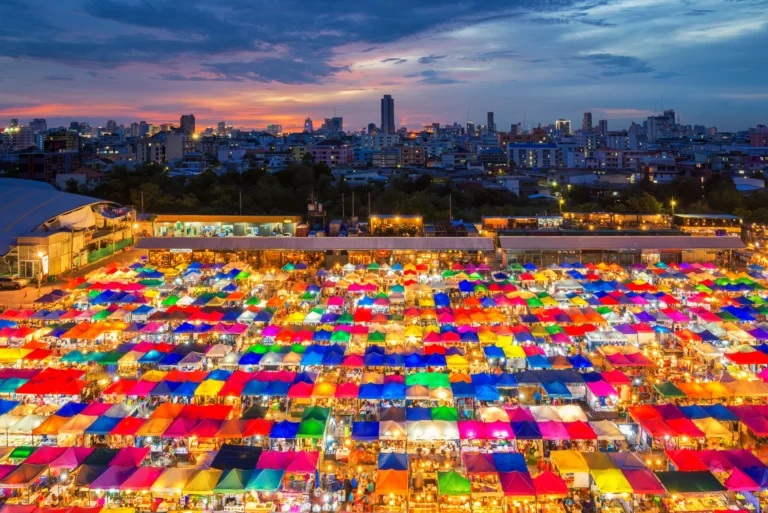
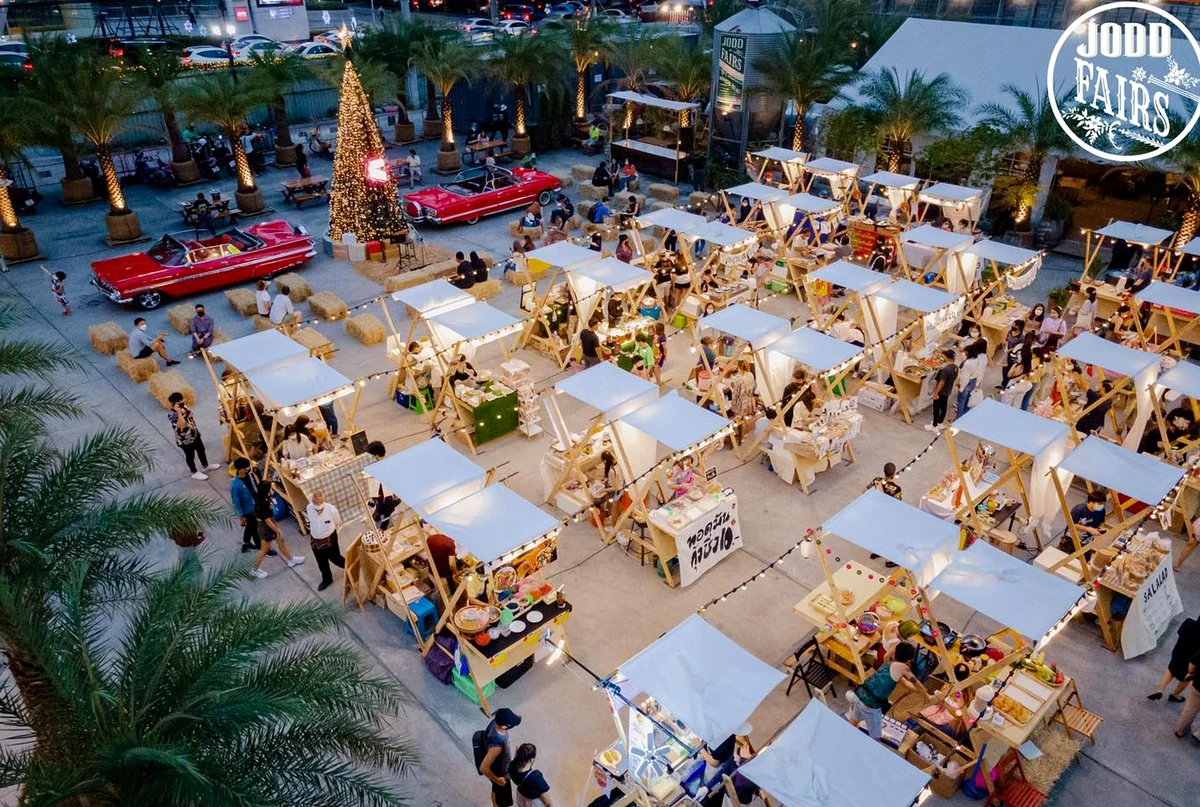
Conversely, representatives of the new-generation night market model, such as Jodd Fairs, clearly reflect advancements in technical infrastructure and urban aesthetics. Designed with a flexible open-modular structure, the entire multi-thousand-square-meter campus is scientifically distributed with a heavy-duty retractable canvas roofing system, allowing for flexible opening and closing according to the erratic developments of monsoon tropical rainstorms. The breakthrough lies in its underground and semi-outdoor infrastructure network, including an industrial smoke and odor extraction system extending high above diners’ field of vision, local preliminary wastewater drainage channels, hygienic hand-washing station chains, and separate organic waste collection zones. The intertwining of the rugged, rustic nature of the street culture from previous decades with the closed, safe operational standards of modern landscape architecture elevates the Thai culinary experience into a living heritage that perfectly preserves the local soul while meeting the rhythm of a global metropolis.
When dusk falls over the Chao Phraya River and darkness gradually covers the avenues of the Land of Smiles, a magical transformation of urban space begins to take place. From around 17:30 to 22:00 every night, pedestrian streets, commercial harbor sidewalks, and bustling night markets simultaneously awaken, turning all of Bangkok’s sidewalks into a gigantic live-action stage. Thai street food at this moment is not merely a culinary activity serving daily living needs, but has sublimated into a vivid visual and olfactory drama. Deep-bottomed cast-iron pans ablaze with fire, the crisp clinking of metal spoons against pan rims creating a deep, resonant rhythm of city life, blending with wispy smoke carrying the rich fragrances of lemongrass, galangal, kaffir lime leaves, and bird’s eye chilies floating into the cool atmosphere of the tropical night.
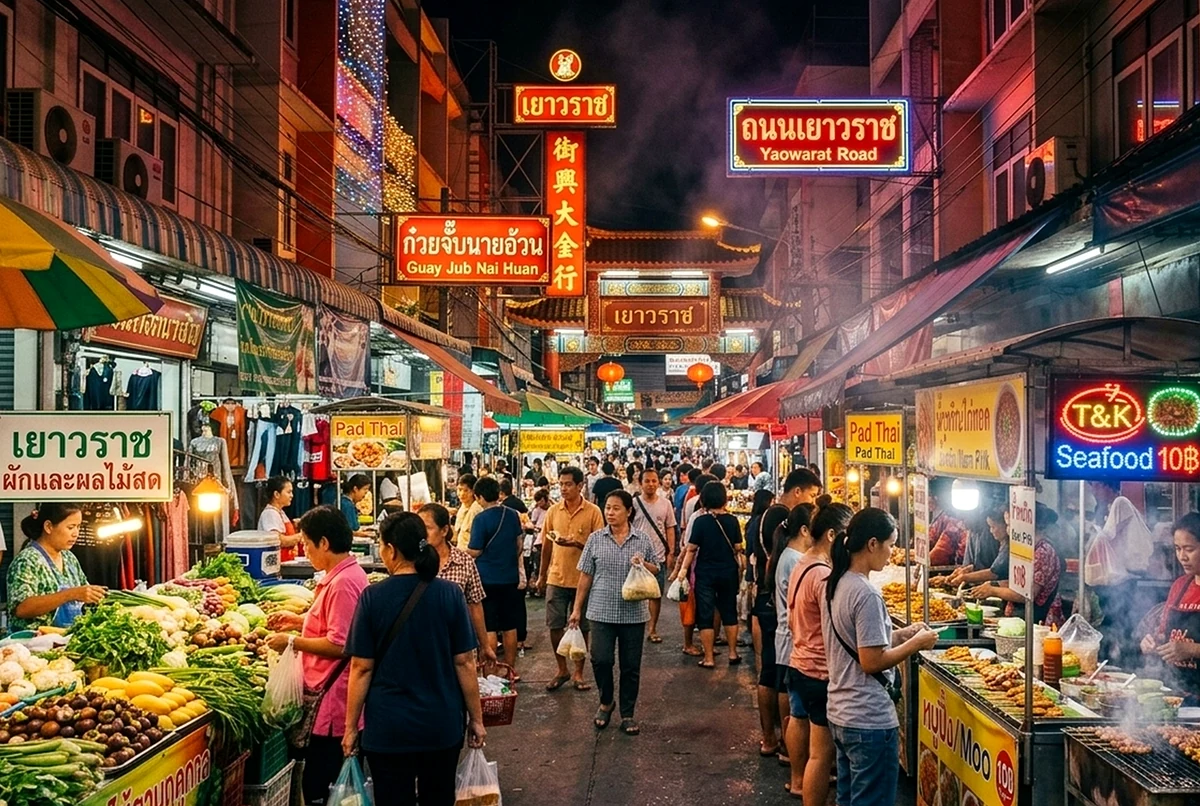
The brightest focal point of this live performance is the Yaowarat axis within Bangkok’s Chinatown. The history of this land is tied to the migration of the Teochew merchant community from the era when King Rama I founded the Rattanakosin capital in the late 18th century, before Yaowarat Road was officially established during the reign of King Rama V to expand bustling trade. Around 19:00 every evening, this entire boulevard, stretching over a kilometer, is draped in a magnificent evening gown woven from lighting art. Hundreds of giant neon signboards curved in classic Chinese characters emit an enchanting crimson, emerald, and golden light, casting a cinematic color over the surging crowd that evokes a deep sense of Wong Kar-wai’s classic films.
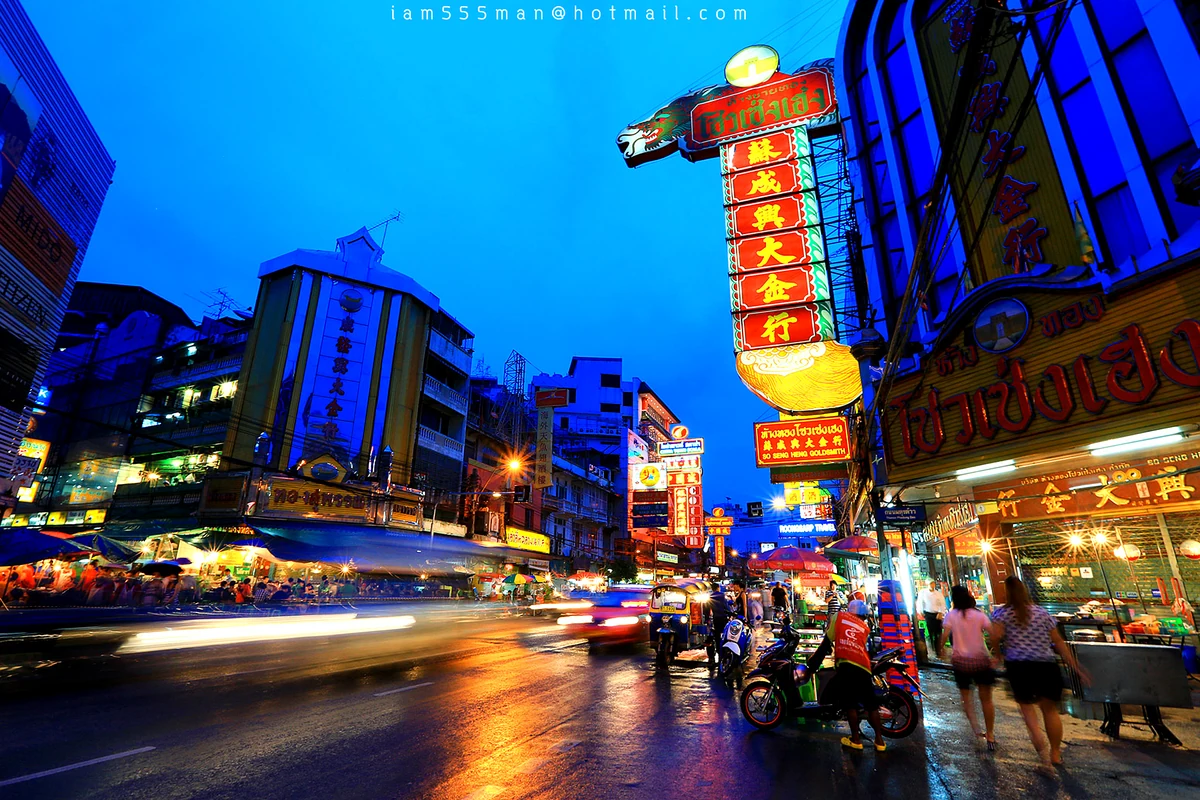
Beneath the magical spectrum of neon lights, street cooking artistry materializes like skilled dances. Veteran chefs with nimble hands expertly control roaring flames bursting fiercely over stove mouths, illuminating a street corner when stir-frying plates of Pad Thai steeped in tamarind sauce and signature wok smoke. Next to them, pots of Guay Jub broth overflowing with black pepper and heirloom herbs boil vigorously, diffusing a pungent aroma that stimulates the senses. The dining space here discards all the rigid etiquette of upscale restaurants: travelers from all over the world rub shoulders on simple round plastic chairs set close to the street, listening to the lively tuk-tuk horns passing through the hazy cooking smoke while fully savoring the cultural intersection between Siamese royal cuisine and the essence of Chinese immigrant food.
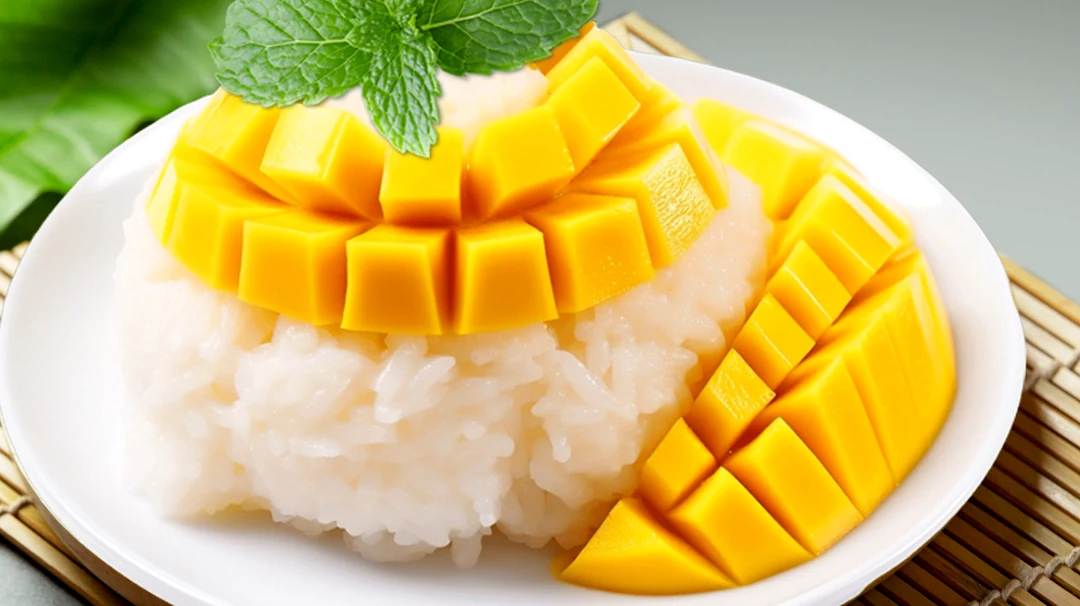
Alongside the ancient and nostalgic character of Yaowarat, modern night markets stretching from Bangkok to northern cities like Chiang Mai bring a symphony of light with a contemporary breath. Stalls standing shoulder to shoulder beneath vibrant canvas roofs illuminated by tens of thousands of warm incandescent bulbs turn a vast space into a shimmering culinary labyrinth. Here, the art of food staging reaches astonishing levels of refinement: clusters of bright red chilies next to fresh giant river prawns awaiting a steaming pot of Tom Yum Kung, golden Nam Dok Mai mangoes delicately carved and placed next to steamers of sticky, coconut milk-infused glutinous rice sparkling under soft yellow light. All blend together to create a multi-dimensional tasting experience, where darkness is not the end of a day but the beginning of a sublime journey of sight, sound, and taste in the heart of endless Siamese culture.
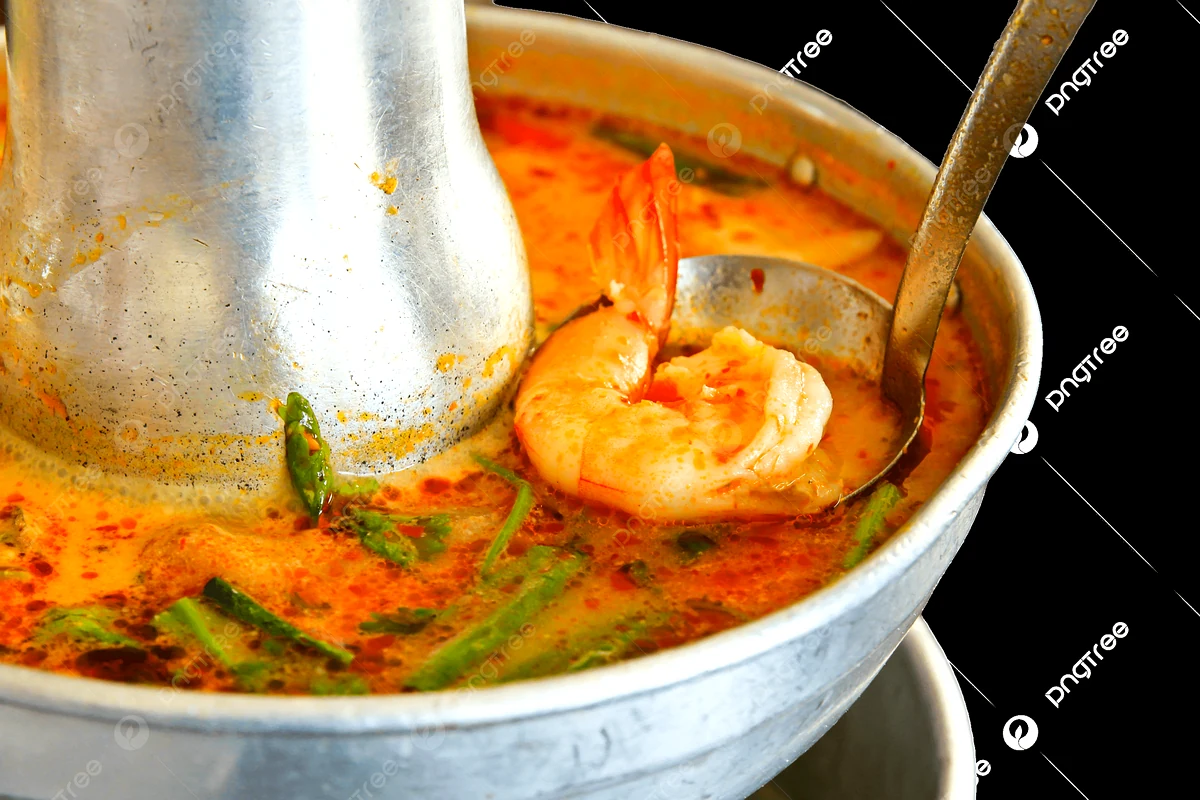
Likened to an explosive fusion of the five senses, Siamese street food leads diners into a mesmerizing gustatory exploration where boundaries of sour, spicy, salty, and sweet are pushed to absolute sublimation. The focal point of that culinary universe is Tom Yum Kung—the legendary shrimp soup encapsulating the soul of southern herbal culinary philosophy. Amidst the swirling smoke rising from a blazing aluminum pot, one easily recognizes the complex layers of thinly sliced old galangal, fragrant crushed fresh lemongrass, and lightly bruised kaffir lime leaves releasing their characteristic pure essential oils. The sharp yet gentle sourness of fresh lime juice, the tongue-numbing heat from coarsely pounded bird’s eye chilies blend with the natural sweetness of river prawn heads and the rich layer of creamy coconut milk, creating a thick, lingering broth texture on the tip of the tongue. To touch the original peak, the gourmet’s tasting journey leads back to the rustic Baan Thitaya restaurant, stopping by eateries nestled under the solemn shade of the ancient Wat Pho temple complex, or patiently joining the all-night queue outside the famous Jeh O Chula street food spot to enjoy a steaming, flavorful pot of seafood soup.
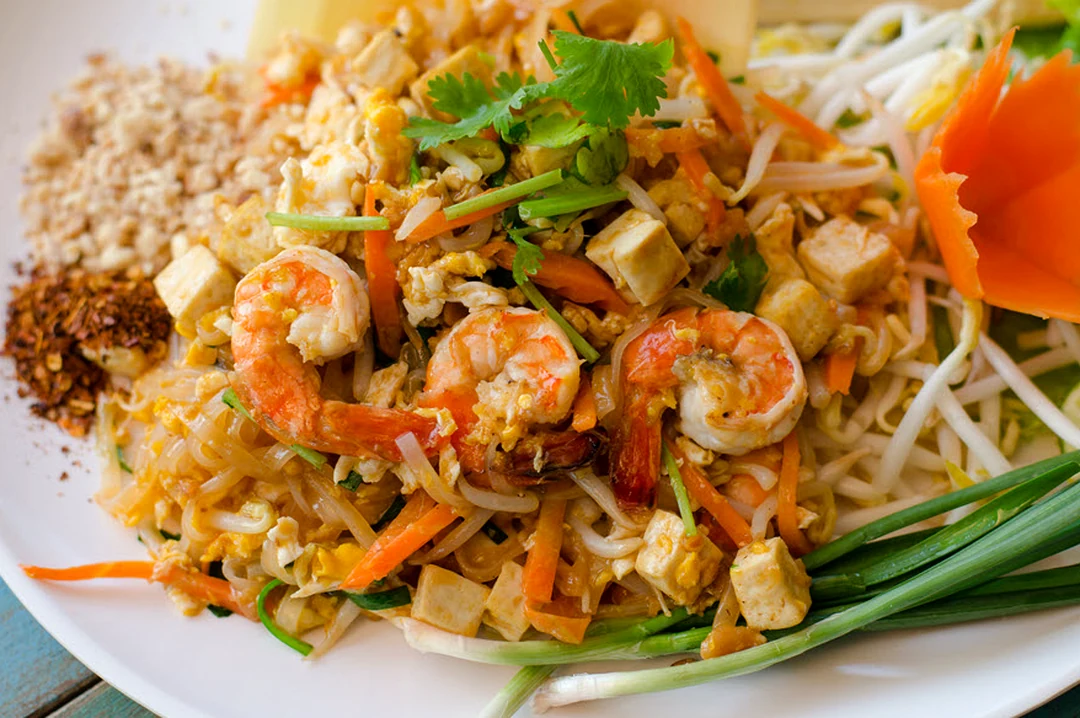
If Tom Yum shrimp soup represents fierce freedom, Pad Thai is the vivid testament to the art of balancing flavors and stir-frying over blazing cast-iron pans. Born as a cultural icon tied to national identity, this national street dish captivates diners from the cheerful sizzling sounds of soft, chewy rice noodles tossed swiftly over flickering flames. The core of a plate of Pad Thai lies in its glossy brown tamarind sauce, condensing a refined sourness combined with mildly sweet palm sugar and traditional fermented fish sauce. Each firm, fresh shrimp, golden fried diced tofu, and thinly fried egg delicately wraps around the noodles, dotted with fresh chives, crunchy bean sprouts, and coarsely ground roasted peanuts. No food lover can miss Thipsamai Pratu Phi—a towering culinary cradle since 1939, which perfected the technique of wrapping Pad Thai in a silk-thin, gold-plated egg layer, or visit humble Thawi Chai to fully feel the rustic flavor of urban memories passed down through generations.
Concluding the culinary voyage on Bangkok’s vibrant street corners is a sweet choral song named Khao Niao Mamuang, widely known across East Asia as mango sticky rice. The magic of this dessert stems from the meticulous processing of sticky rice: long grains of heaven’s gift are thoroughly soaked and steamed so that every single grain is plump and glossy without being mushy. While still piping hot, the rice is drenched in rich, creamy coconut milk, accented with a touch of pure sea salt to curb richness and elevate the flavor. Situated beside the jade-like plate of rice are slices of honey-golden Nam Dok Mai mangoes, with smooth flesh free of fibers, exuding a passionate yet delicate fragrance. The legacy of this dish is strictly preserved at Kor Panich, a legendary sticky rice shop opened in 1932 on Tanao Road, which preserves the heirloom rice-soaking recipe of a family of chefs who once served in the Siamese royal court. Meanwhile, in the trendy Thong Lo neighborhood, Mae Varee’s vibrant stall conquers millions of travelers with top-selected mangoes and a lingering, rich heirloom coconut milk recipe.
Every street corner and flickering flame on Bangkok’s sidewalks is not merely a stop to satisfy hunger, but actually a living museum preserving the memory, soul, and enduring identity of the Land of Smiles. Savoring a plate of Pad Thai scented with wok smoke, slurping down a spoonful of spicy Tom Yum soup, or leisurely tasting each piece of sweet mango sticky rice is the most authentic initiation ritual to truly comprehend the depth of local culture.
Exploring the street food of the Land of Smiles requires grasping the specific biological rhythm of each culinary zone so as not to miss local flavor essences. Unlike commercial centers operating on fixed office hours, the street food map of Bangkok and neighboring cities operates in two distinct day and night rhythms. Early markets like Pratunam or Wang Lang market by the Chao Phraya River typically awaken from 5:00 AM, serving warming breakfasts of Jok rice porridge cooked with herbal minced meat, grilled chicken sticky rice (Gai Yang), and hot soy milk before curtain call in the early afternoon. Conversely, legendary midnight-eating sanctuaries like Yaowarat Boulevard in Chinatown or the Ban Tad Thong student culinary strip only truly transform into seas of fire from 17:30 until midnight or 1:00 AM the next day. Timing your arrival around 18:00, right as chefs begin lighting charcoal stoves and setting out fresh ingredients, helps diners avoid suffocating crowds and secure ideal seating in front of famous heirloom stalls.
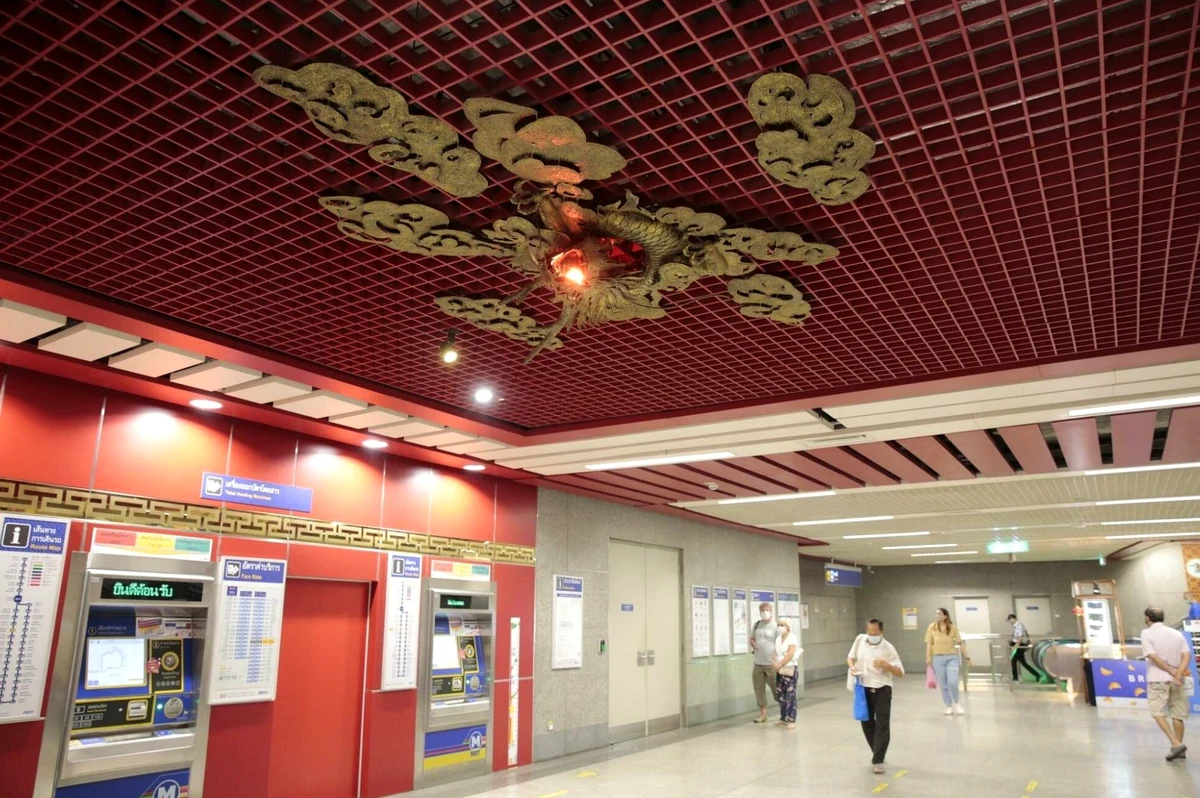
The modern public transit network is the golden key making the journey to enjoy delicacies smooth and time-efficient. Instead of getting stuck in the capital’s chronic traffic jams on traditional taxis, visitors should prioritize using the BTS Skytrain in combination with the MRT underground system. The Blue MRT line with the Wat Mangkon station is a direct gateway dropping gourmets straight into the heart of Yaowarat’s culinary melting pot without sweating a drop. For eateries nestled along historic canals or by the mother river, Chao Phraya Express Boat rides or Saen Saep canal boats are not only rapid transit options costing just a few dozen Baht, but also offer a nostalgic perspective of old riverine Bangkok. If you want to experience the sensation of breezing through on a characteristic three-wheeled tuk-tuk, proactively bargaining the fare before boarding or booking through popular ride-hailing apps is a prerequisite to avoid unnecessary misunderstandings.
Thai street food is far more than just a collection of smoking carts or brightly lit street corners; it is a living chronicle shaped by centuries of royal dynasties and modern nation-building. Every spicy, subtly sour, or sweet and rich flavor permeating the streets of Bangkok or the floating markets along the Chao Phraya River carries the fundamental essence of shifts in power, migrations, and cultural identity-defining policies of the Land of Smiles.
The first icon of Siamese culinary excellence is Tom Yum Kung, the renowned spicy and sour shrimp soup with roots tracing back to the brilliant Ayutthaya Kingdom period lasting from 1350 to 1767. Capitalizing on the abundant freshwater prawn resources in the fertile river basins along with native herbs such as lemongrass, galangal, kaffir lime leaves, and bird’s eye chillies, the lowland inhabitants created a refreshing soup that both helped preserve food and restored vitality in the tropical monsoon climate. When the Chakri Dynasty established its new capital in Rattanakosin in 1782, Tom Yum Kung gradually transcended its rustic culinary boundaries to enter the royal kitchen. A major turning point occurred during the reign of King Rama V, Chulalongkorn, who ruled from 1868 to 1910, an era when Siam pursued deep diplomatic openings toward the West. The King not only encouraged the systematization of royal recipes but also allowed the intricate, refined elegance of palace cuisine to blend with the rustic, bold flavors of riverbank rural culture. By the 1980s, under a large-scale tourism revitalization campaign by the Tourism Authority of Thailand (TAT), the once-humble shrimp soup was officially standardized with a national recipe, becoming a powerful culinary ambassador carrying the Thai cultural brand to the global stage.
In stark contrast to the centuries-old origins of Tom Yum Kung, the famous stir-fried noodle dish Pad Thai is a historically charged creation of the 20th century. Born during the turbulent 1930s and 1940s, Pad Thai is closely linked to Field Marshal and Prime Minister Plaek Phibunsongkhram, commonly known as Phibun. Facing the Global Great Depression and the dark shadow of World War II, Thailand at the time grappled with recurring floods that severely reduced rice reserves, even though rice grain was a vital export essential for maintaining the state budget. With the vision of a nationalist reformer aiming to consolidate independent identity after renaming the country from Siam to Thailand in 1939, Prime Minister Phibun’s administration launched a campaign to build a new lifestyle through food culture. Citizens were encouraged to consume rice noodles made from broken rice instead of whole-grain rice to conserve food for export. The recipe combining sen chan noodles with tofu, dried shrimp, Chinese chives, bean sprouts, and a sweet-and-sour sauce made from tamarind paste, anchovy fish sauce, and palm sugar was widely distributed nationwide under the official name “Kway Teow Pad Thai,” meaning Thai-style stir-fried noodles. This dish quickly transcended the scope of a wartime solution to become a proud culinary manifesto, a universal street food menu reflecting the self-reliant spirit of the entire nation.
Concluding this classic gastronomic triangle is Khao Niao Mamuang, sweet mango sticky rice carrying the fully noble demeanor of the prosperous Chakri Dynasty in the early 19th century. Originating from the reign of poet-emperor Rama II from 1809 to 1824, palace chefs lovingly nurtured every grain of the famous fragrant sticky rice from the Isan highlands of the Northeast, steamed it with pandan leaves, and thoroughly steeped it in rich, fresh coconut milk simmered over low heat with pure palm sugar. The pinnacle of this combination is when the fragrant coconut sticky rice is served alongside slices of Nam Dok Mai mango, a royal honey mango variety with a bright yellow skin, smooth flesh, and zero fibers. King Rama II once captured in his royal court poems verses praising desserts combining tropical fruits with native rich coconut flavors. Following the passage of decades, from opulent banquets within the forbidden palace, Khao Niao Mamuang thoroughly permeated urban life, becoming a street dessert captivating anyone who has ever set foot in this land.
Viewed from a feng shui and human geography perspective, the soul of Siamese street food originates deeply from the mighty waters of the Chao Phraya River—the “River of Kings”—winding around and embracing the central delta plain. The low-lying land where Bangkok is located was originally a fertile alluvial marsh, planned by ancestors into a labyrinth of waterways with an intricate canal system (khlong) weaving across neighborhoods. This natural and artificial water network not only plays a role in flood control and vital transportation but also creates an immensely rich aquatic environment. This very fresh water blended with minerals deposited over centuries nurtured the famous freshwater giant prawn (Kung Maenam), featuring rich, creamy roe at the head and firm, sweet flesh. That very river prawn of the Chao Phraya River forms the original feng shui coordinate shaping the classic Tom Yum Kung soup, where the passionate sour and spicy notes of galangal, lemongrass, and kaffir lime merge with the pure sweet taste of the native alluvial water.
The diversity of Thailand’s topography continues to expand along the meridian axis, creating a unique raw material symphony stretching across each terrain layer. Leaving behind the fertile central plains, the terrain rises into the rolling northern hills belonging to the territory of the ancient Lanna Kingdom, where Chiang Mai and Chiang Rai are embraced by valleys catching cool breezes and clean groundwater sources. This high-altitude subtropical microclimate is the cradle producing premium fragrant sticky rice varieties (Khao Niew), the soul of street-style mango sticky rice. The plump Lanna sticky rice grains, soaked in high-altitude morning dew, achieve a soft, pliable texture without turning mushy when steamed, serving as a flawless base for the succulent, golden Nam Dok Mai mangoes harvested from lush orchards along central riverbanks. Meanwhile, towards the Northeast, the barren Khorat plateau of Isan with its sandy-clay soil layers cultivates vibrant red bird’s eye chillies, piercingly spicy galangal, and essential oil-dense kaffir limes, contributing harsh, rustic yet mesmerizing flavor layers to street broth variations.

In contemporary life, the sidewalk food landscape is no longer framed around water piers but has spectacularly restructured along strategic infrastructural transport axes. The formation of the East-West Economic Corridor (EWEC) alongside the interregional high-speed rail network is gradually reshaping the circulation process of fresh ingredients across Thailand. Fresh seafood from the Gulf of Thailand or Chao Phraya River prawns take only a few hours to reach blazing charcoal stoves on Bangkok streets, while northern upland sticky rice and Isan dried chillies rapidly converge at bustling wholesale markets. At transit stations, intersection gateways, and modern overpass bases, open-air street kitchen landscapes sprout as a new feng shui rule of urbanization. The sound of iron woks sizzling Pad Thai over roaring flames, the fragrant smoky aroma of coconut milk drizzled over sticky rice, and the enticing scent of a boiling Tom Yum pot have transformed harsh concrete sidewalks into vibrant cultural exchange hubs, fully reflecting the harmonious mutual support between natural terrain and the space-creating hands of the people of the Land of Smiles.
Thailand’s street food space has long broken free from the boundaries of mere survival to establish a vernacular folk architecture form of unique indigenous character. Originating from the powerful urbanization wave of the 1970s and 1980s, the traditional sidewalk structure of the Land of Smiles is shaped by shining stainless steel pushcarts combined with high-capacity mini gas stoves or glowing honeycomb charcoal burners, surrounded by rows of folding tables and brightly colored round plastic chairs. This entire spatial design strictly adheres to micro-ergonomic philosophy: the cook only needs to turn halfway to fully access every seasoning compartment, from jars of pure anchovy fish sauce, thick palm sugar, sticky sour tamarind to a basket of herbs including spiky kaffir lime leaves, mid-season lemongrass, and bright red bird’s eye chillies. The stainless steel tabletop serves both as a versatile preparation counter and a visual display counter featuring fresh giant prawns ready for the bubbling Tom Yum Kung pot, or soaked soft chewy rice noodles, golden tofu, and dried baby shrimp serving the steaming Pad Thai dish.
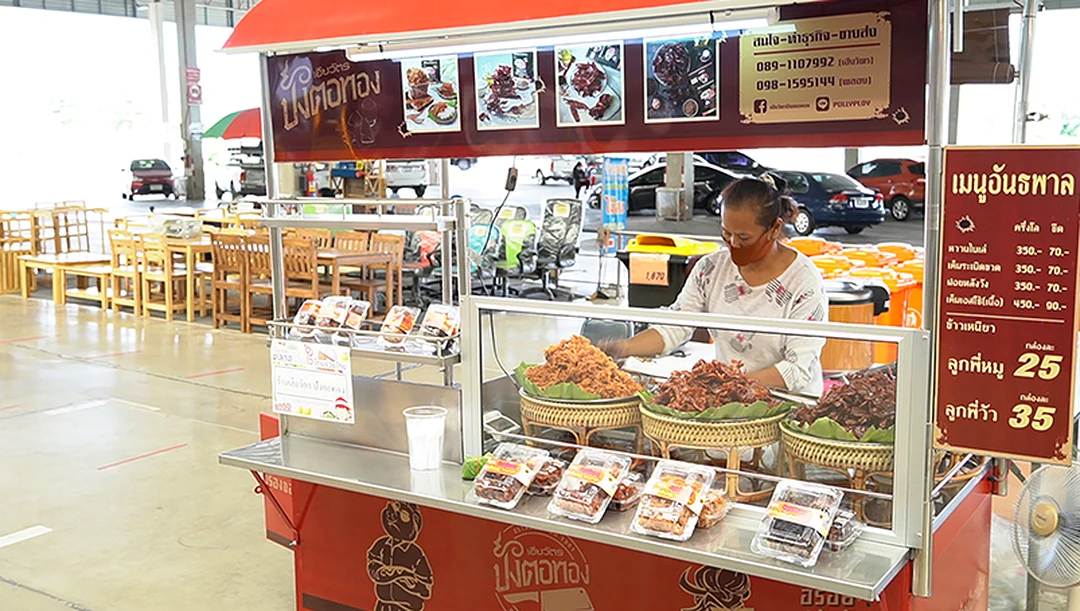
The art of crafting within this open space is a fusion of thermal energy and precise coordination skills. Right on sidewalks barely two to three meters wide, street chefs employ masterful fire-control techniques, generating maximum thermal output that brings iron woks to their smoking point, producing that distinctive signature wok-hei flavor that cannot be replicated. Right next to the roaring flames of the savory dish is the quiet area of the traditional inverted conical woven bamboo sticky rice steamer, where fragrant sticky rice grains absorb hot steam to transform into the famous mango sticky rice. Every step of drizzling rich pure coconut milk, arranging slices of juicy golden Nam Dok Mai mangoes, to sprinkling evenly roasted mung beans is executed on a flat surface area of less than half a square meter, expressing the ultimate concentration of indigenous culinary spatial arrangement art.
Entering the contemporary era, Thailand’s street food architectural model undergoes a spectacular transformation, evolving from scattered roadside retail spots into large-scale night market complexes with systematic spatial planning thinking. In the Chinese quarter of Yaowarat, the spatial structure is a fascinating blend of 19th-century architectural shophouses and thousands of colorful neon signs suspended in mid-air. As night falls, Yaowarat’s roadways and sidewalks instantly transform into an outdoor culinary hall stretching for miles, where hot air from seafood grilling stoves and giant stir-fry woks swirls with the endless footsteps of visitors from near and far.
When it comes to budget, Thai street food has long earned its status as a paradise thanks to accessible prices paired with outstanding quality. A plate of fresh-shrimp Pad Thai infused with seasoned cast-iron wok aroma, a fiery, herb-fragrant bowl of Tom Yum Kung, or a serving of rich coconut-milk mango sticky rice at everyday carts usually ranges from about 50 to 120 Baht. Even when visiting street eateries that have earned a star or a spot on the Michelin Selected list, top-tier culinary experiences typically cost only a few hundred Baht. On the payment front, Thailand’s digital economy has surged ahead, with over ninety percent of dining spots—from air-conditioned restaurants to sidewalk carts—accepting cross-border PromptPay QR code payments linked to international bank accounts. Even so, keeping 500 to 1,000 Baht in small-denomination cash in your wallet remains essential for quick payments at tiny street stalls, picking up an icy glass of Thai milk tea, or grabbing steaming skewers of grilled Moo Ping along the curb.
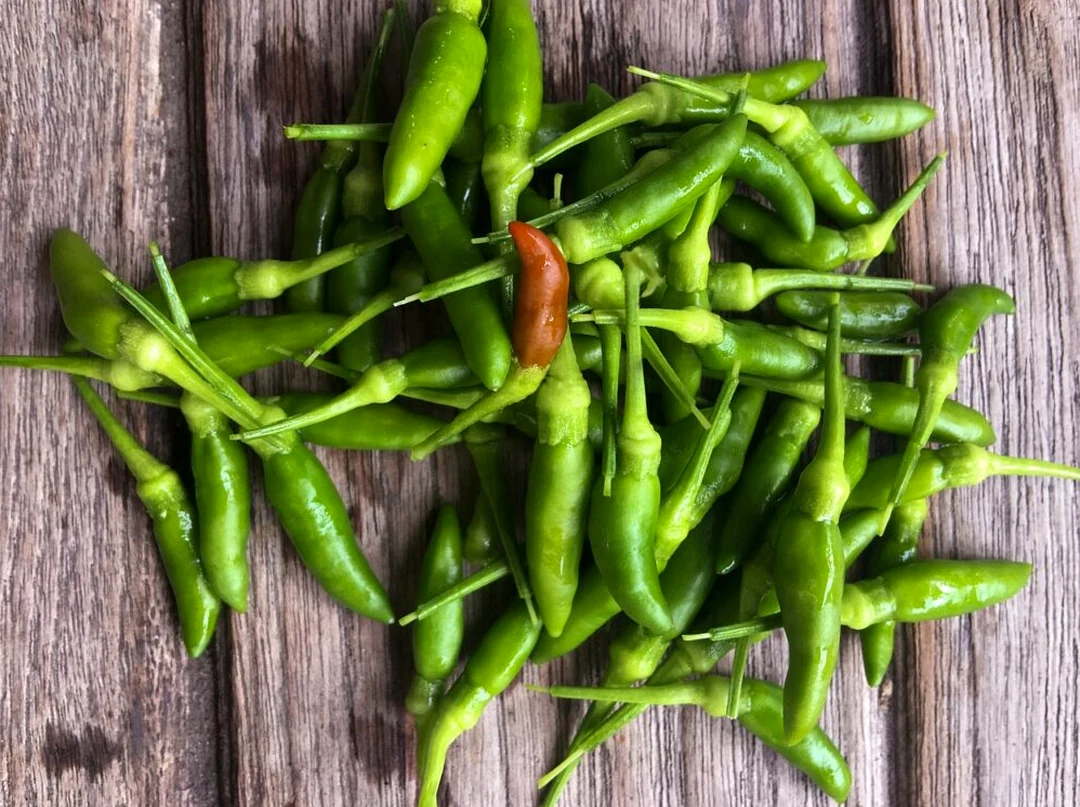
To make your culinary journey smooth and safe, it also helps to pick up a few practical language and health tips. Authentic Thai flavors are famous for the tongue-numbing heat of Prik Kee Noo bird’s eye chilies, so anyone unaccustomed to intense spice should memorize “mai phet” (not spicy) or “phet nit noi” (just a little spicy) before ordering at the stove. For stomach safety, look for stalls with long lines of locals, ingredients kept over clean ice trays, and food stir-fried or cooked fresh to order. Sealed bottled water is always the safest bet, while hollow cylindrical ice cubes from certified ice plants are safer than hand-crushed block ice. As for entry rules, Vietnamese passport holders enjoy tourist visa exemption for stays of up to 30 days—part of a flexible visa framework allowing many nationalities to stay up to 60 days—giving travelers plenty of unhurried time for extended food adventures.
For travelers who want to experience every cultural layer of the food scene without commercial distractions, choosing itineraries that strictly enforce a No Shopping policy is the smartest approach. By removing forced shopping stops completely, every moment of the trip can be devoted to taking in the bright flames of century-old cast-iron woks, hearing family stories behind every bowl of spicy shrimp soup, and savoring signature specialties at a local pace through a well-run all-inclusive tour package.