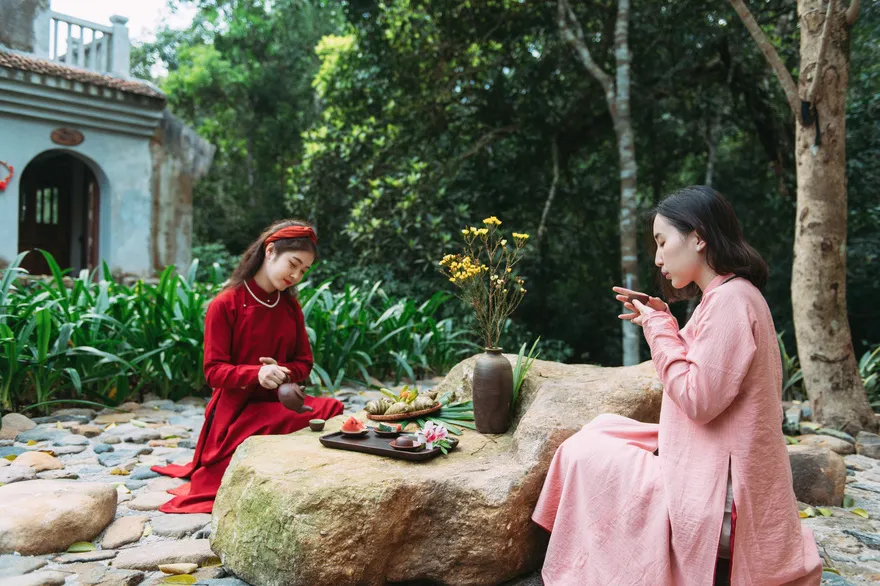
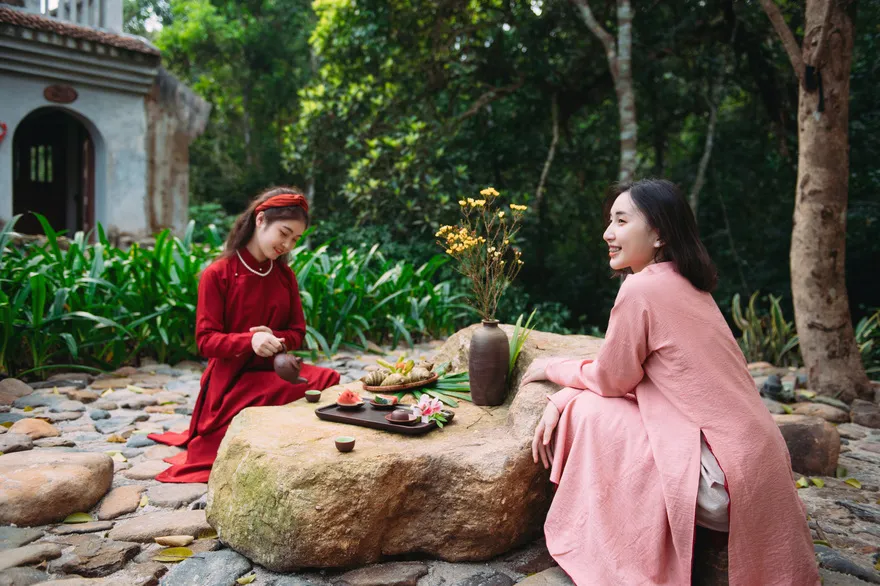
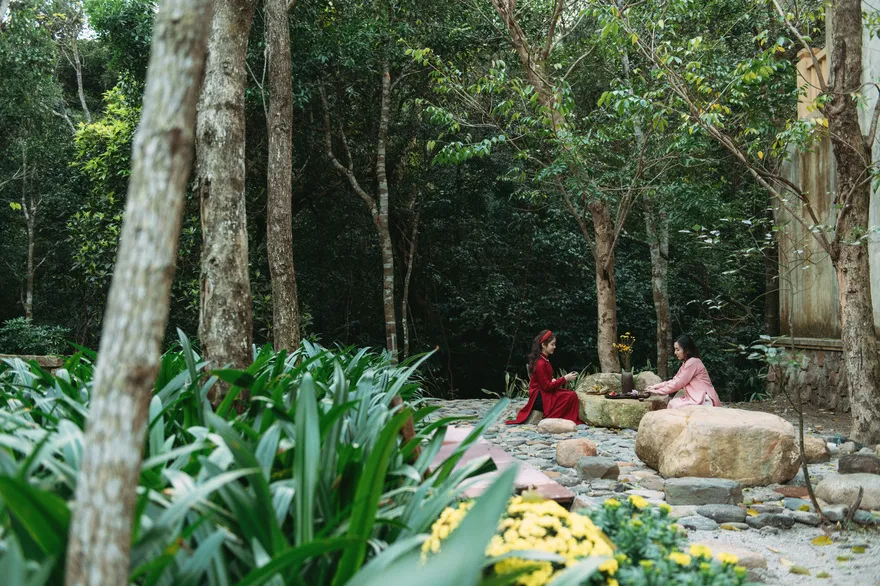
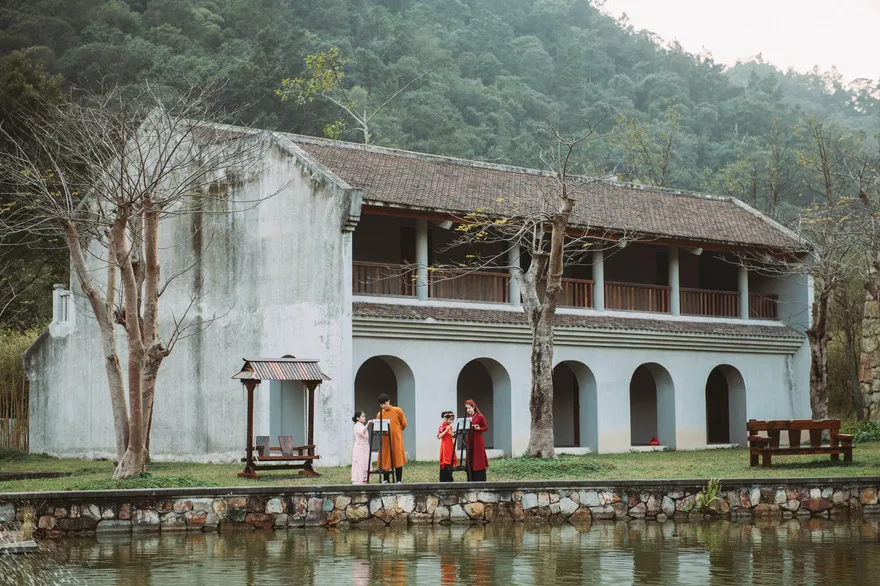
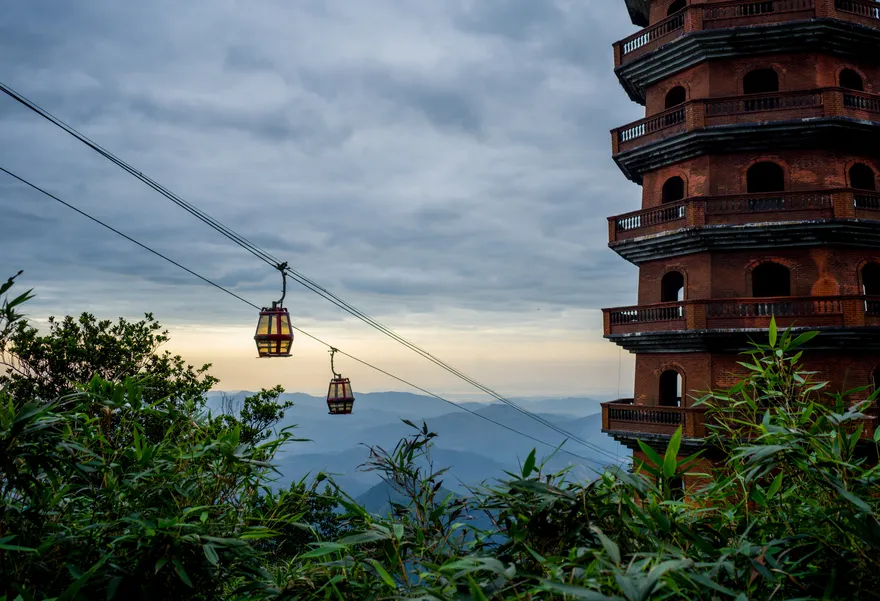
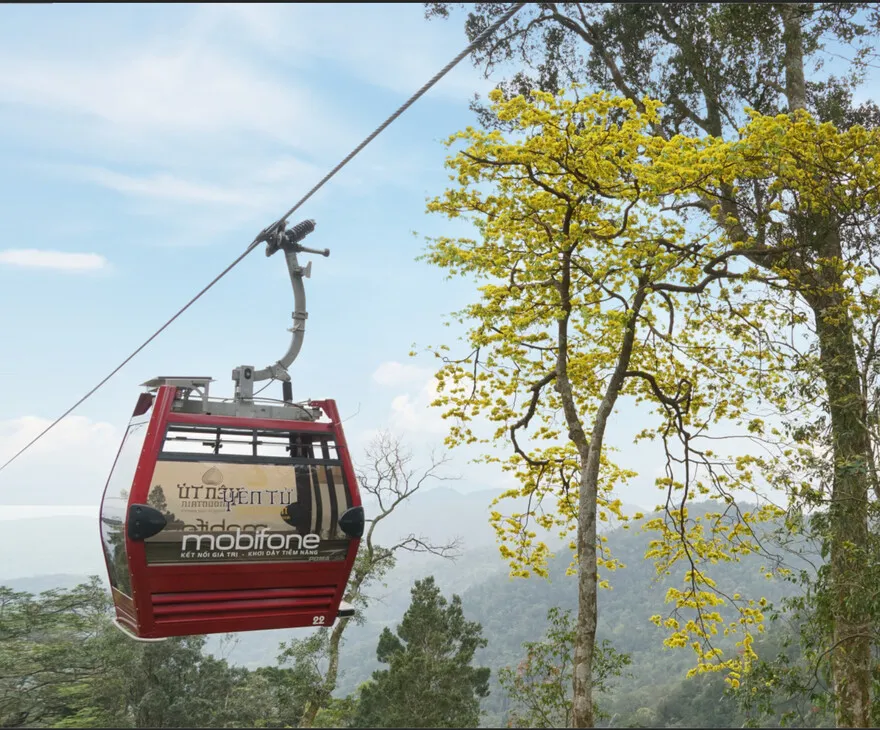
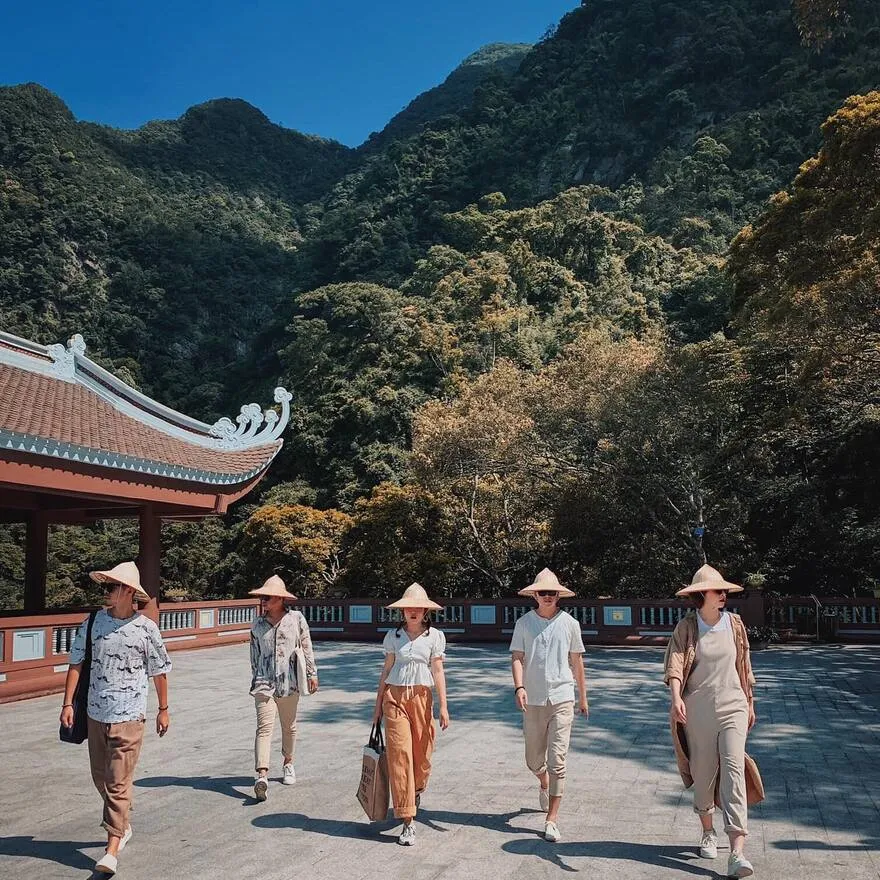
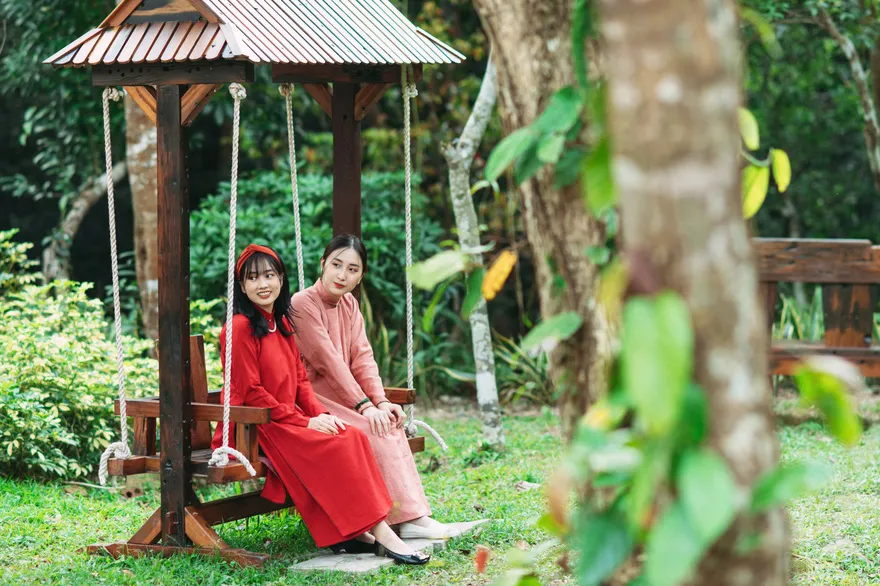
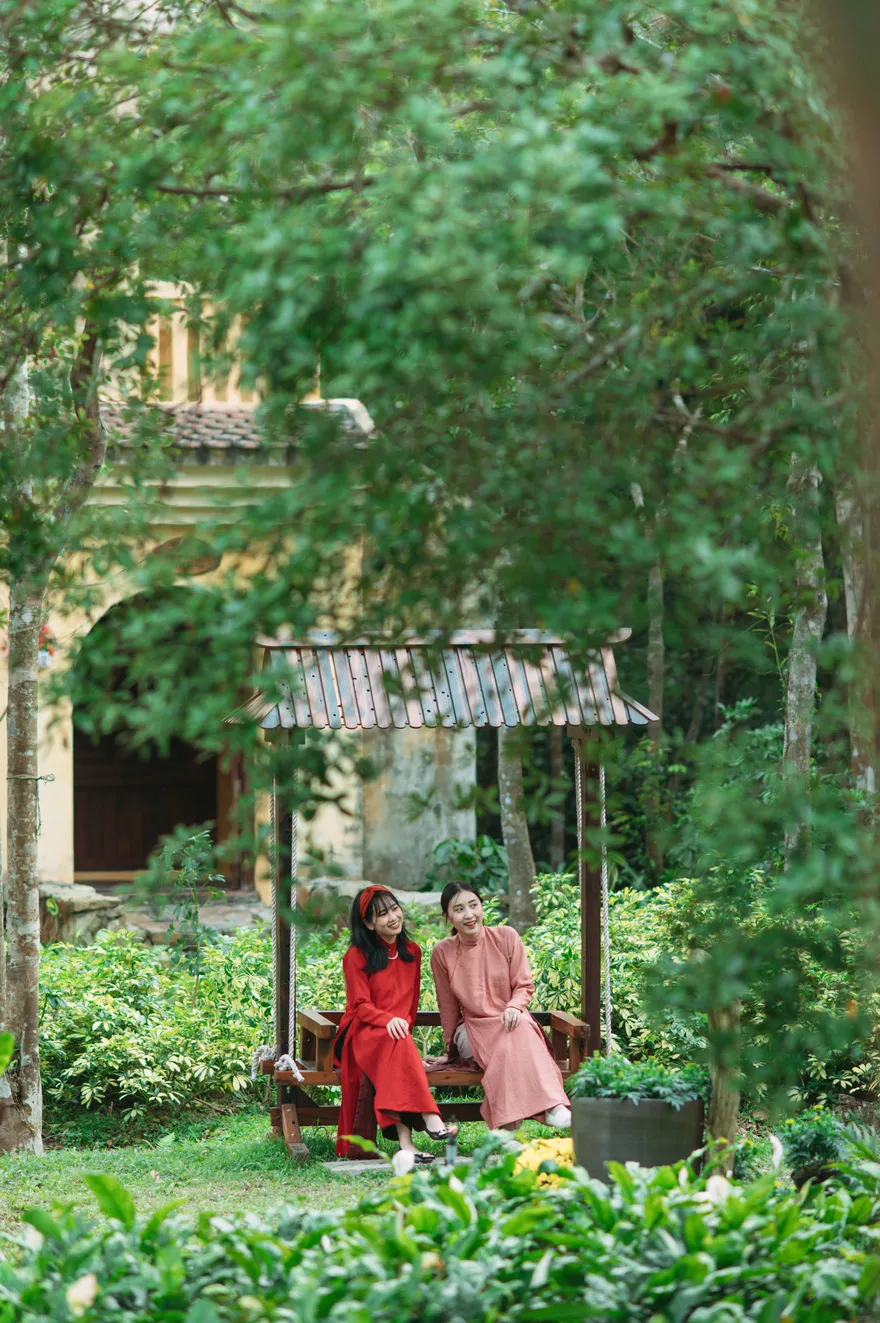
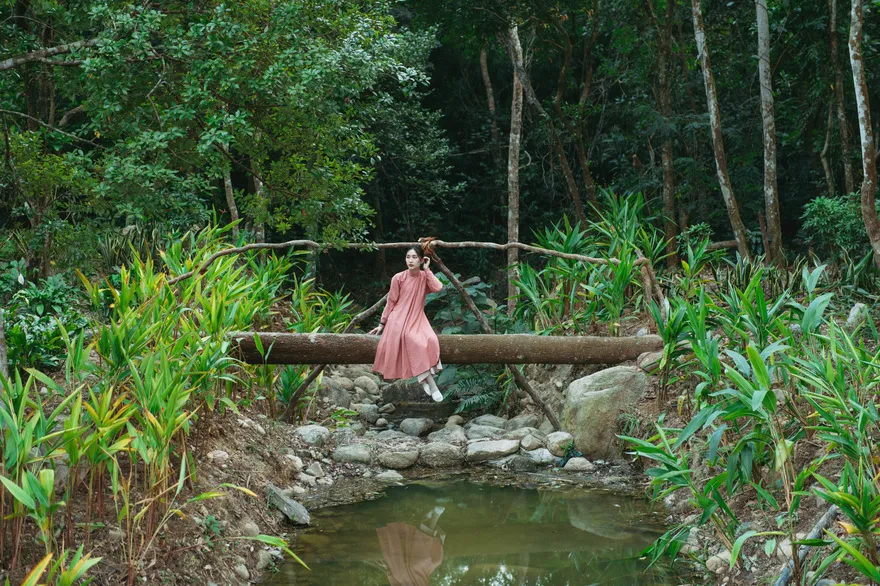
The history of Lang Nuong Yen Tu is a long journey tied to the dedication of Tung Lam Development Joint Stock Company in preserving and elevating the value of national heritage. Starting from the initial foundations through the modernization of the pilgrim transport system with the Hoang Long cable car line in 2002 and the Bach Long line in 2008, the company has gradually transformed from an infrastructure provider into a creator of a sustainable cultural and tourism ecosystem. This strategic vision goes beyond mere transport services, aiming to help tourists truly absorb the cultural spirit and Zen philosophy of our ancestors right at the foot of the sacred mountain. A major turning point occurred in 2016 when the Yen Tu Truc Lam Cultural Center project officially broke ground in a valley in Thuong Yen Cong commune, Uong Bi city. Spanning 17 hectares, this complex was planned to become an essential “buffer space,” connecting modern life with the spiritual core of Vietnamese Buddhism. After two years of intensive construction involving international experts and traditional artisans, the project officially began operations in 2018, creating a new icon for heritage tourism in Quang Ninh. At the heart of the entire project is the architectural philosophy of “Vietnamese Soul – Tran Dynasty Features – Truc Lam Zen Spirit,” where heritage is leveraged to create direct economic and cultural value. The founders’ aspiration was to turn Lang Nuong into a “living museum,” recreating the living space of the 13th century so that visitors do not just come to pay respects to Buddha and leave within the day. Instead, everyone who stops here has the opportunity to experience the depth of history, live in the humanistic spirit of the Tran Dynasty, and find inner peace through refined experiential activities.
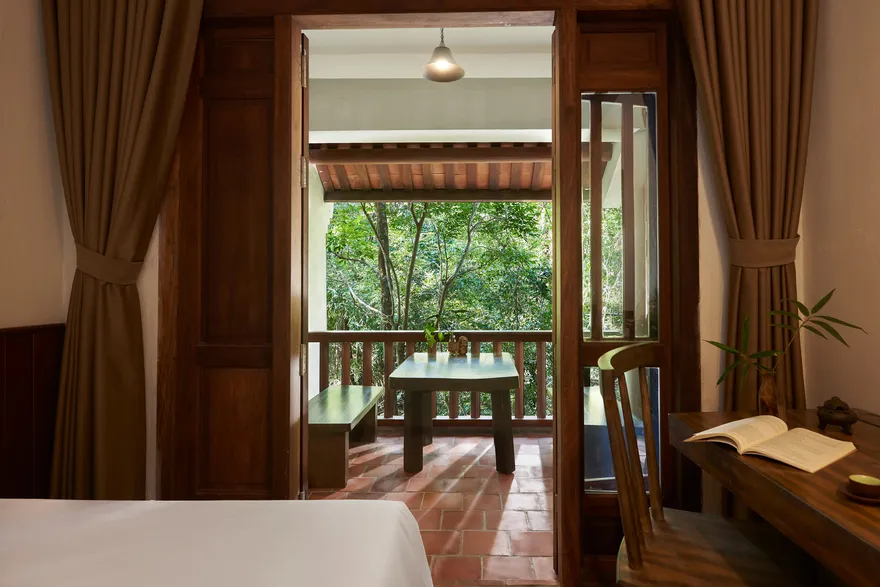
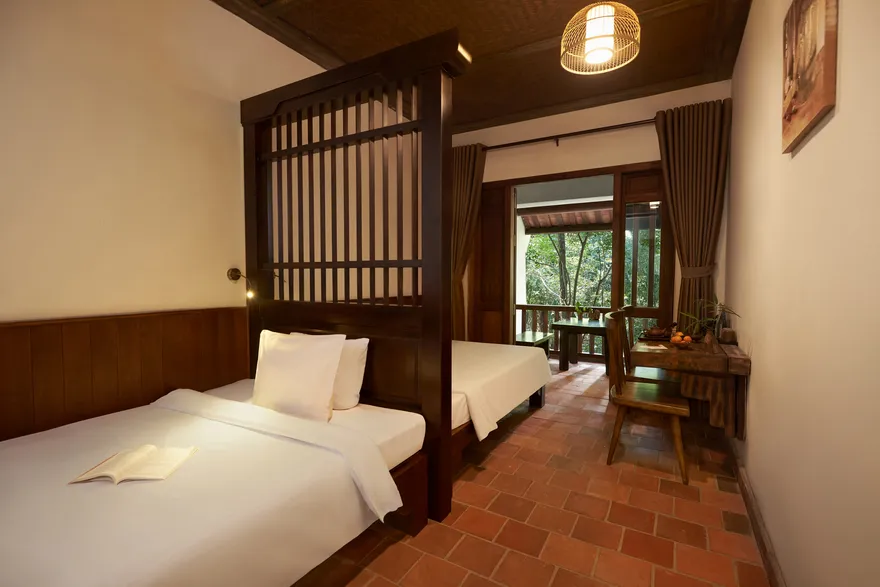
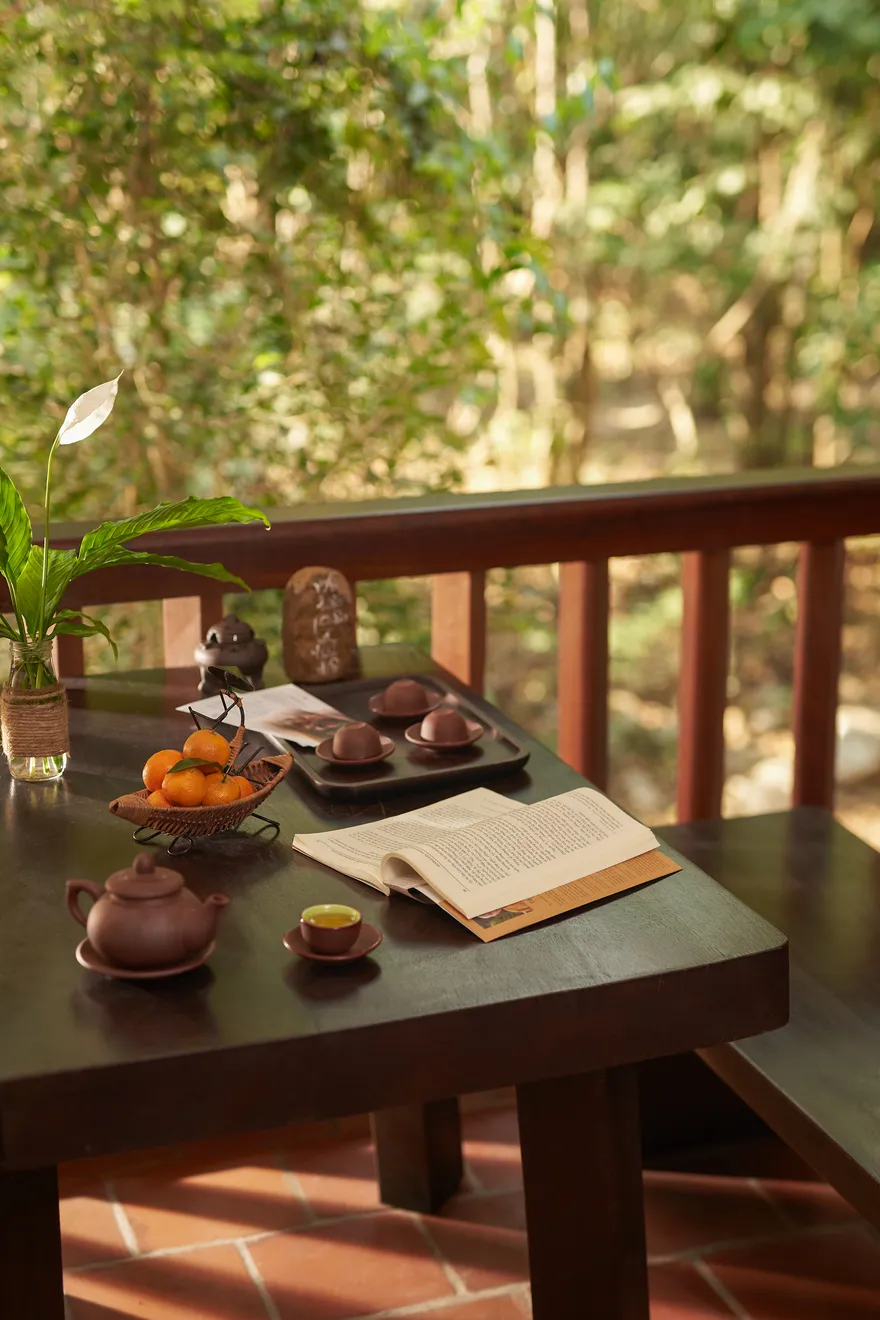
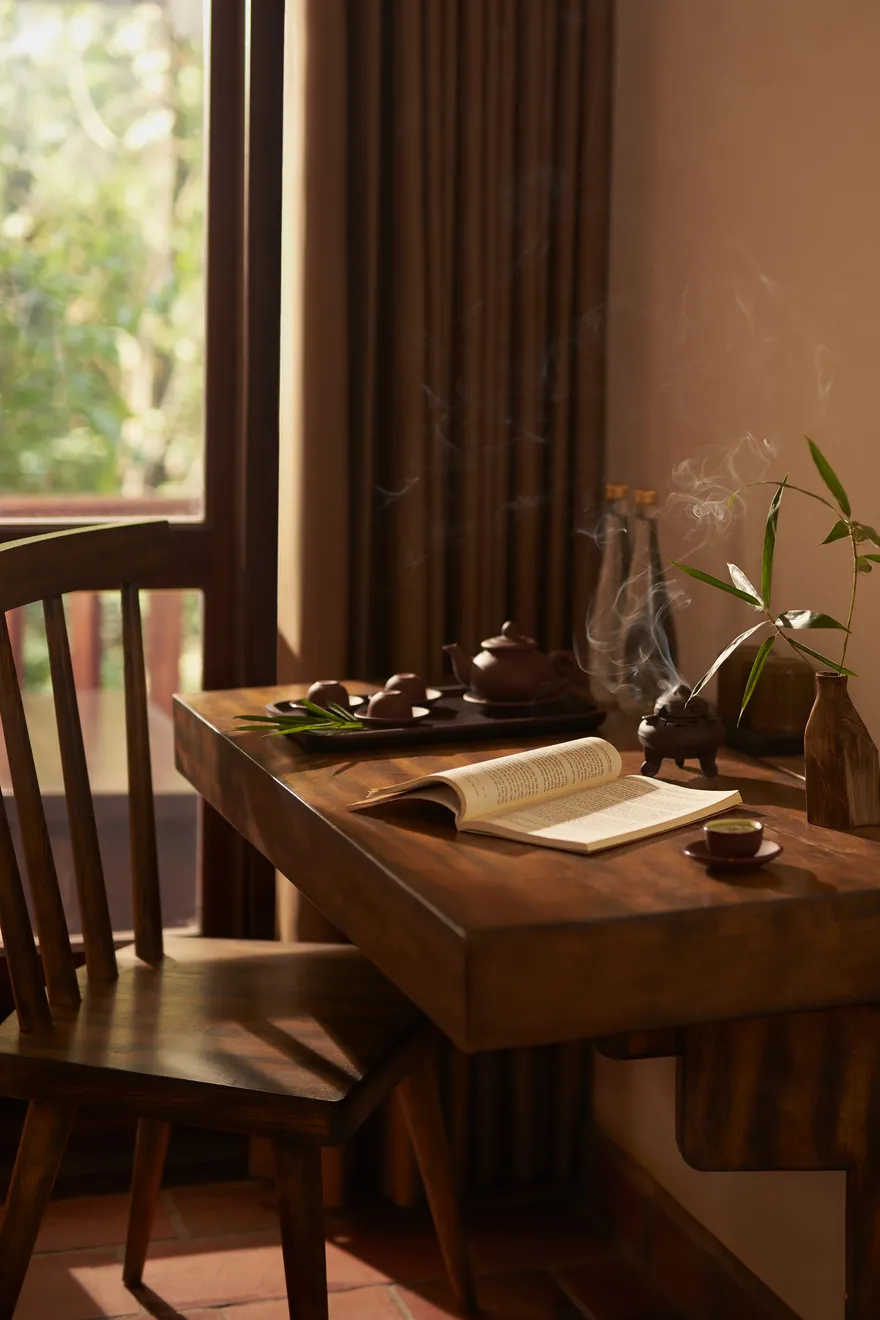
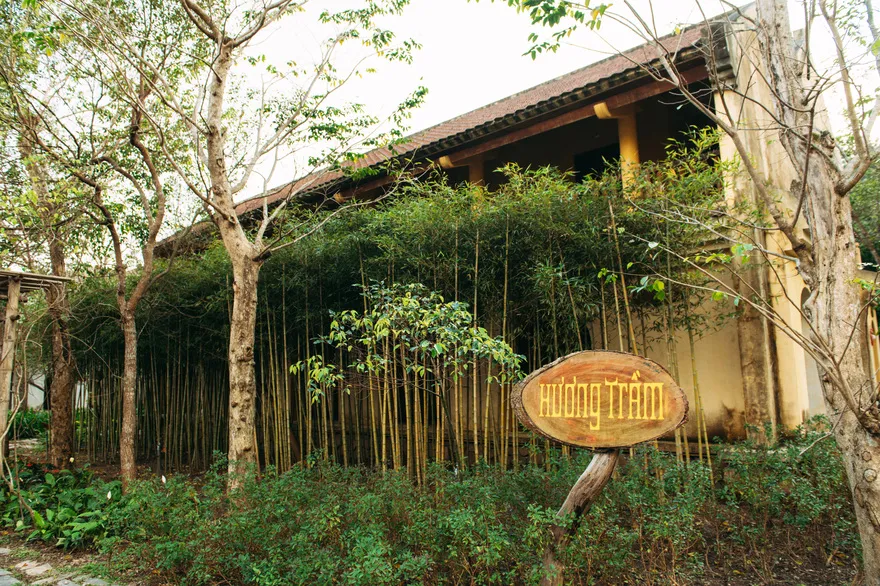
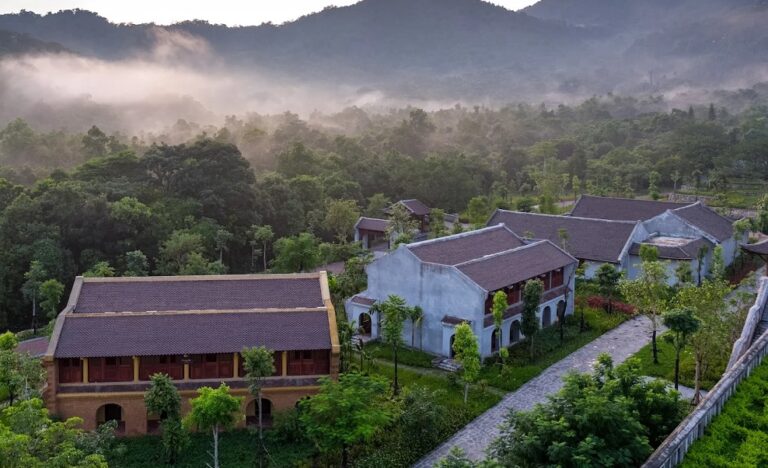
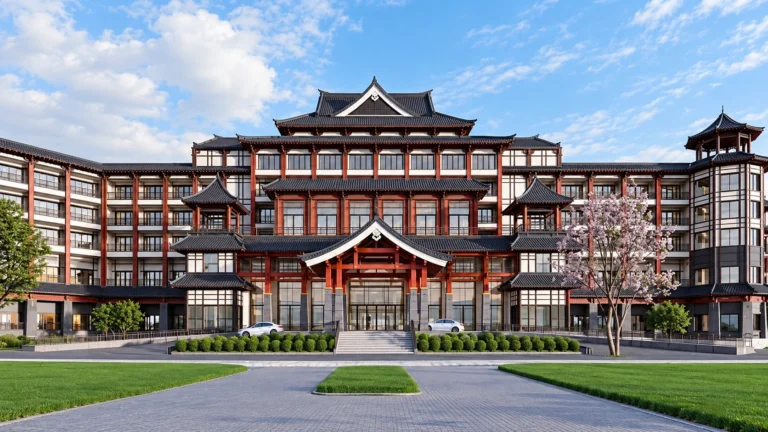
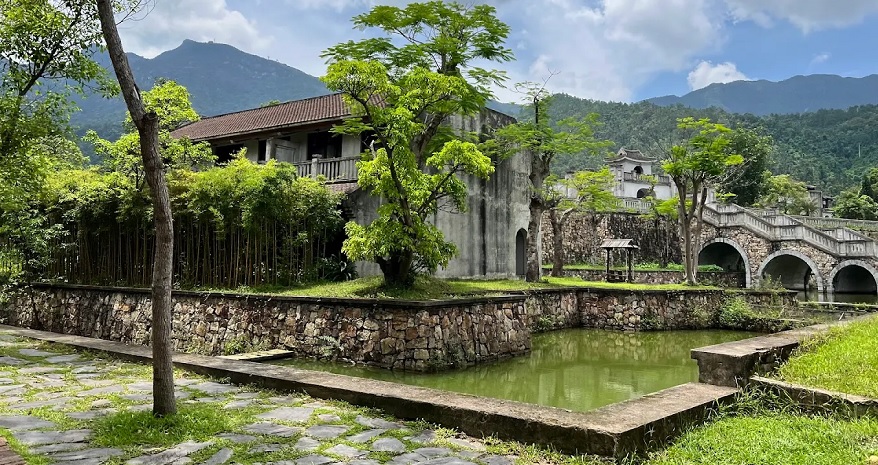
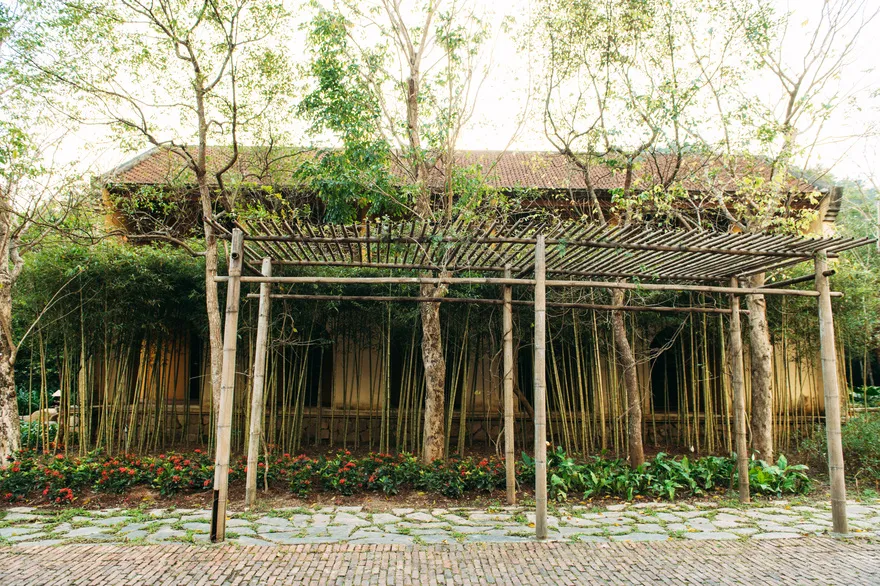
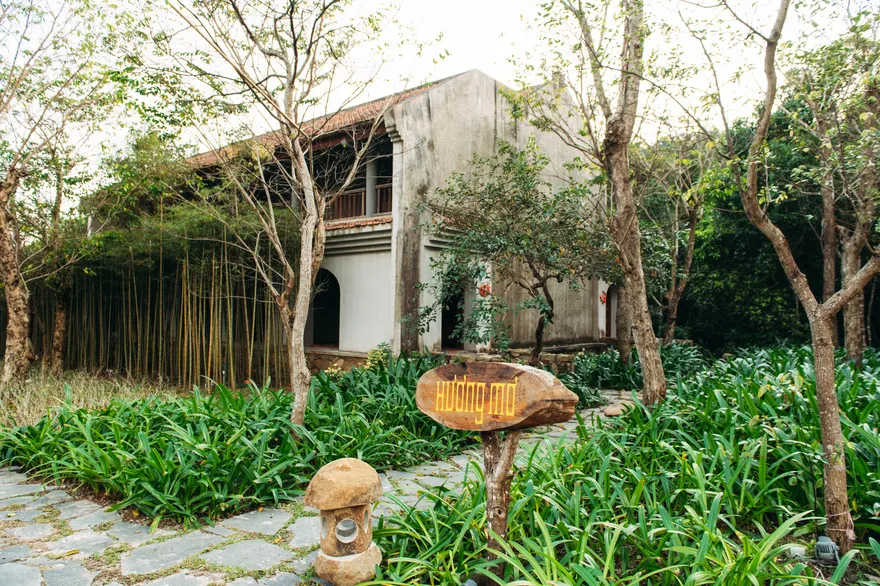
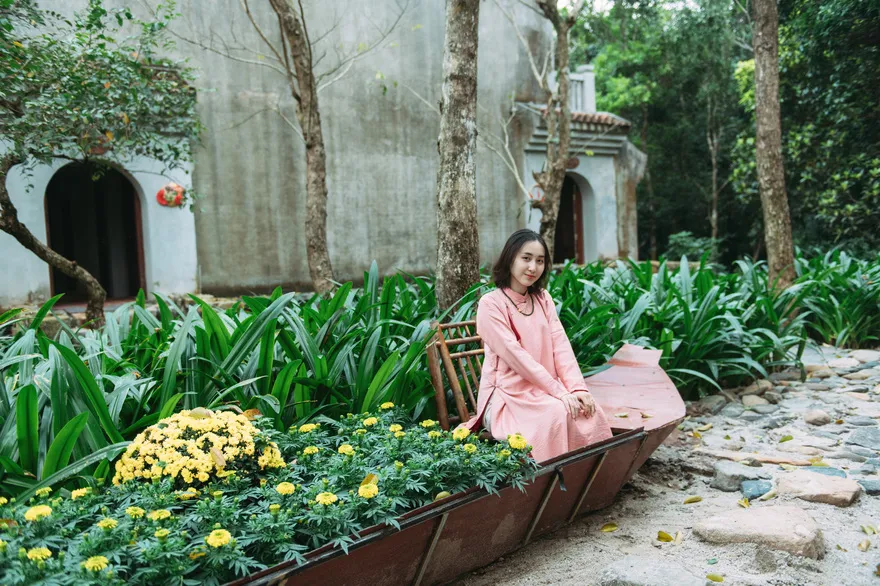
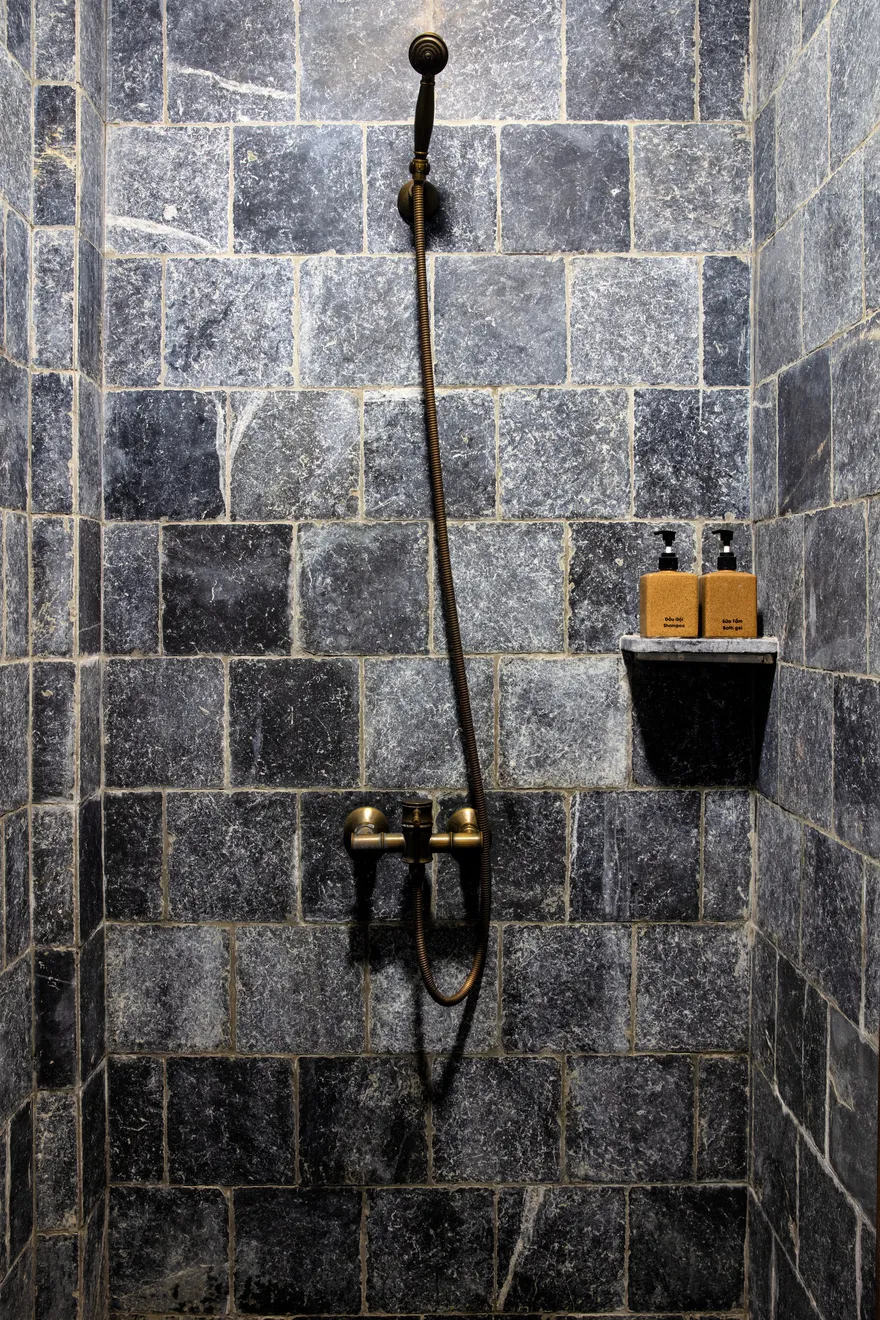
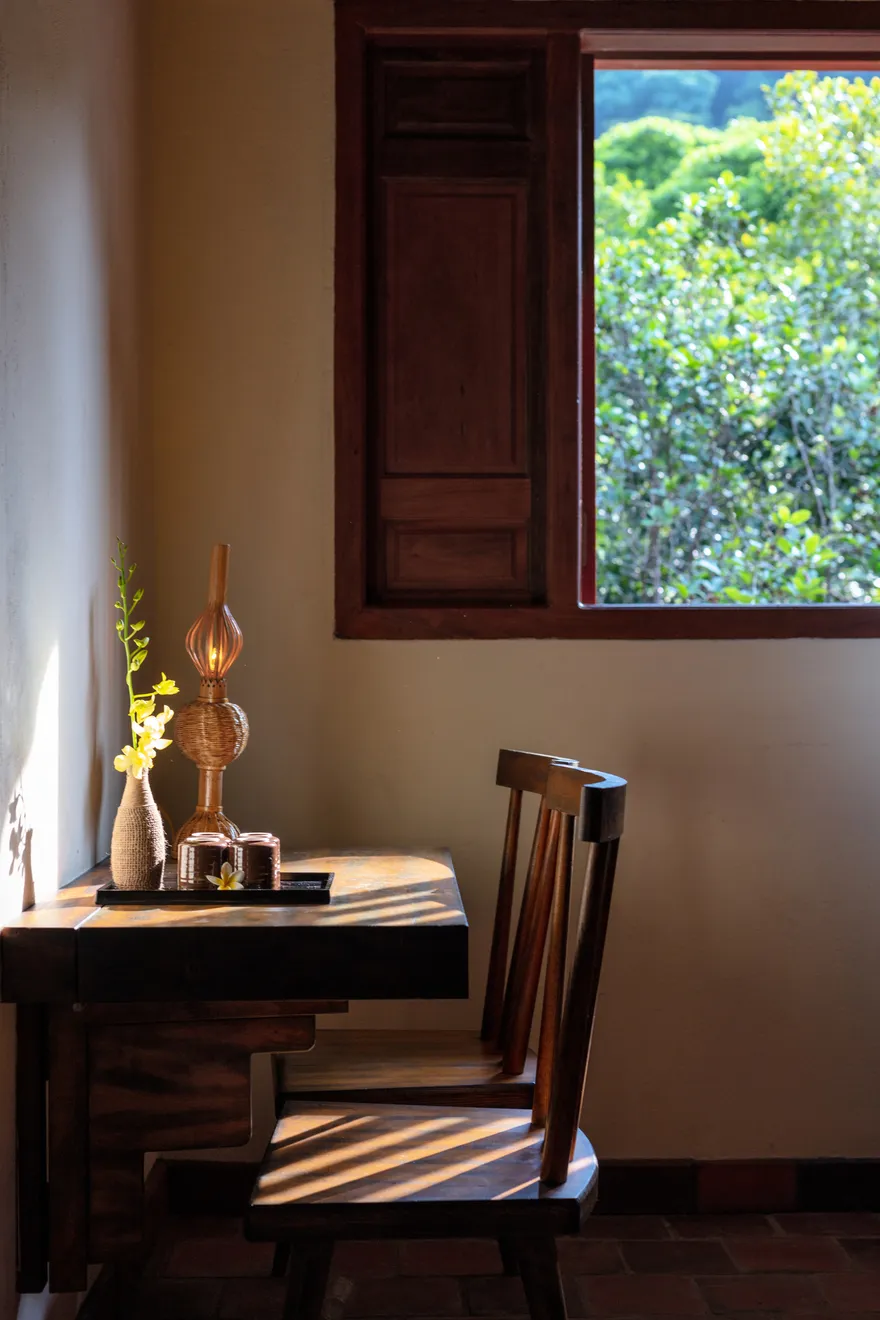
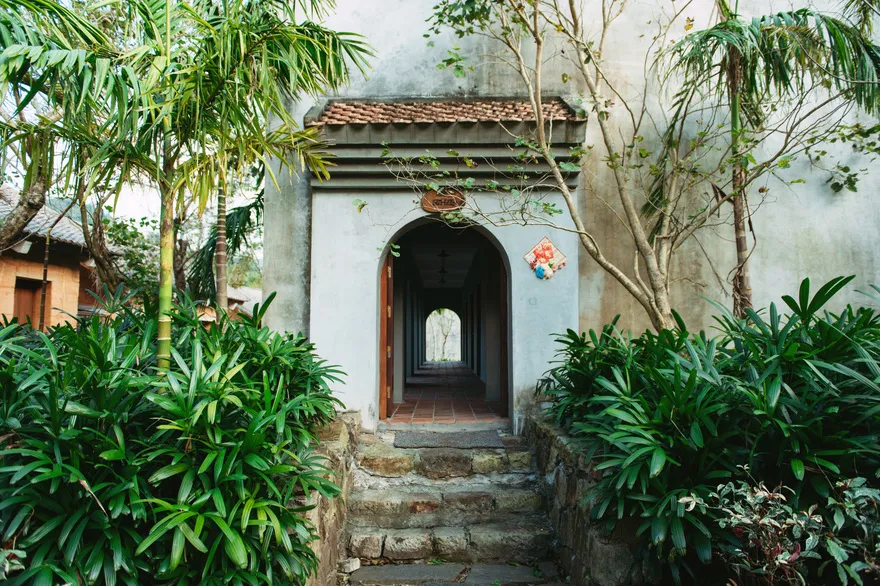
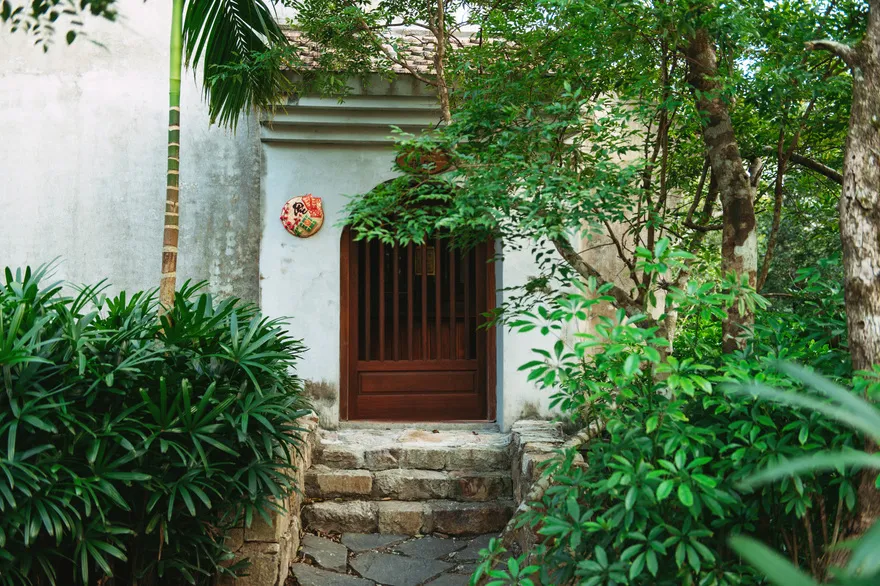
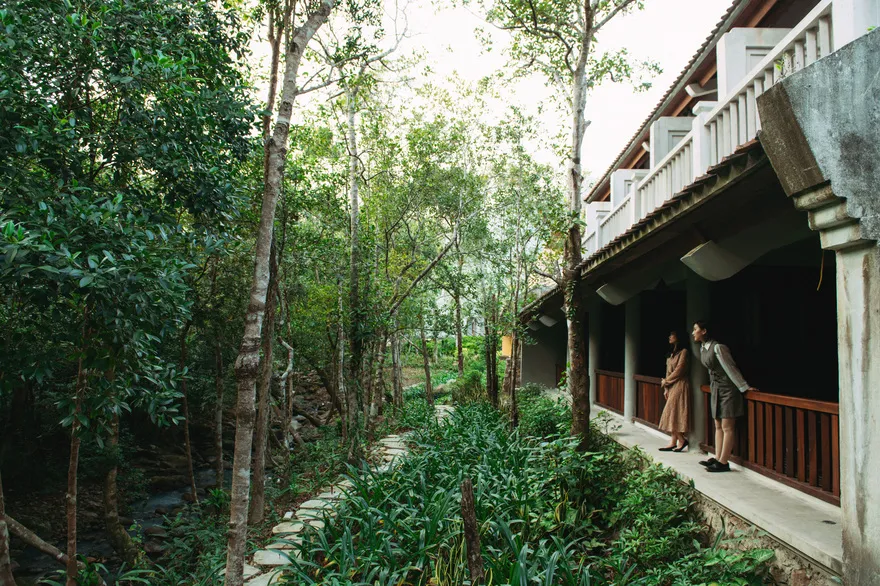
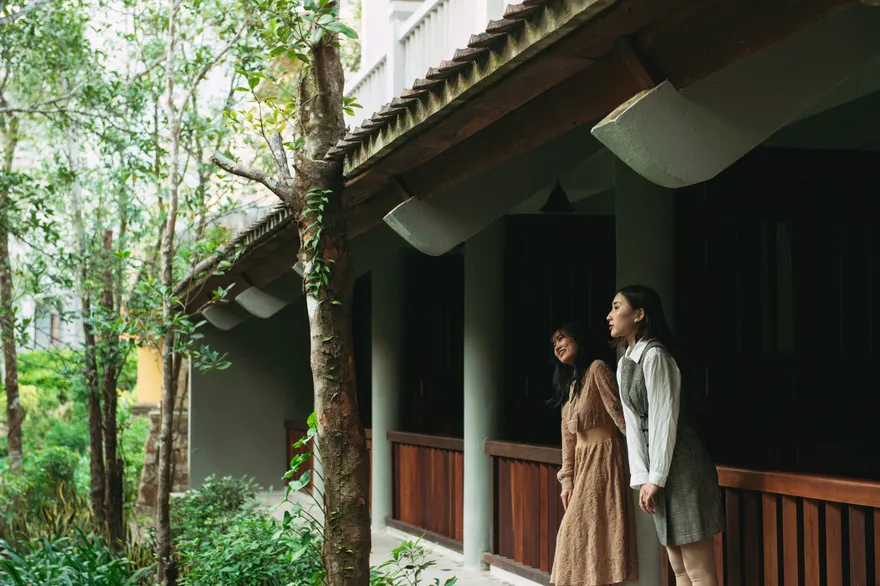
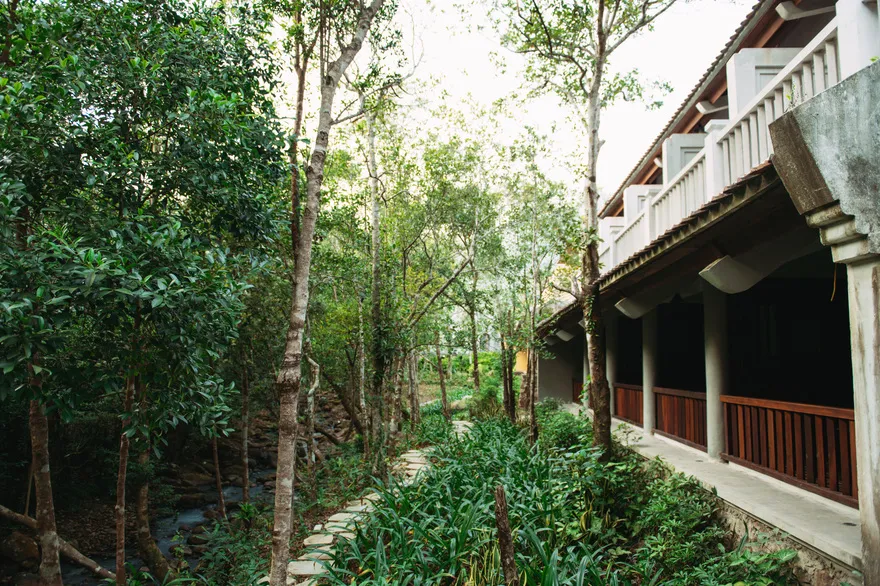
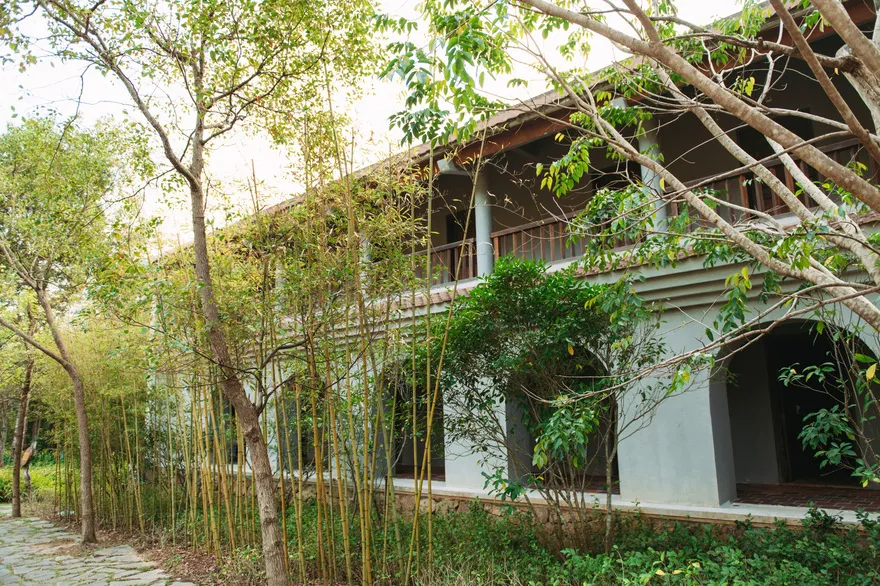
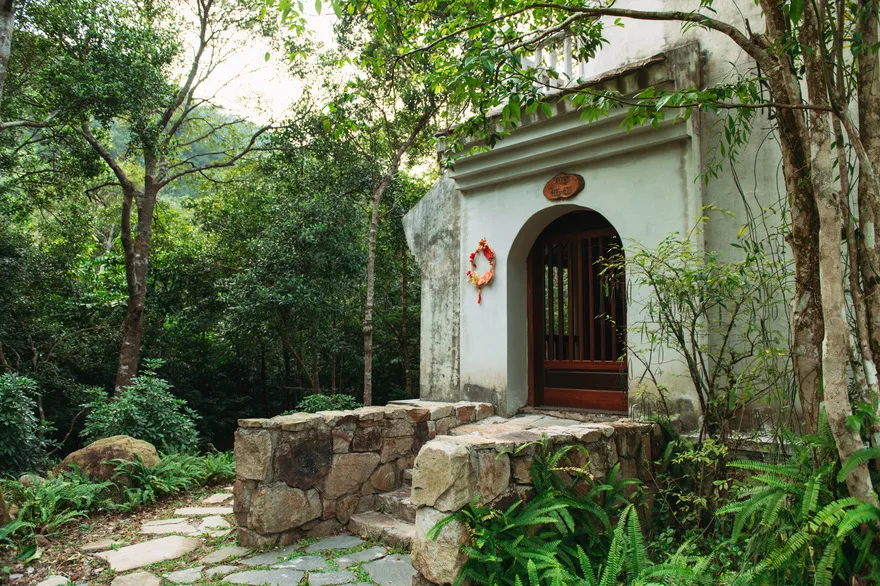
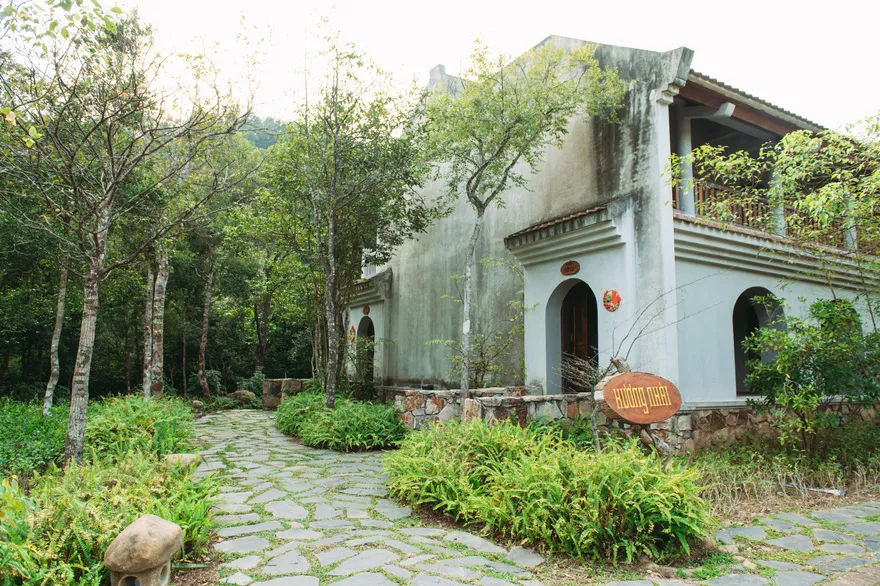
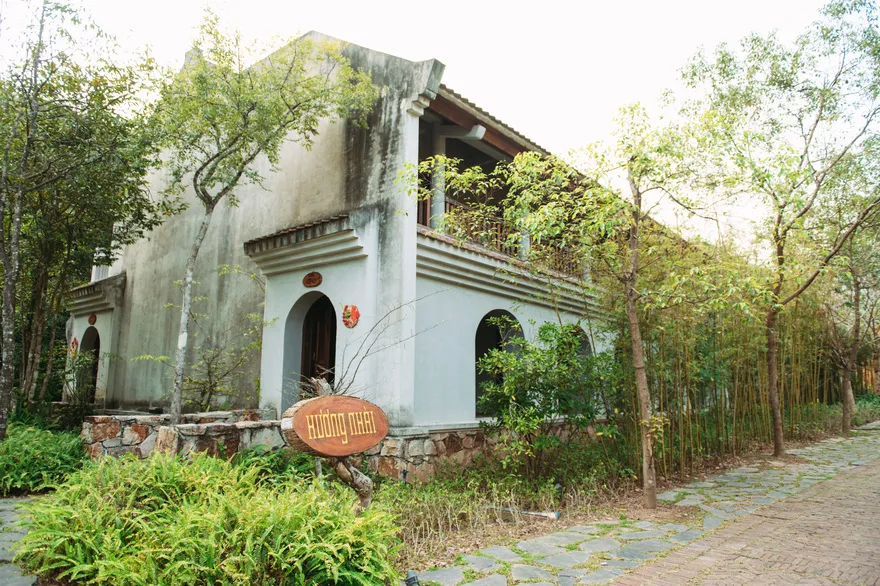
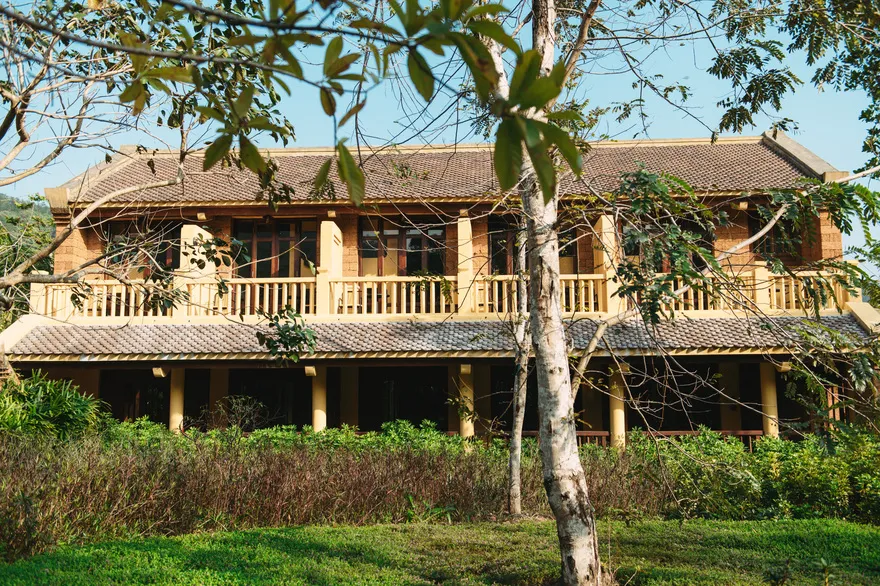
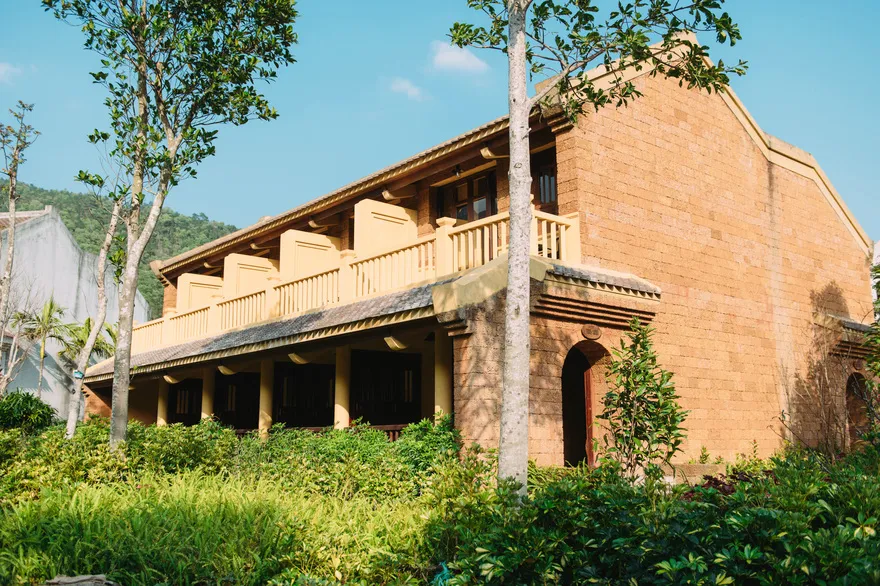
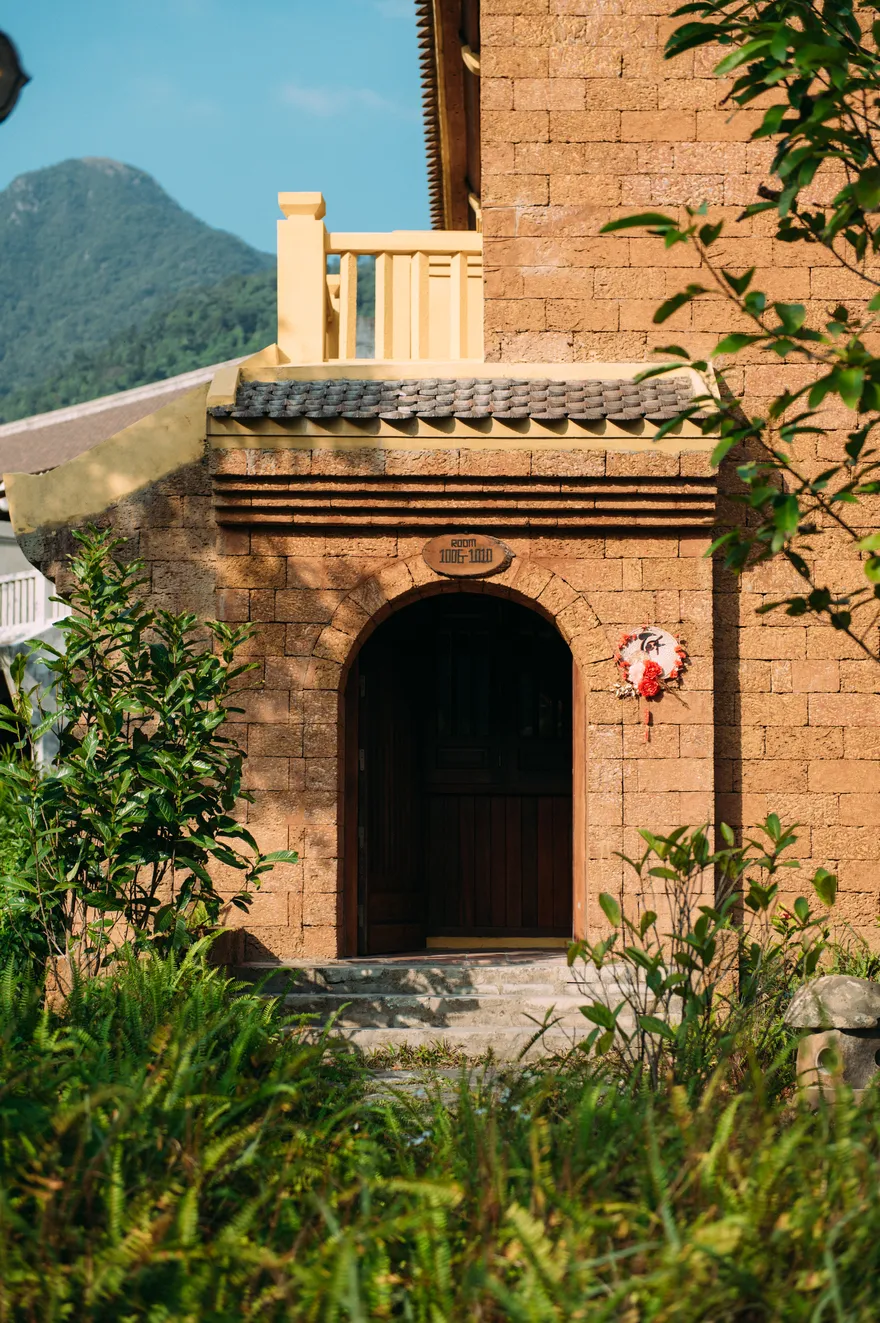
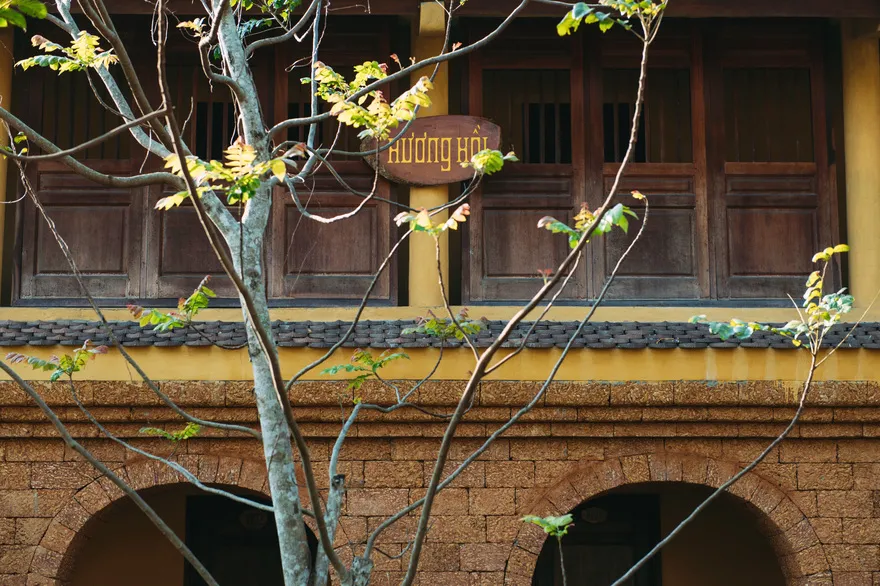
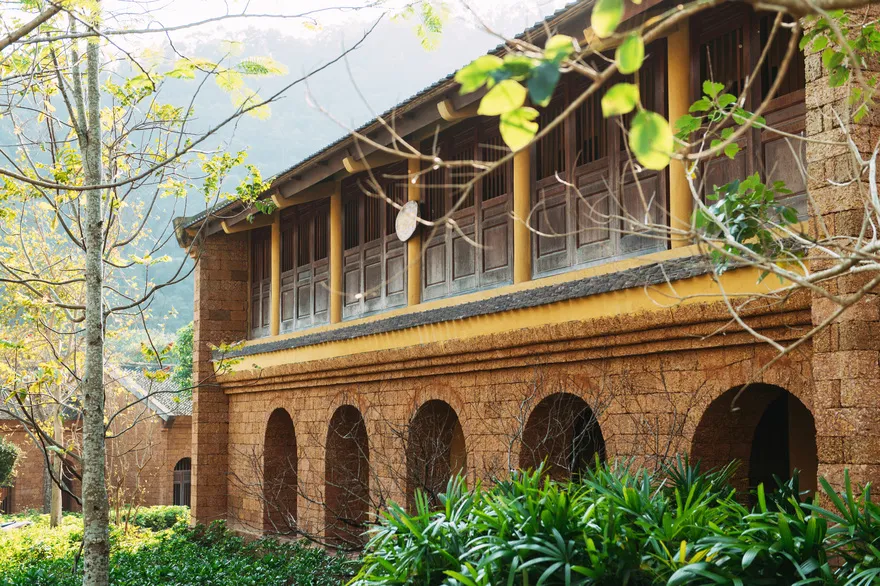
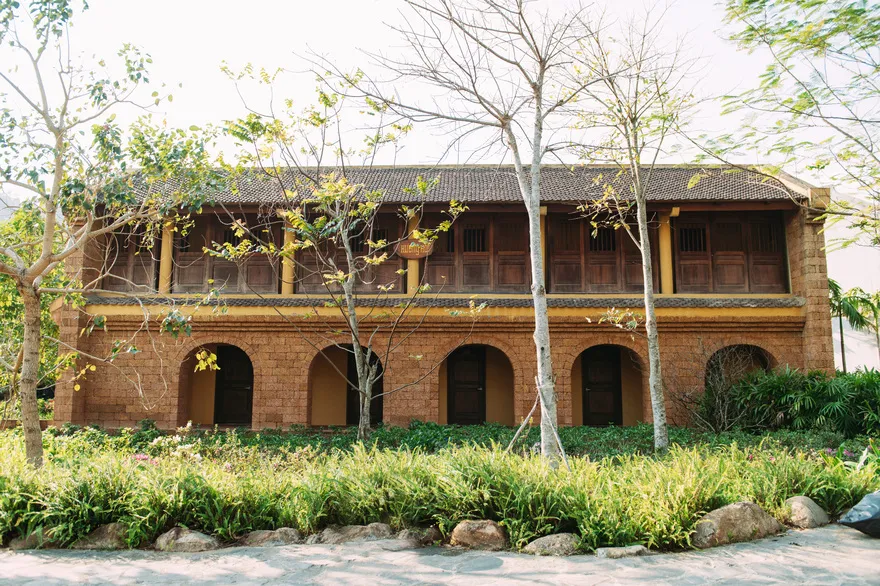
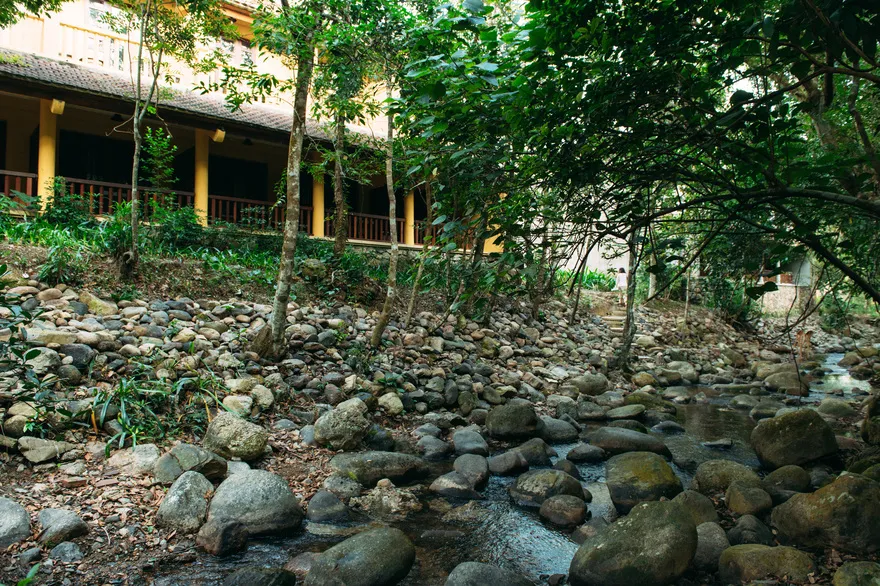
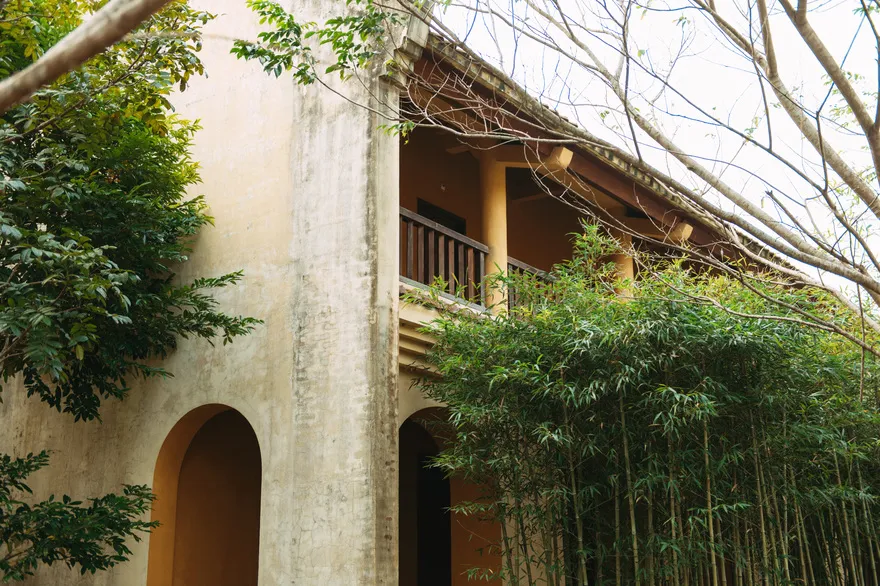
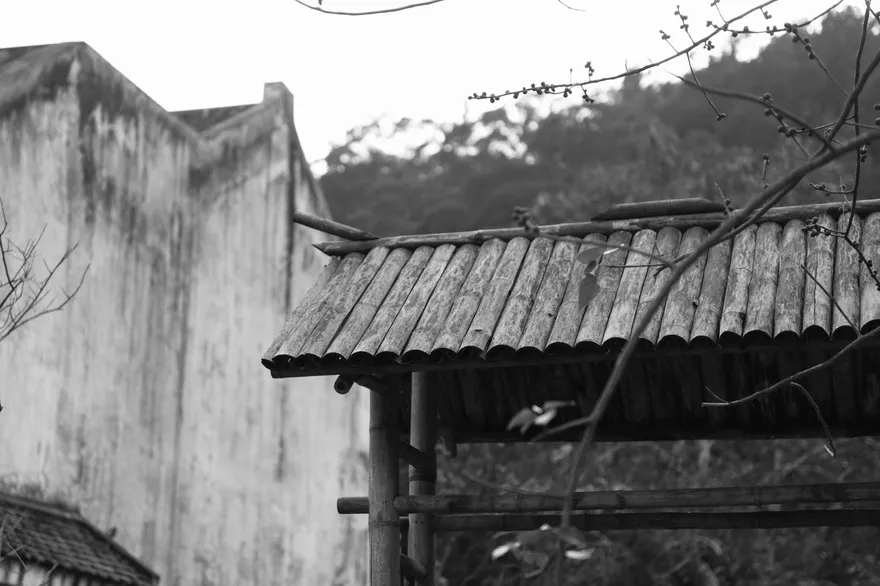
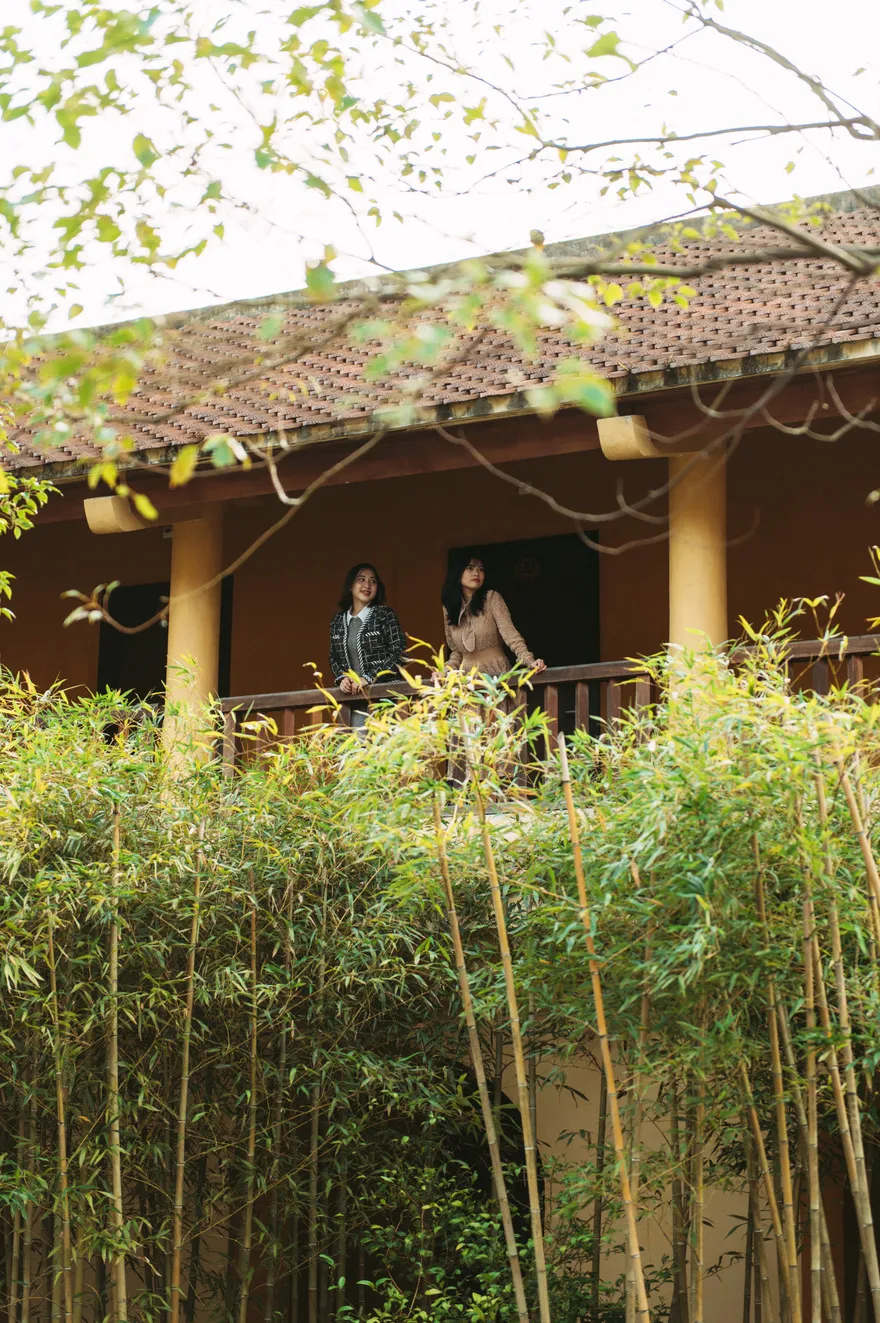
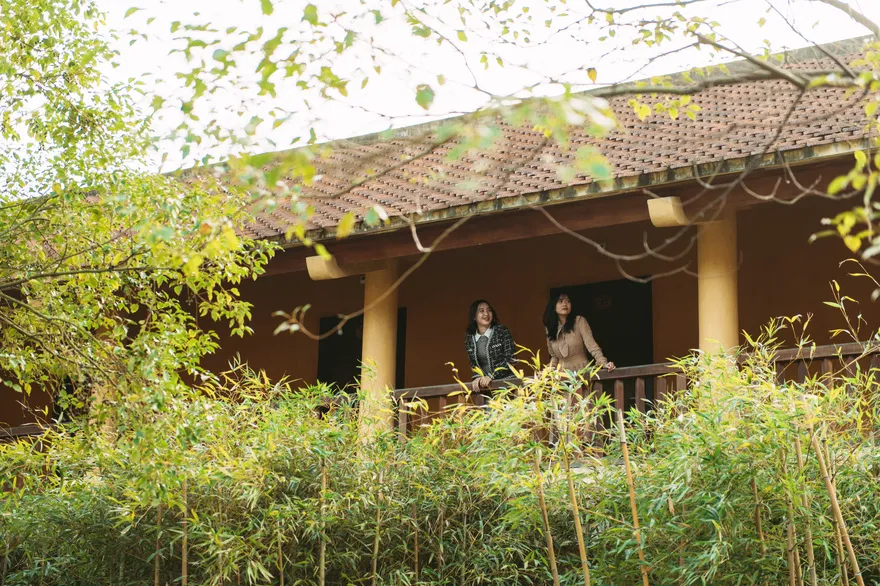
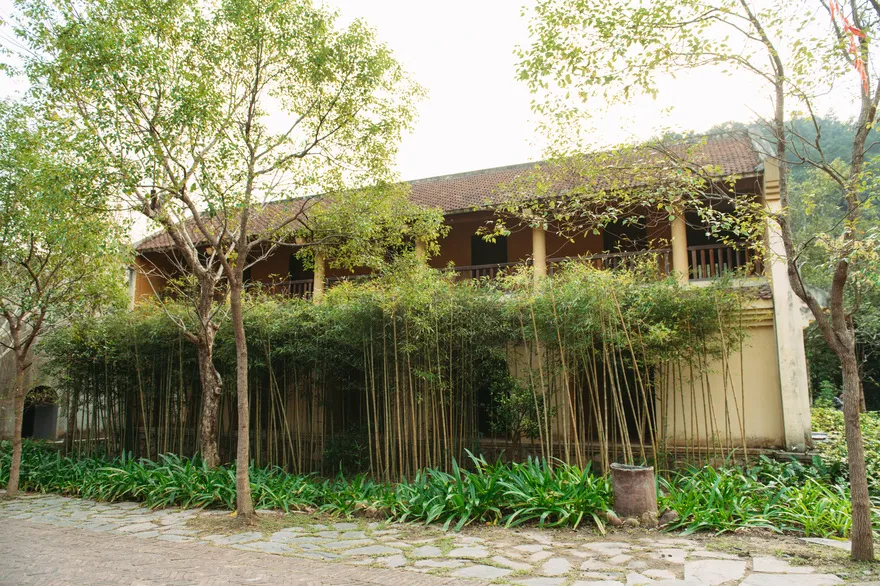
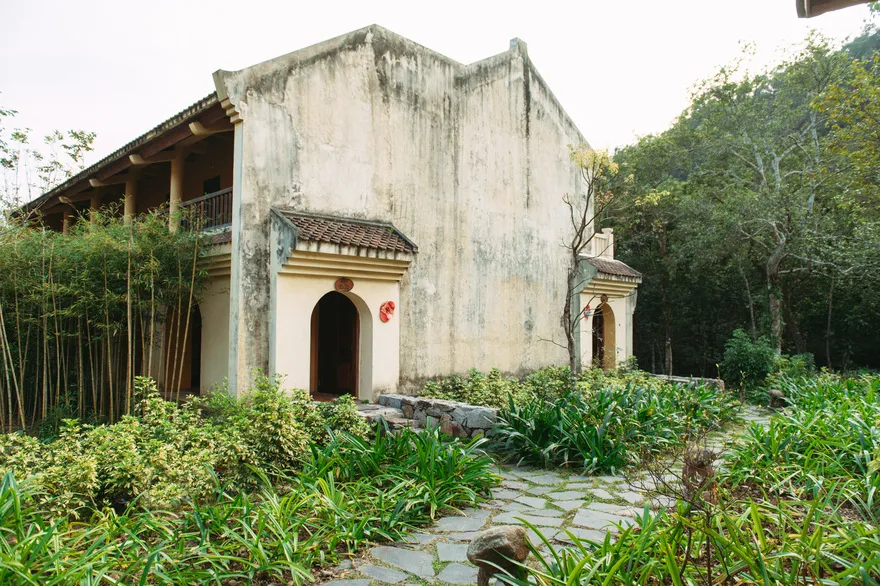
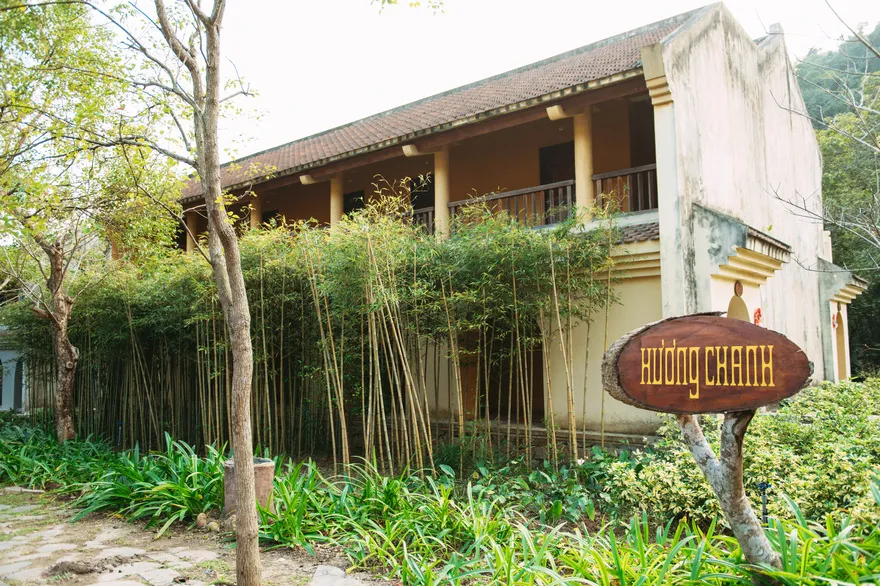
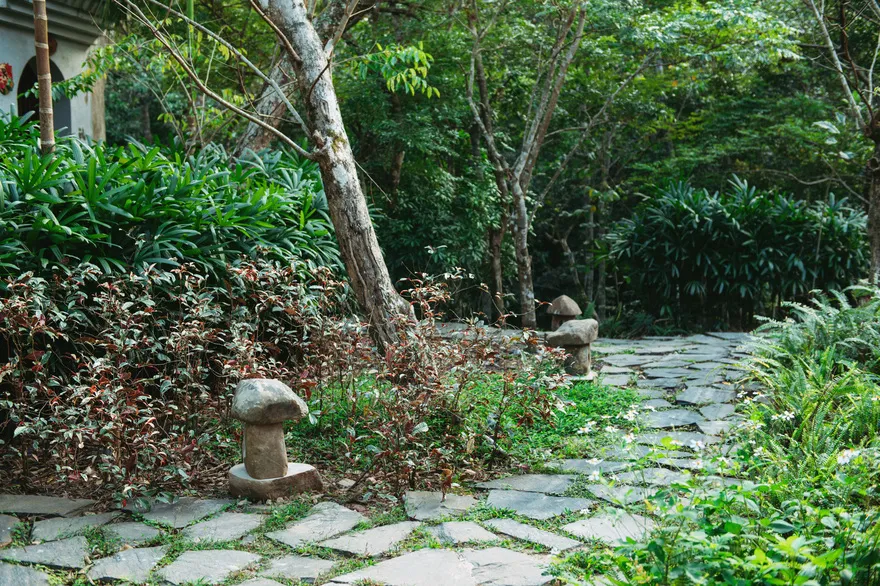
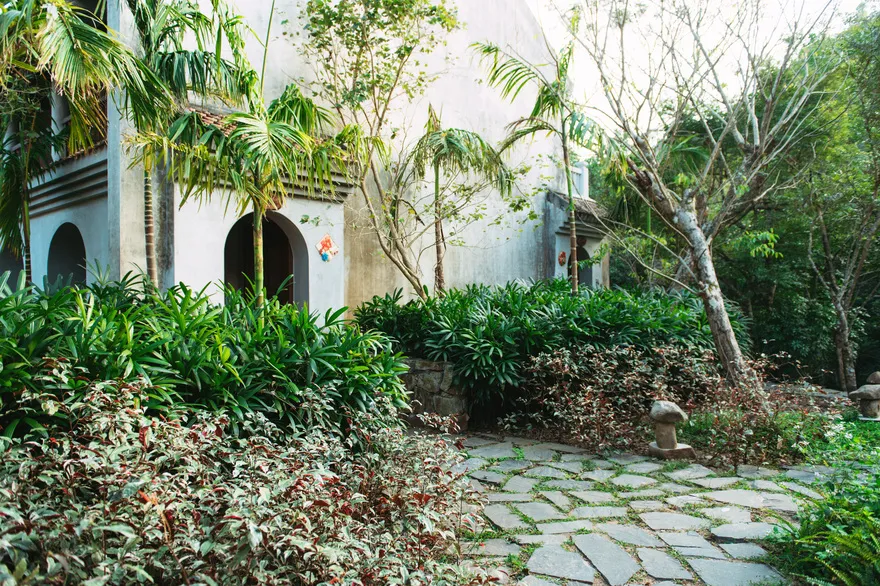
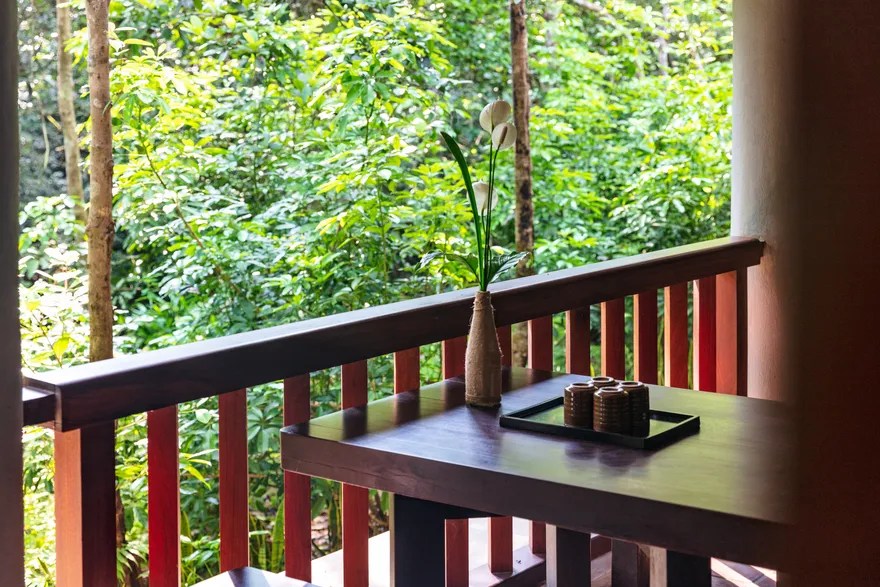
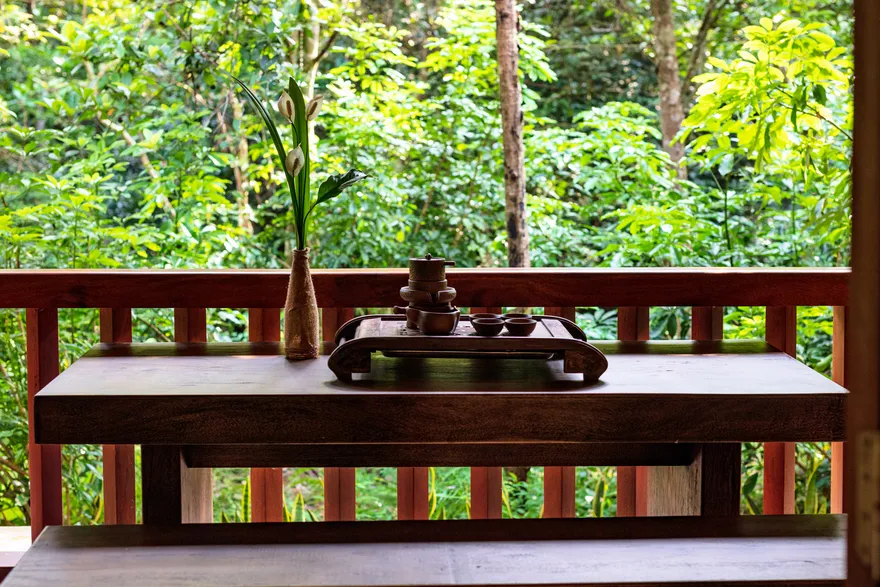
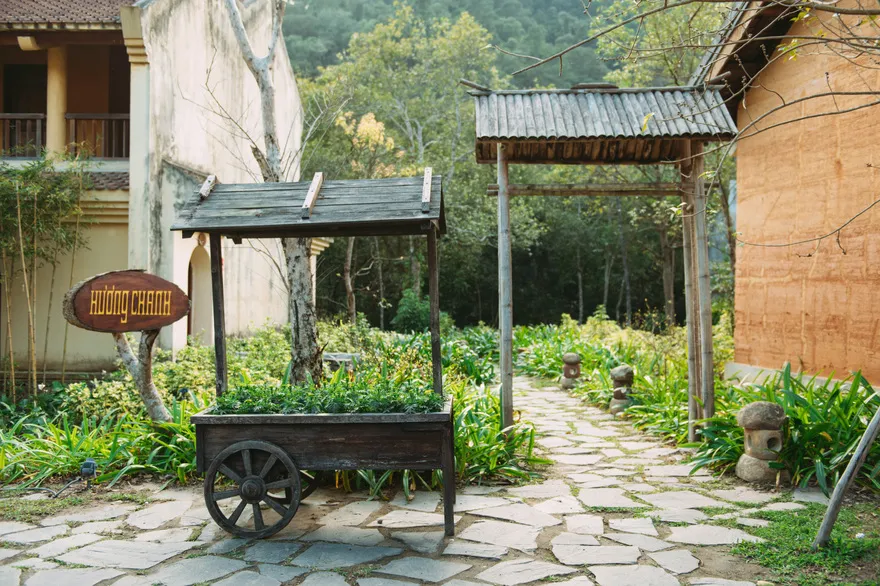
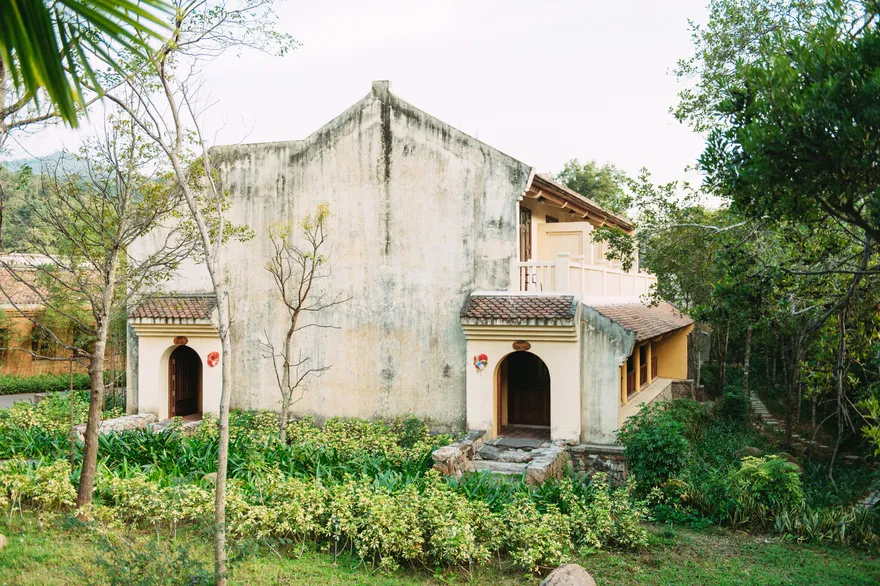
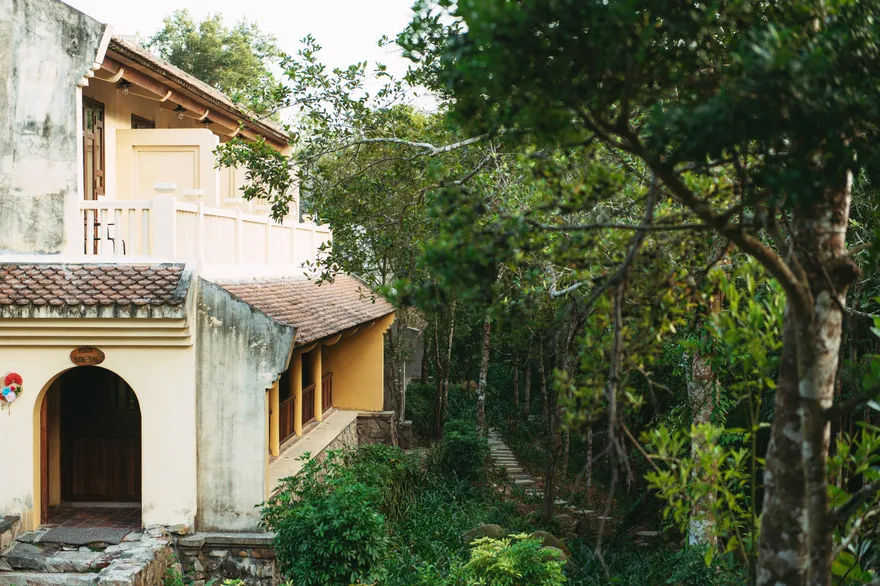
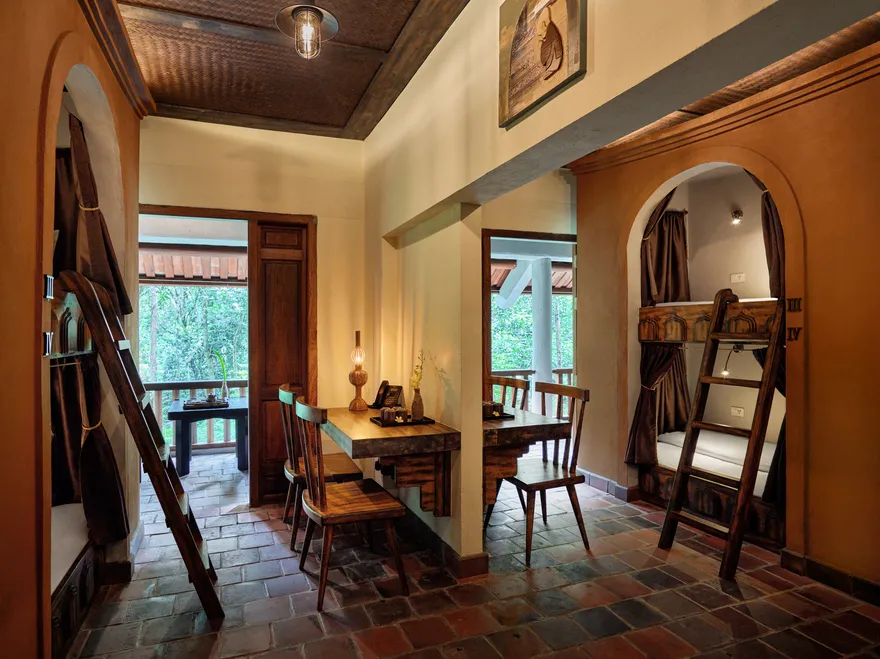
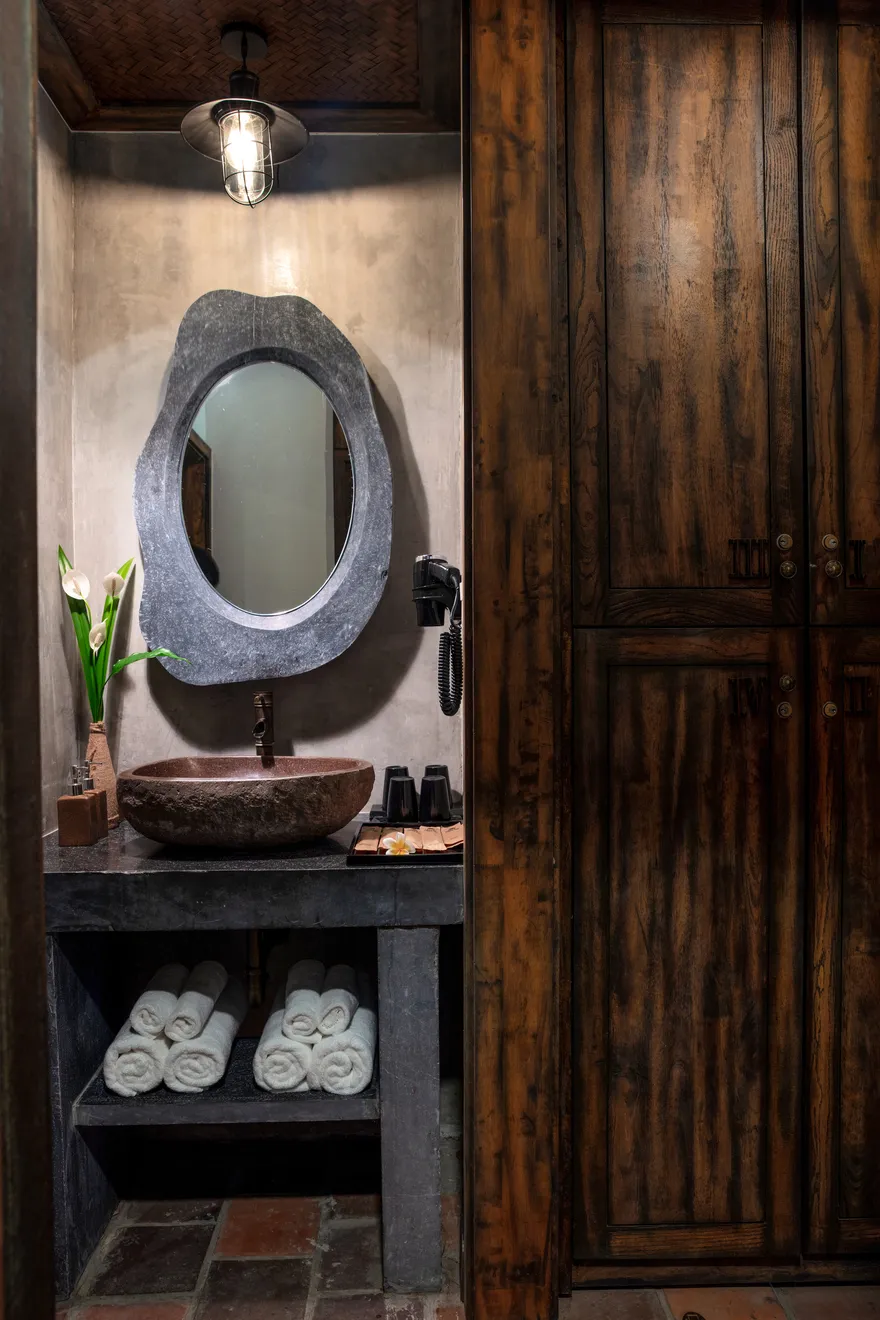
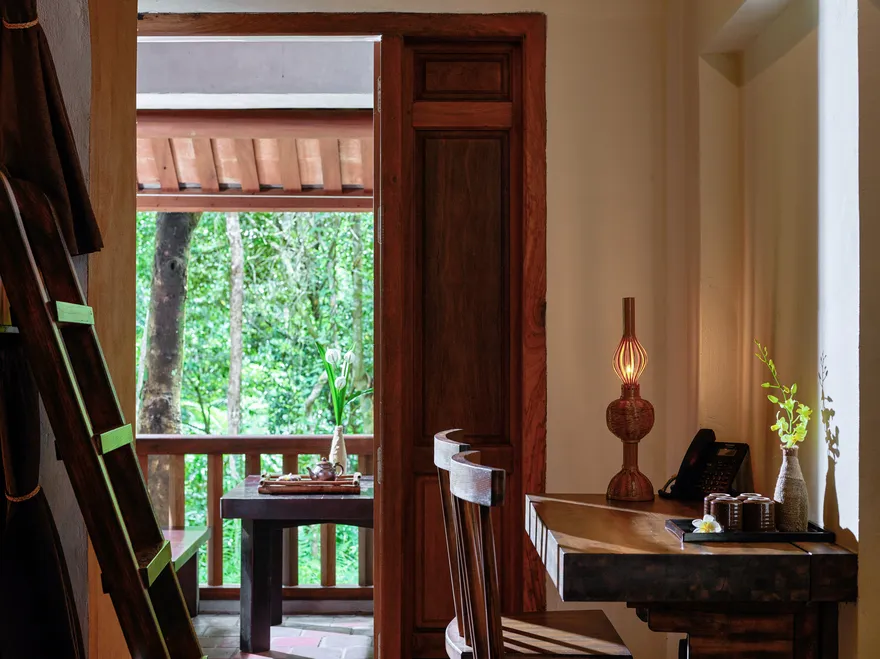
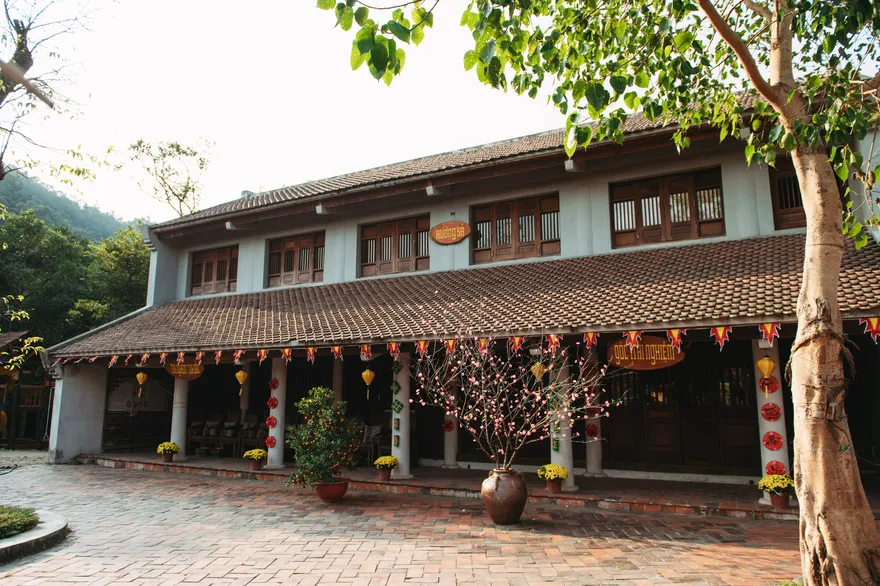
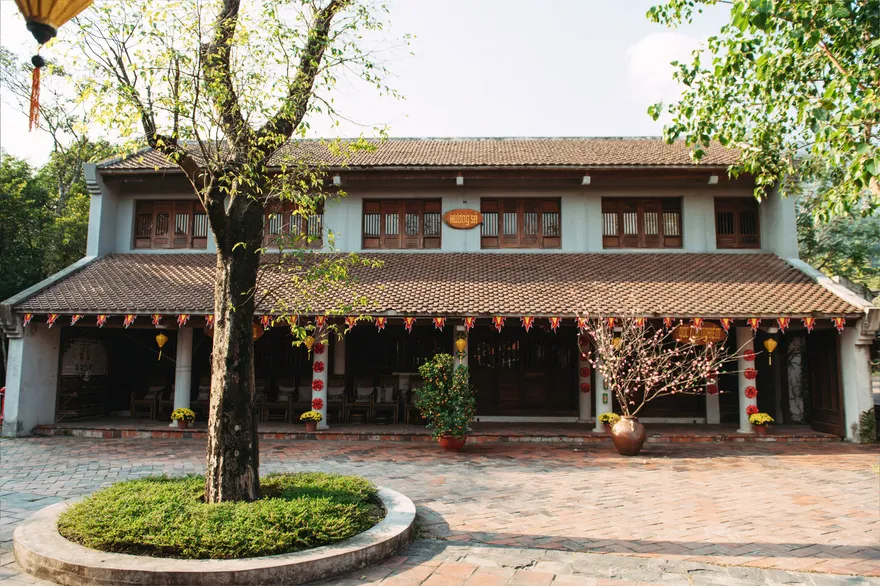
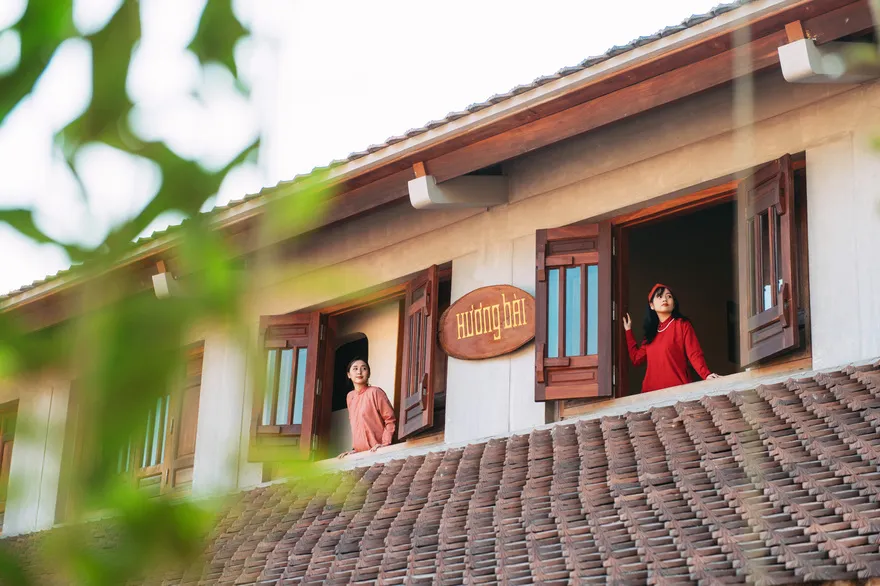
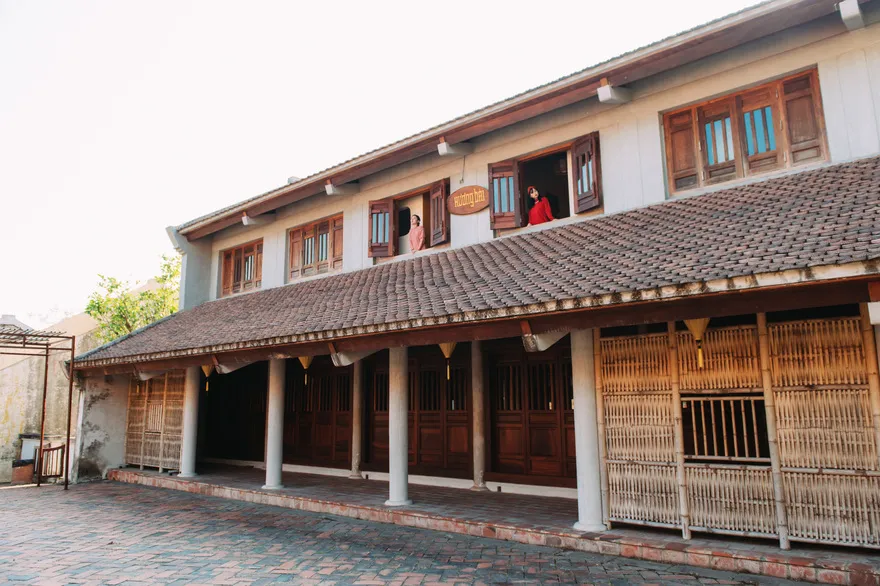
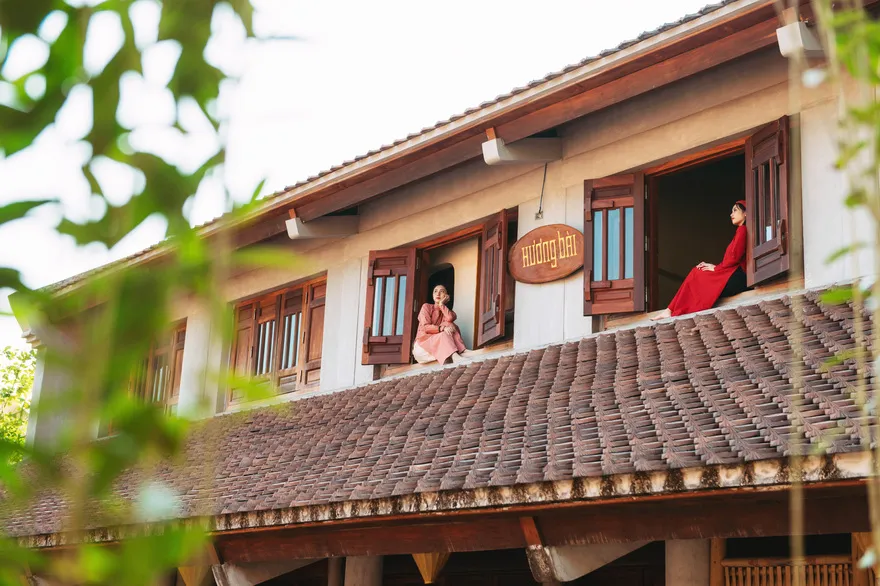
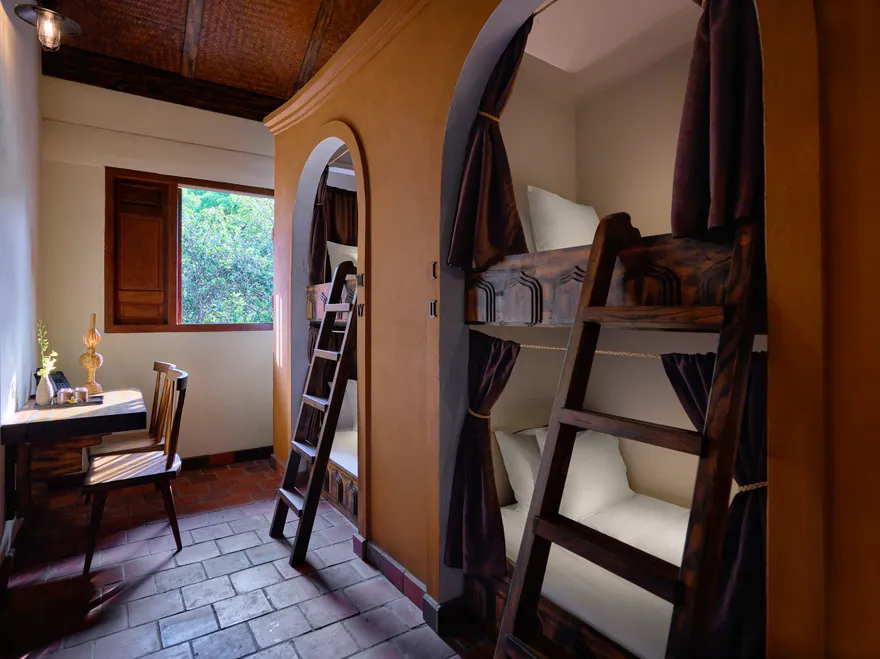
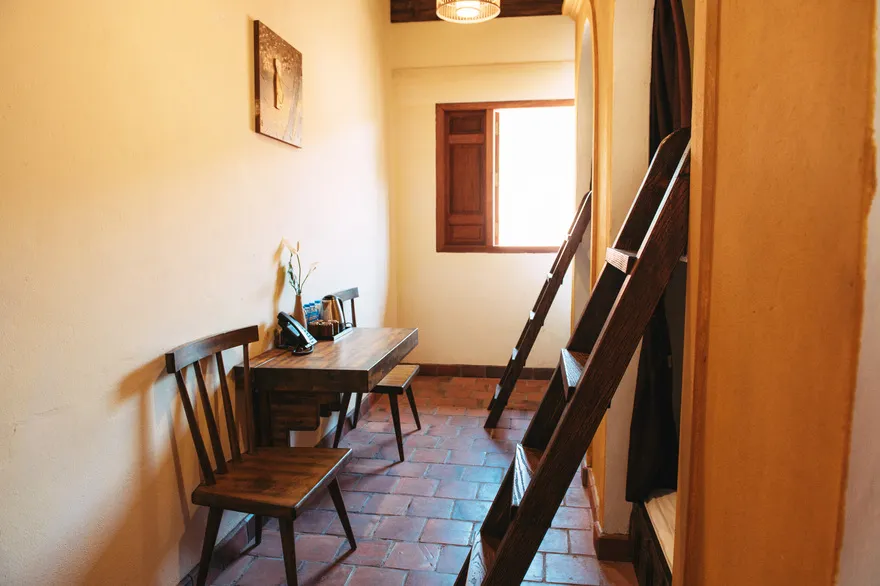
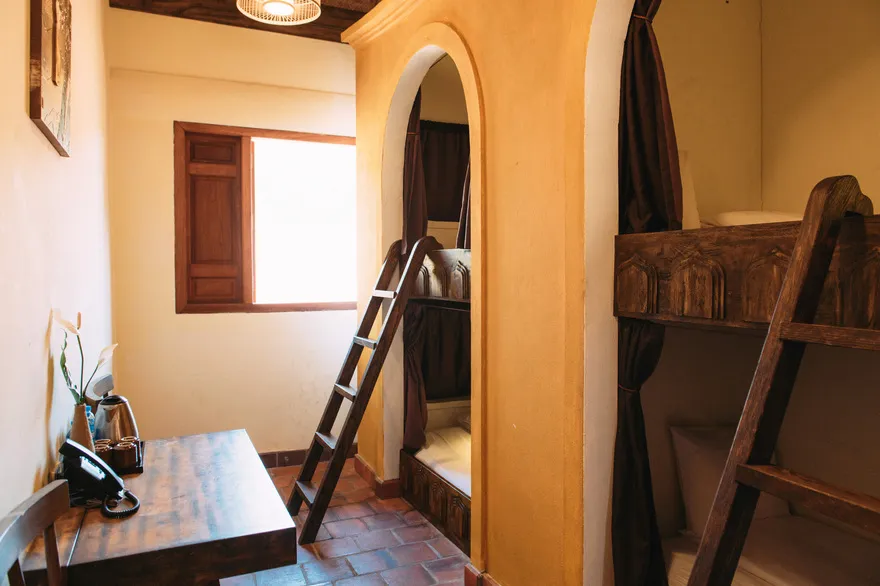
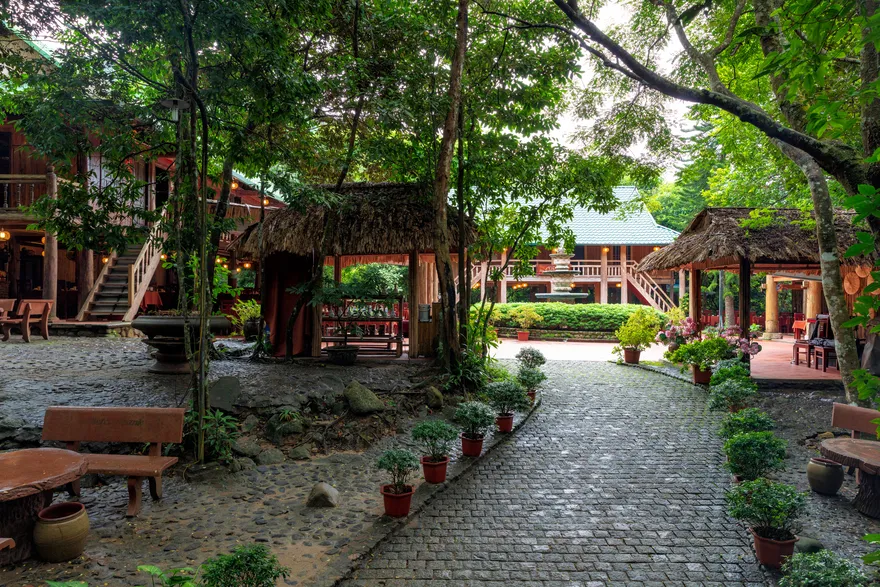
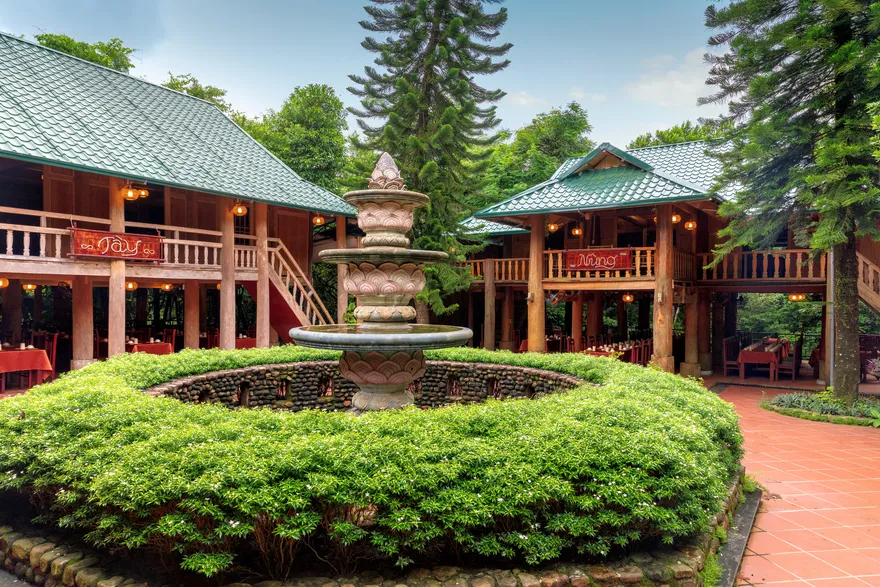
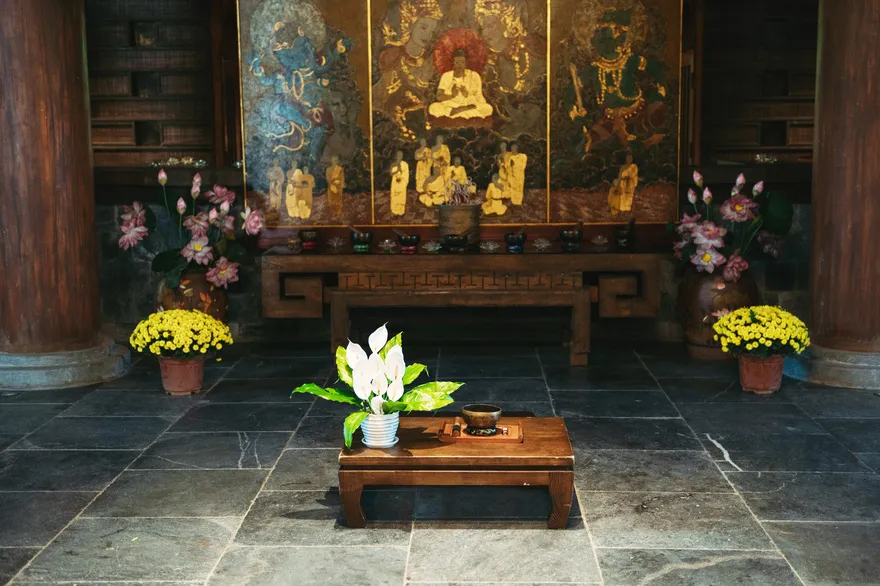
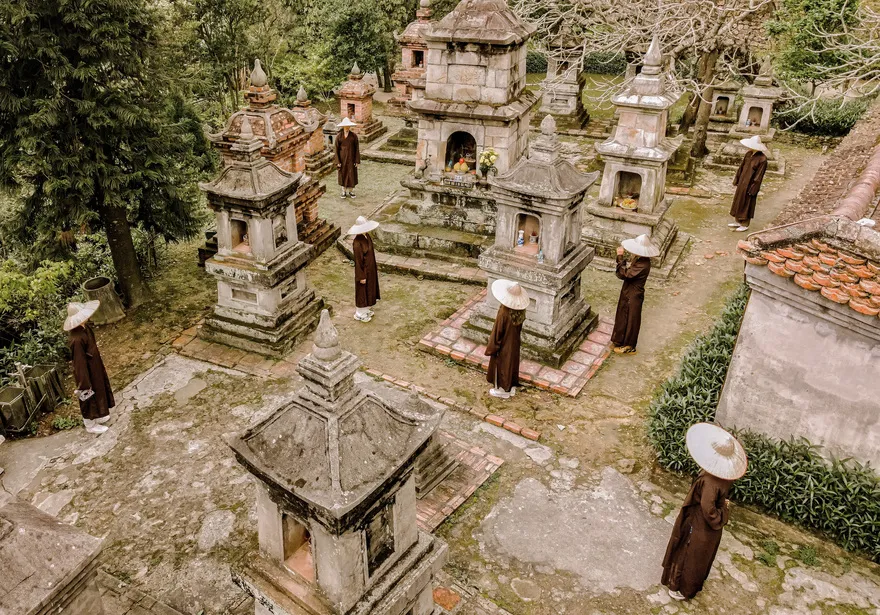
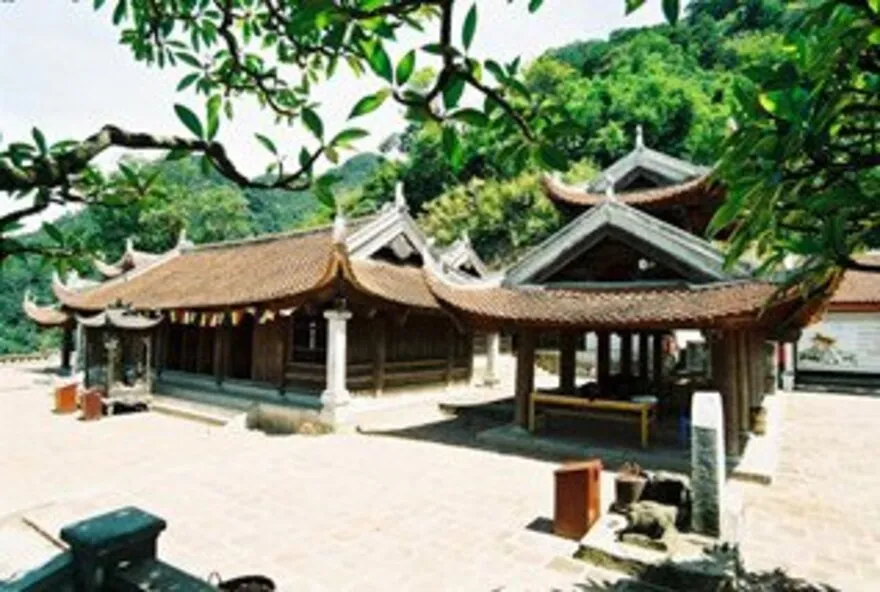
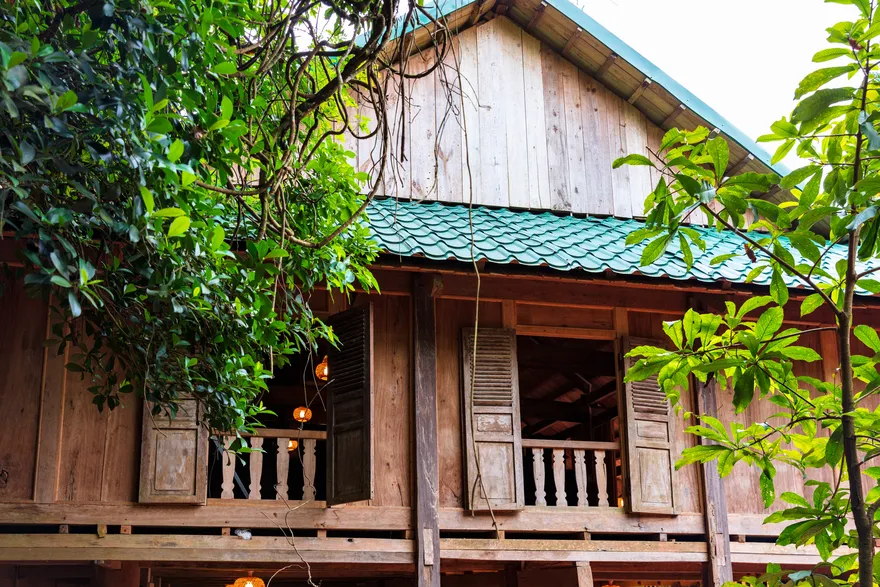
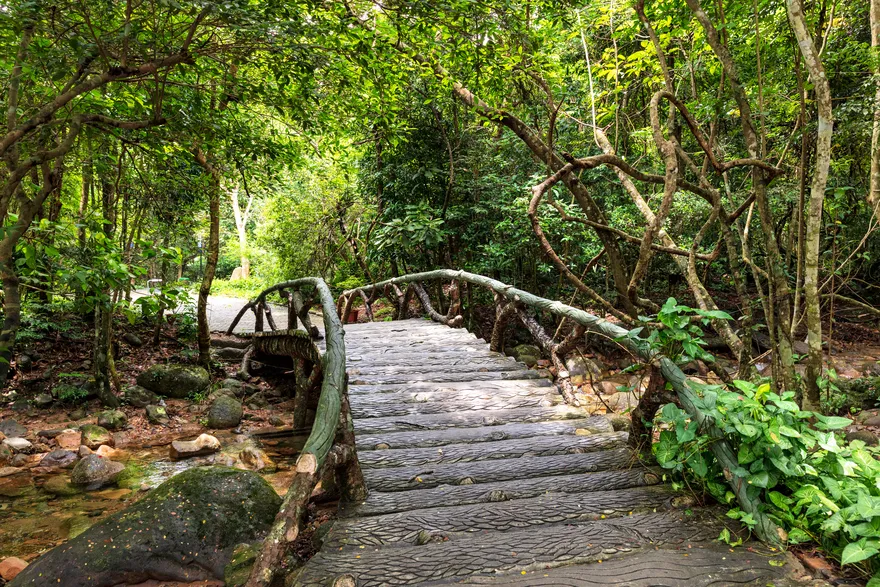
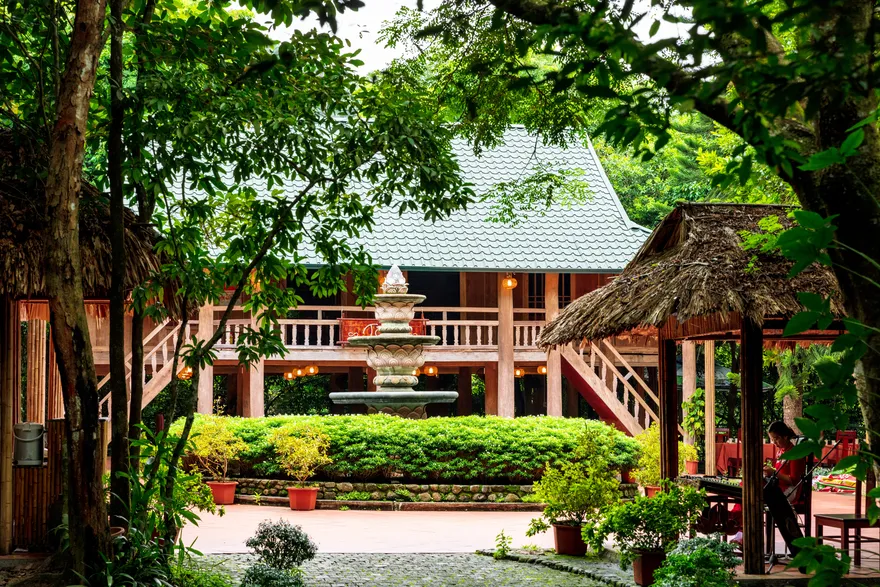
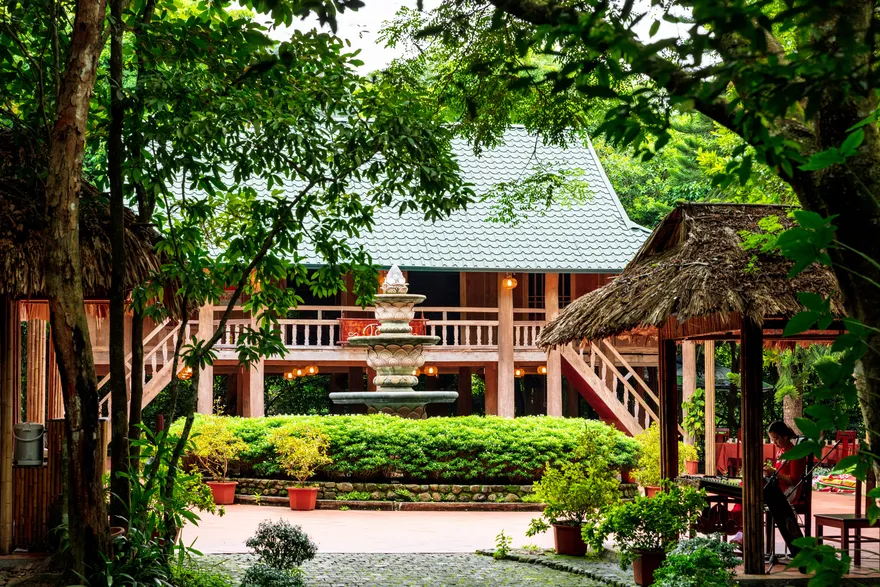
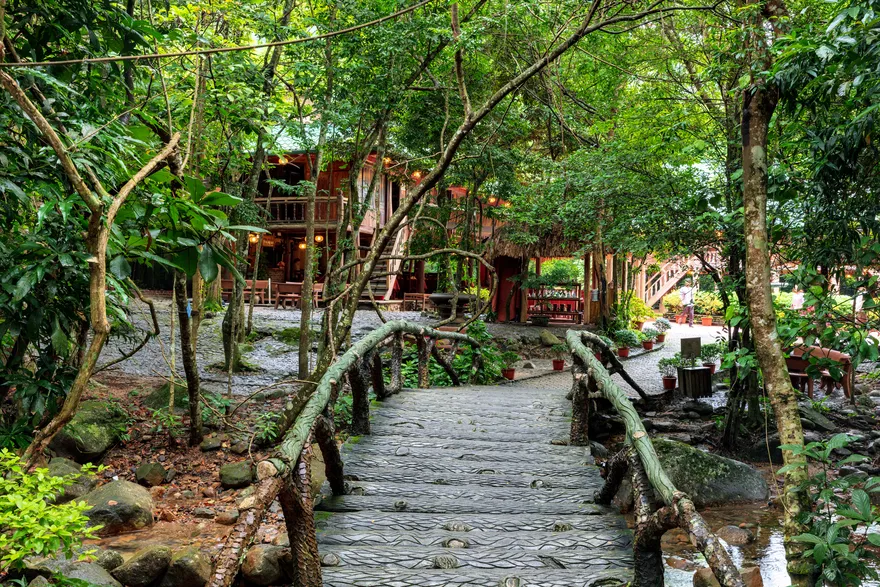
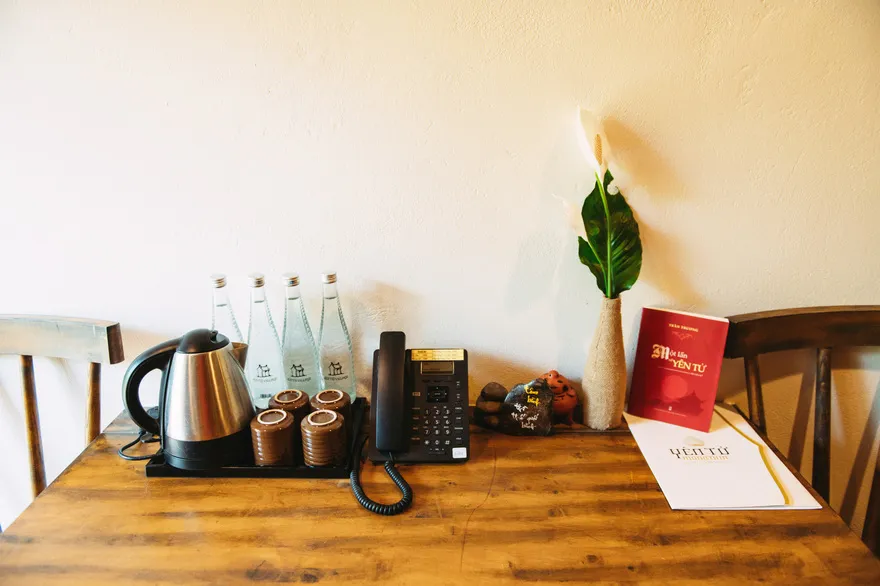
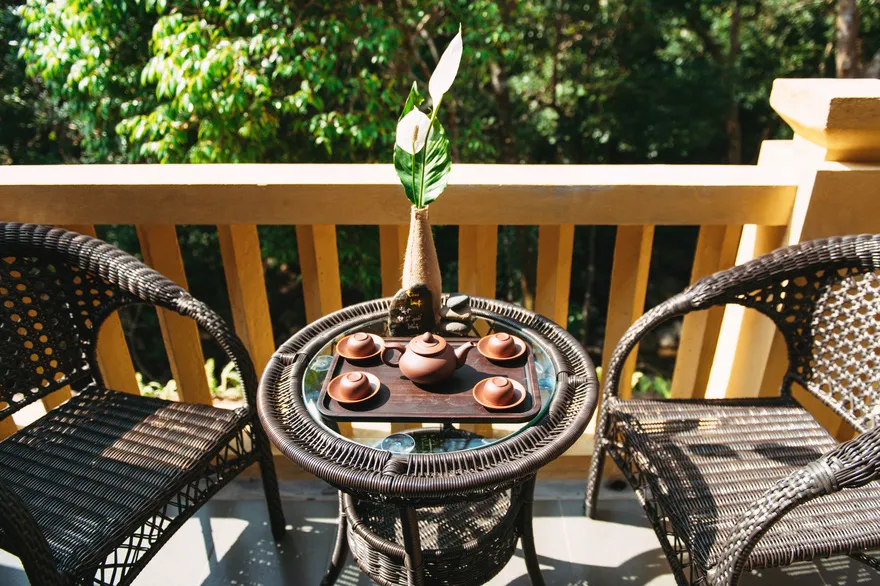
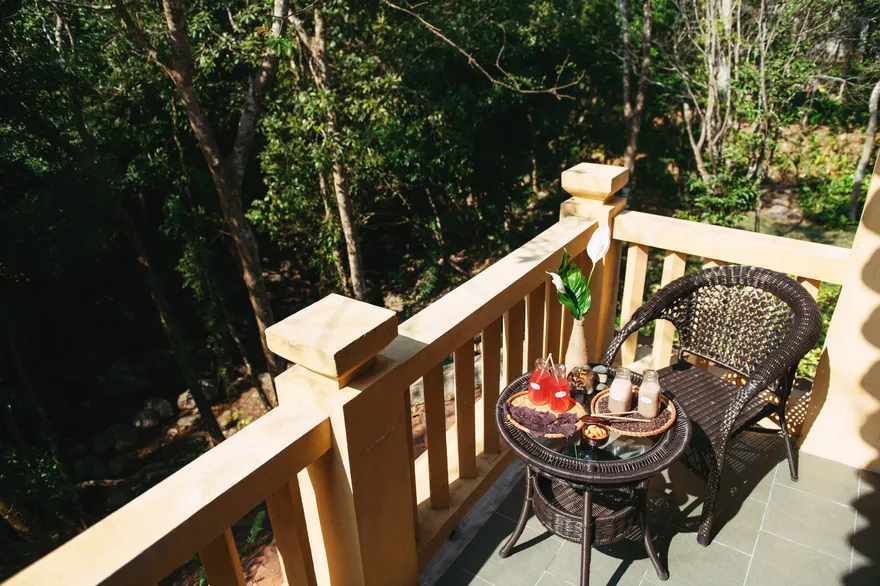
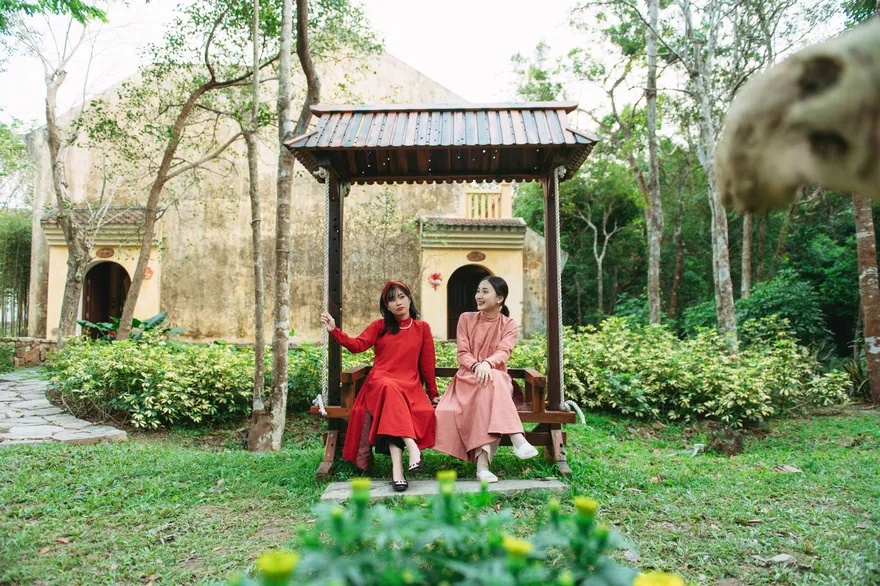
The unique architecture of Legacy Yen Tu – MGallery stems from the philosophy of “heritage restoration” under the masterful hands of renowned architect Bill Bensley. Instead of pursuing ostentatious luxury, he spent significant time researching Tran Dynasty archaeological artifacts at the Imperial Citadel of Thang Long and ancient relics in Quang Ninh to uncover the core “cultural DNA” for the project. The result is a complex that appears like an ancient palace from the 13th century, embodying the quintessential characteristics of Tran Dynasty art with a rustic, sturdy, yet incredibly elegant aesthetic. The element that creates the serene and sacred atmosphere of the village is the prioritization of traditional, sustainable materials. All the buildings here are constructed from laterite, earthen walls, and ironwood, combined with a characteristic yin-yang tile roofing system. Notably, the walls do not use modern paint but are plastered with a handcrafted mixture of lime and rice husks, creating a muted yellow tone that evokes the ambiance of ancient monasteries. Meticulous attention to detail is also reflected in features such as wooden latch doors, handcrafted brick floors from northern pottery villages, and decorative items made of bronze and Bat Trang ceramics, custom-crafted to ensure historical authenticity. The structure of the village is delicately planned with 11 charming buildings, each named after a local flower such as Lotus, Jasmine, Rose, and more…. The entire complex faithfully recreates the image of a pure Northern Vietnamese village with mossy stone-paved paths, lotus ponds, water wells, and traditional communal courtyards. Every experiential space is arranged around the “Dharma” axis extending from the Khai Tam Gate to the Truc Lam Palace, allowing visitors to feel a magical transformation as they travel back in time to a glorious past.
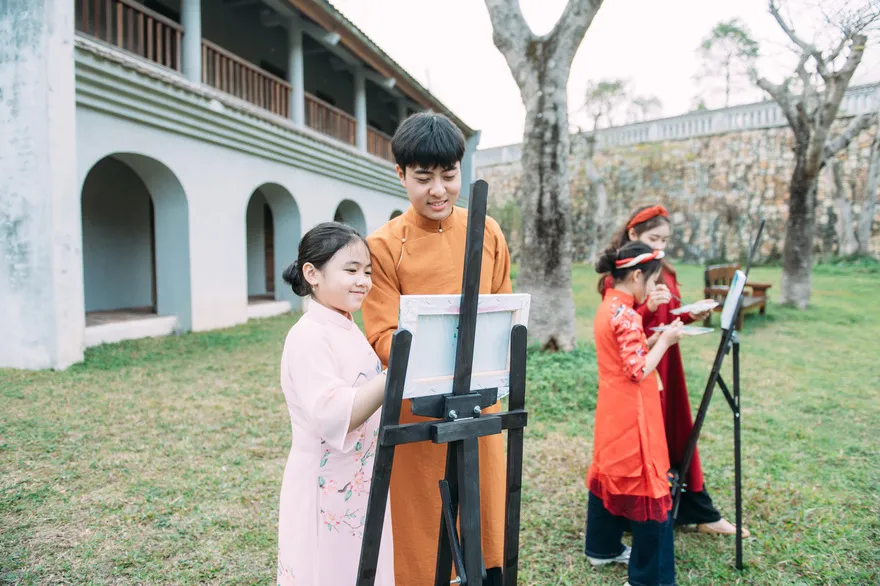
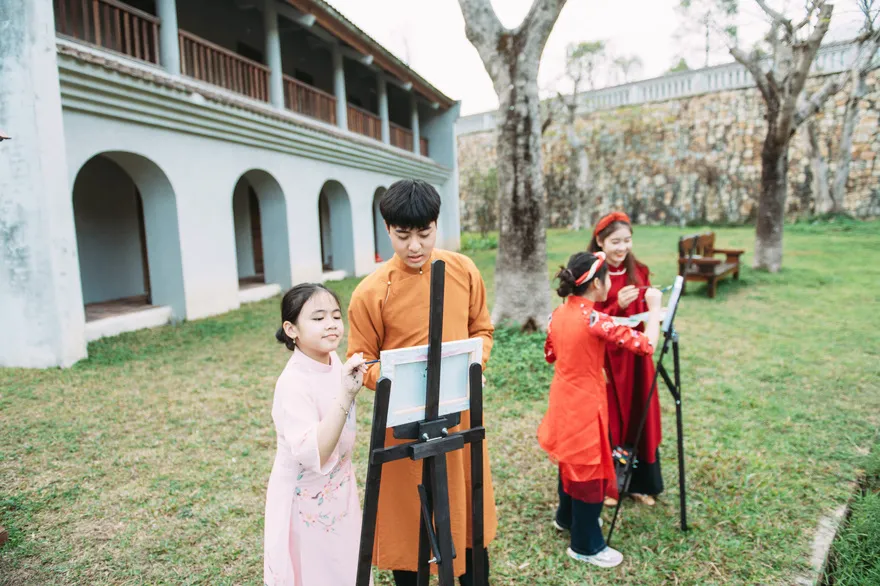
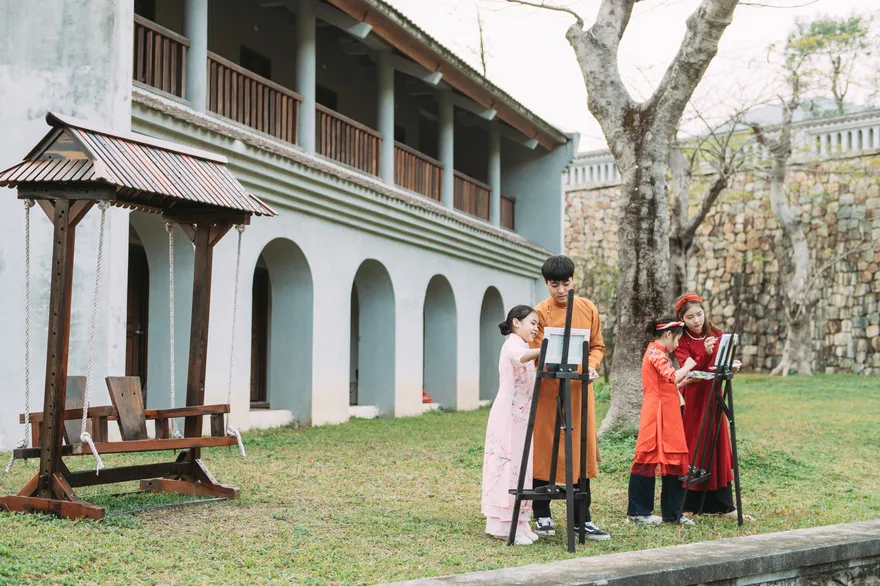
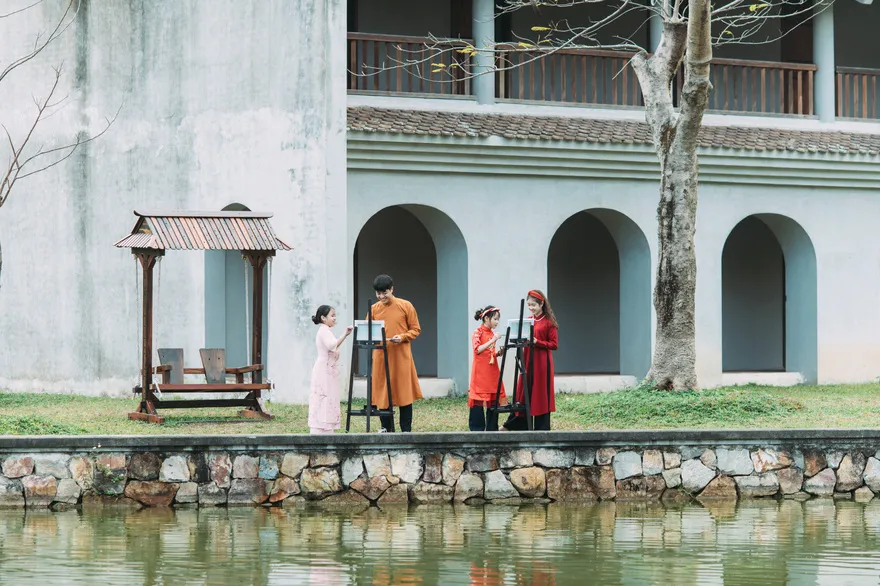
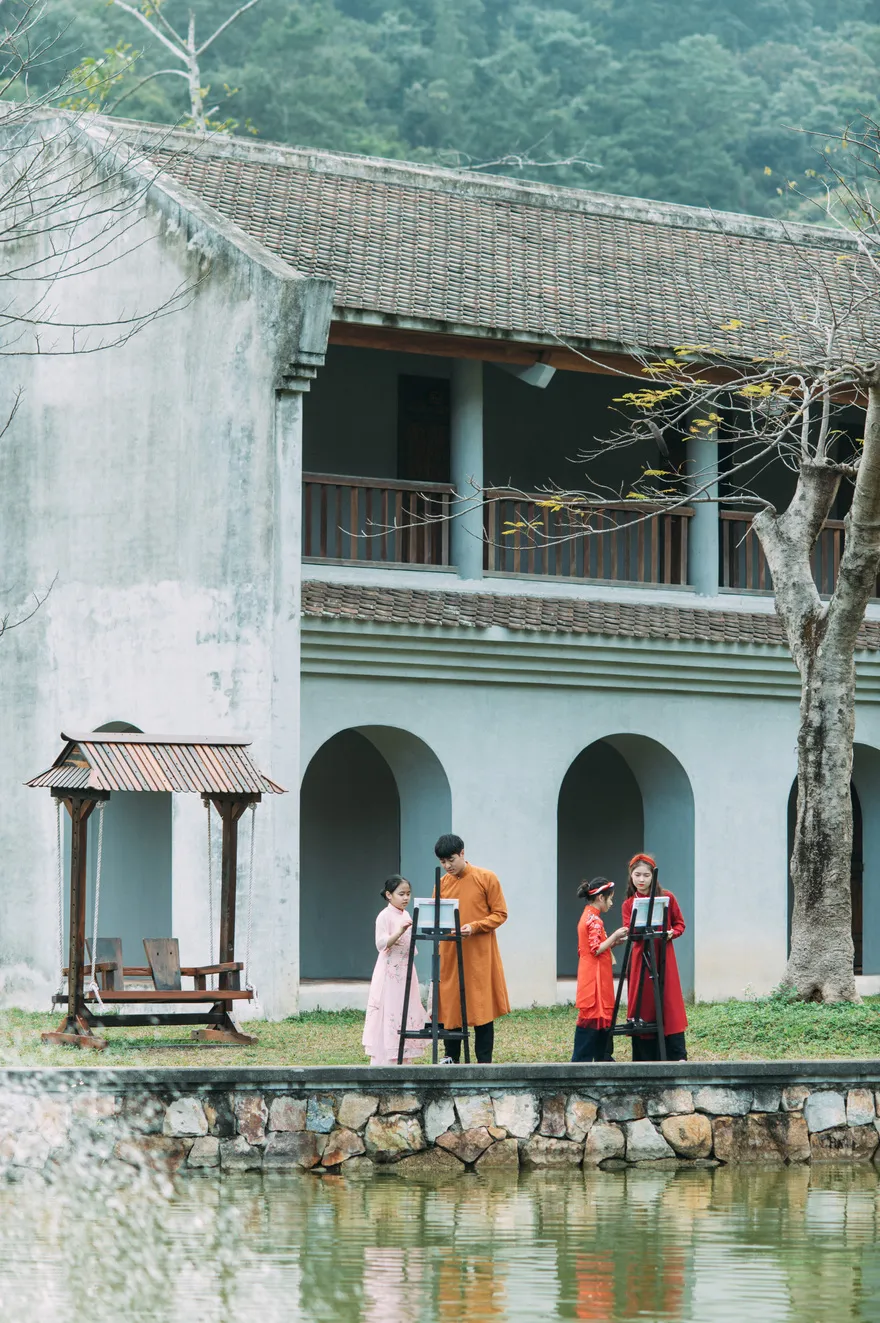
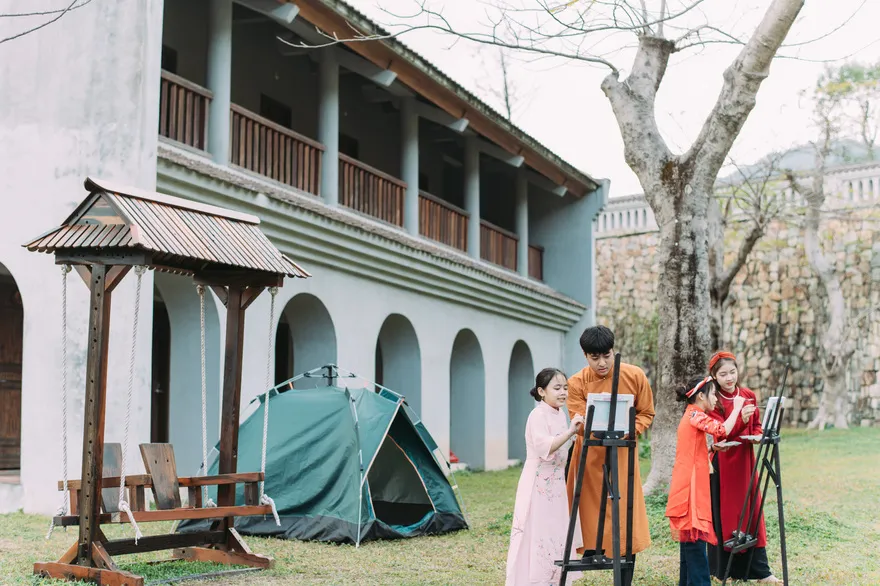
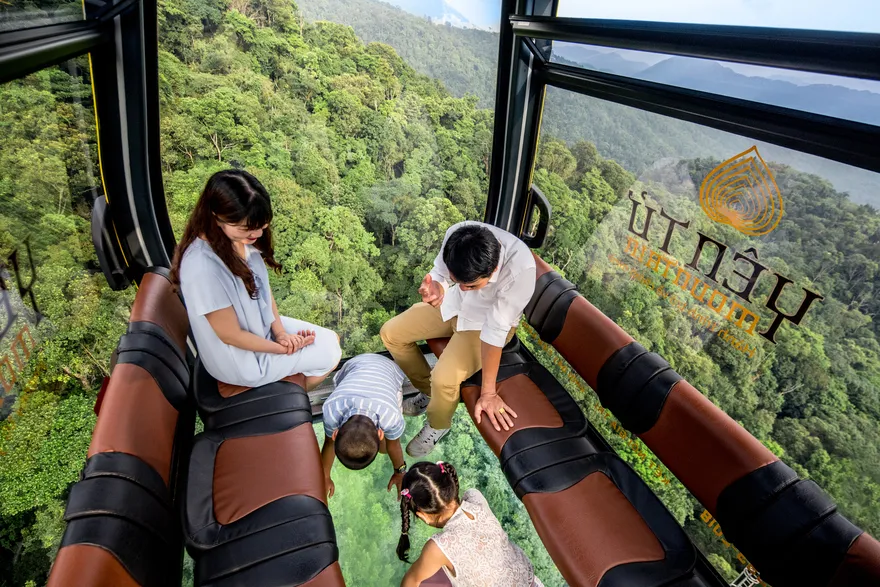
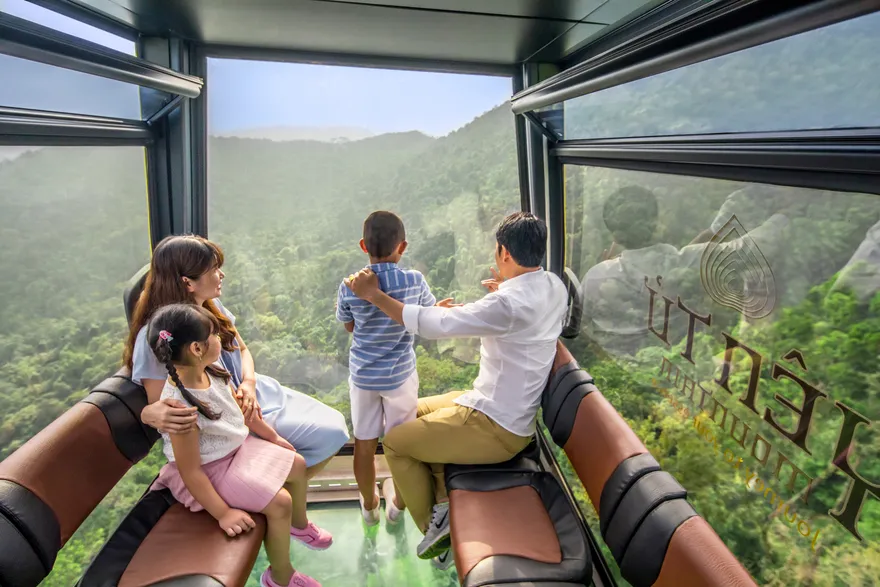
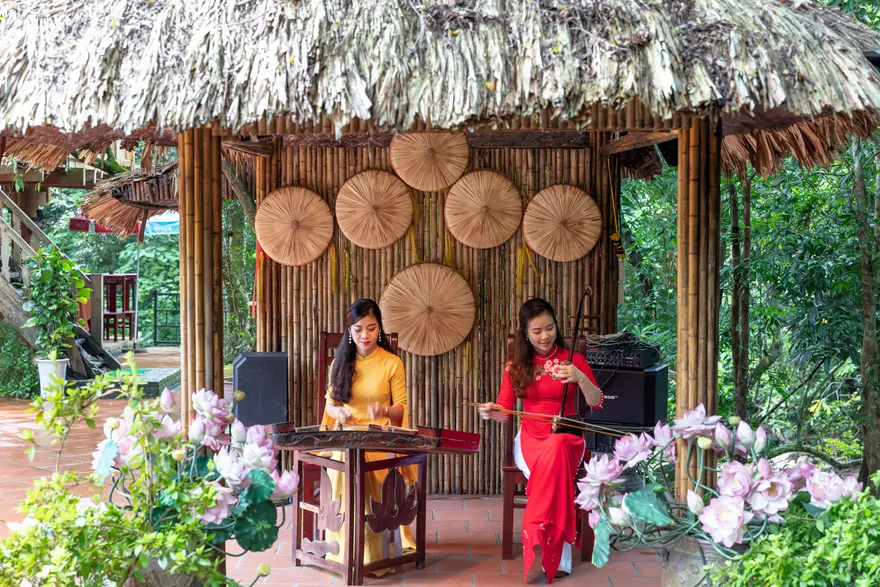
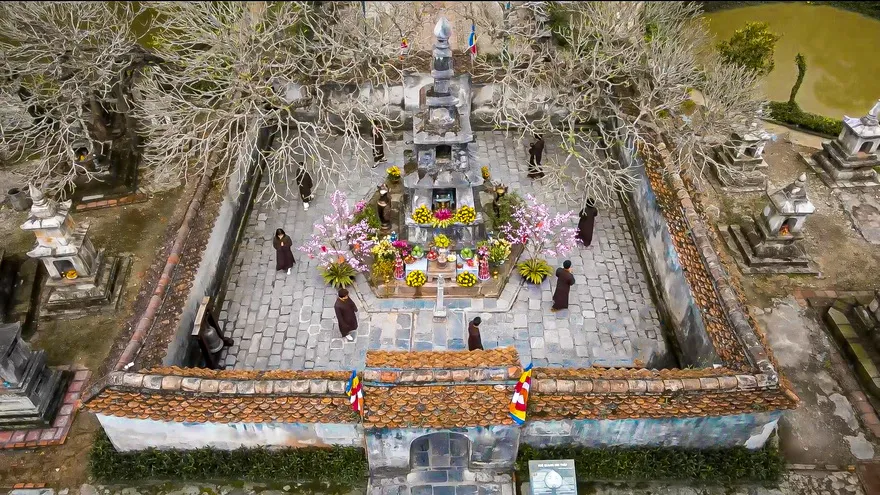
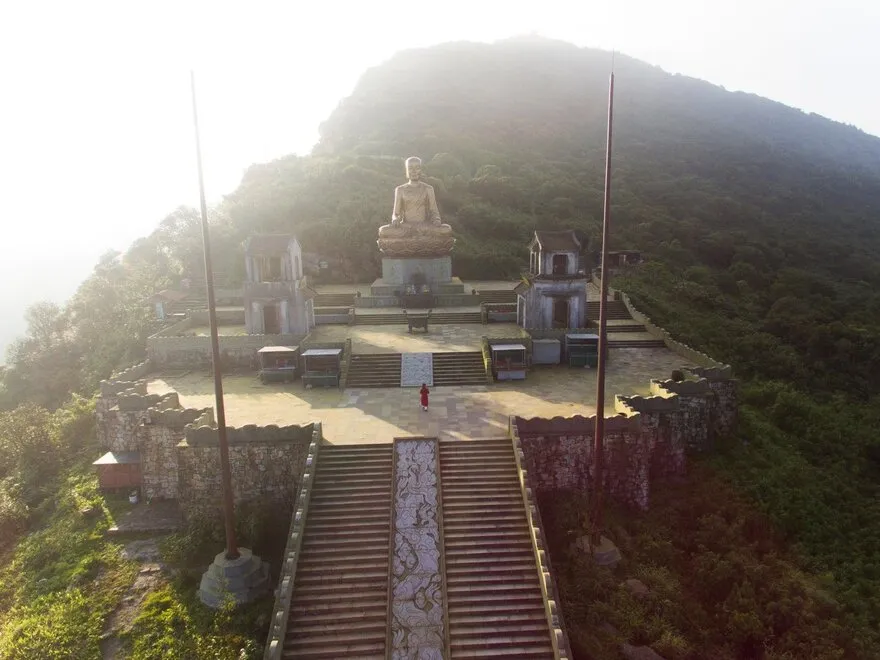
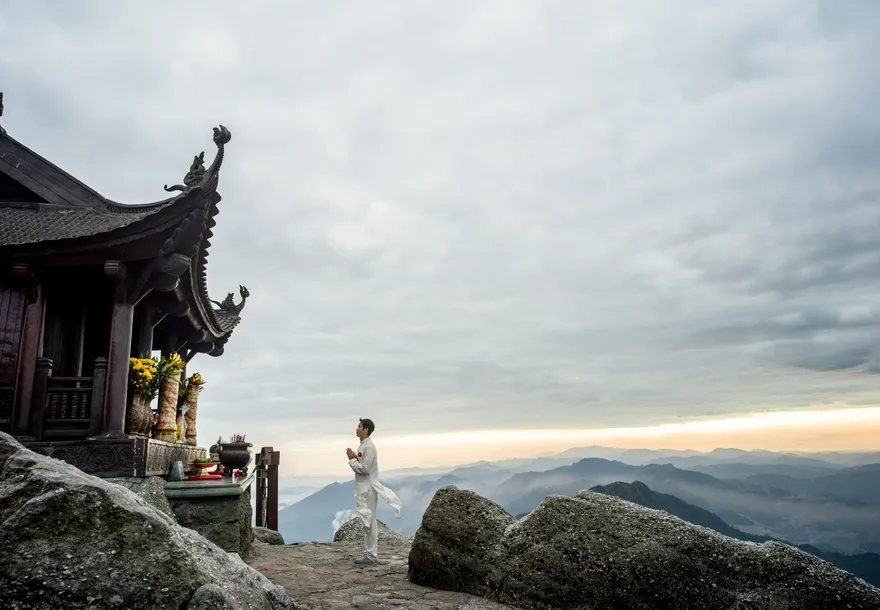
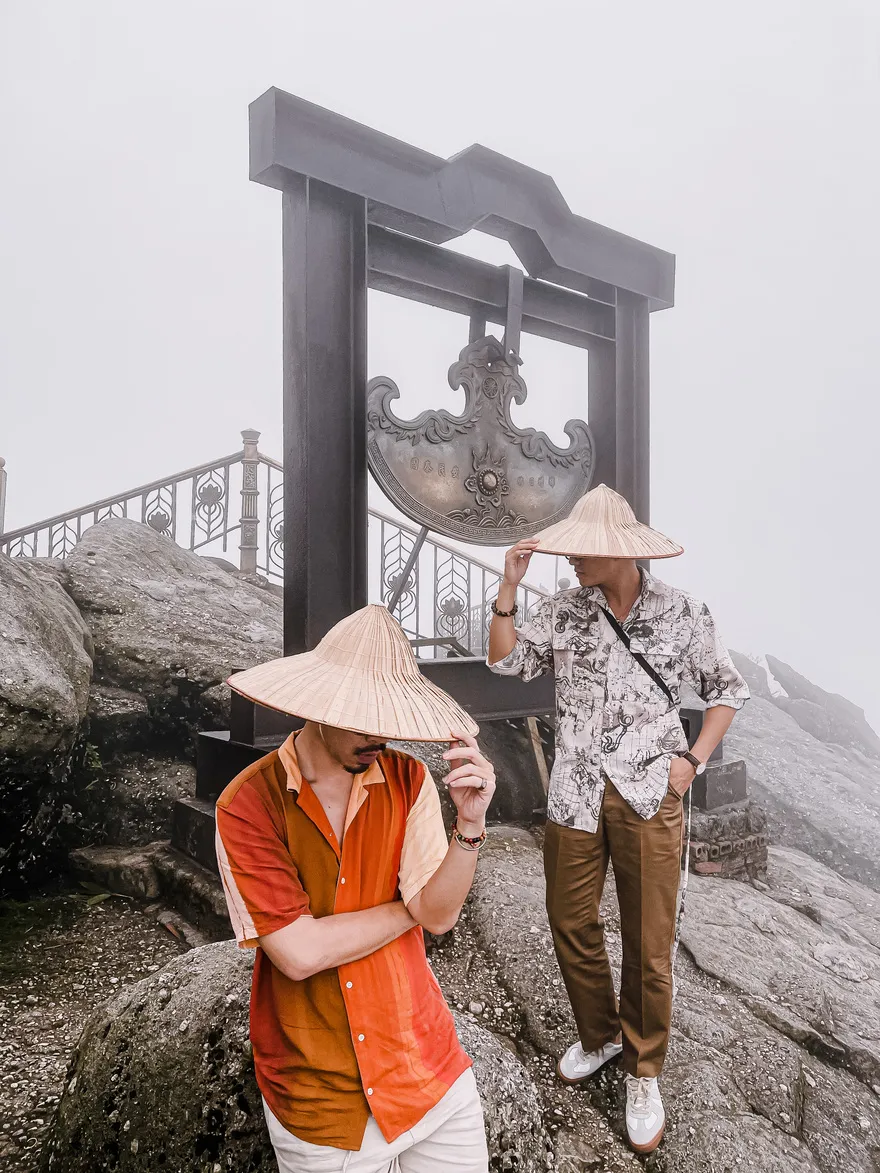
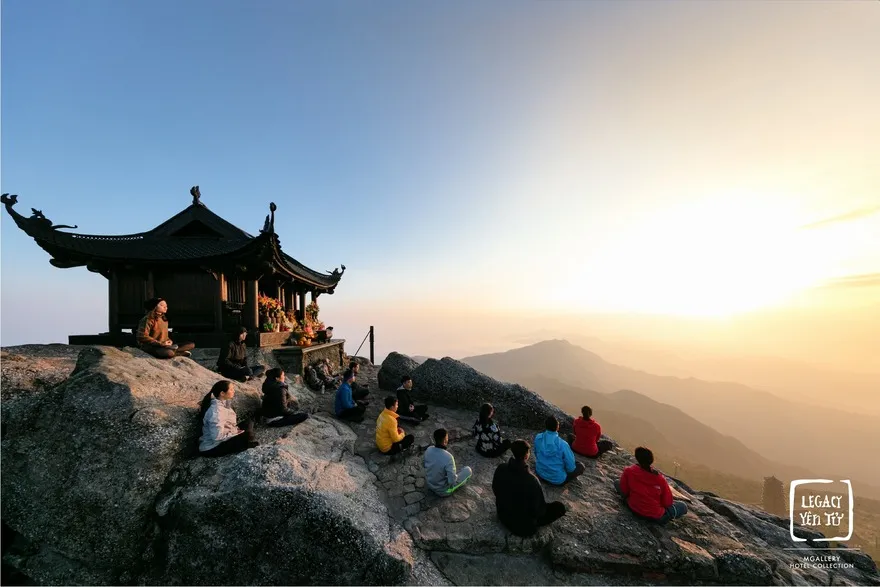
Lang Nuong Yen Tu operates as a true “living museum,” where folk cultural values are not merely displayed but brought to life through interactive experiences. Here, guests can personally experience the process of creating Dong Ho folk paintings on diep paper, learn how to balance handcrafted bamboo dragonflies, or cultivate mindfulness through calligraphy under the guidance of talented artisans. In particular, craft corners featuring traditional conical hat making and folk games like areca spathe racing or making “to he” (dough figurines) at Minh Tam Square create a meaningful connection between the younger generation and their national roots. As night falls, the ancient village space becomes more shimmering and magical than ever with the “Lang Nuong Night Festival,” held periodically from 20:00 to 21:00 at the Dinh courtyard area. This is a hub for unique artistic performances, ranging from vibrant lion and dragon dances to the distinctive cultural rituals of the Dao Thanh Y people – the long-standing spiritual “guardians” of this sacred mountain region. Visitors will be immersed in traditional antiphonal singing and learn about significant customs such as the “Cap Sac” (rite of passage) ceremony, a testament to the enduring vitality of ethnic identity at the foot of Yen Tu Mountain. Beyond village activities, guests also have the opportunity to join the “In the Footsteps of the Buddha King” journey to explore the spiritual core of this sacred land. This signature tour leads pilgrims through key historical landmarks such as Giai Oan Pagoda by the legendary stream, Hue Quang Tower – where the relics of Buddha King Tran Nhan Tong are preserved, and the highest peak, Dong Pagoda, cast from solid bronze. Depending on their preference, guests can choose to experience the journey via a modern cable car system to admire the majestic scenery from above or trek with a guide to understand the hardships and ascetic determination of the ancestors.
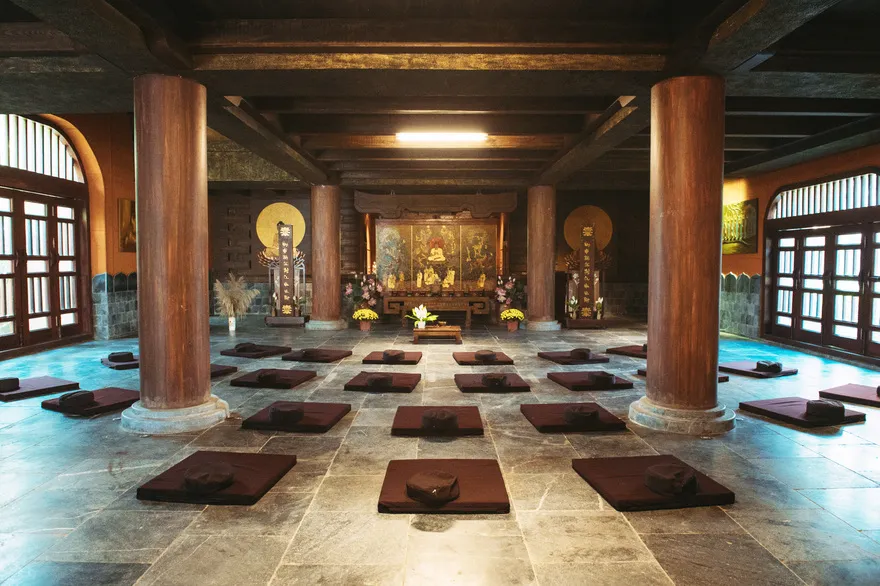
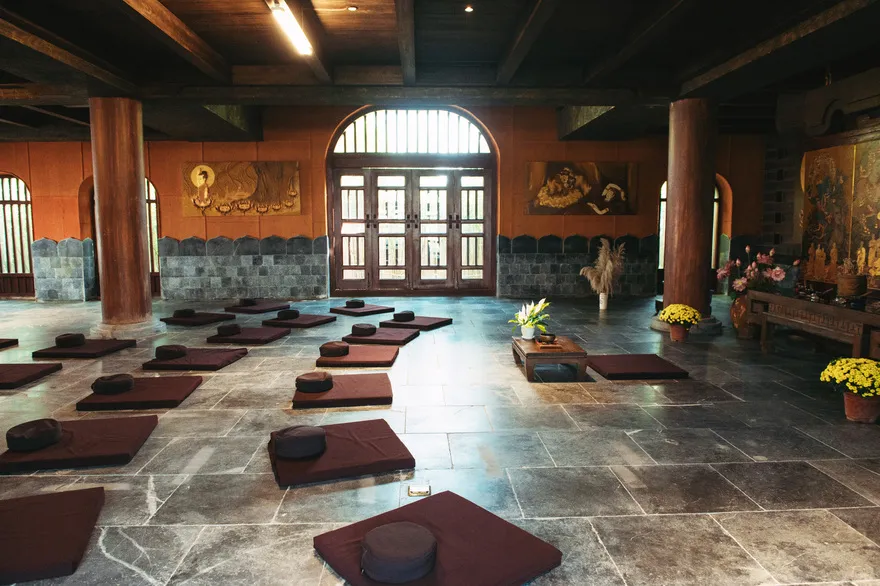
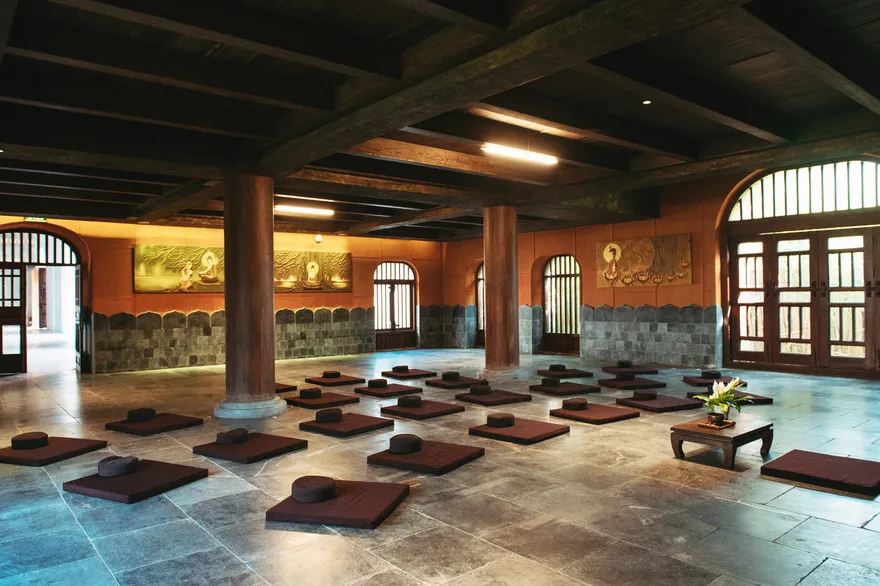
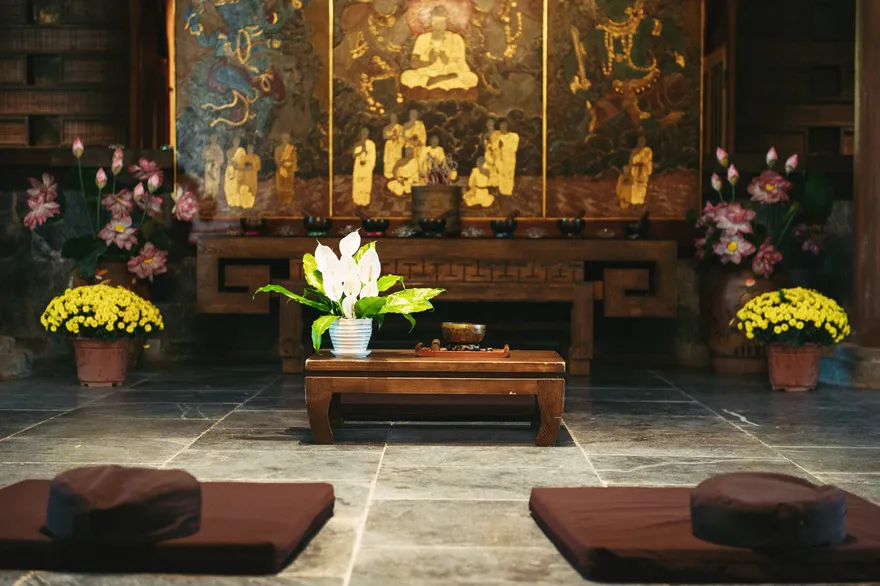
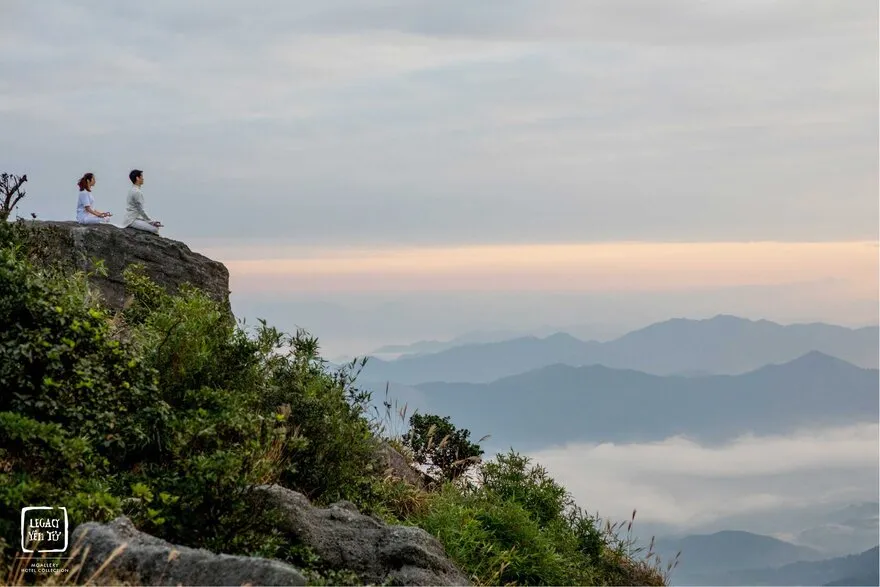
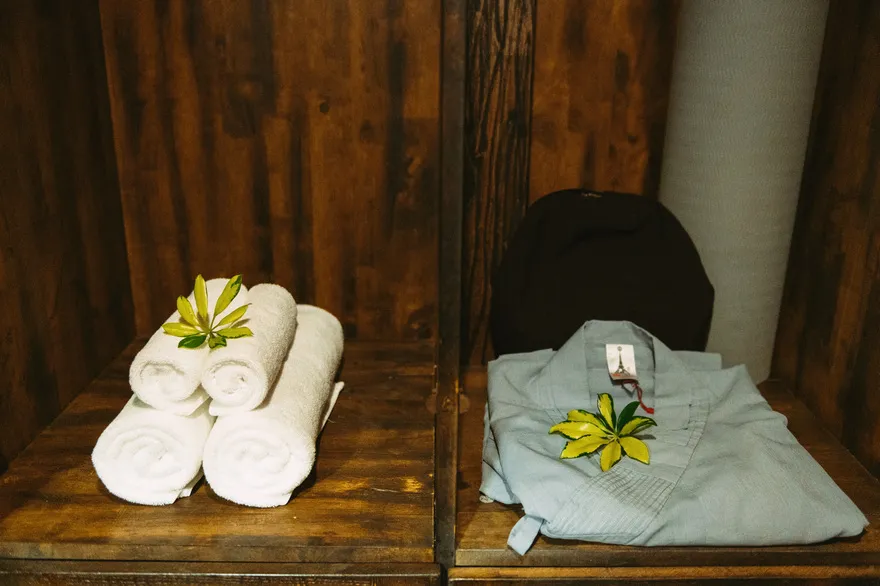
A special highlight of the retreat experience here is the wellness ecosystem at the Am Tue Tinh center, a 2,000 m^2 space dedicated to therapies that nurture Body – Mind – Spirit. The center operates based on the traditional medicine spirit of the Southern medicinal saint Tue Tinh, combined with the Truc Lam Zen philosophy to create a comprehensive therapeutic path. Here, guests can experience essential herbal therapies sourced from the Yen Tu forest, from Himalayan salt saunas to herbal baths, helping to restore physical health naturally and deeply. Beyond physical care, Am Tue Tinh is also a place to guide the soul toward stillness through intensive meditation and Yoga classes. Activities such as candle meditation, agarwood meditation, or full moon night meditation not only help relieve stress but also assist guests in finding inner peace amidst the sacred mountain forest. Simultaneously, Yoga classes designed for both adults and children help improve flexibility and mental focus. For the most complete experience, guests are advised to book services 2 to 5 hours in advance, depending on the complexity of the chosen therapy package.
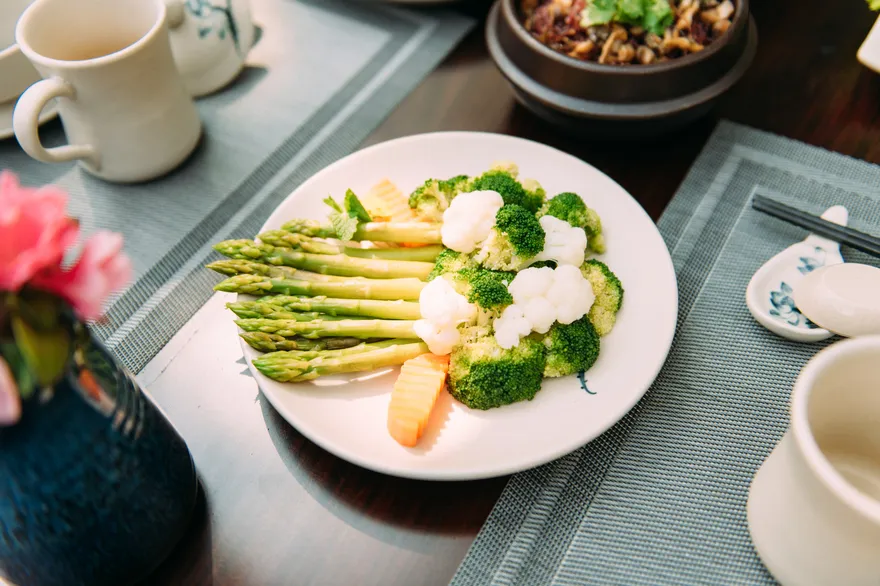
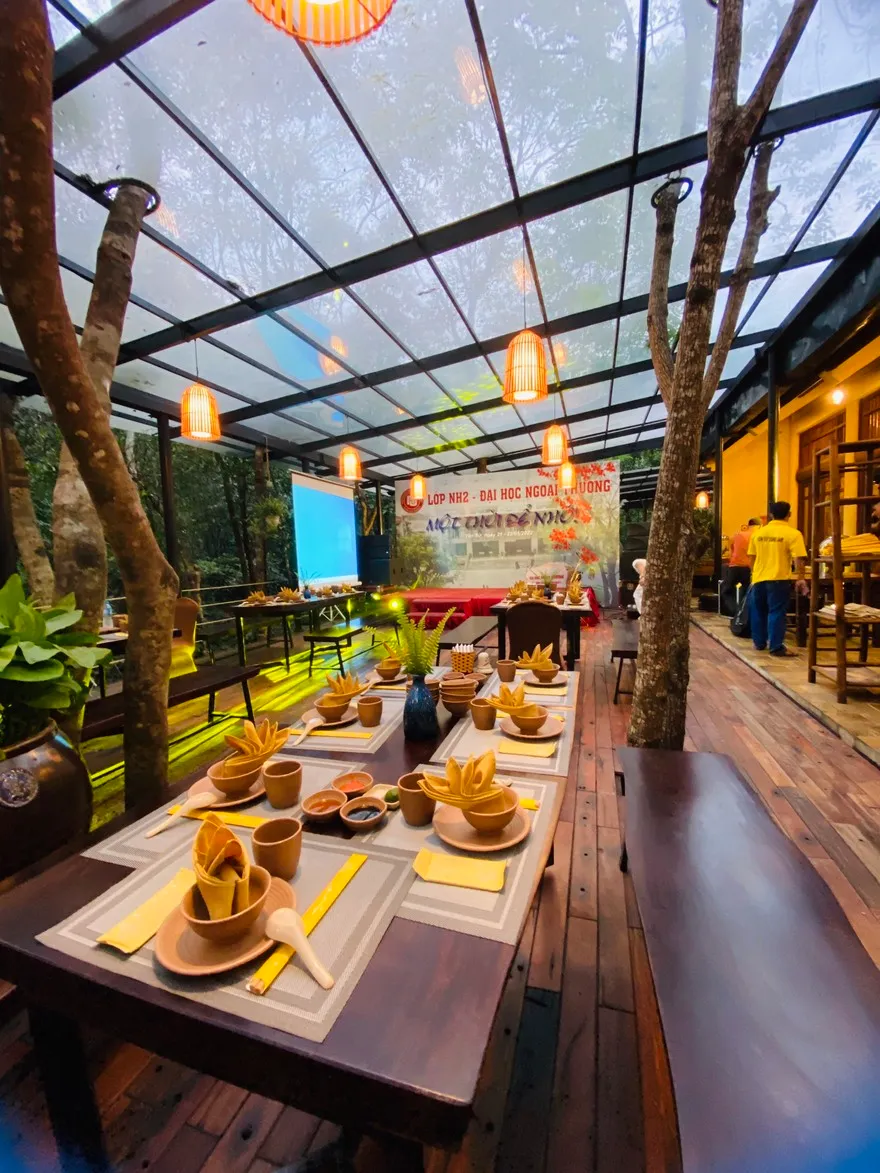
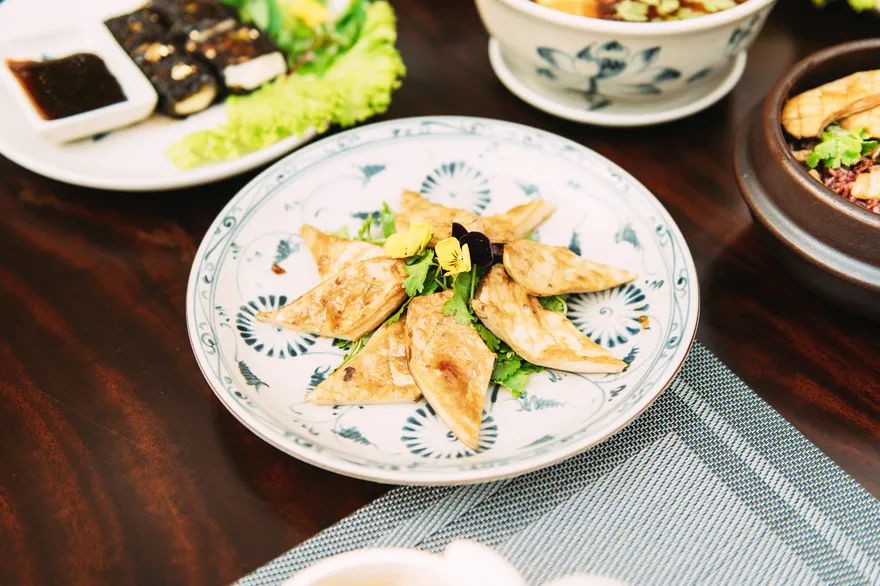
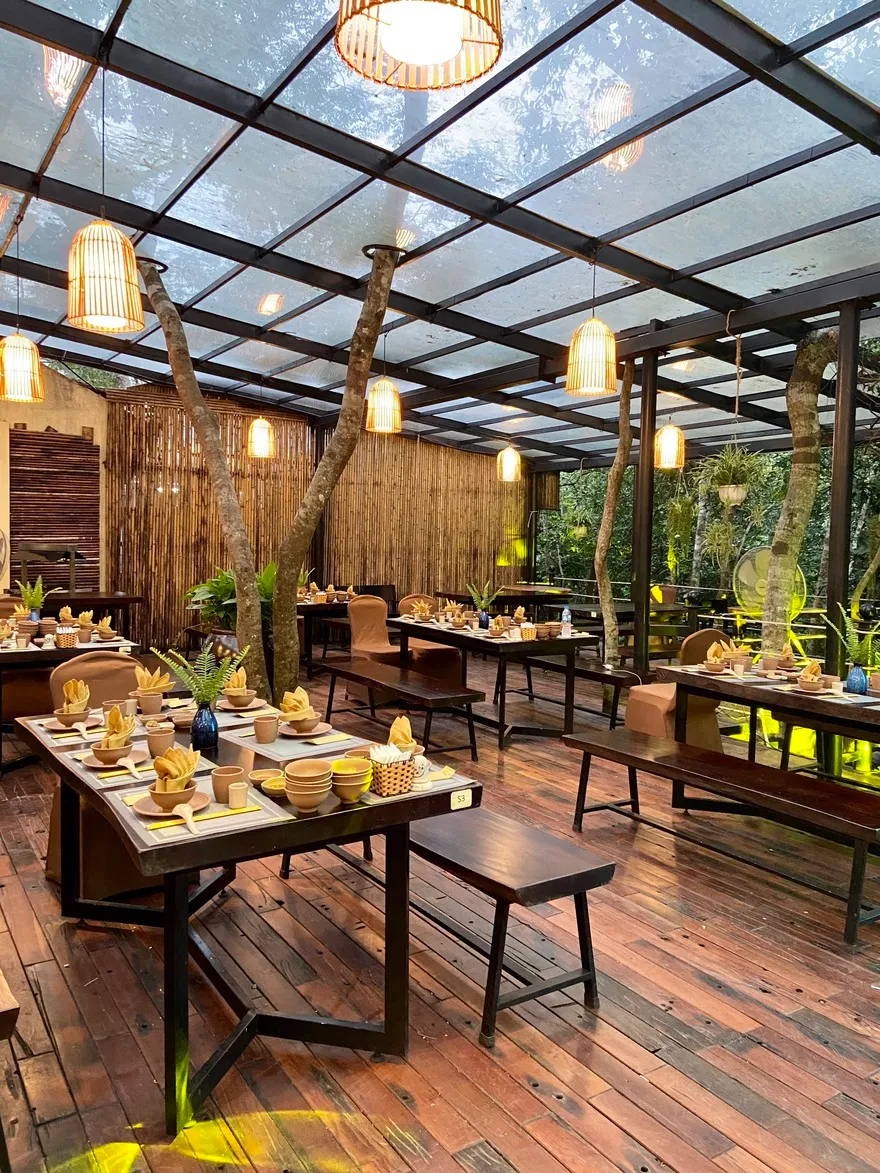
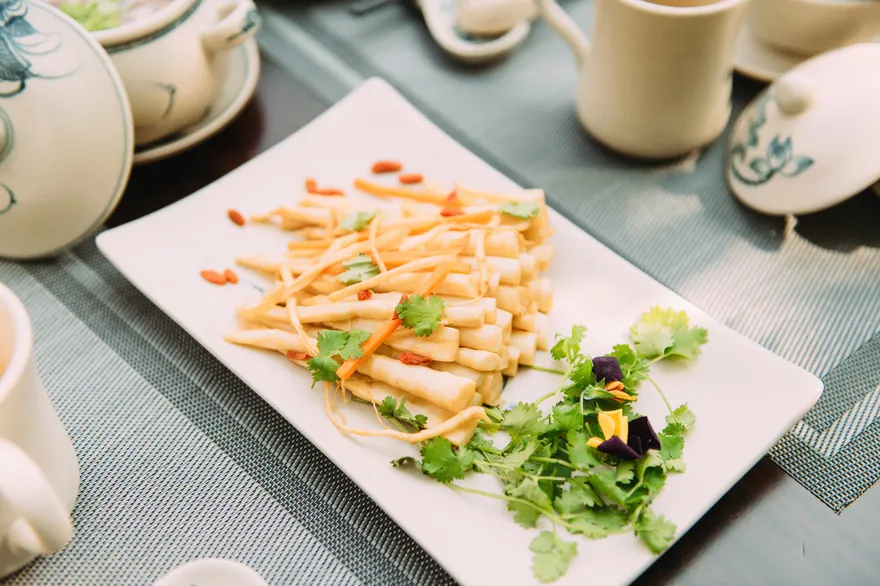
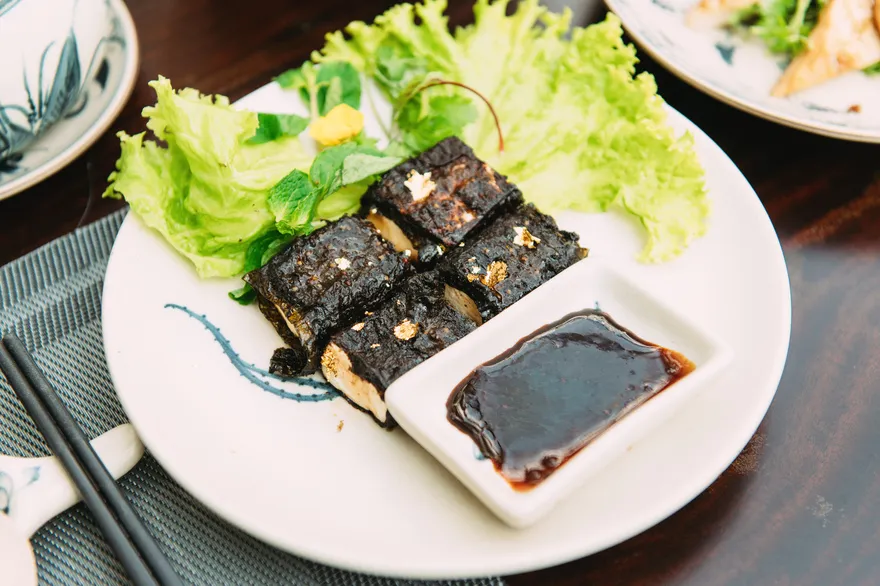
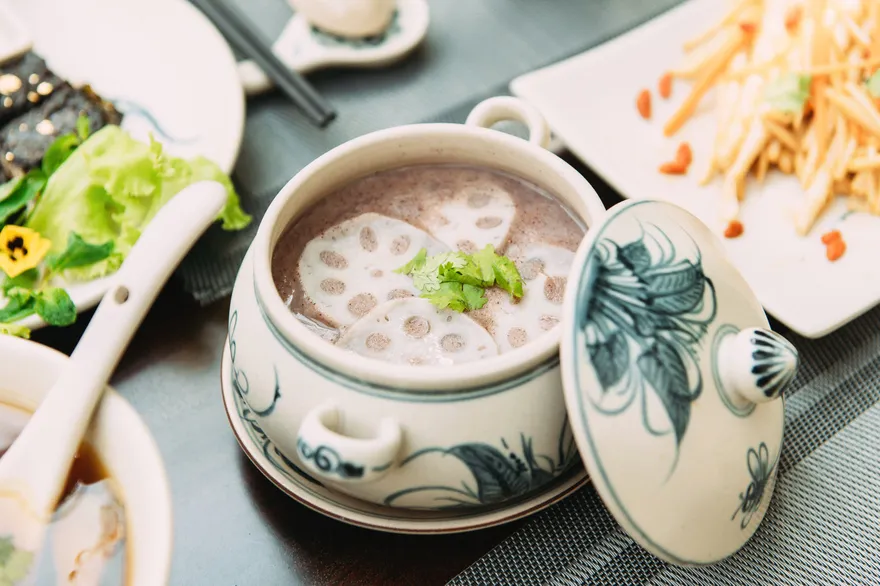
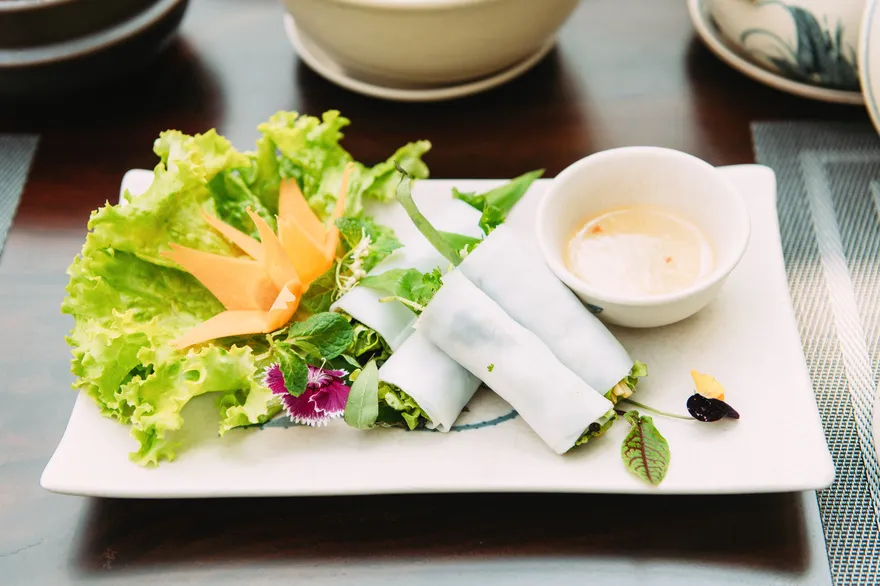
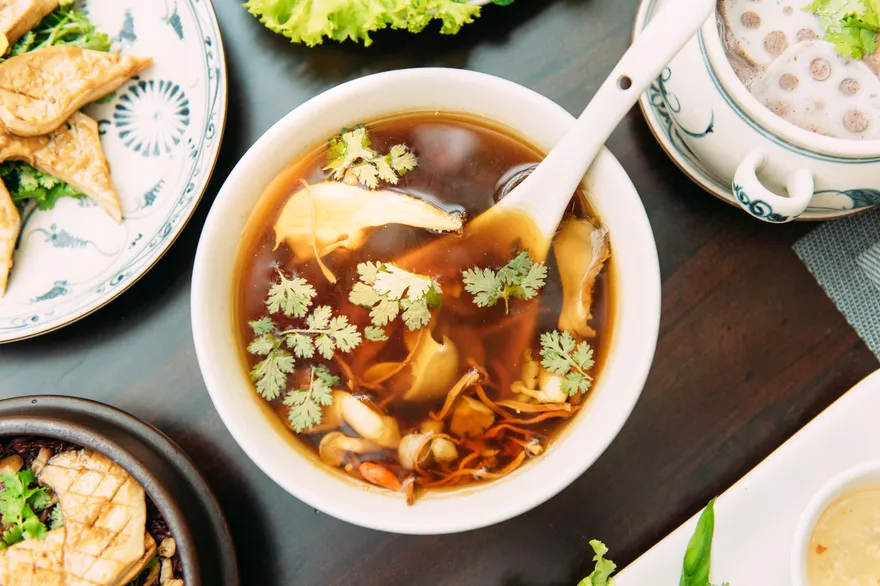
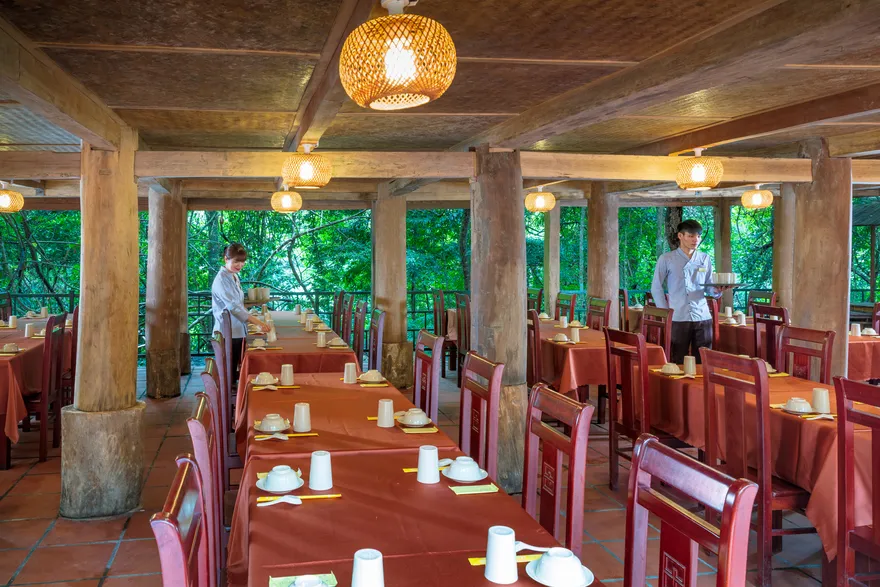
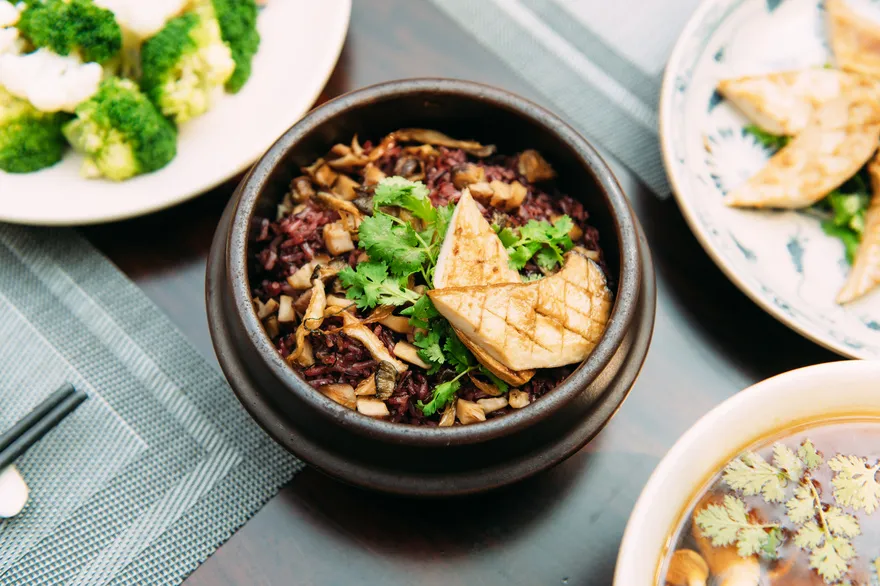
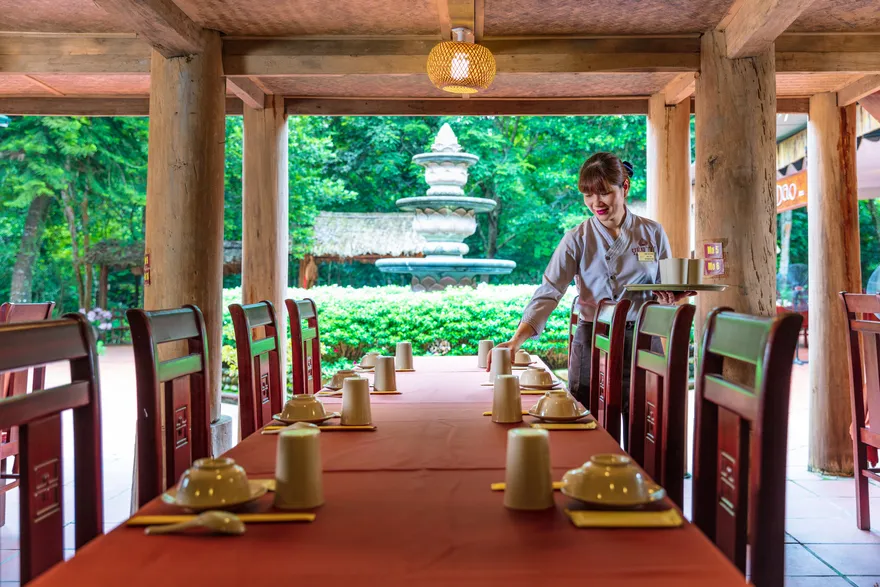
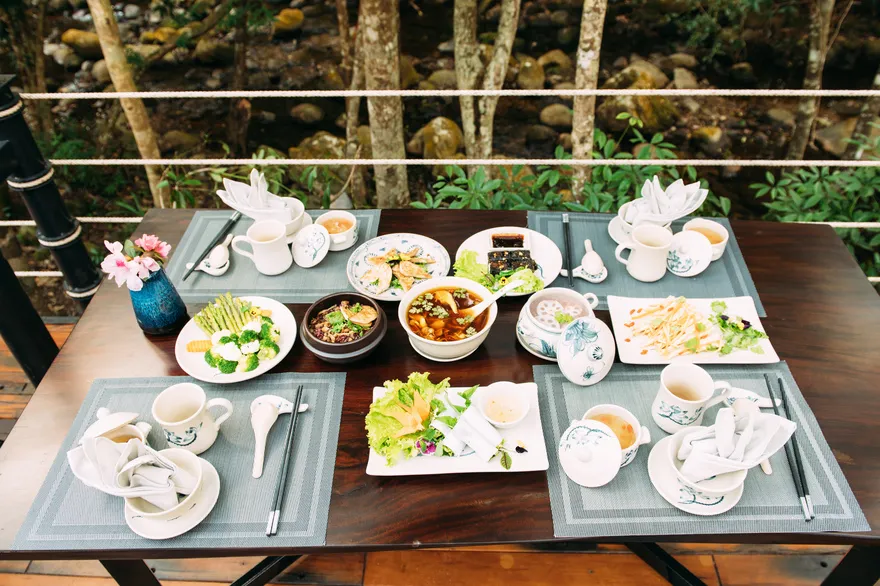
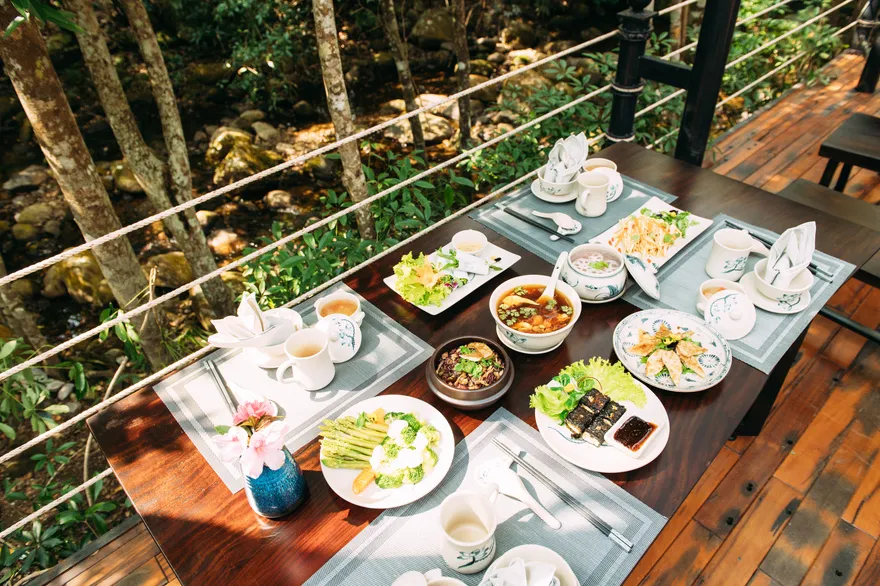
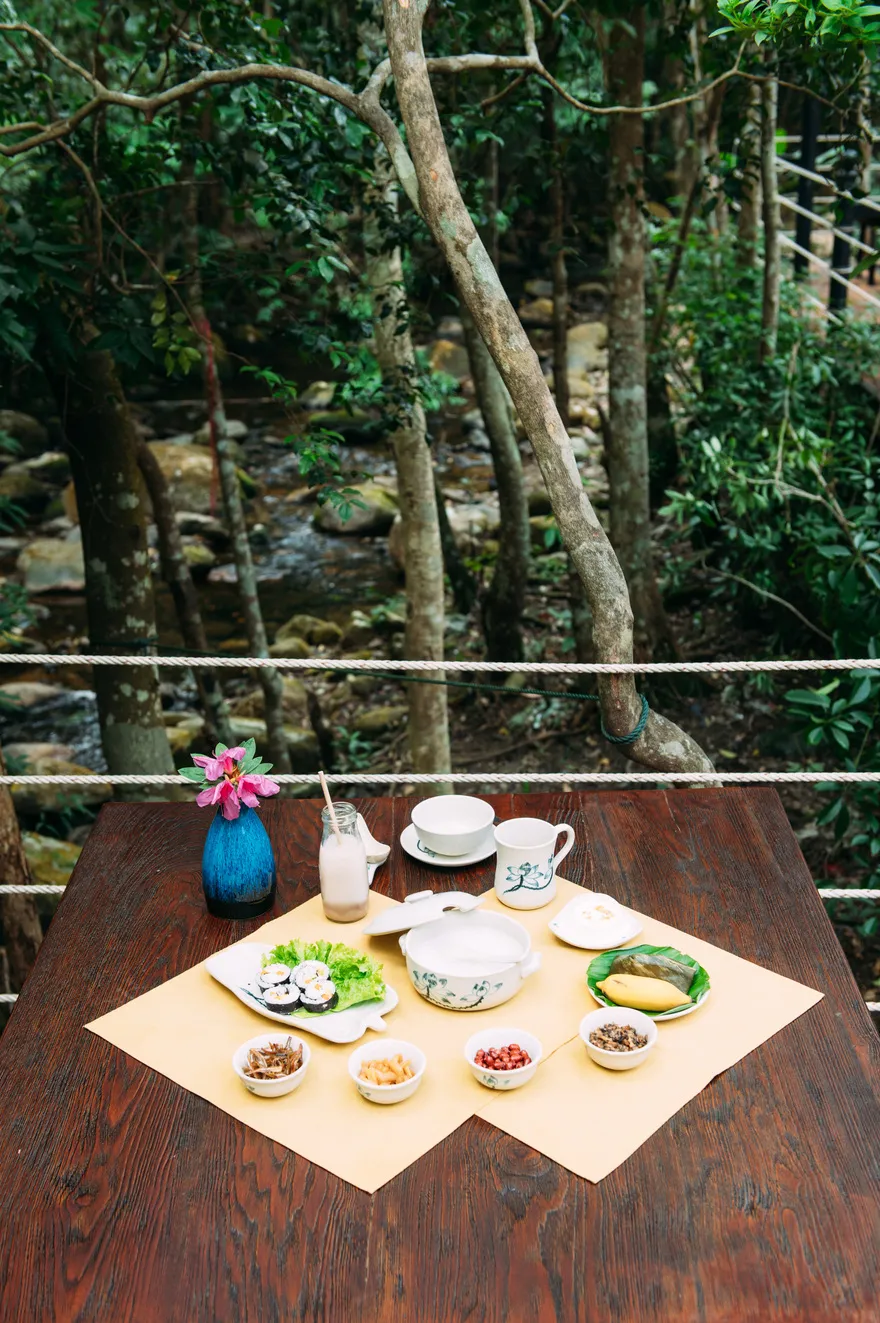
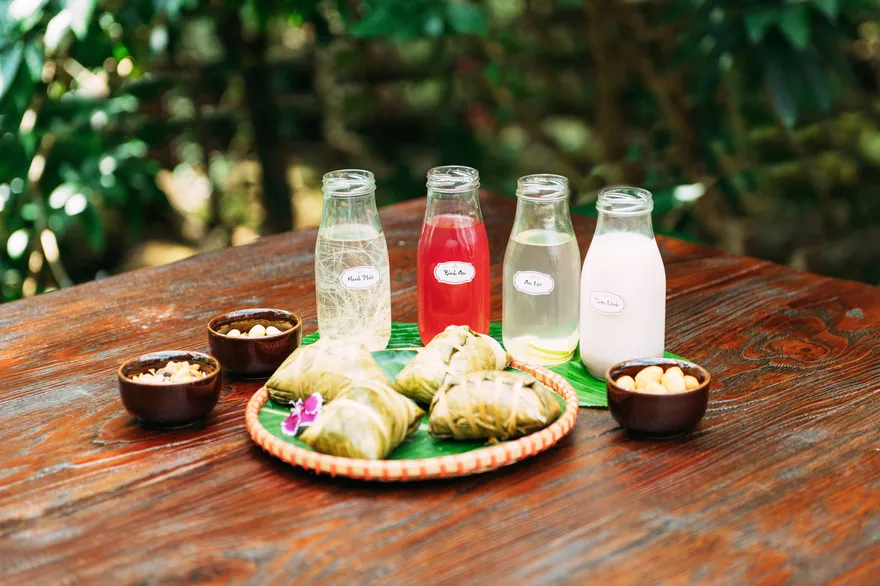
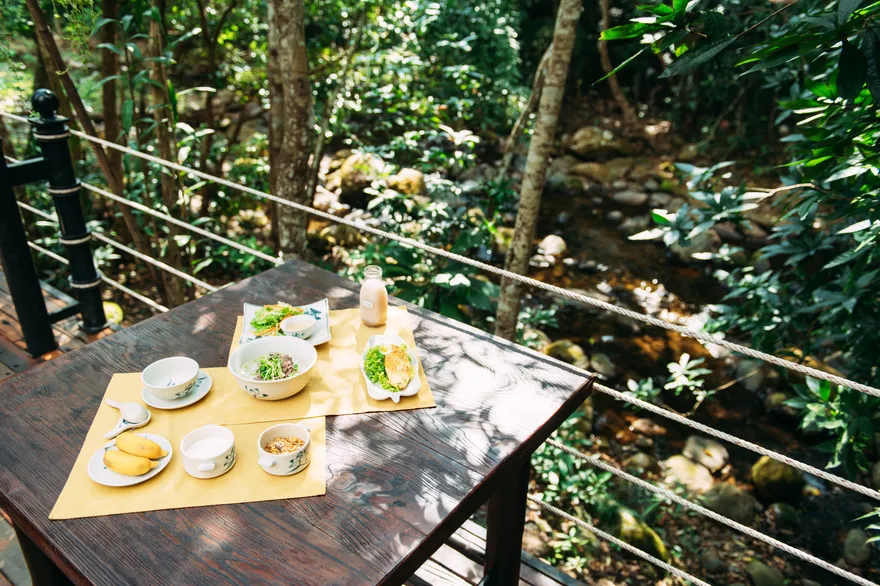
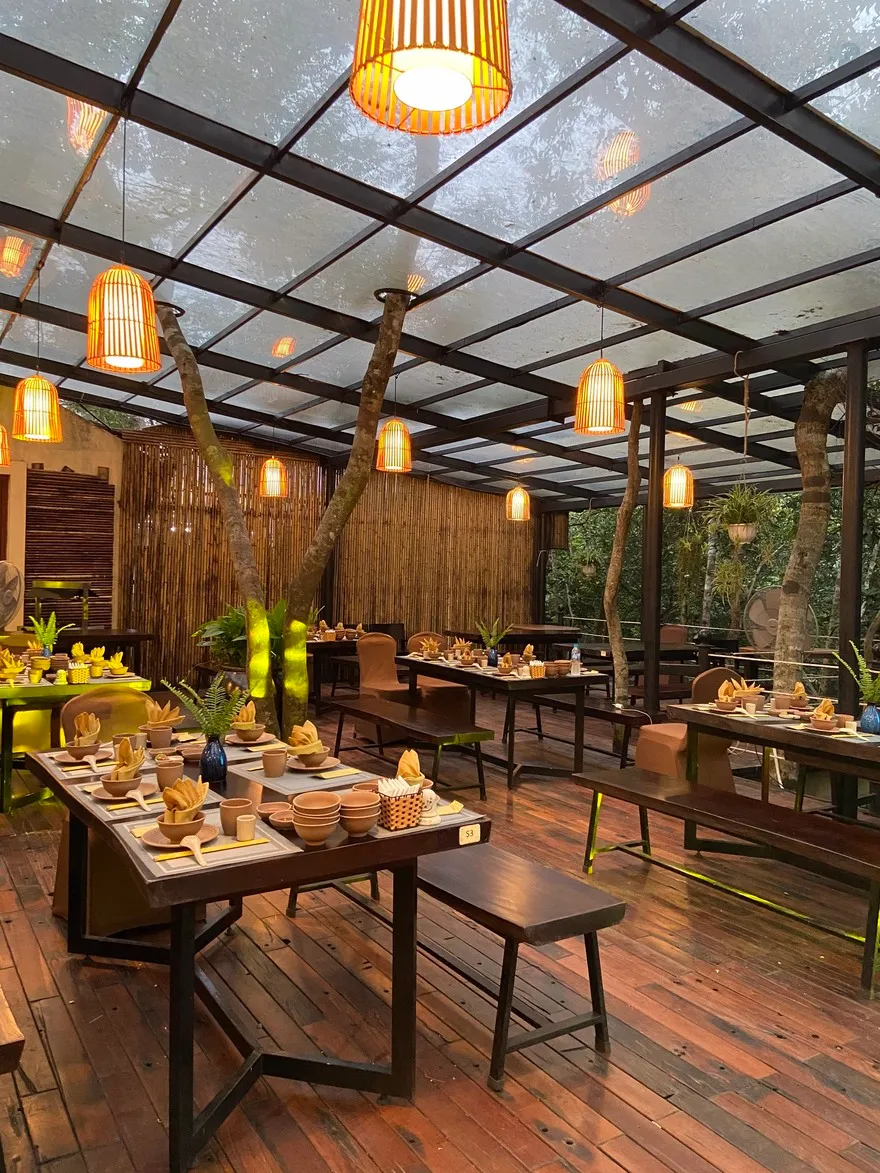
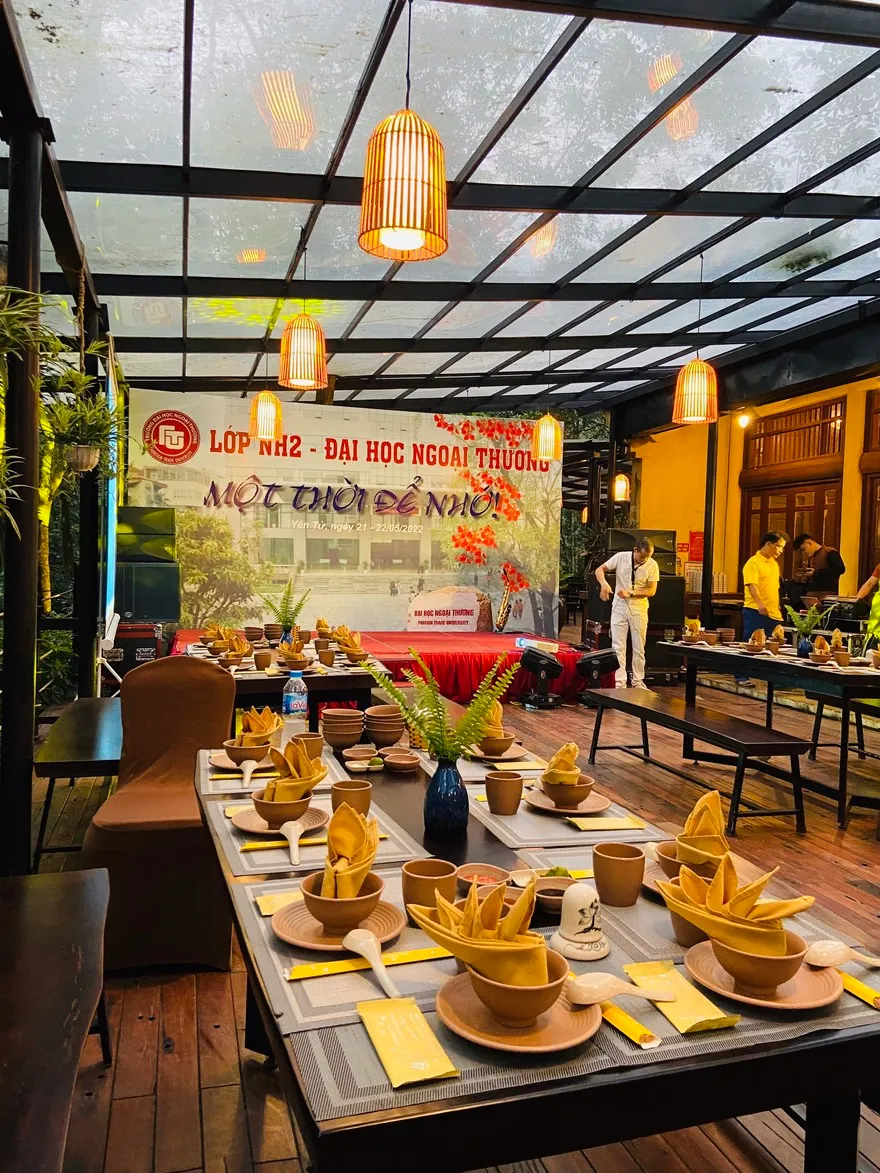
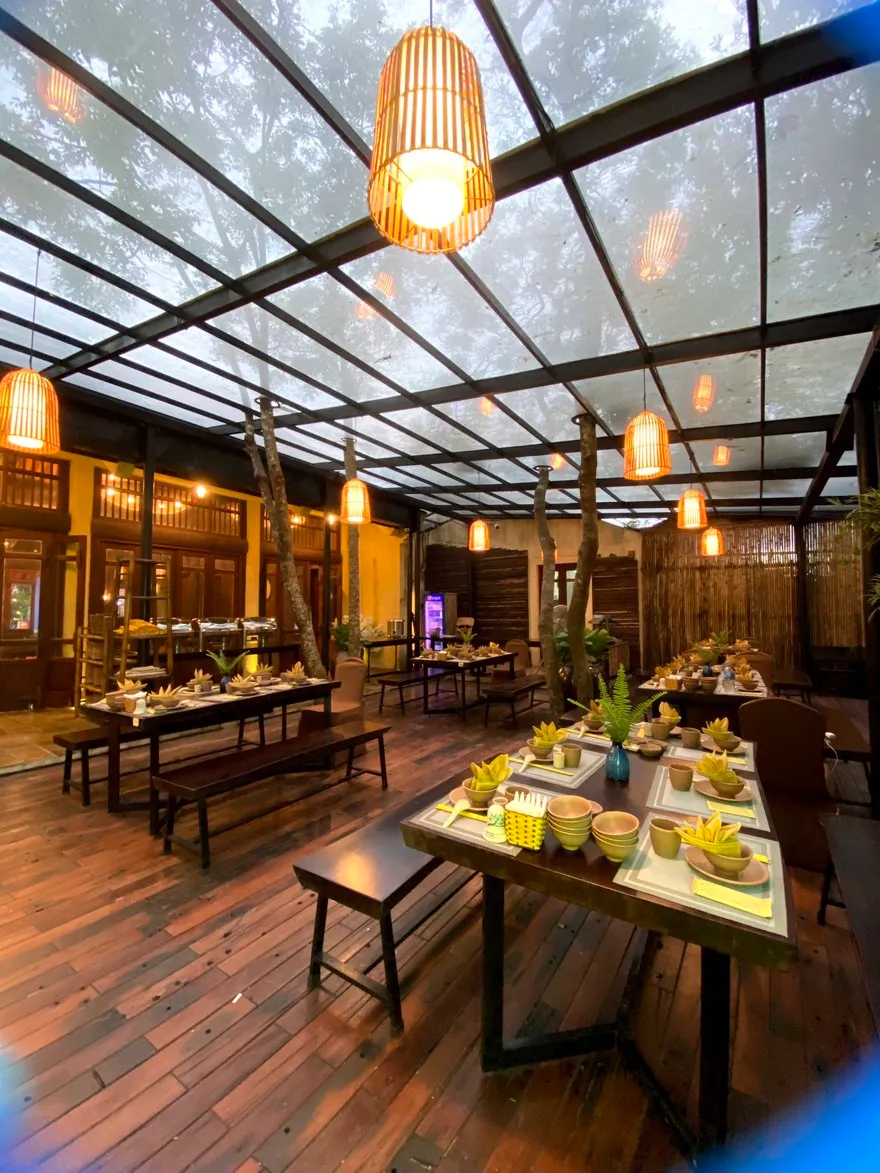
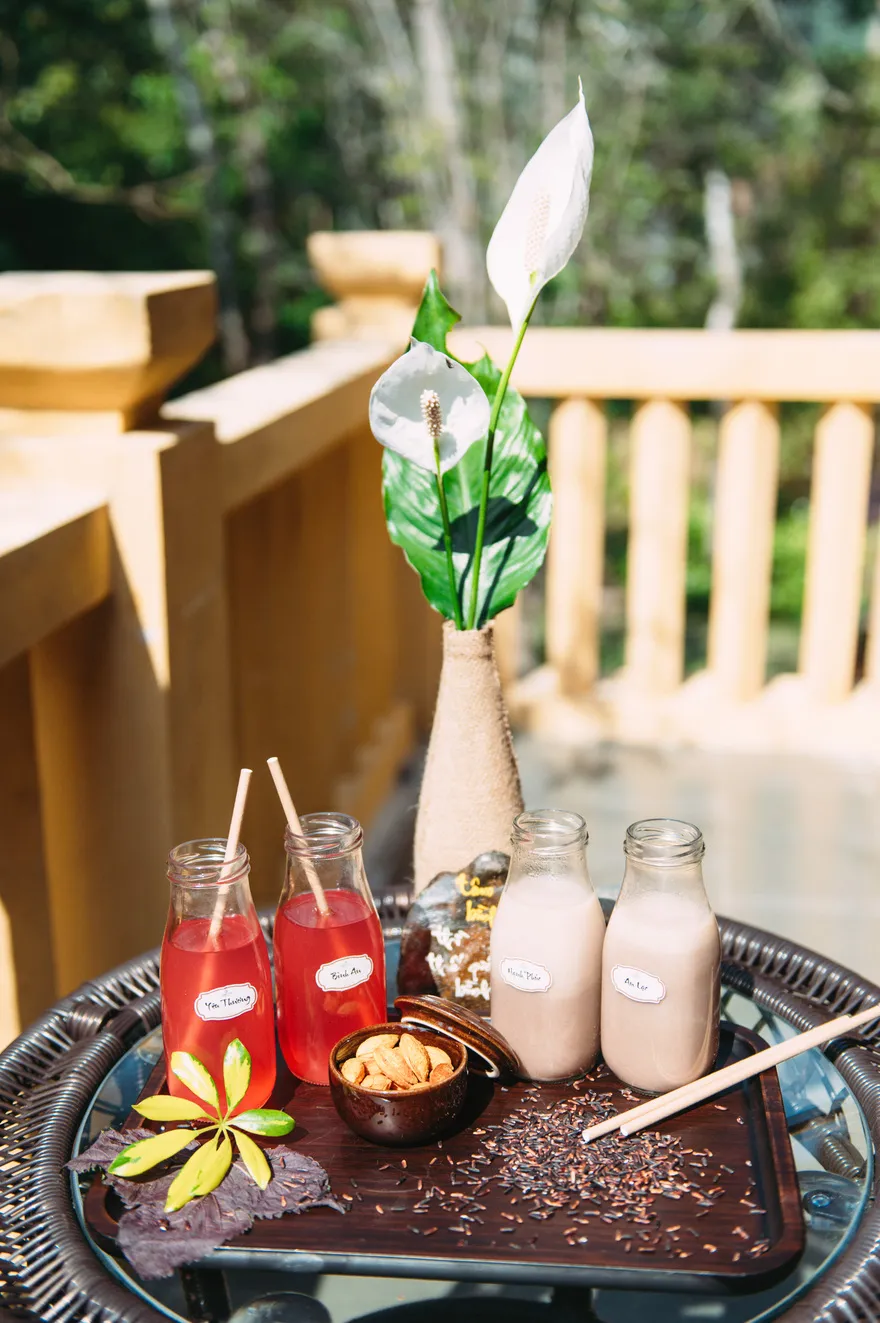
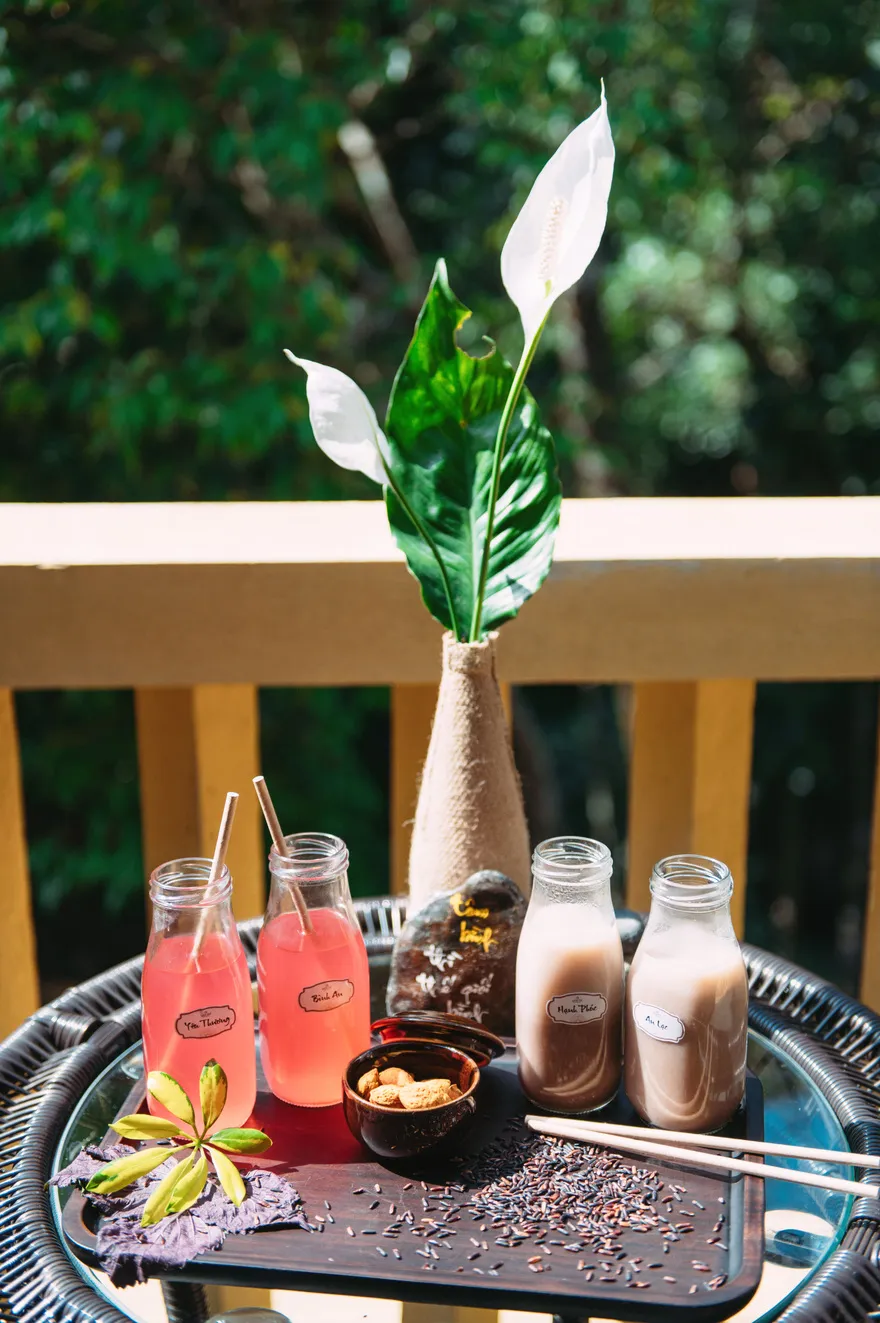
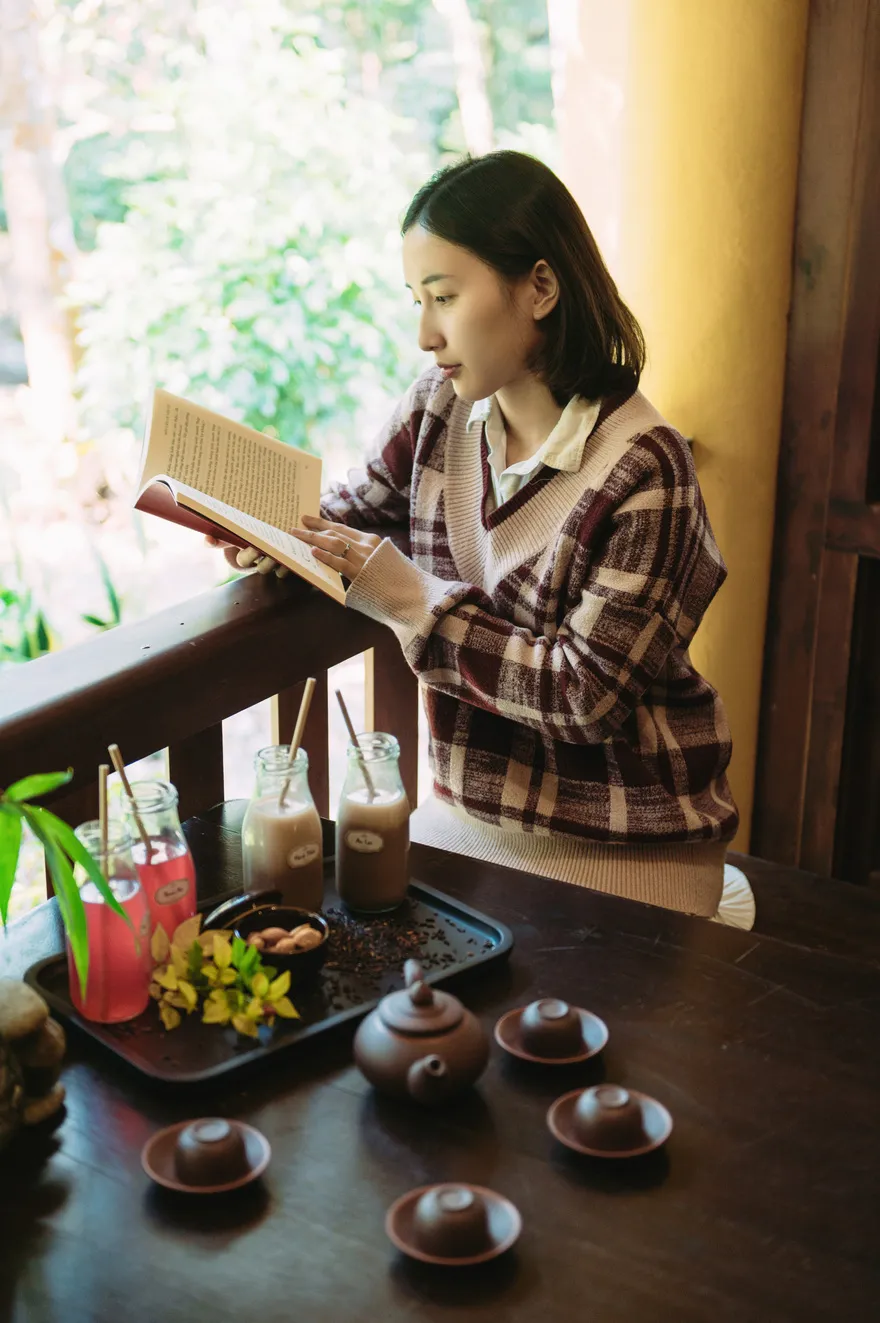
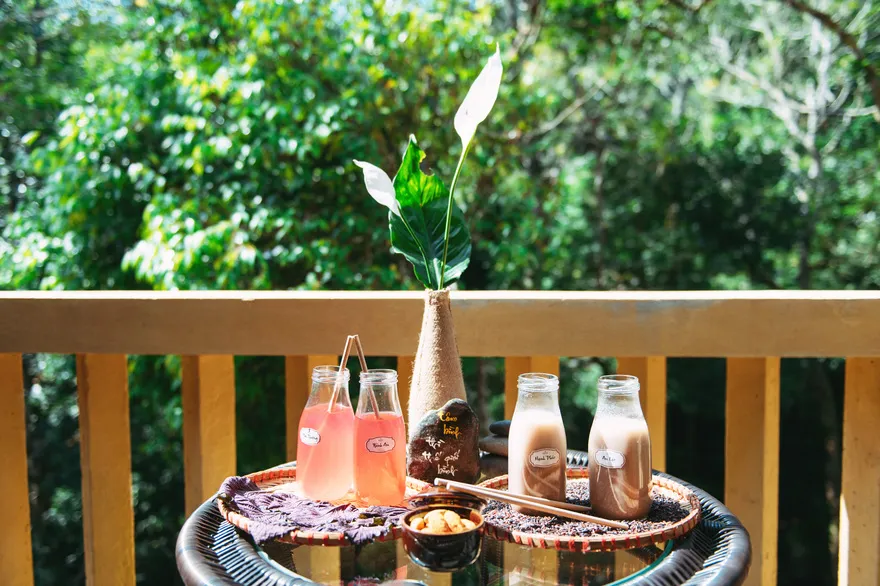
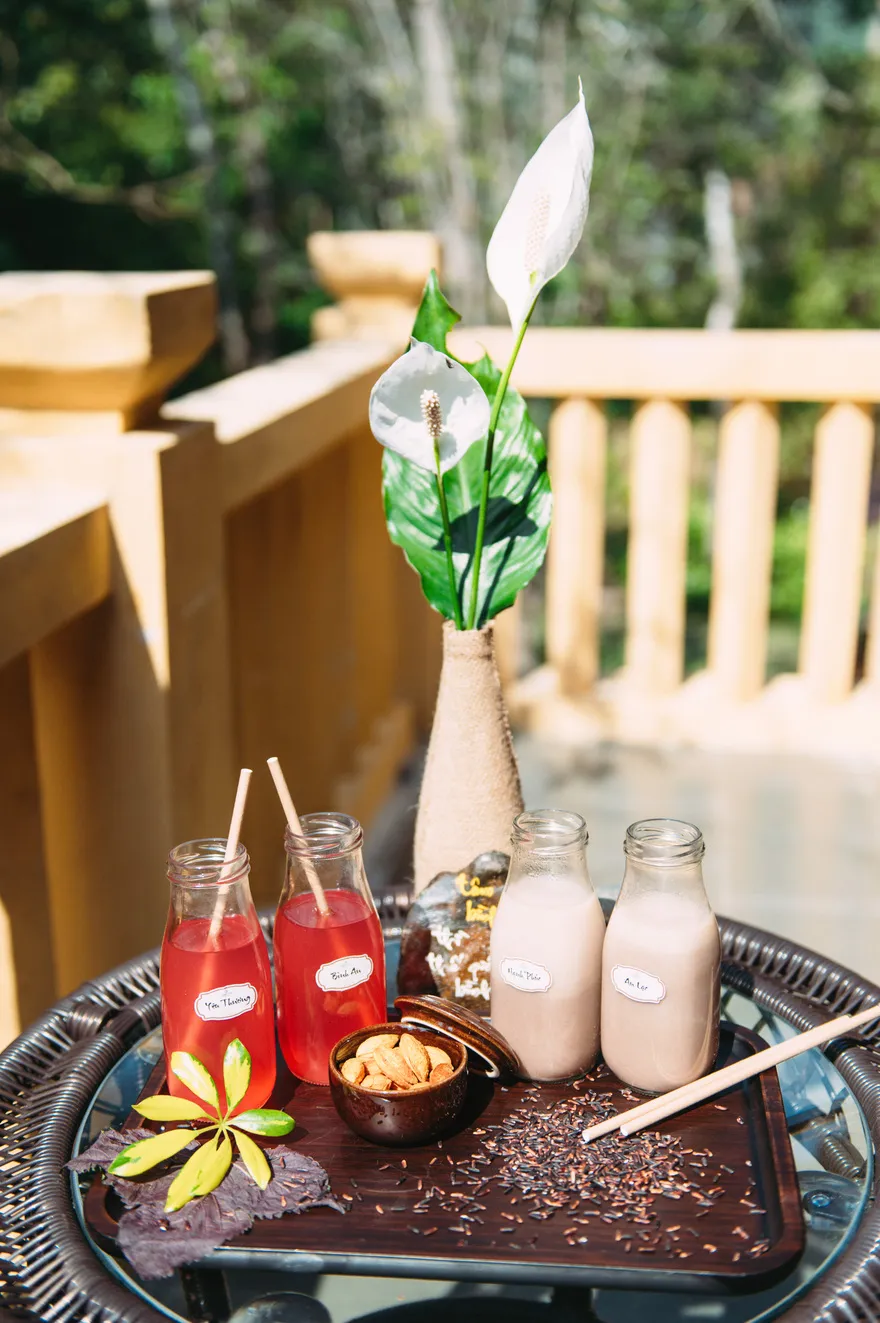
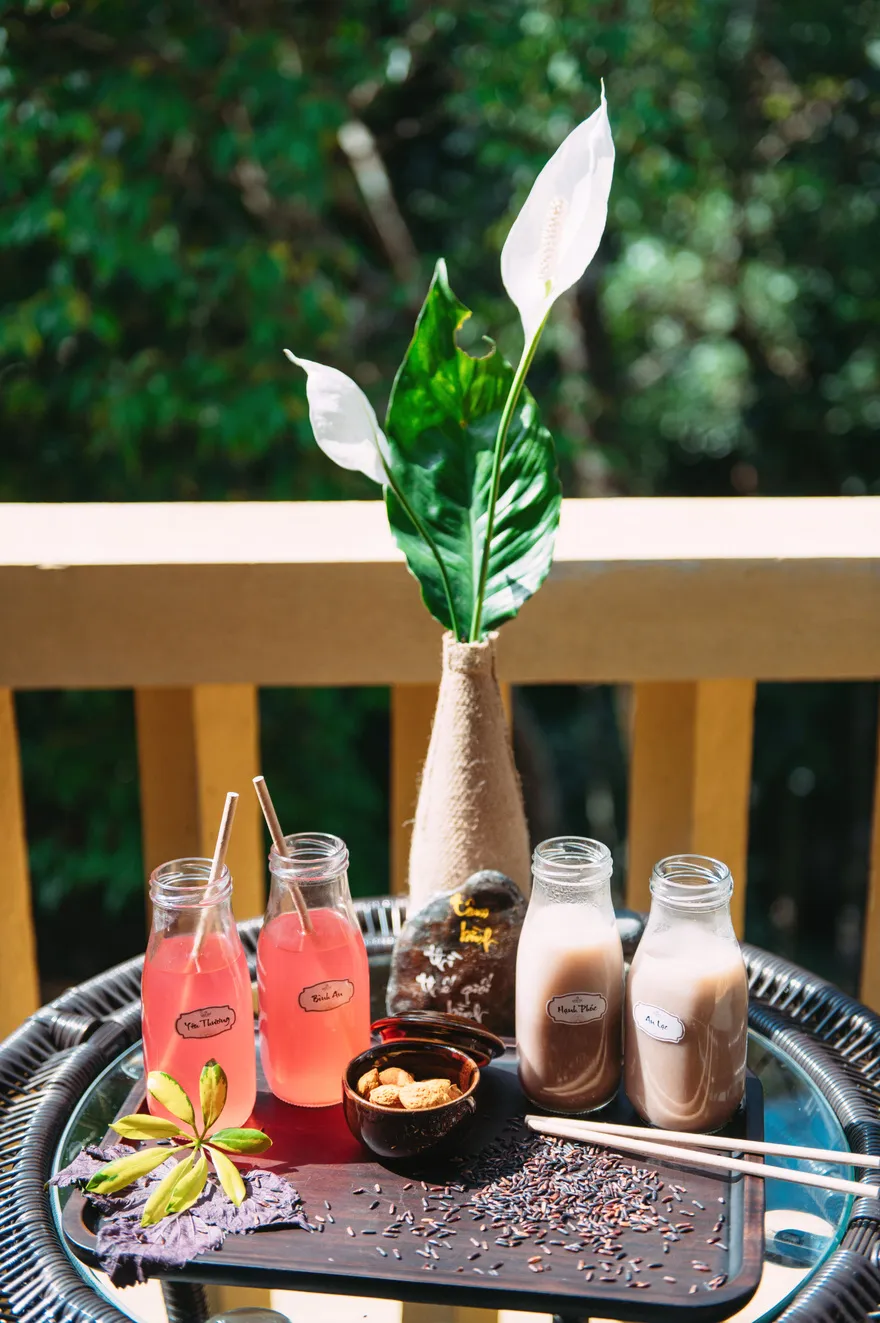
Cuisine at Lang Nuong Yen Tu is a delicate blend of rustic countryside flavors and the serene spirit of a Zen sanctuary. At Com Que restaurant, guests will be immersed in a space inspired by a nostalgic 13th-century Vietnamese market. This is a casual dining spot specializing in traditional, authentic Vietnamese dishes at reasonable prices, allowing diners to easily enjoy familiar flavors of the Northern countryside in a cozy and intimate atmosphere. For those seeking lightness and bodily purification, Lang Nuong Vegetarian Restaurant is an unmissable choice. Featuring the same rustic design style inspired by history, this restaurant specializes in providing wholesome and refined vegan cuisine. The space here does not just serve meals but also guides diners into a state of tranquility, perfectly suited for a journey of nourishing the soul amidst the sacred Yen Tu mountains. The journey of sensory exploration would not be complete if guests missed the specialties deeply rooted in the cultural identity of the local Dao Thanh Y people. At the Dao cultural exhibition area, visitors can directly enjoy signature dishes such as chicken cooked with ‘bau’ wine, ‘gu’ cake, and colorful sticky rice. These are culinary essences prepared using traditional methods, not only offering unique flavors but also reflecting the hospitality and vibrant vitality of the community that has lived for generations at the foot of Yen Tu mountain.
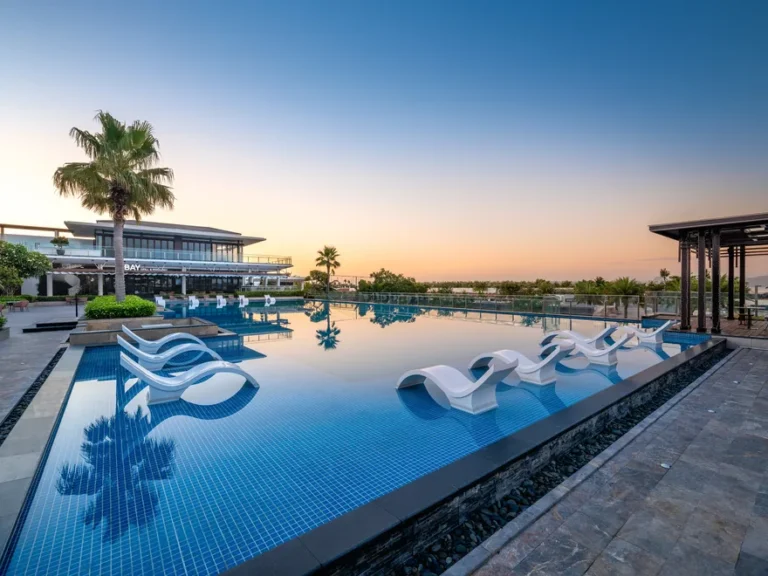
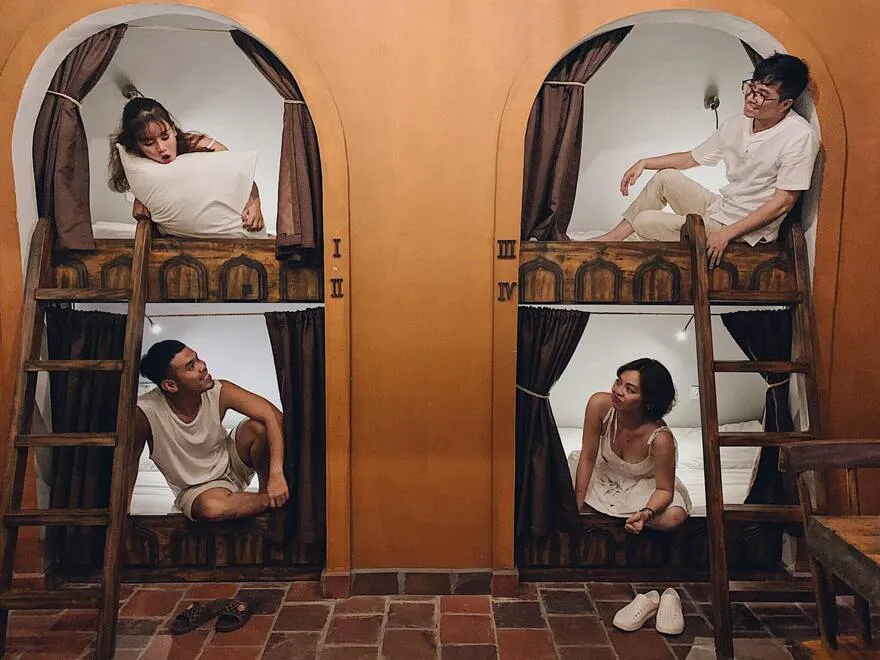
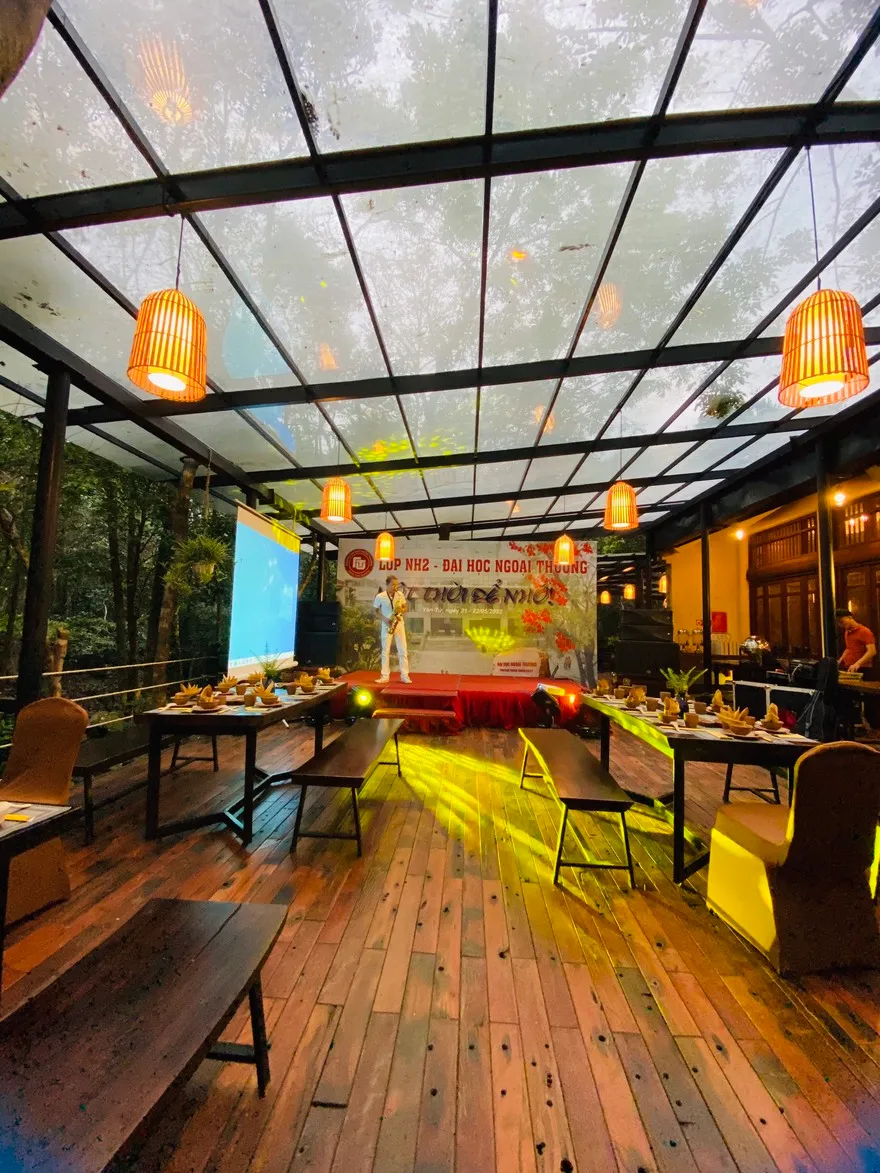
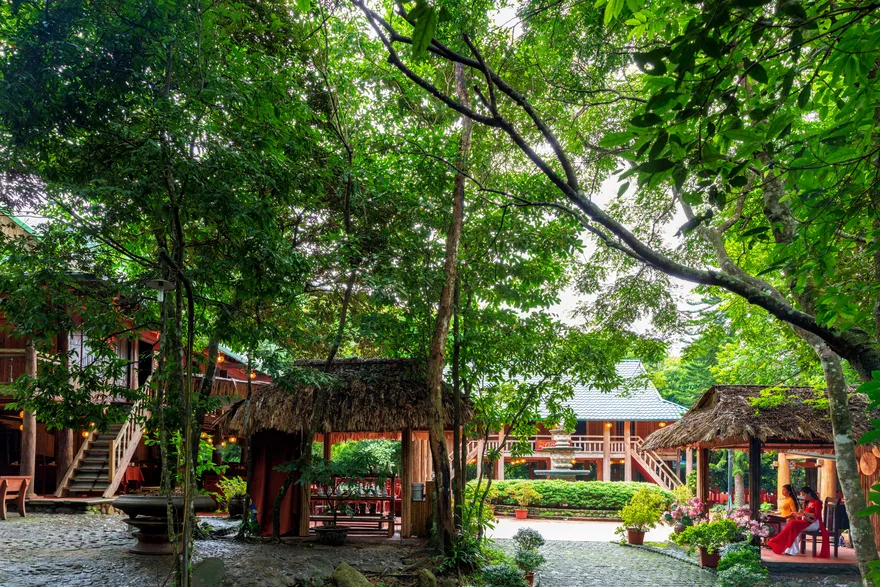
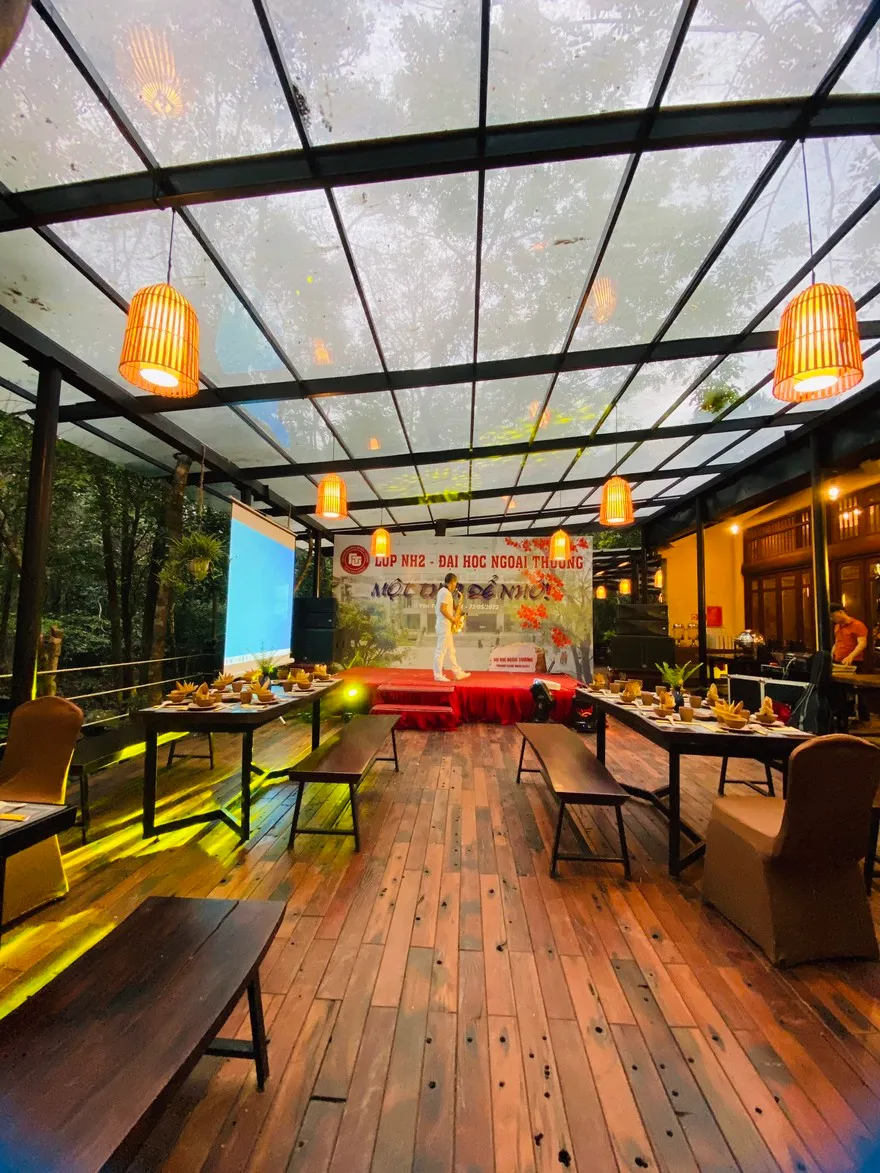
Lang Nuong and Legacy Yen Tu do not exist in isolation but are two perfectly complementary pieces within the ecosystem of the Yen Tu Truc Lam Cultural Center. The most distinct difference lies in their positioning and experience style: Lang Nuong (3-star) is built as a “rustic oasis,” fully recreating the ancient Northern Vietnamese village space with yin-yang tiled roofs, earthen walls, and cozy communal courtyards. In contrast, Legacy Yen Tu – MGallery is an international 5-star resort, bearing a majestic and magnificent appearance like a 13th-century royal palace under the Tran Dynasty. This combination allows the complex to flexibly meet the needs of various guest groups, from young people who love exploring folk culture to travelers seeking luxury and refinement in a Zen spirit. Despite the difference in accommodation levels, guests at Lang Nuong still benefit from the comprehensive service support of the entire heritage complex. Guests can easily access and use high-end amenities located within the same master plan, such as the Dien Hong Convention Center – a flexible 852 m² space dedicated to large-scale events, weddings, and conferences. Furthermore, the close connection with the local community has created the Dao Thanh Y cultural exhibition area, where visitors can directly learn about traditional rituals and customs right at the foot of the sacred mountain. This intersection turns the entire Yen Tu valley into a multi-functional destination, where rustic and high-end values converge to honor and preserve the Truc Lam heritage sustainably.